Start With the Bakery Use Case, Not the Bag Photo
A strong RFQ for wholesale jute tote bags for artisan bakeries starts with the job the bag must perform. A tote used to carry two baguettes and a paper pastry box has different requirements from a premium tote sold beside coffee beans, preserves, and baking mixes. If the supplier receives only a logo file, a desired color, and a general size, each factory may quote a different jute weight, lamination level, handle grade, stitch pattern, and packing method. The prices may look comparable on a spreadsheet, but the products will not be comparable in use.
Define the commercial role before asking for bulk prices. Is the tote a low-cost farmers market giveaway, a paid retail item, a seasonal hamper carrier, a subscription box tote, a franchise opening kit, or a reusable shopper for daily bakery purchases? A giveaway may tolerate simpler finishing and bulk packing. A paid retail bag needs tighter shade control, cleaner thread trimming, better print alignment, barcode handling, and stronger customer-facing presentation.
For bakery buyers, the main specification tension is texture versus control. Natural jute provides the rustic craft look many artisan brands want, but the woven surface is uneven and can make small artwork difficult to print. Lamination improves structure and helps reduce fiber shedding, but too much stiffness creates crease marks and a less natural hand-feel. A useful RFQ tells suppliers which tradeoff matters most instead of asking for the cheapest version of a vague tote.
- Bread carrier programs should prioritize opening width, handle comfort, tall profile, and easy loading at the counter.
- Pastry box programs should prioritize gusset depth, stable bottom support, seam strength, and folding that does not crush box corners.
- Retail merchandise programs should prioritize consistent jute shade, clean branding, hangtag or barcode handling, and tidy individual presentation.
- Gift packaging programs should prioritize odor control, thread trimming, print alignment, label accuracy, and carton protection during freight.
- Distributor programs should state whether one common bag body will serve multiple bakery brands, because artwork versions affect screens, packing segregation, and carton marks.
Translate Bakery Products Into Finished Dimensions
Bag size is one of the easiest RFQ fields to write incorrectly. A request for a 35 x 40 cm jute tote can mean a flat shopper with no gusset, a box-bottom tote, or a landscape market bag with side panels. Cutting consumption, standing performance, shipping volume, and load behavior are different for each construction. For bakery packaging, gusset depth is often more important than front-panel height because pastry boxes, cake boxes, cookie tins, and coffee packs require depth and stable bottom support.
Use finished dimensions and define the measuring method. Width should mean front-panel width after sewing. Height should mean from the top edge to the bottom seam or bottom panel edge. Gusset should mean side or bottom depth when the bag is opened, not the visual fold line on a flat photo. Handle drop should be measured from the top edge of the bag to the highest inner point of the handle. If the buyer measures a prototype one way and the factory measures another way, a small dimensional difference can become a production dispute.
Before choosing a standard tote size, list the actual bakery products the bag must hold. Include the largest pastry box, typical bread length, jar or bottle height, retail coffee pack dimensions, and whether items are loaded flat, upright, or mixed. A bakery that sells long baguettes may need height and handle clearance. A bakery that sells cakes or pastry boxes may need a wider base and better bottom support. A gift set with jars or baking mixes may need a smaller but stronger tote that does not look underfilled.
- For counter handout bags, avoid oversizing because extra fabric increases cost and makes small purchases look poorly fitted.
- For box-heavy programs, test the largest box with the proposed gusset before approving a bulk size.
- For shoulder-carry totes, confirm handle drop with real users wearing coats instead of relying only on total handle length.
- For display-ready retail totes, state whether the empty bag must stand upright or only needs structure when filled.
- For multi-item gift sets, define load distribution because jars concentrated in one corner stress seams differently than bread or pastry boxes.
Specify Jute Weight, Lamination, and Material Limits
Jute should not be described only as natural, eco style, or burlap look in a procurement RFQ. Buyers should request fabric weight by GSM or ounce class and ask how the supplier defines that weight. Some suppliers use ounce descriptions such as 10 oz, 12 oz, 13 oz, or 15 oz, while others use GSM ranges. The buyer should ask whether the figure refers to fabric before lamination, fabric after lamination, or a local purchasing convention. Without that clarification, one supplier may quote a lighter fabric and appear more competitive while delivering a weaker tote.
Lamination is a major cost and performance variable. Inside PP lamination can help the bag stand better, reduce fiber shedding into packed bakery products, and provide limited moisture resistance during handling. Unlaminated jute feels softer and more rustic, but it can shed more fibers and absorb humidity. Outside lamination can create a smoother print surface, but it may reduce the natural look and make crease marks more visible. Many bakery programs choose a natural jute exterior with inside lamination when they want both structure and craft texture.
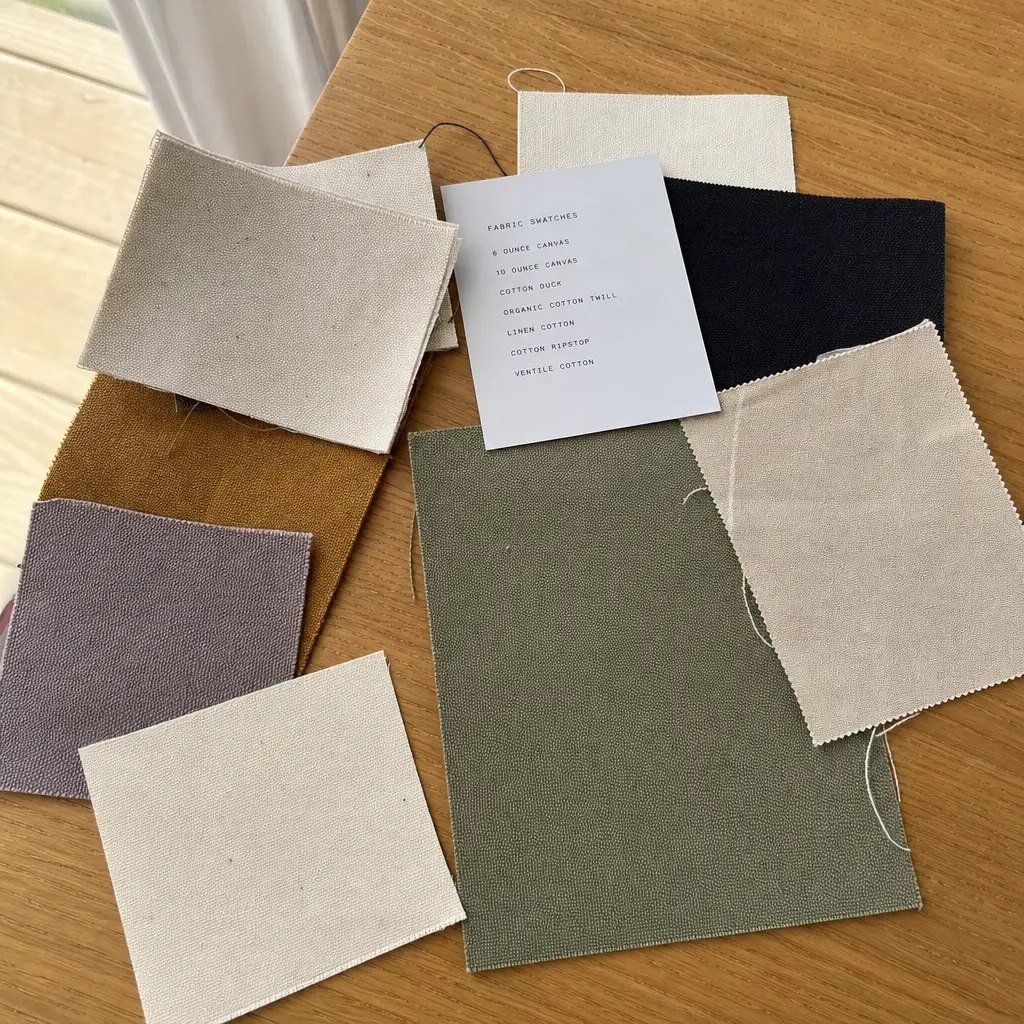
The RFQ should describe desired hand-feel in practical terms. Does the bag need to fold flat in a carton without obvious crease damage? Should it stand on a bakery shelf for retail display? Is a slightly stiff structure acceptable if it improves pastry box carrying? The supplier cannot optimize all of these at once. Ask for a swatch or existing sample before approving a custom production sample, especially if the tote will be sold as merchandise rather than given away.
- Use lighter jute only for short-term promotions, low-load giveaways, or events where price matters more than repeat use.
- Use mid-weight laminated jute for most reusable bakery totes carrying bread, pastry boxes, coffee packs, or small jars.
- Use heavier jute when the bag is a paid retail item or must carry dense items such as flour, bottles, preserves, or gift sets.
- State whether natural shade variation is acceptable and define what becomes a rejectable shade difference against the approved swatch.
- Require suppliers to confirm whether quoted material is natural jute, dyed jute, blended jute, laminated jute, or a stock fabric substitution.
Engineer Handles and Stitching for Real Loads
Handles are often treated as a cosmetic choice, but they are one of the main failure points in bakery tote programs. A bag may look acceptable in a photo while using narrow webbing, weak thread, or a handle attachment area that tears under repeated use. Bakery customers may carry bread, coffee, jam jars, sauces, flour, or multiple boxed items. The RFQ should define target load, handle width, handle drop, handle material, color, attachment location, and reinforcement stitching instead of asking for strong handles.
Cotton webbing handles are a common upgrade for artisan bakery jute totes because they feel more comfortable than thin rope and match the natural brand style. A width of 25 mm to 38 mm is usually more comfortable for reusable carrying than very narrow tape. The correct handle drop depends on use: short hand-carry handles may suit gift bags, while longer handles help farmers market shoppers carry several items on the shoulder. Handle length affects material cost and carton folding, so it should be fixed in the RFQ.
Stitching details matter as much as handle material. Box stitching, cross stitching, bartacks, or reinforced stitch zones distribute stress better than a simple straight seam. The buyer should ask what load test the supplier can perform and how it is measured. A practical static load or filled-use test in the 6 kg to 10 kg range may be appropriate depending on tote size and intended use. Over-specifying a heavy load for a small promotional bag adds cost; under-specifying it creates customer complaints.
- Define handle width, color, material, total length, and handle drop as separate RFQ fields.
- Require the quoted stitching pattern to be shown in sample photos, not only described in text.
- Ask whether the handle is sewn into the top hem, attached to the panel face, or reinforced through multiple fabric layers.
- Test the sample with actual bakery products or equivalent weight, then inspect stitch holes, thread breakage, and panel tearing.
- Reject quotes that use vague terms such as strong webbing without measurable width, material, sewing location, and reinforcement details.
Match Branding Method to the Jute Surface
Branding on jute must be planned around the fabric surface. Screen printing is usually the most practical choice for wholesale jute tote bags for artisan bakeries when the artwork uses one to three spot colors. It works well for bold bakery names, wheat icons, round seals, monograms, and simple line drawings. The challenge is that jute yarns are uneven. Thin serif letters, small taglines, QR codes, fine illustrations, and tight reversed text can break up or fill in during printing.
A good RFQ includes vector artwork, Pantone references, print size, print placement, and minimum readable text height. It should also show whether the print is front only, front and back, or combined with side labels, hangtags, or barcode stickers. Buyers should avoid asking suppliers to guarantee perfect reproduction of small details on rough jute without a strike-off. If the artwork is delicate, a cotton patch, woven label, printed hangtag, or paper sleeve may communicate details more reliably than direct printing on jute.
Heat transfer can reproduce more detail than direct screen printing, but it may look less integrated with the natural texture and can feel like a separate layer. Embroidery directly on jute can be attractive for small marks but may distort loose weave or raise cost. Woven labels are useful for small brand details, multi-location bakery names, and premium merchandise. The right branding method depends on artwork complexity, retail price point, durability expectations, and MOQ.
- Use screen print for bold bakery logos, simple icons, and limited-color artwork with moderate ink coverage.
- Use a cotton patch or woven label for fine text, origin details, small taglines, or premium branding elements.
- Use hangtags, paper bands, or inserts for QR codes, barcode data, care details, and rotating seasonal messages.
- Request a printed strike-off when artwork includes thin lines, reversed text, large solid blocks, or tight registration.
- Set print placement from fixed bag edges, such as distance from top edge and side seam, rather than approving only a visual mockup.
Build an RFQ Sheet That Makes Quotes Comparable
A procurement-ready RFQ should force suppliers to quote the same product, packing, and commercial basis. For jute totes, small specification differences create large quote gaps. A supplier quoting lighter unlaminated jute, narrow handles, simple sewing, and bulk packing will appear cheaper than a supplier quoting laminated jute, cotton webbing handles, individual paper bands, and FOB export handling. Unless the RFQ standardizes required fields, the buyer may select a low price that does not meet the bakery program’s use case.
The quote sheet should include technical specifications, branding details, packing requirements, commercial terms, and sample expectations. For technical specifications, include finished dimensions, gusset, GSM, lamination, handle material, stitching, print method, label details, and tolerance expectations. For commercial terms, include quantity breaks, currency, incoterm, port, payment terms, sample cost, setup charge, inspection access, and quote validity. For packing, request pieces per carton, carton dimensions, gross weight, net weight, folding method, carton marks, and pallet plan if applicable.
Ask suppliers to disclose one-time charges separately from repeat order costs. Screen charges, sample charges, woven label tooling, special handle dyeing, retail hangtag printing, barcode setup, and courier fees should not be hidden inside the unit price if the buyer expects repeat orders. This is especially important for bakery chains or distributors that may reorder the same bag body with different seasonal artwork. A clean RFQ allows procurement, marketing, logistics, and quality teams to evaluate the same quote without reinterpreting assumptions.
- Technical quote fields should include finished size, tolerance, jute weight, lamination, handle width, handle drop, stitching, label, and print details.
- Commercial quote fields should include MOQ, price breaks, currency, incoterm, export port, payment terms, price validity, and lead time basis.
- Setup quote fields should include screen charge, sample charge, courier fee, label tooling, artwork revision cost, and refund policy if bulk order proceeds.
- Packing quote fields should include folding method, inner packing, pieces per carton, carton size, gross weight, net weight, carton marks, and pallet loading.
- Risk quote fields should ask for substitution rules, peak-season lead time, inspection window, and whether bulk materials match the approved sample.
Control MOQ, Price Breaks, and Customization Triggers
MOQ is not only a supplier preference; it is linked to fabric purchasing, cutting efficiency, printing setup, handle sourcing, sewing line changeover, and packing labor. A stock jute tote with one-color logo printing may be available at a lower MOQ than a fully custom tote with a special gusset, dyed cotton handles, woven side label, and retail paper band. If the buyer asks for low MOQ and many custom details, the supplier may increase the unit price sharply or offer a substitute specification that is easier to produce.
Procurement teams should separate MOQ by component. The bag body may have one MOQ, the handle color another, the woven label another, and the retail packing another. Print versions add another layer. A distributor ordering one common bag body for ten bakery names may be able to consolidate cutting and sewing, but each artwork version can still require separate screens, strike-offs, packing segregation, and carton marks. The RFQ should ask whether MOQ is per design, per size, per color, per artwork, or per shipment.
Price breaks should be requested at realistic quantities. For example, ask for 500, 1,000, 3,000, and 5,000 pieces only if those volumes match the launch and reorder plan. Very high price breaks that the buyer will never order do not help procurement planning. Also ask how long prices remain valid because jute, cotton webbing, cartons, labor, and freight-related handling can change over time. If repeat ordering is likely, request a reorder price basis and confirm whether screens or tooling can be reused.
- Ask suppliers to list MOQ separately for bag body, handle color, print version, woven label, hangtag, and retail packing.
- Compare stock-size printing, semi-custom construction, and fully custom production as separate quote scenarios.
- Request price breaks that reflect realistic annual demand, launch quantity, and reorder quantity.
- Separate one-time development charges from recurring unit prices so repeat-order cost is clear.
- Confirm whether the low-MOQ quote uses the same materials as bulk production or an available substitute fabric.
Use Samples to Freeze Materials, Print, and Packing
Sampling should not be treated as a photo approval step. For bakery jute tote bags, the physical sample verifies hand-feel, stiffness, odor, shade, print readability, handle comfort, seam strength, and how the bag behaves when filled. A photo cannot show whether the jute surface is too rough for the logo, whether the handle cuts into the hand, or whether lamination creates unacceptable crease marks after folding. Buyers should build sample stages into the RFQ instead of asking for one rushed sample after price negotiation.
A practical sequence is fabric swatch, existing similar sample, printed strike-off, and full pre-production sample. The fabric swatch confirms jute weight, shade, lamination, odor, and shedding. The existing sample shows sewing and handle construction. The strike-off checks print method, color, and detail on the actual fabric. The pre-production sample should combine final jute, final lamination, final handle, final artwork, final labels, and the intended packing fold. Skipping stages can save days but may increase bulk production risk.
Approval should be documented. Mark the approved sample with date, version, dimensions, artwork file name, and approval reference. Keep one approved sample with the buyer and one with the factory. If the factory later changes fabric batch, handle supplier, ink system, stitch pattern, carton packing, or folding method, the change should be declared before bulk production. This prevents a strong sample from turning into a bulk shipment with different stiffness, shade, or print quality.
- Review jute shade under daylight and indoor lighting because natural fiber color can shift noticeably.
- Load the sample with actual bakery boxes, jars, or equivalent weight and inspect seams after resting under load.
- Rub the cured print with a dry white cloth to check ink transfer, especially on rough or laminated jute.
- Fold the sample exactly as packed for shipment to judge crease marks, print cracking, and shape recovery.
- Check label placement, barcode readability, hangtag position, carton marks, and retail packing if the bag will be resale-ready.
Set QC Standards Before Cutting Starts
Quality control for jute totes must balance natural material variation with functional and retail requirements. Jute slubs, minor yarn thickness differences, and natural shade variation are normal within an approved range. Oil stains, mildew odor, broken yarn holes, severe skewing, loose handles, missing stitches, unreadable printing, and dirty packing are not acceptable. The RFQ should define these thresholds before production so the supplier, factory supervisor, and third-party inspector use the same standard.
For bakery buyers, cleanliness and odor deserve special attention. The tote may not touch unpackaged food directly, but it will often be handled near bakery packaging, retail shelves, and customer counters. Strong chemical smell, mold smell, dust, heavy fiber shedding, or dirty marks can create immediate complaints. Incoming material inspection should check jute rolls before cutting. In-line inspection should check printing, handle attachment, and sewing. Final inspection should check finished bags and packed cartons before shipment release.
Use defect classification instead of a simple pass or fail. Critical defects may include mold, unsafe contamination, wrong artwork, wrong logo, or severely weak handles. Major defects may include size outside tolerance, missing labels, poor print registration, broken seams, heavy stains, wrong packing, or mixed SKUs. Minor defects may include small thread ends or slight natural shade variation within the approved range. The buyer should also define sampling level or inspection method with the supplier or inspection company before the goods are packed.
- Set measurable tolerances for width, height, gusset depth, handle drop, print position, and label placement.
- Inspect handle attachment with load testing and visual checks at the stitch box, panel face, top hem, and thread ends.
- Check print color, curing, rub resistance, broken lines, filled details, pinholes, and registration on actual production pieces.
- Reject mold odor, oil stains, wet cartons, heavy dirt, insect contamination, and visible mildew as serious quality issues.
- Keep approved samples, fabric swatches, artwork approvals, and packing instructions available during final inspection.
Plan Packing, Cartons, and Freight Before PO Release
Packing is a cost driver, a freight driver, and a quality risk. Jute totes can be folded flat, folded once, semi-open packed, or packed with paper separation depending on lamination, print position, and retail presentation. Folding saves carton space, but it can create permanent creases on laminated jute or across printed artwork. Packing open protects shape, but it increases carton volume and freight cost. The RFQ should specify the folding method and request a photo or sample of the packed unit.
For B2B bakery handout programs, bulk packing may be the most efficient. Staff can unpack totes before use, and the buyer avoids unnecessary inner packaging. For retail resale, individual packing, paper bands, hangtags, barcode stickers, or carton segregation by SKU may be necessary. If plastic packaging is proposed, the buyer should check local plastic rules and retailer requirements. Paper bands or hangtags may better fit an artisan bakery brand, but they still add labor, printing, and packing coordination.
Carton data should be requested at quote stage, not after production. Pieces per carton, carton size, gross weight, net weight, carton marks, pallet quantity, and moisture protection affect warehouse receiving and freight quotations. Overweight cartons may violate warehouse handling rules. Oversized cartons can crush lower cartons or raise dimensional freight cost. For sea freight or long storage, humidity risk should be considered because jute and cartons can absorb moisture during transit or warehousing.
- Use bulk packing for counter distribution, staff handout programs, or events where bags are unpacked before use.
- Use retail-ready packing for resale, e-commerce bundles, barcode-controlled inventory, or store shelf presentation.
- Keep carton gross weight within the buyer’s warehouse limit and avoid carton dimensions that create poor pallet stability.
- Confirm whether bags are folded across the print area and approve the fold before bulk packing starts.
- Request moisture-control measures appropriate to route, season, and storage conditions without relying only on outer carton appearance.
Specification comparison for buyers
| RFQ decision | Recommended specification | Best fit for bakery buyers | Procurement risk to control |
|---|---|---|---|
| Stock jute tote with logo printing | Approve an existing blank size first, then specify logo method, print size, color count, placement tolerance, carton packing, and lead time | Bakery openings, farmers market promotions, local events, lower-volume trials, or urgent branded handout bags | Stock shade, handle drop, gusset depth, and fabric stiffness may change by batch; approve the blank before printing |
| Semi-custom bakery tote | Use a standard factory construction but customize handle length or color, print, label, hangtag, and carton marks | Regional bakery groups, gift set programs, subscription boxes, and distributors testing a repeatable branded SKU | Supplier may quote stock fabric but custom trims; confirm which parts are fixed and which are made to order |
| Fully custom jute tote | Define finished size, gusset, bottom construction, jute GSM or ounce class, lamination side, handle webbing, reinforcement stitch, labels, and packing | Premium bakery merchandise, holiday hamper bags, private-label retail totes, and repeat import programs | MOQ, sample time, and production lead time increase because cutting, printing, sewing, and packing are dedicated |
| Natural jute with inside PP lamination | Use natural exterior jute with clear or milky inside lamination, with stiffness approved by sample rather than described only as medium or heavy | Bread, pastry boxes, coffee packs, boxed cookies, jars, and mixed bakery gift sets where stand-up shape matters | Too much lamination can crease and feel rigid; too little structure can sag, shed fibers, or make box loading unstable |
| Unlaminated jute | Use only when a softer rustic hand-feel is more important than stand-up body, moisture resistance, or reduced fiber shedding | Short-term promotions, lightweight giveaways, small bread carriers, or brands seeking a low-sheen natural texture | Higher odor, shedding, humidity sensitivity, and size distortion risk should be checked during swatch and sample approval |
| Cotton webbing handle upgrade | Specify 25 mm, 30 mm, or 38 mm cotton webbing, handle drop, color, sewing location, and box-cross or bartack reinforcement | Reusable bakery totes carrying pastry boxes, coffee bags, flour packs, bottles, jars, or customer purchases over several stops | Narrow tape or weak panel stitching can pass photo review but fail comfort, pull strength, and repeat-use expectations |
| Screen printing on jute | Use spot-color screen print with Pantone references, moderate ink coverage, and artwork adapted for uneven woven texture | Bold bakery logos, wheat icons, circular seals, monograms, slogans, and one-to-three-color brand marks | Fine text, QR codes, tight registration, and large solid areas require strike-off approval on the actual jute surface |
| Cotton patch or woven label branding | Quote sewn cotton patches, woven labels, or printed canvas panels separately from bag price and specify size, placement, folding, and edge finish | Paid retail totes, premium bakery gift bags, multi-location branding, and artwork with small type or high detail | Label MOQ, color limits, sewing accuracy, fraying, and country-of-origin or care-label requirements can affect cost and compliance |
| Retail-ready packing | Define hangtag, barcode sticker, paper band, individual bag, carton segregation, carton marks, and pallet pattern at RFQ stage | Wholesale bakery merchandise, e-commerce bundles, franchise rollouts, and distributor inventory programs | Packing labor, barcode errors, crushed presentation, and dimensional freight can erase savings from a low unit price |
Buyer checklist before sampling
- Define the business use first: bread carrier, pastry box tote, paid retail merchandise, market event giveaway, holiday hamper bag, subscription carrier, franchise opening kit, or gift-with-purchase packaging.
- State finished dimensions with width, height, gusset, bottom style, handle drop, and measuring method; confirm whether measurements are taken flat, opened, or after the bag is folded for packing.
- List the largest bakery item the tote must fit, including pastry box length and height, bread length, jar height, bottle diameter, retail coffee pack size, or gift set carton dimensions.
- Specify the target working load, such as 5 kg, 8 kg, or 10 kg, and require the supplier to align handle reinforcement, seam construction, and bottom support with that load.
- Identify jute weight by GSM or ounce class, and ask whether the quoted weight is measured before lamination, after lamination, or based on a supplier naming convention.
- Confirm lamination requirement: none, inside only, outside only, or both sides, plus expected stiffness, folding method, acceptable crease level, and whether lamination is clear or milky.
- Define handle material, width, color, total length, handle drop, attachment area, reinforcement stitch pattern, thread color, and whether handles are sewn into the hem or onto the panel face.
- Provide artwork as vector files with Pantone references, print size, print position from fixed edges, color count, minimum line thickness, and minimum readable text height.
- Separate branding components in the RFQ: front print, back print, side label, inner label, woven label, hangtag, barcode sticker, retail paper band, and carton mark.
- Request sample stages separately: fabric swatch, existing similar sample, printed strike-off on actual material, full pre-production sample, and packed carton reference if retail presentation matters.
Factory quote questions to send
- What exact jute fabric are you quoting, including GSM or ounce class, natural or dyed shade, yarn appearance, and whether the weight is measured before or after lamination?
- Can you provide a fabric swatch and an existing similar sample showing the same jute hand-feel, stiffness, lamination, handle quality, print surface, and sewing standard?
- Is the quoted tote unlaminated, inside laminated, outside laminated, or laminated on both sides, and what is the approximate lamination material, finish, and thickness range?
- What finished size tolerance will you guarantee for width, height, gusset depth, bottom panel, handle drop, and print placement after sewing, trimming, folding, and packing?
- Which handle material, width, color, total length, handle drop, sewing location, thread type, and reinforcement stitch pattern are included in the quoted unit price?
- What load test can you support for this construction, and will it be static hanging, repeated lifting, filled-use simulation, or another agreed method?
- Which print method are you quoting for our artwork: screen print, heat transfer, cotton patch, woven label, embroidery patch, digital label, or another process?
- What is the maximum recommended print area on this jute surface before broken lines, ink filling, bleeding, uneven coverage, rubbing, or cracking become likely?
- What minimum text height and line thickness do you recommend for this exact jute fabric and print method, and will you confirm by strike-off before bulk production?
- What MOQ applies separately to the bag body, handle color, print color count, artwork version, woven labels, hangtags, barcodes, retail packing, and carton segregation?
Quality-control points to confirm
- Finished size tolerance should normally be controlled within plus or minus 1 cm for width and height on standard tote sizes, and plus or minus 1.5 cm for gusset depth unless the style is oversized, soft structured, or separately agreed.
- Handle drop tolerance should be defined separately, commonly within plus or minus 1 cm, because small variation affects hand carry, shoulder comfort, counter presentation, and carton folding consistency.
- Handle pull strength should match intended use; bakery tote programs commonly use practical static or filled-use checks in the 6 kg to 10 kg range depending on bag size, seam type, and reinforcement.
- Inspect handle attachment at the stitch box, cross stitch, bartack area if used, top hem, and nearby jute panel for tearing, skipped stitches, loose threads, needle damage, and uneven reinforcement.
- Print position tolerance should be agreed before production, commonly within plus or minus 5 mm for centered front-panel artwork on standard tote sizes and wider only if the bag shape is irregular.
- Ink adhesion should be checked after curing by dry rub and, where relevant, light scratch or tape-style checks on laminated surfaces, without assuming natural jute behaves like cotton canvas.
- Print clarity inspection should include broken fine lines, filled counters in small letters, registration shift, color mismatch, pinholes, uneven ink coverage, and distortion caused by jute weave.
- Incoming material inspection should check jute odor, oil marks, mildew spots, holes, heavy slubs, shade variation, lamination bubbles, delamination, skewing, and excessive fiber shedding.
- Seam strength should be reviewed at side seams, bottom corners, gusset joins, handle attachment points, label insertion points, and any fold line that carries tension during packing or use.
- Cleanliness standards should reject visible dirt, strong chemical smell, mold smell, wet cartons, insect contamination, loose debris, and packaging residue that could create bakery customer complaints.