Start With the Bakery Packing Job
A useful jute tote bags lead time planning guide for artisan bakeries starts with the actual packing job, not the bag photo. A bakery tote may carry one sourdough loaf, a pastry box, a retail gift set, coffee beans, bottled jam, or a mixed hamper. Each use creates different pressure on gusset width, handle strength, print position, and carton packing. If the RFQ says only custom jute tote with logo, suppliers will quote different constructions and the lowest price may not be comparable.
For bakery buyers, the critical question is whether the bag is a low-cost takeaway carrier or a reusable branded retail item. Takeaway bags can be lighter and simpler. Retail gift bags need cleaner seams, better handle comfort, stronger structure, and more consistent printing. Write the intended load and retail channel into the RFQ so the factory can choose realistic fabric weight, stitch reinforcement, and packing method.
- For loose bread, prioritize breathable unlaminated jute and a wide gusset.
- For boxed pastries, match the gusset to the actual box width plus loading clearance.
- For gift hampers, use stronger handles and a box bottom that stands during filling.
- For retail merchandise, control logo placement and fabric face quality more tightly.
- For distributor programs, define SKU labels and carton allocation early.
Choose Jute Weight Without Overbuying
Jute tote bag quotes often use ounce weight, while many importers compare fabric by GSM. A practical bakery program usually sits around 13 oz to 15 oz jute, roughly 370-425 GSM depending on yarn and weave. Lighter jute can work for small bread bags or promotional giveaways, but it may collapse on the counter and show more uneven yarn gaps. Heavier jute gives better structure, but it increases material cost, carton weight, shipping CBM, and sewing difficulty.
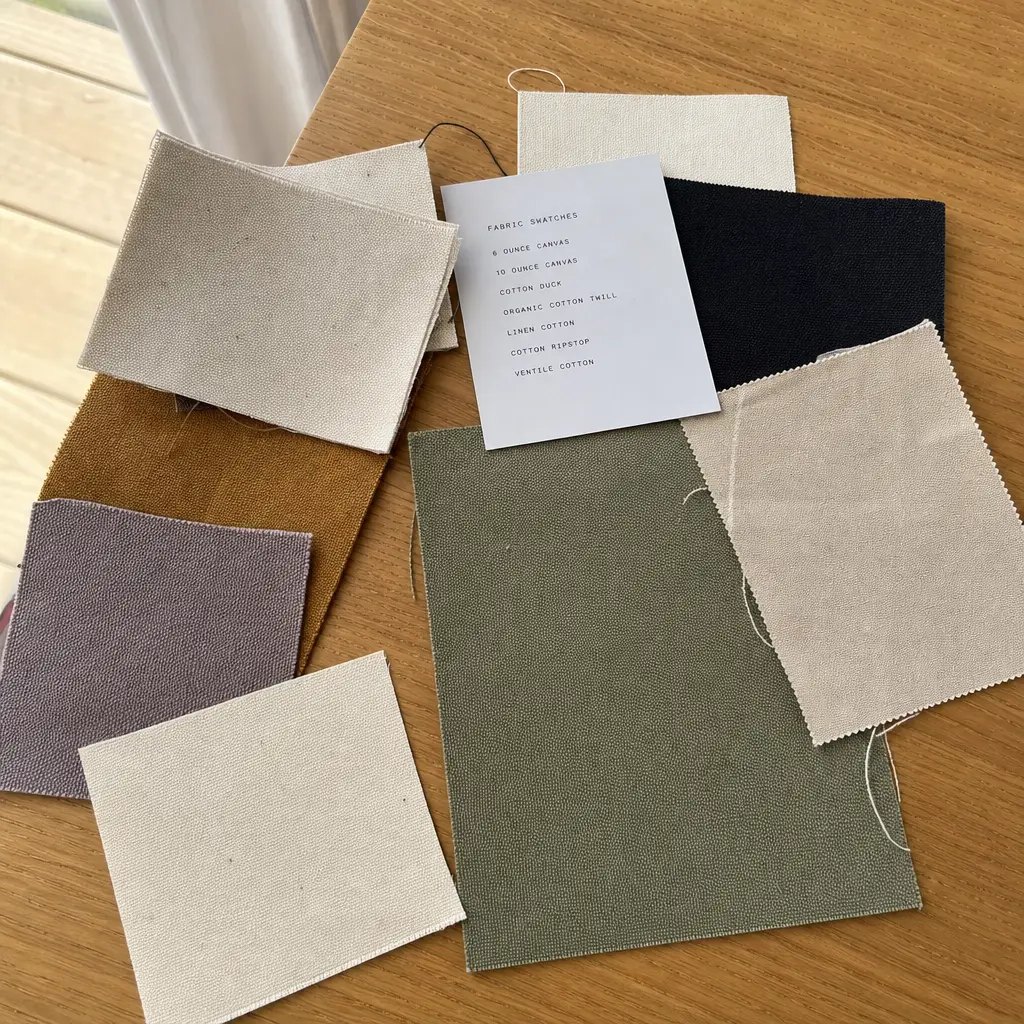
Do not approve a fabric weight only from a quotation line. Request a cut swatch or a sample panel from the actual production lot or the closest available stock. Jute is a natural fiber, so slubs and color variation are normal, but the weave must still be strong enough for the load. If the bakery logo has fine lines, the face side of the jute matters because coarse yarns can break the print edge.
- Light duty: 10 oz to 12 oz jute for small promotional bags and low load use.
- Standard bakery retail: 13 oz to 15 oz jute for reusable tote positioning.
- Heavy gift sets: 15 oz plus jute or reinforced construction when load is high.
- RFQ data: request GSM, ounce weight, weave description, and tolerance.
- Approval point: compare swatch color and weave against the printed sample, not separately.
Size, Gusset, and Handle Decisions
The most common bakery tote mistake is quoting an attractive flat size that cannot hold the real product. Finished size should be written as width x height x gusset, measured after sewing. If the bag will carry a pastry box, measure the box and add enough loading clearance so staff can insert it quickly during busy retail hours. A 10 cm gusset may look adequate on paper, but a rigid 9.5 cm box can still be difficult to load once seam allowance and fabric stiffness are considered.
Handle drop is also a working specification. Short handles look tidy on a counter display but may not fit over the shoulder. Long handles improve carrying comfort but can drag on the floor during packing or hang awkwardly on bakery racks. Cotton webbing handles, usually 35-40 mm wide, give a more comfortable grip than narrow jute tape. For heavier bakery bundles, cross stitching or box-X reinforcement should be visible and consistent.
- Measure the largest bakery box and add practical loading clearance before confirming gusset.
- Use finished size tolerances, commonly plus or minus 1 cm, unless box fit is critical.
- Define handle drop from bag top edge to handle peak, not total handle length only.
- Specify handle width, material, color, and reinforcement stitch pattern.
- Request one loaded photo or video using a comparable product weight during sample approval.
Printing on Jute Needs Early Testing
Screen printing is usually the best starting point for bakery jute totes with one to three solid brand colors. It gives stable cost, good coverage, and a natural printed look on coarse jute. The limitation is detail. Thin serif fonts, small ingredient icons, delicate wheat illustrations, and fine borders can break or fill in because the jute surface is uneven. A factory can print beautiful vector art on paper and still struggle on real jute.
Heat transfer can reproduce more detail, gradients, or small color blocks, but it changes the surface feel and may look less natural on a rustic bakery bag. Embroidery is possible for premium programs, but it adds time, cost, thread color control, and puckering risk. For most bakery buyers, the safest workflow is artwork proof first, then a printed strike-off on the correct jute, then a full sample if the strike-off passes.
- Use Pantone references, but accept that natural jute background changes perceived color.
- Avoid very fine lines; request the factory’s minimum line width for the chosen print method.
- Keep important logo elements away from seam curves and handle attachment zones.
- Approve print position with measurements from top edge and side seam.
- Test dry rub and light wet rub before approving dark ink on natural jute.
MOQ Logic Buyers Should Understand
MOQ for custom jute totes is not only a sales rule. It comes from fabric procurement, cutting efficiency, print setup, sewing line setup, packing materials, and inspection cost. A supplier may accept a lower quantity for stock natural jute with one color print, but the MOQ rises when you add custom dyed fabric, multiple logos, laminated lining, private carton marks, or many small SKU splits. If a quote looks unusually flexible, check whether the supplier has changed fabric quality or combined production with another order.
Bakery buyers often want several store logos or seasonal designs in one purchase order. That can be done, but it should be costed transparently. Separate the total order quantity from the minimum per design. A 5,000 piece order with five different prints is not the same production as one 5,000 piece design. Each artwork needs screen setup, print alignment, quality inspection, and packing control.
- Lowest MOQ is usually natural stock jute, standard size, one color print, bulk packing.
- Higher MOQ applies to custom fabric color, custom lining, many sizes, or several print designs.
- Screen charges may apply per color and per artwork even when the bag size is unchanged.
- Small split quantities increase overrun risk, carton complexity, and inspection time.
- For first orders, choose fewer SKUs and collect sales data before expanding the range.
Build the Lead Time Backward
Lead time should be counted backward from the date the bags must be available for bakery packing, not from the marketing launch date. If a distributor needs two weeks to allocate cartons to stores, that warehouse date is the real deadline. A normal custom jute tote schedule may need artwork confirmation, sample making, sample courier time, sample review, bulk material preparation, printing, sewing, trimming, inspection, packing, export booking, transit, customs clearance, and inland delivery.
For planning purposes, many buyers use 45-60 days from approved artwork, approved sample, and deposit to finished goods, then add freight time. That is not a delivery promise; it is a realistic planning range for custom production when specs are not changing. The schedule becomes risky when artwork is late, sample comments are unclear, the buyer changes bag size after sampling, or packing instructions arrive after production has started.
- Week 1: final RFQ data, quotation comparison, artwork proof, and sample order.
- Weeks 2-3: sample production, courier transit, and buyer review.
- Weeks 4-7: bulk material, cutting, printing, sewing, finishing, and inline QC.
- Week 8: final inspection, export packing, booking, and handover if no rework is needed.
- Add freight and customs buffer according to destination and season.
Sample Approval That Prevents Rework
A bakery jute tote sample should not be treated as a general style reference. It should prove the actual construction that will be made in bulk. The pre-production sample needs the correct jute weight, handle material, handle drop, gusset, print method, print size, stitching style, seam binding, lining choice, label position, and packing fold. If the first sample uses substitute fabric, record exactly what is different and require a corrected pre-production sample before bulk cutting.
Sample comments must be measurable. Replace soft comments like make logo higher with exact measurements such as logo top edge 90 mm below bag opening, centered within plus or minus 5 mm. For bakery box fit, test with the real box or a dummy with the same dimension and filled weight. If the bag collapses, handle reinforcement tears, or the box corners push hard into seams, fix the structure before approving production.
- Approve size by measuring the finished bag flat and opened with gusset formed.
- Approve print using real viewing distance and close inspection for broken details.
- Approve load fit using actual bakery packaging dimensions and target carry weight.
- Approve stitching by checking handle stress points, inner seam binding, and loose threads.
- Approve packing by folding one sample the same way planned for export cartons.
Packing and Carton Data Affect Cost
Jute tote bags are bulky compared with thin cotton bags, and packing decisions affect both landed cost and arrival condition. Flat packing protects shape and makes counting easier, but cartons may become larger. Tight compression saves CBM but can create creases, distorted handles, and crushed corners, especially when the bag has lamination or a structured box bottom. For bakery retail programs, poor packing can make a good bag look used before it reaches the store.
The quotation should include units per carton, carton size, gross weight, net weight, total CBM, carton material, inner polybag policy, moisture protection, and pallet requirements. Bakery brands that want plastic reduction may avoid individual polybags, but export shipping still needs moisture control. Options include master carton liners, desiccants where appropriate, and clean dry storage before loading. The chosen method should match the destination climate and transit time.
- Request carton dimensions and CBM at quotation stage, not after order placement.
- Use carton labels that identify SKU, color, print design, quantity, PO number, and destination.
- Avoid over-compressed packing for laminated jute or bags with structured gussets.
- Define whether bags are bulk packed, bundled, or individually packed.
- Confirm pallet height and carton strength if the importer’s warehouse requires palletized delivery.
Compare Quotes Beyond Unit Price
Two jute tote quotes can show the same unit price and still represent different products. One supplier may quote 15 oz jute with cotton handles and inner seam binding, while another quotes lighter jute, narrow handles, and loose bulk packing. The cheaper quote may become expensive after adding screen charges, sample fees, higher defect rate, repacking, air freight, or late delivery penalties. Procurement teams should normalize quote data before deciding.
Create a quote comparison sheet that includes fabric GSM, bag size tolerance, handle specification, print method, print area, setup charges, sample lead time, production lead time, carton data, Incoterm, payment terms, inspection policy, and validity period. If the supplier cannot provide carton CBM or production lead time until after order confirmation, the landed cost calculation is incomplete. For bakery distributors, CBM can change the final cost more than a small unit price difference.
- Normalize all prices to the same Incoterm before comparing landed cost.
- Add print setup, sample courier, inspection, banking, freight, duty, and warehouse handling.
- Compare total CBM and gross weight for the same order quantity.
- Check whether overrun or underrun tolerance is included in the supply agreement.
- Treat unclear specifications as commercial risk, not just technical detail.
QC Thresholds for Bakery Retail Use
Jute is a natural material, so perfect uniformity is not realistic. Buyers should distinguish acceptable natural variation from defects that damage retail presentation or function. Normal slubs, slight shade variation, and minor yarn irregularity can fit a rustic bakery brand. Holes, mold spots, oil stains, strong odor, broken yarn clusters on the logo panel, poor handle stitching, and severe print misalignment should not pass.
Inspection should cover incoming fabric, inline sewing, print quality, finished dimensions, load function, odor, and packing accuracy. A final random inspection is useful, but it should not be the first time quality is reviewed. For larger bakery programs, inline checks after printing and before final packing prevent cartons full of repeated print errors. Acceptance criteria should be attached to the PO or quality agreement so the factory and inspection team use the same standard.
- Size: finished width, height, and gusset within agreed tolerance.
- Print: centered, readable, correct color reference, and no major ink bleeding.
- Stitching: no skipped stitches, open seams, handle tearing, or sharp thread knots.
- Fabric: no mold, oil stain, hole, strong odor, or severe shade mismatch by carton.
- Packing: correct SKU count, carton marks, carton condition, and moisture protection.
Specification comparison for buyers
| Spec decision | Recommended option | When it fits | Buyer risk to check |
|---|---|---|---|
| Jute fabric weight | 13 oz to 15 oz jute, roughly 370-425 GSM depending on weave density | Bakery gift sets, bread loaves, packaged cookies, and retail merchandise where the bag must stand reasonably well | Quotes may list ounce weight but use loose weave; request actual GSM, panel weight tolerance, and a cut swatch before approval |
| Lamination choice | Unlaminated for rustic bakery branding; thin inner lamination only when moisture resistance is needed | Unlaminated suits artisan positioning and lower plastic content; laminated suits oily pastry boxes or chilled retail handling | Lamination changes handfeel, print adhesion, odor, recyclability claims, and folding behavior inside cartons |
| Handle material | Cotton webbing handles, 35-40 mm wide, cross-stitched at stress points | Premium bakery packaging, heavier bread bundles, and reusable retail tote positioning | Thin jute handles can feel rough and deform; require handle pull testing and define handle drop in the RFQ |
| Bag construction | Box-bottom tote with side gusset and bound inner seams | Retail shelves, bakery counters, market stalls, and gift hamper assembly where the bag should load easily | Flat totes look cheaper in photos but pack less efficiently for bakery boxes; verify finished size after seam allowance |
| Print method | Screen print for 1-3 solid bakery brand colors; heat transfer only for detailed art or gradients | Screen print gives the most stable cost and natural look on jute for most bakery logos | Jute texture breaks fine lines; approve a printed jute strike-off, not only artwork on paper |
| MOQ logic | Start from factory print setup and fabric cutting efficiency, commonly one design per colorway MOQ | Small bakery chains, seasonal launches, distributor bundles, and test-market retail programs | Mixing many logos or bag colors raises setup loss; separate MOQ by size, fabric color, print color, and packing style |
| Export packing | Flat packed in lined master cartons with moisture control and carton labels by SKU | Sea freight, warehouse receiving, and distributor allocation where carton count accuracy matters | Compressed packing can crease laminated jute and distort handles; define carton quantity, polybag use, and pallet requirements |
| Production schedule | Plan 45-60 days from approved artwork and deposit for custom jute, plus transit and customs buffer | Normal seasonal bakery programs, retail gifting, and replenishment orders without emergency air freight | Lead time does not start from first inquiry; it starts after sample approval, final PO data, artwork, and payment terms are cleared |
Buyer checklist before sampling
- Define bag use first: loose bread, boxed pastry, gift hamper, retail merchandise, or market stall carryout.
- Specify finished size as width x height x gusset, plus acceptable tolerance after sewing and pressing.
- State jute weight in GSM or ounces with weave density expectations, not only the word natural jute.
- Decide unlaminated, inner laminated, or wipeable lining before sampling because it affects print, odor, and packing.
- Provide logo artwork as vector files with Pantone references and minimum line width suitable for jute texture.
- Separate MOQ by size, fabric color, print design, print color count, and packing method.
- Approve a physical pre-production sample made in the correct fabric, handle, print, and stitching construction.
- Set handle pull, seam strength, print rub, odor, size tolerance, and carton drop acceptance criteria.
- Confirm carton quantity, inner packing, moisture protection, SKU labels, and palletization before mass production.
- Build a calendar from required warehouse date backward, including sample remake time, production buffer, export booking, and customs clearance.
Factory quote questions to send
- What jute GSM, ounce weight, and weave density are included in this quote, and what tolerance applies?
- Is the quoted bag unlaminated, inner laminated, or fully laminated, and will lamination change print adhesion or odor risk?
- What is the MOQ per size, per artwork, per print color, and per packing method?
- Which print method is quoted, what is the maximum print area, and what minimum line width do you recommend on this jute?
- Are cotton webbing handles included, what is the handle width and drop length, and how is the handle reinforcement stitched?
- How many days are required for artwork proof, sample production, sample shipping, bulk production, inspection, and export packing?
- What data is included in the quotation: carton size, gross weight, net weight, units per carton, CBM, HS code, and Incoterm?
- Can you provide photos or a short video of actual jute fabric, handle stitching, inner seams, and printed samples before the pre-production sample ships?
- What are the standard quality tolerances for size, print position, color variation, fabric slubs, odor, and carton damage?
- If the bakery launch date cannot move, which steps can be compressed safely and which steps should not be skipped?
Quality-control points to confirm
- Finished bag size tolerance should normally be controlled within plus or minus 1 cm unless the bakery box fit requires tighter control.
- Handle attachment should use reinforced stitching, with no skipped stitches, loose thread knots, or tearing around the stress area.
- Print registration should be centered within the agreed tolerance, with no heavy ink bleeding that closes small bakery logo details.
- Dry rub and light wet rub should be tested on printed panels, especially for dark ink on natural jute.
- Fabric inspection should allow normal jute slubs but reject holes, oil stains, mold marks, strong odor, and broken yarn clusters on the logo area.
- Inner lamination, if used, should not crack on folding or separate near seams after normal handling.
- Cartons should be clean, dry, export grade, and strong enough for the chosen carton quantity and shipping route.
- Random inspection should verify SKU labels, carton marks, quantity per carton, polybag requirements, and mixed-carton instructions.