Buying Problem: Rustic Look, Real Carry Strength
Jute tote bags are attractive for artisan bakeries because the material matches bread, grains, coffee, preserves, and natural retail branding. The same rough texture that gives jute its character also creates buying risk. Coarse yarn, open weave, moisture sensitivity, and variable lamination can make two visually similar totes perform very differently when loaded with pastry boxes or gift items.
The buying problem is not whether jute looks premium in a sample photo. The real question is whether the bag keeps its shape, holds the intended weight, protects the bakery brand mark, and arrives without odor or deformation. Procurement teams should build the RFQ around durability evidence and acceptance criteria instead of leaving the supplier to choose the cheapest jute construction.
- Use target load, product dimensions, and retail use case as the starting specification.
- Separate appearance approval from strength approval; a nice logo sample is not a load-tested bag.
- Treat jute as a natural material with tolerances, not as a perfectly uniform synthetic fabric.
Set the Use Case Before Choosing GSM
A tote for two baguettes and a paper receipt does not need the same construction as a bakery gift tote carrying a cake mix jar, jam, coffee, and a boxed pastry set. Before discussing price, define the heaviest and most awkward product combination the bag must carry. This prevents suppliers from quoting a light promotional tote when the retail team expects a reusable shopping bag.
For many bakery programs, a practical jute range is about 13 oz to 15 oz, often around 370 to 430 GSM before coating. Lighter weights may work for event giveaways or decorative packaging, but they can distort at the handle area. Heavier jute improves structure but raises material cost, increases shipping volume, and may make folding marks more visible.
- Light bakery giveaway: consider lower GSM only if load is under 3 kg and reuse expectation is limited.
- Retail reusable tote: use mid-weight jute with reinforced handles for 5 kg to 8 kg target loads.
- Gift hamper bag: prioritize gusset stability, lamination balance, and bottom seam strength over only higher GSM.
Fabric and Lamination Choices
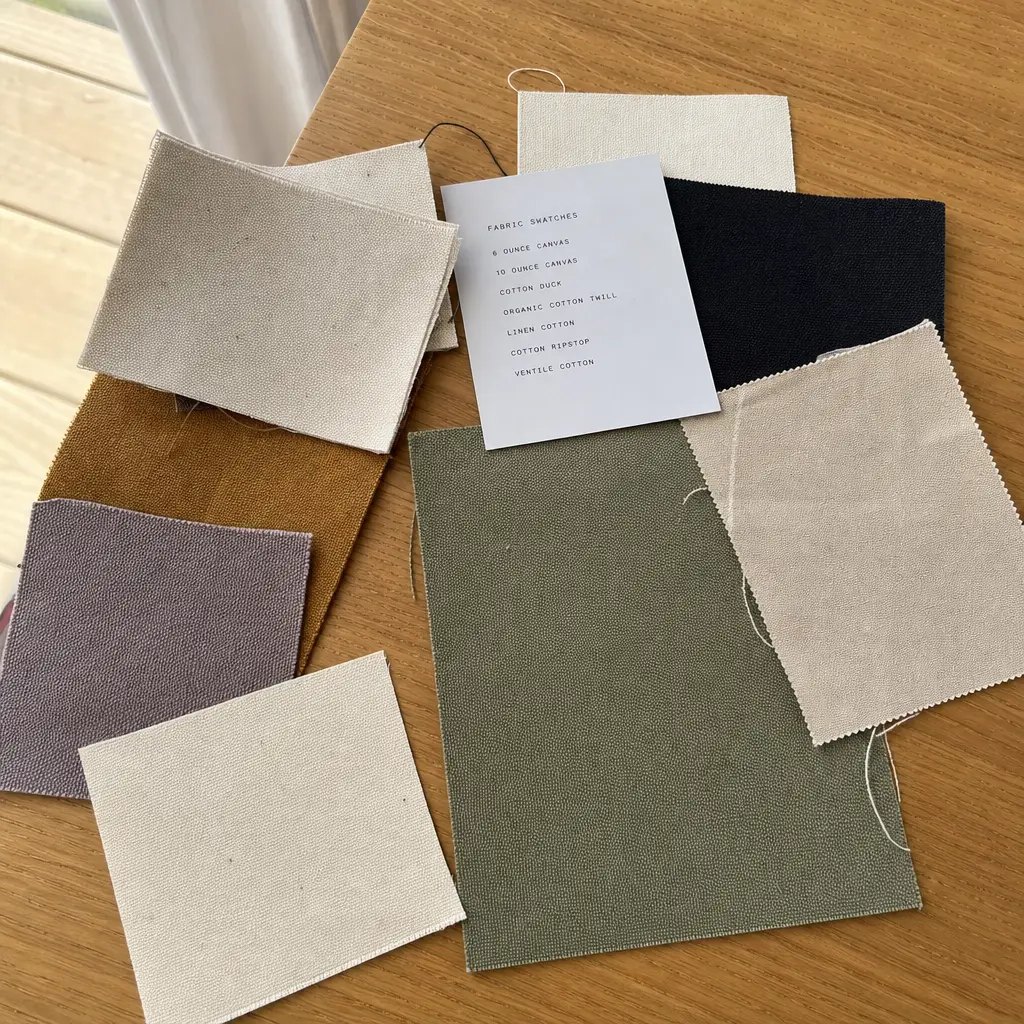
Natural jute varies in shade, fiber thickness, and slub level. Buyers should not approve a bag only by a digital image because jute color can move from pale straw to darker golden brown between lots. A controlled shade range can be agreed, but a perfectly identical natural color is not realistic unless the buyer accepts sorting cost or moves to dyed material.
Lamination is often used on jute totes to improve shape, reduce fiber shedding inside the bag, and add some resistance against crumbs or surface dirt. The tradeoff is stiffness. Too little backing makes the bag collapse; too much backing can create hard creases, cracking at fold lines, and higher carton volume. The RFQ should state the desired handfeel: flexible retail tote, structured gift bag, or shelf-display bag.
- Request fabric weight and lamination type separately, because total finished weight can hide weak base jute.
- Define acceptable natural shade variation by approved reference sample, not by a screen image.
- Open the sample fully and bend the gusset corners to see whether lamination creases or cracks.
Handles and Seam Construction
Handle failure is the most common durability issue in bakery totes. The handle material may be strong, but the attachment point can tear through the jute if stitching is too narrow or placed too close to loose yarn. Cotton webbing handles are usually more comfortable for retail shoppers than rough jute rope, especially when the bag carries jars or boxed goods.
A reliable construction uses a folded top hem or reinforcement patch with box-cross stitching. For heavier bags, bartack reinforcement can add security, but it must be tested on the actual jute because aggressive needle punching can weaken the weave. Buyers should specify handle drop as well as handle length; a bakery counter tote may need hand carry, while a farmer market tote may need shoulder carry.
- Hand carry: shorter handle drop helps a filled tote stay upright and reduces swinging.
- Shoulder carry: longer handle drop improves convenience but increases stress at attachment points.
- Reinforcement: wider stitch area spreads load better than a narrow single-line stitch.
Durability Tests That Matter
A good durability checklist should simulate bakery handling instead of copying generic luggage tests. The bag should be loaded with the target weight and with products similar in shape to the real contents. A flat metal weight does not create the same corner pressure as a cake box, glass jar, or coffee tin. Use both static loading and repeated lifting to expose weak seams.
A practical acceptance method is to test several finished samples before bulk approval. Load each bag to the agreed weight, suspend or hold for a fixed period, then repeat lift cycles from table to hand height. After testing, inspect handle stitches, top hem, side seams, bottom gusset, print face distortion, and any tearing around stitch holes. The pass condition must be visible and measurable.
- Static load: no seam opening, handle slippage, or yarn tearing after the agreed hold time.
- Repeated lift: no stitch breakage or handle loosening after repeated normal-use lifting cycles.
- Shape retention: bag should stand or sit acceptably after loading if the retail display requires it.
- Print area: logo face should not distort so much that the brand mark looks warped.
Print Method and Logo Durability
Jute is not a smooth canvas. Ink sits over uneven yarn, so fine bakery illustrations, small serif text, and thin taglines may break up. Screen printing is usually the safer choice for bold bakery logos, one to three spot colors, and repeatable production. Heat transfer can reproduce more detail, but it needs adhesion testing because the jute texture and lamination can affect bond strength.
Artwork should be adjusted for the material. Increase minimum line thickness, avoid very small reverse text, and keep the logo away from heavy fold zones or handle stitch areas. If the tote will be sold in retail stores, request a production-size print sample rather than a small swatch. A logo that looks clean on a 10 cm test patch may show edge gaps when printed across the front panel.
- Screen print works best for solid logos, simple icons, and limited spot colors.
- Heat transfer needs rub and peel checks before approval on laminated jute.
- Embroidery is possible but can pucker coarse jute and is usually better for small labels or patches.
- Woven side labels give a premium detail but add MOQ, handling, and placement control requirements.
Sample Approval Workflow
A photo sample can confirm general direction, but it cannot approve durability. For bakery buyers, the first physical sample should prove size, handle comfort, print readability, and stiffness. If the project has a tight launch date, approve the bag structure before final artwork is frozen, but do not release bulk production until a final pre-production sample matches the order specification.
The strongest sample approval process uses one sealed reference at the buyer side and one retained by the factory. Mark the approval sample with date, size, fabric, handle, print method, and any accepted deviations. Without this, final inspection becomes subjective. A supplier may say a shade or stitch line is normal, while the buyer compares against a memory instead of a controlled sample.
- Prototype sample: checks size, structure, handle feel, and rough cost direction.
- Print sample: checks logo scale, color, adhesion, and placement on real jute.
- Pre-production sample: uses bulk materials and becomes the final approval reference.
- Shipment sample: pulled from bulk production to compare against the sealed approval sample.
MOQ Logic and Cost Drivers
Jute tote MOQ depends on material availability, cutting efficiency, print setup, handle customization, and packing requirements. A standard natural jute body with stock cotton handles and one-color screen print can often start lower than a dyed jute body, custom woven label, special lining, or multi-color logo. Buyers should not compare MOQ without knowing what material is stock and what must be purchased specially.
The largest cost drivers are not always obvious. A heavier GSM raises fabric cost, but a wide gusset can raise consumption more than expected. Long handles increase webbing use. Multi-side printing adds labor and screen charges. Low carton quantity can protect shape but increases freight volume. A useful quote separates these items so procurement can choose where to spend for durability and where to simplify.
- Material cost: jute weight, lamination, dyeing, and lining choice drive the base price.
- Labor cost: reinforced stitching, labels, pockets, and multiple print positions add handling time.
- Setup cost: screens, artwork adjustment, and special trims can be spread better over repeat orders.
- Logistics cost: carton size and pieces per carton affect landed cost as much as small unit price gaps.
Packing and Moisture Control
Jute must be packed with more care than many cotton bags. It can absorb moisture and odor during storage or ocean transit, and the natural fibers can mark if cartons are over-compressed. For bakery retail buyers, unpacking condition matters because the bag may be displayed near food products. A tote that smells damp or has heavy fold marks can damage the brand even if the stitching passes.
Flat packing is common, but the fold plan should protect the printed face and avoid crushing the gusset. Carton gross weight should match the receiving team’s limit, especially for retail chains and distributors. Inner poly protection or moisture barrier should be discussed based on destination, season, and transit method. Too much plastic may conflict with sustainability goals, but no protection can be risky in humid routes.
- Define pieces per carton, carton dimensions, and gross weight before production starts.
- Keep printed faces protected from abrasive jute-to-jute rubbing during transit.
- Use desiccant only when appropriate and permitted by buyer policy and destination rules.
- Require clean export cartons with clear item code, quantity, PO number, and carton count.
Lead Time and Schedule Risk
A realistic lead time starts after final sample approval, deposit, and confirmed artwork, not after the first email inquiry. Standard natural jute and stock handles shorten the schedule. Custom dyed jute, custom handle color, woven labels, or special gift packing can add material procurement time before cutting even begins. For bakery launches, this matters because seasonal windows are often fixed.
Schedule risk is highest when the buyer changes bag size after sampling, supplies low-resolution artwork, or approves a fabric that is not reserved for production. The RFQ should require the supplier to state material lead time, sampling lead time, production lead time, and packing time separately. That makes it easier to see whether a quote is realistic or just aggressive.
- Sampling: allow time for structure sample, print correction, and courier transit.
- Material booking: confirm whether jute and handles are stock or need fresh purchase.
- Bulk production: include cutting, stitching, printing, drying, trimming, inspection, and packing.
- Shipment prep: include carton marking, export documents, and pickup scheduling.
Specification comparison for buyers
| Spec decision | Recommended option | When it fits | Buyer risk to check |
|---|---|---|---|
| Jute fabric weight | 13 oz to 15 oz jute, usually around 370 to 430 GSM before coating | Bakery retail bags carrying bread, pastry boxes, jars, coffee packs, or mixed gift sets | Low GSM jute can look acceptable in photos but stretch, distort, or shed more during load testing |
| Inner structure | Laminated jute with PP or PE backing for shape retention and crumb resistance | Retail shelves, gift hampers, farmer market programs, and bags that may touch food cartons | Too much lamination makes the bag stiff and can crack at fold lines if packed under compression |
| Handle material | Cotton webbing or soft padded jute-cotton handles with box-cross stitching | Reusable bakery totes expected to carry 5 kg to 8 kg without cutting into the hand | Thin jute rope handles may fit a rustic look but can fail pull tests or feel rough to customers |
| Handle attachment | Reinforced patch or folded top hem with box stitch and bartack where possible | Bulk orders for retail sale, loyalty gifts, wholesale counter bags, or subscription bread programs | Single-line stitching through loose jute yarn can tear out even when the handle itself is strong |
| Bottom construction | Gusseted bottom with stitched side seams and clean turning at corners | Bakery boxes that need to sit flat without tilting icing, glaze, or stacked pastry cartons | Rounded or weak gusset corners reduce usable capacity and increase seam stress under load |
| Print method | Screen print for solid bakery logos, heat transfer only for detailed art after adhesion testing | One to three spot colors, natural jute texture, medium order quantities, and repeat seasonal artwork | Fine text, light ink on coarse jute, or heavy ink coverage can look broken unless artwork is adjusted |
| Size tolerance | Plus or minus 1 cm for width and height, plus or minus 0.5 cm for handle drop on approved size | Orders where totes must fit fixed pastry boxes, wine bottles, bread sleeves, or display shelves | Uncontrolled tolerance creates carton fit problems and customer complaints about uneven bag shape |
| Packing method | Flat packed in export cartons with moisture protection and carton weight under buyer limit | Import shipments, distributor warehousing, and retail chains that need clean unpacking | Over-compressed jute can wrinkle, smell musty, or deform laminated panels before store delivery |
Buyer checklist before sampling
- Define the real load: list the heaviest bakery use case in kilograms, not only the bag dimensions.
- Specify jute weight in GSM or oz and state whether the weight is before or after lamination.
- Require handle pull testing on the finished sample, including the exact handle material and stitching method.
- Confirm gusset width against your largest pastry box, bread sleeve, cake carton, or gift set insert.
- Approve artwork at production scale on real jute, because texture changes edge sharpness and ink coverage.
- Set dimensional tolerance, color tolerance, odor limits, and visible defect limits before bulk production.
- Request a pre-production sample using bulk fabric, bulk handle tape, and bulk print ink wherever possible.
- Define packing direction, pieces per carton, carton weight, inner moisture protection, and carton drop requirement.
- Compare quotes by full specification, testing, packing, and lead time instead of unit price alone.
- Keep one signed approval sample at your office and require the factory to retain a matching sealed sample.
Factory quote questions to send
- What jute GSM or oz do you recommend for a finished tote carrying our stated load, and is this weight before or after lamination?
- What handle options are available, and what pull strength or load test result can you provide for each option?
- Will the sample use bulk jute, bulk handle webbing, and bulk print ink, or only similar available materials?
- What is your MOQ for this size and print method, and how does the MOQ change if we use a custom dyed handle or special lining?
- Which print method do you recommend for our artwork, and what minimum line thickness and text height should we follow on jute?
- What dimensional tolerance, stitching tolerance, and visible defect standard will you apply during final inspection?
- How many pieces per carton do you suggest, what will the carton size and gross weight be, and how will the bags be moisture protected?
- What production lead time starts after sample approval and deposit, and what materials could extend that schedule?
- Can you quote sample cost, bulk unit price, mold or screen cost, packing cost, inland freight, and export carton details separately?
- What durability tests can be done in-house, and which tests would need buyer-side or third-party inspection?
Quality-control points to confirm
- Finished bag dimensions within agreed tolerance after the bag is opened and shaped, not measured while folded flat only.
- Handle attachment passes agreed static load and repeated lift test without stitch breakage, yarn tearing, or visible handle slippage.
- Bottom gusset holds the target bakery carton or gift set weight without corner distortion or seam opening.
- Print adhesion passes tape rub or dry rub checks appropriate for jute texture, with no unacceptable ink flaking.
- Odor is acceptable after carton opening and airing, with no damp, moldy, chemical, or heavy lamination smell.
- Jute surface has controlled loose fibers and no large slubs, holes, stains, oil marks, or dirty fold lines on the logo face.
- Cartons meet agreed gross weight, labeling, moisture protection, and drop handling requirements for export transit.
- Bulk goods match the approved sample for fabric shade, handle color, logo placement, stitching style, and bag stiffness.