Define the Bakery Use Case First
Jute tote bags for artisan bakeries look simple until procurement compares supplier quotes side by side. One factory may price thin unlaminated jute with narrow handles. Another may include lamination, heavier GSM, and cotton webbing. A third may assume a stock tote with a one-color logo and no retail packing. Each quote says jute tote bag, but the landed quality, carton volume, store presentation, and defect risk are not the same.
Begin with the job the bag must do. A customer carryout tote for wrapped bread and pastry boxes needs clean panels, reliable handles, mild odor, and bundles that store staff can open quickly. A counter-sale merchandise bag needs better shape, barcode accuracy, consistent logo placement, and finishing that feels retail-ready. A gift hamper bag carries a different burden: jars, coffee, flour, preserves, boxed sweets, and filler create concentrated load, so gusset stability and handle reinforcement matter more.
The supplier compliance checklist should turn that use case into measurable buying language. Instead of asking for a premium rustic bakery tote, state the finished dimensions, working load, fabric GSM, lamination status, handle construction, branding method, packing format, carton quantity, inspection standard, and remedy for failed goods. Clear requirements keep a low quote from winning because key controls were missing.
- Customer carryout: prioritize clean interiors, mild odor, quick carton opening, comfortable hand carry, and practical bundle packing.
- Counter-sale merchandise: prioritize dimensional consistency, logo appearance, barcode or hangtag accuracy, and retail presentation.
- Gift hamper programs: prioritize bottom-gusset stability, reinforced seams, load testing, and carton packing that protects the shape.
- Farmers market totes: prioritize 55 to 65 cm shoulder handles, wider cotton webbing, and stronger repeated-lift performance.
- Distributor programs: prioritize SKU data, carton marks, pallet plan, store allocation, receiving labels, and repeatable replenishment lead time.
Write a Factory-Ready Specification Sheet
A good specification sheet does three jobs at once. It makes quotations comparable, gives the sample room a build standard, and gives QC staff measurable pass-or-fail points. That matters with jute because natural shade, yarn thickness, stiffness, fiber hairiness, and odor vary more than they do on smoother materials such as cotton canvas or synthetic nonwoven.
Include finished width, finished height, gusset depth, handle length, handle width, fabric GSM, lamination status, fabric shade range, thread color, seam type, stitch density target if required, handle reinforcement, artwork size, print position, label position, packing fold, units per carton, carton dimensions, carton marks, gross-weight limit, and required documents. Mark each line as fixed, sample-approved, or commercially approximate. This prevents the classic dispute where the supplier treats a visual detail as flexible while the buyer sees it as a brand requirement.
Also decide which document controls the order. The signed pre-production sample should control hand feel, appearance, print texture, and construction reference. The purchase order should control measurable items such as GSM, size, quantity, packing count, labeling, and shipping marks. If sample and PO conflict, the PO should state which document prevails and who can approve deviations during production.
- Use millimeters for bag size and handle dimensions; avoid terms such as standard tote, loaf size, grocery size, or medium.
- Define jute as natural, dyed, laminated, unlaminated, or blended, with a GSM target and accepted production tolerance.
- Attach artwork with print size, placement from top edge and side seam, color reference, and simplified artwork if coarse jute requires it.
- State packing details: fold style, bundle quantity, inner bag policy, pieces per carton, carton grade, carton marks, and gross-weight limit.
- Record approval steps for lab dip if dyed, fabric swatch, print strike-off, pre-production sample, first-piece photo, and final inspection.
Choose GSM, Lamination, and Shade Range
Fabric weight is one of the biggest cost and performance drivers in jute tote sourcing. Many bakery tote programs sit around the 220 to 340 GSM range, but the right target depends on bag size, gusset depth, lamination, handle design, and expected load. A short-run event giveaway can use lighter fabric if the bag carries wrapped bread or small pastries. A retail tote or gift hamper needs more structure because customers may add jars, coffee, flour, mugs, or several boxes.
Laminated jute gives the bag more body, helps it hold shape, reduces fiber shedding, and can make the inside surface cleaner. It also changes the hand feel. It may feel stiffer, hold crease marks, and carry lamination odor if materials were stored poorly. Unlaminated jute has the softer, natural rustic look many artisan bakeries prefer, but it sheds more fibers, absorbs moisture more easily, and needs closer inspection for loose yarns and panel distortion.
Natural jute should not be judged like uniform dyed cotton. Slubs, small shade differences, and yarn irregularities are normal within an approved range. Compliance means separating acceptable natural character from defects that make the bag look dirty, weak, or unsuitable for a food-adjacent brand. Mildew, oil marks, damp odor, heavy patchiness outside the approved range, brittle yarn, insect contamination, and visibly dirty panels should be rejectable.
- 220 to 260 GSM: suitable for light promotional giveaways, short campaign use, and low-load customer carryout.
- 260 to 300 GSM: practical starting range for standard bakery retail totes with reinforced cotton handles and controlled presentation.
- 300 to 340 GSM: stronger option for hamper bags, larger gussets, premium merchandise, or mixed heavy bakery retail products.
- Laminated jute: better body and lower dust transfer; verify odor, crease memory, stiffness, and sustainability claim language.
- Unlaminated jute: more natural texture; inspect more tightly for shedding, dust, moisture absorption, and panel distortion.
- Shade control: approve a realistic swatch range because natural jute cannot be held to synthetic-fabric uniformity without added cost.
Specify Handles, Gussets, and Load Testing
Most real-use failures happen at the handle attachment, not in the middle of the jute panel. Bread may be light, but bakery customers often add jam, honey, coffee, flour, bottled drinks, ceramic mugs, or several pastry boxes. A sample can look fine in photos and still fail if the handle tape is too narrow, the stitch pattern is weak, or the handle is sewn into a thin top hem with no reinforcement.
Handle length should match the selling use. Short handles around 35 to 40 cm suit hand-carry gift bags and counter pickup. Shoulder handles around 55 to 65 cm make a retail tote more useful, but they also create more leverage at the attachment points. Cotton webbing in the 25 to 35 mm range usually feels better than narrow tape or rough jute cord, especially when the bag carries jars or flour packs.
The gusset controls usable volume and stability. A flat tote is cheaper and packs efficiently, but it does not support cake boxes, loaves, or gift items well. A side-and-bottom gusset improves standing shape and usable capacity. For heavier programs, specify box stitching, cross stitching, bar tack, an extra seam fold, or the approved stitch pattern in photos. Then define the load test in kilograms rather than accepting a generic strong handle claim.
- Define expected working load, for example 5 kg for light retail use or higher if the bakery packs jars, coffee, flour, or gift sets.
- Use repeated-lift testing, not only static hanging, when the bag is marketed as reusable or used for farmers market shopping.
- Specify handle tape material, width, color, thickness if available, and whether the tape is natural cotton, dyed cotton, jute, or blended.
- Confirm reinforcement at stress points: box stitch, cross stitch, bar tack, extra seam fold, or inner patch where needed.
- Check gusset shape with actual products: baguette sleeves, pastry boxes, cake cartons, coffee bags, jars, and gift filler.
Select Branding That Works on Jute
Jute is a coarse, uneven, hairy surface. It does not print like cotton canvas, paper, or coated nonwoven. Thin lines can break. Small text can disappear. Gradients and reversed lettering can look rough. For many artisan bakery logos, a bold one-color screen print is the safest direct-print option, especially when the artwork uses thick strokes and simple shapes.
When the brand needs small website text, ingredient messaging, premium retail finish, or precise line detail, direct printing may not be the best answer. A sewn cotton patch, printed fabric panel, woven label, or embroidery patch often gives cleaner legibility. These options add material, sewing, artwork approval, and inspection steps, but they reduce the risk of a fuzzy logo. Heat transfer may work on some laminated constructions, but adhesion and hand feel must be tested on the actual jute surface, not assumed from a digital mockup.
Approval should include a physical strike-off or pre-production sample. Check ink coverage, edge roughness, pinholes, color visibility against natural jute, curing, rub resistance, and placement. Pantone matching should be treated as a closest achievable reference because jute shade changes perceived ink color. For bakery programs, also check that the print does not create strong odor, stiff patches, or transfer risk onto paper packaging.
- Best direct print: one or two screen-print colors, thick strokes, simple logo shapes, and limited small text.
- Best fine-detail option: woven label, printed cotton patch, sewn brand panel, or embroidery patch after physical approval.
- Avoid tiny reversed text, gradients, photographic artwork, thin serif fonts, low-contrast inks, and large flat solids without testing.
- Set print placement tolerance, often ±5 mm to ±10 mm depending on bag size, seam alignment, and artwork area.
- Test dry and slightly damp rub resistance after curing so weak ink transfer is found before bulk production.
Understand MOQ and Quote Cost Drivers
MOQ for jute tote bags is not only a supplier preference. It is tied to jute roll procurement, cutting efficiency, lamination availability, print setup, sewing-line changeover, handle-webbing purchase, label minimums, carton packing, and export handling. A stock size with one-color printing may have a much lower MOQ than a custom size with dyed handles, multi-color artwork, sewn labels, and store-level packing.
A useful quote separates the cost drivers instead of burying them in one unit price. If a quotation is much cheaper than the others, check what changed. It may use lower GSM, smaller finished dimensions, unlaminated fabric, narrower handles, fewer stitches, no individual packing, weaker cartons, no barcode application, no pre-production sample, or excluded inspection support. The supplier should be able to explain what changes price, what changes lead time, and what changes quality risk.
Ask for tiered pricing at realistic volumes: pilot order, replenishment order, and annual forecast. Then ask where MOQ applies. Is it per artwork, per size, per handle color, per label version, or total order? For bakery chains with seasonal designs, this detail matters. Four artwork versions can multiply the true MOQ even when the total annual quantity appears attractive.
- Size affects fabric yield, cutting waste, carton volume, freight cost, and sewing time.
- Higher GSM increases material cost and can slow sewing where folded seams and handle areas become thick.
- More print colors add screen cost, setup time, registration risk, strike-off approval time, and rework exposure.
- Custom handle color may trigger separate webbing MOQ and longer material booking than natural cotton webbing.
- Retail packing, hangtags, barcodes, belly bands, and store allocations add labor, QC checks, and data-control risk.
- Very low MOQ is realistic for stock bags, but low-volume custom production usually has higher unit cost or limited compliance support.
Verify Supplier Compliance Evidence
Supplier compliance should be evidence-based. The practical question is simple: can this supplier control the exact material, sewing, printing, packing, documentation, and traceability needed for the order? A credible jute bag supplier should be able to share non-confidential production photos, identified fabric swatches, sample records, packing references, QC checklist examples, and a clear explanation of storage and moisture control.
Do not rely only on polished catalog images. Jute quality varies by batch, and poor storage can create musty odor, mildew marks, dusty panels, inconsistent stiffness, and cartons that arrive unfit for retail distribution. Build a compliance file with the final specification, material declaration, approved sample record, artwork approval, label proof, carton mark proof, inspection checklist, defect classification, packing plan, and shipment document requirements. If a retailer requires restricted-substance testing, confirm whether the fabric, ink, label, and lamination all need to be covered.
Most bakery totes carry wrapped or boxed goods, not direct-contact food. Even so, the product is food-adjacent. It must be clean, dry, odor-controlled, and free from contamination that would damage the bakery’s quality perception. Treat sustainability, biodegradability, recycled content, and plastic-free packing claims carefully. The claim must match the actual material and packing method used in bulk, not a generic catalog statement.
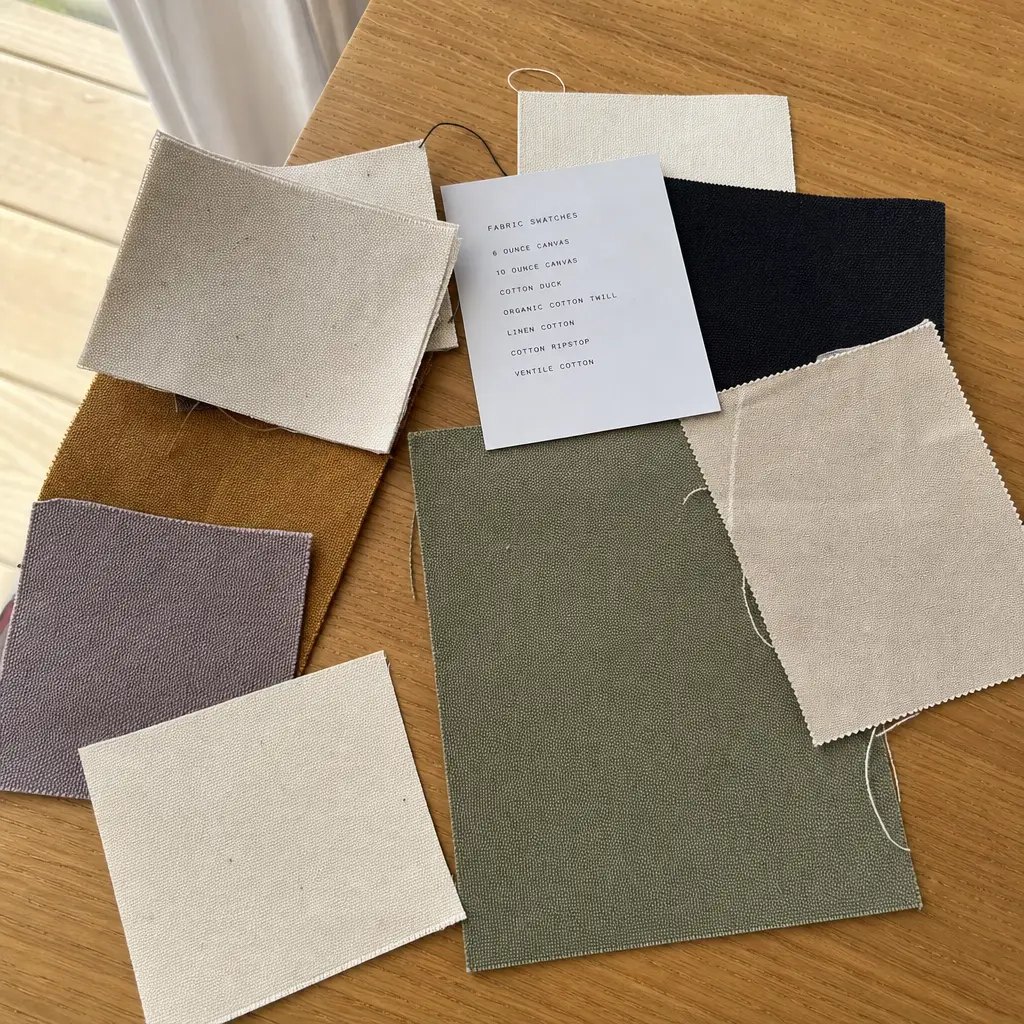
- Request fabric swatches labeled with GSM, lamination status, shade range, backing type, and intended bulk material source.
- Request photos of cutting, printing, sewing, thread trimming, inspection, packing, carton sealing, and finished carton storage.
- Request incoming inspection points for jute rolls, handle webbing, thread, labels, ink, cartons, and any inner packing material.
- Request a sample QC report format before mass production so defect categories match bakery retail expectations.
- Request written confirmation that jute rolls and packed cartons are stored dry, ventilated, off the floor, and away from strong odors.
- For retailer programs, send the supplier manual at RFQ stage and require written exceptions rather than assuming full compliance.
Approve Samples With Practical Tests
A pre-production sample is the buyer’s strongest protection against bulk disputes. It should use the same jute GSM, lamination, handle tape, thread, stitch construction, print method, label, and packing fold planned for production. A showroom sample can help confirm the general look, but it should not approve fabric weight, odor, handle strength, ink behavior, or retail packing unless those materials truly match the order.
Review the sample like a store team and a customer would. Load it with the likely product mix: bread loaves, pastry boxes, jam jars, coffee bags, flour packs, cards, or gift items. Lift and carry it repeatedly. Watch the handle comfort, seam stress, panel distortion, gusset stability, and whether the bag stands well enough for display. Place it near clean paper packaging and check for loose fibers, dust transfer, and odor.
Approval comments need to be specific. Do not write make it better. Write move logo 10 mm upward, increase handle stitch density, reduce thread tails to the agreed trimming limit, change handle webbing width, improve ink coverage, adjust fold direction, or reduce carton compression. Keep one signed sample with the buyer and one with the factory. Photograph the key measurements so inspection teams are not guessing later.
- Measure finished width, height, gusset, handle length, handle width, print size, and print placement against the specification sheet.
- Weigh or verify fabric GSM through supplier records, swatch label, and inspection sampling if the order size justifies it.
- Rub the print with dry white cloth and slightly damp white cloth to detect weak curing, smudging, or excessive ink transfer.
- Load to the agreed weight and repeat lifting to check handle attachment, seam stretch, panel tearing, and user comfort.
- Open the packed sample after several days to evaluate odor concentration, fold memory, dust, and handle distortion.
- Sign and date approved samples, then reference them in first-piece review, inline checks, and final inspection.
Set QC Tolerances Before Production
QC for jute tote bags needs a balanced standard. Natural-fiber variation is part of the material, so buyers should not reject every slub, shade difference, or rustic fiber mark. At the same time, the order must protect function, cleanliness, brand presentation, barcode accuracy, and store readiness. Define critical, major, and minor defects before production starts, not after the inspection report arrives.
Major defects commonly include open seams, broken handle stitching, wrong size outside tolerance, wrong GSM outside tolerance, wrong artwork, strong musty odor, mold stains, wet cartons, mixed SKUs, missing labels, and serious print smearing. Minor defects may include slight shade variation, small loose fibers, mild stitch waviness, or print edge roughness that matches the approved sample. Critical defects should include contamination, unsafe foreign material, severe mold, or anything that creates a safety or regulatory issue.
Use checkpoints instead of relying only on final inspection. Incoming material checks catch damp jute, wrong GSM, and handle color mismatch. First-piece approval catches print placement and sewing construction before the run continues. Inline checks find stitch failures and trimming issues while rework is still possible. Final inspection confirms packed goods, labeling, carton marks, quantity, and shipment condition.
- Size: use written tolerances such as ±5 mm for width and height and ±8 mm for gusset unless a different limit is agreed.
- GSM: state the acceptable range, commonly around ±5% to ±8% commercially, and require the supplier to flag deviations before cutting.
- Print: define acceptable pinholes, rough edges, color variation, placement deviation, and registration for multi-color artwork.
- Strength: define load weight, lift duration or repetitions, and pass criteria for handles, seams, and panel tearing.
- Odor and cleanliness: reject damp, chemical, moldy, smoky, fuel-like, heavily dusty, stained, wet, or insect-contaminated goods.
- Packing: reject wet cartons, crushed cartons, wrong marks, mixed SKUs, missing labels, excessive gross weight, or permanent handle deformation.
Plan Packing, Cartons, and Distribution
Packing affects landed cost, damage risk, store labor, warehouse receiving, and retail presentation. Jute totes can be folded flat, semi-folded, bundled, individually packed, or packed to preserve shape. Tight packing reduces freight volume, but it can also create permanent creases, twisted handles, compressed gussets, and a poor counter display. The approved sample should include the packing fold and carton method, not just the loose bag.
Carton information is not a back-office detail. Large jute totes packed too densely can exceed comfortable manual handling limits or arrive crushed. If the bakery needs barcodes, hangtags, belly bands, retail labels, store allocation, or color separation, include those requirements in the RFQ because they add labor and inspection points. Carton marks should include SKU, PO number, design, color, quantity, carton number, gross weight, net weight, carton dimensions, destination if required, and country-of-origin text where applicable.
Moisture control is especially important for natural jute. Cartons should be dry, export-grade, sealed correctly, and stored away from damp floors or strong odors. Buyers may request carton liners, desiccant, moisture absorbers, or pallet protection depending on route and season. Balance those choices with cost and sustainability policy. Overpacking creates waste; underpacking creates odor, mildew, and display problems.
- Bulk pack: lowest cost, but stores may need to tidy handles, remove loose fibers, and refold bags for counter display.
- Individual pack: cleaner and easier for SKU control, but may conflict with plastic-reduction rules and add disposal work.
- Paper belly band or hangtag: improves retail presentation but adds artwork approval, application labor, and label inspection.
- Carton quantity: balance freight efficiency with shape protection, maximum gross weight, and warehouse handling rules.
- Carton marks: include SKU, PO, artwork version, quantity, carton sequence, dimensions, gross weight, net weight, and required labels.
- Pallet loading: review compression risk, carton orientation, stretch wrap, corner protection, and receiving requirements for DC shipments.
Specification comparison for buyers
| Supplier option | What to verify | Commercial advantage | Buyer risk to control |
|---|---|---|---|
| Direct sewing factory | jute roll photos, lamination sample, odor-control process, handle pull evidence, and pre-shipment carton condition photos | Better sample-to-bulk control and faster production feedback | May be weaker on export paperwork or branded packing unless checked early |
| Trading company | Factory name, production photos, trim-source proof, and who owns QC decisions | Can coordinate small mixed orders and extra services | Markup can hide real factory capability and slow defect decisions |
| Specialized bag workshop | handle stitching, side gusset, lamination edge control, inner seam cover, and fiber shedding tolerance | More practical for detailed construction, trims, and repeat programs | Capacity may be limited during peak seasons |
| Low-price general supplier | laminated or unlaminated jute, cotton-jute blend, inner coating, odor control, yarn thickness, and color shade variation | Useful for simple promotional runs with loose specs | Material downgrades, weak packing, and vague inspection scope can erase savings |
| Retail-ready supplier | airing time, moisture absorber, carton liner, bundle wrap, odor separation, and warehouse ventilation before loading | Can handle labels, SKU separation, carton marks, and receiving rules | Higher unit cost must be compared against reduced warehouse work |
| Compliance-focused supplier | Fabric records, labeling review, test plan, and production traceability | Safer for retail programs and repeat brand orders | Documentation claims need evidence, not only sales language |
| Local sample room plus bulk factory | Signed sample, bulk factory handoff, first-piece photos, and deviation owner | Good for complex branding before large production | Sample room quality may not match bulk line unless handoff is controlled |
Buyer checklist before sampling
- Define the use case first: customer carryout, counter-sale merchandise, gift hamper, farmers market tote, corporate bakery merchandise, subscription box insert, or distributor program.
- State finished size as width x height x gusset in millimeters, plus handle length and handle width; avoid vague capacity terms such as medium, large, loaf bag, or market size.
- Specify jute GSM target and tolerance, lamination status, shade range, handle material, handle color, stitch pattern, seam reinforcement, print method, print size, print location, label type, packing fold, and carton quantity.
- Declare the expected working load in kilograms and the test method: static hang, repeated lift, loaded carry, or buyer-defined product mix such as jars, flour bags, coffee, and pastry boxes.
- Separate mandatory requirements from priced options so every supplier quotes the same base bag and lists upgrades such as heavier GSM, cotton patch, individual packing, stronger carton, or palletization.
- Request a pre-production sample using bulk-intended jute, handle webbing, thread, ink, label, stitch construction, and packing fold; mark showroom samples as non-approval unless materials match.
- Set measurable QC limits for size tolerance, GSM tolerance, print placement, handle strength, seam integrity, odor, stains, mildew, fiber shedding, thread trimming, label accuracy, and carton condition.
- Require quote exclusions to be listed: sample courier, screen charge, plate charge, label setup, barcode application, hangtag, carton upgrade, palletizing, inspection support, fumigation documents, and destination charges.
- Compare quotes by confirmed specification, sample terms, production lead time, packing method, inspection access, defect remedy, and document support, not unit price alone.
- Lock artwork files, Pantone or closest achievable ink reference, barcode data, country-of-origin label text, carton marks, store allocation, and inspection standard before production slot booking.
Factory quote questions to send
- What exact jute GSM target is included in the quote, what production tolerance do you allow, and is the fabric laminated, unlaminated, dyed, natural, or blended with another fiber?
- What finished-size tolerance do you commit to for width, height, gusset, handle length, handle width, print placement, label placement, and carton quantity?
- Is cutting, printing, sewing, trimming, inspection, and packing done in your own facility, or are any steps subcontracted to another unit?
- What MOQ applies by bag size, fabric GSM, handle type, handle color, print color count, label type, retail packing method, and artwork version?
- Which branding method do you recommend for this artwork on coarse jute: screen print, cotton patch, woven label, printed fabric panel, embroidery patch, heat transfer, or sewn brand label?
- Can you provide a pre-production sample using the actual bulk fabric, handle tape, thread, print ink, label, stitch construction, and packing fold before mass production?
- What handle pull test, seam strength check, or loaded-use test do you use, and what load in kilograms is appropriate for bread, pastry boxes, jars, coffee bags, flour packs, or gift sets?
- How do you control moisture, mildew, storage odor, fiber dust, and lamination smell before packing jute bags into export cartons?
- How many pieces are packed per bundle, inner bag, carton, and pallet, and can cartons be marked by SKU, PO, artwork, store allocation, country of origin, and carton sequence?
- What inspection standard do you accept, what AQL level or sampling method is used if applicable, and how will critical, major, and minor defects be classified for natural jute variation?
Quality-control points to confirm
- Finished size should normally be controlled within ±5 mm for width and height and ±8 mm for gusset on standard bakery totes unless the PO states a different tolerance; oversized rustic bags may need wider limits agreed in writing.
- Jute GSM should be checked against the PO and approved sample; a practical commercial tolerance is often around ±5% to ±8%, but the buyer should state the exact limit before production.
- Handle attachment must match the approved stitch pattern and pass the agreed load test without jute panel tearing, broken thread, seam slippage, or visible loosening at the handle base.
- Print must be legible on coarse jute, with approved artwork, acceptable ink coverage, no serious bleeding, no incorrect color count, no major pinholes through key logo elements, and placement within the specified tolerance.
- Odor should be limited to mild natural-fiber smell; reject musty, moldy, chemical, fuel, smoke, damp-storage, or strong lamination odor that is noticeable when cartons are opened.
- Seams should have no open stitching, skipped stitch clusters, broken threads, unraveling hems, sharp loose yarn ends, or stress-point yarn breaks at handles, gussets, and bottom corners.
- Visible surfaces should be clean, dry, and retail-presentable; reject oil marks, mildew spots, insect contamination, heavy dust, dark stains, wet panels, or foreign material inside the bag.
- Labels, barcodes, hangtags, country-of-origin text, and carton marks must match approved SKU data, artwork version, purchase order, and store allocation instructions.
- Cartons should be dry, export grade, correctly marked, and packed within agreed gross-weight limits to avoid crushed handles, permanent fold damage, mildew risk, or mixed-SKU confusion.