Start With the Buying Use Case, Not the Logo File
A wellness studio tote is rarely just a flat branding surface. It may be sold at reception, packed with a yoga mat strap and towel, used as a retreat welcome bag, or given to new members with skincare, socks, bottled drinks, and printed materials inside. Each use case changes the right jute weight, logo size, handle comfort, and packing requirement. A low-cost giveaway bag can accept a simpler one-color logo and lighter construction; a paid retail tote needs better shape retention and a cleaner print zone.
Before collecting quotes, define what the bag must carry and how it will be displayed. For studio retail walls, a front logo should sit high enough to be visible when bags are stacked but low enough to avoid the handle stitching area. For membership kits, the logo must survive packing, compression, and repeated handling. For distributor resale, carton labeling and barcode requirements may matter as much as the print position.
- Retail tote: prioritize clean logo, stable fabric, comfortable handles, and consistent finished size.
- Event giveaway: prioritize simple print, efficient carton packing, and a realistic MOQ.
- Membership kit: prioritize load capacity, seam strength, and packing that protects the logo.
- Multi-location studio program: prioritize repeatable placement, artwork control, and reorder consistency.
Choose Jute GSM Before Finalizing Logo Placement
Logo placement decisions depend on how the jute behaves after cutting, sewing, and pressing. Natural jute around 270-320 GSM is a common commercial range for tote bags because it has enough structure for a clean retail feel without becoming too bulky to sew and pack. Lighter jute can work for simple promotional totes, but it often collapses more easily and can make a centered logo look uneven when the bag is filled. Heavier jute can look premium, but it increases carton volume and may require stronger needles, slower sewing, and more attention to folded seams.
If the studio wants a smoother interior or wants to avoid loose fibers touching apparel or skincare packaging, a cotton lining or lamination can be considered. Lining improves perceived value and can make the bag more useful for boutique retail, but it changes cost, MOQ, sewing time, and weight. Lamination can improve stiffness and reduce shedding, yet some wellness brands avoid a plastic-coated feel. The RFQ should state the preferred structure instead of asking suppliers to quote only a generic jute tote.
- 240-260 GSM: suitable for budget giveaways, but less stable for large logo printing.
- 270-320 GSM: practical range for most custom jute tote bags for wellness studios.
- 330 GSM and above: stronger retail handfeel, but higher shipping volume and sewing difficulty.
- Cotton lining: useful for premium retail and skincare kits, but increases MOQ and labor.
- Laminated jute: stiffer and cleaner inside, but may not fit a natural wellness positioning.
Map the Print Zone Around Seams, Handles, and Gussets
A good logo placement guide starts with the physical print-safe area, not the full bag size. On a 350 x 400 x 150 mm jute tote, the printable front panel is smaller than 350 x 400 mm because the top hem, side seam allowance, bottom fold, and handle attachment points reduce the clean zone. If the artwork is placed too close to the top, the handle reinforcement stitching can cut into the visual space. If it is too low, the logo may curve under the bag when filled.
For most wellness studio totes, a centered front logo positioned about 70-90 mm below the top edge is safer than placing it directly under the hem. The final distance depends on handle drop, logo height, and bag height. Use measurements from fixed edges in the artwork sheet: distance from top edge to logo top, distance from left seam to logo centerline, and final logo width. Visual mockups alone create disputes because sewn jute panels can move slightly during cutting and sewing.
- Keep large logos away from side seams by at least 35-45 mm where possible.
- Avoid printing over bottom fold zones because the artwork can crease during packing.
- Do not place fine text directly below handle stitching where thread shadows interrupt visibility.
- For gusseted bags, approve front-panel placement separately from side label placement.
- State whether placement tolerance is measured before or after the bag is fully sewn and pressed.
Select a Print Method That Matches Jute Texture
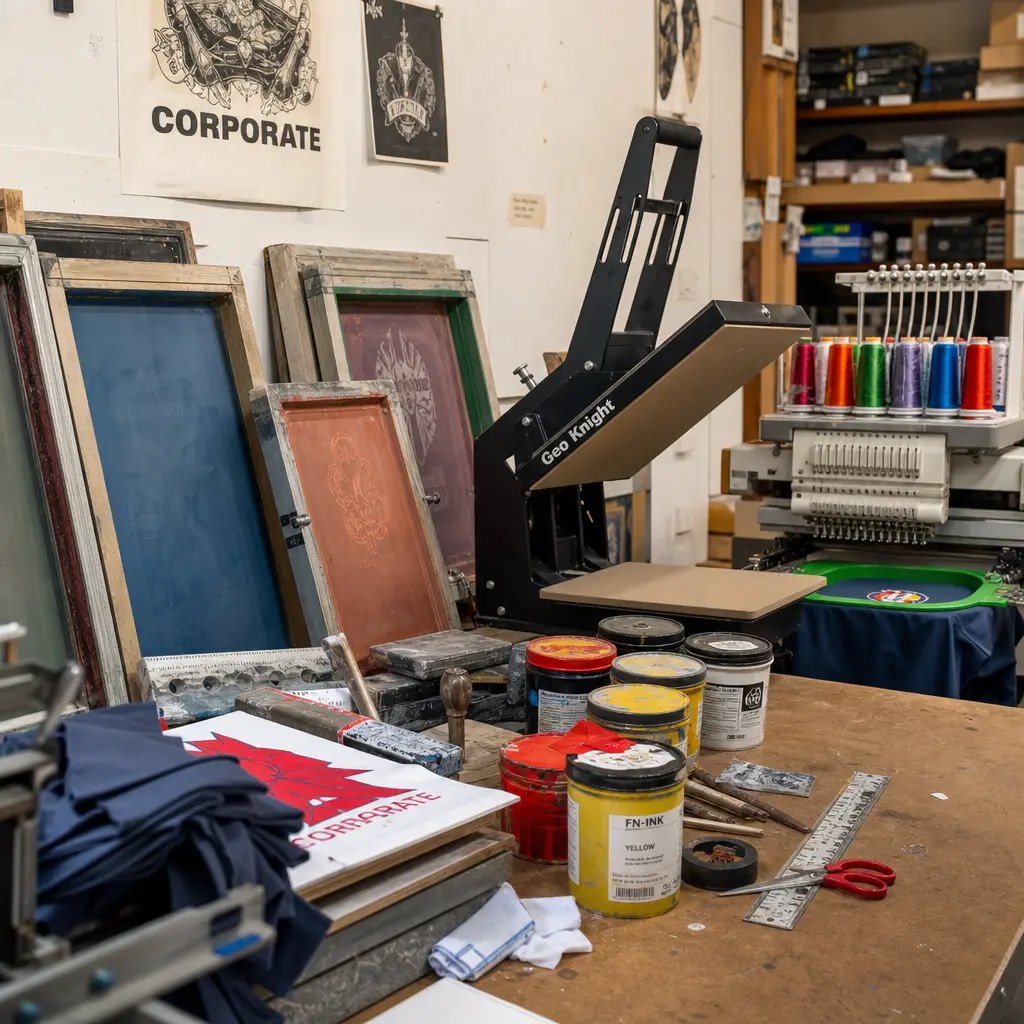
Screen printing remains the most dependable method for many custom jute tote bags because it can put enough ink onto an uneven woven surface. A one-color or two-color wellness logo usually prints better than a full-color design with gradients and small text. Jute has slubs, gaps, and natural yarn color variation, so the buyer should not expect the same edge definition as cotton canvas or nonwoven fabric. If the brand mark includes thin botanical lines, small taglines, or delicate serif lettering, simplify the artwork before sampling.
Heat transfer can produce sharper artwork on some materials, but on natural jute it may feel less integrated and can have adhesion or edge issues depending on surface preparation. Embroidery is possible but is usually not the first choice for large front logos because needle penetration can distort coarse jute and increase cost. Woven labels or sewn cotton patches are useful for premium detail, especially for side branding or small marks, but they add material MOQ and extra sewing steps.
- Screen print: best default for bold wellness logos and medium-to-large order quantities.
- Water-based or eco-positioned ink: possible, but test opacity and curing on natural jute.
- Heat transfer: useful for sharper detail only after adhesion and handfeel testing.
- Embroidery: better for small accents than large front panel logos on coarse jute.
- Woven side label: good for subtle branding and repeat programs, but adds label MOQ.
Control Artwork Details Before the Factory Makes Screens
The most common logo mistake is sending artwork that works on a website but fails on jute. Very thin strokes, tight letter spacing, low-contrast beige-on-natural artwork, and soft gradients do not translate well onto coarse fabric. For screen printing, vector artwork is preferred, with Pantone references and separate color layers. If the studio uses a muted wellness palette, test the chosen ink against the actual jute batch because natural jute color can shift from yellow-brown to grey-brown.
A practical RFQ should include minimum acceptable artwork outcomes. For example, small tagline text may need to be removed if it is below a stable print height. A logo that is 200 mm wide on a tote may look balanced, but the tagline underneath might only be 4 mm high, which can fill in during printing. If brand compliance requires the tagline, consider moving it to a woven label, hangtag, or printed paper insert instead of forcing it onto the jute surface.
- Send AI, EPS, SVG, or print-ready PDF files instead of low-resolution PNG screenshots.
- Keep critical line thickness at 1 mm or above unless the factory proves a cleaner result by sampling.
- Use strong color contrast; dark green, black, deep brown, and navy often read better than pale neutrals.
- Approve logo width and height in millimeters, not only as a percentage on a mockup.
- Separate brand artwork from required care label, country of origin, and carton mark files.
Understand MOQ and Cost Drivers in the Quote
MOQ for custom jute tote bags is not driven by one factor. A supplier may have low MOQ for stock natural jute with one-color printing, but the MOQ can rise when the buyer adds dyed jute, cotton lining, custom handle color, woven labels, metal trims, or multiple print colors. Screen setup charges may be separate from unit price, and a low unit price can become less attractive once sample fees, screen charges, label costs, inner packing, and carton marks are included.
For wellness studio buyers, the cleanest comparison is to request a quote matrix. Ask for the same bag size at two or three quantities, such as 500, 1,000, and 3,000 pieces, with the same artwork and packing. This reveals whether the supplier is absorbing setup at higher quantities or simply quoting a promotional number. Importers and distributors should also request carton CBM and gross weight because jute totes can be bulky; a slightly cheaper bag may cost more to ship if it packs inefficiently.
- Main cost drivers: jute GSM, lining, handle material, print color count, label type, and packing style.
- Hidden charges: screen setup, sample freight, woven label setup, barcode label, and carton customization.
- MOQ changes: stock fabric usually has lower MOQ than dyed or custom woven material.
- Shipping impact: thicker jute and rigid handles may increase carton volume more than unit weight.
- Best quote format: unit price by quantity, setup charges, sample cost, packing cost, incoterm, and validity.
Approve Samples With Measurable Acceptance Criteria
A pre-production sample should not be treated as a souvenir photo. It is the control document for bulk production. The buyer should measure the finished bag size, handle drop, logo width, logo position, seam quality, lining attachment if used, and carton packing method if a packing sample is included. For jute, also review odor, loose fibers, color variation, and whether the logo breaks over thick yarns more than expected.
Sample approval should include written tolerance. A reasonable placement tolerance might be +/-5 mm to +/-8 mm depending on bag size and construction, while finished size may need a wider tolerance because jute and sewing operations are not as stable as rigid packaging. If the logo must align with a retail display system or printed insert, tighten the requirement and expect the factory to price in more sorting or slower production. Approval without tolerance leaves the QC team with no clear standard during inspection.
- Measure top edge to logo top, side seam to logo centerline, and finished logo width.
- Compare ink color under consistent light rather than judging only from phone photos.
- Load the sample with expected contents for a short carry test before approving handles.
- Fold and pack the sample as bulk goods will be packed to detect logo creasing or transfer.
- Keep one sealed approved sample with the buyer and one with the factory production team.
Set QC Thresholds for Bulk Production
Bulk inspection for jute tote bags should combine visual review with functional checks. Visual defects include badly off-center logos, heavy ink smears, missing print areas, open seams, severe jute stains, broken yarn holes, and inconsistent handle placement. Functional defects include weak handle attachment, bottom seam failure, sharp internal trims, and bags that cannot stand or hold contents as intended. Because natural jute has variation, the buyer should distinguish acceptable natural texture from unacceptable stains or holes.
QC thresholds should match the sales channel. A free studio open-day giveaway can tolerate minor jute slubs, while a retail tote sold alongside candles, apparel, or premium supplements requires cleaner grading. Importers and retail buyers should specify inspection level and defect classification before production. If the factory does not know which defects are critical, major, or minor, disputes usually happen after cartons are packed, when correction is slow and expensive.
- Critical defects: broken handles, open bottom seams, mold odor, sharp contamination, or incorrect logo.
- Major defects: logo visibly off-center, heavy ink bleeding, severe stains, skipped seam sections, or wrong size.
- Minor defects: small natural slubs, slight yarn color variation, trimmed thread ends, or mild surface fuzz.
- Functional check: load test using intended content weight plus a safety margin agreed in the PO.
- Packing check: verify quantity per carton, carton mark, barcode if required, and moisture protection.
Plan Packing Around Jute Bulk and Brand Presentation
Packing is not only a warehouse detail. It affects logo appearance when the buyer opens the carton. Jute bags can crease, shed fibers, and transfer ink if stacked too tightly before curing or packed under high compression. For wellness studios, presentation matters because staff may unpack bags directly at reception or prepare welcome kits in front of members. The packing plan should protect the front logo and keep the bags easy to count.
Individual polybags improve cleanliness but may conflict with a natural brand position and add handling time. Paper bands or bulk packing can reduce plastic, but they require better carton lining and moisture control. The best option depends on the distribution path. If bags go straight to studios for immediate use, reduced-plastic packing may be acceptable. If they move through distributor warehouses, barcode labels, master carton strength, and moisture resistance become more important.
- Bulk pack with front logos facing the same direction for easier receiving inspection.
- Use carton liners or inner bags when shipping through humid routes or long ocean transit.
- Avoid over-compression that creates hard fold lines across the printed logo.
- Confirm carton gross weight stays within the buyer warehouse handling limit.
- Specify carton marks, SKU labels, country-of-origin marking, and mixed-carton rules before production.
Build a Lead Time Plan That Protects Launch Dates
Lead time for custom jute tote bags depends on material availability, sample rounds, screen making, cutting, printing, curing, sewing, trimming, inspection, and packing. A simple stock natural jute tote with one-color print can move faster than a lined tote with custom handle color and woven side labels. The schedule risk is usually not one dramatic delay; it is several small approvals taking longer than planned, especially artwork revision and sample freight.
For wellness studio openings, retreats, seasonal retail launches, and distributor catalog drops, work backward from the required delivery date. Build time for artwork correction, physical sample approval, bulk production, inspection, export booking, and customs clearance. If the logo placement is brand-critical, do not skip the physical sample to save a few days. A wrong logo height on 2,000 bags is more expensive than a controlled sample round.
- Artwork review: allow time to simplify fine lines and confirm Pantone color references.
- Sampling: use final fabric and final print method, not a substitute sample from old stock.
- Production: confirm when jute is booked, not only when the PO is received.
- Inspection: schedule before final balance payment or before goods leave the factory.
- Shipping: compare transit time and carton CBM early if the launch date is fixed.
Specification comparison for buyers
| Spec decision | Recommended option | When it fits | Buyer risk to check |
|---|---|---|---|
| Front logo position | Centered on front panel, 70-90 mm below top edge for medium totes | Best for wellness studio retail bags, new member kits, and event giveaways where the logo must be seen when carried | If the logo sits too high, handle stitching or the folded top seam can interrupt the print area |
| Logo size | 180-230 mm wide for a 350 x 400 mm tote; reduce for detailed marks | Works for most yoga, spa, pilates, and boutique fitness logos without dominating the bag | Very large logos on coarse jute show more edge break and registration movement |
| Print method | Single or two-color screen print with slightly heavier ink deposit | Reliable for natural jute texture, wellness brand marks, and medium-to-large runs | Fine lines under 1 mm, gradients, and small serif text may fill in or break on uneven yarns |
| Fabric weight | Natural jute around 270-320 GSM with optional cotton lining for premium programs | Balances structure, cost, and logo visibility for retail and membership packs | Low GSM jute can collapse, distort artwork, and feel too promotional for paid retail |
| Handle construction | Cotton webbing handles, cross-stitched at stress points | Comfortable for studio members carrying towels, bottles, candles, or retail products | Rope or narrow handles can pull at the top seam and make the bag look less retail-ready |
| Side or gusset branding | Use a small woven side label instead of printing across curved gussets | Good for subtle brand identity, distributor SKUs, or multi-studio programs | Printing on gussets increases distortion and requires tighter positioning tolerance |
| MOQ logic | Separate MOQ by bag construction, fabric dyeing, print color count, and label type | Useful when comparing stock natural jute with custom printed, lined, or colored versions | Quotes may look cheaper if supplier hides setup, screen, label, or carton marking charges |
| Sample approval | Approve a physical pre-production sample using final jute, final ink, and final placement | Necessary before bulk orders where logo color, alignment, and texture are brand-sensitive | Digital mockups do not show jute slub, ink absorption, handle interference, or seam tolerance |
Buyer checklist before sampling
- Define bag dimensions as width x height x gusset and state whether dimensions are measured flat or finished.
- Specify jute GSM range, lining requirement, handle material, handle drop, and stitching style before requesting prices.
- Provide vector artwork with Pantone reference, minimum line thickness, and required logo placement measured from top edge and side seams.
- State whether the bag is for retail sale, gift-with-purchase, studio membership kit, retreat event, or distributor resale.
- Require a physical pre-production sample using actual jute, actual ink, final handle construction, and final packing method.
- Set logo placement tolerance, print color tolerance, seam strength expectation, and acceptable jute odor level in the PO.
- Request packing details including individual polybag or no polybag, carton quantity, carton dimensions, carton weight, and carton marks.
- Compare quotes using the same incoterm, sample policy, screen charge, label charge, inner packing, and lead time basis.
Factory quote questions to send
- What jute GSM options are available for this tote size, and are the quoted weights measured before or after lamination or lining?
- Is the quoted bag made from stock natural jute, dyed jute, laminated jute, or jute with cotton lining?
- What is the maximum clean print area on the front panel after allowing for top hem, side seams, bottom fold, and handle stitching?
- Which print method do you recommend for our artwork, and what minimum line thickness should we keep for stable production?
- Does the MOQ change if we use two print colors, a woven side label, cotton lining, custom handles, or carton barcodes?
- Can you provide a physical sample with final logo placement, final ink color, and the same jute batch planned for bulk production?
- What logo placement tolerance, print registration tolerance, and color tolerance can you hold in mass production?
- How many pieces per export carton, what are estimated carton dimensions and gross weight, and can the carton pass our warehouse limit?
- What is the production lead time after sample approval, and which steps are on the critical path: jute sourcing, cutting, printing, sewing, or packing?
- What quote data is included: unit price, setup charge, sample charge, screen charge, packing cost, labeling cost, incoterm, validity, and payment terms?
Quality-control points to confirm
- Finished size tolerance should be agreed before production; common acceptance is about +/-10 mm on width and height for sewn jute totes.
- Logo placement should be measured from fixed edges, not by visual centering alone; a practical tolerance is often +/-5 mm to +/-8 mm depending on bag size and jute movement.
- Print adhesion should be checked by dry rub and light scratch after curing; ink should not powder off onto hands or tissue.
- Fine text, registration, and edge sharpness should be inspected under normal viewing distance and close inspection because jute slubs can break small details.
- Handle attachment must be reviewed with pull testing or repeated load checks suitable for the intended contents, not just visual stitching review.
- Top hem, side seams, bottom gusset, and handle box stitches should show no skipped stitches, open seams, loose thread nests, or broken needle damage.
- Odor and moisture must be controlled because jute can absorb humidity; cartons should not be loaded if bags feel damp or smell musty.
- Carton packing should prevent crushed corners, heavy compression marks, and logo transfer between bags during ocean or truck transit.