Start With the Finished Bag, Not the Logo File
For custom jute tote bags used by artisan bakeries, logo placement should be built around the finished bag dimensions, handle attachment, and intended load. A bakery tote often carries tall loaves, pastry boxes, jars, coffee bags, or gift bundles. When the bag is filled, the front panel pulls forward and the gusset opens. A logo that looks centered on a flat cutting panel can look too low, too close to the handles, or slightly tilted after sewing and loading.
The RFQ should identify the finished size first, such as width x height x gusset in centimeters, then define the print area based on finished seams. For many bakery retail totes, a practical front logo sits centered horizontally and 80-100 mm below the top edge, but this depends on bag height and handle stitching. If the buyer only sends artwork and says logo in the middle, the factory may place it by eye or measure from the fabric panel before sewing, which creates inconsistent bulk results.
- Use finished bag dimensions as the base for all logo coordinates.
- Keep artwork away from handle stitch boxes, side seams, bottom folds, and gusset expansion lines.
- State whether the tote must stand upright for shelf display or only function as a carry bag.
- Include a simple placement drawing with measurements, not only a digital mockup.
- Approve placement on a filled sample if the bag will be used for bread bundles or gift sets.
Choose Jute GSM Around Load, Shape, and Print Behavior
Jute weight affects both commercial performance and logo appearance. A light jute around 220-240 GSM can reduce unit cost, but it may feel limp and show more panel distortion when loaded. For bakery buyers, 260-320 GSM is a common working range because it gives better hand feel, clearer panel shape, and stronger support for retail use. Heavier jute can look more premium, but it increases material cost, carton weight, and folding stiffness.
Inner lamination is another decision to settle early. Laminated jute helps the bag hold shape, reduces fiber dust inside the tote, and can make the front panel flatter for printing. However, lamination changes flexibility and may create crease marks if cartons are over-compressed. For artisan bakeries selling natural, low-plastic brand stories, unlaminated jute with a cotton lining or simple raw interior may fit better, but the logo may print less sharply on the rougher surface.
- Consider 260-320 GSM for reusable bakery totes carrying boxed or packaged goods.
- Use lighter jute only when the bag is for low-load promotional distribution.
- Choose lamination when shape retention and cleaner inner surface matter more than a fully natural hand feel.
- Confirm whether quoted GSM is fabric only or includes lamination.
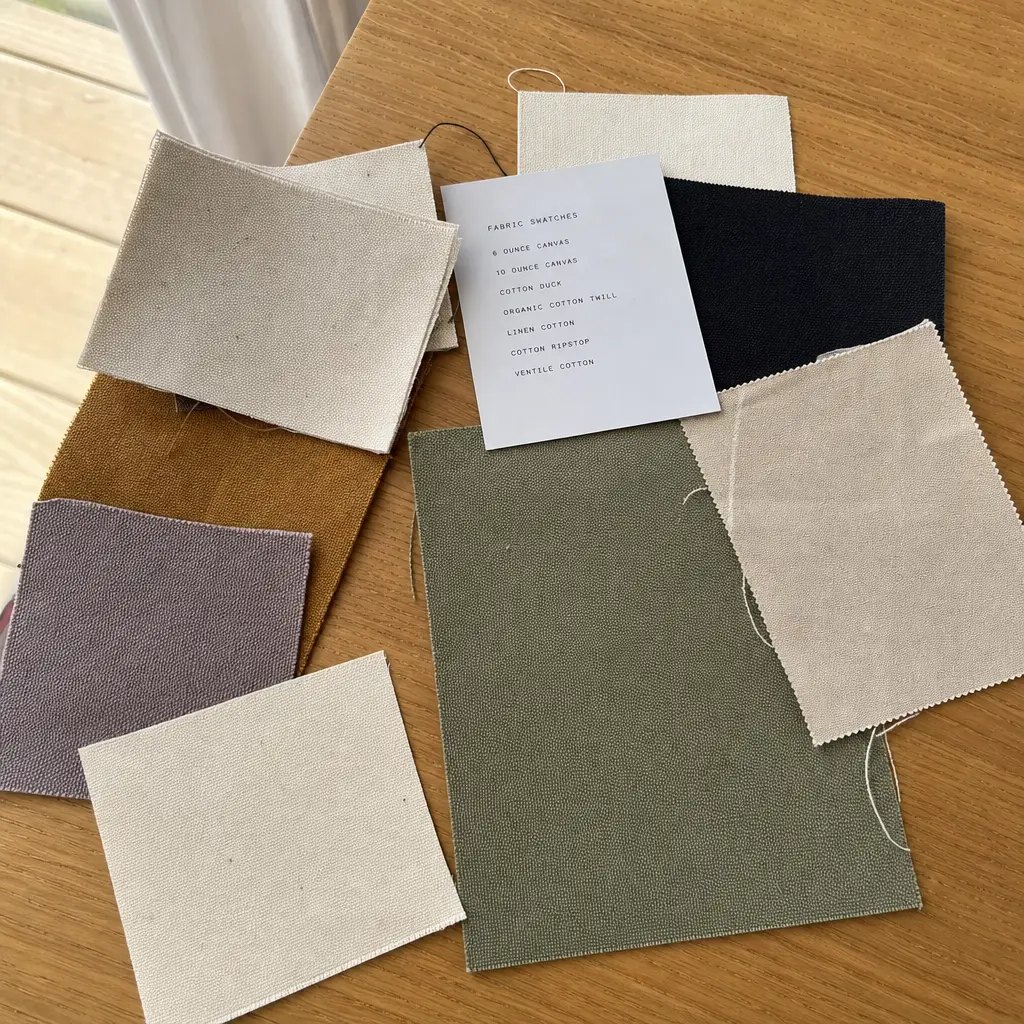
- Request fabric swatches before approving artwork color because natural jute shade changes print contrast.
Logo Placement Zones That Work for Bakery Totes
The safest brand position is usually the center of the front panel, above the lower stress zone and below the handle stitch area. This gives the logo visibility when the bag sits on a counter or is carried by hand. For a medium jute tote, the logo often works best at 45-60 percent of panel width. Very large logos can look strong in a catalog image but become difficult to print cleanly on coarse jute, especially if the artwork crosses panel ripples or lands near seams.
Secondary branding can use a side label, woven tag, or small bottom-corner mark. This is useful for bakery groups, distributors, or retailers that need one common bag structure for several stores. A sewn label near the side seam can carry CTM-style sample branding, bakery branch names, or organic product cues without risking a large distorted gusset print. Direct printing on gussets is possible, but it needs tighter cutting and sewing control and is less forgiving in bulk.
- Main front placement gives the best visibility for retail and customer carry-out use.
- Bottom-corner placement looks understated but can disappear when the bag is loaded.
- Side labels work well for multi-branch or distributor programs using shared inventory.
- Gusset printing needs a higher tolerance discussion because the panel opens and curves.
- Avoid placing small taglines below the logo if the bottom seam will crease the artwork.
Print Method Selection for Coarse Natural Jute
Screen printing is usually the most practical method for custom jute tote bags with bakery logos. It handles simple one or two color marks, bakery names, icons, and slogans at stable cost. Because jute has an uneven weave, the print will not look like a smooth paper label. Buyers should expect a slightly textured edge and should design for it. Thick lines, solid shapes, and limited colors print better than thin serif lettering or detailed illustrations.
Heat transfer can offer more color detail, but on jute it may feel less natural and can be affected by fabric unevenness or lamination. Embroidery on jute is possible for small marks but adds cost and can pucker the panel if the backing and stitch density are not controlled. Woven labels are often better for detailed multi-color bakery logos because the logo is produced separately and sewn onto the bag, but the look is different from a direct printed tote.
- Use screen print for simple bakery logos, store names, icons, and limited color artwork.
- Use woven labels when the logo has small text, gradients, or strict brand color detail.
- Avoid very thin strokes; specify minimum line thickness around 1.5-2 mm where possible.
- Request ink opacity confirmation for white or light colors on natural jute.
- Include curing and rub-resistance expectations in the quote, especially for dark ink.
Cost Drivers Buyers Should Separate in the Quote
Logo placement seems like a design detail, but it affects cost through setup, rejection risk, labor, and carton efficiency. A centered one-color front print is usually easier to quote and control than a two-side print, gusset print, or print combined with sewn labels. If the RFQ groups all details into one unit price, buyers cannot compare suppliers properly. A quote should separate bag base cost, print setup, additional print colors, label cost, sample cost, packing cost, and any testing or inspection cost.
MOQ logic also matters. A factory may accept a lower MOQ for a standard jute size with one-color print because the material and sewing line are common. A custom size, dyed jute, special handle color, large two-side print, or sewn woven label can increase MOQ because of material booking and setup waste. Buyers comparing quotes at only one quantity may miss the point where the unit price becomes commercially workable.
- Separate base bag cost from print setup and logo-related labor.
- Request price breaks at realistic order quantities, such as 500, 1000, 3000, and 5000 pieces.
- Clarify whether screen charges are one-time, per color, per size, or repeated for reorders.
- Compare CBM and carton weight because heavy jute can raise freight cost even when unit price looks low.
- Treat unusually low quotes carefully if they do not state GSM, lamination, print size, or packing method.
Sample Approval Should Test the Placement, Not Just the Color
A physical pre-production sample should be made with the actual jute, actual handle, actual print method, and final logo coordinates. A digital proof can confirm artwork size and general layout, but it cannot show how ink sits on rough jute or how the logo looks after the bag is sewn. For bakery programs, buyers should also test the sample with a typical load, such as a bread box, two coffee bags, or a gift set. The correct placement is the one that looks balanced when the bag is used, not only when it is flat.
The approved sample should include measured tolerances written into the approval record. If the logo center is 5 mm left of target but visually acceptable, note whether that is approved as the standard or accepted only for the sample. Without that discipline, bulk inspection becomes subjective. The factory should keep one sealed sample, and the buyer or inspection company should keep another.
- Measure logo distance from the finished top edge and both side seams.
- Photograph the sample flat, standing upright, and filled with a typical bakery load.
- Rub the printed area after curing to check dry ink transfer.
- Inspect whether handle stitching visually competes with the logo.
- Record approved tolerance for placement, tilt, print coverage, and color range.
Factory QC Thresholds for Logo and Sewing Defects
Jute is a natural material, so buyers should not apply paper-bag print expectations. Minor fiber variation and slightly textured ink edges are normal. What should be controlled is brand readability, placement consistency, and functional construction. Major defects include logo printed too close to a seam, obvious tilt, smudged ink, missing sections in key letters, wet transfer, wrong color, reversed artwork, broken handle stitching, or heavy stains across the front panel.
A practical inspection plan can use general AQL rules, but the defect definitions should be product-specific. For example, a tiny ink gap in a background wheat icon may be minor, while the same gap across the bakery name can be major. For placement, many buyers accept plus or minus 5 mm on standard jute totes, but this must be agreed before production. If the buyer needs tighter alignment for premium retail packaging, the factory must price the extra control and possible waste.
- Classify unreadable bakery name or wrong logo color as major defects.
- Define acceptable jute shade variation with approved swatches or photos.
- Set logo tilt and centering tolerances before mass production starts.
- Check handle pull strength and stitch reinforcement because bakery loads can be dense.
- Reject cartons with moisture odor, mildew marks, or severe compression through the logo panel.
Packing Choices Can Protect or Damage the Logo
Packing is often treated as an afterthought, but it directly affects logo appearance at delivery. Flat packing is common for jute totes because it saves space and keeps receiving simple. The printed panels should face the same direction, and the fold line should not cut across the main logo if avoidable. If the bag has lamination, excessive compression can create hard creases that remain visible when the bag is opened in a bakery shop or retail warehouse.
Importers and distributors should request carton dimensions, pieces per carton, gross weight, net weight, and CBM with the quote. This allows landed-cost comparison and avoids warehouse surprises. For bakery retail programs, inner polybags may keep dust away, but some brands prefer plastic-free presentation. If no inner bag is used, carton cleanliness and moisture control become more important. Export cartons should be strong enough for stacking without crushing the printed front panel.
- Specify flat pack direction and whether the front logo panel must face inward or outward.
- Confirm carton compression does not crease the main logo area.
- Use moisture-control measures when shipping natural jute through humid routes.
- Request carton marks that match PO, item number, color, quantity, and destination.
- Calculate CBM before final supplier comparison, not after production is complete.
Lead Time Risks Around Artwork, Material, and Reorders
The critical path for custom jute tote bags usually runs through artwork approval, material booking, sample production, bulk cutting, printing, sewing, inspection, and packing. Logo placement delays often happen because the buyer approves artwork but not the measured location, or because the factory samples on substitute jute that prints differently from the bulk fabric. A clean RFQ reduces these delays by locking bag size, fabric weight, print method, and placement before sampling.
Reorders are faster only if the same material, screen, artwork, and placement record are available. Buyers should keep the approved sample, artwork version, Pantone reference, screen size, and placement diagram in the reorder file. If the bakery changes the bag size or handle drop for a new season, the logo should be re-placed, not copied blindly from the old order. A 20 mm higher or lower print can change the balance of the whole tote.
- Allow time for artwork clarification before counting production lead time.
- Do not approve bulk cutting before fabric and print sample are confirmed.
- Keep screen size and logo coordinates in the reorder specification.
- Recheck placement if bag size, gusset, handle drop, or lamination changes.
- Build inspection time into the schedule for seasonal bakery launches.
Quote Data That Makes Supplier Comparison Fair
A useful quote for custom jute tote bags should let the buyer compare total commercial value, not just unit price. The quote should include finished size, jute GSM, lamination, handle type and length, stitch reinforcement, print method, number of print colors, logo size, logo position, MOQ, sample terms, production lead time, packing data, carton CBM, Incoterms, and payment terms. Without those details, two quotes that look similar may describe very different bags.
For importers and distributors, landed cost can change when one supplier uses a heavier GSM, lower carton density, or more protective packing. A lower FOB price may lose its advantage if the packed CBM is high or the rejection risk is greater. The strongest supplier quote is not always the cheapest; it is the one that makes material, logo control, packing, lead time, and QC responsibilities clear enough to reduce claims and rework.
- Compare quotes using the same finished size, GSM, print size, and packing method.
- Request photos of similar jute print work, but judge the actual sample before bulk approval.
- Confirm whether inspection support and replacement policy are stated in writing.
- Check if the supplier can hold logo placement tolerance at the quoted production speed.
- Use total landed cost per usable bag as the final comparison, not only FOB unit price.
Specification comparison for buyers
| Spec decision | Recommended option | When it fits | Buyer risk to check |
|---|---|---|---|
| Main front logo position | Centered on front panel, 80-100 mm below the top edge and above the lower seam | Best for bakery retail bags where the logo must be visible when the bag carries bread, pastry boxes, or packaged goods | Logo drifting into the seam allowance, handle stitching area, or panel wrinkles can make the mark look uneven after loading |
| Print method for bakery branding | One or two color screen print with high-opacity ink suitable for coarse jute texture | Works for simple bakery logos, store names, wheat icons, and event marks on natural or laminated jute | Fine serif text, thin lines, and pale ink may break on open-weave jute unless enlarged or simplified |
| Bag body material | Natural jute 260-320 GSM with optional inner lamination for shape and dust control | Suitable for reusable bread market totes, gift baskets, and retail merchandise bags | Too light a fabric collapses under boxed pastries; too stiff a lamination may crack at folds if packed tightly |
| Side or gusset logo | Small side label or woven cotton tag instead of large print on the gusset | Useful for distributors selling to multiple bakery branches or private-label programs | Direct gusset printing is harder to align and may distort when the bag is expanded or carton-packed |
| Handle construction | Cotton webbing handles sewn with box-cross reinforcement, 35-45 cm drop depending on use | Short drop for counter carry bags; longer drop for farmers market or shoulder use | Handle stitch box can interfere with upper logo placement if the artwork is not measured from finished seams |
| Artwork size | Keep main logo within 45-60 percent of front panel width with minimum 1.5-2 mm line thickness | Fits most bakery identity systems without making the tote look like a billboard | Oversized artwork increases print rejection risk because jute panels are not perfectly flat like paper |
| Sample approval | Pre-production sample using actual jute, actual ink, finished handle, and measured logo coordinates | Required before approving bulk for retail launches, seasonal bakery campaigns, or distributor orders | Digital mockups hide weave absorption, color dulling, logo tilt, and bag collapse after loading |
| Export packing | Flat-packed in master cartons with logo panels facing the same direction and moisture control as needed | Best for importers managing warehouse receiving, barcode labeling, and retail redistribution | Over-compression can crease laminated jute across the printed area and create visible pressure marks |
Buyer checklist before sampling
- Define finished bag size, gusset depth, and handle drop before placing the logo, not after artwork approval.
- Specify jute GSM, lamination requirement, handle material, stitch color, and whether the bag must stand upright when filled.
- Provide vector artwork with Pantone or target color references, minimum line thickness, and approved logo clear space.
- State logo coordinates from finished top edge and side seams, with tolerance in millimeters for bulk production.
- Request the print method, ink type, drying process, and expected color behavior on natural jute texture.
- Approve one physical pre-production sample made with actual fabric, actual handles, and final print placement.
- Set acceptance criteria for print tilt, color variation, smudging, missing ink, stitch defects, handle strength, and carton compression.
- Confirm packing quantity per carton, carton dimensions, gross weight, moisture protection, and barcode or inner polybag rules.
- Require quote data for unit price, plate or screen cost, sample cost, MOQ, lead time, payment terms, and Incoterms.
- Keep one sealed approved sample at the buyer side and one at the factory side for final inspection reference.
Factory quote questions to send
- What jute GSM and fabric construction are included in the quoted price, and is inner lamination included or optional?
- What is the maximum recommended logo size for clean screen printing on this jute weave?
- How will the logo position be measured on the finished bag: from the top edge, side seam, bottom seam, or handle stitch line?
- What tolerance can you hold for logo centering and vertical placement in bulk production?
- Which print method is quoted, how many colors are included, and what screen or setup charges apply?
- Can you produce the pre-production sample using actual bulk fabric and actual ink before mass cutting?
- What is the MOQ for this size and print method, and how does price change at 500, 1000, 3000, and 5000 pieces?
- What are the packed carton dimensions, pieces per carton, gross weight, and estimated CBM for the quoted quantity?
- What lead time applies after artwork approval, sample approval, deposit, and material booking?
- What inspection standard do you use for print defects, handle strength, seam quality, odor, and moisture marks?
Quality-control points to confirm
- Logo center position should stay within the agreed tolerance, commonly plus or minus 5 mm for standard jute totes unless tighter control is quoted.
- Logo tilt should be visually level and normally not exceed 2-3 mm difference across the width of a standard front logo.
- Ink coverage should be continuous enough for brand recognition, with no large missing patches, smears, or wet transfer after curing.
- Fine text should remain readable at normal viewing distance; small bakery taglines should be enlarged or removed if the weave breaks the letters.
- Front panel should not show heavy creasing through the printed logo after normal carton packing.
- Handles should be symmetrical, securely stitched, and free from loose threads that sit over the printed area.
- Bag dimensions should be checked after sewing because jute shrinkage, lamination, and seam allowance can change available print space.
- Natural jute color variation should be judged against an approved shade range, not against a single computer screen color.
- Cartons should be dry, clean, export-strength, and labeled with item number, quantity, carton number, gross weight, and destination marking.