Start With the Load, Not the Look
For wellness studios, a jute tote is rarely just a simple carry bag. It may hold a yoga towel, grip socks, a candle, bottled supplements, skincare samples, event brochures, or a retail purchase from the front desk. The correct fabric weight depends on that load profile. A light giveaway bag can feel acceptable at 220-260 GSM, while a membership kit with jars or bottles usually needs 280-320 GSM or higher with better handle reinforcement.
Many RFQs fail because the buyer sends a size and logo but not the actual use. The supplier then quotes the cheapest common jute, the buyer compares only unit price, and the final bag feels weak or collapses on display. Before requesting quotes, define the expected contents, estimated weight, selling environment, and whether the bag must stand upright, fold flat, or look premium when handed to a client.
- Use 220-260 GSM for low-cost event handouts with paper, socks, or light samples.
- Use 280-320 GSM for daily retail bags carrying towels, apparel, bottles, and small boxed items.
- Use 340-380 GSM when the bag is part of a paid welcome kit or premium brand package.
- Add reinforcement before adding more GSM if failure risk is mainly at the handle seam.
- Tell the factory the intended load weight instead of only requesting a 'strong jute tote'.
What Jute GSM Really Changes
GSM is grams per square meter, but in jute tote bags it affects more than weight. Higher GSM usually gives a denser handfeel, better body structure, less transparency, and a stronger retail impression. It also increases material cost, cutting resistance, sewing effort, carton weight, and sometimes freight cost. A heavier bag may look better in a wellness boutique, but it is not automatically the best value for a giveaway order.
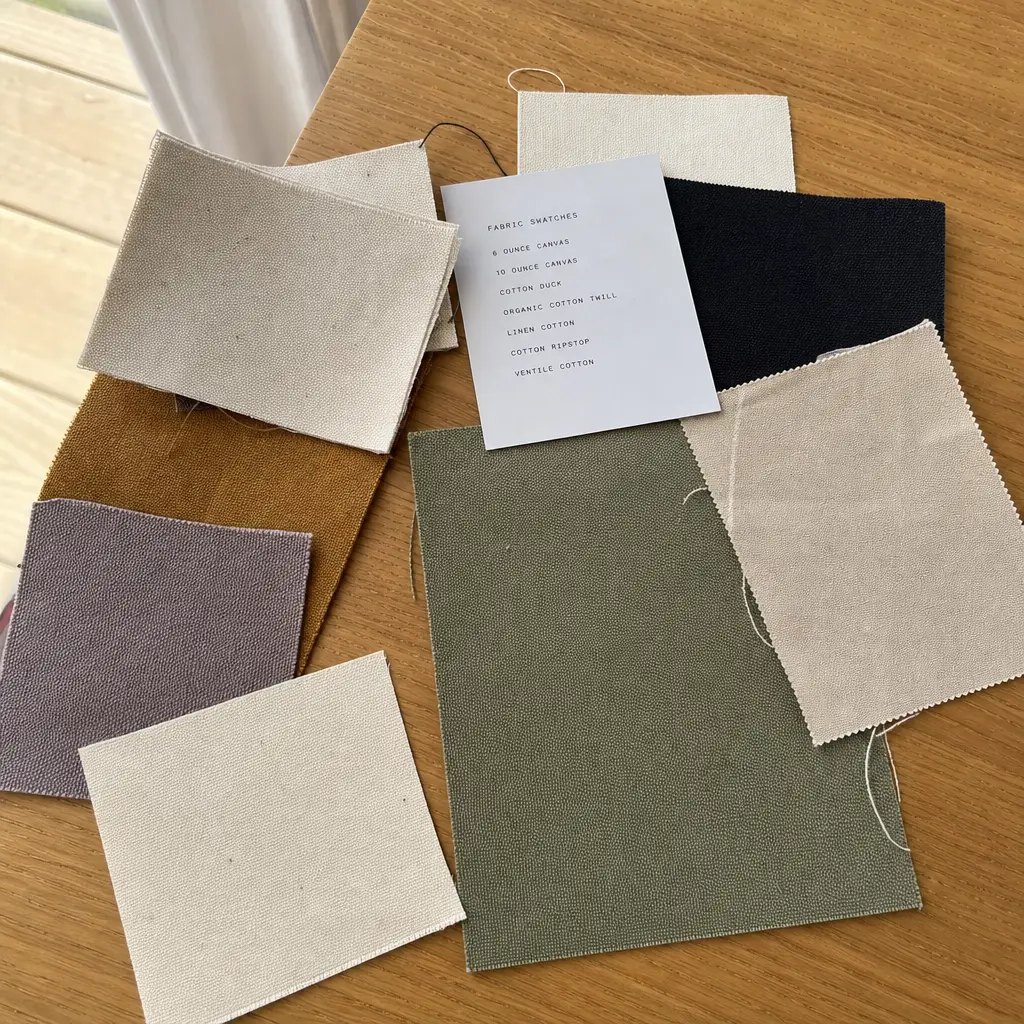
Natural jute has visible weave variation, slubs, and color differences from batch to batch. A 300 GSM jute from one mill may not look identical to another supplier's 300 GSM fabric. This is why procurement teams should request a swatch or physical sample in the quoted GSM before price approval. If the final order must match a previous campaign, send the old bag to the factory or define a measured sample standard.
- Lower GSM reduces unit cost but may look limp on a retail counter.
- Medium GSM balances durability, printability, and carton efficiency for most wellness studio programs.
- Higher GSM improves perceived value but can raise landed cost through gross weight and CBM.
- Jute batch color can shift from yellowish tan to grayish brown; approve a realistic natural range.
- GSM alone does not prove strength; seam construction and handle material still decide load performance.
Recommended Weight Bands for Wellness Uses
For a studio opening event, a 220-260 GSM bag may be enough if it carries brochures, a class card, a small towel, and a sachet sample. The buyer should keep the size modest, because a large bag made from light jute looks underbuilt even before use. For retail merchandise, 280-320 GSM is usually the safer commercial range because it provides enough structure without turning a simple tote into an expensive heavy package.
Premium wellness kits are different. If the bag is sold as a value-added item or used for a membership welcome pack, 340-380 GSM can justify the price because the customer is expected to reuse it. At this level, the RFQ should also specify seam binding, inner lamination if needed, handle stitch pattern, and carton packing method. Paying for heavy jute while leaving weak handle seams is a common waste of budget.
- Trial class giveaway: 220-260 GSM, small to medium size, one-color print.
- Studio retail bag: 280-320 GSM, medium gusset, cotton webbing handles.
- Spa gift kit: 300-340 GSM, laminated inside if products may mark the fabric.
- Premium membership tote: 340-380 GSM, reinforced seams, better handle comfort.
- Distributor stock item: 280-320 GSM in one neutral size to reduce inventory risk.
Lamination, Lining, and Natural Finish
Unlaminated jute has the most natural handfeel and fits wellness brands that want a simple, breathable, rustic material. It is suitable for dry goods such as apparel, towels, brochures, mats straps, and boxed products. The tradeoff is that the bag has less structure, sheds more fiber, and offers limited protection from oil, moisture, or dark product packaging rubbing inside the bag.
Laminated jute gives a cleaner inner surface and helps the bag stand better. It is useful for candles, jars, bottled oils, skincare, or any product that may stain raw fiber. However, lamination may add odor at first, change folding behavior, and complicate sustainability messaging. If the wellness brand promotes natural materials, the buyer should approve the lamination type and wording before printing claims on tags or retail pages.
- Choose unlaminated jute for dry, low-risk contents and a more natural feel.
- Choose laminated jute when the bag must hold jars, oils, candles, or damp retail items.
- Do not assume lamination makes the bag waterproof; it mainly improves resistance and structure.
- Request odor evaluation on laminated samples before bulk approval.
- Avoid sustainability claims unless the material composition and finish are clearly documented.
Print Method on Textured Jute
Jute is not a smooth cotton canvas. The weave is coarse, and fine artwork can break across fiber gaps. For most wellness studios, screen printing is the practical choice for solid logos, short slogans, icon marks, and one- or two-color artwork. It is cost-efficient at bulk quantities and gives a grounded look that fits natural jute. The artwork should avoid tiny registration marks, thin serif text, and low-contrast beige-on-tan combinations.
Heat transfer can reproduce more detail, but it may look less integrated with the natural fabric and can create a different handfeel on the print area. Embroidery is generally not ideal on loose jute unless backed properly and kept simple. Woven labels or sewn side labels work well for understated branding, especially when the front print must remain minimal. The quote should state print size, number of colors, ink type, setup cost, and whether the sample includes final production printing.
- Use screen print for bold CTM-style logos, studio names, and simple wellness icons.
- Increase line thickness before approving artwork for coarse jute weave.
- Test white, dark green, charcoal, or black ink on the real fabric swatch.
- Avoid very fine mandala artwork unless the supplier proves it on a physical sample.
- Use woven or cotton side labels when the brand wants quiet retail presentation.
Cost Drivers Buyers Should Separate
A useful quote separates the cost drivers instead of hiding everything inside one unit price. For jute tote bags, the main drivers are fabric GSM, bag size, gusset depth, lamination, handle type, print method, print colors, order quantity, packing density, and inspection requirements. A quote that is two cents cheaper may be using a lighter fabric, narrower handles, smaller print area, or fewer pieces per carton that later increases freight cost.
Procurement teams should compare both unit price and landed-cost behavior. A heavier 360 GSM bag can make sense for a paid premium kit, but it may be poor value for a free class giveaway if it doubles carton weight. Likewise, a very cheap 240 GSM bag can become expensive if buyers reject it after sampling because it does not stand upright or carry retail products safely.
- Request price breaks at realistic quantities such as 500, 1,000, 3,000, and 5,000 pieces if those volumes match your channel.
- Ask for separate pricing impact for 260 GSM, 300 GSM, and 360 GSM on the same bag size.
- Compare carton CBM and gross weight, not only EXW or FOB unit price.
- Include sample fee, mold or screen cost, label cost, and packing cost in the internal comparison.
- Do not approve a lower quote unless the fabric, handle, print, and carton data match.
MOQ Logic for Multi-Location Studios
Wellness groups often want different logos for different studio locations, seasonal events, or instructor programs. This creates MOQ pressure because the factory must set up printing, cut material, manage labels, and pack separate SKUs. The most efficient route is usually one shared bag body, one fabric weight, one handle specification, and controlled artwork variations. That keeps cutting and sewing stable while allowing brand or location differences at the print stage.
If the buyer changes fabric weight, size, lining, handle color, and logo for each location, the order stops behaving like one bulk program. It becomes several small custom orders, and the supplier will price it accordingly. Distributors should map the SKU structure before RFQ: base bag specification first, then decoration variations, then shipping destinations. This prevents hidden setup charges and avoids mixed cartons that warehouse teams cannot identify.
- Consolidate body size and GSM across locations whenever possible.
- Use print color or side label variation instead of changing fabric for every SKU.
- Define whether MOQ applies per design, per size, per color, or per shipment.
- Request carton marks by location if goods ship to multiple studios or distributor warehouses.
- Avoid very small split shipments unless the margin supports extra handling and packing work.
Sample Approval That Prevents Bulk Disputes
A jute tote sample should not be treated as a photo approval. The buyer needs to touch the fabric, load the bag, inspect the print, smell the lamination if used, and compare handle comfort. A correct pre-production sample uses the final GSM, final size, final handle, final print method, and intended packing fold. If the sample is made from substitute fabric, mark it clearly as a construction sample and do not use it for material approval.
For wellness studios, the sample should be tested with actual products. Place the towel, candle, bottle, or retail kit inside and carry it for several minutes. Check whether the gusset opens properly, whether the bag tips over, whether handles cut into the hand, and whether the logo position remains visible when loaded. Keep one signed sample with the buyer and one sealed sample at the factory so final inspection has a physical reference.
- Approve fabric GSM by swatch or finished sample, not by email description.
- Measure finished size, gusset, handle length, and handle width on the sample.
- Load-test the sample using the real product mix plus a safety margin.
- Review print coverage under daylight because jute texture can hide weak ink.
- Record any approved natural variation so inspectors do not reject acceptable jute character.
Packing and Freight Details Affect Landed Cost
Jute bags can be flat packed, folded, or packed with shaping support depending on size, lamination, and presentation needs. Flat packing usually protects shape and reduces hard creases, but it may increase carton size. Tighter packing reduces CBM but can crease laminated panels and distort front prints. For retail programs where bags are displayed or handed directly to clients, severe crease marks can create complaints even if the sewing quality is acceptable.
The RFQ should request units per carton, carton dimensions, gross weight, net weight, and estimated CBM. This data lets importers compare freight impact and warehouse handling before choosing a fabric weight. Moisture protection also matters because jute is a natural fiber. Export cartons should be clean and dry, and buyers should avoid storing jute bags in damp warehouses where odor and mold risk can develop.
- Use moisture protection such as an inner poly liner when shipping natural jute in humid seasons.
- Confirm whether each bag is individually packed, bundled, or bulk packed by carton.
- Avoid over-compression for laminated jute if front-panel appearance is important.
- Put SKU, PO number, quantity, color, and destination on carton marks.
- Compare freight using carton CBM and gross weight before final supplier selection.
Lead Time and Schedule Risk
A realistic schedule includes artwork review, material sourcing, sample production, sample shipping, buyer approval, bulk cutting, printing, sewing, finishing, QC, packing, and export handover. Jute fabric availability can change by season and color tone, especially for heavier weights or dyed fabric. Buyers should not assume that a supplier holding one sample can immediately produce the same fabric in bulk without checking material stock.
The highest schedule risk usually appears before production starts: unclear artwork, late sample approval, missing packing instructions, or last-minute changes to GSM and handle color. Once fabric is cut, changing weight or size is expensive. A clean RFQ with final dimensions, GSM, artwork, packing, and inspection criteria shortens the approval loop and gives the supplier fewer reasons to re-quote.
- Plan sample approval before committing to a fixed event date.
- Lock final GSM and bag size before the factory purchases bulk fabric.
- Allow extra time for heavier jute, dyed jute, special handles, or multi-SKU packing.
- Request a production schedule with milestone dates, not only a final ship date.
- Freeze artwork before screen making to avoid setup cost and timeline resets.
Specification comparison for buyers
| Spec decision | Recommended option | When it fits | Buyer risk to check |
|---|---|---|---|
| Fabric weight for light wellness giveaways | 220-260 GSM natural jute with simple cotton handles | Yoga trial packs, spa brochures, lightweight retail inserts under about 2 kg | Too much transparency, soft body collapse, or weak handle attachment if the bag is oversized |
| Fabric weight for retail merchandise bags | 280-320 GSM jute, often with light lamination inside | Studio shops selling towels, candles, bottled products, apparel, or multi-item kits | Quote must state actual GSM tolerance, not just 'standard jute', because 260 GSM and 320 GSM look different on shelf |
| Fabric weight for premium membership kits | 340-380 GSM jute or jute-cotton blend with reinforced seams | Higher perceived value, repeat-use wellness welcome bags, influencer seeding, corporate wellness gifts | Heavier fabric raises carton weight and freight cost; confirm carton CBM before approving |
| Inside finish | Unlaminated for breathable natural feel; laminated for cleaner structure and moisture resistance | Unlaminated fits dry apparel and printed literature; laminated fits candles, jars, oils, or damp spa products | Lamination can change print handling, recyclability claims, odor, and folding behavior |
| Print method | Screen print for solid logos; heat transfer only for fine gradients; woven label for understated branding | Most wellness studios need earthy one- or two-color branding on textured jute | Fine serif text, thin yoga line art, and low-contrast beige ink can disappear into the jute weave |
| Handle construction | Cotton webbing 2.5-3.8 cm wide, cross-stitched or box-stitched at stress points | Comfortable hand-carry for retail purchases and studio welcome kits | Rope handles look rustic but can be uncomfortable and inconsistent in bulk production |
| MOQ logic | Use one body size and one fabric weight, then vary logo color or label only if needed | Multi-location wellness groups and distributors trying to control first-order inventory | Splitting sizes, linings, and print colors increases setup cost and may push each variant below factory-efficient MOQ |
| Packing method | Flat pack in export cartons with moisture protection and clear carton marks | Bulk shipment to studio chains, distributors, or retail DCs | Compressed packing can crease laminated jute; loose packing increases CBM and freight cost |
| QC acceptance focus | Measure GSM, bag size, handle pull strength, print registration, odor, stains, and carton moisture condition | Any order where the bag is customer-facing and reused after purchase | Passing visual inspection alone is not enough; jute variation must be controlled with agreed tolerances |
Buyer checklist before sampling
- Define the bag use first: brochure giveaway, retail shopping bag, membership kit, event swag, or gift packaging.
- State target load weight in kilograms and list the heaviest products likely to be carried.
- Specify jute fabric weight in GSM with an acceptable tolerance, not only 'thick jute' or 'premium jute'.
- Confirm whether the fabric is laminated, unlaminated, dyed, bleached, or natural jute.
- Provide finished bag size with width, height, gusset, handle length, and handle width.
- Send logo artwork as vector files and note Pantone references for every print color.
- Approve a physical pre-production sample using final fabric, handle, print method, and packing style.
- Set practical QC thresholds for size tolerance, print position, color variation, stitching strength, odor, and stains.
- Request carton dimensions, gross weight, net weight, units per carton, and estimated CBM before comparing landed cost.
- Keep one sealed approved sample at the buyer side and one at the factory side for production comparison.
Factory quote questions to send
- What exact jute GSM are you quoting, and what GSM tolerance will you use during incoming material inspection?
- Is the quoted jute laminated or unlaminated, and what is the lamination thickness if applicable?
- What handle material, width, length, and stitching pattern are included in the price?
- Which print method is included, what is the maximum print size, and how many colors are priced?
- Can you provide a real production photo or cutting-room swatch photo showing the same fabric weight?
- What is the MOQ by size, fabric weight, print color, and delivery split?
- What sample fee, sample lead time, and revision cost apply before bulk approval?
- What bulk lead time applies after artwork approval and deposit, and which season or holiday risks may affect it?
- How many pieces per export carton, what carton size, and what estimated gross weight and CBM are used for the quote?
- Which QC tests or checks are included before shipment, and can you share an inspection report format?
Quality-control points to confirm
- Fabric weight should be checked by cutting a measured swatch and weighing it, with tolerance agreed before production.
- Finished bag size should normally stay within about plus or minus 0.5 cm for small and medium bags and plus or minus 1 cm for large tote bags.
- Handle attachment should withstand the agreed load test without seam tearing, loose threads, or handle distortion.
- Print position should match the approved sample within an agreed tolerance, especially when the logo must align with gusset or pocket details.
- Ink coverage must be reviewed on real jute texture because slubs and weave gaps can break fine logo lines.
- Bags should be free from strong mold odor, oil stains, insect contamination, wet cartons, and excessive loose fiber shedding.
- Carton marks should match the purchase order, SKU, quantity, destination, and any distributor routing requirements.
- Final inspection should compare bulk goods against the sealed approved sample, not only against a digital artwork file.