The Compliance Problem Buyers Usually Miss
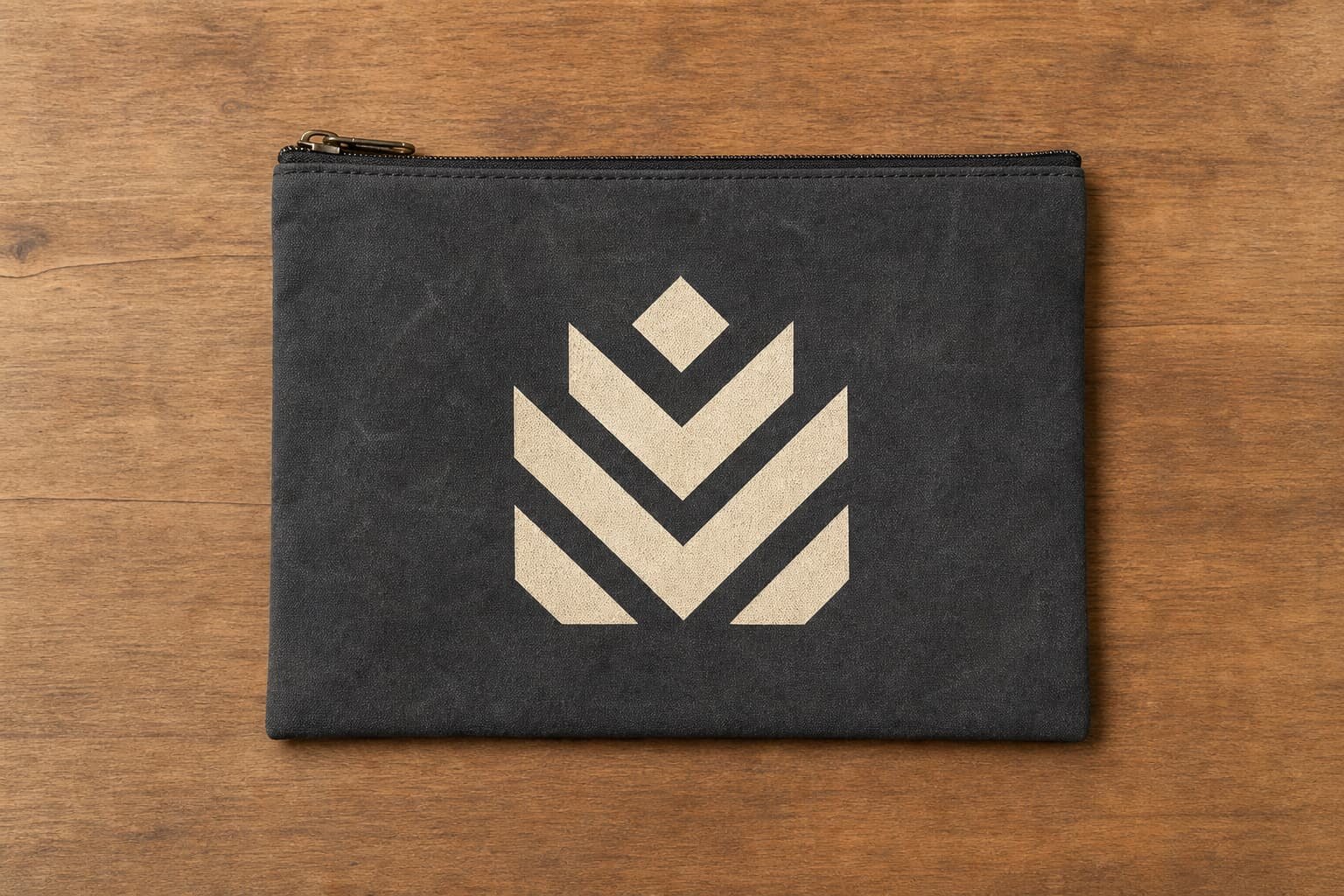
A zipper business bag looks simple in a catalog photo, but it combines textile material, zipper hardware, printing, labeling, packing, and export documentation in one low-profile product. The common buying mistake is treating it like a basic flat pouch and only asking for size, color, and logo. That leaves the supplier to decide fabric weight, zipper grade, seam strength, ink type, carton pressure, and label format. Those supplier decisions may be reasonable for a local promotion, but not for a distributor shipment, retail program, or corporate brand order with compliance requirements.
For procurement teams, compliance is not only about certificates. It is also about whether the physical product matches the approved specification consistently. A bag can have an acceptable material declaration but still fail because the zipper waves, the print cracks after folding, the fabric weight is lower than quoted, or the barcode sticker is placed on the wrong polybag side. This guide focuses on the practical controls that help you compare zipper business bag suppliers before you place a bulk order.
- Treat the bag as a combined textile, accessory, print, and packing project.
- Ask for measurable specifications instead of catalog descriptions such as premium, thick, or heavy duty.
- Make the approved sample the physical reference for production and inspection.
- Separate legal compliance documents from workmanship acceptance criteria.
Define the Bag Use Before You Ask for Compliance Proof
A zipper business bag may be used as a document pouch, meeting kit, laptop accessory, sales presentation bag, travel organizer, or retail stationery product. Each use changes the risk. A conference giveaway may need a clean logo and low unit cost. A retail business bag may need better lining, stronger zipper pullers, hangtags, barcode labels, and stricter appearance control. A corporate procurement order may require restricted substance compliance, country of origin marking, and carton-level labeling for warehouse receiving.
Start your RFQ by describing the end use and sales channel. Suppliers quote more accurately when they know whether the bag will carry paper only, a tablet, chargers, catalogs, or a packed gift set. The usable internal size also matters. A bag with an outside size of 350 x 250 mm may not comfortably fit A4 documents if the zipper opening, seam allowance, and rounded corners reduce the entry space. Ask the factory to confirm the usable opening and internal flat area, not just the cutting panel size.
- For A4 documents, confirm the zipper opening length and internal width after sewing.
- For retail, define hangtag, barcode, warning label, and display packing early.
- For corporate gifting, check whether the bag will be packed alone or filled with other items.
- For distributor stock, standardize SKU labeling and carton marks before production.
Fabric Weight, Composition, and Restricted Substance Risk
Fabric weight is one of the first specifications that affects both appearance and compliance control. For cotton zipper business bags, 10-12 oz canvas is a practical range for many document bags. It gives enough body for a flat business pouch without making the seams too bulky around the zipper. For a stronger retail-style bag, 14-16 oz canvas can be used, but it increases sewing resistance, carton weight, and crease risk. If the product is polyester canvas, buyers often compare 280-340 GSM for regular use and 420D or 600D constructions when more structure is needed.
Composition should be written clearly on the RFQ and on any required label. Cotton, recycled cotton, organic cotton, polyester, rPET polyester, jute blend, and coated fabric each carry different testing and documentation expectations. If your market has restricted substance rules, do not rely on a broad factory profile certificate. Ask whether the exact fabric color, coating, zipper tape, ink, transfer film, and label material can be tested or declared for the order. Dark dyed fabric, coated polyester, metallic inks, and PVC-like trims are common areas where buyers should be more careful.
- Specify fabric as GSM or oz, not only light, medium, or heavy.
- State whether natural cotton shade variation is acceptable or whether a dyed Pantone target is required.
- Ask if fabric shrinkage or color fastness testing is available for the exact material lot.
- Include zipper tape, print ink, puller coating, and labels in restricted substance review.
Zipper and Construction Details That Affect Approval
The zipper is the functional part most end users notice first. A No. 5 nylon coil zipper is a common choice for zipper business bags because it opens smoothly, handles flat curves better than metal teeth, and is usually cost efficient. Resin or metal zippers may be used for a stronger or more fashion-oriented look, but they add weight and can create bulk on a flat document bag. The quote should identify zipper type, size, tape color, puller material, puller shape, and whether the zipper is closed-end or open-end.
Construction details should not be left to the sewing line. Ask the supplier to confirm seam allowance, stitch density, zipper end finishing, corner reinforcement, and lining method if applicable. Bags that look acceptable from the front can fail at the zipper ends where fabric layers, zipper tape, and binding meet. If the bag will be used repeatedly, request bartacks or reinforced stitching at stress points. For a flat business pouch without handles, the zipper puller and end stops still need strength checks because users often pull hard when the bag is full.
- Request a zipper function check in the inspection plan, not only a visual check.
- Confirm zipper tape color under normal lighting and against the main fabric.
- Check if zipper ends are folded, covered, bound, or exposed inside the bag.
- Define acceptable stitch density, for example stitches per inch, if your brand has a standard.
Logo Method Compliance: Screen Print, Transfer, Label, or Embroidery
Logo decoration is where many zipper business bag orders move from approved sample to rejected shipment. Screen printing works well for solid brand marks, simple text, and larger flat print areas. It is usually the most practical option on cotton canvas and polyester canvas when the artwork has limited colors. Heat transfer can handle gradients, small details, and photographic effects, but buyers need to check adhesion, edge feel, and cracking risk after folding. Woven labels or sewn side labels are useful when you want retail-style branding and less risk from print distortion on textured fabric.
The print position must account for the zipper, seam allowance, and packing fold. A logo placed too close to the zipper seam may distort because the fabric is not perfectly flat during printing. A large transfer on a stiff canvas may show press marks or sit unevenly over fabric texture. If the logo must match a corporate color, send Pantone references and ask for a strike-off or printed swatch before the pre-production sample. For compliance, confirm whether the ink, transfer film, adhesive, and label thread meet the same restricted substance requirements as the main material.
- Use vector artwork for screen print, embroidery, woven labels, and die-cut transfers.
- State logo width, height, distance from bottom edge, distance from side seam, and tolerance.
- Ask whether ink curing temperature may affect fabric shade or zipper tape.
- For dark fabric, confirm whether underbase printing is required and included in the quote.
MOQ Logic and Quote Comparison
MOQ is not only a factory sales policy. It is usually driven by fabric purchasing, dyeing minimums, zipper tape color, print setup, label weaving, and packing material. A supplier may accept a lower MOQ for stock black canvas with a one-color screen print, but require a higher MOQ for custom dyed cotton, rPET fabric, custom zipper pullers, or woven labels. If you compare quotes without identifying these assumptions, the cheapest offer may simply be quoting stock materials while another supplier is quoting your actual requirement.
Ask for a quote breakdown that separates the base bag from variable items. Useful quote lines include fabric specification, zipper specification, logo method and number of colors, label type, individual packing, carton packing, sample cost, screen or mold charge, test cost if needed, and Incoterms. Also ask which items are included in the MOQ. Some factories count MOQ by bag color, some by logo design, and some by total order quantity with shared material. This affects how you plan multiple SKUs.
- Lower MOQ is more realistic when using stock fabric, stock zipper, and simple print.
- Custom dyeing, custom zipper tape, and woven labels often raise MOQ or add setup cost.
- Multi-color logos may require more screens, longer setup, and higher defect control.
- Clarify whether sample fees are refundable or credited only after bulk order confirmation.
Sample Approval Should Test the Production Route
A showroom sample is not enough for supplier compliance approval. It may use leftover fabric, substitute zipper, hand-selected sewing, or a logo made by a sample technician instead of the bulk production line. For a real pre-production sample, ask the factory to use bulk-intended fabric, zipper, thread, label, print method, and packing. If some items are not available yet, the supplier should mark them clearly as substitutes and state what will change in bulk.
When you review the sample, do not only approve the front photo. Open the zipper, turn the bag inside out if possible, check the inner seam finishing, pull lightly at the zipper ends, and measure the usable opening. Fold it the way it will be packed and leave it overnight to see whether the print marks, zipper deforms, or fabric creases badly. If the product will be sent to a lab, keep one approved sample sealed as the control reference for production inspection.
- Approve a physical sample or a signed sample report before bulk cutting.
- Record fabric weight, color, zipper type, logo size, and packing style in the sample approval.
- Ask for close-up photos of zipper ends, inner seams, and print edges.
- Keep one approved sample at the factory and one with the buyer or inspection company.
Packing, Carton Marks, and Warehouse Compliance
Flat zipper business bags are easy to damage through poor packing. Over-compression can create hard creases, bend zipper pullers, or leave print pressure marks. Under-filled cartons can shift during transport and scuff fabric. For export orders, define whether each bag needs an individual polybag, paper wrap, silica gel, barcode sticker, hangtag, or master carton label. If your market restricts plastic bag thickness or requires suffocation warnings, include that language in the RFQ before the supplier orders packing materials.
Carton data should be part of the quote, not a detail discovered at shipment. Ask for pieces per carton, carton dimensions, estimated gross weight, shipping marks, SKU label position, and palletization preference if needed. If the bag is made from natural cotton or jute blend, moisture control matters. A clean dry carton, reasonable warehouse storage, and appropriate desiccant can reduce odor and mildew risk. For retail buyers, carton compression testing or drop testing may be relevant depending on the distribution route.
- Avoid packing printed faces directly against rough zipper pullers or metal accessories.
- Set a carton gross weight limit that your warehouse can handle safely.
- Confirm inner polybag wording, recycling mark, and barcode format before mass packing.
- Request packing photos before final shipment if you cannot inspect on site.
Lead Time Planning Without False Shortcuts
A realistic lead time starts after final artwork, approved sample, confirmed deposit or payment term, and material availability. Buyers sometimes count from the inquiry date and then find that fabric dyeing, zipper customization, label production, and print strike-offs were never included. For stock fabric and simple printing, production can move faster, but custom color, lining, special pullers, and retail packing add steps. The supplier should explain which parts run in parallel and which must wait for approval.
For schedule control, ask the factory to give a milestone plan: artwork check, sample making, sample approval, material purchase, cutting, printing, sewing, in-line inspection, final inspection, packing, and export documents. This helps procurement teams see where delays can happen. If you need a fixed launch date, do not approve bulk material based only on digital artwork. Approve a print strike-off or pre-production sample first, otherwise the factory may cut fabric before the logo issue is solved.
- Separate sample lead time from bulk production lead time.
- Add time for lab testing if your company requires third-party reports.
- Confirm whether fabric is in stock or needs weaving, dyeing, or finishing.
- Book inspection time before the cargo-ready date, not after cartons are sealed.
Acceptance Criteria for Final Inspection
Final inspection should be based on measurable criteria, not general appearance. For zipper business bags, the inspector should check finished dimensions, fabric color, fabric defects, zipper function, seam quality, logo position, logo durability, label accuracy, packing count, and carton marks. Size tolerance should be practical because textile sewing is not metal machining. However, tolerance should still be written down, especially if the bag must fit documents, tablets, binders, or an outer retail sleeve.
Define major and minor defects before inspection. A broken zipper, wrong logo color, missing barcode, severe stain, open seam, or incorrect material should be treated more seriously than a tiny loose thread. If the supplier understands the acceptance criteria before production, they can train the sewing and packing teams accordingly. This is more effective than arguing after the shipment is complete.
- Major defects: zipper cannot close, wrong fabric, wrong logo, open seam, severe stain, wrong packing label.
- Minor defects: small loose thread, slight removable crease, minor print speck within agreed limit.
- Functional checks: repeated zipper opening, puller strength, seam stress at corners, lining attachment.
- Packing checks: quantity per polybag and carton, SKU label, carton mark, moisture protection, carton condition.
Specification comparison for buyers
| Spec decision | Recommended option | When it fits | Buyer risk to check |
|---|---|---|---|
| Main fabric weight | 10-12 oz cotton canvas or 280-340 GSM polyester canvas | General document bags, conference kits, sales folders, and branded office giveaways | Too light fabric can wrinkle around the zipper and make the bag look cheap after packing |
| Heavy duty version | 14-16 oz canvas or 420D/600D polyester with lining | Retail programs, laptop-adjacent document carry, higher perceived value promotions | Higher GSM increases carton weight, sewing time, and minimum order planning |
| Zipper type | No. 5 nylon coil zipper with color-matched tape | Most flat business bags and document pouches where smooth opening matters | Cheap zipper tape may wave after sewing or fail pull testing |
| Logo method | Screen print for solid logos; heat transfer for gradients; woven label for retail-style branding | Most B2B branding and distributor programs | Print position must avoid zipper seam bulk and folded packing pressure |
| Inner structure | Unlined for simple document use; lined with inner pocket for retail or premium use | Depends on target selling price and end-user expectation | Lining may hide weak seam work unless inspection checks inside construction |
| Packing method | Individual polybag plus flat carton packing with silica gel if required | Export orders, distributor stock, and warehouse handling | Over-compression can create permanent creases and zipper deformation |
Buyer checklist before sampling
- Confirm the bag size by usable internal document size, not only the outside cut panel size.
- Specify fabric composition, GSM or oz weight, color tolerance, shrinkage expectation, and whether fabric must pass restricted substance rules.
- Define zipper size, zipper tape color, puller style, opening direction, and whether a metal, plastic, or fabric pull tab is required.
- Send logo artwork in vector format and state exact print size, color reference, placement distance from edges, and approval standard.
- Request a pre-production sample using bulk fabric, bulk zipper, final logo method, and intended packing method.
- Ask the supplier to show seam allowance, stitching density, bartack positions, and inside finishing for the exact bag construction.
- Clarify carton quantity, carton dimensions, gross weight limit, barcode or shipping mark rules, and whether inner polybags need suffocation warnings.
- Build lead time from confirmed artwork, approved sample, material booking, production, inspection, and export documents, not from inquiry date.
- Require a quote sheet that separates fabric, zipper, logo, packing, tooling or screen charge, sample fee, and freight basis.
- Set inspection criteria for fabric stains, zipper function, print defects, size tolerance, seam strength, and packing accuracy before shipment.
Factory quote questions to send
- Which fabric construction are you quoting: cotton canvas, recycled cotton, polyester canvas, or blended material, and what is the actual GSM or oz tolerance?
- Is the quoted zipper a No. 5 nylon coil zipper, resin zipper, or metal zipper, and can you provide the zipper supplier or test standard used?
- Does the MOQ change if we choose dyed fabric, custom zipper tape, woven label, inner lining, or individual barcode labeling?
- Can the pre-production sample be made with bulk fabric and bulk accessories, or will it use substitute material?
- What logo method do you recommend for our artwork, and what are the limitations for fine lines, gradients, metallic ink, or exact Pantone matching?
- What size tolerance do you apply to finished zipper business bags after sewing and pressing?
- How many pieces per carton are assumed in the quote, and what is the estimated carton size and gross weight?
- Which compliance documents can you provide for this order: material declaration, test report from nominated lab, packing declaration, or certificate of origin if applicable?
- What in-line and final inspection steps are included before shipment, and can photos or videos be shared during production?
- What is the realistic production lead time after sample approval and deposit, including fabric dyeing or accessory customization if needed?
Quality-control points to confirm
- Measure finished bag width, height, gusset if any, zipper opening length, handle or pull tab position, and logo placement against the approved sample.
- Check fabric for stains, weaving slubs beyond agreed tolerance, color shade variation, odor, excessive creasing, and wrong GSM.
- Open and close each inspected zipper several times to check smoothness, skipped teeth, tape waviness, puller strength, and end stopper security.
- Inspect seam lines for loose threads, skipped stitches, uneven seam allowance, puckering near zipper tape, and weak corners.
- Rub test printed logos after curing or transfer application, especially on dark canvas, coated polyester, and textured fabrics.
- Check inner seams and lining corners because defects are often hidden when the bag is packed flat.
- Confirm each bag has the correct label, hangtag, barcode, warning text, country of origin mark, or customer SKU sticker if required.
- Review carton packing count, carton strength, moisture protection, shipping marks, palletization notes, and whether bags are over-compressed.