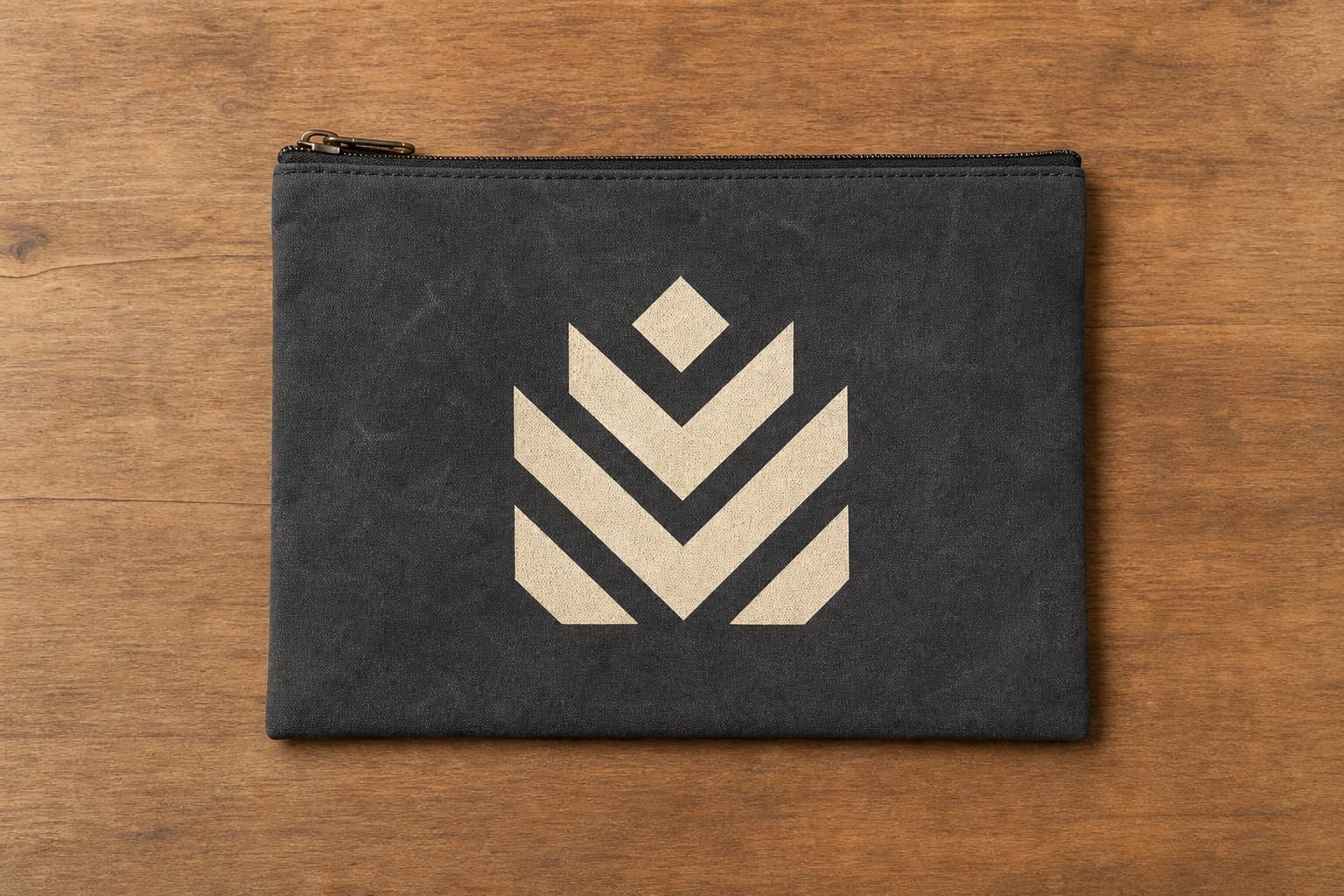
Why zipper business bag quotes are hard to compare
A zipper business bag looks simple in a quote sheet, but the price can change sharply once the factory defines the fabric, lining, zipper, pockets, logo method, and packing. Two suppliers may both write "600D document bag with zipper," while one includes a lined main compartment, reinforced webbing handles, and a No.5 zipper, and the other quotes a thin unlined shell with a light slider and minimal stitching. The cheapest line item is often not the cheapest landed product.
For procurement teams, the goal is not to force every supplier into the lowest number. The goal is to make each factory quote against the same physical bag, then identify where a supplier is reducing cost. Once the cost differences are visible, you can decide which savings are acceptable and which ones will create complaints, rework, or brand damage.
- Do not compare prices until every quote states outer fabric, zipper size, lining, logo method, handle type, pocket count, and packing.
- Ask factories to mark any deviation from your RFQ instead of silently substituting cheaper components.
- Keep one master specification sheet and require suppliers to quote against that version number.
- Treat vague phrases such as "standard zipper," "normal lining," and "good quality fabric" as missing quote data.
Start with the use case, not the target price
Before asking for prices, define how the bag will be used. A business bag for trade show handouts has different requirements from a retail document carrier, distributor welcome kit, bank promotion, school administration pack, or light laptop accessory bag. The expected contents decide the fabric strength, handle reinforcement, zipper length, and internal pocket structure.
If the bag only carries brochures and contracts for a one-day event, a simpler structure may be acceptable. If it will be sold, reused, or distributed to staff, the buyer should specify better zipper quality, cleaner seam finishing, and stronger handles. This use-case statement helps the factory recommend cost-saving options without cutting the parts that matter.
- For A4 document use, confirm the inner usable size, not only the outside panel size.
- For catalogue or sample-kit use, specify expected load weight and whether the bag must stand with a gusset.
- For retail use, add stricter requirements for print surface, thread trimming, label position, and individual packing.
- For employee or distributor kits, check whether the bag needs an organizer pocket, pen slot, or reinforced bottom panel.
Fabric weight and construction drive the real baseline cost
The outer material is usually the largest visible cost driver. Common choices include 600D polyester, 300D polyester, nonwoven, cotton canvas, recycled polyester, and PVC-coated or PU-backed fabric. For business bags, 600D polyester with PU backing is a common balance because it holds shape better than light fabric, prints reasonably well, and supports zipper sewing. Cotton canvas around 10-12 oz can give a more natural appearance, but it changes shrinkage, print absorption, color variation, and washing expectations.
When comparing quotes, do not accept only the fabric name. Ask for GSM or denier, backing, color availability, and whether the quoted fabric is stock or custom dyed. A custom-dyed fabric can raise MOQ and lead time, while a stock fabric may limit color matching. Also check whether the sample and bulk order will use the same fabric batch or whether the sample is made from available material only.
- 600D polyester: practical for most promotional and corporate document bags.
- 300D polyester: lower cost and lighter feel, but less structure and weaker perceived value.
- 10-12 oz cotton canvas: stronger natural look, but higher weight and more color and shrinkage management.
- PU backing: improves body and water resistance but should not crack or peel during normal folding.
- Stock fabric: faster and lower MOQ, but confirm acceptable shade tolerance before approval.
Zipper and handle details are where weak quotes hide
The zipper is the main functional part of the product. A business bag may pass a photo review but fail in use if the zipper tape is thin, the slider feels rough, or the zipper opening is too short. No.5 nylon coil zipper is common for document bags because it is flexible and economical. Metal zippers may look premium but can add weight, cost, and risk of scratching contents if not designed properly.
Handles also need more detail than "two handles." Buyers should specify handle material, width, length, reinforcement pattern, and stitch density. A box-X stitch or multiple bar tacks at the stress point is more reliable than a short straight stitch. If the bag is expected to carry catalogues, electronic accessories, or samples, ask the factory to perform a simple load test against your expected weight rather than guessing.
- Confirm zipper size, zipper type, zipper length, slider material, puller style, and zipper tape color.
- Ask whether zipper ends are covered, bound, or sewn directly into the seam.
- Define handle drop so the bag works by hand or over the wrist as intended.
- Specify webbing width and thickness if using separate handles.
- Check reinforcement stitching at both ends of each handle, not just the front appearance.
Logo method should match fabric, quantity, and handling
Most zipper business bag programs use screen print, heat transfer, embroidery, woven label, rubber patch, or a sewn fabric label. Screen print is usually the best value for simple one- to three-color logos on flat panels, especially on polyester. Heat transfer can support gradients or small details, but buyers should check adhesion, cracking, and hand feel. Embroidery may look premium but can distort thin fabric or increase cost at larger logo sizes.
The quote should show exactly what is included: logo size, position, number of colors, setup charge, proof sample, and artwork handling. If you compare one supplier including a woven side label and another quoting a one-color screen print, the price comparison is meaningless. For repeat distributor programs, a woven label or patch may be more durable and easier to standardize across batches.
- Screen print: cost-effective for flat, simple logos on polyester or canvas.
- Heat transfer: useful for complex artwork, but test edge adhesion and wash or rub resistance if relevant.
- Embroidery: better for smaller marks on stronger fabric, not always suitable for large front panels.
- Woven label: clean for brand programs and repeat orders, but label MOQ may exceed bag MOQ.
- Rubber patch: durable and visible, but mold cost and placement stitching must be included in the quote.
Build a quote data sheet instead of collecting loose emails
Loose email quotations create confusion because every supplier chooses different assumptions. A better method is to send a quote data sheet with locked fields. Include product size, fabric, lining, zipper, handle, pocket layout, logo method, packing, inspection standard, Incoterm, target quantity, and required delivery window. Ask factories to fill in any exception in a separate column.
This approach also helps your internal review. Merchandising, sourcing, quality, and finance can see why one quote is higher or lower. You can identify whether the price gap comes from material, labor, logo setup, MOQ, packing, or freight assumptions. The factory that gives complete data is often easier to manage than the one that gives the lowest one-line price.
- Use one RFQ version number so all suppliers quote the same revision.
- Ask for unit price by quantity tier, such as 500, 1,000, 3,000, and 5,000 pieces if relevant.
- Separate tooling, sample, logo setup, carton label, inspection, and testing costs.
- Require the factory to state quote validity because fabric and accessory costs can move.
- Ask for production lead time from sample approval, not only from deposit date.
Understand MOQ logic before negotiating the number
MOQ is rarely only a factory preference. For zipper business bags, MOQ may come from fabric roll quantity, dyeing minimum, zipper tape color, puller customization, woven label production, printed panel setup, or carton customization. A factory may accept a lower finished-bag quantity if all components are stock, but the same factory may require a higher MOQ for custom fabric color or branded hardware.
When a supplier refuses a low MOQ, ask which component is causing the limitation. This gives you options. You may keep the same bag structure but use stock fabric, change from custom zipper tape to black zipper, reduce logo colors, or accept a standard carton mark. Good MOQ negotiation is not just pushing the factory; it is adjusting the specification without damaging the product's purpose.
- Fabric MOQ: affected by color, backing, width, and stock availability.
- Zipper MOQ: affected by tape color, puller shape, and slider finish.
- Logo MOQ: affected by woven label runs, rubber patch molds, and print setup efficiency.
- Packing MOQ: affected by custom polybags, barcodes, insert cards, and printed cartons.
- Labor MOQ: affected by sewing line setup time and production efficiency for small runs.
Sample approval should prove the quote, not just the appearance
A sample is not only for checking whether the bag looks attractive. It should prove that the factory can make the quoted specification. The sample should use the correct outer fabric, correct zipper size, correct lining, correct handle reinforcement, and correct logo method. If substitute materials are used because the order is not confirmed yet, the factory must state this clearly and provide swatches or component samples for approval.
Procurement teams should review samples with a checklist, not only photos. Open the zipper many times, fill the bag with typical contents, check whether the opening is convenient, inspect inside seams, measure handle drop, and compare logo placement against the artwork proof. Any change requested after sample approval may affect cost and lead time, so record sample comments carefully before issuing the purchase order.
- Measure finished size and compare against tolerance before approving.
- Check zipper smoothness, end sewing, and whether the opening is long enough for the intended contents.
- Review logo color, opacity, position, and edge quality under normal light.
- Inspect inside lining, pocket depth, seam binding, and loose threads.
- Confirm packing sample if retail or warehouse receiving requirements are strict.
Packing and carton details affect landed cost and complaints
Packing is often treated as an afterthought, but it affects carton volume, freight cost, warehouse handling, and product condition on arrival. A flat zipper business bag may be packed one piece per polybag and 25-50 pieces per carton depending on size and structure. A bag with gusset, padding, or rigid panels may need fewer pieces per carton to avoid deformation.
Ask factories to quote the packing method in detail. Carton dimensions, carton ply, gross weight, desiccant, carton marks, barcode labels, and inner packing can all change cost. If your distributor or retailer requires specific carton labels or piece barcodes, include those requirements in the RFQ. Adding them after production starts can create delays and rework.
- Confirm whether the bag is folded, flat packed, or shaped with paper support.
- Set a maximum carton weight that your warehouse can handle safely.
- Use desiccant or moisture control when shipping coated fabric or canvas in humid seasons.
- Check whether carton marks include PO number, SKU, color, quantity, and country of origin if needed.
- Ask for a packing photo or packing sample before bulk shipment.
Lead time comparison must include approvals and material booking
A factory lead time number is only useful if you know when the clock starts. Some suppliers count from deposit; others count from final artwork; many count from approved pre-production sample and confirmed materials. For zipper business bags with custom fabric, labels, or pullers, material preparation can take longer than sewing. If your launch date is fixed, build the schedule backward from required delivery, not forward from order placement.
A realistic timeline separates artwork confirmation, sample making, sample review, material booking, bulk cutting, sewing, printing or patch application, packing, final inspection, and shipment booking. Peak season, public holidays, fabric dyeing queues, and container availability can also affect timing. The quote should state the production lead time and the assumptions behind it.
- Ask for sample lead time after complete artwork and specification confirmation.
- Ask for bulk lead time after sample approval and deposit, not only after PO issue.
- Confirm whether printing happens before or after sewing because it affects inspection timing.
- Reserve time for final inspection and possible rework before vessel or air booking.
- Avoid approving a sample with open comments if the delivery window is tight.
Specification comparison for buyers
| Spec decision | Recommended option | When it fits | Buyer risk to check |
|---|---|---|---|
| Outer fabric | 600D polyester with PU backing or 10-12 oz cotton canvas | 600D works for conference, document, and retail business bags; canvas fits natural branding and premium casual programs | Quote must state actual fabric weight, backing, color fastness expectation, and whether the price includes the same fabric as the sample |
| Main zipper | No.5 nylon coil zipper with branded or plain metal puller | Most document and laptop-style business bags where smooth opening matters more than heavy load capacity | Low-cost quotes may use thin zipper tape, weak sliders, or short zipper length that makes the opening too narrow |
| Logo method | Screen print for simple flat logos; woven label or rubber patch for repeated handling | Screen print suits budget promotional orders; labels and patches suit retail or distributor stock | Confirm logo size, color count, placement tolerance, and whether setup charge and proof sample are included |
| Internal structure | Basic lining with one document sleeve or organizer pocket | Useful when buyers need a business function without building a full laptop bag | Factories may quote only an empty shell unless pocket count, lining GSM, and seam binding are listed |
| Handle construction | Same-fabric or webbing handles with box-X reinforcement | Suitable for A4 documents, catalogues, tablets, and light office items | Check handle length, webbing GSM, stitch density, and load test target before comparing prices |
| Packing | One piece in polybag, 25-50 pieces per export carton depending on size and structure | Standard for B2B shipment, warehouse intake, and retail repacking | Quote should specify carton size, gross weight, inner packing, moisture control, and barcode or carton mark cost |
Buyer checklist before sampling
- Confirm bag dimensions with tolerance, measured when the bag is flat and when it is filled if the structure is gusseted.
- Ask every factory to quote the same outer fabric GSM or denier, backing, lining material, zipper size, handle material, and pocket layout.
- Separate mold, screen, label, sample, courier, and testing charges from the unit price so quote comparison is not distorted.
- Request zipper brand or zipper grade description, including slider material, puller style, and whether spare zipper testing is available.
- Define logo artwork format, print color count, print size, placement tolerance, and approval process before sampling.
- Check whether MOQ is driven by fabric dyeing, zipper color, label production, printing setup, or carton customization.
- Require a pre-production sample using correct fabric, zipper, lining, logo, and packing before bulk cutting.
- Compare packing specs, carton quantity, carton strength, and pallet loading assumptions, not only the EXW or FOB unit price.
- Ask for lead time broken into material booking, sample approval, bulk production, inspection, and shipment booking stages.
- Record all accepted deviations in writing before purchase order release, especially if the factory proposes substitute fabric or accessories.
Factory quote questions to send
- What exact outer fabric are you quoting, including denier or GSM, backing type, yarn count if canvas, and available stock color status?
- Is the quoted zipper No.5 or another size, nylon coil or metal, and what slider and puller material is included?
- Does the price include lining, internal document sleeve, pen slots, business card pocket, or only the outer bag shell?
- What logo method is included in the unit price, and what are the separate charges for screen setup, woven label MOQ, rubber patch mold, or embroidery tape?
- What is the MOQ for this quoted spec, and which component creates the MOQ limitation?
- How many days are needed for sample production after artwork and material confirmation, and what changes require a second sample?
- What is the bulk lead time after deposit and sample approval, and does it change during peak season or before major holidays?
- What packing method is included, including polybag, tissue, desiccant, carton size, carton ply, carton marks, and barcode labels?
- What quality tests or in-line checks do you perform for zipper function, seam strength, logo position, color matching, and carton weight?
- If the final inspection finds a defect rate above the agreed AQL or buyer limit, what is the rework process and who pays for reinspection?
Quality-control points to confirm
- Measure finished bag width, height, gusset, handle drop, zipper opening, and pocket size against the approved sample and specification sheet.
- Check outer fabric weight, hand feel, color, backing adhesion, surface defects, and cutting direction before bulk sewing continues.
- Open and close every sampled zipper repeatedly to check slider smoothness, teeth alignment, puller strength, and end-stop sewing.
- Inspect logo position, print opacity, edge sharpness, color matching, label sewing, and resistance to rubbing after curing or pressing.
- Review handle reinforcement, seam allowance, stitch density, skipped stitches, loose threads, and stress points around zipper ends.
- Confirm lining material, internal pocket count, binding tape, inside cleanliness, and whether raw edges are properly finished.
- Perform a practical load check based on the buyer's use case, such as A4 catalogues, laptop accessories, or event documents.
- Verify each polybag, carton quantity, carton marks, barcode labels, desiccant use, and carton gross weight before shipment release.