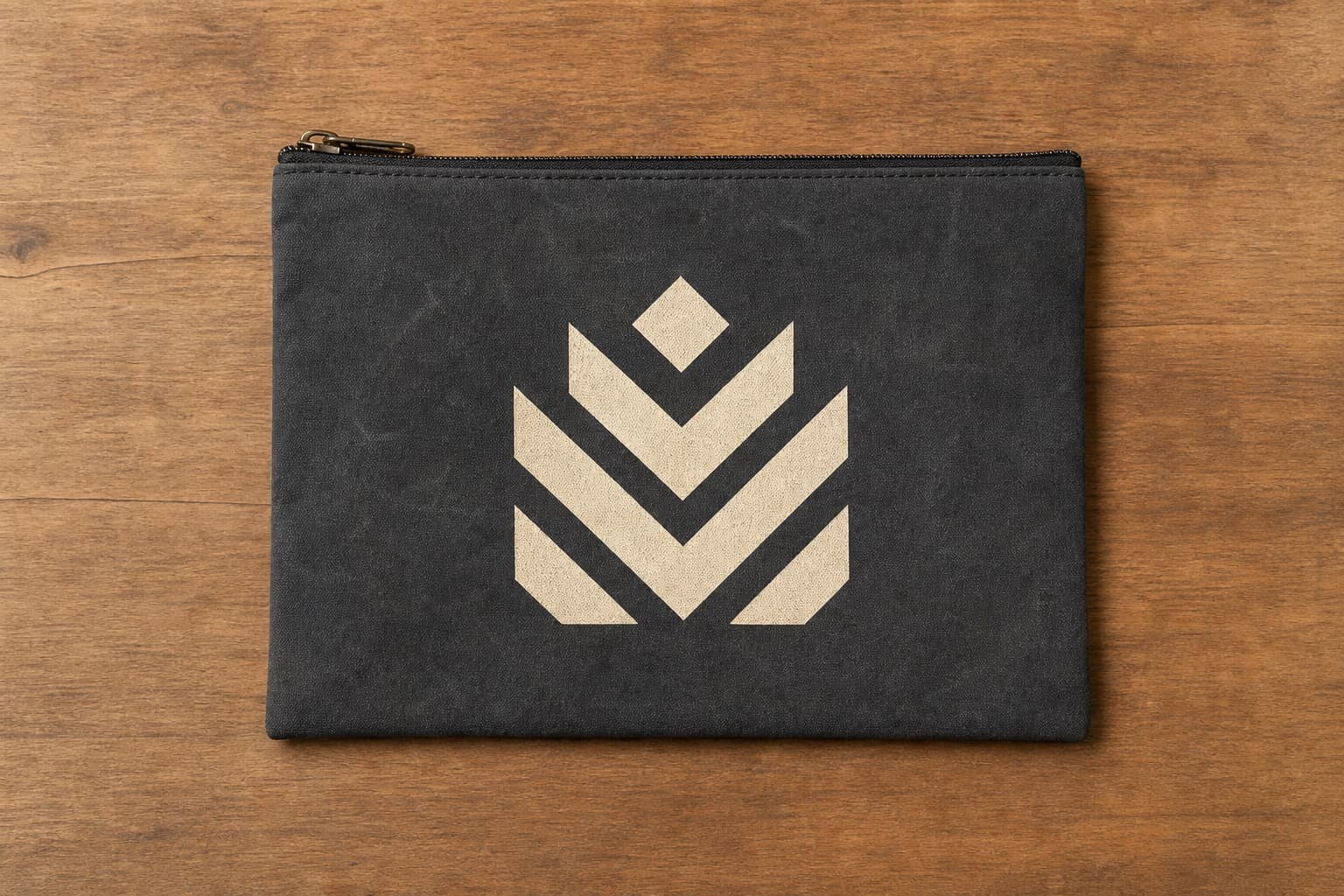
1. Define the Buying Problem Before You Ask for Price
A zipper business bag bulk order looks simple until suppliers quote different fabrics, zipper grades, handle structures, and packing methods. One factory may quote 8 oz cotton with a basic zipper, while another quotes 12 oz canvas with reinforced handles and individual polybags. The unit price difference may look like supplier margin, but it is often a different product.
The first job of the RFQ is to reduce interpretation. Procurement teams should describe the expected use, target retail or giveaway level, document size, load weight, brand position, and shipping destination. A bag for holding brochures at a one-day event does not need the same fabric and zipper as a reusable staff document bag.
- State the use case: event giveaway, employee kit, school document bag, retail merchandise, or distributor resale.
- State the load expectation: light documents, catalog sets, laptop accessories, or mixed promotional items.
- State the service life expectation: one campaign, repeated office use, or retail-quality reusable bag.
- State whether the bag must stand neatly, fold flat, or fit into an existing master carton program.
2. Lock the Finished Size, Gusset, and Handle Drop
Size is one of the easiest areas to misunderstand. Buyers often send only a front width and height, then discover later that the bag has no gusset, a short handle drop, or a zipper opening that is smaller than expected. For zipper business bags, the usable opening matters as much as the outside measurement.
A practical RFQ should include finished width, height, gusset depth, handle drop, zipper opening length, and pocket size if applicable. Also define tolerance. For fabric bags, a common production tolerance may be around plus or minus 0.5 cm to 1 cm depending on structure and material, but it should not be assumed. If the bag must fit A4 documents, catalogs, or a boxed gift set, provide the item dimensions.
- Common document bag direction: around 38 x 30 x 8 cm for A4 files and promotional inserts.
- Handle drop should be confirmed for hand carry or shoulder carry; do not use only total handle length.
- A top zipper reduces the opening slightly, so test the real item through the zipper during sample review.
- If cartons or kits must fit inside, give the factory the packed item size, not only the bag size.
3. Choose Fabric by Function, Not by the Cheapest GSM
Fabric weight controls appearance, strength, sewing difficulty, folding behavior, and freight. For cotton canvas zipper business bags, buyers commonly compare 8 oz, 10 oz, and 12 oz canvas. For polyester canvas or Oxford-style fabric, the specification may be shown in GSM or denier. A low-cost quote may use lighter fabric that wrinkles, collapses, or shows print-through.
For most corporate zipper business bags, 10-12 oz cotton canvas or roughly 280-340 GSM polyester canvas is a practical starting range. Lighter cotton can work for event giveaways when the load is low. Heavier canvas feels better but increases material cost, needle wear, sewing time, and carton weight. If the bag needs water resistance, ask whether the fabric has coating, backing, or treatment, and confirm how that affects printing.
- 8 oz cotton canvas: budget-friendly and foldable, but less structured for business bags.
- 10 oz cotton canvas: balanced option for branded document bags and office giveaways.
- 12 oz cotton canvas: stronger hand feel, better for retail or premium corporate programs.
- 300D or 600D polyester: more water-resistant style, but print and heat transfer behavior must be checked.
- Jute or blended fabric: distinctive look, but zipper sewing and logo sharpness need sample confirmation.
4. Specify the Zipper, Puller, and Opening Construction
The zipper is the main functional part of a zipper business bag, yet many RFQs say only 'with zipper.' That is not enough. Buyers should define zipper size, material, tape color, puller type, end finishing, and whether the zipper is straight across the top or recessed into the bag opening.
For many bulk orders, a No.5 nylon coil zipper is a reliable balance between price and performance. Metal zippers can look premium but may add weight, cost, and corrosion risk depending on plating. Molded plastic zippers can be sturdy but may feel too casual for some business bag designs. The puller should be easy to grip and not cut the user’s hand or scratch printed surfaces during packing.
- Ask for zipper tape color approval against the fabric swatch, especially on black, navy, beige, and custom dyed fabric.
- Check zipper end tabs because exposed zipper ends can look unfinished and fail earlier.
- Request smoothness testing on samples; a stiff zipper on one sample often becomes a complaint on bulk goods.
- If using a branded puller, confirm MOQ and mold cost before assuming it is included.
- For export packing, check that pullers do not press into printed panels and leave marks.
5. Match Logo Method to Fabric and Brand Standard
Logo decoration is where many business bag orders lose time. A clean vector logo and a decoration method chosen for the actual fabric will prevent most problems. Screen printing is usually efficient for solid colors on cotton canvas. Heat transfer can handle gradients or fine detail, but buyers must check hand feel, edge durability, and heat compatibility with coated fabric. Embroidery gives texture but can distort thin fabric and may not suit very small letters.
For a zipper business bag bulk order checklist, the logo specification should include artwork format, Pantone or brand color reference, print size, exact placement, method, acceptable color tolerance, and whether the logo should be centered on the front panel, pocket, side label, or handle patch. If the bag has a front pocket, confirm whether the print is applied before or after pocket sewing, because seam edges can limit print position.
- Screen print: best for simple solid logos and larger quantities with stable unit cost.
- Heat transfer: useful for multi-color artwork, gradients, or small details when fabric allows it.
- Embroidery: stronger premium effect, but check puckering, stitch density, and backing.
- Woven label: clean for brand programs and repeat orders, but label MOQ and placement tolerance matter.
- Debossed patch or rubber patch: premium look, but tooling, MOQ, and lead time should be quoted separately.
6. Understand MOQ Logic Before Negotiating
MOQ is not only a factory sales policy. It comes from material purchase minimums, dyeing minimums, printing setup, zipper color availability, label production, cutting efficiency, and labor scheduling. A stock black canvas bag with one-color screen print may have a lower MOQ than a custom dyed beige bag with branded zipper puller and woven label.
Buyers should ask the supplier to separate MOQ drivers instead of pushing for one unexplained number. This helps procurement decide what to simplify. If the quantity is below the supplier’s normal production minimum, the factory may still accept it, but unit cost can rise because setup labor, sample work, screen charges, and packing preparation are spread across fewer pieces.
- Lower MOQ path: stock fabric color, stock zipper, standard handle, one-position screen print.
- Higher MOQ path: custom dyed fabric, custom lining, custom zipper tape, branded puller, special label.
- Repeat order path: approve standard material and keep artwork screens, labels, or puller molds for future runs.
- Distributor path: consolidate colors or sizes to improve cutting efficiency and reduce mixed-order complexity.
7. Build a Quote Sheet That Makes Suppliers Comparable
A useful quote is not only a unit price. For zipper business bags, procurement should collect fabric details, decoration method, zipper specification, packing method, carton data, sample cost, lead time, payment terms, and Incoterm. Without this data, the lowest quote can become the most expensive option after revisions, freight recalculation, or quality disputes.
Ask each factory to quote against the same drawing or written specification. If one supplier proposes an alternative material or construction, keep it in a separate option line instead of mixing it with the base quote. This makes internal comparison easier and gives your merchandising team a clear reason for any price difference.
- Quote line data: item size, fabric composition, fabric weight, color, zipper type, handle type, print method, and packing.
- Commercial data: MOQ, unit price, currency, Incoterm, sample fee, tooling fee, payment terms, and quote validity.
- Production data: sample lead time, bulk lead time, production capacity, inspection timing, and shipment readiness date.
- Export data: pieces per carton, carton size, gross weight, net weight, carton mark, and suggested HS code.
- Revision data: cost impact for heavier fabric, extra pocket, lining, branded puller, individual polybag, or hangtag.
8. Use Samples to Approve Construction, Not Just Appearance
A sample should answer production questions before bulk cutting starts. Buyers should not approve a zipper business bag sample only because the logo looks correct in a photo. The sample needs to be measured, loaded, zipped repeatedly, folded, checked inside, and compared to the intended use. If possible, put the real documents, gift items, or kit components inside the sample.
There are usually several sample stages. A rough sample may confirm size and construction. A pre-production sample should use the correct fabric, zipper, logo method, label, stitching, and packing. Bulk production should not start until the pre-production sample is signed or approved in writing. Any change after approval should be recorded because it affects inspection standards.
- Check fabric hand feel and thickness against the quoted GSM or oz weight.
- Measure width, height, gusset, handle drop, pocket size, and zipper opening.
- Load the bag with expected contents and check handle comfort and seam stress.
- Open and close the zipper at least 20 times during review to catch stiffness or misalignment.
- Check logo position in centimeters from seams, zipper, pocket edge, or bag centerline.
- Photograph approved sample details and keep them with the purchase order.
9. Prevent Packing and Freight Surprises
Packing affects cost, presentation, storage, and freight. Individual polybags protect each bag and support retail or kit assembly, but they increase plastic use, labor, carton volume, and sometimes inspection time. Bulk packing with a carton liner can be enough for many distributor or event orders if the print is dry, the fabric is stable, and bags are stacked carefully.
Zipper business bags can deform if over-compressed or packed with pullers pressing into printed panels. White or light cotton canvas can also pick up dust if cartons are weak or unlined. Ask for carton dimensions and gross weight before approving the final order because the freight estimate depends on volume, not only unit count.
- Bulk pack: lower packing cost and less plastic, suitable for many wholesale or event programs.
- Individual polybag: better protection and easier distribution, but higher material and labor cost.
- Hangtag or barcode: useful for retail, but confirm placement and whether it slows packing.
- Carton liner: simple protection against dust and moisture during warehouse handling.
- Carton count: confirm pieces per carton before booking freight or planning warehouse receiving.
10. Set Acceptance Criteria Before Production Starts
Quality disputes are easier to prevent than to solve after shipment. The purchase order should state what counts as acceptable and unacceptable. For zipper business bags, key inspection points include size tolerance, fabric defects, color shade, zipper function, stitch quality, handle strength, logo accuracy, stains, loose threads, and packing count.
For larger orders, arrange inspection during production or before shipment. The approved pre-production sample should be the main reference, but written tolerances are still needed. If the buyer requires special testing such as colorfastness, print rub resistance, seam strength, or restricted substance testing, that must be discussed before price confirmation because testing takes time and may add cost.
- Major defect examples: broken zipper, wrong fabric, wrong logo color, missing handle reinforcement, severe stains.
- Minor defect examples: trimable thread ends, slight crease marks, small measurement variation within tolerance.
- Functional checks: zipper smoothness, handle seam strength, pocket opening, and bag standing or folding behavior.
- Visual checks: print position, color consistency, fabric shade, edge binding, and label orientation.
- Packing checks: carton quantity, carton marks, polybag warning text if required, and moisture protection.
Specification comparison for buyers
| Spec decision | Recommended option | When it fits | Buyer risk to check |
|---|---|---|---|
| Main fabric | 10-12 oz cotton canvas or 280-340 GSM polyester canvas | Conference bags, document bags, staff welcome packs, retail business totes | Too light fabric may collapse; too heavy fabric raises freight and sewing cost |
| Zipper type | No.5 nylon coil zipper with matching tape and metal or molded puller | Most business bag bulk orders requiring smooth opening and stable cost | Low-grade zipper teeth, weak slider lock, or color mismatch against fabric |
| Logo method | Screen print for solid logos; heat transfer for gradients; woven label for premium detail | Corporate giveaways, distributor programs, or branded resale | Print cracking on coated fabric, poor registration, or label placement variance |
| Handle construction | Self-fabric handles with cross-stitch reinforcement or 2.5-3.8 cm webbing handles | Laptop document bags, trade fair bags, bank or insurance promotional bags | Handle drop not specified; weak bar tacks; uncomfortable narrow webbing |
| Inside structure | Single main compartment plus optional inner slip pocket | Buyers needing usable business function without heavy custom tooling | Extra pockets increase labor minutes and MOQ pressure |
| Packing | Individual polybag only when needed; otherwise bulk pack with carton liner | B2B distribution, events, warehouse replenishment, and eco-sensitive buyers | Overpacking increases cost; loose packing can deform bags or scratch prints |
Buyer checklist before sampling
- Confirm finished size with width, height, gusset, handle drop, and measurement tolerance.
- Specify fabric composition and weight, such as 10 oz cotton canvas or 300 GSM polyester canvas.
- State zipper size, zipper material, tape color, puller style, and whether zipper ends need fabric tabs.
- Provide logo artwork in vector format and confirm print size, placement, color code, and print method.
- Define inside structure, pocket requirements, lining choice, edge binding, and reinforcement points.
- Request pre-production sample approval before bulk fabric cutting, especially for custom colors or logo prints.
- Ask for carton dimensions, units per carton, gross weight, net weight, and packing method before order confirmation.
- Clarify MOQ by fabric type, fabric color, logo process, zipper color, and accessory customization.
- Set acceptable inspection criteria for stitches, zipper function, stains, print defects, size tolerance, and packing.
- Compare quotes using the same Incoterm, currency, sample cost, bulk lead time, and export carton specification.
Factory quote questions to send
- What fabric options can you quote for this bag, and what are the actual GSM or oz weights after finishing?
- Is the quoted price based on stock fabric color, dyed-to-order fabric, or custom coated material?
- Which zipper brand or grade is included, and can you provide a photo or sample of the zipper and puller?
- What is the MOQ difference between screen printing, heat transfer, embroidery, woven label, and rubber patch?
- How many stitches per inch will be used on the main seams, handles, and zipper area?
- What reinforcement method is included for the handle joint: cross stitch, box stitch, bar tack, or rivet?
- What are the sample lead time, sample charge, and sample revision cost if the first sample is not approved?
- What bulk lead time is realistic after artwork approval, sample approval, deposit, and material confirmation?
- How will the bags be packed, and can you quote both individual polybag packing and bulk carton packing?
- Can you provide carton size, carton weight, HS code suggestion, and photos of packed cartons before shipment?
Quality-control points to confirm
- Measure finished bag size, gusset, handle drop, pocket position, and logo placement against the approved sample.
- Open and close every sampled zipper several times to check slider smoothness, tape alignment, and end stopper strength.
- Check main fabric GSM or oz weight by approved swatch, purchase specification, or lab measurement if required.
- Inspect handle reinforcement for skipped stitches, loose threads, weak bar tacks, or uneven cross-stitching.
- Rub test the printed logo lightly and check for pinholes, color bleeding, cracking, misregistration, or ink stains.
- Check the inner seams, binding, lining, and zipper tabs because defects often hide inside dark bags.
- Confirm carton packing count, carton marks, polybag warning text if used, moisture protection, and carton strength.
- Compare production goods with the signed pre-production sample before approving final shipment.