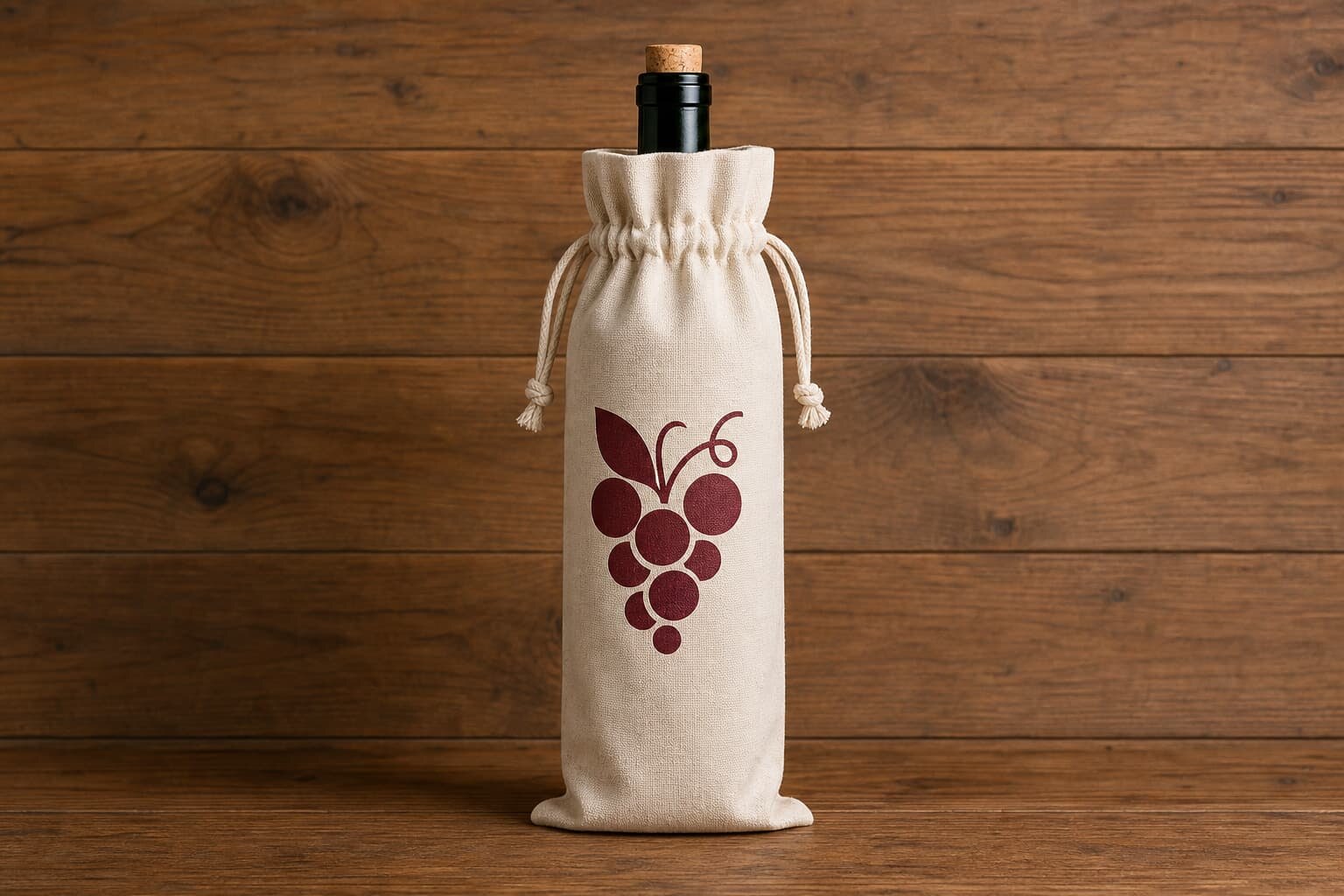
Why Split Shipment Approval Matters for Wine Bottle Bags
A wine bottle bag shipment split approval is the written control point that allows one purchase order to ship in two or more releases without losing control of product consistency. For wine bottle bags, this is more important than it looks. The bag is small, but buyers usually care about retail presentation, bottle fit, logo position, fabric hand feel, and carton allocation. A small change in fabric shade, drawcord color, or print height can make the first shipment and balance shipment look like two different programs.
Procurement teams often request a split because the sales team needs launch stock before the full quantity is ready, or because one market needs air freight while the balance can move by sea. The risk is that the split is handled only as a logistics instruction. In production, a split affects cutting, printing, sewing, packing, inspection, storage, carton marks, commercial documents, and final release. If those points are not written into the RFQ and PO, the supplier may make reasonable factory decisions that are not acceptable to your retail or distributor channel.
- Use shipment split approval when a PO ships in parts, even if the product spec is unchanged.
- Do not rely on the phrase partial shipment allowed without defining quantity, timing, and lot control.
- Treat the first shipment as a commercial release, not as a sample, unless the order is clearly marked as trial production.
- Require the factory to identify which cartons belong to shipment one and which cartons belong to the balance.
Define the Split Before the Factory Quotes
The best time to discuss a split shipment is during quotation, not after bulk goods are finished. A factory quote for 10,000 wine bottle bags assumes one material purchase, one print setup, one sewing schedule, one packing plan, and usually one export release. If the buyer later asks for 2,000 pieces now and 8,000 pieces later, the factory may need extra handling, extra documentation, re-stacking, warehouse space, and separate carton marks. Those costs are not always large, but they can cause delays when nobody has approved them.
Your RFQ should state whether the split is a logistics split or a production split. A logistics split means the factory produces the full quantity in one batch, packs all goods, ships the urgent portion first, and holds the balance. A production split means the factory makes the first quantity now and manufactures the balance later. For wine bottle bags, a logistics split is usually safer for color and print consistency because the fabric and ink are controlled in one production run.
- RFQ line example: Total order 12,000 pcs, first shipment 3,000 pcs by air, balance 9,000 pcs by sea, all produced from same approved material batch.
- Ask whether the quoted price assumes one production batch or two separate batches.
- Ask the factory to quote split-related costs as separate lines so your team can compare supplier offers fairly.
- Confirm whether the first shipment quantity can be changed after material cutting starts.
Material and GSM Controls Between Shipment Lots
Wine bottle bags are commonly made from cotton, canvas, jute, non-woven fabric, linen-look blends, or laminated materials. For CottonToMaker-style cotton and jute wine bags, the common buyer decision is whether to use a lightweight promotional fabric or a heavier retail gift fabric. A 150-180gsm cotton bag may work for a short promotional event, while 220gsm cotton or 10oz canvas gives a more structured retail feel. Jute wine bags often sit around 220-320gsm depending on weave, lamination, and required stiffness.
A split shipment can expose material differences that would be less visible in a single delivery. If the first shipment uses one fabric roll lot and the balance uses another, the natural cotton tone may look warmer or cooler. Jute can vary in fiber thickness, smell, slub pattern, and surface hairiness. Even drawcords can shift from natural cotton to polyester-cotton if the factory runs short. The approval record should state whether natural variation is acceptable and what must remain identical.
- Specify fabric by type and weight: for example, 180gsm natural cotton, 220gsm dyed cotton, 10oz canvas, or 280gsm laminated jute.
- Request bulk fabric photos beside the approved sample before cutting the first shipment.
- For natural cotton or jute, approve a shade tolerance rather than expecting pure white consistency.
- Require the same drawcord material, cord diameter, and cord color for both shipment releases.
- If the balance shipment is produced later, ask the factory to reserve material or confirm re-approval is required.
Print Method Approval for Split Wine Bag Orders
Most wine bottle bags use screen printing because it is stable, cost-effective, and suitable for winery logos, holiday artwork, distributor marks, and retail gift messages. Screen print works best for solid artwork, one to three colors, and clear linework. Heat transfer can handle gradients, small details, or photographic effects, but it may change the surface hand feel and can be less suitable for some jute textures. Woven labels, side labels, and leather-look patches may also be used when buyers want a more premium finish.
The split shipment approval should connect the print method to the shipment lot. The first shipment may be printed and packed quickly, while the balance sits for later release. If the factory prints the balance later, ink mixing, screen tension, curing temperature, and fabric absorbency can change the final look. Buyers should not approve only the digital artwork. They should approve the bulk print strike-off, print position on the actual bag size, and a simple rub or tape test before mass packing.
- For screen print, define Pantone color, print size, print position from top edge or bottom seam, and ink finish.
- For heat transfer, approve transfer edge, hand feel, wash or rub resistance if required, and temperature suitability for the fabric.
- For woven labels, approve label size, fold type, sewing position, and whether the label appears on both shipment lots.
- For jute, check whether uneven fiber texture breaks fine artwork lines.
- Require one retained printed sample from shipment one to compare with the balance shipment before release.
MOQ Logic: One Batch, Two Releases, or Two Batches
Many quote disputes come from MOQ logic. A buyer may think a 5,000 piece order split into 1,000 and 4,000 pieces is still one order. The factory may see it as two setups if material purchasing, print setup, sewing line scheduling, and packing happen at different times. For simple cotton drawstring wine bags, the factory may be able to manage a smaller first release if the total order is produced together. For customized jute wine bags with laminated lining, window panel, or sewn label, the MOQ impact is usually stronger.
The cleanest commercial structure is often one bulk production order with staged release. The buyer pays for the full production according to agreed terms, the factory ships urgent cartons first, and the balance is stored for a defined time. This keeps unit cost stable and reduces shade variation. If the buyer needs the balance produced later because demand is uncertain, the factory should quote two batches and state that color, GSM, and print tolerance will be re-approved.
- One batch with two releases usually gives better consistency and lower setup cost.
- Two batches may help cash flow or demand planning, but it increases material and print variation risk.
- Ask whether MOQ is based on total PO quantity, per color, per artwork, per fabric, or per shipment.
- If the first shipment is below normal MOQ, expect setup charges or a higher unit price.
- Do not compare supplier prices unless their MOQ and split assumptions are the same.
Packing and Carton Marks for Clean Receiving
Wine bottle bags are often light, but packing still matters. A typical packing method may be 10, 25, or 50 pieces per inner polybag or kraft band, then 200-500 pieces per export carton depending on fabric weight and bag size. Heavier canvas, padded bottle bags, laminated jute, or bags with rigid handles reduce carton quantity. If the order is split, the packing plan must prevent mixed lots, mixed artwork, and mixed carton number ranges.
Carton marks should do more than show the product name. For split shipment control, they should include PO number, SKU, artwork version, color, quantity per carton, carton number range, destination if needed, and shipment lot such as S1 or S2. This helps the import warehouse receive the urgent shipment correctly and prevents the balance shipment from being mistaken for a backorder with different artwork. If retail buyers require case labels or barcode labels, the first shipment and balance should follow the same label logic.
- Use carton number ranges such as S1 1-20 and S2 1-80, not one continuous range that confuses receiving.
- Confirm whether inner bags carry labels, stickers, or SKU marks.
- Ask for packed carton photos before each release, including open carton and closed carton views.
- Avoid mixed-SKU cartons unless your warehouse has approved that method.
- For jute and natural cotton, request moisture control and clean carton storage before shipment.
Lead Time and Release Schedule Acceptance Criteria
Lead time for custom wine bottle bags depends on material availability, sample approval, print approval, production queue, packing, inspection, and export booking. A basic cotton wine bag with screen print may move faster than a structured jute bag with lamination, window panel, or sewn label. The split shipment schedule should show dates for artwork approval, sample approval, material arrival, bulk printing, sewing completion, first inspection, first shipment release, balance storage start, balance release check, and final shipment.
The acceptance criteria should say what must be true before the first shipment can leave. For example, the first shipment can be released only after bulk product photos, print test result, carton mark approval, packed carton count, and inspection report are accepted. The balance shipment should not automatically ship just because the first shipment passed. It should receive at least a release check to confirm storage condition, carton integrity, quantity, and no unauthorized substitution.
- Set a latest sample approval date; late approval moves the shipment split schedule.
- Separate production completion date from shipment booking date.
- Define how many days the factory may hold packed goods before extra storage terms apply.
- Require a balance release photo set if goods are stored more than two weeks.
- If air and sea shipments are both used, confirm carton size and weight fit the freight plan.
Quote Data Buyers Need to Compare Suppliers
A useful quotation for split shipment wine bottle bags should show more than a unit price. It should list fabric type and GSM, bag dimensions, print method, print color count, accessory details, packing quantity, carton dimensions, gross weight, net weight, CBM, production lead time, sample lead time, and shipment split fees. Without those data points, a lower quote may only mean the supplier assumed lighter fabric, fewer packing requirements, one shipment, or no storage responsibility.
Procurement teams should also ask suppliers to separate tooling, screen, label, sample, and handling charges. If one supplier includes split handling and another does not, the comparison is not equal. For wine bottle bags, the most common hidden differences are fabric weight, cord quality, print coverage, carton strength, inner packing, and whether the balance shipment will be protected in storage.
- Ask for unit price at total order quantity and, if relevant, unit price per shipment quantity.
- Request carton dimensions and CBM for first shipment and balance shipment separately.
- Ask whether export cartons are single-wall or double-wall and whether carton strength suits long storage.
- Require quote validity and material price assumption if the balance is produced later.
- Check whether the quote includes pre-production sample, print strike-off, or only digital proof.
Common Mistakes That Create Split Shipment Claims
The first common mistake is approving the first shipment too quickly because the launch date is close. The buyer accepts urgent goods, then later discovers the balance shipment has different shade, cord length, or print placement. The second common mistake is treating natural material variation as a defect after failing to define tolerance. Cotton, canvas, and jute are not plastic; they vary by lot. The approval record should define what variation is acceptable and what requires rework.
Another mistake is allowing the factory to pack the balance shipment without buyer-reviewed carton marks. When split shipments move through different forwarders, warehouses, or distributors, carton mark errors become expensive. A carton labeled only as wine bag may not tell the warehouse which SKU, artwork, or market it belongs to. A claim may follow, even when the actual product quality is acceptable.
- Do not allow substitute fabric to catch the first shipment deadline unless your brand team approves it in writing.
- Do not approve production from a flat artwork file without checking print size on the actual bag.
- Do not mix first shipment and balance shipment cartons on the same pallet unless the forwarder requests it and labels are clear.
- Do not skip bottle fit testing when the buyer changes from Bordeaux bottle to Burgundy, sparkling, or wider premium bottle.
- Do not assume the balance shipment remains perfect in storage; check odor, moisture, carton crush, and dust.
How to Write the Approval Into Your PO
The purchase order should make shipment split approval a required milestone. It does not need to be complicated, but it should be specific. Include total order quantity, first shipment quantity, balance quantity, allowed quantity tolerance, production batch method, inspection rule, packing rule, carton mark rule, and release approval contact. If your company uses an ERP system, add shipment lot codes to the item description or PO remarks so the warehouse and finance teams see the same structure.
A practical PO note might read: Supplier to produce full quantity in one batch using approved 220gsm cotton and approved screen print. First shipment 2,500 pcs, balance 7,500 pcs. No material, cord, label, print method, packing, or carton mark change allowed without written buyer approval. Packed carton photos and carton number list required before each release. Balance shipment release requires storage condition check and buyer approval. This wording gives the factory a clear control plan and gives the buyer a record if something changes.
- Attach the approved spec sheet and do not depend on email threads as the only specification.
- Name the approval documents: pre-production sample approval, bulk print approval, first shipment release, and balance shipment release.
- State who can approve changes from the buyer side.
- Require the supplier to report any fabric, cord, ink, label, or carton shortage before substitution.
- Keep the signed approval record with the commercial invoice and packing list for traceability.
Specification comparison for buyers
| Spec decision | Recommended option | When it fits | Buyer risk to check |
|---|---|---|---|
| Fabric for first urgent shipment | 10oz cotton canvas or 180-220gsm cotton with approved lab dip | Retail promotion, winery gift set, corporate seasonal packing where touch quality matters | First shipment and balance shipment may show shade difference if fabric rolls are not reserved together |
| Fabric for lower-cost balance shipment | 150-180gsm cotton or 220-280gsm jute with same construction tolerance | Large distributor order where the first drop is for launch and later cartons replenish stock | Buyer must approve whether lighter fabric is allowed or whether both shipments must use identical material |
| Logo print method | Screen print for solid one to three color artwork; heat transfer only for fine gradients | Most winery logos, event branding, retail gift bag labels, and simple private label marks | Print color may shift between production dates unless Pantone target, ink type, and curing check are locked |
| MOQ split logic | Produce one full batch, ship partial quantity first, hold packed balance for later release | Buyer needs early goods without paying two separate setup charges or accepting two material lots | Factory storage time, carton condition, and balance shipment release date must be written into the PO |
| Packing for split release | Same inner pack, same carton quantity, separate carton number range per shipment | Importer needs clean receiving, warehouse scanning, and allocation by market or customer | Mixed carton marks can cause customs, warehouse, or retail allocation errors |
| Approval record | One split shipment approval sheet signed before mass packing | Any order where first shipment quantity, balance quantity, and inspection responsibility differ | Email-only approval often misses carton marks, color tolerance, and who pays extra handling |
Buyer checklist before sampling
- Confirm the commercial reason for the split: urgent launch stock, allocation by market, partial air shipment, or staged retail delivery.
- State whether the factory should produce the full order in one continuous batch or produce separate batches for each shipment.
- Lock fabric type, GSM or ounce weight, weave appearance, drawcord material, bottom construction, handle or cord length, and bottle fit tolerance.
- Approve logo artwork size, print position, Pantone target, print method, curing or drying requirement, and acceptable color tolerance before bulk printing.
- Define first shipment quantity, balance quantity, allowed overrun or underrun, and whether cartons can be mixed across shipment lots.
- Require a packed carton photo set for each split, including front carton mark, side mark, inner polybag or bundle pack, and carton number range.
- Specify inspection timing: before first shipment only, before each shipment, or one inspection for full production plus release check for stored balance.
- Ask the factory to quote any extra cost for holding goods, re-packing, second export document set, second booking, and separate carton marks.
- Make the PO show shipment split approval as a controlled step, not a casual email instruction after goods are packed.
- Keep one approved reference sample and require the factory to keep one duplicate sample beside the production line until the balance shipment is released.
Factory quote questions to send
- Will the full quantity be cut, printed, sewn, packed, and then shipped in two releases, or will the second shipment be produced later?
- Can you reserve the same fabric roll lot, drawcord lot, jute lot, ink batch, and label batch for both shipment parts?
- What MOQ applies if the split requires two production setups, two print setups, or two fabric dye lots?
- Please quote the unit price, first shipment quantity, balance shipment quantity, carton quantity, carton dimensions, gross weight, and CBM separately.
- What extra charges apply for second export documents, extra warehouse holding, re-cartoning, palletizing, or separate carton marks?
- How long can packed wine bottle bags be stored at the factory without moisture, odor, carton compression, or dust risk?
- Will you provide production photos and packed carton photos for both shipments before release?
- What inspection point do you recommend for a split shipment: inline check, final random inspection, full packed inspection, or balance release check?
- If the first shipment is approved and the balance shipment has a shade or print difference, what corrective action is available before release?
- Can the commercial invoice and packing list separate shipment lot, carton range, SKU, color, print version, and PO line item?
Quality-control points to confirm
- Check bottle fit with the real target bottle, not only a drawing; include bottle diameter, shoulder shape, and closure height.
- Measure fabric GSM or ounce weight from bulk material and compare against the approved spec and tolerance.
- Compare first shipment and balance shipment fabric shade under the same light source before packing.
- Verify logo size, print position, Pantone match, edge sharpness, curing, crocking, and adhesion for each shipment lot.
- Check drawcord length, knot security, cord channel width, side seam strength, and bottom seam reinforcement.
- Confirm inner packing quantity, carton count, carton mark wording, carton number range, and mixed-SKU prohibition.
- Review packed carton compression risk, especially for jute bags, wine bottle bags with windows, or bags with stiff handles.
- Keep signed approval photos for loose product, packed bundles, carton marks, and loaded cartons.
- Make sure the balance shipment is not reworked with substitute fabric, substitute cord, or unapproved labels after the first shipment has left.
- Confirm moisture control and odor condition before loading, especially for jute, canvas, and natural cotton bags.