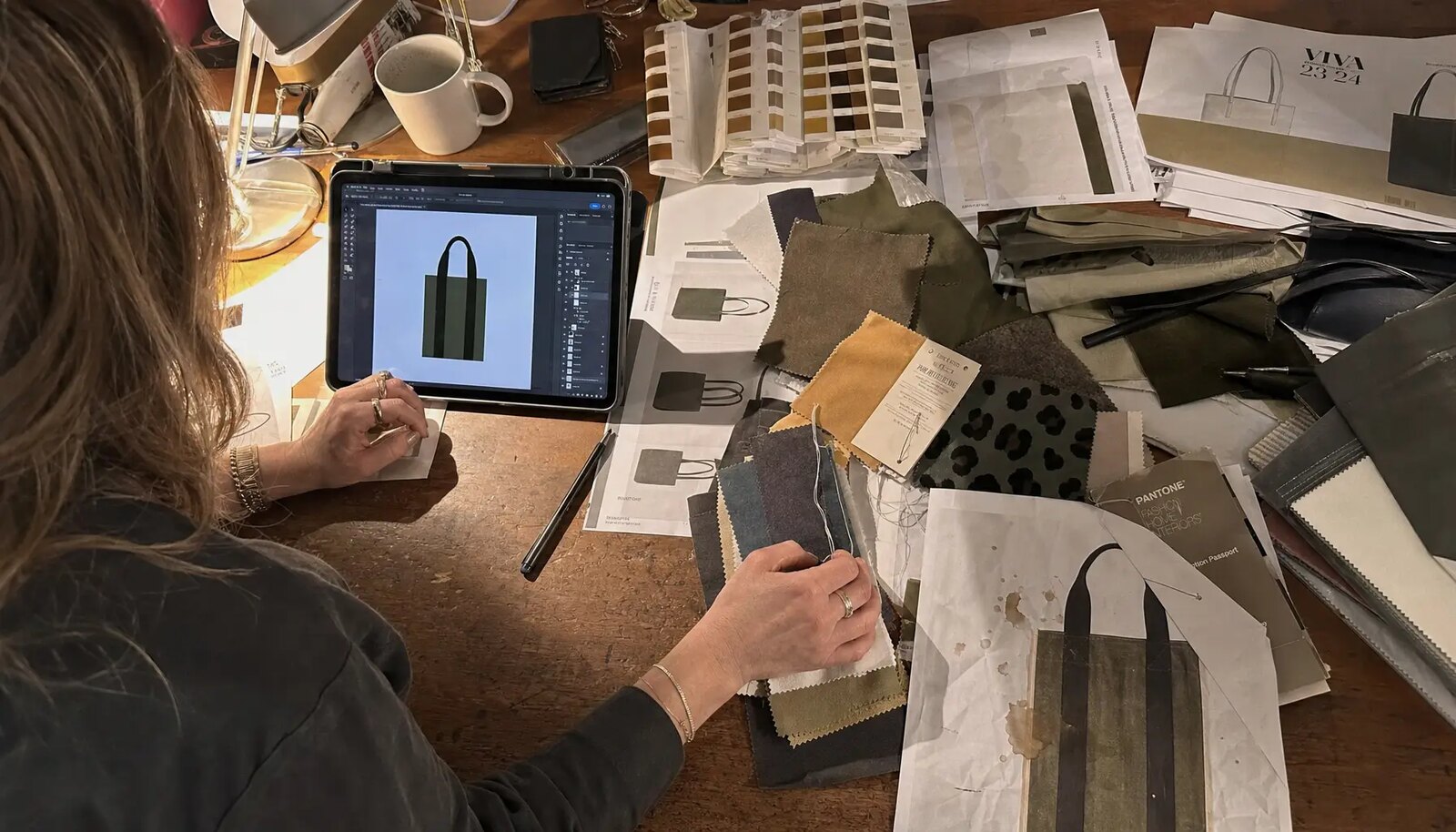
Start MOQ Negotiation From The Retail Use Case
For hotel retail, the lowest MOQ is not always the best buying result. A tote sold in a lobby shop, spa boutique, beach resort store, or destination gift corner needs to look consistent on display and survive guest use after checkout. Procurement should start by deciding whether the tote is a resale product, a gift-with-purchase, a room amenity, or packaging for other merchandise. Each use case changes the acceptable fabric weight, print durability, packing labor, and inspection level.
A practical RFQ should describe the retail environment before asking for price. A tote for a five-star resort gift shop may need heavier 10 oz or 12 oz organic cotton canvas, shoulder-length handles, a hangtag, and clean carton separation by SKU. A welcome-bag tote may use 7 oz or 8 oz fabric with a simpler print and bulk packing. When this is clear, the factory can explain which MOQ is driven by fabric roll consumption, printing screens, labels, or packing materials instead of giving a single unhelpful minimum.
- Retail resale: prioritize structure, clean sewing, hangtag presentation, and print alignment.
- Room amenity: prioritize cost control, easy packing, and consistent delivery schedule.
- Spa or boutique retail: consider heavier GSM, soft hand feel, and low-odor water-based print.
- Multi-property programs: standardize the tote body and vary only print or label where possible.
Choose Fabric GSM Before Discussing Unit Price
Organic cotton totes are often quoted with vague descriptions such as natural cotton, canvas tote, or eco bag. Those terms are not enough for hotel retail buying. The fabric weight should be specified in GSM or ounces, with the weave and finish noted where possible. A common commercial range is around 240 GSM for lighter cotton sheeting, 280-340 GSM for practical retail canvas, and 407 GSM or above for a more structured premium tote. The heavier the fabric, the more the body cost, freight weight, needle handling, and carton weight change.
GSM also affects MOQ logic. If the factory holds stock organic cotton fabric in natural color at 10 oz, the minimum may be lower and lead time shorter. If the buyer wants a special dyed organic cotton shade, a washed finish, or certified fabric from a specific mill, the MOQ can move from a sewing minimum to a fabric mill minimum. This is why a quote that looks expensive at low quantity may not be factory margin; it may be unused fabric, dye lot setup, or certification paperwork spread across too few pieces.
- 7 oz / about 240 GSM: economical, foldable, suitable for light guest items or short campaigns.
- 8-10 oz / about 270-340 GSM: balanced choice for hotel shop totes and repeat retail programs.
- 12 oz / about 407 GSM: stronger presentation, better structure, higher unit and freight cost.
- Natural undyed cotton: easier to source and usually lower MOQ than custom dyed fabric.
Separate Organic Claim From Finished-Bag Certification
Many buyers use organic cotton as a simple material claim, but hotel groups with sustainability policies may need stronger documentation. The supplier should clarify whether the quote includes organic cotton fabric only, GOTS-certified fabric, OCS documentation, or finished-product certification support. These are not the same. A fabric certificate from a mill does not automatically mean the printed and sewn tote can be marketed with a finished-product certification mark.
Procurement should align the claim language with the paperwork before the artwork and hangtag are approved. If the tote will be described in-store as made with organic cotton, the mill or transaction documentation may be enough depending on the buyer policy. If the hotel wants to place a formal certification logo on the product or packaging, the supply chain scope must be checked early. Certification gaps discovered after printed hangtags are produced can cause relabeling, shipment delay, or claims that the legal team will reject.
- Material claim: state the percentage of organic cotton required and what proof is acceptable.
- Certified claim: confirm whether finished-product certification is required before quote approval.
- Artwork risk: do not print certification logos until scope and permission are verified.
- Document package: request certificate copy, transaction certificate if applicable, and supplier scope details.
Use MOQ Levers Instead Of Only Pushing Quantity Down
MOQ negotiation works better when the buyer knows which parts can be combined. A factory may accept a lower total order if the bag body is identical, the fabric is common, and only the print changes. The same factory may reject a similar quantity if every SKU has a different fabric color, handle color, label, hangtag, and carton mark. For hotel retail, the strongest MOQ strategy is usually to standardize construction and vary the branding layer.
A useful RFQ can propose a structure such as one tote body across three hotel properties, one organic natural canvas fabric, one handle length, and three front prints. Then the negotiation becomes minimum per print design, not minimum per entire new product. If the supplier quotes a surcharge below standard MOQ, ask which fixed cost remains: screen setup, cutting loss, fabric roll balance, label setup, or line changeover. This turns the negotiation into an engineering and cost discussion rather than a simple demand for a lower number.
- Combine fabric: keep one GSM, color, and tote construction across several SKUs.
- Split print only: negotiate minimum per logo or artwork version after sharing the main production run.
- Delay special trims: avoid custom woven labels or dyed handles until repeat demand is proven.
- Accept surcharge transparently: low MOQ may be workable if fixed costs are shown line by line.
Select Print Method By Artwork And Repeat Plan
For most wholesale organic cotton totes for hotel retail, water-based screen printing is the practical default. It works well for one to three solid colors, has a softer hand feel than heavy plastisol, and is efficient when the same artwork repeats. It also requires screens, color setup, drying control, and a physical print strike-off. That means the MOQ per artwork matters, especially when a hotel group wants small batches for many properties.
Digital print, DTF, or heat transfer may help during artwork testing or for complex multi-color graphics, but buyers should not confuse sample convenience with mass-production suitability. The print hand feel, wash behavior, color brightness, and cost structure can be different from screen print. If the final production will be screen printed, approve a screen print strike-off on the actual organic cotton fabric. A paper proof or digital mock image cannot show how ink sits on natural cotton slubs, seams, or textured canvas.
- One-color hotel logo: screen print is usually the cleanest commercial option.
- Large destination artwork: confirm print size, ink coverage, and drying capacity before price lock.
- Natural cotton base: expect warmer print appearance than on white polyester or paper.
- Repeat program: keep screens and artwork files organized for reorders and property expansions.
Approve Samples In The Right Sequence
A common production mistake is approving a beautiful artwork proof while the tote construction remains undefined. Hotel retail buyers should treat sampling as a sequence: blank construction sample, print strike-off, and then pre-production sample with all final details. The blank sample checks body size, gusset, handle drop, seam finishing, fabric hand feel, and whether the bag stands or folds as expected. The print strike-off checks color, edge sharpness, ink penetration, and placement.
The pre-production sample should represent the exact bulk order: organic cotton fabric weight, final handle, final print method, label, hangtag, barcode if needed, and packing style. Approval should not be based on a similar stock tote if the final order uses heavier fabric or a new handle. Small differences can change sewing tension, panel shrinkage, or print alignment. A good approval record includes photos, measurements, Pantone notes, and a signed sample or written approval file shared with both merchandiser and QC inspector.
- Blank sample: verify dimensions, gusset, handle comfort, stitching, and fabric weight.
- Print strike-off: verify ink color, print edge, placement, and curing on actual fabric.
- Pre-production sample: verify every final trim, label, hangtag, and packing element.
- Approval record: keep measurement sheet, artwork file name, sample photos, and revision notes together.
Build Quote Data That Lets Suppliers Compete Fairly
A serious quote should be more than unit price and MOQ. Procurement teams need enough data to compare offers from factories, trading companies, and local distributors. The quote should identify fabric type and weight, organic documentation basis, print method, number of print colors, handle construction, packing format, carton details, sample charges, setup charges, payment terms, and lead time starting point. Without this, the lowest quote may simply be missing the cost of hangtags, certification paperwork, or proper print setup.
For hotel retail importers, landed-cost comparison is especially important because heavier canvas and bulky carton packing can change freight cost. A 12 oz boxed-bottom tote may look only slightly higher at FOB level but carry fewer units per carton and more cubic volume. A lighter flat tote may be easier to ship and store but feel less premium on the sales floor. Ask suppliers to include estimated carton dimensions and gross weight so the forwarder can estimate freight before final supplier selection.
- Line item quote: separate fabric, sewing, print setup, labels, packing, sample, and certification support.
- MOQ basis: show minimum by tote body, print design, fabric color, label, and packing material.
- Carton data: include pieces per carton, carton size, gross weight, and SKU marking method.
- Lead time basis: define whether the clock starts after deposit, artwork, fabric booking, or sample approval.
Control Packing Before It Becomes A Hidden Cost
Packing is often treated as an afterthought, but hotel retail programs have real receiving and display requirements. A gift shop may need individual hangtags, barcodes, and tidy fold lines. A back-of-house welcome program may prefer bulk-packed totes with easy-count bundles. A multi-property distributor may need carton marks by hotel code, destination, or SKU. Each packing choice affects labor, accessory MOQ, carton cube, and inspection time.
Sustainability policies also influence packing. Some hotel groups want no individual polybags, while others need bags protected from moisture during sea shipment or warehouse handling. A practical compromise may be bulk bundles inside a master poly liner, or kraft belly bands instead of individual bags. The buyer should define whether the tote is sold folded, hung, or open-display. If a barcode label must be visible after folding, approve the fold method and label placement during sampling, not after cartons are sealed.
- Bulk pack: lower labor and less plastic, suitable for amenity use or staff-packed merchandise.
- Individual pack: cleaner for retail shelves but increases labor, material cost, and plastic review.
- Belly band: useful retail presentation, but band printing and sizing create another MOQ.
- Carton marks: include hotel property, SKU, color, quantity, PO number, and destination where required.
Set QC Thresholds For Retail-Facing Defects
Organic cotton has natural character, but hotel retail buyers still need clear acceptance criteria. Slubs, slight shade variation, and natural cotton flecks may be acceptable if they match the approved sample. Oil stains, mildew odor, obvious print smears, open seams, poor handle stitching, and crooked logos should not be treated as fabric character. The QC standard should separate acceptable organic textile appearance from defects that reduce retail value.
The most important inspection points are dimensions, handle strength, print placement, print color, sewing quality, stains, odor, and packing accuracy. For a retail tote, a logo that is 2 cm off-center may be more damaging than a minor inside-thread issue. For a welcome kit tote, carton quantity and delivery accuracy may matter more than perfect shelf presentation. Define the defect hierarchy before inspection so the factory, buyer, and third-party inspector judge the same product against the same standard.
- Critical defects: mildew, unsafe sharp objects, wrong product, wrong logo, severe contamination.
- Major defects: open seams, weak handle attachment, obvious print misplacement, stains on front panel.
- Minor defects: loose thread ends, small internal marks, slight natural slub variation within approved range.
- Measurement control: check body size, gusset width, handle drop, print position, and carton quantity.
Protect The Schedule Around Hotel Launch Dates
Hotel retail deadlines are usually tied to openings, seasonal travel peaks, corporate events, or resort campaigns. The production calendar should be built backward from the date the goods must be available at the hotel or distributor warehouse, not from the preferred purchase order date. Organic fabric booking, sample revision, print proofing, and international freight can all compress the schedule if approvals are slow.
The factory lead time should be stated with the approval trigger. A supplier saying 30 days may mean 30 days after deposit and final artwork, or 30 days after pre-production sample approval and fabric arrival. Those are different calendars. For MOQ negotiation, low quantity can sometimes fit faster if fabric is in stock, but small split-SKU orders can also slow production because of more print setups and packing separation. A realistic timeline protects both buyer and factory from last-minute air freight.
- Week 1: finalize RFQ, artwork files, fabric target, certification requirement, and quote comparison.
- Weeks 2-3: produce and courier blank sample or print strike-off, depending on artwork readiness.
- Weeks 4-5: approve pre-production sample, book fabric, confirm labels, and lock packing details.
- Production window: allow time for cutting, sewing, printing, drying, trimming, packing, and inspection.
- Shipping buffer: include customs, vessel schedule, warehouse receiving, and hotel distribution time.
Specification comparison for buyers
| Spec decision | Recommended option | When it fits | Buyer risk to check |
|---|---|---|---|
| Fabric weight for hotel retail | 10 oz / 340 GSM organic cotton canvas for most gift shop totes | Works for mid-price hotel retail, amenity stores, and destination gift packaging where the bag must stand up better than a thin promotional tote | Confirm whether the quoted GSM is before or after washing; some suppliers quote greige fabric weight, which can mislead handle strength and shrinkage expectations |
| Lower-cost entry tote | 7 oz / 240 GSM organic cotton sheeting or light canvas | Useful for seasonal resort campaigns, room welcome kits, or low retail price points where the tote carries light items | Avoid large all-over prints and heavy contents; request seam reinforcement because thin panels can distort at the handle joint |
| Premium boutique tote | 12 oz / 407 GSM organic cotton canvas with boxed bottom | Fits spa retail, boutique hotel collections, and higher ticket gift shop ranges needing structure and perceived value | Higher GSM can raise MOQ if the mill must weave or dye fabric specially; check carton weight and freight impact |
| Print method | Water-based screen print for 1-3 solid colors | Best for hotel logos, destination graphics, simple retail artwork, and repeat production where setup cost is spread across quantity | Pantone matching is affected by natural cotton base color; approve strike-off on actual fabric, not only paper proof |
| Small batch graphic launch | DTF or digital print only for sample runs or complex art validation | Useful before committing to screen screens, or when the retail buyer is testing artwork in limited hotel doors | Unit cost is higher and hand feel differs; do not approve mass production based on digital print if final order will be screen printed |
| MOQ negotiation unit | Negotiate by fabric roll usage, print setup, and packing style, not only by bag quantity | Works when multiple hotel properties share the same tote construction but use different front prints or labels | Splitting many SKUs below efficient print and sewing quantities can create hidden surcharges or longer line setup time |
| Handle construction | Self-fabric or cotton webbing handles with reinforced cross stitch | Fits retail totes expected to carry towels, books, bottles, or packaged gifts | Specify handle length, width, and stitch pattern; vague handle requests lead to short shoulder fit or weak attachment |
| Packing format | Individual polybag optional; bulk pack with belly band for many hotel stockrooms | Bulk packing reduces plastic and labor cost when the tote is sold open-display or used by staff for gift packing | Hotel retail may still need barcode, hangtag, or price label; these can change packing labor and MOQ for printed accessories |
| Certification scope | GOTS or OCS documentation aligned to buyer claim language | Needed when the hotel brand plans to market the tote as organic cotton in store signage, online shops, or corporate sustainability reports | Certificate availability does not automatically cover your printed finished bag; verify transaction certificate or scope requirements before packaging claims |
Buyer checklist before sampling
- Define the tote use case: hotel gift shop resale, room amenity, spa retail, event welcome bag, or multi-property merchandise program.
- Specify fabric as organic cotton with target GSM or ounce weight, weave type, color, shrinkage tolerance, and whether certification documents are required.
- Provide finished bag dimensions, gusset style, handle length, handle width, stitch reinforcement, seam allowance, and expected carrying load.
- Separate artwork by SKU with Pantone references, print size, placement, number of colors, and whether the same bag body can be shared across several hotel logos.
- State whether MOQ can be combined across colorways, properties, or print versions, and request the factory’s minimum efficient quantity for each variable.
- Require a physical pre-production sample on actual fabric, actual handle, actual print process, and intended label or hangtag before bulk cutting.
- List retail packing needs: barcode, hangtag, belly band, inner polybag, carton marks, carton size limit, and units per carton.
- Ask for quote data by line item, including fabric, cutting, sewing, print setup, labels, packing, sample fee, certification paperwork, inland freight, and export carton cost.
- Set inspection thresholds for dimensions, print position, shade variation, stitching defects, stains, odor, and carton quantity accuracy.
- Build the order calendar backward from hotel opening date or seasonal launch, including artwork approval, sample courier time, fabric booking, production, inspection, and vessel departure.
Factory quote questions to send
- What is the true MOQ for this tote body, and what part drives it: organic fabric roll, dye lot, print setup, sewing line, label, or packing material?
- Can several hotel properties share one fabric and sewing run while using different printed logos, and what is the minimum per print design?
- Is the quoted fabric GOTS, OCS, or organic cotton without finished-product certification, and what documents can be supplied for this order?
- What GSM or ounce weight is being quoted, and is it measured before washing, after finishing, or on the finished tote panel?
- Which print method is included in the price, how many colors are included, and what are the setup charges for extra screens or artwork versions?
- What sample types are available before bulk order: blank construction sample, print strike-off, sales sample, and pre-production sample?
- What are the dimension tolerances, handle pull-strength target, print placement tolerance, and acceptable color deviation from the approved sample?
- How many bags are packed per carton, what is the estimated carton measurement and gross weight, and can carton size be adjusted for hotel stockroom handling?
- What production lead time starts after which approval point: deposit, artwork, fabric confirmation, print proof, or pre-production sample approval?
- If the buyer reduces quantity below the standard MOQ, what surcharge applies and which cost items remain fixed?
Quality-control points to confirm
- Finished tote dimensions should be checked against approved sample with practical tolerance, commonly plus or minus 1 cm for body size unless a tighter retail display requirement is agreed.
- Fabric GSM should be verified by cutting a measured swatch or confirmed through mill documentation, not judged only by hand feel.
- Handle attachment should use reinforced stitching, with consistent bartack or cross-stitch shape and no skipped stitches at the stress point.
- Print position should be measured from top seam and side seam; retail-facing logo placement should not rely on visual centering only.
- Pantone or color target should be assessed on the actual cotton base under consistent light, especially for natural, ecru, or undyed organic cotton.
- Seams should show no open stitching, loose threads, puckering that distorts the panel, or raw edges visible from the outside.
- Bags should be checked for stains, oil marks, weaving slubs beyond approved fabric character, odor, and moisture before packing.
- Carton count, SKU separation, barcode placement, hangtag direction, and carton marks should match the hotel receiving instructions.