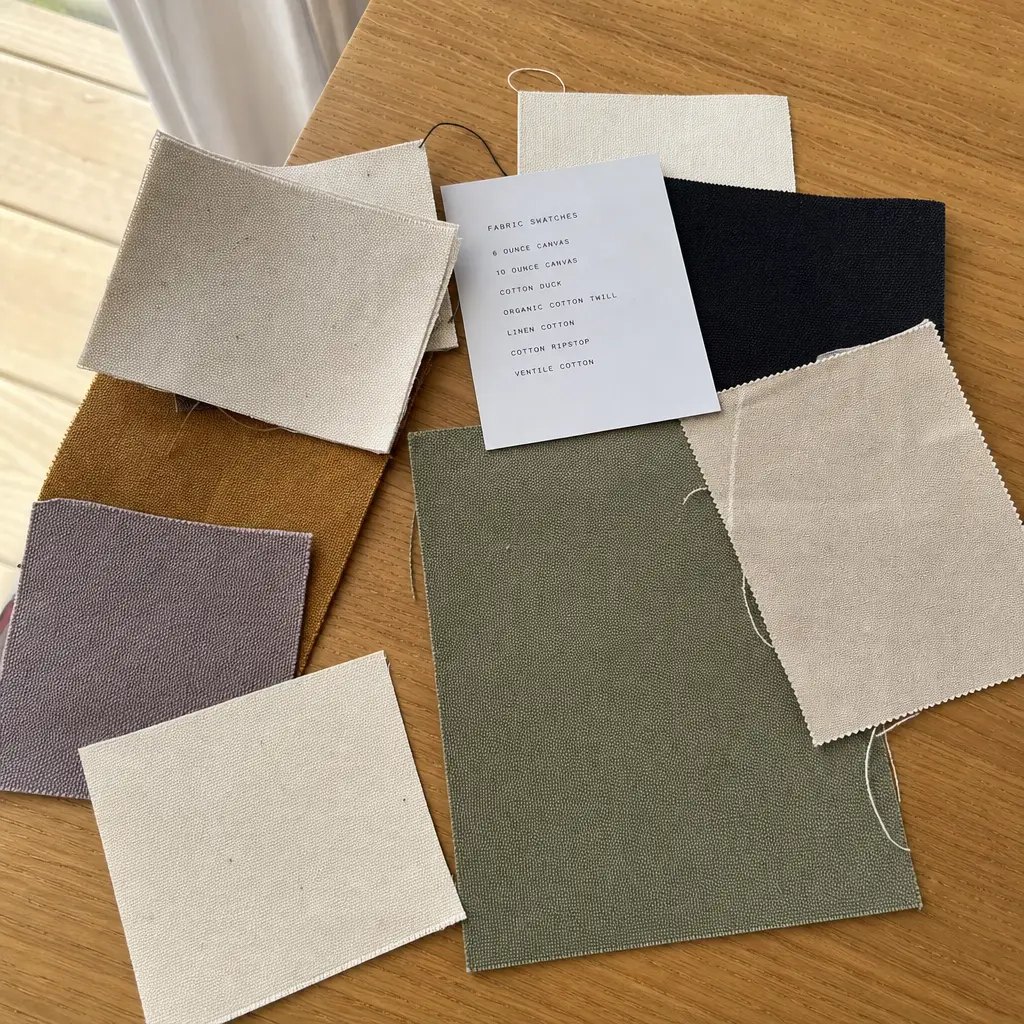
1. Start with the use case, not the fabric name
For tech startups, an organic cotton tote is rarely just a tote. It may be event merch, an onboarding item, a retail add-on, a conference giveaway, or a reusable shipper insert. Each use case pushes the spec in a different direction. An item that will be handed out in a packed expo hall can be lighter and simpler than a tote that sits on a retail shelf or in a customer’s office. That is why the buying brief should begin with the business purpose, not with a generic product title.
A giveaway tote that carries a notebook and charging cable does not need the same build as a retail tote that must hold heavier items and still look polished after repeated use. If the bag is part of a premium welcome kit, the surface finish, print clarity, and stitch quality matter more than shaving a few cents off the landed cost. If it is packed into a conference kit, fast production, reliable carton counts, and easy receiving may matter more than extra visual details. Different channels create different priorities, and the spec should reflect that.
The best sourcing brief asks the factory questions it can actually manufacture against. How much weight should the tote carry? Will it be folded flat in a mailer or displayed upright on a shelf? Does it need to survive daily reuse, or is it meant for a single campaign? Clear answers reduce the chance of overbuying on fabric weight or underbuying on reinforcement. They also make quotes easier to compare because every supplier is pricing the same use case instead of guessing at it.
2. Choose GSM for structure, not just hand feel
For wholesale organic cotton totes for tech startups, the most common buying range is 180–220 GSM. Around 180 GSM, the bag is lighter, folds more easily, and usually costs less to ship. At 200–220 GSM, the tote has better body, prints tend to sit more cleanly, and the product feels more credible for branded programs. Very light fabric can look thin under bright retail lighting, while heavier fabric adds material cost, sewing difficulty, and carton weight fast. The right answer is usually not the heaviest fabric available. It is the fabric that does the job without wasting budget.
GSM matters, but it does not tell the whole story. A 180 GSM canvas weave can feel sturdier than a softer plain weave at the same weight because the structure supports the shape better. Finishes such as mercerizing, calendaring, or washing can change the hand feel, yet they do not automatically improve durability. Buyers should ask for the exact construction details: yarn count, weave style, finishing treatment, and whether the fabric is pre-shrunk or stabilized before cutting. Without that context, GSM comparisons can be misleading.
For procurement conversations, translate the fabric weight into real usage. If the tote is for an onboarding kit with a notebook, bottle, and cable pouch, a midweight canvas is often enough. If it needs to hold heavier collateral or be reused daily, lean toward the upper end and inspect how the seams behave under load. If the program is price-sensitive and the tote will be distributed in volume, a lighter opaque fabric may be acceptable as long as the print stays crisp and the handles are properly reinforced. The mistake is choosing by intuition and then discovering the bag does not match the job.
3. Match weave, handles, and opening style to the buyer journey
Weave choice changes more than appearance. Plain weave usually folds more softly and can feel less rigid in the hand, which makes it useful for mailers, flat-pack events, and lighter collateral. Canvas weave adds body and shape retention, which helps the tote stand up better and look more premium in an office, store, or welcome desk setting. For procurement buyers, weave should be tied to distribution and end-user handling, not just the visual style of the sample.
Handle construction matters just as much. Self-fabric handles keep the tote visually consistent and can work well at mid-range cost. Reinforced cross-stitch, boxed stitch, or bartack reinforcement improves load-bearing performance, especially when the bag is expected to carry bottles, laptop accessories, or printed materials. Handle width should match both load and comfort. Narrow handles may save a small amount of material, but they can feel cheap and dig into the hand under real use. For heavier kits, ask whether the supplier uses seam tape, extra stitch passes, or an internal reinforcement layer at the handle join.
Opening style and top finish also affect the buying decision. An open-top tote is simple and common. A top hem or reinforced edge gives the bag a more finished look and can improve shape retention. Gussets add capacity and structure, though they also increase fabric consumption. If the bag will be filled by a fulfillment team, a wider opening can speed packing. If it will be carried at a trade show or retail counter, the top edge should still look neat after folding and handling. Ask the factory to confirm cut size, finished size, and seam allowance separately so you know what will actually arrive.
- Plain weave: softer fold and lower visual structure.
- Canvas weave: better body, shelf presence, and perceived quality.
- Self-fabric handles: cost-efficient and visually consistent.
- Reinforced handles: better for heavier loads and repeat use.
- Top hem or reinforced edge: cleaner appearance and better shape retention.
- Ask for the finished size, not only the cut pattern, before approving the spec.
4. Match print method to artwork and run size
Most startup tote programs are simple logo projects, which makes screen print the default choice. It offers stable color, decent opacity, and manageable unit cost when the artwork is limited to one or two colors. Water-based print is often preferred when the buyer wants a softer hand feel and a less plasticky finish. If the artwork is detailed or color-heavy, slow down and test it on the actual cotton surface before approving production. The texture of organic cotton can change line sharpness, edge definition, and ink saturation more than a digital proof suggests.
Heat transfer can work for short runs or complex graphics, but it is not always the best long-term choice for a tote that will be folded, washed, or carried often. Embroidery adds texture and a premium feel, though it increases cost and can distort fine typography on soft cotton. Digital print may be useful in some cases, but buyers should confirm that the supplier’s process works on the exact fabric weight and weave being ordered. For wholesale orders, the best decoration method is the one that survives handling, fits the budget, and does not create surprise approvals late in the process.
For procurement teams, the goal is not choosing the trendiest method. It is matching artwork complexity, order quantity, and durability needs. One-color logos on natural cotton usually source efficiently. Multiple placements, full-coverage art, or tiny type can require extra screens, more setup work, or revised artwork size. Request print strike-offs on production fabric whenever possible, and confirm whether the supplier is quoting one side or both sides because that detail often changes cost and lead time more than buyers expect. Ask for an ink color reference, a print tolerance note, and the acceptance standard for edge fuzz and registration drift.
5. Compare sourcing routes before you compare unit prices
A quote from a factory, a trading company, or a sourcing platform can look similar on paper, but the risk profile is different. Direct factory sourcing is usually better when the buyer needs tighter control over fabric, stitching, sampling, and repeat orders. Intermediary suppliers can help when the buyer needs to consolidate small quantities or coordinate multiple product categories, but they may add margin layers or obscure the actual production source. Procurement teams should know who controls fabric procurement, printing, and final inspection before they choose a supplier.
For tech startup programs, the right route depends on the amount of control needed and how often the tote will be reordered. If the bag will become a recurring item across launches or events, ask for the same fabric lot control, print reference, and packing method across runs. If it is a one-time campaign with a fixed deadline, speed and communication may matter more than deep customization. If the tote is part of a larger branded kit, a trading company may help coordinate the full order, but the buyer still needs written evidence of who is actually making the bags.
The lowest price can become the most expensive choice if the supplier cannot repeat the spec or if the sample room and bulk line are not aligned. Ask whether the sample came from the same workshop that will do the bulk run, whether the same fabric source will be used in production, and whether the factory has made tote bags of similar weight and construction before. Those questions are simple, but they reveal the real capability behind the quote. Request the name of the manufacturing site, the line capacity, and the person responsible for final QC sign-off.
6. Use a quote structure that exposes hidden cost drivers
A useful quote for organic cotton totes should separate fabric cost, cut-and-sew labor, print charge, label or tag cost, packing, and any sample or testing fees. When the quote is bundled into one line, buyers cannot tell whether the supplier is saving money on fabric weight, handle reinforcement, or carton packing. That makes comparison weak and adds risk later. A clean quote lets procurement compare suppliers line by line and see where one vendor is truly better.
Most price differences come from a small number of concrete drivers: GSM, bag dimensions, handle width, number of print colors, labeling method, and pack format. Even a small change in handle length or gusset depth can affect fabric consumption enough to move the price. Buyers should request quote data that makes apples-to-apples comparison possible. Ask whether the quote is based on production fabric or a substitute sample fabric, because that can hide meaningful cost or quality differences. Ask for the unit price at the stated MOQ, at a higher quantity break, and with each optional add-on priced separately.
A strong RFQ includes the details the factory needs to quote accurately: finished size, tolerance, handle dimensions, artwork file type, number of colors, print position, label requirements, packaging instructions, destination market, and requested shipment date. If you want a quote you can truly compare, make each bidder work from the same assumptions. That keeps procurement clean and reduces late change orders. It also helps you negotiate the right lever, whether that is material weight, packaging simplification, or a narrower print placement.
7. Set acceptance criteria before the sample arrives
Sample approval should not be based on a general feeling that the bag looks good. It should be based on measurable criteria that map to the final order. Check fabric weight, handle width, seam straightness, print alignment, label placement, and how the bag stands or folds. If the tote is meant to look premium, inspect the fabric under bright light for uneven yarn, print edge fuzz, stitch waviness, and loose threads. A sample can be attractive and still be unsuitable for bulk production if it hides inconsistent workmanship or unsupported finish choices.
The pre-production sample must match the intended mass production method. A beautiful hand sample made with different fabric, different ink, or hand-finished stitching is not a valid approval sample. Ask the supplier to state whether the sample uses production fabric and whether any feature was made manually for presentation. If it was, treat it as a visual reference only, not a production standard. This is especially important for startup programs where the first shipment often becomes the default brand reference for later reorders.
Procurement teams should decide what counts as pass or fail before the sample lands. For example, how much shade variation is acceptable in natural cotton? How much logo misalignment can be tolerated? Is a slight bottom-seam pucker acceptable if the bag size is correct? Those rules prevent subjective debate later, especially when multiple stakeholders review the same sample. The goal is not perfection. It is controlled repeatability that the factory can reproduce at scale. Make the buyer-side signoff include photos, measurement notes, and a dated approval record.
A practical sample checklist should include a ruler, a scale, a pull test, and a fold test. Measure the bag after it has relaxed for a short period so the fabric is not artificially taut. Check whether the handles sit evenly at the top opening. Confirm whether the print has acceptable opacity on the natural cotton base. If the sample includes a care label, barcode, or country-of-origin mark, verify placement and legibility before you approve the run.
8. Inspect material tolerances before bulk production starts
For a procurement team, tolerances are where a spec becomes enforceable. Without them, “organic cotton tote” can mean a wide range of bag weights, textures, and finishes. Agree the acceptable variance for fabric GSM, finished dimensions, stitch length, print placement, and color shift before production begins. A realistic tolerance on fabric GSM is commonly around +/- 5%, but the buyer can tighten or widen that range depending on market conditions and price point. Finished bag size needs its own tolerance because cut-and-sew variation affects packing and presentation even when the fabric weight is correct.
Shrinkage matters more than many buyers expect. If a tote is not pre-shrunk or stabilized, the finished dimensions can drift after humidity exposure or washing. Ask whether the supplier uses a standard shrinkage test and what range they are comfortable quoting. If the tote will be reused frequently or filled with heavier items, seam behavior under stress is just as important. Request stitch count per inch or centimeter if the factory can provide it, and ask where reinforcement is added at the handle join and bottom corners.
Print tolerances should be defined with the fabric in hand, not on a digital proof. Cotton texture can shift the apparent logo edge by a few millimeters, especially on rougher canvas. Buyers should approve a placement window, not only a centered mockup. That means agreeing how far the logo can drift from the top edge, side seam, or tote centerline and still be accepted. With a clear tolerance sheet, QC findings become objective instead of negotiable.
Ask the supplier to document the approved spec set in one file: fabric weight, weave, finished size, handle dimensions, print placement, label placement, packing format, and carton count. That reduces the chance that one team approves a sample while another expects a different bulk standard. For repeat programs, keep that file as the master reference for reorders.
9. Avoid packing mistakes that inflate freight and receiving time
Packing is often ignored until the carton rate arrives. Organic cotton totes can be packed flat, folded, or individually bagged, and each choice affects carton count, labor, and warehouse handling. If the bags are for internal distribution, bulk packing usually makes sense. If they are for retail or direct-to-consumer fulfillment, individual polybags, barcode labels, or insert cards may be necessary, but those details should be costed upfront. Packing is not just logistics; it is part of the product specification.
For container efficiency, buyers should ask for carton dimensions, gross weight, and inner pack count before confirming the order. A lower unit price can be offset by oversized cartons or awkward pack counts that waste freight space. The best packaging plan is the one that protects the tote, keeps receiving simple, and still fits the buyer’s distribution process. If your warehouse requires carton labels, palletization, or case counts in a specific format, say so in the RFQ rather than expecting the supplier to infer it. Ask whether carton marks should include PO number, SKU, quantity, and gross/net weight.
There is also a brand presentation tradeoff. Bulk-packed totes may arrive more cost-efficiently, but they may require repacking before retail or gifting. Individual packaging improves presentation and helps with ecommerce fulfillment, but it can slow production and increase plastic use unless paper-based alternatives are approved. Buyers should weigh those factors early so the packing method supports the channel instead of creating rework downstream. If the bag will ship to a fulfillment center, verify whether the center requires polybag suffocation warnings, carton labeling rules, or barcode placement in advance.
10. Use MOQ logic to protect both price and flexibility
MOQ for custom organic cotton totes is usually tied to fabric setup, print setup, and packing labor. If the bag uses standard natural fabric, simple stitching, and one-color print, the MOQ can stay relatively manageable. Once you request custom dye, special handle lengths, multiple print colors, or retail packaging, the MOQ often rises because the factory has more changeover work and more material risk. The buyer should understand that MOQ is not just a sales policy. It reflects production economics.
A procurement team should use MOQ strategically instead of trying to force every supplier to quote the same number. If the brand is testing a new merch program, a smaller MOQ with a slightly higher unit cost may be better than overcommitting to a large run with uncertain demand. But if the tote is a recurring SKU, a higher MOQ may unlock better fabric allocation, cleaner print setup, and lower repeat pricing. The right decision depends on whether the program is experimental or operational.
It also helps to clarify whether the MOQ is based on each design, each print color, each packaging style, or each fabric lot. Many buyers assume MOQ is one number, but the real minimum may change when any of those variables shifts. Ask the supplier what spec changes trigger a new setup charge, a new fabric order, or a new production line schedule. That information is more useful than a headline MOQ alone because it tells you what flexibility you actually have. If the bag may be reordered later, ask whether the same fabric shade and handle construction can be reproduced without re-qualifying the item.
Specification comparison for buyers
| Spec decision | Recommended option | When it fits | Buyer risk to check |
|---|---|---|---|
| Fabric weight | 180–220 GSM organic cotton canvas | Most tech startup merch, onboarding kits, and retail-ready totes that need structure | Too-light fabric looks limp; too-heavy fabric increases freight, sewing difficulty, and print cost |
| Weave style | Plain weave for softer folding or canvas weave for body and durability | Plain weave for giveaway packs; canvas weave for brand programs that need better shelf appeal | Confirm shrinkage, drape, yarn slub, and seam slippage after washing or humid storage |
| Handle construction | Self-fabric handles with reinforced bartack, cross-stitch, or boxed stitch | Mid-range programs where appearance and cost both matter | Thin handles cut into hands; weak reinforcement causes early failures at the shoulder seam |
| Handle width and drop | 25–38 mm handle width with a carry drop matched to bag depth | Retail or event totes that need balanced hand carry and shoulder carry | Handles that are too short feel awkward; too long can twist and distort the top opening |
| Print method | 1–2 color screen print or water-based print for simple graphics; heat transfer only for short runs | Simple logos, event programs, and low-coverage artwork | Multi-color art can blur on textured cotton; ink bleed and registration drift must be approved on real fabric |
| Certification route | Organic cotton claim backed by transaction records and supplier documents | Brands that need traceable sourcing language in their procurement file | Do not rely on verbal claims; request lot-level documentation and scope coverage |
| MOQ strategy | 500–1,000 pcs for stock-style spec; 2,000+ pcs for custom fabric, color, or special packaging | When the startup needs cost control and repeatability | Low MOQ often means higher unit cost, higher setup fees, or less flexible fabric allocation |
| Packing format | Bulk packed with clear carton counts or individual polybag if retail or e-commerce requires it | Bulk for internal events; retail-packed for shelf or fulfillment needs | Retail packing can add labor, carton volume, barcode coordination, and plastic reduction tradeoffs |
| Lead time route | Standard fabric + standard print + simple pack for shortest timeline | Launch campaigns with a fixed ship window | Special yarn, custom dyeing, labels, or complex pack-outs extend the schedule fast |
Buyer checklist before sampling
- Confirm target GSM, weave style, fabric finish, and finished bag size before requesting quotes.
- Send flat artwork with Pantone references, print placement, and acceptable tolerance for color shift.
- State whether the tote is for giveaway, internal use, retail shelf, or e-commerce fulfillment.
- Request a pre-production sample made from the same fabric weight, weave, handle width, and stitch construction.
- Ask for carton dimensions, pack count, and estimated gross weight to compare freight properly.
- Require the supplier to separate unit price, print cost, packing cost, and any testing or sampling fees.
- Confirm whether the organic cotton claim applies to the fabric lot, the finished bag, or only part of the supply chain.
- Ask how the supplier will control shrinkage, seam strength, print alignment, and carton compression at mass production.
- Specify whether the tote needs a care label, country of origin marking, barcode, or retail hang tag.
- Verify that approved samples, QC tolerances, and packing instructions are attached to the purchase order.
Factory quote questions to send
- What exact fabric GSM, weave, yarn count, and shrinkage range will you use for this tote?
- Is the quoted fabric certified organic for the specific batch, and what documents can you provide with shipment?
- How many colors are included in the print price, and what is the charge for extra placements or larger ink coverage?
- What handle width, handle length, reinforcement stitch pattern, and seam allowance are included in production?
- What is the finished bag size after production tolerance, not just the cut size?
- What is the MOQ at this spec, and which changes increase MOQ or trigger a new setup charge?
- What are the sample stages, and will the pre-production sample match the final fabric, print method, label, and packing?
- How will the bags be packed per carton, and what are the carton sizes, carton weight, and pallet plan if needed?
- What is the realistic lead time from artwork approval to ex-factory readiness, and what causes delays?
- Which QC checkpoints do you perform before shipment, and can you share inspection criteria or AQL targets?
Quality-control points to confirm
- Fabric GSM should stay within an agreed tolerance, typically around +/- 5% unless the buyer approves a wider range.
- Finished bag dimensions should stay within an agreed tolerance, commonly +/- 1 cm for smaller totes and tighter where retail packaging requires consistency.
- Print registration should keep the logo centered and sharp, with no major ghosting, wash-out, or edge bleed on the actual fabric.
- Ink coverage should not crack, set off, or bleed when the tote is folded and stacked in cartons.
- Handle stitching must survive a pull test that reflects real carrying use; weak bartacks are a common failure point.
- Seams should not open at stress points, especially at the handle join, side seam, and bottom corners.
- Carton counts, inner packs, and label placement should match the shipping instruction to avoid receiving errors.
- Organic cotton documentation should match the final shipment and not conflict with the fabric lot used in production.
- Pre-production sample approval should lock the fabric, print method, label, and pack format before bulk cutting begins.
- Finished bags should pass a visual inspection for loose threads, skewed logos, broken stitches, and visible oil stains.