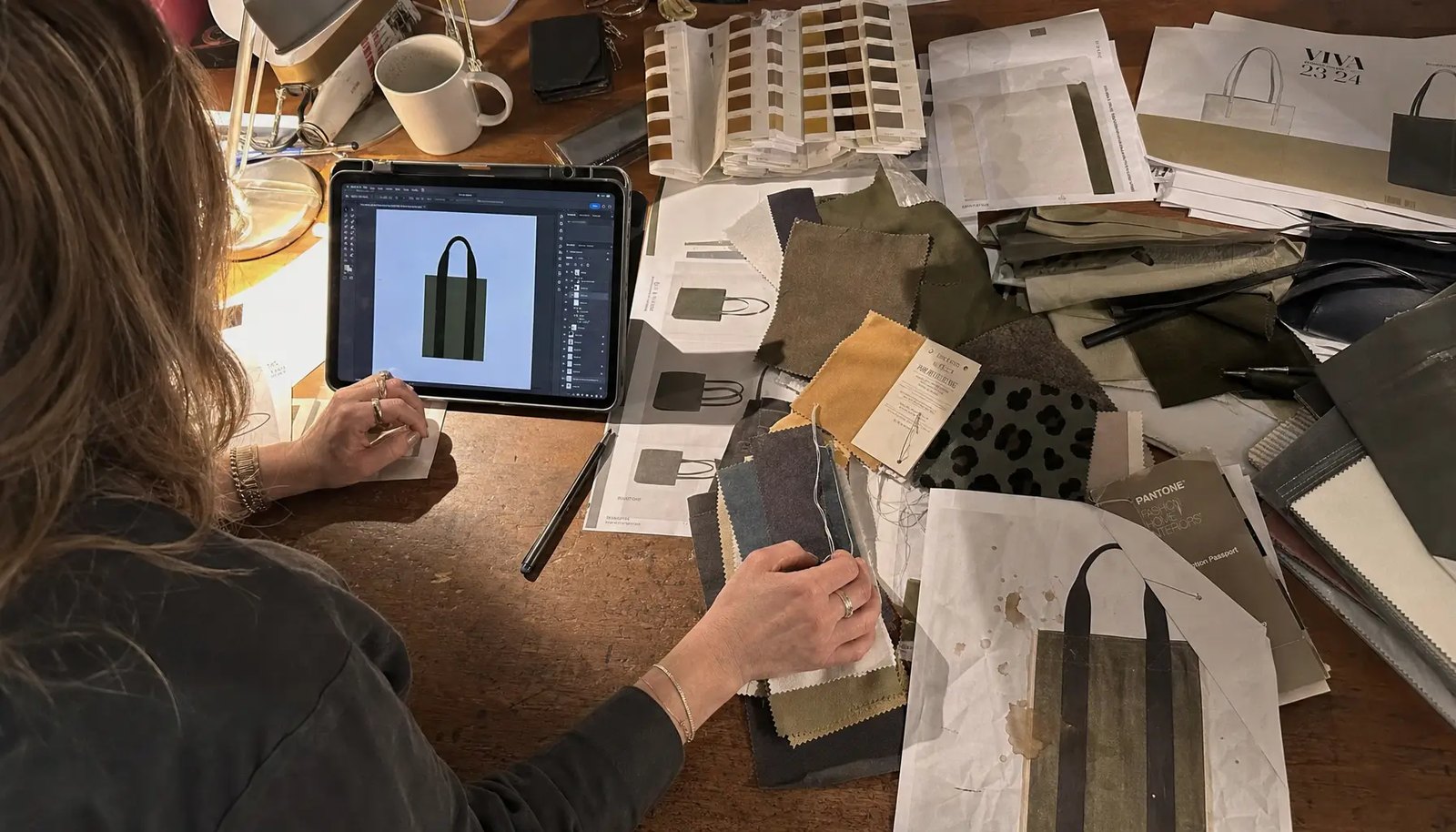
Start with the buying job, not the tote itself
Wholesale organic cotton totes for tech startups can look simple from the outside, but the buying job changes a lot from one program to another. A tote for an onboarding kit is not the same as a tote for a conference giveaway, a founder event, a partner gift, or a retail shelf program. Each use case changes the acceptable fabric weight, print method, packing format, and quality threshold.
That is why a procurement brief should begin with the commercial job the tote has to do. If the tote must sit inside a welcome box, the buyer may care most about flat packing, low freight cost, and a clean logo. If the tote is expected to carry notebooks, water bottles, or laptops, the priority shifts to structure, seam strength, and handle reinforcement. If it will be resold, the surface finish, color consistency, and print sharpness matter more because the bag is part of the product experience.
The fastest way to lose money is to request quotes with a vague description such as “organic cotton tote, good quality, logo print.” Suppliers will still quote, but each one may assume a different fabric, construction, and packing method. One may quote a lightweight promo bag, another a heavier canvas tote, and a third may include packaging or freight you did not ask for. The numbers will look comparable, but the underlying product will not be.
For a startup buyer, the goal is not just to secure a low unit price. The goal is to buy a tote that can be repeated, re-ordered, and distributed without extra explanation to logistics, marketing, or warehouse teams. That means the spec has to be precise enough that the same tote can be sourced again three months later without restarting the entire process.
- Name the use case first: event giveaway, onboarding kit, retail resale, or partner gift.
- Specify whether the tote must stand upright, fold flat, or support heavier contents.
- State whether the order is for one launch or a recurring replenishment program.
- Use a written spec sheet instead of a one-line inquiry.
- Ask suppliers to quote against the same artwork file and the same packing assumptions.
Choose fabric weight by hand feel, structure, and freight reality
Fabric weight is one of the most important pricing levers in a tote order. In practice, organic cotton tote programs often land somewhere around 140–180 GSM, but the right choice depends on how the bag will be used. A lighter bag can work well for conferences and campus events, where the tote mostly carries flyers, samples, or a small notebook. A heavier bag is better when the brand wants structure, a more premium touch, and less show-through under print.
The procurement mistake is to compare only the headline GSM. Two suppliers can both say “160 GSM,” but one may be quoting greige fabric before finishing and another may be quoting finished bag fabric after cutting, stitching, and washing allowance. That difference changes the actual feel of the bag and can affect shrinkage, print appearance, and price. Ask the supplier to state exactly how GSM is measured and whether it applies to the fabric roll or the finished tote.
Structure matters as much as weight. A tote with a neat hem, reinforced handles, and clean side seams will feel much better than a slightly heavier bag that is poorly assembled. If the bag will be carried through an event floor, packed into a shipping box, or stacked in a warehouse, look at how it behaves when folded and when loaded. A soft lightweight tote can be fine for giveaways, but if the bag is meant to signal a quality brand experience, the surface and body should hold shape better.
You should also factor in freight and storage. A heavier tote costs more not only because the fabric is denser, but because the carton weight and cubic volume can change. For large startup programs, that can affect the landed cost more than buyers expect. Ask the supplier to show carton dimensions and gross weight early so the freight comparison is based on real packaging, not an idealized sample photo.
- 140–160 GSM is often suitable for event bags and lower-cost campaigns.
- 160–180 GSM is usually better for premium kits, retail-looking programs, and better print opacity.
- Ask whether GSM is measured on greige fabric or finished bag fabric.
- Confirm shrinkage allowance after washing or heat exposure if reuse matters.
- Request a swatch or finished sample when the order is large enough to justify it.
- Check whether the tote remains usable when loaded with the real items you plan to pack.
Treat print method as a production decision, not a design preference
The print method should follow the artwork and the buying goal. For most bulk startup orders, one-color or two-color screen print is still the most practical option because it scales well, repeats consistently, and usually offers the most predictable pricing. It also makes reorders easier because the setup is straightforward and the result is easier to match across batches.
That said, the cheapest printing route is not always the best choice. If your logo contains tiny letters, thin line work, gradients, or fine geometric details, a standard screen print may blur or lose clarity on tote fabric. In that case, the buyer should ask the supplier to recommend the best method for the actual artwork, not the one that looks cheapest in a sales quote. For a premium gift program, embroidery or a woven patch can create a more elevated look, but those methods can add cost, alter production time, and introduce new defect risks such as puckering or misalignment.
The most useful quote is one that explains the print decision in plain terms. Ask the supplier what the minimum readable line width is, how they handle small text, and whether the logo will be printed front-only or on both sides. Also ask for the exact print dimensions in millimeters. A digital mockup may look balanced on screen, but production can shift when the logo is resized to fit a seam, handle line, or fabric panel.
If your team values brand consistency over every last cent, make sure the approved sample reflects the exact print process used in bulk. A sample made with a different ink load, a different curing time, or a different method can hide the issue that shows up later in the full order. The point of sampling is not to admire a concept image; it is to lock the production result.
- Use screen print for bold, flat logos and high-volume campaigns.
- Use embroidery or a woven patch only when the artwork and budget support it.
- Ask for the minimum line thickness and smallest readable text size.
- Confirm exact print size and placement in millimeters.
- Request a strike-off or sample at actual production scale for detailed logos.
- Decide whether the reverse side is blank, mirrored, or differently branded.
Build MOQ around style, color, and repeat order logic
MOQ becomes more useful when it is broken into parts. In tote sourcing, MOQ is often not just one number. It may vary by body style, fabric color, print design, and even by packing requirement. Some suppliers quote a low quantity but recover their cost through setup charges, special handling, or higher packaging fees. Others look expensive on the first page but become competitive once you see the per-unit structure at the real order volume.
For a tech startup, the most efficient setup is often one tote body with one core color and one logo placement. That approach simplifies inventory, reduces setup changes, and makes reorders easier. If you want several colors, ask for a direct comparison between a single-color bulk run and a mixed-color program. A mixed program may seem more flexible for team gifts or event segmentation, but it can increase picking complexity, carton sorting, and unit cost.
The right way to ask about MOQ is to ask what changes the price break. Does the supplier quote by style, by color, by print method, or by shipment? Does the sample charge get deducted from the bulk order? Will a reorder at the same spec land at the same tier, or does the supplier treat each batch as a new project? These details matter because the first order is rarely the last order when the tote works well.
For procurement teams supporting startup growth, reorder stability is part of the pricing plan. If the supplier can keep the same fabric lot, the same print position, and the same carton count, future replenishment becomes easier to manage. That is useful when the tote has become part of a standard onboarding or event kit and needs to be reissued without renegotiating the entire program.
- Ask for MOQ by style, color, print design, and shipment if applicable.
- Request pricing at several volumes that match your likely forecast.
- Confirm whether sample charges are refundable or creditable against bulk orders.
- Check whether mixed-color orders trigger new setup costs or labor charges.
- Ask if reorders can hold the same price tier without new tooling.
- Ask whether fabric reservations are possible for repeat order windows.
Compare suppliers on evidence, not on polished promises
A good supplier quote should show how the tote will actually be made, packed, and controlled. For organic cotton tote programs, broad claims like “high quality” or “eco-friendly” are not enough. You want practical evidence: a spec sheet, sample photos from a similar tote, a packing description, and a clear note on what is included and excluded in the price.
It also helps to know what kind of sourcing route you are using. A direct factory can offer cleaner visibility into the construction and often better control over repeat quality, especially if the tote is the main product. A trading company may be useful when you need multiple product categories, consolidation, or broader sourcing support. Neither route is automatically better. The real question is which route gives you the best control over the product, the schedule, and the paper trail.
Procurement buyers should ask for line-item pricing. A useful quote should separate the bag body, print setup, sample charge, packing, cartonization, and freight or destination charges where relevant. Without that breakdown, one supplier’s low number may simply omit costs that show up later. That is how the cheapest quote becomes the most expensive landed result.
Evidence should also include production limits. Ask the supplier how they manage stitch reinforcement, print curing, and carton count. If they cannot explain which defects are rejected or what the factory does when a batch fails inspection, they may not be ready for a controlled bulk order. A convincing email does not replace process detail.
- Ask for sample photos from a tote with the same fabric weight and print type.
- Request a packing spec with carton dimensions, net weight, and gross weight.
- Confirm what the word “organic” refers to in the quote and whether supporting documents are available if needed.
- Ask who the factory of record is if a trading route is used.
- Make sure the quote lists all excluded charges.
- Ask how the supplier handles rework if the sample and bulk differ.
Use a true side-by-side comparison before you choose a supplier route
A comparison matrix is only useful if it helps you evaluate the commercial trade-offs clearly. For organic cotton totes, the route to supply often matters as much as the tote specification itself. A direct factory, a trading company, and a bundled sourcing partner can all produce a workable bag, but they will not give you the same level of control, visibility, or scheduling flexibility.
The table below is designed for procurement decisions, not just product selection. It compares the kinds of questions buyers should ask when they want a manageable bulk pricing plan. In practice, a lean startup team with a fixed launch date may prefer the route that reduces back-and-forth and keeps one party responsible for sample and bulk coordination. A larger buyer with repeat volume may prefer the route that gives better visibility into materials, QC checkpoints, and price renewal terms.
Use the comparison to spot hidden costs. One route may quote lower on the tote body but carry more risk in packing labor, rework, or communication delay. Another route may cost more upfront but reduce the chance of a late shipment or a mismatched re-order. The point is not to choose the cheapest line item. The point is to choose the route that protects the program outcome.
When you compare quotes, keep the same spec sheet, the same artwork file, and the same packing assumptions in every request. If you change the route, but not the brief, you can see whether the difference is really price, service, or control. That is the most honest way to make a bulk pricing plan work.
| Sourcing route | Best when | Typical strengths | Main buyer watchout |
| Direct factory | Tote is a core SKU and repeatability matters | Better control over construction, sampling, and repeat orders | May quote ex-works only, so packing and freight must be added |
| Trading company | You need product consolidation or broader category support | Easier coordination across multiple products | Factory of record and QC chain can be less transparent |
| Bundled sourcing partner | Internal team is small and needs help with setup | Can reduce admin load on sampling and coordination | Service fees may be embedded in the quote |
| Local decorator plus blank stock | You need speed and simple branding | Fast turnaround and lower sample complexity | Limited fabric choice and less control over bag construction |
- Keep the same quote basis across suppliers: size, GSM, print, packing, and incoterm.
- Ask who owns sampling, approval tracking, and production follow-up.
- Compare how each route handles repeat orders and small spec changes.
- Watch for quotes that exclude packing, cartons, or destination handling.
- Use route complexity that matches your internal procurement capacity.
Write QC rules the factory can actually follow
QC becomes useful when it is specific enough to be measured at the factory and at receiving. The most common tote defects are not mysterious. They are usually visible and preventable: crooked seams, uneven handle lengths, loose threads, print shift, ink smearing, dirty bags, or cartons with the wrong count. A good QC plan names those issues directly and says what happens if they appear.
For bulk tote orders, the first control point is the finished bag measurement. Confirm body width, body height, gusset depth, and handle drop against the approved spec. Then check stitch quality: top hem, side seams, handle attachment, and any bar-tack reinforcement. If the tote has a printed logo, inspect print placement, edge definition, and color consistency from carton to carton. If the bag is meant for retail or premium kits, also check for stains, lint, loose fibers, and visible wrinkles that would lower presentation value.
The acceptance standard should be practical. Buyers do not need to define impossible perfection; they need to define the range that protects brand appearance and function. For example, a small tolerance on print placement may be acceptable, but a visible shift toward the seam may not. A few loose threads may be acceptable if trimmed, but long untrimmed ends or weak handle stitching should be rejected. If the bag is intended to carry a meaningful weight, a simple load test is worth including, because a tote that looks fine can still fail in the hand.
It helps to define the inspection method before production starts. Ask for an agreed sampling basis, the number of bags to inspect per carton or batch, and the exact rejection triggers. If the supplier knows what you will reject, they can correct issues before shipment rather than after arrival. That reduces dispute and avoids the common problem where both sides agree the bag is “close enough” but not actually compliant with the purchase brief.
- Measure the first cartons for body size, gusset depth, and handle drop.
- Check seam alignment, bar-tacks, and handle attachment on random pieces.
- Inspect print opacity, registration, and edge sharpness under normal light.
- Reject oil marks, heavy misprints, contamination, and broken stitching.
- Use a simple load test based on the actual items the tote will carry.
- Agree on inspection sampling and acceptance criteria before bulk starts.
Approve the sample like a production lock, not a concept sample
The pre-production sample is where a lot of future pain can be prevented. Treat it as a production lock, not a design mood board. The sample should be checked against the actual tote spec, including fabric, print method, size, handle length, and packing logic. If the sample looks good but is not tied to a written spec sheet, the bulk run can still drift.
A useful sample approval is measurable. Keep a record of the final dimensions, the artwork position, the date of signoff, and any deviations from the initial brief. If the sample looks different because the supplier used another fabric roll or another print process, that should be visible in the approval record. Without that documentation, it becomes difficult to say whether the bulk shipment matches what was agreed.
If the tote will be packed into master cartons for export, the sample should reflect that final state or at least the same handling logic. A sample that arrives well-finished but was packed differently may hide creasing, contamination, or carton count issues that appear in the bulk order. When possible, ask for a photo of the sample next to a tape measure and, if the artwork is detailed, a close-up of the print at actual size.
The simplest rule is this: do not approve a sample just because it is close. Approve it because it matches the written brief well enough that you would be comfortable repeating it at scale. That is the standard that matters when the first shipment becomes the program template for future reorders.
- Measure finished dimensions with a tape, not by eye.
- Check logo placement from seam to centerline in millimeters.
- Compare the sample fabric, print method, and packing flow with the bulk plan.
- Require a dated approval record with photos attached.
- Ask the supplier to note any intentional deviations from the brief.
- Keep the approved sample with your procurement file for reorders.
Packing and lead time can change the real landed cost
Packing is easy to underestimate because it does not feel like a design choice, but it strongly affects freight, warehouse work, and damage risk. For wholesale organic cotton totes, flat bulk packing is often the simplest and most economical option. It usually works well for importer buyers, distributors, and startups that will repack the bags later. If the totes need to go directly into a gift box or retail presentation, inner packing may be worth the extra cost, but it should be chosen intentionally rather than by habit.
Ask exactly how many pieces fit in a carton, how the bags are folded, and whether the carton is optimized for freight efficiency or for presentation. A poor carton plan can create unnecessary cubic volume, increase damage risk, or force extra receiving labor. It can also hide true cost differences between suppliers if one quote assumes dense packing and another assumes more protective packing.
Lead time is best broken into sample time, bulk production, and transit. That gives you a realistic view of where delays can happen. On a tote order, the slow parts are often not the sewing line itself. They are more often artwork approval, fabric booking, print setup, curing, and final cartonization. If the supplier gives you only one total lead time number, ask for the production stages behind it.
For startup launches, the important question is what condition the tote needs to arrive in. Should it be ready to use, ready to warehouse, or ready to retail? Each outcome has a different packing standard. If the event date is fixed, ask the supplier to identify the schedule risk points in advance and to say which steps depend on your approvals. That keeps the launch plan honest.
- Ask for separate timing for sample, bulk, dispatch, and transit.
- Confirm carton quantity, carton size, and gross weight before approving freight.
- Check whether cartons are export-ready or need extra outer protection.
- Ask whether inner polybags are required, optional, or discouraged.
- Confirm whether mixed-color packs change labor or pallet efficiency.
- Request a buffer plan if artwork approval may arrive late.
The RFQ details that make quote comparison actually useful
A strong RFQ is not long for its own sake; it is clear enough that the factory can price the same bag in the same way. The most useful RFQ format includes the finished dimensions, fabric weight, color target, print size, print method, packing format, quantity tier, delivery destination, and the incoterm. If any of those elements are missing, the price comparison gets noisy very quickly.
Buyers often say “compare landed cost,” but that instruction only works if the quote itself is structured. The landed cost view should show the bag unit price, print charges, sample costs, carton charges, and freight assumptions. If a supplier only provides a flat ex-works number, it may look cheap until the missing items are added later. Ask for an itemized breakdown so you can compare apples to apples.
The RFQ should also flag quality expectations in plain language. If the tote will be used in a public event, the supplier should know that visible stains, crooked logos, and weak handles are not acceptable. If the tote is for retail use, surface appearance matters more and the inspection should reflect that. Quality language is part of the price conversation because tighter standards can require more labor, more sorting, or more rejection at the factory.
It is also worth asking for a quote validity window and a note on fabric availability. Organic cotton fabric, especially in a specific GSM or color, may not stay open forever if the order is delayed. You do not need a speculative promise. You need a quote that tells you how long the price holds and what could change it. That helps you manage both budget and schedule without guessing.
- Include finished size, GSM, print method, and quantity tiers in every RFQ.
- Ask for an itemized price that separates product, print, packing, and freight.
- State your quality threshold in practical terms, not just “good quality.”
- Ask how long the quote stays valid and what triggers a revision.
- Keep artwork and packing assumptions identical across all suppliers.
- Request the supplier’s lead-time assumptions in writing.
Specification comparison for buyers
| Procurement choice | Best-fit option | When it usually wins | Buyer control point |
|---|---|---|---|
| Fabric weight | 140–160 GSM organic cotton for event use; 160–180 GSM for premium kits | When the tote must balance cost, hand feel, and print clarity | Confirm finished GSM after stitching, not only greige fabric GSM |
| Bag construction | Single-panel or simple gusseted canvas tote with reinforced handles | When you want predictable bulk pricing and repeatable QC | Check seam allowance, bar-tack length, and handle attachment method |
| Print approach | 1-color or 2-color screen print for most startup programs | When artwork is bold, simple, and ordered in volume | Approve actual print size, ink opacity, and registration tolerance |
| Premium branding | Woven patch or embroidery for smaller, high-touch programs | When the tote is a gift, VIP kit, or retail-style item | Watch for fabric puckering, needle marks, and logo distortion |
| Color strategy | Natural, black, or one stock-dyed shade | When lead time and shade consistency matter more than custom color | Ask whether dye lots require lab dips and how shade variation is controlled |
| MOQ structure | Single-style MOQ with clear breaks by color and print setup | When you need one core tote across multiple events or teams | Separate MOQ by body, color, artwork, and reorder terms |
| Supplier route | Direct factory for controlled repeat orders | When procurement needs cleaner spec control and better repeatability | Request line-item pricing, sample trail, and factory-of-record details |
| Packing format | Bulk flat-pack in export cartons, with optional inner packing only when needed | When warehouse receiving and freight efficiency matter | Confirm carton count, carton dimensions, and moisture protection |
| Approval path | Pre-production sample tied to a written spec sheet | When launch timing is fixed and rework would be expensive | Sign off on dimensions, artwork placement, and QC criteria before bulk |
Buyer checklist before sampling
- Lock the tote size, gusset depth, handle drop, and target load weight before requesting quotes.
- Define fabric type, finished GSM, color target, and any shrinkage allowance after washing or heat exposure.
- Send vector artwork and specify logo size, print position, and whether the reverse side is blank.
- Ask for a physical pre-production sample and compare it against a written spec sheet, not a mockup.
- Confirm carton counts, carton dimensions, packing method, and destination labeling before production starts.
- Write down inspection checkpoints for stitching, print quality, stains, dimensions, and quantity count.
- Ask suppliers to quote on the same incoterm and list every excluded charge so landed cost can be compared fairly.
Factory quote questions to send
- What is the finished fabric GSM after cutting and stitching, and what shrinkage allowance do you use?
- Is your MOQ per style, per color, or per print design, and what changes the price break?
- Which print method do you recommend for this artwork, and what are the setup charges per color?
- Can you share the pre-production sample timeline, and will bulk production match the approved sample exactly?
- What carton quantity, carton size, and master carton markings do you use for export packing?
- Which defects do you reject in QC for stitching, print registration, handle strength, and contamination?
- Please quote on the same incoterm and list all excluded charges so we can compare landed cost accurately.
Quality-control points to confirm
- Set a practical fabric tolerance, commonly within ±5% of target GSM or a supplier-defined equivalent, and ask how they measure it.
- Measure finished dimensions on random pieces from the first cartons received, including body width, body height, gusset depth, and handle drop.
- Check handle attachment points for bar-tacks, stitch density, and symmetrical placement on both sides of the bag.
- Define print acceptance by opacity, registration, edge sharpness, and visible defects such as pinholes, smearing, or ghosting.
- Reject oil marks, broken stitches, loose threads left untrimmed in excess, and contamination that would affect retail or event presentation.
- Run a simple load test based on intended use weight and watch for handle stretch, seam pop, or bag distortion.
- Use a documented sampling basis such as AQL or an agreed carton inspection ratio so the supplier knows the acceptance rule in advance.