The MOQ problem bookstore buyers actually need to solve
Wholesale jute tote bags for university bookstores are not difficult products, but MOQ negotiation becomes messy when the RFQ treats every logo, bag size, and handle color as if it can be mixed freely. A factory plans jute tote production around fabric rolls, cutting layout, print setup, sewing line changeover, and packing labor. If the buyer only asks for the lowest MOQ, the answer may be technically possible but commercially weak: higher unit price, leftover fabric cost, rushed print setup, or inconsistent material between small batches.
The useful negotiation target is not simply fewer pieces. It is the lowest practical MOQ that still allows the factory to buy or allocate fabric efficiently, control the print, and ship cartons that make sense for freight. University bookstores often need several designs: main bookstore logo, alumni weekend, graduation, orientation, or sports season. The strongest RFQ shows which elements are fixed across all designs and which elements change. That gives the factory room to combine production without pretending that every SKU is the same.
- Good MOQ leverage: same bag size, same jute weight, same handle, same lamination, multiple print designs.
- Weak MOQ leverage: different gussets, different handle colors, some laminated and some unlaminated, mixed print methods.
- Best buyer position: commit to a total program quantity, then negotiate the minimum per artwork.
Build the base specification before discussing price
Jute tote quotes can look similar on a spreadsheet while being very different in production. A thin natural jute bag with a narrow handle and simple one-color print should not be compared with a laminated jute tote using wider cotton webbing and reinforced stitching. Before requesting MOQ, define the base bag clearly enough that suppliers quote the same construction. For bookstore use, a common retail size is around 14 x 16 x 6 inches or 15 x 16 x 5 inches, but the right size depends on whether the bag is mainly for textbooks, apparel, gift bundles, or checkout counter resale.
Fabric weight is a major decision. Many buyers describe jute by ounce weight, while factories may reference GSM or local fabric categories. A practical range for bookstore totes is often 14 oz to 16 oz, roughly 270-320 GSM depending on weave. Heavier jute improves structure and perceived value, but it increases material cost and carton weight. Lighter jute may work for simple event giveaways but can look too soft for retail sale. If your bookstore expects customers to carry books, do not reduce GSM just to hit a lower MOQ or slightly lower unit price.
- Include width, height, and gusset in the RFQ, with units in inches and centimeters if possible.
- State whether the tote should stand upright when lightly filled; this affects jute weight and lamination choice.
- Define handle drop, not just total handle length, because shoulder comfort matters for bookstore shoppers.
- Use the same finished specification for all artwork designs if MOQ flexibility is a priority.
Understand how factories set MOQ for jute totes
MOQ is usually driven by the least flexible input in the order. For jute tote bags, that may be the fabric roll minimum, lamination batch, dyed handle minimum, print screen setup, or cutting efficiency. If natural jute fabric is already available, a factory may support a lower MOQ than it would for dyed jute or a special weave. If the handle is standard natural cotton webbing, MOQ pressure is lower than for a custom-dyed handle matched to a university color.
The buyer can often negotiate better by separating the base bag MOQ from the artwork MOQ. For example, a factory may need a practical total order quantity to run the same bag body, but it may accept several artwork designs if each design covers its own print setup and reaches a reasonable print quantity. This is different from asking the factory to produce many small custom SKUs with unique material. MOQ negotiation works best when the factory sees that cutting, sewing, and packing can remain stable while only the print changes.
- Negotiate total quantity across shared construction first, then minimum quantity per print design.
- Keep natural jute and standard cotton handles if the priority is lower MOQ.
- Avoid custom-dyed jute for small bookstore programs unless the brand value justifies the MOQ.
- Clarify whether reorder MOQ will be lower if the same specification and artwork repeat later.
Print method decisions affect MOQ more than buyers expect
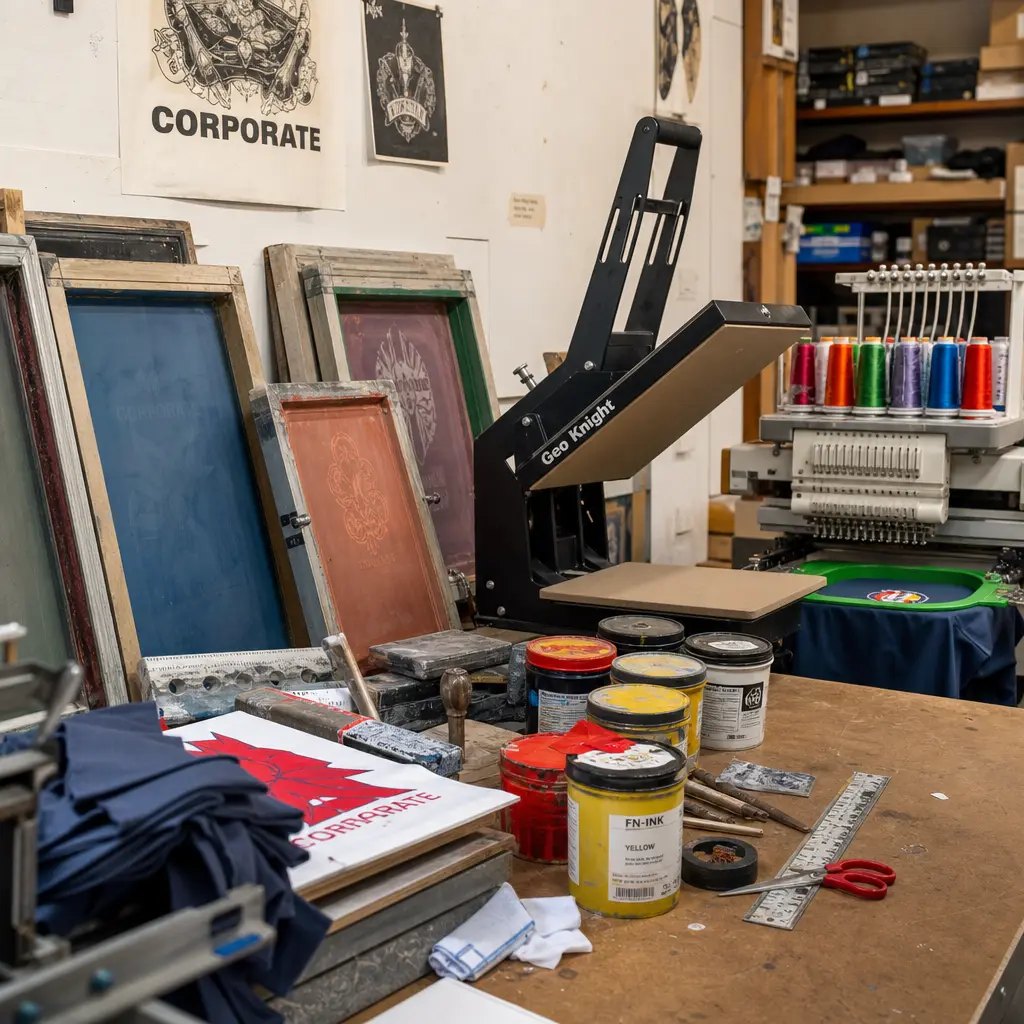
Most university bookstore jute totes use screen printing because it is cost-effective for solid logos, bookstore names, and simple mascot graphics. Jute is coarse, so fine lines, small legal text, gradients, and detailed illustrations may not reproduce as cleanly as they do on canvas or cotton. A one-color or two-color screen print is usually easier to control. More colors mean more screens, more registration work, longer setup, and a higher risk of visible misalignment on uneven fabric.
Heat transfer can help when artwork has complex details, but it changes the hand feel and may look less natural on jute. Embroidery directly on jute is possible in some constructions but not always suitable for large front graphics; many buyers use a woven label, cotton patch, or printed cotton panel when they want a cleaner logo surface. For university licensing, the safest process is to send vector artwork and note which colors are critical and which are approximate because natural jute will shift the perceived shade.
- Use screen print for bold bookstore logos, campus slogans, and simple one-to-three color artwork.
- Avoid small reversed text and thin mascot outlines unless the factory confirms print readability on actual jute.
- Provide Pantone references but allow an approved tolerance due to natural fiber color variation.
- Request a printed strike-off or pre-production sample for licensed marks, not only a digital layout.
Comparison table for bookstore jute tote decisions
The table above is designed for RFQ alignment, not catalog browsing. Use it to prevent suppliers from quoting different bags under the same product name. When all vendors quote the same size, GSM, handle, lamination, print method, and packing, MOQ discussions become more factual. Without this alignment, the lowest MOQ may simply reflect a lighter bag, narrower handle, or missing print setup cost.
For university bookstore buyers, the most important tradeoff is usually between retail quality and program flexibility. A sturdier laminated jute tote with cotton handles can sell better on shelf, but it may require more disciplined MOQ planning. A lighter unlaminated tote may allow lower cost for orientation giveaways, but it may not survive heavy bookstore use. Decide the selling purpose before negotiating the factory minimum.
- Treat the table as a pre-quote control sheet for all suppliers.
- Mark any non-negotiable requirements before asking for MOQ concessions.
- Use the same table again during sample approval so the approved sample matches the quote basis.
Cost drivers that change the quote even at the same MOQ
Unit price is affected by more than quantity. Jute weight, lamination, handle type, print colors, packing method, and carton size can move the quote meaningfully. A buyer may receive one quote at a low unit price because it assumes 12 oz unlaminated jute and narrow webbing, while another quote includes 16 oz laminated jute and reinforced cotton handles. Both may be called wholesale jute tote bags, but they are different retail products.
Freight also matters because jute totes are bulkier than many flat cotton bags. A thicker gusset, stiffer lamination, or individual polybag can increase carton volume. If the bookstore is importing directly, request carton dimensions and gross weight with the quote. If a distributor is supplying multiple campus stores, carton configuration affects warehouse receiving, label compliance, and parcel or LTL cost after arrival.
- Material cost: jute GSM, weave density, lamination, and handle webbing weight.
- Labor cost: sewing complexity, reinforced handles, inside seams, labels, and trimming loose fibers.
- Print cost: number of colors, screens, artwork size, registration difficulty, and sample strike-offs.
- Packing cost: individual bags, hang tags, UPC labels, inner cartons, master cartons, and pallet requirements.
- Logistics cost: carton cube, gross weight, Incoterm, origin port, and delivery routing.
Sample approval should verify construction, not just logo placement
A jute tote sample can look acceptable in a photo while failing in hand. The buyer should evaluate fabric odor, stiffness, loose fibers, seam balance, handle comfort, and whether the bag stands or collapses as expected. Natural jute has variation, so the goal is not synthetic perfection. The goal is to confirm that the approved sample represents the level of color, weave, print coverage, and workmanship that the bookstore can sell without complaints.
For licensed university artwork, approve the print on actual jute before bulk production. A digital proof cannot show how ink fills the gaps in the weave. The pre-production sample should use the same fabric weight, lamination, handle, thread color, print method, and packing style intended for bulk. If the factory sends a sample from old stock, mark it as reference only and require a production-correct sample before cutting bulk fabric.
- Measure finished size including gusset and compare against RFQ tolerance.
- Load test the sample with a realistic bookstore weight such as books or apparel, without using an extreme test that was never specified.
- Rub the print lightly after drying to see whether ink sits properly on the jute texture.
- Inspect handle attachment from inside and outside; skipped stitches are a warning sign.
- Keep one signed approved sample at the buyer side and one at the factory side for production reference.
Set QC thresholds that match retail use
Bookstore totes are visible retail merchandise, so the inspection standard should be stricter than a disposable giveaway but realistic for natural jute. Minor fiber variation, small slubs, and natural shade differences are normal. Severe mildew odor, dirty panels, broken handle stitches, distorted gussets, unreadable print, or sharp lamination edges are not acceptable. The RFQ should state which issues are critical, major, and minor so the supplier understands the inspection target before production starts.
Handle strength deserves special attention because jute bags for bookstores often carry books, bottles, and apparel. Reinforced box stitching or cross stitching is normally preferred over a simple single line stitch for retail totes. Print placement tolerance should also be written. A logo that is 1 cm off center may be acceptable on a rustic jute surface, while a tilted university seal may not be acceptable for licensed retail.
- Critical defects: broken handles, mildew, wet cartons, wrong artwork, unsafe sharp edges, or severe contamination.
- Major defects: large print misplacement, open seams, heavy stains, wrong size beyond tolerance, or peeling lamination.
- Minor defects: small natural slubs, limited fiber fuzz, slight shade variation, or tiny ink gaps caused by normal jute texture.
- Suggested control point: inspect early production pieces before the full order is sewn and packed.
Packing choices can protect the bag or waste margin
Jute attracts dust and can hold odor if packed damp, so export packing must keep goods clean and dry. At the same time, overpacking can damage the commercial result. Individual polybags, hang tags, belly bands, UPC labels, and retail-ready cartons all add labor and material. For many university bookstore orders, flat bulk packing in clean export cartons is enough, with retail labeling handled after arrival. For direct-to-store distribution, buyer-specific carton labels and inner packs may be worth the extra cost.
Carton weight should be practical for warehouse handling. Overloaded cartons increase crushing and seam deformation, while too few pieces per carton increases freight and receiving labor. The RFQ should request estimated pieces per carton, carton dimensions, gross weight, and whether cartons are suitable for ocean freight, air freight, or domestic redistribution. If the bags are laminated and structured, they may need looser packing than soft unlaminated totes.
- Flat pack is usually better than aggressive folding because it protects the front print and bag shape.
- Use inner polybag only when needed for moisture control, retail cleanliness, or routing compliance.
- Require dry cartons and avoid packing immediately after printing if ink or fabric still holds moisture.
- Include carton marks, purchase order number, SKU, quantity, and destination details in the packing instruction.
Lead time planning for campus retail calendars
MOQ negotiation has a schedule cost. A very small order may wait until the factory can combine material purchasing or line time with other jobs. A larger order with clear specifications can be easier to schedule. University bookstore calendars are fixed around orientation, back-to-school, graduation, alumni events, and sports seasons, so late approval can be more expensive than a slightly higher MOQ. Buyers should separate design approval time from factory production time because university licensing, department approval, and bookstore merchandising review can take longer than sewing.
A practical schedule includes artwork finalization, quote confirmation, sample making, sample shipping, buyer review, production correction if needed, bulk material preparation, printing, sewing, packing, inspection, and freight. If ocean freight is used, the order should be started much earlier than the retail date. If air freight becomes necessary because approvals were delayed, the landed cost advantage of a negotiated MOQ can disappear quickly.
- Reserve time for artwork licensing review before sample production.
- Do not release bulk cutting until the construction sample and print are approved in writing.
- Plan extra time for custom handles, dyed materials, or nonstandard packing.
- Request a production timeline with milestones rather than only one ship date.
- For seasonal bookstore programs, decide the reorder window before the first order ships.
Specification comparison for buyers
| Spec decision | Recommended option | When it fits | Buyer risk to check |
|---|---|---|---|
| Jute fabric weight | 14 oz to 16 oz natural jute, roughly 270-320 GSM depending on weave | Standard university bookstore tote where the bag must stand better than thin promo bags | Very loose weave can make the same GSM feel weak; compare hand feel, yarn thickness, and edge fraying, not GSM alone |
| Bag size | Common range around 14 x 16 x 6 inches or 15 x 16 x 5 inches | Textbooks, hoodies, water bottles, and campus gifts need more depth than a flat tote | Oversized panels increase fabric consumption and carton volume; small changes in gusset can affect MOQ and freight |
| Handle material | Cotton webbing handle, 1 inch to 1.25 inch wide, reinforced with box or cross stitching | Retail product where comfort matters and buyers may carry heavier merchandise | Jute rope handles look rustic but can be rough and less suitable for shoulder carry; weak handle stitching causes the most visible failures |
| Lamination | Light PP lamination inside the jute when the store wants better shape and moisture resistance | Bookstore retail shelves, gift sets, and heavier campus merchandise | Some buyers dislike the plastic feel or recyclability concern; require clarity on inside coating before approving bulk |
| Print method | Screen print for 1-3 solid colors; heat transfer only for detailed art; embroidery mainly for labels or patches | University logos, bookstore wordmarks, mascots, or alumni campaign graphics | Jute texture breaks fine lines; artwork that worked on canvas may not print cleanly on coarse jute |
| MOQ negotiation unit | Negotiate by total fabric consumption and print setup, not only by one finished bag SKU | Multiple campus designs using the same size, handle, and fabric can share base production | Changing size, handle color, lamination, or print technique may create separate MOQs even if the order total looks large |
| Packing style | Flat packed 25-50 pieces per export carton with inner polybag only if required by buyer routing | Most wholesale bookstore shipments where shelf preparation happens at destination | Overpacking raises labor, material, carton count, and freight; underpacking causes crushed corners and dirty jute fibers |
| Sample approval | Pre-production sample using actual jute, handle, stitch, print ink, and size tolerance | Any order involving licensed university marks or retail resale | Photo approval only can miss odor, handle strength, print edge bleed, and lamination stiffness |
| Quote comparison basis | Compare FOB or EXW with the same size, GSM, handle, print colors, packing, carton dimensions, and sample fee terms | RFQs sent to several factories or trading companies | A lower unit price may exclude print screens, inner packing, export carton quality, or realistic lead time |
Buyer checklist before sampling
- Define finished bag size including gusset, not only front panel width and height.
- State target jute weight or acceptable GSM range and request a physical swatch if order value justifies it.
- Choose laminated or unlaminated jute before quoting because it changes stiffness, sewing behavior, and cost.
- Specify handle material, width, length, color, and reinforcement stitch pattern.
- Send vector artwork and brand color references; note if colors are approximate due to natural jute texture.
- Separate bookstore retail packaging needs from bulk carton packing needs.
- Tell suppliers whether multiple campus designs can share the same base bag construction.
- Request MOQ by style, by color, by print design, and by total order quantity.
- Require a pre-production sample with actual print and fabric before releasing bulk fabric cutting.
- Compare quotes using carton quantity, carton size, gross weight, and Incoterm, not unit price alone.
Factory quote questions to send
- What is the MOQ for this jute tote if all designs share the same size, jute weight, handle, and lamination?
- What is the MOQ if each university artwork is treated as a separate print design?
- Which jute GSM or ounce weight are you quoting, and can you provide a fabric swatch from current stock?
- Is the jute laminated inside, unlaminated, or available both ways at different MOQs?
- What handle material, handle length, and handle width are included in the quoted price?
- Is handle reinforcement box stitching, cross stitching, bartack, or another method?
- Which print method are you quoting for our artwork, and how many print colors are included?
- Are screen charges, sample charges, artwork setup, and color matching fees included or separate?
- What is the sample lead time and bulk lead time after written sample approval?
- What size tolerance, print placement tolerance, and color tolerance will you accept in production?
Quality-control points to confirm
- Finished size within the approved tolerance, commonly plus or minus 0.5 cm to 1 cm depending on construction.
- Jute fabric weight and hand feel consistent with approved sample or confirmed swatch.
- No severe odor, dampness, mildew marks, oil stains, or excessive loose fibers on retail-facing panels.
- Handle length, width, color, and attachment position match the approved sample.
- Handle reinforcement stitches are complete, balanced, and free from skipped stitches or broken threads.
- Print position stays within approved placement tolerance and remains legible on the coarse jute surface.
- Ink coverage is acceptable for natural jute texture, with no major smudging, cracking, or unreadable fine text.
- Gusset, bottom seam, and side seams are symmetrical enough for the bag to stand and fold correctly.
- Inside lamination, if used, is bonded evenly without peeling, bubbling, or sharp edges.
- Cartons are export grade, dry, correctly labeled, and not overloaded beyond safe handling weight.