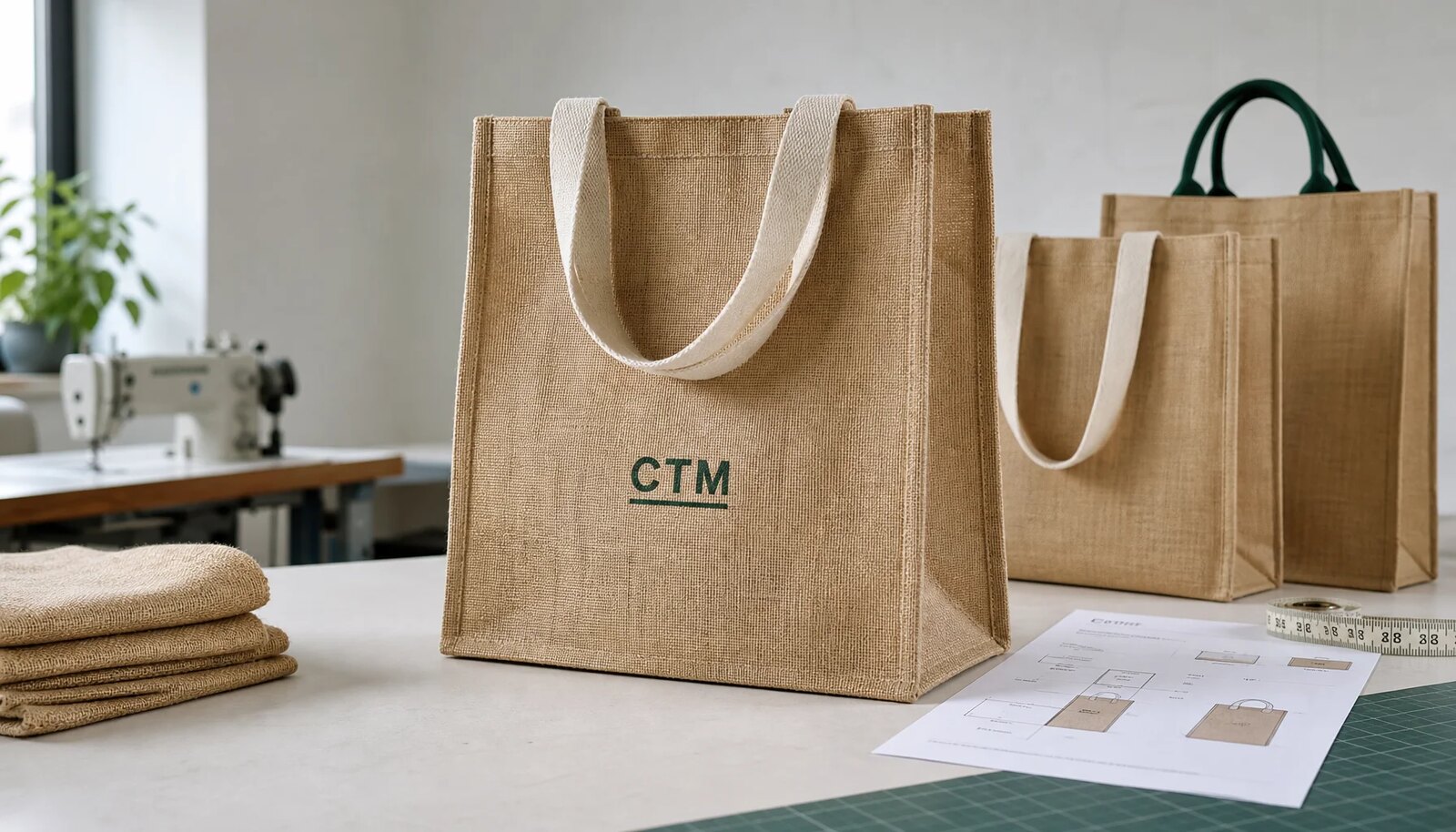
Start With the Retail Job
A hotel tote should be specified around how it will be used, not around a generic catalog description. A paid resort boutique SKU needs different construction than a welcome amenity bag, spa product carrier, beach towel tote, conference gift, or distributor stock item. The commercial role affects fabric weight, gusset depth, handle comfort, logo method, retail trims, packing, and acceptable landed cost.
Put that use case in the first line of the RFQ. It helps the supplier understand why you are asking for a certain GSM, handle drop, lamination choice, or carton method. For paid retail, guests compare the tote with apparel, skincare, candles, books, and other branded merchandise. A bag that looks acceptable in a photo can still feel too thin, shed fibers, or sit poorly on a shelf.
For hotel groups and hospitality distributors, also plan for repeat orders. If several properties can share one blank bag body and change only the front logo, purchasing becomes easier to quote, inspect, replenish, and compare across suppliers. Standardization is useful when the base construction is strong enough for every property in the program.
- Paid retail SKU: prioritize shelf structure, handle comfort, print clarity, barcode needs, and consistent appearance.
- Guest amenity bag: prioritize clean branding, cost control, efficient room setup, and reliable seam strength.
- Spa or beach program: prioritize larger gusset, shoulder-carry handles, moisture-aware packing, and reinforced stitching.
- Event merchandise: prioritize delivery date, fast artwork approval, and MOQ that avoids late air freight.
- Distributor stock: prioritize neutral trims, standard dimensions, broad print area, carton efficiency, and stable reorder specs.
Set Fabric Weight Clearly
Jute bag pricing changes with fabric consumption, weave tightness, lamination, and grade. A light open-weave tote and a stronger retail tote can look similar on a screen but perform very differently in a hotel shop. For many hotel retail programs, 13 oz to 15 oz jute, often quoted around 380 to 450 GSM depending on supplier method, is a practical starting range. It usually gives better body, stronger print support, and a more substantial handfeel than very light promotional jute.
Do not rely on GSM alone. Jute is a natural fiber, so yarn thickness, shade, slub level, smell, and weave openness vary. One supplier may quote base fabric before lamination; another may include lamination in the measured weight. A third may quote from general stock that is not the cutting lot for your order. Your RFQ should state whether GSM refers to base fabric only, whether lamination is included, and what tolerance is acceptable.
Finished bag weight is a useful cross-check. Two bags with the same stated GSM can differ because of gusset depth, top hem, lining, handle length, seam allowance, and lamination. Record the finished bag weight from the approved pre-production sample and include it in the reorder file. It is one of the simplest ways to spot quiet material changes later.
- Budget event use: 10 oz to 12 oz may work when load, shelf structure, and premium feel are not critical.
- Hotel retail baseline: 13 oz to 15 oz is a stronger starting point for boutiques and guest-facing merchandise.
- Premium resort tote: consider heavier jute, cotton lining, or mixed-material details for towels or larger retail goods.
- Tolerance control: define target GSM, allowed tolerance, color range, odor expectation, and weave openness.
- Quote comparison: compare current-lot swatches and finished bag weight, not only the lowest unit price.
Choose Lamination or Lining
The finish changes both performance and brand positioning. Inside clear lamination can help a jute tote stand upright, reduce loose fibers inside, and make the interior easier to wipe. This can suit retail-style shopping bags used with boxed amenities, sandals, spa bottles, folded garments, books, and small purchases.
The trade-offs should be reviewed before sampling. Laminated jute can smell stronger if packed too soon after production or stored in humid conditions. It can also hold hard creases if cartons are over-compressed, especially when the fold crosses the logo panel. If the hotel wants a simpler natural-material story, unlaminated jute may fit better, but it will usually be softer, less structured, and more likely to shed fibers.
Cotton lining, an inner pocket, or bound seams move the product toward a premium boutique bag. They also add material cost, labor, and inspection points. Inspectors need to check lining alignment, puckering, trapped threads, pocket placement, stitch quality, and possible color transfer. Decide the finish before approving artwork because print surface, stiffness, folding method, odor risk, and carton plan all change.
- Laminated jute: better structure and cleaner interior, with odor, crease, and claim-control risks.
- Unlaminated jute: more natural handfeel, with less structure and more fiber shedding.
- Cotton lining: premium interior, with added cost and more QC checkpoints.
- Odor control: require airing time and review a sealed packed sample after 24 hours.
- RFQ wording: specify the exact finish instead of leaving lamination or lining open to supplier choice.
Engineer Size and Handles
The right size comes from real contents. Common medium dimensions are around 35 x 40 x 15 cm, while resort, spa, and beach totes may be closer to 40 x 35 x 18 cm or larger. State dimensions as finished width x height x gusset after sewing. A vague request for a medium jute tote lets suppliers quote different flat patterns, gussets, handle drops, and seam allowances.
Gusset depth affects capacity, display, and logo visibility. A deeper gusset helps the bag stand upright and hold folded towels, robes, slippers, spa products, bottled amenities, packaged snacks, or local retail goods. A shallow gusset saves material but can feel like a flat shopper. Test the sample with the actual items the hotel expects to sell or gift.
Handles need more control than color selection. Cotton webbing is often more comfortable than jute handles for resort and retail use. A 30 to 40 mm width feels more substantial than narrow trim and distributes weight better in hand. Specify handle drop as the finished distance from the top edge of the bag to the handle peak, not only as total tape length. Shoulder-carry programs often need a longer drop than amenity packaging.
- State finished W x H x gusset with measurement points and tolerance for each dimension.
- Define handle drop separately from total handle tape length to avoid shoulder-carry errors.
- Use 30 to 40 mm cotton webbing when comfort and retail value matter more than lowest trim cost.
- Require bartack, box stitch, or cross-stitch reinforcement at handle stress points.
- Test filled samples on the intended fixture, counter, room setup, or back-of-house shelf.
Print for Natural Jute
Jute is textured, uneven, and absorbent. That character is part of the product, but it limits branding precision. For most wholesale jute tote bags for hotel retail, screen printing is the practical option for bold property logos, resort names, simple icons, and one- to three-color artwork. It keeps cost predictable when artwork is adjusted for the weave.
Fine serif text, QR codes, thin outlines, gradients, photographic images, and detailed crests are risky. Yarn texture can interrupt a line, close a gap, or make small lettering look broken. The natural base color also changes ink appearance, so a Pantone reference is not enough by itself. Heat transfer may reproduce more detail on some surfaces, but it can leave a visible film edge and different handfeel.
Artwork approval should not stop at a digital mockup. Request a physical strike-off on the actual jute, using final logo size, ink color, and placement. Review it under daylight and indoor retail lighting. If brand standards are strict, allow one correction round before screens, bulk fabric, and production timing are locked.
- Best artwork: bold marks, thick lines, limited colors, and enough negative space around the logo.
- Minimum detail: agree on minimum line width and minimum text height before screen making.
- Color control: use Pantone references but approve a physical strike-off on actual jute.
- Placement control: specify distance from top hem, side seam, and bottom gusset.
- Retail check: review print appearance under both daylight and indoor boutique lighting.
Keep MOQ Variables Low
MOQ reflects more than a supplier’s sales policy. It is affected by fabric purchasing, cutting efficiency, print setup, trim sourcing, label preparation, labor changeover, packing materials, and export handling. A natural jute tote with one standard handle and one screen print is easier to quote than a program with three sizes, dyed trims, custom linings, several labels, and multiple logo versions.
A better approach is to consolidate the blank bag. Use one size, one fabric weight, one handle style, one finish, and one packing method, then vary only the front print for different hotel properties. This keeps cutting and sewing efficient while still allowing property-level branding. Hospitality distributors can use the same method for multiple accounts.
Ask for price tiers that match real demand. Tiers at 500, 1,000, 2,500, and 5,000 pieces are useful only if those quantities reflect likely orders. Ask what changes at each tier: fabric buying, screen allocation, labor efficiency, packing density, or freight assumptions. If the price drops sharply, confirm that GSM, handle width, lamination, print method, and carton packing are unchanged.
- Main cost drivers: fabric weight, bag size, gusset, lamination, lining, handles, print colors, labels, and packing.
- MOQ reducer: keep body construction common and split only logo print where possible.
- MOQ increaser: separate sizes, dyed trims, custom lining, small-batch labels, and complex packaging.
- Quote tier control: request realistic quantity breaks and ask what operational change creates each price drop.
- Negotiation rule: ask which spec changes reduce cost before accepting an unclear substitute.
Use Samples as Standards
A sample can look good in a photo and still fail as a production reference. Sample approval should lock fabric, handle, stitch pattern, print size, ink color, logo placement, label, finish, folding method, and carton packing. If the first sample uses substitute fabric, hand-cut panels, or temporary handles, treat it as a development sample only. Before mass production, require a pre-production sample made with actual bulk materials.
Review the sample as both retailer and inspector. Measure finished width, height, gusset, handle drop, handle width, and logo position. Fill the tote with realistic hotel retail items. Check whether it stands upright, whether staff can pack it quickly, whether the handles feel comfortable under load, and whether the logo remains visible when the bag is filled.
Keep the approval evidence organized. Hotel programs often involve procurement, retail, brand, operations, and an outside distributor. Save final artwork, Pantone references, signed sample photos, measurement records, approved swatch, packing photos, and carton-mark instructions. This reduces inspection disputes and makes reorders easier to match.
- Measure all critical dimensions against the spec sheet before approval.
- Load test with intended contents plus a safety margin agreed with the supplier.
- Rub test the print for dusting, cracking, bleeding, and poor curing on the jute texture.
- Seal a packed sample for odor review before approving bulk packing.
- Photograph the approved sample with ruler marks and keep it as the inspection reference.
Write QC Before Cutting
QC needs to define acceptable variation without ignoring real defects. Jute is natural, so small slubs and shade movement may be acceptable within the approved range. Critical defects should include unsafe sharp parts, severe odor, mold, contamination, or construction failures that make the bag unusable. Major defects include open seams, weak handles, wrong logo, wrong size outside tolerance, heavy stains, serious print defects, or incorrect packing.
If random inspection is used, the sampling plan, defect categories, and acceptance criteria should be agreed before production. The inspector needs the approved sample, final spec sheet, artwork, strike-off, carton plan, and packing instructions. A purchase order description alone is not enough for a consistent inspection.
Load testing should be simple and repeatable. Define the weight, hold time, sample quantity, and failure criteria. The supplier can hang or carry a loaded sample for the agreed period and check handle attachment, seam opening, fabric tearing, and stitch failure. Match the test to the intended use; a spa retail bag and a beach towel tote may need different expectations.
- Measurement: verify finished W x H x gusset, handle drop, handle width, and logo placement.
- Construction: check top hem, side seams, bottom corners, seam allowance, and handle reinforcement.
- Print: compare color, coverage, registration, line legibility, rubbing, cracking, and logo skew.
- Material: check swatch match, weave consistency, stains, odor, loose fibers, lamination adhesion, and creases.
- Packing: confirm carton quantity, fold method, SKU split, carton marks, moisture control, GW, NW, and CBM.
Control Packing and Moisture
Packing can determine whether the totes arrive retail-ready. Jute absorbs moisture and can pick up odor during storage or sea freight. Laminated jute can crease if cartons are over-compressed. Natural fibers can shed inside cartons when bags are handled roughly. A good packing specification protects the logo panel, controls moisture exposure, keeps cartons clean, and supports accurate receiving.
Flat packing 25 to 50 pieces per export carton is a common planning range, depending on bag size, stiffness, and carton weight. Fold direction matters. If the front panel is sharply folded across the logo, ink may crack or lamination may keep a permanent crease. If cartons are too loose, bags may shift or crush. Ask for a packing photo or packing sample before all goods are packed.
Plastic use should match the hotel’s brand policy and route risk. If individual polybags are not acceptable, consider bundle packing with a carton liner and desiccant where appropriate. Carton marks should include PO number, SKU, size, logo version, quantity, destination, and carton sequence. Before freight comparison, request carton dimensions, gross weight, net weight, and total CBM.
- Define pieces per carton, bundle size, fold direction, and whether the logo panel must remain flat.
- Request carton size, gross weight, net weight, and total CBM before confirming freight.
- Use moisture protection suited to route, warehouse conditions, season, and hotel plastic policy.
- Avoid excessive compression that creates permanent laminated creases or distorted handles.
- Require clean carton marks for PO, SKU, logo version, destination, quantity, and carton number.
Compare Usable Landed Cost
The lowest unit price is not always the lowest buying cost. A quote missing carton CBM, fabric tolerance, screen charges, sample fees, labels, packing details, or inspection requirements can become more expensive after freight, sorting, delay, or rework. Compare landed cost per usable bag, not only ex-factory price.
A usable supplier quote should show the exact specification being priced. Look for fabric weight, lamination or lining, finished dimensions, handle construction, print method, color count, artwork assumptions, MOQ by SKU, production lead time, carton data, payment terms, and exclusions. If two suppliers quote what appears to be the same bag at very different prices, the reason is often fabric weight, weave openness, handle width, finish, print method, packing density, or QC standard.
Keep a quote comparison sheet in the procurement file. Include GSM, finished bag weight, finished size, finish type, handle width, handle drop, print colors, labels, pieces per carton, carton CBM, lead time, sample status, charge breakdown, and exclusions. Ask suppliers to confirm every assumption in writing before purchase order release.
- Compare fabric GSM, weave tightness, lamination, and finished bag weight before accepting a lower price.
- Add screen charges, sample fees, labels, hangtags, barcode stickers, carton upgrades, and document fees.
- Use CBM and gross weight to estimate freight cost per bag by destination and shipment mode.
- Confirm that price breaks do not include hidden substitutions in fabric, handle, finish, or packing.
- Keep approved samples, swatches, quote assumptions, and inspection results for repeat orders.
Specification comparison for buyers
| Buying decision | Best-fit option | Use case | Procurement risk to control |
|---|---|---|---|
| Body fabric | 13 oz to 15 oz jute, often quoted around 380 to 450 GSM depending on weave, lamination, and supplier test method | Hotel gift shops, resort boutiques, spa retail, welcome amenities, and reusable guest bags | GSM can hide loose weave or substituted stock; approve a current-lot swatch, finished bag weight, weave appearance, and odor range |
| Material finish | Inside clear lamination, unlaminated jute, or cotton-lined construction | Laminated for shelf structure; unlaminated for natural handfeel; lined for premium boutique merchandise | Lamination affects stiffness, folding, odor, recyclability wording, and crease risk; test the packed sample before bulk |
| Handle construction | 30 to 40 mm cotton webbing with reinforced attachment and defined drop length | Retail totes, beach bags, spa bags, and guest-facing programs where comfort affects perceived value | Narrow handles and weak stitching cause complaints; specify width, drop, colorfastness, reinforcement, and load-test method |
| Bag format | Finished W x H x gusset, boxed bottom, side gussets, reinforced top hem | Bags holding towels, sandals, skincare, books, bottled amenities, or folded garments | Flat-pattern dimensions are misleading; measure finished samples after sewing, pressing, and packing |
| Logo method | Screen print for bold one- to three-color artwork; heat transfer only when detail requires it | Hotel logos, resort icons, property names, and simple retail branding | Fine lines fail on coarse jute; approve minimum line width, text height, placement tolerance, and physical strike-off |
| MOQ strategy | One shared blank body with separate print versions where possible | Hotel groups, distributors, and multi-property retail programs | Different sizes, dyed trims, linings, labels, and packing formats can create separate MOQs and setup charges |
| Packing plan | Flat packed 25 to 50 pcs per carton with agreed fold direction, carton liner if needed, and clear carton marks | Wholesale shipments where receiving accuracy, carton cube, and clean arrival matter | Over-compression creases laminated jute; humid packing creates odor or mildew risk; confirm GW, NW, carton size, and CBM |
Buyer checklist before sampling
- Define the commercial role first: paid retail SKU, guest amenity, spa bag, beach tote, event merchandise, or distributor stock item.
- Specify finished size as width x height x gusset with measurement points and tolerances; do not approve only from a catalog photo or digital mockup.
- State target jute weight in GSM or oz, acceptable tolerance, color range, weave openness, odor expectation, and whether the swatch must come from current stock.
- Request finished bag weight as a cross-check because gusset, top hem, lining, lamination, handle length, and seam allowance all change material consumption.
- Choose laminated, unlaminated, or lined construction before artwork approval because stiffness, print surface, sustainability wording, folding, and odor risk change.
- Define handle material, width, drop length, color, reinforcement, stitch-density target, colorfastness expectation, and minimum load-test method.
- Provide vector artwork with Pantone references, final logo size, placement distances, minimum line width, minimum text height, and approved print side.
- Confirm retail trims: woven label, care label, hangtag, barcode sticker, price ticket, country-of-origin marking, carton label, and polybag policy.
- Approve a pre-production sample made with final fabric, handle, lamination or lining, print, label, folding method, and carton packing method.
- Set inspection approach, defect categories, measurement tolerance, odor check, print rub check, seam-strength check, and carton-mark requirements before PO release.
Factory quote questions to send
- What exact jute fabric weight is included, stated in GSM or oz, and what tolerance applies during bulk production?
- Will the bulk fabric match the approved swatch for color, weave openness, slub level, odor, handfeel, and shedding?
- Is the bag laminated, unlaminated, partially laminated, or lined, and what material and thickness are used?
- What finished-size tolerance do you guarantee for width, height, gusset, handle drop, handle width, and logo position?
- What handle material, width, total tape length, finished drop, color, stitch pattern, and reinforcement method are included in the unit price?
- What load test can you perform on handles and seams, including weight, hold time, sample quantity, and failure criteria?
- Which print method is included, how many colors are priced, and what minimum line width and minimum text height do you recommend for this weave?
- Can you make a physical print strike-off on the actual jute before the pre-production sample, and what is the cost and timeline?
- Are screen charges, sample charges, label charges, barcode stickers, hangtags, carton upgrades, desiccants, export documents, and inland transport included or separate?
- What is the MOQ for one size and one print, and how does pricing change if one blank bag body is split into multiple hotel property logo versions?
Quality-control points to confirm
- Finished dimensions checked at defined points, with practical tolerances such as about ±1 cm for width and height and ±0.5 to ±1 cm for gusset when construction allows.
- Handle drop and handle width measured against the approved sample, with shoulder-carry comfort verified for resort, spa, and beach retail programs.
- Fabric weight and finished bag weight compared with the approved swatch and PO specification to detect softer, looser, darker, or substituted jute.
- Natural jute variation reviewed for commercial acceptability, including excessive slubs, holes, stains, oil marks, dark yarn clusters, and heavy shedding.
- Lamination checked for adhesion, bubbling, cracking, hard creases, edge lifting, strong odor, and distortion after the approved folding and carton method.
- Logo position checked for centering, skew, distance from top hem and side seams, and drift caused by gusset folding or panel stretching.
- Print color compared to the approved strike-off under daylight and indoor retail lighting, with rub checks for dusting, cracking, bleeding, and poor coverage.
- Fine text, icons, and line art checked against the approved strike-off because coarse jute can close gaps, break lines, and reduce legibility.
- Handle stitching checked for bartack, box stitch, or cross-stitch reinforcement, with no skipped stitches, broken threads, loose ends, or weak attachment.
- Carton packing checked for quantity, fold direction, moisture protection, logo-panel protection, carton marks, SKU split, GW, NW, and CBM.