Start MOQ Negotiation With the Retail Use, Not the Bag Name
For wholesale jute tote bags used in hotel retail, MOQ is not a fixed number pulled from a catalog. It depends on fabric roll usage, cutting efficiency, handle material, printing setup, packing method, and how many SKU variations the buyer wants. A resort gift shop tote with a printed logo, hangtag, and retail barcode is a different production problem from a simple welcome amenity bag, even if both are called jute totes.
The most expensive mistake is asking several suppliers for “best price for jute tote bag, hotel retail, low MOQ” without locking the construction. Suppliers will quote different fabric weights, handle grades, printing assumptions, and packing methods. The cheapest quote often becomes expensive after sample correction, logo reprint, carton change, or air shipment caused by missed approval timing.
- Use a working brief before RFQ: retail use, target shelf price, expected load, delivery window, and number of hotel logos.
- Separate MOQ questions by component: bag body, fabric color, handle color, print design, inner lining, and packing SKU.
- Treat each logo, size, or handle color as a potential production split unless the factory confirms batch handling.
- Negotiate around efficient production quantities, not only the lowest possible order number.
Fabric Weight Choices That Change Price and Shelf Appearance
Jute tote buyers often compare quotes by size and logo only, but the fabric weight is one of the largest cost and quality drivers. Natural jute around 14 oz to 16 oz, or roughly 340-450 GSM depending on mill construction, is a common range for retail totes. Lighter open-weave jute can reduce unit price, but it may collapse when displayed, shed more fibers, and show inconsistent print coverage.
Hotel retail has a stronger presentation requirement than event giveaways. A guest handling the bag in a boutique or spa shop will notice softness, stiffness, odor, loose fibers, and whether the base stands properly. If the bag must hold towels, sandals, wine, packaged amenities, or books, the body fabric and gusset construction need to support that use without looking distorted.
- For budget welcome bags, consider lighter jute only when the contents are low weight and the bag is not sold as merchandise.
- For hotel shop resale, use a stronger jute weight and request a standing test with the intended gusset size.
- For premium presentation, compare cotton-lined or laminated jute against plain jute instead of treating all natural fabric as equal.
- Request fabric swatches from the actual production source, not only a studio photo of a previous sample.
Size, Gusset, and Handle Specs That Prevent Rework
A jute tote spec should describe finished dimensions, not only an approximate style. Include width, height, bottom gusset, side gusset if applicable, handle length, handle width, and handle attachment method. Many hotel buyers use the tote for mixed contents: folded apparel, spa products, resort maps, bottled drinks, or retail purchases. The wrong gusset can make the bag cheaper but less useful.
Handle length is another area where factories and buyers often assume different standards. Short hand-carry handles may suit gift packaging, while shoulder-length handles are better for beach or shopping use. If a distributor is supplying several hotel properties, one consistent body with a carefully chosen handle can simplify MOQ negotiation and reduce sample rounds.
- Common retail tote body: medium height with a bottom gusset wide enough for boxed merchandise or towels.
- Shoulder carry usually needs longer cotton webbing handles and stronger attachment stitching.
- Gift-pack style bags can use shorter rope handles but need neat panel alignment for front-facing display.
- If the bag must stand on a retail shelf, test the filled shape with real product, not paper stuffing.
Print Method: What Works on Rough Jute
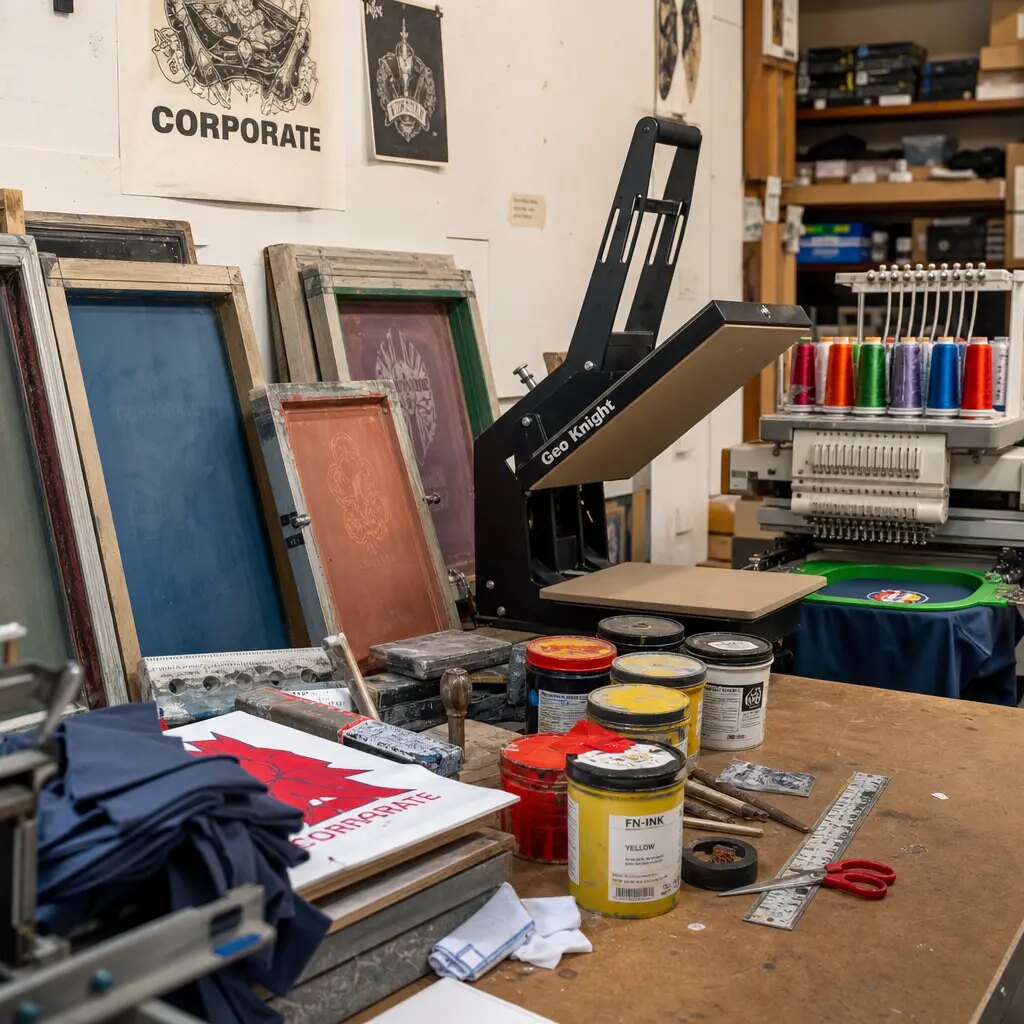
Screen printing is usually the most practical logo method for wholesale jute tote bags when the artwork is simple, solid, and limited in color. It gives a clean enough brand mark at controlled cost, but it cannot behave like printing on smooth cotton canvas. Natural jute has uneven yarns, small gaps, and surface fibers, so fine artwork may break, fill in, or look less sharp than the same logo on paper.
Heat transfer can help with more complex artwork, but it changes the surface feel and may not suit every rustic hotel brand style. Embroidery is possible on some constructions, but it can pucker rough fabric and raise cost. For most hotel retail programs, the best control is to simplify the artwork, enlarge small text, choose strong contrast, and approve a printed sample under normal store lighting.
- Provide vector artwork and Pantone references, but allow realistic tolerance because natural jute color varies.
- Avoid thin serif text, small taglines, and gradients unless the factory has tested them on the same fabric.
- Quote screen charges separately by color and position so suppliers cannot hide print cost in the unit price.
- For multiple hotel logos, ask whether the same screen size and placement can be used to reduce setup work.
How MOQ Is Built Inside the Factory
A factory’s MOQ is usually tied to more than sewing capacity. Jute fabric is bought by roll or bale, trims may require minimum dyeing or weaving quantities, and screen printing has setup time that is inefficient for very small runs. If the buyer asks for one bag size but five logo versions, the factory may accept the order but price it as several smaller jobs.
Better negotiation comes from reducing changeovers. Keep the bag body, fabric weight, handle material, and packing method the same across properties, then vary only the print where possible. A hotel group, distributor, or retail buyer can often reach a workable MOQ by combining property-level demand into one production batch while maintaining separate carton marks and delivery allocation.
- Lowest MOQ usually means standard fabric, standard handle, one print position, and simple bulk packing.
- Higher MOQ appears when fabric is dyed, lining is custom, handle color is special, or artwork changes by SKU.
- A split shipment may be easier than a split production lot if all bags share the same construction.
- If MOQ seems unusually low, verify whether the supplier is using stock bags, old fabric, or a substitute construction.
Quote Data That Makes Supplier Comparison Fair
For importers and retail buyers, the best quote is not just a low FOB number. A useful quotation should show the bag construction, material weight, print assumptions, sample terms, packing method, carton dimensions, lead time trigger, and what is excluded. Without these details, two suppliers may appear to be quoting the same wholesale jute tote bag while one includes lining and retail packing and the other quotes an unlined bulk-packed bag.
Request the quote in a format that separates cost drivers. This helps negotiation because the buyer can decide what to change instead of pressuring the factory blindly. For example, reducing one print color may save more than reducing fabric weight. Changing from individual polybagging to bundle packing may reduce packing cost and plastic use. Keeping one handle color across several logos may lower trim waste.
- Quote line should state Incoterm, currency, validity period, sample cost, bulk MOQ, and price breaks.
- Material line should state jute weight, lining, lamination, handle material, thread color, and reinforcement.
- Decoration line should state print method, color count, print size, print position, and setup charges.
- Packing line should state units per carton, carton size, gross weight, CBM, inner packing, and carton marks.
- Schedule line should state sample time, production time, inspection window, and booking or shipment handover timing.
Sample Approval Should Match the Bulk Production Risk
A single loose sample is not enough for hotel retail if the order has logo printing, shelf display requirements, or multiple delivery locations. The approval path should start with fabric and trim confirmation, then move to a blank construction sample, printed sample, and finally a packed sample. Each stage catches a different risk before bulk cutting or printing begins.
For jute bags, the buyer should physically evaluate odor, roughness, shedding, handle comfort, seam strength, and whether the logo remains readable on the uneven surface. Photos are useful for documenting placement and color direction, but they cannot show the way the bag feels in hand or how badly it creases after packing.
- Approve fabric swatch before committing to a quote based only on a catalog image.
- Approve blank sample for size, gusset, handle length, lining, and stitching before print setup.
- Approve printed sample for logo size, color, placement, edge sharpness, and rub resistance.
- Approve packed sample when the bag must arrive retail-ready or maintain shape for shelf display.
- Record approval comments in writing so production, QC, and packing teams follow the same version.
QC Thresholds for Hotel Retail Presentation
Jute is a natural material, so buyers should not expect every yarn to look identical. However, natural variation is not an excuse for open seams, severe stains, mold odor, unreadable logo printing, broken handles, or mixed SKU packing. The inspection standard needs to separate acceptable natural texture from defects that hurt retail saleability.
For hotel retail, visual quality should be judged at normal customer handling distance as well as close inspection. A small slub in the jute may be acceptable. A large oil mark on the front logo panel is not. A slightly uneven yarn color may be normal. A twisted handle, loose thread cluster, or off-center logo may make the tote look like a cheap giveaway instead of a sellable hotel product.
- Size tolerance: set body and handle tolerances before production, especially for paired retail displays.
- Print tolerance: define acceptable logo placement shift and reject unreadable text or major ink gaps.
- Strength test: load the bag with the intended product weight and hold or lift repeatedly at the handles.
- Odor control: reject damp, moldy, fuel-like, or strong chemical smell before shipment release.
- Packing inspection: verify SKU count, carton marks, barcode labels, and property allocation before loading.
Packing Choices Affect Landed Cost and Store Readiness
Jute totes are bulky compared with flat cotton pouches, so carton planning affects freight cost. A quote with a slightly lower unit price may create higher landed cost if the bags are packed with too much air, too few units per carton, or excessive shape protection. On the other hand, crushing the bags too tightly can create deep folds and distorted gussets that hurt store presentation.
Hotel retail buyers should decide whether the bags arrive as bulk stock for back-of-house handling or as display-ready retail units. Individual polybags may protect each bag but add plastic, labor, and disposal issues at the hotel. Bundle packing can reduce cost, but it needs clean separation by SKU and careful carton labeling. If barcodes, hangtags, or price stickers are required, they should be quoted as production tasks, not added at the last minute.
- Flat pack is usually freight-efficient but must be tested for crease recovery and print transfer.
- Bundle packing works for back-of-house distribution when cartons are clearly marked by SKU and property.
- Individual polybagging protects the product but may conflict with hotel sustainability policies.
- Retail hangtags, barcodes, and price labels should be placed consistently and checked during final inspection.
- Carton dimensions and CBM should be included in the quote before comparing landed cost.
Lead Time Risks and Negotiation Levers
Lead time for wholesale jute tote bags is often misunderstood because buyers count from PO release while factories count from deposit, artwork approval, fabric confirmation, or printed sample approval. A hotel opening, seasonal resort launch, or retail reset leaves little room for unclear approval timing. The production calendar should show sample days, approval buffer, material purchasing, cutting, printing, sewing, packing, inspection, and export handover.
MOQ negotiation can also affect schedule. A low-MOQ order using available natural jute and standard handles may move quickly. A larger order with dyed fabric, multiple logos, lined interiors, and retail packing needs more coordination. When the delivery date is fixed, it may be safer to simplify construction than to force the supplier into a compressed schedule that increases defects.
- Start the clock only after both artwork and material decisions are approved.
- Reserve time for print testing because jute texture can change logo appearance.
- Keep one construction across properties to reduce cutting and sewing changeovers.
- Use realistic inspection timing instead of booking shipment the same day production ends.
- For urgent hotel programs, negotiate phased delivery only if the factory can maintain the same approved spec.
Specification comparison for buyers
| Spec decision | Recommended option | When it fits | Buyer risk to check |
|---|---|---|---|
| Jute fabric weight | 14 oz to 16 oz jute, roughly 340-450 GSM depending on mill count | Hotel gift shops, resort retail, welcome bags, and reusable boutique packaging | Low-cost quotes may use lighter open-weave jute that collapses on shelf and sheds more fiber |
| Lining construction | Unlined for rustic retail; laminated or cotton-lined for structured premium totes | Unlined works for low unit cost; lining fits higher retail price points or toiletry use | Lamination can crack at folds if packed tightly or exposed to heat during inland transport |
| Handle material | Cotton webbing for comfort; jute rope for natural look; leather-look PU only when tested | Cotton handles suit heavier guest purchases; rope handles suit beach and resort themes | Handle attachment failure is common if stitch box size, thread, and reinforcement are not specified |
| Print method | Screen print for solid hotel logos; heat transfer only for multi-color artwork on rough jute | Screen print is best for repeat bulk orders with limited colors and simple branding | Fine lines, gradients, and small serif text can fill in because jute surface is uneven |
| MOQ negotiation route | Consolidate size, fabric, and handle color; vary logo by property only if factory can batch print | Useful for hotel groups, distributors, and retail buyers ordering across several locations | Too many SKU changes can push the factory into multiple small production lots with higher waste |
| Sample approval | Approve fabric swatch, blank pre-production sample, printed sample, and packed sample | Needed when retail display quality and brand color accuracy matter | Approving only a photo sample can miss handle feel, odor, seam strength, and packing deformation |
| Packing method | Flat pack with shape protection; bundle by SKU and carton-mark by property or PO | Best for hotel retail programs with multiple delivery points or replenishment planning | Over-compressed cartons cause fold marks, misshaped gussets, and presentation problems at store level |
| Supplier route | Direct manufacturer for repeat custom specs; trading company for very mixed low-volume assortments | Direct factory fits stable tote programs; trader may help if the buyer needs many product categories | Quotes are hard to compare unless fabric weight, trim source, packing, sample terms, and QC level match |
Buyer checklist before sampling
- Define retail use first: guest welcome bag, spa merchandise, beach tote, minibar packaging, or hotel shop resale.
- Specify size with tolerance: width, height, bottom gusset, handle length, and finished bag weight if shelf presentation matters.
- State jute weight in oz or GSM and request a physical swatch before comparing bulk quotes.
- Decide whether the bag is unlined, laminated, cotton-lined, or has an inner pocket before MOQ negotiation.
- Send vector artwork with Pantone references and mark minimum acceptable print sharpness for rough jute texture.
- Request separate pricing for blank bag, one-color print, each extra print color, lining, inner pocket, and special packing.
- Set handle strength expectations with a realistic load test based on the intended retail contents.
- Approve a packed sample, not only a loose sample, when the product will be sold in a hotel retail display.
- Confirm carton quantity, carton dimensions, gross weight, polybag policy, hangtag method, and barcode placement.
- Ask the factory to show MOQ logic by fabric roll, print setup, cutting loss, trim dyeing, and carton packing efficiency.
Factory quote questions to send
- What exact jute fabric weight are you quoting, and can you send the mill swatch or previous bulk cutting sample?
- Is the quoted jute natural, dyed, bleached, laminated, or lined, and what shrinkage or color variation should we expect?
- What is your MOQ for the same bag body with different hotel logos, and what changes trigger a new MOQ?
- How many bags can be cut from one fabric roll, and how does this affect the most economical order quantity?
- What print method do you recommend for our artwork on jute, and what line thickness or color limit should we follow?
- Are screen setup charges, sample charges, mold charges, and artwork separation charges included or listed separately?
- What handle reinforcement is included in the quote: box stitch, cross stitch, rivet, bar tack, or inner patch?
- What inspection standard do you use for seam defects, print defects, odor, size tolerance, and carton drop damage?
- Can you quote flat pack and display-ready packing separately, including carton dimensions and estimated CBM?
- What production lead time starts after which approval: deposit, artwork, fabric confirmation, printed sample, or final PO?
Quality-control points to confirm
- Fabric weight should match the approved swatch within an agreed tolerance, commonly plus or minus 5% when measured by GSM.
- Finished bag size should stay within agreed tolerance, usually plus or minus 1 cm for body dimensions and plus or minus 1.5 cm for handle length.
- Print position should be centered and repeatable, with placement tolerance stated in millimeters for front logo and side label.
- Logo print should pass a practical rub test; heavy ink cracking, major pinholes, and unreadable small text should be rejected.
- Handles should pass the buyer's load test without seam tearing, thread breakage, or visible panel distortion at attachment points.
- Seams should be straight enough for retail presentation, with no skipped stitches, open seams, loose threads, or broken needle marks.
- Jute odor should be controlled before shipment; damp, moldy, chemical, or fuel-like smells require rejection or rework.
- Cartons should protect shape and print surface, with no severe compression, moisture marks, loose packing, or mixed SKU labeling.