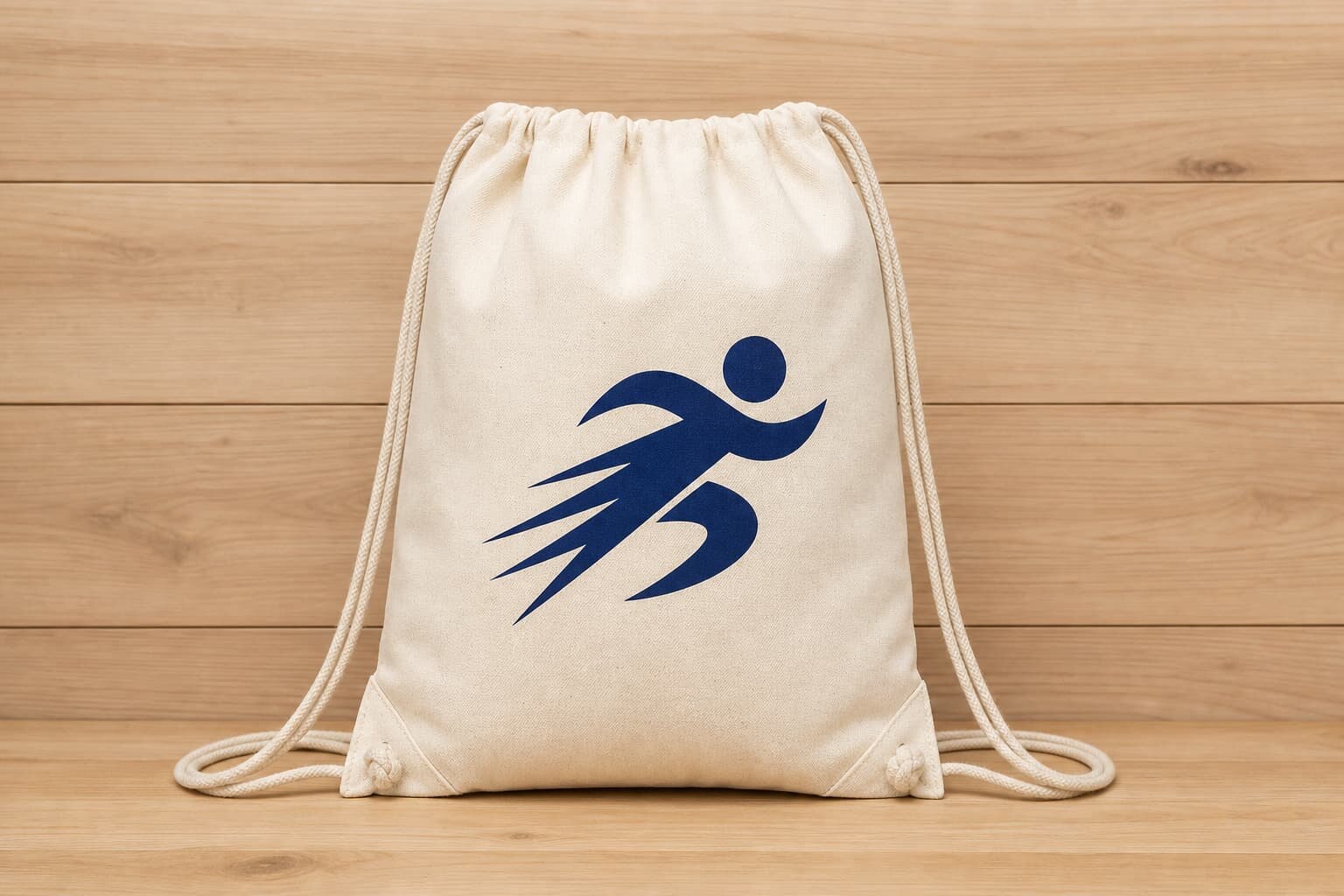
1. What buyers should control before requesting quotes
The fastest way to lose margin on wholesale drawstring backpacks is to let suppliers quote against an incomplete brief. This product looks simple, but quote differences usually come from fabric weight, cord construction, print method, and packing standard. If you do not define those items early, every quote comparison becomes misleading because each factory is pricing a different bag.
For a buyer, the goal is not to make the spec overly complex. The goal is to freeze the commercial decisions that affect price and quality. In practice, that means choosing the fabric family, the target GSM or denier, the size range, the decoration method, and the packing format before you ask for pricing.
- Do not ask for a generic “drawstring backpack” quote.
- Lock size, fabric, print, and packing before comparing suppliers.
- Keep one approved sample or reference spec for every factory to follow.
2. Fabric choice: where quality usually starts
Fabric is the first place where the finished bag either feels retail-ready or feels disposable. For cotton styles, buyers usually work in the 140–240 GSM range depending on intended use. A 140–180 GSM cotton can be fine for promotions and light daily carry, while 200–240 GSM gives a more substantial hand feel and better print stability. For polyester versions, 210D is common for low-cost programs, while 300D or heavier makes the bag look less flimsy and improves structure.
Do not evaluate fabric by price alone. Two suppliers may quote the same style, but one may use a lighter cloth, looser weave, thinner cord, or a lower-grade coating. That changes print appearance, tear strength, and seam behavior. If the bag will carry books, sports gear, or retail merchandise, a slightly heavier fabric often reduces complaint risk more than it increases unit cost.
- Ask for GSM or denier, not just material name.
- Check weave density, fabric shrinkage, and color fastness if the bag is dyed.
- Confirm whether the fabric is pre-shrunk, brushed, coated, or water-resistant.
3. Print method: choose based on artwork and order size
Printing is another area where buyers often compare the wrong things. For simple logos, screen print is usually the most cost-efficient method for wholesale drawstring backpacks because it gives solid coverage and is easy to repeat across volume. It works best when the art has clean shapes, limited colors, and clear line weights. If your logo contains fine text, gradients, shadows, or full-color images, you may need a different method such as heat transfer or a more specialized decoration process.
The practical question is not which print method sounds best. It is which method gives acceptable durability at your order size and target price. Screen print can be cheaper at scale, but it needs proper mesh, ink curing, and registration control. Heat transfer may support smaller runs and complex graphics, but buyers should check wash resistance, cracking, and edge lift before approving bulk production.
- For screen print, define colors by Pantone or an agreed visual reference.
- Set the print placement in centimeters from the top seam and side seam.
- Ask for rub testing or adhesion checks on the approved sample.
4. MOQ logic: why the lowest quote is not always the best quote
MOQ for drawstring backpacks usually depends on fabric sourcing, print setup, and color change efficiency. A factory may offer a low MOQ if it uses existing stock fabric or a standard blank body, but the same factory may require a higher MOQ for custom dyeing, special cord colors, metal tips, or complex artwork. This is normal. What matters is whether the MOQ matches your channel plan and your inventory risk.
If you are buying for retail, a slightly higher MOQ can still be cheaper overall if it reduces inconsistency between lots. If you are buying for events or promotions, a lower MOQ may matter more than perfect cost efficiency. Ask suppliers to separate the price impact of fabric, printing, packing, and customization so you can see exactly where the minimum quantity is being driven.
- Request MOQ by color, by print method, and by size variant.
- Check whether sample orders are credited against bulk or charged separately.
- Ask if mixed-color cartons or mixed-style orders change the unit price.
5. Sample checks: what to approve before bulk production
A pre-production sample should be treated as a control document, not a free sample bag. It needs to confirm the fabric hand feel, finished size, cord length, stitch quality, print placement, and packing method. If the sample does not match the quote, stop and correct the spec before bulk cutting begins. Once bulk production starts, a small error can multiply across the lot.
When you review the sample, check it under real use conditions. Load it with typical items, pull the cords repeatedly, inspect the top hem after tension, and look at the front face from arm’s length. Small issues such as uneven print alignment, twisted cords, or a weak corner bar-tack are often missed in static photos but become obvious in use.
- Measure finished size flat and confirm tolerance.
- Check logo centering, print clarity, and edge coverage.
- Pull-test the cords and inspect the eyelets and top hem after tension.
- Confirm the sample packing method matches the intended shipment format.
6. Construction details that separate acceptable from problematic bags
For procurement teams, the critical construction details are usually invisible in the product photo. The top hem must be strong enough to handle repeated cord tension, and the cord path must move smoothly without cutting into the fabric. Eyelets or stitched reinforcement points should be positioned consistently. Seam quality matters too: skipped stitches, loose thread ends, and uneven seam allowance often lead to complaints after the bags enter use.
The best way to prevent construction mistakes is to turn subjective quality language into measurable acceptance criteria. For example, define the minimum stitch density, the acceptable variation in cord length, the reinforced seam positions, and the limit for visible defects per carton. That gives the supplier a practical target and gives your inspector a clear pass/fail basis.
- Check bar-tack strength at cord exit points if the design uses reinforcement.
- Confirm no sharp edges on eyelets or cord tips.
- Require clean trimming of thread ends and no fabric puckering at seams.
7. Packing, carton marks, and retail readiness
Packing instructions can change the unit cost more than buyers expect. A simple bulk pack is cheaper, but it is not always acceptable if the bags need barcode labels, retail polybags, or shelf-ready folding. If the bags are going to distributors or retailers, define the fold direction, carton quantity, exterior marks, and label placement before production starts. That avoids rework and carton-level errors at shipment time.
Packing is also a quality issue. A clean bag can arrive damaged if it is folded badly, packed with sharp accessories, or compressed in a weak carton. Ask the supplier how they prevent dirt, moisture, and size mixing during packing. If the product is white or light-colored cotton, require extra protection against warehouse dust and transfer marks.
- Specify whether bags are bulk packed, individually polybagged, or insert-card packed.
- Confirm carton quantity and whether it must be exact or can vary by a small tolerance.
- Ask for carton label content: style, color, size, quantity, PO number, and country of origin if needed.
8. Lead time planning: sample, bulk, and shipment dates
A realistic lead time plan separates sample approval from bulk production. Suppliers often quote a single number, but buyers need to know where the time actually goes: fabric preparation, cutting, printing, stitching, finishing, packing, and final inspection. If decoration requires color approval or special setup, that should be built into the timeline. Otherwise the ship date becomes optimistic on paper and late in practice.
For recurring programs, ask the factory how lead time changes once the fabric is in stock versus when it must be newly sourced. Also ask what parts of the order are on the critical path. In many cases, print approval or packaging confirmation—not sewing capacity—is what delays the shipment. A good supplier should be able to tell you the normal lead time after sample approval and what conditions can extend it.
- Separate sample lead time from bulk production lead time.
- Ask whether fabric sourcing starts before or after sample approval.
- Confirm whether packing materials are ready or need a separate procurement cycle.
9. A practical quote breakdown buyers can compare
When you compare supplier quotes, break the price into the parts that actually move. A useful quote should show fabric type and weight, cord specification, print method, packing method, and any additional charge for labels, hangtags, or special folding. If one supplier only gives a single unit price while another gives a detailed breakdown, the detailed quote is usually easier to manage, even if it looks slightly higher at first glance.
For wholesale drawstring backpacks, hidden quote differences often sit in the details: a lighter fabric, fewer print colors included, a lower packing standard, or a larger tolerance on defects. If you do not ask for those details, you may think you are saving money when you are really buying a downgraded specification. Build your quote comparison around the same baseline so the numbers mean something.
- Compare like-for-like fabric, print, and packing terms.
- Ask whether the quoted price includes sampling, tooling, and packaging materials.
- Request separate charges for rush production, extra colors, or special labels.
10. Final inspection: acceptance criteria that prevent disputes
The final inspection should be based on the approved sample and written spec, not on general appearance alone. A carton can look fine from the outside and still contain size variation, print misalignment, or weak seams. Set acceptance criteria before shipment so both sides understand what is rejectable and what is normal process variation. This is especially important if your order mixes colors or destinations.
The best acceptance standard is simple enough for the factory to execute and strict enough to protect the buyer. Focus on the defects that affect sellability and function: wrong size, wrong fabric, visible dirt, poor print, broken cords, loose stitching, and incorrect packing. If you can inspect those points systematically, you reduce the chance of receiving a lot that cannot be sold as intended.
- Inspect random cartons for size, construction, print, and packing consistency.
- Reject bags with broken stitches, major print defects, or dirty fabric.
- Confirm carton counts and outer marks against the purchase order.
Specification comparison for buyers
| Spec decision | Recommended option | When it fits | Buyer risk to check |
|---|---|---|---|
| Fabric weight | 140–180 GSM cotton or 210D polyester | Promotional giveaways, school events, light retail use | Too-light fabric can distort after printing and feel cheap in hand |
| Fabric weight | 200–240 GSM cotton canvas or 300D polyester | Retail, sports, brand merch, repeated daily use | Heavier fabric raises cost and may need stronger stitching and longer sew time |
| Print method | Screen print | 1–4 solid colors, simple logos, good volume | Fine gradients and tiny text may fill in or register poorly |
| Print method | Heat transfer or DTG-like decoration on limited runs | Short runs, photo-like art, many colors | Durability and wash resistance may be weaker than screen print |
| Closure construction | Single cord with metal eyelets | Low-cost promotional orders | Eyelets can loosen if fabric is too thin or reinforcement is skipped |
| Closure construction | Reinforced top hem with double cords | Retail bags, heavier contents, better user experience | Needs clear spec on cord length, knot security, and symmetry |
| Packing | Bulk packed with size/count confirmation | Warehouse-forward importers | Count errors and mixed sizes are common if carton labeling is weak |
| Packing | Individual polybag with barcode label | Retail and distribution channels | Requires bag ventilation, suffocation warning, and correct barcode placement |
Buyer checklist before sampling
- Confirm the exact fabric: material, weave, GSM, color, and whether shrinkage or coating is allowed.
- Lock the bag size with finished measurements, tolerance, and how the dimensions are measured when loaded or empty.
- Specify cord type, cord diameter, top hem construction, eyelet material, and reinforcement points.
- Define print method, print size, ink colors, artwork file format, and acceptable registration tolerance.
- Ask for a pre-production sample, an approved color standard, and a sealed reference sample before bulk production.
- Set packing instructions: folding method, polybag type, carton quantity, carton marks, and barcode requirements.
- Get the lead time split into sample time, bulk production time, and shipping-ready packing time.
- Request the supplier's QC checkpoints and reject criteria for stitching, printing, size, odor, dirt, and carton damage.
Factory quote questions to send
- What fabric options do you quote for this style, and what is the exact GSM or denier for each option?
- Is the quoted price based on one-sided or two-sided printing, and how many colors are included?
- What is your MOQ by fabric type, print method, and color, and what changes when we use mixed colors?
- What tolerances do you hold on finished size, cord length, and logo placement?
- Do you include pre-production samples, bulk samples, and courier cost in the quote?
- What packing standard is included in the quote: bulk pack, polybag, barcode label, insert card, or carton mark?
- What is the normal production lead time after sample approval, and what causes delays?
- What inspection report, photos, or test records can you provide before shipment?
Quality-control points to confirm
- Fabric GSM and hand feel match the approved sample
- Color consistency within the approved shade range
- Finished size within agreed tolerance
- Cord length, symmetry, and knot security
- Eyelet placement, reinforcement, and no tearing at stress points
- Print registration, ink coverage, and adhesion
- Stitch density, seam straightness, and no skipped stitches
- No broken threads, stains, holes, odor, or fabric distortion
- Correct folding, packing count, and carton labeling
- Barcode, hangtag, or retail label placement if required