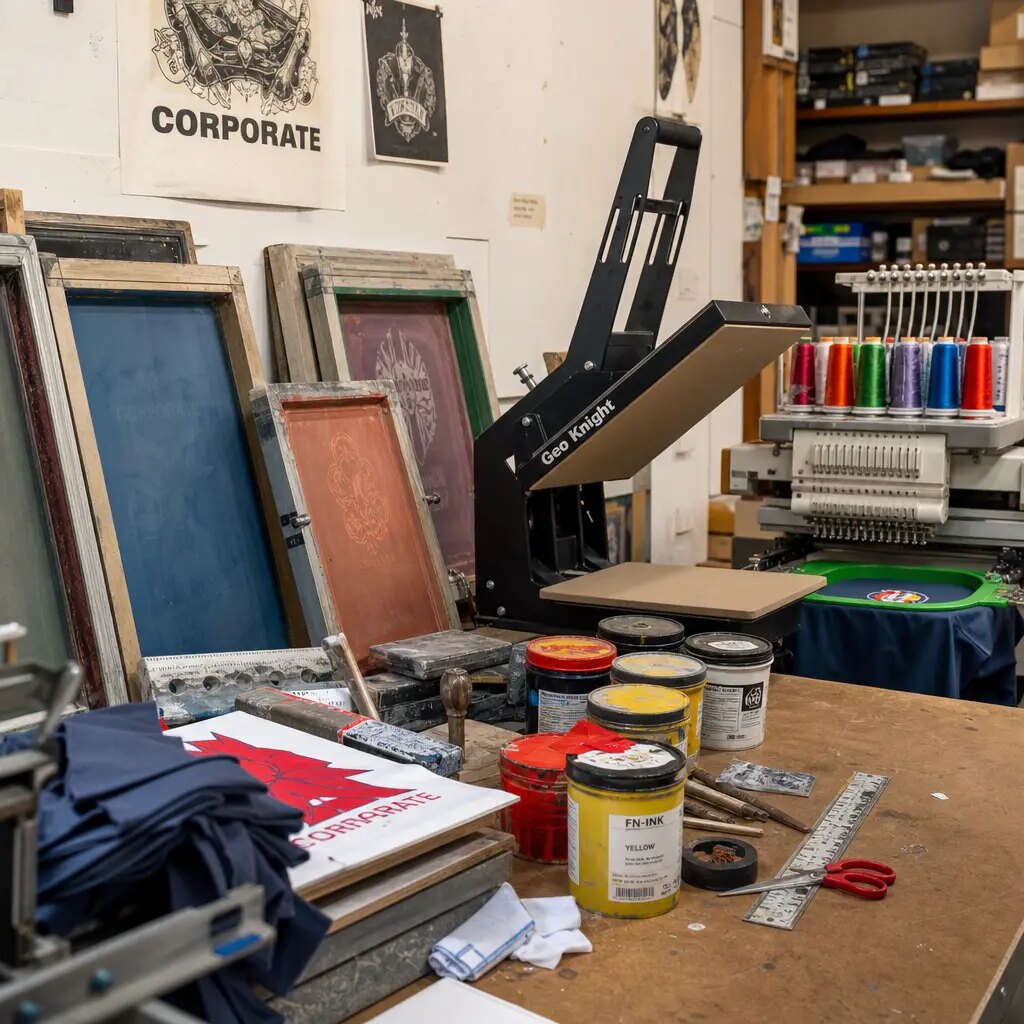
1. Classify the Pouch Before You Ask for Quotes
A cotton drawstring pouch can be packaging, a reusable apparel accessory, a retail textile product, a gift-with-purchase, or a component packed with garments. That classification changes the specification, labeling review, compliance evidence, inspection plan, and packing standard. A simple internal dust bag may only need clean cotton, correct size, and basic seam strength. A customer-facing pouch for a premium eco apparel brand needs tighter logo placement, smoother cord movement, cleaner folding, and stronger documentation.
Put the intended use and destination market in the first RFQ. A supplier cannot correctly advise on labels, restricted-substance testing, country-of-origin marking, or claim support if the buyer only asks for “natural cotton pouch with logo.” The same pouch may be treated differently when it is a retail product sold to consumers versus a packaging insert used only to protect a garment in transit.
Eco claims also start here. Unbleached cotton, organic cotton, recycled cotton, plastic-free packing, biodegradable language, and low-impact ink are different claims requiring different evidence. Do not let sales copy move ahead of documentation. Ask which claim applies to the fabric, cord, thread, label, ink, hangtag, and outer packing.
- Classify the pouch as packaging, reusable accessory, retail textile item, promotional item, or apparel set component.
- State EU, UK, US, Canada, California, or retailer-specific requirements at RFQ stage.
- Separate product compliance from marketing claims; both need evidence.
- Identify whether the pouch is handled by adults only, children, retailers, warehouses, or consumers.
- Align procurement, compliance, design, and warehouse teams on one acceptance standard before sampling.
2. Build a Spec Sheet That Stops Quote Drift
Price comparisons are unreliable unless every supplier quotes the same controlled specification. One factory may price 120 GSM cotton muslin, another 180 GSM cotton canvas, and another a stock cotton bag with a different cord and loose bulk packing. The RFQ should define finished width and height, usable internal size, gusset, fabric composition, GSM, weave, shade, shrinkage expectation, cord, top channel, seam allowance, thread color, decoration, label, and packing format.
Fabric weight should match the use case, not simply the desire for a heavier product. For lightweight garment dust protection, 120 to 140 GSM cotton may be practical. For better opacity and a more reusable feel, many buyers review 150 to 180 GSM. Heavy 200 GSM+ canvas can suit premium sets or heavier contents, but it increases cost, carton weight, storage volume, and freight impact.
Write tolerances as finished-goods requirements. Useful starting points are finished size +/-5 mm for small pouches and +/-10 mm for larger pouches, GSM +/-5% to +/-10%, cord length +/-10 mm, and visible logo placement +/-3 mm to +/-5 mm. Adjust for pouch size, fabric behavior, and retailer expectations.
- Specify finished dimensions and usable internal dimensions if the pouch must fit a folded garment, box, sock set, jewelry card, or accessory bundle.
- Define cotton composition, weave, GSM, shade, shrinkage expectation, and acceptable natural-fiber marks.
- State cord material, diameter or tape width, color, length, knot or tip finish, and single- or double-draw construction.
- Include channel width, seam allowance, thread color, stitch density expectation, and reinforcement points.
- Use an annotated drawing for logo placement, side-label position, gusset, opening, and fold direction.
- Freeze the approved specification; any change to fabric, cord, decoration, label, or packing requires written approval.
3. Match Supplier Type to Control Need
Supplier selection should be based on risk and capability, not only unit price. A direct sewing factory is often stronger for repeat wholesale cotton drawstring pouch orders because cutting, sewing, inline QC, and correction sit close to the production line. A specialized cotton bag workshop may be better for gussets, reinforced corners, premium cords, and reusable construction details. A trading company can add value when it coordinates labels, cartons, mixed SKUs, and shipment documents, but QC authority and defect responsibility must be written.
Stock cotton pouch suppliers are useful when speed matters and the buyer can accept available sizes, fabric batches, shades, and cords. They are weaker for strict shade control, exact GSM traceability, and highly specific retail presentation. Retail-ready suppliers may cost more per piece, but they can reduce warehouse work when they handle folding, barcode labels, SKU separation, carton marks, and scan-ready packing.
Ask which processes are in-house and which are subcontracted. Printing, dyeing, washing, embroidery, labels, hangtags, and cartons may all be handled outside the sewing factory. Subcontracting is acceptable when the process map, approval points, and rework responsibility are clear before the purchase order.
- Use direct factories for repeatability, first-piece control, and fast sewing-defect correction.
- Use specialized workshops for gussets, premium cords, stronger channels, and reusable pouch construction.
- Use trading companies only when coordination value and defect ownership are documented.
- Use stock cotton pouches when speed matters more than exact shade, trim, and batch control.
- Request seam close-ups, cord-channel photos, packed-carton photos, and recent inspection reports.
- Confirm who approves strike-offs, decorated panels, rework, and shipment release.
4. Verify Fabric, Cord, and Construction Before Cutting
Cotton pouch quality is not defined by GSM alone. Buyers should verify composition, weave, surface cleanliness, shade range, shrinkage behavior, odor, and slub tolerance. Natural unbleached cotton can show specks and yarn irregularity; that can be acceptable when approved as part of the look. It becomes a defect when the brand expected a clean surface and no standard was written.
Cord choice affects function and perceived value. Flat cotton tape, braided cotton cord, twisted cotton cord, and blended cotton cord move differently in the channel. A cord that is too thick may jam, while a cord that is too thin can slip into the casing or look cheap. For many small and medium pouches, buyers review 3 mm to 5 mm cord or 8 mm to 12 mm flat tape, then confirm by fitting the actual product inside the pouch.
Construction should be approved before mass cutting. A basic pouch may use a folded top hem. A reusable pouch may need reinforced channel openings, bar-tacks, stronger bottom corners, or a gusset. Ask for first-piece photos from the actual bulk line showing inside seams, bottom corners, channel openings, cord ends, and label placement.
- Approve a natural cotton shade range and keep swatches or a golden sample for comparison.
- Set GSM tolerance and confirm whether the supplier checks roll records or fabric weight directly.
- Define acceptable slubs, specks, and fiber marks so inspectors do not guess.
- Confirm cord diameter or tape width, length tolerance, end finish, color, and pull performance.
- Specify single draw, double draw, side openings, eyelets, bar-tacks, or reinforced channel ends where needed.
- Review inside-seam and channel-opening photos before full production continues.
5. Treat Decoration as a Separate Approval Gate
A pouch can be well sewn and still fail because the logo is wrong. Fabric approval and decoration approval should be separate checkpoints. Fabric approval checks GSM, weave, shade, shrinkage, odor, and surface cleanliness. Decoration approval checks color, scale, placement, curing, rub resistance, folding behavior, and bulk stacking.
Screen printing is common for simple one-color logos because it is repeatable and easy to price. Water-based inks may support an eco-oriented brand direction, but opacity, curing, and rub performance still need control. Heat transfer can handle detail but changes hand feel. Embroidery is durable, yet it can pucker lightweight cotton. Woven side labels or patches can be cleaner for minimalist branding if attachment strength is checked.
Review artwork at actual production size on the intended cotton. Fine lines, small text, distressed marks, and multi-color registration behave differently on soft fabric than on a digital mockup. If fabric lot, ink, thread, artwork scale, print operator, or decoration method changes, repeat approval.
- Approve fabric quality and logo quality separately, even when shown on the same sample.
- Set logo placement tolerance, such as +/-3 mm for small central logos or +/-5 mm for larger pouches where suitable.
- Request a strike-off for visible logos, multi-color work, fine lines, and customer-facing artwork.
- Ask for dry-rub, fold, stacking, and handling checks to catch ink transfer, cracking, sticking, or peeling.
- Avoid embroidery on very lightweight cotton unless the supplier proves there is no puckering or backing issue.
- Record print method, ink or thread color, artwork scale, target placement, and approval date.
6. Use Sampling to Prove Bulk Reality
Sampling should prove production capability, not create a polished photo. A useful flow is development sample, decoration strike-off, pre-production sample, packed sample, and golden sample. The development sample checks size and construction direction. The strike-off checks artwork. The pre-production sample confirms intended bulk fabric, final cord, final decoration, final label, and final construction. The packed sample confirms folding, bundle count, labels, and carton logic.
A common error is approving a first sample made from available fabric and expecting bulk to match exactly. Bulk may use another fabric lot, cord supplier, print operator, or sewing line. The PO should state that mass production must match the approved pre-production sample unless a written deviation is approved.
Test the pouch the way it will be used. Insert the actual folded garment or accessory, pull the cord repeatedly, check that the opening closes without stress, and inspect whether corners distort. Fold the pouch as the warehouse will fold it and place it in the intended carton or gift box. For premium apparel, also review wrinkle behavior and logo visibility after normal handling.
- Label every sample with supplier name, date, version, fabric GSM, cord type, decoration method, and approval status.
- Reject or clearly mark samples made with substitute fabric, substitute cord, manual finishing, or non-final decoration.
- Measure each sample against the spec sheet rather than relying on visual approval.
- Keep the golden sample, swatch, artwork file, measurement sheet, quote, and packing instruction together.
- Require new approval if fabric lot, cord type, ink, label, artwork scale, pouch size, or packing format changes.
- Ask for bulk-line first-piece photos before production continues on launch-critical orders.
7. Request Compliance Evidence by Market and Claim
The compliance file should connect to the exact pouch being purchased. A generic certificate, old test report, or supplier brochure may not prove that the current order uses the same cotton fabric, cord, ink, label, color, or factory process. Ask for documents that match the PO number, product description, material, color, decoration method, shipment quantity, supplier, and factory where possible.
Use market logic before requesting documents. For the EU or UK, buyers often review REACH-related restricted substances and applicable labeling expectations. For the US, consider CPSIA only when the pouch is a children’s product or part of a children’s item, and review fiber labeling or country-of-origin expectations when it is sold as a textile product. For California distribution, assess Prop 65 exposure based on materials, inks, trims, and retailer policy. For Canada, review bilingual and textile labeling implications where the pouch is a consumer textile item. Retailer programs may impose their own RSL and packaging rules regardless of statutory minimums.
Sustainability claims require order-linked support. Certified organic cotton is not proven by natural color alone. Recycled cotton claims require chain-of-custody evidence where applicable. Plastic-free packing should specify whether there are no individual polybags, paper bands, carton liners, tapes, labels, desiccants, or pallet wrap involved. Claims must be accurate for the exact pouch and destination market.
- Request a material declaration covering cotton fabric, cord, thread, label, patch, hangtag, ink, and packing materials relevant to the claim.
- Ask whether test reports apply to the exact material, color, decoration, and trim in the order.
- For organic or recycled claims, request valid scope information and transaction certificates or equivalent order-linked evidence where required.
- For EU or UK programs, review REACH-related RSL expectations and buyer-specific chemical requirements.
- For US programs, consider CPSIA where children’s use is relevant and review country-of-origin and textile labeling when sold to consumers.
- For California, ask whether Prop 65 review is required by your retailer or legal team.
- Do not publish organic, recycled, compostable, biodegradable, low-impact, or plastic-free claims unless evidence supports the exact product.
8. Define QC, AQL, and Reinspection Rules
A useful QC plan states what will be checked, when it will be checked, what tolerance applies, what defect level is unacceptable, and who approves corrective action. Ask for incoming material checks, first-piece approval, inline inspection, final random inspection, and packing verification against the approved sample and PO. Avoid broad promises such as “strict QC” unless they are tied to a sampling plan and report format.
Many B2B buyers use ANSI/ASQ Z1.4 or ISO 2859-1, general inspection level II, for final random inspection. A practical starting point is AQL 0 for critical defects, 2.5 for major defects, and 4.0 for minor defects, unless your retailer or risk level requires stricter limits. Critical defects should normally trigger rejection if found in the sample. Major and minor defects are accepted or rejected based on the acceptance number for the selected sample size.
Define defect classes before shipment pressure begins. Critical defects may include wrong artwork, wrong brand label, unsafe contamination, sharp trim, severe odor, or regulatory labeling error. Major defects may include open seams, size outside tolerance, wrong GSM, print peeling, cord pulling out, heavy stains, incorrect carton quantity, or SKU mixing. Minor defects may include short thread tails, light wrinkles, minor shade variation within the approved range, or natural slubs within the standard.
The PO should state reinspection cost responsibility. If the lot fails because of factory workmanship, wrong material, incorrect packing, or unauthorized deviation, the supplier should normally sort, rework, and pay for reinspection unless another agreement is written. Require a photo report showing measurements, seam details, logo results, defect examples, opened cartons, bundle counts, carton marks, and corrective action.
- Define measurement points for width, height, gusset, channel width, cord length, logo position, label position, and carton quantity.
- Use starting tolerances such as size +/-5 mm to +/-10 mm, GSM +/-5% to +/-10%, cord length +/-10 mm, and print position +/-3 mm to +/-5 mm.
- Classify critical, major, and minor defects before inspection so serious issues are not downgraded.
- Require incoming checks for fabric shade, GSM, contamination, and trim conformity before cutting.
- Require first-piece approval from the actual bulk line, not only the sample room.
- Check print curing and rub-off before decorated panels are stacked, sewn, or packed.
- Confirm bundle count and master carton count during packing, not only after cartons are sealed.
- Keep QC photos and inspection reports in the repeat-order file.
9. Control Packing, MOQ, Price, and Lead Time Together
Packing determines whether the shipment arrives ready to use or becomes a warehouse rework project. Loose bulk packing is usually lowest cost when pouches will be inserted into apparel packaging later. Bundled packing helps warehouses count quickly. Retail-ready packing may require folding, tags, barcodes, individual sleeves, SKU separation, carton labels, and scan checks. Set packing with garments requires timing and receiving rules that match the apparel production plan.
Do not accept “standard export packing” without detail. Define fold direction, cord placement, bundle quantity, inner pack, master carton quantity, carton dimensions, gross weight limit, carton marks, SKU separation, and pallet or 3PL rules. If barcodes are needed, include data, placement, readability, and scan-test requirements. For reduced-plastic programs, specify whether paper bands, kraft sleeves, tissue, carton liners, desiccants, or no individual wrapping are allowed.
MOQ and lead time should be read with the spec attached. Minimums may come from fabric roll quantity, cord sourcing, dyeing, print setup, label production, cutting efficiency, or packing labor. Ask for MOQ by size, fabric color, cord color, artwork version, label version, packing format, and shipment split. Count lead time from approved sample, approved artwork, confirmed payment terms, material booking, testing approval if required, and approved packing instruction.
Request price breaks using the exact same controlled specification at your forecast tiers, such as 1,000, 3,000, 5,000, and 10,000 pieces. Then ask what changes at each tier. A lower price may reflect better cutting efficiency, shared setup, or a larger material purchase. It may also assume stock fabric, simpler packing, longer lead time, or reduced inspection. Normalize the quote before negotiating.
- State whether the quote includes loose bulk, bundled, retail-ready, barcode-labeled, plastic-free, palletized, or set-packed goods.
- Define fold method, bundle count, cord placement, and whether the logo must face a certain direction after folding.
- Require inner pack quantity, master carton quantity, carton dimensions, gross weight, net weight, and carton marks in the quote.
- Confirm moisture protection, carton liner, desiccant, stronger cartons, palletization, or corner protection when route conditions require it.
- Ask for packed-carton photos showing opened carton, inner bundles, carton marks, sealed carton condition, and a counted bundle.
- Request MOQ per size, cotton color, cord color, artwork version, label version, packing format, and shipment split.
- Count production lead time from approvals and material booking, not from inquiry date.
- Attach the final quote and controlled specification to the PO so purchasing, QC, accounts, and receiving use the same assumptions.
Specification comparison for buyers
| Supplier option | What to verify | Commercial advantage | Buyer risk to control |
|---|---|---|---|
| Direct sewing factory | cord material proof, reinforcement close-ups, load-test photos, approved sample tag, and bulk-line first-piece record | Better sample-to-bulk control and faster production feedback | May be weaker on export paperwork or branded packing unless checked early |
| Trading company | Factory name, production photos, trim-source proof, and who owns QC decisions | Can coordinate small mixed orders and extra services | Markup can hide real factory capability and slow defect decisions |
| Specialized bag workshop | cord diameter, eyelet or reinforced channel, bottom corner reinforcement, seam allowance, bar-tack position, and load target | More practical for detailed construction, trims, and repeat programs | Capacity may be limited during peak seasons |
| Low-price general supplier | 6-10 oz cotton canvas, 210D polyester, rPET, or blended cotton with shrinkage and colorfastness expectations set before sampling | Useful for simple promotional runs with loose specs | Material downgrades, weak packing, and vague inspection scope can erase savings |
| Retail-ready supplier | fold direction, cord protection, bundle count, carton compression, moisture bag, and retail label position | Can handle labels, SKU separation, carton marks, and receiving rules | Higher unit cost must be compared against reduced warehouse work |
| Compliance-focused supplier | Fabric records, labeling review, test plan, and production traceability | Safer for retail programs and repeat brand orders | Documentation claims need evidence, not only sales language |
| Local sample room plus bulk factory | Signed sample, bulk factory handoff, first-piece photos, and deviation owner | Good for complex branding before large production | Sample room quality may not match bulk line unless handoff is controlled |
Buyer checklist before sampling
- Classify the pouch use: apparel dust bag, reusable garment pouch, retail textile accessory, gift-with-purchase, e-commerce insert, promotional item, or set component with apparel.
- Specify finished width, height, gusset, usable internal size, fabric composition, GSM, weave, shade, shrinkage expectation, cord type, cord length, channel construction, seam allowance, thread color, decoration method, artwork placement, label position, and packing format.
- Use measurable RFQ tolerances: finished size +/-5 mm for small pouches and +/-10 mm for larger pouches, GSM +/-5% to +/-10%, print position +/-3 mm to +/-5 mm, cord length +/-10 mm, and carton count 0 shortage tolerance.
- State destination market and product classification so the supplier can support relevant fiber-content labeling, country-of-origin marking, RSL/REACH-related checks, CPSIA review where applicable, Prop 65 review where applicable, retailer standards, and claim substantiation.
- Compare quotes only when the same size, GSM, cotton type, cord, decoration, packing, testing, inspection level, lead-time basis, payment term, and incoterm are included.
- Ask who cuts, prints, sews, labels, packs, inspects, signs off deviations, and pays for rework; document subcontracted printing, dyeing, washing, labels, and cartons before PO approval.
- Require a pre-production sample made with intended bulk fabric, final cord, final decoration, final label or tag, and proposed packing format.
- Define critical, major, and minor defects before inspection, including wrong artwork, wrong material, open seams, stains, odor, incorrect count, SKU mixing, sharp trim, labeling errors, and unacceptable logo defects.
- Select an inspection plan, such as ANSI/ASQ Z1.4 or ISO 2859-1 general inspection level II with agreed AQL limits, and state acceptance, rejection, rework, and reinspection responsibilities.
- Confirm whether the quote includes loose bulk packing, bundled packing, retail-ready packing, barcode labels, plastic-free packing, carton liners, desiccants, palletization, or set packing with apparel.
Factory quote questions to send
- What exact cotton composition, weave, yarn appearance, GSM, GSM tolerance, width, finish, shade range, and shrinkage allowance are included in this quote?
- Is the cotton greige, unbleached natural, bleached, dyed, washed, preshrunk, organic-certified, recycled-content, or blended cotton, and what evidence supports the quoted claim?
- If organic or recycled content is claimed, can you provide valid scope information and order-linked transaction certificate or equivalent evidence where the certification scheme requires it?
- What finished-size tolerance will you accept for width, height, gusset, top channel, and usable internal space after sewing and normal conditioning?
- What cord material, diameter or tape width, color, length, knot style, sewn end, metal tip, plastic tip, or no-tip finish is included in the unit price?
- What top-channel construction is quoted: single drawcord, double drawcord, folded hem, separate casing, exposed side opening, reinforced opening, eyelet, or bar-tacked channel end?
- Is printing, embroidery, woven label, patch, hangtag, or barcode application done in-house or subcontracted, and who approves the strike-off and bulk result?
- What decoration method is quoted, including number of colors, print area, ink type if relevant, curing method, setup charges, maximum artwork detail, and rub or wash expectation?
- What is the MOQ per finished size, cotton fabric color, cord color, artwork version, label version, packing format, and shipment split?
- Can you quote the same controlled specification at 1,000, 3,000, 5,000, and 10,000 pieces and state what changes, if anything, at each tier?
Quality-control points to confirm
- Use a written sampling plan before shipment. A common starting point is ANSI/ASQ Z1.4 or ISO 2859-1, general inspection level II, with AQL 0 for critical defects, 2.5 for major defects, and 4.0 for minor defects unless your retailer requires stricter limits.
- Reject the shipment lot for any critical defect found in the sampled goods, including wrong brand artwork, wrong material, sharp trim, unsafe contamination, severe odor, regulatory labeling error, or mixed customer goods.
- For major and minor defects, accept or reject according to the agreed AQL acceptance number for the sample size. If defects exceed the limit, require sorting, rework, or remake before shipment release.
- State reinspection cost responsibility in the PO. If failure is caused by factory workmanship, wrong material, incorrect packing, or deviation from the approved sample, the supplier should normally cover rework and reinspection unless otherwise negotiated.
- Fabric composition, fabric lot, shade, weave, and fabric weight must match the approved specification; GSM should be checked against the agreed tolerance, commonly +/-5% to +/-10%.
- Finished pouch width, height, usable internal size, gusset depth if any, channel width, opening function, and drawcord length should be measured after normal fabric relaxation against the PO tolerance.
- Side seams, bottom seam, top hem, and drawcord channel must be secure, straight, and free of skipped stitches, broken thread, open seams, loose back-tacking, long thread tails, and weak stress points.
- Stitch density, seam allowance, corner reinforcement, bar-tack position, channel-end strength, and cord retention must match the approved construction standard and golden sample.
- Print position, opacity, registration, color, curing, edge sharpness, and hand feel must match the approved strike-off, with no bleeding, cracking, sticking, peeling, offsetting, or dry rub-off after handling.
- Embroidery, woven label, side label, patch, hangtag, or barcode must be placed correctly, attached securely, and checked for spelling, orientation, color, SKU accuracy, and readability.