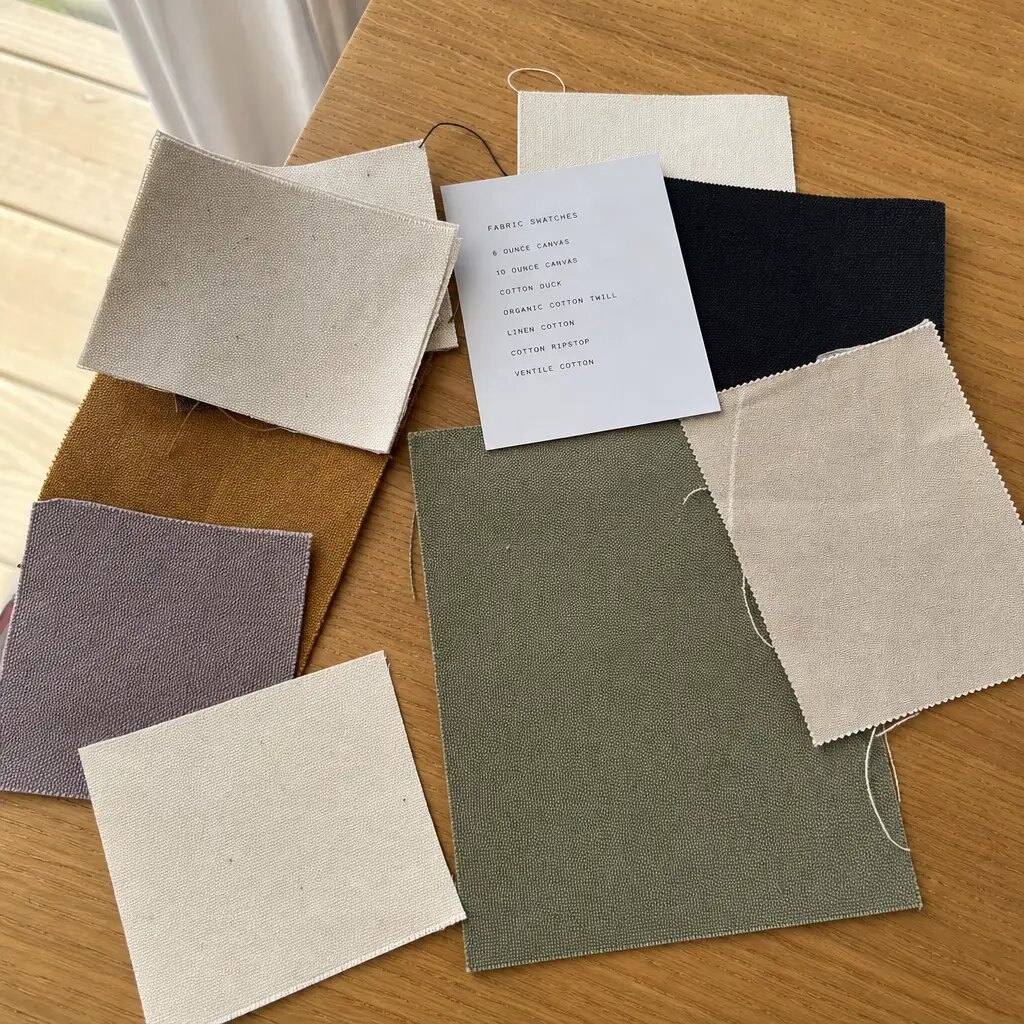
Start With the Hotel Retail Use Case
Wholesale cotton drawstring pouches for hotel retail should not be sourced as generic small bags. A pouch used to hold slippers in a guest room has different cost logic from a pouch sold in a spa boutique with a candle, soap, or jewelry item inside. The first one is a packaging consumable. The second one becomes part of the product value and will be handled by retail staff and guests before purchase.
Before collecting quotes, define whether the pouch must protect, present, organize, or sell the item. That single decision controls GSM, drawcord type, print quality, packing method, and acceptable unit cost. A practical RFQ should describe the item going into the pouch, the selling environment, and the expected handling. This prevents suppliers from quoting a pouch that looks acceptable in a photo but fails once the hotel team packs real products.
- For in-room amenities, prioritize stable sizing, clean sewing, fast replenishment, and economical bulk packing.
- For spa and gift retail, prioritize hand feel, print sharpness, drawcord appearance, and retail-ready packing.
- For souvenir bundles, prioritize fabric consistency across sizes and logo repeatability for future reorders.
- For product protection, provide the actual item dimensions and weight instead of only the target pouch size.
Choose GSM by Function, Not by Habit
Cotton drawstring pouch quotes often look inconsistent because one factory prices 120 GSM fabric and another prices 200 GSM fabric. Both may be described simply as cotton. For hotel buyers, GSM is one of the biggest drivers of cost, feel, opacity, and sewing behavior. A light pouch can be correct when it is an amenity bag, but it can look cheap when placed on a retail shelf next to premium soaps or resort gifts.
A useful range is 120-160 GSM for lightweight amenity pouches and 180-220 GSM for more premium hotel retail packaging. Heavier cotton gives better structure and opacity, but it also increases material cost, carton weight, and sometimes minimum fabric requirements. Natural unbleached cotton usually has small seed specks and shade variation. If the brand expects a clean white luxury look, bleached cotton or dyed cotton may be needed, but those choices change cost, lead time, and shade control.
- 120 GSM: economical for small amenity pouches, soap bags, and one-time guest-use packaging.
- 140-160 GSM: balanced option for boutique hotel giveaways and light retail accessories.
- 180 GSM: stronger hand feel for paid retail items, gift sets, and branded souvenir pouches.
- 200-220 GSM: more premium, but confirm whether the drawstring closes smoothly through thicker fabric channels.
- Natural cotton: accept seed specks in the approval standard or choose bleached fabric if a cleaner appearance is required.
Size the Pouch Around the Product
Many pouch problems start with a finished size copied from a catalog instead of built around the product. A flat cotton pouch loses usable capacity at the side seams, bottom seam, and drawstring channel. If the pouch must close over a bulky candle, mug, robe accessory, or amenity kit, the supplier needs the product dimensions, not only the target width and height.
For flat pouches, the buyer should state finished width by finished height measured after sewing. For boxed-bottom or gusseted pouches, include gusset depth and whether the bottom should stand when filled. If the pouch is for hotel retail display, allow enough height above the product so the drawstring can close neatly without crushing the item or covering the printed logo. A common mistake is placing the logo too high, then losing visibility when the top gathers.
- Send product length, width, height, and weight when the pouch must fit a specific item.
- Leave drawstring channel allowance above the logo and above the product fill line.
- Use boxed bottom construction only when standing volume is needed; it adds sewing labor and measurement points.
- Define whether the pouch should close fully, partially gather, or simply present the item with a visible top opening.
- Approve the size using a filled sample, not only an empty flat pouch.
Print Method and Artwork Control
For most wholesale cotton drawstring pouches, screen print is the most reliable choice for hotel logos, resort names, spa marks, and simple retail graphics. It gives good cost control at normal wholesale quantities and works well on natural cotton if the artwork is not too fine. The limitation is that cotton texture can break very thin lines, small serif text, and pale ink colors.
Heat transfer or digital print may fit small runs or multi-color artwork, but buyers should test hand feel and durability. A thick transfer patch can feel out of place on a natural cotton pouch, especially for spa and eco-positioned hotel retail. The RFQ should include vector artwork, Pantone or brand color reference, print size, print location, and acceptable tolerance. Print approval should be done on the actual production fabric because ink absorption changes between fabric lots.
- Use screen print for one-color or two-color logos on 500 pieces and above when artwork is simple.
- Use transfer only when multi-color artwork or low MOQ makes screen setup inefficient.
- Avoid very thin strokes, tiny reversed text, and large heavy ink blocks on lightweight cotton.
- Set print placement from a fixed edge, such as 70 mm below the top opening or centered on the lower body.
- Request a strike-off if brand color, logo sharpness, or ink coverage is commercially important.
MOQ Logic and Cost Drivers
MOQ is not only a factory rule. It is connected to fabric purchasing, dyeing, cutting efficiency, printing setup, sewing line changeover, and packing labor. A supplier may accept 300 pieces per size, but the unit price may rise sharply if each size uses a different print, different fabric color, or different packing format. Procurement teams get cleaner pricing when they group similar pouches into one production plan.
The strongest RFQ structure is to show total order quantity, quantity by size, fabric color, print design, and packing type in one table. If the hotel group needs three sizes, keep the same fabric and print color where possible. This allows the factory to purchase fabric together, cut more efficiently, and run printing with fewer setups. Low MOQ is useful for pilot retail orders, but it should be compared against all extra charges, not only the pouch unit price.
- Main cost drivers include GSM, fabric color, pouch size, drawcord type, print colors, packing labor, and carton volume.
- Screen setup may be charged once per artwork, but repeat orders should state whether screens or files are retained.
- Custom dyed fabric usually needs higher MOQ and longer lead time than natural cotton or stock colors.
- Mixed-size orders price better when the fabric and print method stay consistent.
- A quote below MOQ should list surcharges clearly so the buyer can judge whether a pilot order is still worthwhile.
Supplier Route and Evidence
For hotel retail programs with repeat orders, a direct factory is often easier to manage because fabric, sewing, print, and sample retention can be controlled at the source. A trading company or sourcing agent can still be useful when the buyer is consolidating many unrelated hotel items, but pouch quality depends on the actual production factory. The buyer should know who controls sampling, who holds the approved sample, and who is responsible if repeat orders shift in fabric or print quality.
Supplier evidence should be practical, not decorative. Instead of relying on general catalog photos, request close-up photos of seams, drawcord channel, print examples on cotton, carton packing, and sample room measurement practice. For repeat programs, ask whether the supplier keeps a sealed approval sample and production record. This matters when a reorder is placed six months later and the hotel retail team expects the same pouch on shelf.
- Useful supplier evidence includes actual cotton pouch samples, production floor photos, print strike-offs, QC forms, and packing photos.
- For direct factory quotes, confirm whether printing is in-house or outsourced because this affects schedule control.
- For trading quotes, confirm whether the same factory will produce sample and bulk order.
- For distributors, request SKU-level carton data so landed cost and warehouse handling can be compared.
- For repeat hotel programs, require retained samples and written specifications, not only email photos.
Sample Approval That Prevents Rework
A cotton pouch sample is not approved only because it looks nice on a desk. It should prove the production specification: fabric GSM, hand feel, color, size, cord movement, seam strength, print quality, and packing method. If the sample is made from substitute fabric or a different cord, it can be useful for layout only, but it should not become the final approval sample.
A good approval flow uses two steps when brand appearance matters: first a print strike-off on actual fabric, then a complete pre-production sample. The complete sample should be measured filled and empty if the pouch must fit a product. Keep one approved sample with the buyer and one sealed sample at the factory. The purchase order should reference this sample so the QC team has a physical standard, not just a PDF.
- Measure finished width, finished height, drawstring channel height, and logo position on the sample.
- Open and close the drawstring several times to detect tight channels, weak stitching, or cord twisting.
- Place the real retail item inside and confirm closure, logo visibility, and shelf presentation.
- Review fabric shade under normal retail lighting, not only under factory fluorescent light.
- Approve packing on a sample basis if folding, barcode labels, hang tags, or retail bands are required.
Packing and Carton Details
Packing is often treated as an afterthought, but it changes cost, labor, carton size, and receiving efficiency. Bulk-packed pouches may be correct for hotel operations that unpack and fill amenities in a back-of-house area. Retail-ready packing is different. It may require individual bags, barcode stickers, folded presentation, paper bands, hang tags, or size assortment by carton.
The RFQ should state inner pack quantity, master carton quantity, carton marks, barcode requirements, and whether the pouch must arrive wrinkle-controlled. Cotton pouches can compress well, but excessive compression may create deep creases that look poor in hotel retail displays. If the buyer wants recyclable or plastic-free packing, this needs to be stated early because paper bands and kraft sleeves require different artwork, sourcing, and packing time.
- Bulk packing reduces unit cost and carton volume for operational use.
- Individual polybags protect from dust and handling but add material and labor cost.
- Paper bands improve retail presentation but require artwork approval and stronger carton moisture control.
- Barcode labels should be tested for scan position before bulk packing starts.
- Carton marks should show SKU, size, color, quantity, gross weight, net weight, and purchase order reference.
Lead Time and Schedule Risk
Lead time for cotton drawstring pouches is more than sewing time. Fabric availability, dyeing, drawcord stock, print screens, strike-off approval, packing material production, and inspection booking all affect the shipment date. For hotel retail buyers, schedule risk is serious when pouches support a resort opening, seasonal spa campaign, or holiday gift set.
The safest schedule separates approval milestones. The factory should not begin bulk cutting until fabric and print are approved. The buyer should not assume the ex-factory date is fixed until artwork, sample approval, packing data, and deposit or payment terms are complete. If the order uses natural cotton with one-color print and standard bulk packing, the path is usually simpler than a custom dyed, multi-size, barcode-packed retail program.
- Fastest path: stock natural cotton, standard cord, one-color screen print, simple bulk packing.
- Higher-risk path: custom dyed fabric, multiple sizes, retail packing, multi-color artwork, and barcode assortment.
- Build time for strike-off approval before the pre-production sample if logo color is important.
- Reserve inspection time before the cargo-ready date, not after cartons are sealed and waiting.
- For launch programs, agree on a latest approval date and state that delays in artwork or packing files shift the ship date.
Quote Data for Landed-Cost Comparison
A low pouch unit price is not always the lowest landed cost. Lightweight fabric may reduce unit price but increase rejection risk if it feels poor for retail. Individual packing may improve shelf handling but increase carton volume and freight. A correct quote comparison includes the pouch, print, setup, sample, packing, testing, inspection, carton volume, and estimated gross weight.
Procurement teams should request quotes in a format that can be compared line by line. The factory should separate fabric specification, construction, print method, packing, MOQ, lead time, and payment terms. If two quotes are still far apart after all details are visible, the difference is usually in GSM, fabric source, print process, labor standard, or packing assumptions. This is where buyers should clarify before negotiating price.
- Compare EXW or FOB price on the same Incoterm, not mixed terms.
- List setup charges separately from unit price so repeat-order cost is clear.
- Request estimated carton dimensions and gross weight for freight comparison.
- Separate retail packing cost from pouch cost if hotel teams may change packing later.
- Record approved GSM, finished size, print size, and packing method in the purchase order.
Specification comparison for buyers
| Spec decision | Recommended option | When it fits | Buyer risk to check |
|---|---|---|---|
| Fabric weight | 120-160 GSM cotton for light amenity and gift pouches; 180-220 GSM for premium retail sets | Use lighter GSM for slippers, soap, room amenities, and lower retail price points; use heavier GSM when the pouch is part of a paid gift set | Do not compare quotes without GSM, weave, and shrinkage tolerance because a 120 GSM pouch and 200 GSM pouch can look similar in photos but cost and feel very different |
| Cotton type | Natural unbleached cotton for eco-positioned hotel retail; bleached or dyed cotton only when brand color requires it | Natural cotton works for spa, resort, boutique hotel, and souvenir programs where a soft off-white fabric is acceptable | Natural cotton has seed specks and shade variation; define acceptable shade range before production instead of rejecting normal cotton character later |
| Drawcord style | Self-fabric cotton tape for a retail feel; round cotton cord for small sizes and lower cost | Flat cotton tape improves perceived value on larger pouches for robe, candle, or gift packaging; round cord runs better on small pouches | Thin cords can twist, fray, or pull out if the channel seam is weak; request cord diameter, end finishing, and pull test standard |
| Print method | Screen print for solid hotel logos and repeat wholesale orders; heat transfer only for small multi-color artwork | Screen print gives better cost control on 500-10,000 pieces with one to three colors and simple logos | Cotton texture can break fine lines; approve print size, ink color, wash/rub resistance, and placement tolerance on the actual fabric |
| Size construction | Flat pouch with boxed bottom only when product thickness requires standing volume | Flat construction suits amenity kits, soaps, jewelry, slippers, and small souvenirs; boxed bottom suits candles, mugs, or retail bundles | A flat width measurement is not the same as usable internal volume; send the actual product or carton dimensions when the pouch must fit a specific item |
| MOQ logic | Group several sizes under one fabric and print color to improve factory efficiency | Best for hotel groups, resort chains, distributors, or retail buyers placing mixed-size pouch orders | Some suppliers quote low MOQ per size but add fabric dye, print setup, or packing surcharges; compare total order value, not only MOQ |
| Packing format | Bulk inner polybag by size for back-of-house use; individual recyclable bag or paper band only for retail shelf display | Bulk packing reduces cost for in-room amenities; individual packing is useful when the pouch is sold as a branded item | Retail packing can add labor, carton volume, barcode control, and inspection time; include packing drawings in the RFQ |
| Supplier route | Direct factory for repeat programs with fixed specs; trading partner only when consolidating many unrelated hotel items | Direct factory is stronger for color control, sample iteration, sewing adjustments, and repeat replenishment | A low trading quote may hide factory changes between orders; require factory sample retention, production photos, and material confirmation |
| Lead time control | Approve fabric, print strike-off, and packing sample before reserving final ship date | Useful when hotel opening dates, seasonal retail launches, or resort events cannot move | Lead time is not only sewing time; fabric booking, drawcord stock, print curing, packing materials, and inspection windows all affect the final ex-factory date |
Buyer checklist before sampling
- Define the pouch use: in-room amenity, paid hotel retail, spa gift set, minibar packaging, laundry accessory, or souvenir bundle.
- List each finished size in width by height, plus gusset or boxed bottom if required, and state whether measurements are flat or usable internal size.
- Specify fabric composition, GSM, color, weave appearance, shrinkage tolerance, and whether natural cotton seed specks are acceptable.
- Attach artwork as vector files and define print method, logo size, print color, placement from top or bottom edge, and tolerance in millimeters.
- Confirm drawcord material, cord width or diameter, channel height, knot or end finish, and whether both sides or one side must pull closed.
- State MOQ by size, total order quantity, acceptable size mix, and whether replenishment orders should match the first production standard.
- Request pre-production sample approval using actual fabric, actual drawcord, actual print, and actual packing method.
- Define QC thresholds for size tolerance, seam strength, print alignment, color variation, stains, loose threads, and cord function.
- Give packing requirements including inner quantity, master carton quantity, carton marks, barcode labels, retail tag, polybag warning, and carton drop condition.
- Separate ex-factory cost, packing cost, sample cost, tooling or screen cost, freight estimate, and any testing or inspection cost in the quote comparison.
Factory quote questions to send
- What cotton GSM, yarn construction, and fabric width are included in this quote, and can you keep the same fabric for repeat orders?
- Is the quoted fabric in stock, greige fabric to be printed, or custom dyed, and what is the fabric booking lead time?
- What finished size tolerance do you apply after sewing and pressing, and how do you measure drawstring pouches during QC?
- Which print method is included, how many colors are priced, and what are the setup charges for screens, films, or digital files?
- Can you produce a print strike-off on the exact production fabric before the full pre-production sample?
- What MOQ applies per size, per color, and per print design, and what surcharge applies below standard MOQ?
- What drawcord material, diameter or tape width, and end finish are included in the quoted price?
- How many pieces are packed per inner bag and master carton, and what are the estimated carton dimensions and gross weight?
- What is the sample lead time, bulk lead time after sample approval, and latest date for artwork or packing data to avoid delay?
- What QC report, production photos, retained sample, and inspection access can you provide before shipment?
Quality-control points to confirm
- Finished width and height should be measured flat after sewing, with a realistic tolerance such as +/-5 mm for small pouches and +/-10 mm for larger retail pouches.
- Drawcord should close smoothly without tearing the channel seam, excessive twisting, or pulling out under a simple hand pull test.
- Print position should remain within the approved tolerance from the center line or edge reference; visible skew is more noticeable on small hotel logos.
- Ink coverage should be even on cotton texture, with no heavy bleeding, pinholes in solid areas beyond the approved strike-off, or tacky uncured ink.
- Seams should have consistent stitch density, secure back-tacking, no open seams, no skipped stitches, and trimmed threads at visible openings.
- Fabric should be free from oil stains, colored yarn contamination, mold smell, severe slubs, and shade panels that differ noticeably within the same carton.
- Retail packing should match approved barcode, label position, folding method, and carton assortment because hotel retail teams often receive by SKU.