Start From the Weekend, Not the Purchase Order
For farmers market vendors, the real deadline is not the date the PO is issued. It is the weekend the pouches must be counted, packed, labeled, and ready for the first customer. When you buy wholesale cotton drawstring pouches for farmers market vendors, the schedule has to cover more than sewing time. You need room for spec lock, sample approval, bulk production, packing, transit, receiving, and any final kit assembly before opening day.
The safest way to plan is backward. Start with the sell date, then set internal cutoffs for artwork approval, sample sign-off, purchase order release, and freight booking. A simple one-color pouch may only need a short sample window and a modest bulk window, but that does not mean the shipment is actually short. Freight and receiving still sit on top of production, and those steps are where many seasonal launches lose their buffer.
Treat every date as a dependency, not a wish. If the pouch must arrive before a market weekend or trade event, that deadline should drive the whole order. A late change that looks harmless on a screen can force new screens, new labels, or a packing reset. Procurement buyers keep the schedule under control by freezing the spec early and leaving time for the things that always take longer than expected.
- Work backward from the day the product must be on display, not the day the order is placed.
- Separate sample approval, production, freight booking, and inbound receiving into distinct milestones.
- Add extra buffer if the pouches must be kitted with other items before launch.
- Ask the supplier for calendar dates in writing, not only a total lead time in days.
- Treat seasonal launches as fixed dates, not flexible targets.
Write a Spec a Factory Can Quote Without Guessing
The fastest quotes come from buyers who describe the end use clearly. A pouch for soap samples is not the same job as a pouch for a retail gift set, seed giveaway, or bundled market pack. If the pouch has to hold a jar, a candle, loose parts, or a set of inserts, that changes the fabric weight, cord strength, and sometimes the way the pouch is packed. A good supplier should not need to guess what the product is supposed to do.
State the contents, not only the size. A 5 x 8 pouch for herbs has different failure risks than a 5 x 8 pouch for something heavy or angular. If the pouch is reusable, say so. If it is only a short-life handout or a secondary wrap inside another package, the factory can often recommend a lighter build and a simpler finish. That can shorten both cost and lead time without compromising the actual use case.
Use the factory's language as much as possible. Ask for finished flat size, seam allowance, usable interior space, and the method used to measure the pouch. That distinction matters. Buyers who rely on a marketing size often approve a sample that looks fine on a table and fails once it is filled, folded, and packed. A tight brief is not overhead. It is the cheapest form of lead-time control.
- State the product the pouch must carry, not only the final dimensions.
- Call out whether the pouch is for retail sale, giveaway use, or a bundled kit.
- Lock any size that must fit an insert, box, shelf tray, or display fixture.
- Say whether the pouch must feel premium, functional, or purely cost-driven.
- Specify whether the finished size is measured flat or after filling.
Choose Fabric Weight and Construction With the Contents in Mind
Fabric weight drives cost, hand feel, visual quality, and sewing speed. For smaller pouches, 120-140 gsm is a light and economical range, but thin cloth can show contents and needs tighter seam control. 150-180 gsm usually gives a better retail balance because the pouch has more body, hangs more cleanly at a market stall, and handles repeated handling better. Once you move into heavier cloth, material cost rises and sewing can slow down because the fabric is stiffer around the cord channel.
Size matters in production too. A 5 x 8 or 6 x 9 pouch is efficient for samples, soap, seeds, and small gift items. Larger sizes, such as 8 x 10 or 10 x 12, use more fabric and may need a wider hem so the drawcord moves smoothly. If the pouch will carry heavier contents or items with edges, ask the factory to state seam allowance, stitch density, and cord strength in the quote. Without those details, comparing suppliers becomes guesswork.
Construction choices should follow the calendar. A standard size, a single-color print, and a simple closure are the safest combination when the ship date is fixed. Two-color artwork, a contrast cord, a sewn brand patch, or a custom fold can all work, but each one adds setup and inspection time. If the launch cannot move, reduce variables before you ask for rush handling.
- Use 120-140 gsm only when the pouch is a secondary wrap or a low-cost giveaway.
- Use 150-180 gsm when the buyer expects repeated reuse and a cleaner retail presentation.
- Avoid changing size, fabric weight, and print method in the same order if the launch date is fixed.
- If the pouch will carry heavier items, ask for seam allowance and cord strength in the RFQ.
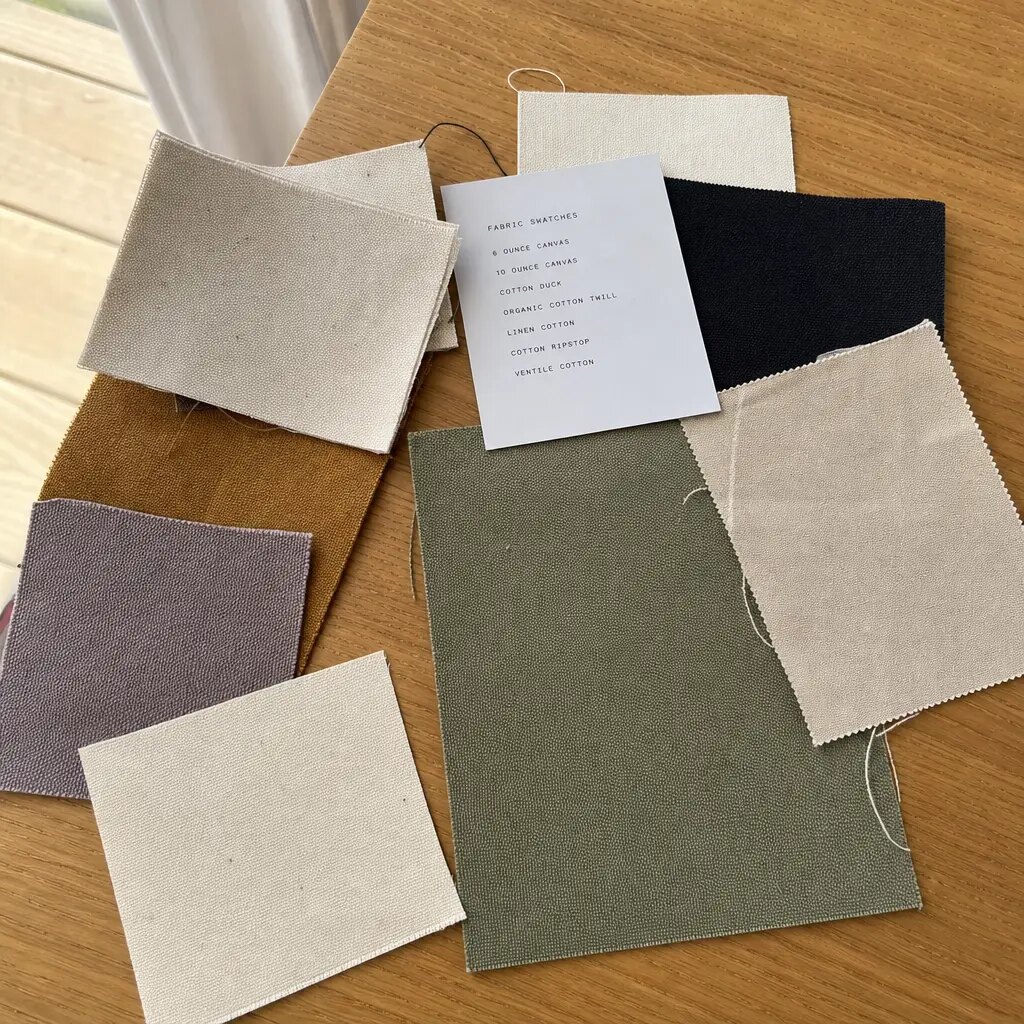
- Request a physical fabric swatch or sample pouch before approving bulk.
Match Branding Method to Risk and Timing
Print choice is one of the biggest hidden lead-time decisions. Single-color screen print is usually the lowest-risk custom option on cotton because the setup is straightforward and the result is easy to inspect. It works well for simple logos, short brand names, and large flat graphics. If the artwork is more complex, the supplier may suggest another method, but the buyer should confirm how that method performs on the actual cotton weight, not just in a digital proof.
For procurement, the question is not only whether the art looks right. It is whether the decoration can be produced, cured, inspected, and packed without threatening the ship date. A woven label or sew-on patch can look clean and last well, but it adds a sewing step and another approval point. Fine lines, small text, or halftones can be difficult on textured cotton, especially if the weave is open. A simple centered print on one side is easier to approve and easier to inspect at receiving.
If the schedule is tight, do not add embellishment unless the branding value justifies the risk. Ask for a strike-off or print sample on the actual fabric weight, then check placement, color density, and cure by hand. Rub the print after it dries. Fold the pouch. Pull the cord. If the logo cracks, smears, or shifts outside the placement window, fix that before bulk production starts.
- Use single-color screen print when the schedule is tight and the logo is simple.
- Treat woven labels and sewn patches as extra sewing and extra approval steps.
- Ask for a strike-off on the actual fabric weight, not just a digital proof.
- Keep print placement centered and large enough to inspect quickly at receiving.
- If you need fine detail, ask the supplier to confirm the minimum line weight it can hold cleanly.
Compare Suppliers on Production Path, Not Price Alone
The lowest unit price is not always the safest lead time. A direct factory is strongest when you want one owner for cutting, sewing, printing, and packing. That matters when your delivery window is fixed and the order has to stay on one production calendar. A trading company or sourcing agent can be helpful when you are buying multiple components or multiple SKUs, but it adds another layer between the buyer and the actual production line.
Stock blank pouches with local branding can work for fast launches or market tests, but only if the blank already matches your required size, color tone, and hand feel. If the blank is close but not right, you are not buying time. You are buying a visible spec compromise. That may be acceptable for a pilot run, but it is a poor fit for a launch where repeatability matters and the product has to look the same from one reorder to the next.
When you compare suppliers, ask for evidence rather than assurances. A serious factory can explain where the cotton comes from, what sewing line handles the pouch, how the print is applied, and how the sample moves through approval. A reseller may quote the finish line without showing the production path. For wholesale cotton drawstring pouches for farmers market vendors, the best supplier is the one that can show a controlled path from sample to carton, not the one with the most optimistic promise.
- Prefer one accountable owner for cutting, sewing, printing, and carton packing.
- If printing is outsourced, lock the print calendar in writing.
- Use stock blanks only if the blank size, fabric tone, and cord style are already acceptable.
- Ask each supplier to explain the production path step by step.
- Request photos of the actual production area if the order is time-sensitive.
Read the Quote for Assumptions and Hidden Costs
A usable quote should read like a production brief. It needs the finished size, fabric GSM, cotton color, cord type, print method, print size, number of colors, label type, stitch details, pack method, carton count, carton dimensions, origin, and the lead-time assumption behind the quote. If one supplier includes polybags, barcode stickers, and export cartons while another does not, the lower price is not the real comparison. You need like-for-like commercial terms before the numbers mean anything.
The hidden line items are usually the expensive ones. Screens, plates, sample fees, color matching, carton marks, special folds, and extra packing labor can all add cost or time. Ask the supplier to separate one-time setup from recurring unit cost. That gives you the right number to compare reorders, not just the first shipment. It also shows whether the factory is giving you a real production quote or a low entry price that depends on later add-ons.
You should also ask how the timing starts. Some suppliers count lead time from deposit received. Others count from artwork approval or preproduction sample sign-off. Those are not the same thing. If your internal process takes five days and the factory counts from payment, the schedule may look shorter on paper than it really is. Clear commercial timing avoids false confidence, and false confidence is how seasonal shipments miss their window.
- Separate one-time tooling or screen setup from piece price.
- List the assumed packing count per inner bag and master carton.
- State whether overrun and underrun are allowed.
- Ask if the quoted lead time starts after sample approval or after deposit.
- Request the quote in the same trade term across all bidders.
- Confirm whether the price includes labels, cartons, and basic packing labor.
Set MOQ and Reorder Logic Before You Ask for a Discount
MOQ is mostly a question of setup efficiency. Cotton fabric is bought in rolls, screens or print files need preparation, and sewing lines want repeatable operations. That is why a short custom order often costs more per piece than a larger run even when the pouch looks simple. The factory is pricing fabric loss at the edges, the time to thread and reset machines, and the risk that a short run leaves unusable leftovers.
For planning, ask the supplier for price breaks at several volumes instead of a single headline MOQ. You usually learn more from the step between 500 and 1,000 pieces than from the final unit price. If the factory can mix sizes or print colors under one fabric lot, that can reduce waste. If it cannot, mixed variants may quietly double setup time. A mixed order is not automatically a problem, but the buyer should know whether each variation creates its own queue.
For market-facing programs, the right order size often depends on how fast the pouch will turn. If the pouch is a seasonal pack-in or a limited vendor giveaway, a smaller first run with a planned reorder can be smarter than locking too much inventory into one launch. If the pouch is a standard retail SKU, the first order should be big enough to spread setup costs without crossing the point where storage, cash flow, or style changes become a burden.
- Ask for MOQ by size, print color, and label type.
- Request the overrun tolerance in writing.
- If you are testing a market, consider a smaller first run with a second reorder planned from the same spec.
- Watch for hidden MOQ on woven labels, hangtags, or special cartons.
- Ask whether mixed sizes can share one fabric lot and one sewing setup.
Approve Samples in the Order the Factory Builds Them
Treat samples as production gates, not a formality. A blank sample confirms size, fabric hand, seam appearance, and cord movement. A printed sample or strike-off confirms ink coverage, logo placement, and dry feel after curing. A preproduction sample is the one that matters most because it uses the final material, final print method, and final packing path. Approve that sample only after measuring it against the spec sheet, not just looking at it on a screen.
Several delays are avoidable. The most common are approving a photo instead of the physical sample, changing the logo after screen making, and forgetting that natural cotton can vary slightly between rolls. Give the factory one clear approval path: dimensions, stitch line, logo position, cord length, carton mark, and pack count. If any of those change after approval, reset the schedule instead of pretending it is a minor tweak. The short-term convenience of a late change is usually lost in production delay.
The sample should be tested like a real product. Pull the cord through several cycles. Rub the print by hand after it is cured. Check the opening width and the seam symmetry. Compare the sample to the approved artwork file and keep that file version locked. If the pouch will be used in a kit, place the actual insert inside the sample so you can see whether the fit is still correct once the material is sewn and packed.
- Measure opening width, body height, and cord exit position on the physical sample.
- Rub test the print after curing.
- Pull the cord several times to confirm smooth movement and stop position.
- Compare the sample to the locked artwork file version.
- Sign off the carton mark and barcode format before bulk packing starts.
- Place the real intended contents into the sample if the fit matters.
Define QC, Packing, and Receiving Rules Up Front
Quality control is easier when the buyer decides what good looks like before the first carton is packed. The purchase order should define size tolerance, print tolerance, stitch expectations, fabric shade range, and pack count. If you plan to use AQL, write the level into the contract so the factory and buyer are using the same inspection threshold. This avoids the common dispute where the goods are technically produced, but not to the standard the buyer assumed.
For cotton pouches, the most visible defects are usually simple: off-center print, skewed seams, loose threads, inconsistent cord length, weak closure action, or carton shortages. The best QC checks are practical. Measure the pouch. Check the opening. Pull the cord. Inspect the print under daylight. Compare several pieces from different cartons to the approved sample. A buyer who defines these checks in advance is much more likely to receive usable inventory on time.
Acceptance rules should also say what happens when the supplier misses spec. If the print position is off by more than the allowed range, is the lot reworked, discounted, or rejected? If there is a small carton shortage, who reconciles it and how? These are procurement questions, not just factory questions. Clear acceptance rules keep small defects from becoming schedule problems at receiving.
- Write size, print, and stitch tolerances into the PO.
- Define the acceptable fabric shade range against the approved sample.
- Use daylight for final sample comparison, not only warehouse lighting.
- State how short counts, misprints, or carton damage will be handled.
- Include the AQL level or inspection standard in the order if you use one.
- Require carton labels and packing lists to match the SKU structure used by your receiving team.
Protect the Calendar With Freight and Reorder Discipline
Packing affects how fast the receiving team can move product from carton to shelf or market kit. Bulk-packed pouches are cheapest and fastest to make, but they are not always best for distributors who need easy counts or for teams kitting vendor packs. Inner bundles with a fixed count can reduce rework at inbound, while individual polybags add protection but also add labor, plastic, and carton volume. The right format depends on how the buyer will actually handle the product after it arrives.
For farmers market programs, the pack format should fit the downstream process. If the pouch is part of a gift set, ask for a retail-ready fold, band, or labeled bundle. If it is a replacement item or backstock product, a simple carton pack may be enough. State units per inner pack, master carton count, carton weight limit, and any moisture barrier before production starts. Changing those details after sewing is one of the easiest ways to lose time and add avoidable handling cost.
Freight and receiving deserve the same discipline as production. If the order must arrive before a market season, leave room for booking, customs clearance if applicable, and one final inbound count. Compare landed cost, not just unit price. A slightly higher factory price can still be cheaper if it arrives with cleaner cartons, fewer rejects, and less repacking. The real metric is cost per sellable pouch at the point you hand it to the market team or place it on the shelf.
- State units per inner pack and per master carton.
- Set a maximum carton weight that your warehouse can lift safely.
- Specify whether cartons need lot codes, SKU labels, or barcode stickers.
- If the route is humid, consider a simple moisture barrier or desiccant.
- Compare cost per sellable pouch, not only ex-works price.
- Book freight with enough margin to handle customs, port, or handoff delays.
Specification comparison for buyers
| Spec decision | Recommended option | When it fits | Buyer risk to check |
|---|---|---|---|
| Direct factory with sewing and print in one site | Best when artwork is final and you want one owner for cutting, sewing, print, and packing | Use for repeat orders, fixed dates, and buyers who need one production calendar | Confirm that print is truly in-house and not moved to a subcontractor after the quote |
| Trading company or sourcing agent | Best when you need one contact across multiple SKUs or packaging components | Useful for broader programs with cartons, labels, and mixed product lines | Ask where each step happens and whether the lead time includes third-party queues |
| Stock blank pouch plus local branding | Best for pilot runs, event testing, or a short seasonal launch | Works only if the blank size, fabric tone, and hand feel already meet spec | Check whether the blank dimensions, shrinkage, and shade match the approved sample |
| 120-140 gsm cotton | Best for light giveaway packs and lower-cost secondary packaging | Fits seeds, samples, soap bars, and low-weight retail inserts | Thin fabric can show contents and needs tighter seam control |
| 150-180 gsm cotton | Best for retail-facing pouches with better drape and repeat-use durability | Good balance for farmers market bundles, gift sets, and branded retail bags | Heavier fabric raises material cost and can slow cutting and sewing |
| Single-color screen print | Best for simple logos and low-risk schedules | Use when the artwork is clean, flat, and easy to inspect at receiving | Check ink cure, print coverage on cotton weave, and placement tolerance |
| Woven label or sew-on patch | Best for minimalist branding or premium presentation | Useful when you want branding without a large printed panel | Adds a sewing step and a second approval point before bulk production |
| Bulk carton pack with lot code and barcode | Best for distributors and warehouse receiving teams | Use when the buyer needs fast count-in and clear SKU mapping | Carton marks, pack count, and lot codes must match the PO exactly |
| Air freight for a hard launch date | Best when missing the market weekend costs more than the freight premium | Use for urgent replenishment, sample catch-up, or a small seasonal run | Ask whether the factory can finish early enough to make the booking window |
Buyer checklist before sampling
- Finished size in centimeters or inches, and whether the spec is the finished flat size or includes seam allowance.
- Fabric weight in GSM, cotton color, and whether the cloth is natural, bleached, dyed, or washed for a softer hand feel.
- Cord type, cord diameter, cord length, and whether the pouch uses one drawcord, double drawcord, a knot finish, or a stopper.
- Print method, number of colors, print area, and whether the artwork is single-sided or double-sided.
- Label requirement, label material, label size, and exact label position on the pouch or side seam.
- Packing format, units per inner bag, master carton count, carton dimensions, and carton weight limit.
- Target ship date, destination term, and whether the goods must arrive before a market weekend, trade event, or retail launch.
- Sample approval owner, approval deadline, and the exact artwork file version that becomes production locked.
- Backup option for fabric tone, print color, or packaging if the first choice threatens the schedule.
- Required documents for receiving, including carton labels, packing list format, SKU mapping, and barcode rules.
Factory quote questions to send
- What is the lead time from approved sample to ex-factory shipment, and what assumptions are included in that timing?
- Does the lead time start from deposit, artwork approval, or preproduction sample sign-off?
- Are cutting, sewing, printing, and packing done in one facility, or does any step move to a subcontractor?
- What is the MOQ by size, fabric color, print color, and label type?
- Which sample stages do you provide, and how long does each stage usually take?
- What one-time setup charges are included, and which charges repeat on reorders?
- What packing method is included in the quote, including inner pack count, master carton count, and carton dimensions?
- What overrun or underrun tolerance do you use, and how should we handle short counts?
- If artwork, label format, or fabric tone changes after approval, what happens to schedule and cost?
- Can you confirm the fabric mill, print method, and whether the cotton lot is reserved before production begins?
Quality-control points to confirm
- Finished size should stay within plus or minus 0.5 cm on small pouches and plus or minus 1.0 cm on larger pouches unless the buyer specifies a tighter tolerance.
- Fabric weight should stay within about plus or minus 5 percent of the agreed GSM.
- Ask the factory to define seam allowance and keep it consistent enough that the opening stays square and the hem does not twist.
- Stitching should be even, with no skipped stitches, broken thread, or loose thread longer than 5 mm on visible faces.
- Print position should stay within the agreed placement window, typically plus or minus 3 to 5 mm for simple logos.
- Print should cure cleanly, with no tackiness, flaking, or obvious smudging after handling.
- Ink coverage should be dense enough that the logo does not break apart on the cotton weave unless a distressed look is approved.
- Cord should slide smoothly, and knots or stoppers should not slip under normal hand pull.
- Cord length should be consistent across the batch so both sides close evenly.
- Shade variation between fabric rolls should be acceptable against the approved sample under daylight, not just under warehouse lighting.