Start With the Bakery Packaging Job
A useful wholesale cotton drawstring pouches for artisan bakeries quality inspection checklist does not start with a catalog size. It starts with the job the pouch must do. One bakery may need a simple outer bag for wrapped sourdough. Another may need a neat fabric sleeve for boxed cookies, a reusable pouch for granola, or a holiday bag for a hamper containing jars, tins, coffee, and biscuits. Those products may all be called bakery pouches, yet the buying risks are different. Bread needs usable height and a clean closure. Rigid cookie boxes need corner clearance. Gift sets need stronger seams, better opacity, controlled wrinkles, and more careful carton packing.
For procurement teams, the first decision is whether the pouch is mainly functional packaging, brand presentation, or part of the product value. If it only carries a wrapped item from counter to customer, the buyer may prioritize cost, fast replenishment, and a tidy one-color print. If it sits in a retail display or seasonal gift program, small issues become more visible: shade variation, logo skew, odor, loose threads, and compression marks. If customers are expected to reuse it, drawcord feel, seam strength, and care instructions matter more.
Avoid treating GSM as a shortcut for quality. GSM affects opacity, hand feel, carton weight, and print coverage, but it does not tell the full story. A tight 150 GSM plain-weave cotton can look cleaner than a loose 180 GSM fabric. A heavy pouch can still disappoint if it will not cinch properly around a box. Before requesting prices, document the product dimensions, filled weight, display method, shipment route, intended reuse, and the level of finish expected at retail.
- Use 100-120 GSM only for lightweight sample pouches, small promotional packs, or low-load giveaways.
- Use 140-160 GSM for many wrapped bread, boxed cookie, pastry kit, granola, tea, and everyday bakery retail programs.
- Use 180-220 GSM when the pouch is part of a premium reusable gift pack or must hide inner carton graphics.
- Record filled weight, largest product dimensions, customer handling, display position, and shipping route before approving fabric.
- Judge GSM together with weave tightness, shrinkage, opacity, softness, and drawstring closure behavior.
Specify Finished Size and Usable Space
Many pouch problems trace back to one quiet assumption: the buyer sees the size on the quote and believes that is the space available inside the bag. It is not. Finished size means the pouch after sewing. Usable internal space is smaller again because the side seams, bottom seam, drawcord channel, fabric thickness, and folded corners all take up room. A pouch listed as 250 mm wide may not comfortably accept a 245 mm rigid cookie box once seam allowance and box corners are considered.
Send the supplier the product dimensions and the loading orientation with the RFQ. For bread, say whether the loaf is already in a paper sleeve, film bag, or food-safe liner. For boxed pastries, include length, width, height, and the corner profile of the carton. For gift sets, share the heaviest and least tidy arrangement, not just the styled photo from marketing. Handmade bakery items vary, so test against the largest routine wrapped product rather than the average piece.
Tolerance should be written by size and use. Small cookie, favor, or sample pouches may need ±3-5 mm if the fit is tight. Larger bread bags and hamper pouches often need a more realistic ±5-8 mm, depending on fabric and sewing method. If the product has only a few millimeters of clearance, the safer choice is to enlarge the pouch or pay for tighter cutting, sewing, and inspection control. Hoping bulk production lands perfectly is not a sourcing plan.
- Quote finished width and finished height after sewing, not only fabric cut size.
- List channel height, cord opening, bottom seam type, and usable internal height below the drawstring.
- Test the pouch with the largest normal wrapped loaf, box, jar set, or hamper arrangement.
- Allow extra height above rigid boxes so the cord can close without crushing the product.
- Photograph sample fit from front, side, bottom, and top closure before approving bulk production.
Choose Cotton Construction With Clear Limits
Natural cotton is popular for artisan bakery packaging because it feels warm, simple, and less industrial than coated packaging. Still, natural cotton is not one fixed material. Buyers should define the weave, target GSM, color, acceptable shade range, shrinkage expectation, slub or fleck level, and whether the fabric is stock natural, bleached, custom dyed, organic, or a recycled blend. Without a physical swatch, the phrase natural cotton can lead to very different shades and textures from different suppliers.
The approved swatch should make acceptance limits visible. Seed flecks and small slubs may support an artisan look. Oil marks, watermarks, mildew, dark dirt spots, insect marks, and foreign fibers should not be accepted as natural character. For bleached or dyed cotton, shade control deserves more attention. If repeat orders must sit together on shelves across several bakery locations, request a shade band or top-middle-bottom reference instead of relying on a single photo.
Shrinkage also needs a precise discussion. If the pouch is sold as reusable but not promoted as washable, do not imply wash performance that has not been tested. If the buyer wants a washable claim, define the wash temperature, drying method, number of cycles, and acceptable post-wash size change before quotation. Cotton can shrink, twist, and wrinkle after laundering depending on fabric and finishing. A normal final inspection cannot guarantee an undefined consumer wash claim.
- Approve a physical swatch for shade, weave texture, opacity, softness, fleck level, and odor.
- State whether stock natural, bleached, custom dyed, organic, or recycled-blend cotton is required.
- Use a written GSM tolerance, commonly ±5 percent unless a different range is agreed.
- Reject mildew, watermarks, oil stains, dirt, insect evidence, and strong odor regardless of natural flecks.
- Define shrinkage testing only if the pouch will carry a washable or reusable claim.
Clarify Food-Contact Position Before Quoting
Bakery pouches are often food-adjacent, but that does not automatically make them direct food-contact packaging. A cotton pouch around wrapped bread, boxed cookies, sealed granola, bottled syrup, tea, coffee, or retail merchandise is usually outer or indirect packaging. A pouch touching unwrapped bread, powdered sugar, greasy pastry, or moist products is a different project. It should be specified that way before material purchase, printing, or sewing begins.
The distinction matters because fabric, dyes, inks, sewing thread, labels, and finishing can all affect compliance. If direct contact is required, the buyer should state the applicable market rules, restricted substances, and testing expectations in the RFQ. Do not wait until the production lot is complete and then ask the supplier to prove requirements that were never quoted. For many bakeries, the practical route is to use the cotton pouch as the reusable outer presentation layer and keep the food protected by an approved inner wrap, liner, or box.
Odor deserves its own check. Cotton can absorb smells from dyeing, printing, carton board, warehouse storage, moisture, smoke, or transport. Even when the pouch never touches food, a musty or chemical odor can make the packaging feel unsuitable for bakery retail. Inspectors should open inner packs and check the pouch itself, not only smell the outside of the export carton.
- Classify the pouch as direct food-contact, indirect food-contact, or outer retail packaging.
- If direct contact is required, define restricted dyes, inks, finishes, and required testing before quote approval.
- Use inner wraps, boxes, or liners for greasy, moist, powdered, or high-fat bakery products unless direct-contact materials are approved.
- Check odor from fabric, ink, cord, label, polybag, paper band, and carton materials.
- Keep finished pouches away from strong-smelling goods during storage and shipment.
Control Print Method, Artwork, and Placement
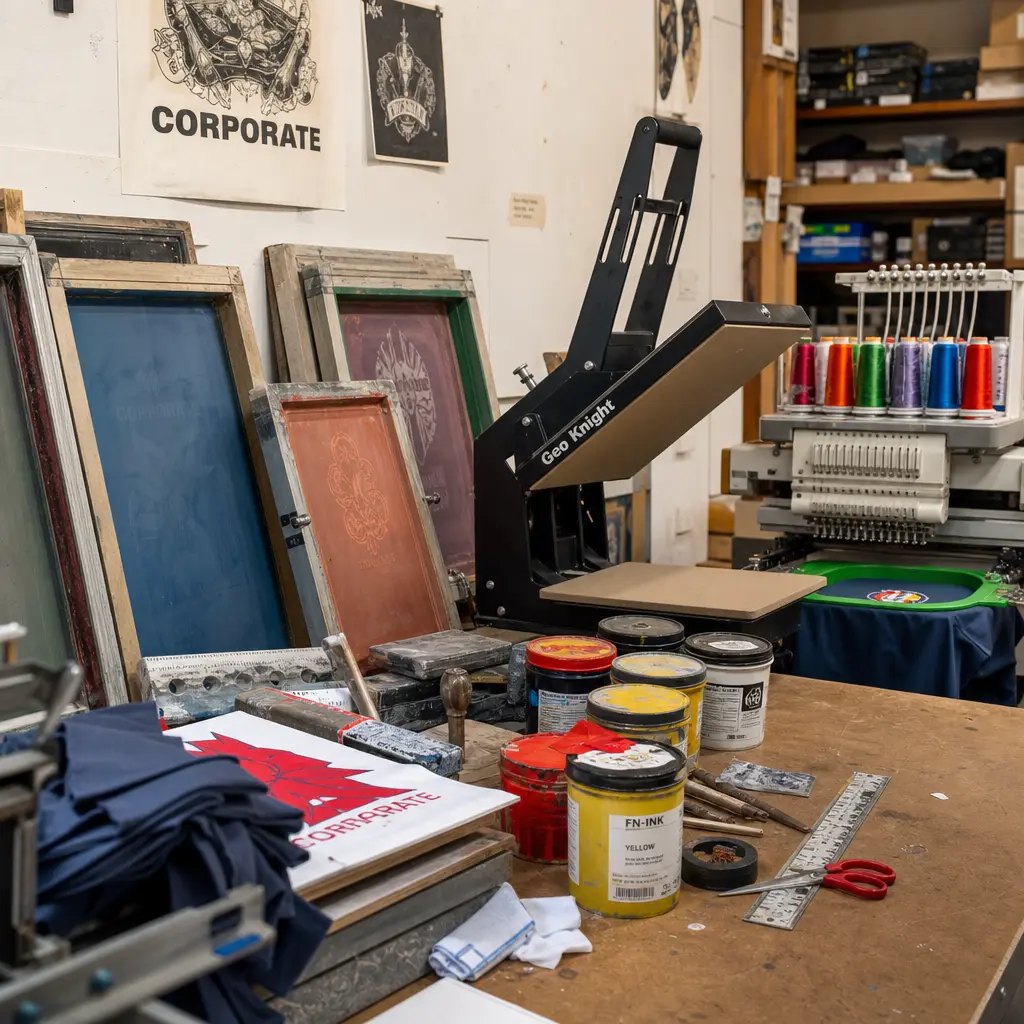
For simple bakery branding on cotton, water-based screen printing is often the most practical option. It suits bold one- to three-color logos, seasonal marks, simple icons, and short slogans. The RFQ should include artwork files, print size, color target, number of colors, placement dimensions, and minimum line thickness. If those details are missing, suppliers may quote different assumptions: smaller print area, easier registration, looser placement, or a different ink system.
Heat transfer can help when artwork includes fine detail, gradients, small multi-color elements, or graphics that cannot hold cleanly in screen print on cotton texture. It also brings trade-offs. Transfers may feel less textile-like, create a film surface, or affect folding if the printed panel becomes stiff. Embroidery can look premium but adds thread density, backing, and cost, so it should be sampled on the actual pouch construction. A woven side label is often a cleaner way to add textile branding without covering a large cotton panel with ink.
Print QC should say more than acceptable appearance. Set placement tolerances in millimeters from a clear reference point: bottom seam, side seam, center line, or channel edge. Check skew, color, edge sharpness, coverage, pinholes, bleeding, dry rub transfer, cracking over folds, and panel stiffness. Bakery staff may handle pouches with flour, moisture, or repeated opening and closing, so test the approved sample by filling it, closing it, and rubbing the print lightly with a dry white cloth under consistent lighting.
- Use screen print for bold logos, simple graphics, repeat seasonal programs, and standard bakery branding.
- Use heat transfer only when fine detail or multi-color artwork cannot be held by screen print.
- Define placement in millimeters instead of vague terms such as centered high or logo near bottom.
- Set tolerances for print skew, color variation, ink bleeding, coverage gaps, dry rub transfer, and stiffness.
- Approve print on the same or bulk-equivalent cotton, not on a smoother substitute fabric.
Break Down MOQ and Quote Drivers
MOQ for cotton drawstring pouches is rarely driven by sewing alone. Fabric purchase, dye batch, cutting efficiency, print setup, cord color, woven label MOQ, paper bands, individual packing, carton printing, and inspection handling can each set a minimum. A low-MOQ quote may rely on stock natural cotton and standard cord. A higher MOQ quote may include custom dyeing, private label details, or dedicated packing materials. Both can be reasonable, but they are not the same offer.
A stronger RFQ asks for the base price and option adders separately. The base might be natural 150 GSM cotton, one-color water-based screen print, standard cotton cord, flat bulk packing, and export carton. Options can then be priced line by line: 180 GSM fabric, organic cotton, custom-dyed fabric, custom cord, woven side label, individual paper band, barcode label, stronger carton, or extra print color. This makes trade-offs clear and prevents the buyer from selecting a low unit price that quietly excludes important requirements.
Compare landed usable cost, not only the pouch price. Carton dimensions, pieces per carton, gross weight, CBM, inspection support, payment terms, replacement policy, production variance, and incoterm all affect the final cost. For distributors and multi-location bakeries, SKU separation can matter as much as cents per piece. Mis-sorted seasonal artwork or store-specific designs can create receiving labor, relabeling work, and launch delays.
- Ask for MOQ by size, fabric color, GSM, drawcord, print design, woven label, and packing method.
- Separate stock-fabric pricing from custom-dyed or special-material pricing.
- Request option lines for fabric upgrades, extra print colors, labels, paper bands, barcode labels, and stronger cartons.
- Confirm whether overproduction or underproduction tolerance applies for custom materials.
- Compare quotes only after GSM, finished size, print area, cord, packing, inspection, and incoterm match.
Approve Samples as Production Evidence
A bakery pouch sample should prove production behavior, not just look attractive in a photo. The pre-production sample should use bulk-equivalent fabric, the same GSM, the same cord diameter or tape width, the same ink or decoration method, the same sewing thread, the same label if applicable, and the proposed packing method. A showroom pouch may help with direction, but it should not become final approval if the bulk materials will differ.
Test the sample as the bakery will use it. Insert the wrapped loaf, cookie box, cake carton, jar set, or a weighted dummy product. Open and close the pouch several times. Watch the channel: does it pucker, jam, or pull unevenly? Check whether the print creases across the logo, whether box corners strain the seams, and whether the bottom supports the filled weight. If the pouches will ship through e-commerce or a distributor warehouse, pack a sample as proposed and review wrinkles after compression.
Good approval records reduce disputes. Keep one signed retained sample with the buyer and one with the supplier. Photograph the sample with a ruler, including seams, channel, cord ends, print placement, fabric texture, label, and packing. Record the artwork file name, spec sheet version, color target, approved tolerances, sample date, and any approved concessions. Repeat orders should be matched to the retained sample and written spec, not to an old email description.
- Measure finished width, height, channel height, cord length, and usable internal height on the approved sample.
- Test filled fit, closure, drawcord pull, corner stress, and bottom support with the real product or a weighted dummy.
- Check print under consistent lighting against the approved color target or physical print sample.
- Approve inner packing and carton packing if appearance after transit matters.
- Retain signed buyer and supplier samples for bulk inspection and repeat-order matching.
Set Bakery-Specific Defect Classifications
General textile bag inspection can miss bakery-specific risk. A small stain on a tote-style accessory may be cosmetic. The same stain on packaging handled near bread or pastries can feel unacceptable. Musty odor, dirty cotton patches, foreign fibers, and loose threads carry more weight when the pouch is part of a food-adjacent presentation. Print skew is also more visible on small pouches because the logo sits close to the seams and drawcord channel.
Classify defects before production. Critical defects should include mold, strong odor, contamination, foreign material, insect evidence, sharp objects, or any issue that makes the pouch unsafe or clearly unsuitable for food-adjacent packaging. Major defects should include wrong fabric, wrong size outside tolerance, wrong artwork, severe shade mismatch, broken seam, open channel, nonfunctional drawcord, visible stain, severe print misplacement, or mixed SKU carton. Minor defects may include small thread tails within the agreed limit, slight shade variation inside the approved range, or natural flecks consistent with the sample.
Many buyers use general inspection levels and AQL limits such as Critical 0, Major 2.5, and Minor 4.0 as a starting point for consumer textile accessories, but the exact plan should be agreed with the supplier and inspection provider. Bakery packaging may need stricter treatment for odor, contamination, visible stains, and SKU mixing. The final report should include measurement data, defect photos, carton count, carton marks, packing condition, and a clear pass, fail, or conditional-release decision.
- Define critical defects as contamination, mold, strong odor, sharp objects, insect evidence, or unsafe conditions.
- Define major defects as wrong size, wrong artwork, broken seams, nonfunctional cord, severe stains, or mixed SKUs.
- Define minor defects as small cosmetic issues that do not affect saleability and remain within the approved sample standard.
- Use written AQL levels and sample size rules instead of informal carton checks.
- Require defect photos and measurement records for any failed or conditionally accepted inspection.
Inspect Process Stages, Not Only Final Cartons
Final inspection matters, but it should not be the first time anyone checks the lot. In-line checks during cutting can catch size drift before all panels are sewn. Print checks can catch placement movement, wrong screens, ink bleeding, or color mismatch before the full lot is decorated. Sewing checks can catch channel width problems, skipped stitches, cord length variation, and poor thread trimming before pouches disappear into cartons.
Stage control is especially important for seasonal bakery programs because launch dates do not move easily. If a holiday pouch fails at final inspection, there may not be enough time to recut, reprint, sew, inspect, and ship. A practical control plan can include first-piece approval for cutting, first-piece approval for print, a sewing pilot review, a packed-carton review, and final inspection. Each checkpoint should reference the same approved sample and spec sheet.
Measurement should be structured, not casual. Inspect pieces across different cartons and production times, rather than only the top pieces from the first carton. Record width, height, channel height, cord length, print placement, and any functional failures. If size starts drifting, the factory should correct cutting or seam allowance immediately. If print placement shifts, production should pause until jigs, guides, or operator setup are corrected.
- Check cut panels against allowance before sewing begins.
- Approve first printed pieces before bulk printing continues.
- Review sewing pilot pieces for seam strength, channel height, stitch consistency, and cord function.
- Inspect packed cartons for wrinkle level, odor, SKU separation, and carton marks before full packing is complete.
- Use measurement tables rather than pass-fail comments only.
Control Packing, Cartons, and SKU Separation
Good pouches can arrive in poor condition if packing is treated as an afterthought. Cotton absorbs moisture and odor. Natural fabric shows dirt. Printed panels can crease when compressed. Drawcords can leave pressure marks across the logo if the fold direction changes or cartons are overfilled. For seasonal designs and store-specific artwork, mixed cartons can create expensive receiving and sorting work.
Flat packing is usually efficient for cotton drawstring pouches when the fold direction protects the logo and the pack count is controlled. Inner polybags help protect against moisture in humid routes or long ocean transit. Paper bands or paper inner packs may fit a plastic-reduction policy when the transport route and warehouse conditions are controlled. The buyer should choose the packing method rather than leaving it to the supplier's default.
Carton specifications belong on the purchase order. Define pieces per inner pack, pieces per carton, maximum carton gross weight, carton dimensions, carton marks, SKU separation, and packing list format. Carton marks should include item code, size, color, print version, quantity, gross weight, net weight, carton number, and destination if needed. Before final release, request photos of packed pouches, inner packs, carton marks, and pallet or carton condition when applicable.
- Set pieces per inner pack and pieces per carton before production starts.
- Define maximum carton gross weight so cartons can be handled without crushing or repacking.
- Use moisture protection for humid routes, long storage, or ocean freight.
- Keep sizes, print versions, seasonal designs, and store programs separated by carton and packing list.
- Inspect carton odor, cleanliness, compression, logo creasing, drawcord marks, and label accuracy.
Specification comparison for buyers
| Spec decision | Recommended option | When it fits | Buyer risk to check |
|---|---|---|---|
| Packaging role | Define whether the pouch is outer packaging, gift presentation, retail merchandise, or reusable customer packaging | Use this before choosing GSM, size, print, or packing because each role changes the acceptable defect level | A pouch that is good enough for a wrapped counter item may look too light, wrinkled, or transparent for a premium seasonal gift set |
| Fabric weight | 120-160 GSM cotton for most wrapped bread, boxed pastry, cookie kits, and everyday bakery retail packaging; 180-220 GSM for premium reusable gift packs | Use lighter cotton when the pouch is secondary packaging; use heavier cotton when the pouch is part of the perceived gift value | Too-light fabric can show product graphics or look transparent after printing; too-heavy fabric may resist cinching unless channel height and cord diameter are adjusted |
| Cotton construction | Plain-weave natural cotton or bleached cotton with approved shade, weave density, shrinkage expectation, and fleck limit | Best for artisan bakery positioning where buyers want an uncoated textile feel and repeatable presentation | Loose weave can distort print edges, leak fine crumbs from secondary packs, snag on box corners, or vary in shade between fabric lots |
| Finished pouch size | Quote and inspect finished size after sewing; typical tolerance ±5 mm for small pouches and ±8 mm for large bread or hamper bags unless tighter fit is required | Useful when pouches must fit baguettes, cookie boxes, panettone cartons, jars, tins, or mixed gift bundles | Flat size is not usable internal space; seams, channel height, folded corners, and fabric thickness reduce the space available for product fit |
| Drawcord material | Cotton round cord or flat cotton tape matched to GSM, filled weight, channel width, and brand feel | Cotton cord suits natural bakery branding; flat tape works well for larger bread bags or heavier boxed gift sets | Cord that is too thin can cut into the channel; cord that is too thick can jam, create pressure marks, or prevent even closure |
| Print method | Water-based screen print for simple one- to three-color logos; heat transfer only for fine detail, gradients, or small multi-color graphics that cannot hold in screen print | Screen print is practical for repeat bakery logos, seasonal designs, and distributor programs with stable artwork | Heavy ink coverage can stiffen the panel, crack on folds, transfer during packing, or interfere with drawstring closure |
| Food contact positioning | Treat the pouch as outer or indirect packaging unless direct food-contact materials and testing are specified in the RFQ | Works for wrapped bread, boxed cookies, sealed condiments, bottled bakery gifts, coffee, tea, and retail merchandise | Unwrapped greasy, moist, powdered, or high-fat bakery items can stain cotton; direct contact requires defined fabric, dye, ink, thread, and processing requirements |
| Seam construction | Lockstitch side and bottom seams with secure channel ends, consistent stitch density, trimmed threads, and reinforcement at stress points when needed | Appropriate for pouches that customers open, close, carry, and reuse after purchase | Skipped stitches, open seams, rough trimming, weak channel ends, and loose drawcord exits reduce perceived hygiene and premium value |
| Packing method | Flat packed in clean inner packs, protected by inner polybags or buyer-approved paper bands, then separated by SKU in export cartons | Flat packing reduces carton volume and protects print panels when pack count and fold direction are controlled | Over-tight cartons can crush cords, wrinkle logos, transfer odor, trap moisture, or mix seasonal designs and store-specific SKUs |
Buyer checklist before sampling
- Define the pouch use: wrapped bread, boxed cookies, pastry gift set, seasonal hamper, retail merchandise, event giveaway, or reusable customer packaging.
- State finished size after sewing, including width, height, channel height, drawcord opening, bottom construction, and usable internal height tolerance.
- Provide product dimensions, filled weight, packing orientation, and whether the pouch must stand, hang, ship flat, fit a display, or fit inside another carton.
- Specify cotton GSM, weave type, color, acceptable shade range, shrinkage expectation, natural fleck limit, odor requirement, and whether stock or custom-dyed fabric is acceptable.
- Attach artwork with print size, Pantone or approved color target, placement in millimeters from seams or channel, minimum line thickness, and acceptable cotton texture show-through.
- Confirm whether the pouch will touch food directly; if yes, list required food-contact rules, restricted inks, restricted dyes, restricted finishes, and testing before quotation.
- Request a pre-production sample using bulk-equivalent fabric, cord, ink, sewing thread, label, and packing method rather than a generic showroom pouch.
- Set QC thresholds for stains, odor, mildew, skipped stitches, open seams, size deviation, print skew, ink bleeding, loose threads, drawcord slippage, and SKU mixing.
- Define carton marks, inner packing, carton weight limit, barcode or SKU separation, moisture protection, and handling requirements for export or warehouse delivery.
- Ask for lead time by stage: material booking, sampling, artwork approval, print setup, cutting, sewing, in-line inspection, final inspection, packing, and handover.
Factory quote questions to send
- What cotton GSM, weave, fabric width, color, and fabric source are you quoting, and can you provide a swatch from current stock or booked greige fabric?
- Is the quoted measurement the finished pouch size after sewing, and what tolerance will your QC team apply for width, height, channel height, cord length, and usable internal space?
- Which print method are you using for this artwork, and what are the setup charges, color limits, minimum line thickness, maximum print area, and placement tolerance in millimeters?
- What is the MOQ for the finished pouch size, cotton color, GSM, drawcord type, print design, woven label, and packing method separately?
- How many pieces are included in the pre-production sample run, and will the sample use the same bulk fabric, cord, ink, sewing thread, label, and carton packing?
- What stitch type, stitch density range, seam allowance, channel construction, drawcord diameter, and cord-end treatment are included in the quoted construction?
- What defects are classified as critical, major, and minor for bakery pouches, and which AQL levels can you support during final inspection?
- How will pouches be packed inside cartons, and what are the estimated pieces per inner pack, pieces per carton, carton size, gross weight, net weight, and CBM?
- What is the production lead time after artwork approval and deposit, and what schedule risks apply during fabric dyeing, label production, printing, peak season, or transport delays?
- Can you quote optional upgrades separately, such as organic cotton, recycled cotton blend, custom dyed fabric, woven side label, paper band, barcode label, or stronger export carton?
Quality-control points to confirm
- Fabric GSM should match the approved swatch within the written tolerance; ±5 percent is a practical starting point unless the buyer requires a different range.
- Finished pouch size should meet the approved tolerance after sewing, with special attention to channel height, bottom seam take-up, and usable internal space below the drawstring.
- Logo placement should remain centered, level, and within the approved distance tolerance from the bottom edge, side seams, center line, and drawcord channel.
- Print should pass dry rub checks and should not crack, bleed, peel, transfer, leave pinholes beyond the approved sample, or create stiffness that prevents clean closure.
- Seams should be secure with no skipped stitches, open seams, broken threads, needle holes outside the seam line, unraveling channel ends, or loose thread tails beyond the agreed limit.
- Drawcords should pull smoothly from both sides, close the pouch evenly, resist slipping out of the channel, and show consistent exposed length across the inspected lot.
- Natural cotton flecks should match the approved sample and should not be confused with oil stains, mildew, watermarks, insect marks, dirt, or foreign fibers.
- Odor should be checked after opening inner packs because cotton can absorb warehouse, ink, moisture, carton, smoke, or fumigation-like smells during handling.
- Cartons should protect pouches from moisture, crushing, odor transfer, label abrasion, logo creasing, drawcord pressure marks, and mixed-SKU confusion during export handling.
- Inspection records should include retained sample reference, measurement results, defect photos, carton count, carton marks, AQL result, and any approved concessions.