Start with a spec, not a pretty product name
Wholesale cotton drawstring backpacks look simple on a line sheet. That simplicity is exactly where sourcing trouble begins. A buyer asks for a natural cotton backpack with a logo, three suppliers reply with three different assumptions, and the lowest quote looks useful until the samples arrive. One factory may price 120 GSM plain cotton. Another may quote 180 GSM. A third may include individual polybags, a woven side label, and reinforced corners. Those are not the same product.
For eco apparel brands, the bag often sits beside the main product experience. It may hold a folded hoodie, package a capsule collection, carry a gift-with-purchase set, or become reusable merch after an event. Customers feel the cotton, pull the cord, see the logo, and notice whether the bag looks considered or disposable. Procurement is buying more than a pouch. It is buying a customer-facing extension of the apparel brand.
A useful sourcing document turns that expectation into measurable language. Write 180 GSM cotton plain weave with agreed tolerance, not heavy cotton. Give logo size, placement from the top channel or bottom seam, and allowed deviation, not logo on front. Define units per bundle, carton marks, and barcode needs, not standard packing. The clearer the brief, the easier it is to compare quotes and hold production to the approved standard.
A strong wholesale cotton drawstring backpacks for eco apparel brands quality inspection checklist starts before the purchase order. It shapes the RFQ, the sample review, the pre-production approval, the in-line checks, the final inspection, and warehouse receiving. By the time cartons are packed, nobody should be guessing what quality means.
- Avoid generic RFQ wording such as cotton bag, eco backpack, or standard logo print.
- Define measurable details: GSM, weave, size, channel width, cord length, reinforcement, logo placement, packing, and inspection standard.
- Use the approved sample as a physical reference, but keep a written specification as the commercial control document.
- Carry the same spec sheet through quote comparison, sample approval, purchase order release, and final inspection.
Match fabric to how the bag will be used
The right cotton drawstring backpack specification depends on the job the bag has to do. A one-day event giveaway does not need the same handfeel or seam strength as a retail accessory paired with a premium apparel bundle. A bag holding one T-shirt can be lighter than one carrying a hoodie, lookbook, and small accessory. Before choosing GSM, define the expected contents, handling, shelf presentation, and shipping route.
For many apparel programs, 140-160 GSM cotton is a practical range for lighter packaging, event merchandise, or basic brand distribution. It gives a natural cotton feel without making cartons unnecessarily heavy. For sturdier retail programs, 180-220 GSM is often a better starting point. The bag feels more substantial, print areas sit flatter, and seam construction can be more confident. Heavier fabric is possible, but it can raise cost, reduce drape, and require different needles, thread tension, and carton planning.
Do not treat GSM as the whole fabric decision. Plain weave is common and economical. Twill has a diagonal texture and can feel denser. Light canvas can look more structured. A 180 GSM plain weave and a 180 GSM twill will not print, fold, or feel exactly alike. If unbleached cotton is part of the brand direction, approve the shade range and slub level so normal natural variation is not debated later as a defect.
Size should be tested with the actual apparel or kit contents. Finished width and height are useful, but the top channel reduces the usable opening. Load the sample. Pull it closed. Check whether the cords move smoothly, whether the logo stays visible, and whether the lower corners are under stress. Small measurement differences become obvious when bags are stacked for retail or counted at a warehouse bench.
- Use 140-160 GSM for lighter apparel packaging or basic event programs where cost and carton weight matter.
- Use 180-220 GSM when the bag needs a sturdier retail-ready feel or must carry heavier apparel bundles.
- Specify weave separately from GSM because plain weave, twill, and canvas behave differently.
- Test the sample with real garments, inserts, or kit components before approving size.
- Approve natural cotton shade and slub level against a physical reference.
Make the RFQ produce apples-to-apples quotes
A B2B RFQ should force suppliers to quote the same backpack. Include finished size, fabric construction, GSM, color, drawcord material, reinforcement, logo method, label requirement, packing method, inspection standard, quantity breaks, and shipment terms. If a detail is missing, a supplier may fill the gap with the cheapest available option or a house standard that does not match your brand expectation.
Ask for pricing at consistent quantity breaks, such as 500, 1,000, 3,000, and 5,000 pieces when those volumes match the buying plan. Clarify whether the MOQ applies to your exact requested product or only to the supplier’s standard blank platform. A lower MOQ may be available with stock natural cotton fabric, while custom dyeing, special cords, woven labels, or retailer packout can push the minimum higher.
Request an itemized quote. Separate blank bag production, logo decoration, print setup, labels, hangtags, barcodes, individual polybags, inner packing, master cartons, testing, inspection support, sample charges, and rush fees. This is not busywork. It prevents a full-packout quote from being compared against a cheaper bulk-packed printed bag.
The RFQ should also ask how quality will be controlled. Can the supplier make a construction sample, a strike-off, and a full pre-production sample? Who checks cutting, printing, sewing, trimming, and packing? If the seller is a trading company, ask which party is responsible for corrective action if the goods fail inspection. Accountability is easier to set before the deposit is paid.
- Attach production-scale artwork and state logo size, color reference, and placement measurements.
- Ask what is included in the unit price and what is charged separately.
- Use the same quantity breaks across all suppliers.
- Confirm whether low MOQ means stock fabric, fewer cord options, or simplified packing.
- Ask who owns rework, replacement, or sorting if the finished goods do not meet the approved standard.
Write construction details the sewing line can follow
The most important construction areas are the top channel, side seams, bottom corners, cord exits, and lower strap attachment points. These decide whether the product works as a backpack rather than a printed fabric pouch. The top channel needs enough width for the cord to slide without bulking or twisting. The stitch line should be straight and secure, with enough distance from the folded edge to resist tearing under repeated pull.
Drawcords need more detail than many purchase orders give them. Define material, diameter, finished length, color, end treatment, and knot style. Cotton cord supports a natural look and often suits an eco apparel program. Polyester or blended cord may offer stronger abrasion resistance, more stable color, and easier sealed ends. Neither choice is automatically better. The right one is the one that matches the intended use, brand position, and inspection standard.
Reinforcement should be agreed before sampling. Options include bartack, box stitch, triangle stitch, double-row stitching, reinforced seams, or eyelets depending on the design. A bag expected to carry apparel bundles should not rely on a narrow single stitch at the lower cord attachment. Because reinforcement adds labor, confirm that it is included in the quoted price.
Thread and machine setup matter too. Lightweight cotton can pucker when thread tension is too high. Heavier canvas can show needle marks or skipped stitches if the sewing setup is wrong. During sample review, do more than look at the bag flat on a table. Open it, close it, load it lightly, pull both cords, and inspect the seams afterward.
- Define top channel width and stitch position so the cord moves smoothly.
- Specify cord material, diameter, length, color, end treatment, knot style, and length tolerance.
- Require reinforcement at lower stress points for apparel bundles, kits, or resale programs.
- Check stitch density, seam allowance, skipped stitches, loose threads, and seam puckering on the sample.
- Confirm reinforcement, eyelets, trims, and labels are included in the quote.
Treat logo approval as a production test
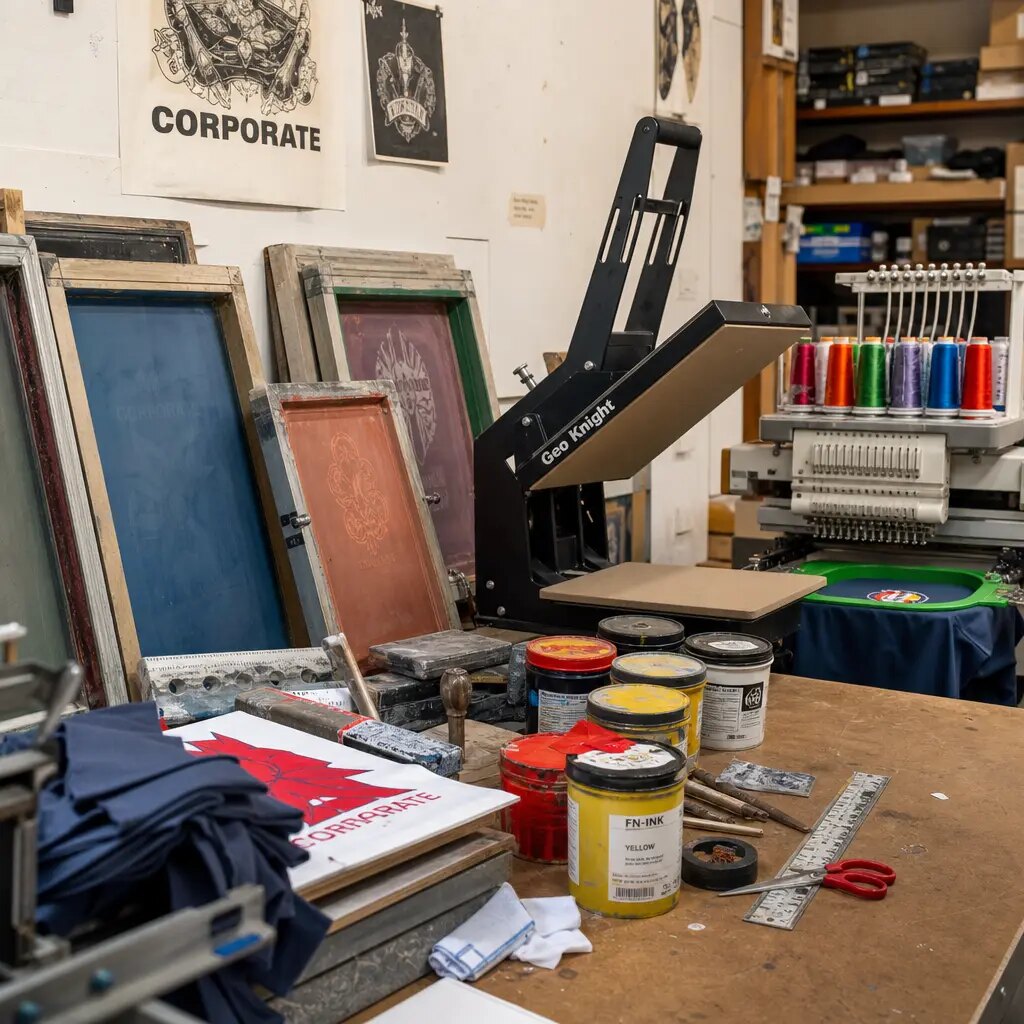
Decoration is where a simple cotton bag can quickly look off-brand. Screen printing is common for cotton drawstring backpacks because it suits simple one- or two-color artwork. Still, cotton texture affects edge sharpness, opacity, and ink absorption. A logo that looks perfect in vector artwork may lose detail on natural slubs or an open weave. Approve a strike-off on the actual production fabric, not just a digital mockup.
Logo placement must be measurable. Front center is not enough. State whether the print is centered horizontally, placed a fixed distance below the top channel, aligned from the bottom seam, or offset to a lower corner. For many simple prints, a placement tolerance such as +/-3 mm to +/-5 mm is more useful than a visual comment. If the artwork is large or the fabric is textured, the practical tolerance may need to be wider, but it should still be written down.
Ask what ink system the factory plans to use: water-based ink, plastisol, pigment, discharge, or another method. Eco apparel buyers often prefer a softer handfeel, but opacity and rub behavior still need review. Fine type, small trademark symbols, thin outlines, and large solid areas should be tested at production scale because they are common sources of disappointment on cotton.
Other decoration methods require their own checks. Embroidery can look premium, but it may pucker 140-160 GSM cotton if stitch density is high or backing is poorly controlled. Woven labels and side labels need straight attachment, clean trimming, and correct placement. Heat transfers require adhesion and edge-lift checks. Decoration should be chosen for the fabric, not only for the artwork file.
- Approve the logo strike-off on the same cotton color and weave planned for bulk.
- Set placement using measurements from seams, centerline, top channel, or bottom edge.
- Use a written placement tolerance, commonly +/-3 mm to +/-5 mm for simple prints when feasible.
- Review fine artwork at production scale before bulk printing.
- For embroidery, check puckering, backing, thread trimming, and fabric support.
- For labels, inspect straightness, edge finish, stitch security, and whether the label interferes with seams or cord movement.
Use samples to freeze the standard
Sampling should turn a product idea into a repeatable production reference. A sensible path includes a construction sample, a decoration strike-off, and a final pre-production sample. The construction sample proves size, fabric, cord, seam construction, reinforcement, and handfeel. The strike-off proves logo appearance on the chosen fabric. The final pre-production sample combines every approved detail into the exact version bulk production should follow.
Measure the sample and record the actual results. Note finished width, height, usable opening, channel width, cord length on each side, logo size, logo placement, label position, and accepted natural cotton variation. Put those notes into the spec sheet or approval form. This matters when buying, design, compliance, and factory teams are all part of the conversation.
For retail-facing or higher-risk orders, keep sealed golden samples on both sides. The factory sample should be available during cutting, printing, sewing, trimming, and packing. The buyer sample helps the receiving team compare bulk goods after arrival. If the buyer changes cord color, artwork size, label location, or packing after approval, the supplier should issue a revised sample or written change confirmation.
Photos are useful, but they cannot do every job. They may show logo position and broad appearance, yet they cannot confirm GSM, fabric stiffness, odor, cord movement, print handfeel, or seam strength. When the bag will represent an apparel brand in the customer’s hands, physical approval is worth the extra discipline.
- Approve construction before judging logo appearance alone.
- Approve a decoration strike-off on actual production fabric.
- Create a final pre-production sample including fabric, cord, reinforcement, logo, labels, and packing details.
- Record sample measurements and approved tolerances in writing.
- Keep a sealed golden sample for production reference and buyer receiving comparison.
Inspect fabric, stitching, cords, and handling performance
A final inspection checklist should be practical enough for factory QC, a third-party inspector, or a buyer receiving team to use consistently. Fabric checks should cover GSM, shade, handfeel, surface cleanliness, weaving defects, slub level, odor, and panel consistency. Natural cotton may include small slubs and slight tone variation, but the acceptable range should match the approved sample. Stains, mildew marks, oil spots, holes, severe shade differences, and strong storage odor should not pass for customer-facing goods.
Measurement inspection should include finished width, height, usable opening, top channel width, gusset or bottom fold, cord length, and logo placement. Pull samples from different cartons or production bundles. If every measured unit comes from one carton, the inspection may miss cutting variation from another batch. For simple sewn cotton bags, many buyers use finished measurement tolerances around +/-0.5 cm to +/-1.0 cm, depending on size and construction.
Sewing inspection is partly about appearance and partly about function. The top channel must not block the cord. Side seams should be straight with sufficient seam allowance. Lower corners and cord exits should match the approved reinforcement. Look for skipped stitches, broken threads, thread nests, loose thread tails, uneven stitch density, seam puckering, and seam popping after handling.
Drawcord checks should include smooth pull, equal length, end treatment, knot consistency, color match, and fraying. Open and close the bag repeatedly. If a light-use test is specified, place representative contents or an agreed weight inside, pull the cords closed, and check whether stress points distort or seams begin to open. Agree on the method before inspection so the supplier understands the standard.
- Check fabric weight, shade, surface defects, odor, and handfeel against the approved sample.
- Measure units from multiple cartons and record actual measurements.
- Inspect top channel stitching for straightness, skipped stitches, seam allowance, and cord blockage.
- Pull drawcords repeatedly to check smooth movement, equal length, fraying, and closure behavior.
- Check reinforced corners and cord exits after light handling or agreed load testing.
- Treat sharp contamination, broken needle fragments, mildew, strong odor, severe stains, and wrong materials as serious defects.
Classify defects before anyone opens cartons
Defect classification prevents arguments at the worst possible moment. The purchase order or inspection brief should define critical, major, and minor defects in language specific to cotton drawstring backpacks. A critical defect is a safety or severe contamination issue, such as broken needle fragments, sharp objects, mold contamination, or anything likely to harm the user. Critical defects usually require an immediate hold and investigation.
Major defects affect function, saleability, or brand presentation. Examples include wrong fabric weight outside tolerance, wrong size outside tolerance, wrong logo, severe logo misplacement, blocked drawcord channel, broken seam, weak lower cord attachment, visible stains, wrong cord color, incorrect label, wrong packing count, or cartons mixed by SKU against instructions. These problems can make the bag unsuitable for retail, gifting, or customer-facing packaging.
Minor defects are small workmanship issues that do not affect function or normal presentation under the approved standard. Short thread tails, slight stitch waviness, or tiny slubs within the accepted natural cotton range may fit here. Be careful, though. A logo flaw that might be minor on an internal giveaway can be major on a paid accessory or brand launch kit.
Many B2B buyers use AQL-based inspection for bulk orders, but the sampling level and acceptance number should come from the buyer’s quality policy, order risk, and product use. Small or high-visibility orders may need targeted 100% sorting for stains, logo placement, or packing accuracy. The key is to choose the plan before goods are finished.
- Critical defects include safety risks, sharp contamination, broken needle fragments, mold, and severe contamination.
- Major defects include wrong material, wrong logo, blocked cord channel, broken seams, severe stains, incorrect size, and incorrect packing.
- Minor defects include limited cosmetic variation that does not affect function or presentation under the approved standard.
- Set AQL level, sampling plan, or 100% sorting requirement before the final inspection date.
- Require a written defect summary with photos, quantities affected, rework plan, and reinspection decision if the lot fails.
Control packing so the warehouse is not fixing production
Packing is part of product quality in B2B orders. A shipment can have acceptable sewing and still create receiving problems if cartons are mislabeled, overfilled, underfilled, dusty, or inconsistent in count. Eco apparel brands may want to reduce packaging waste, but the approach should be specified. Bulk packing, paper banding, inner bundles, individual polybags, hangtags, and barcode labels all have different cost, sustainability, and warehouse consequences.
Define units per inner pack, units per master carton, carton dimensions, gross weight range, and whether compression is acceptable. Over-compressed cotton bags can arrive heavily creased, with distorted cords or wrinkled labels. Underfilled cartons waste freight space and may collapse when stacked. If cartons move through a 3PL, retailer, or distributor, label accuracy matters as much as carton strength.
Carton labels should include SKU, color, quantity, purchase order number, carton number, destination reference, and gross weight if required. Mixed cartons should be avoided unless the receiving operation explicitly accepts them. If mixed cartons are unavoidable, require a carton-level packing list showing exact quantity by SKU and color.
Before shipment release, ask for photos of packed goods, inner packing, carton marks, sealed cartons, and total carton count. The final packing list should match the physical shipment. If retail barcodes are included, request barcode scan confirmation or clear photos showing placement and readability. These checks reduce receiving delays and relabeling work after arrival.
- Choose packing based on the receiving model: bulk wholesale, retail packout, e-commerce pick-pack, or kitting operation.
- Define inner count, carton count, carton dimensions, gross weight range, and acceptable compression.
- Require carton marks with SKU, color, quantity, PO number, carton number, and destination reference.
- Avoid mixed cartons unless the warehouse allows them and the packing list identifies contents clearly.
- Request carton mark photos, packed goods photos, and final carton count before shipment release.
Plan lead time by milestones, not hope
Lead time for cotton drawstring backpacks is more than sewing time. The real schedule includes quote clarification, artwork setup, fabric confirmation, cord sourcing, sample making, sample shipping, sample review, strike-off approval, purchase order release, material reservation, cutting, printing, sewing, trimming, inspection, packing, and shipment handover. A single bulk date hides too much risk.
Bulk lead time should usually be counted after final sample approval and purchase order or deposit confirmation, not from the first quote conversation. A stock natural cotton bag with a one-color screen print can move faster than custom dyed fabric with special cord, woven label, hangtag, barcode sticker, and retailer carton routing. Testing requirements can add time as well, especially when a lab report is needed before shipment.
A practical milestone schedule assigns dates and owners. The supplier owns sample completion, production photos, and carton readiness. The buyer owns artwork approval, sample review, and compliance decisions. Logistics teams own booking and handover requirements. When these dates are visible, the buyer can see whether a delay is caused by artwork revision, material availability, inspection scheduling, or freight booking.
In-line checks protect both quality and schedule. Ask for photos or reports during fabric arrival, cutting, printing, sewing, and packing when the order is brand-visible or time-sensitive. Finding a crooked logo or blocked channel after every carton is sealed is expensive. Finding it in the first production batch gives the factory a chance to correct the setup before the defect spreads.
- Separate sample lead time, sample shipping, buyer approval time, bulk production, inspection, packing, and shipment readiness.
- Count bulk lead time from final approval and PO confirmation, not from the first RFQ.
- Add time for artwork correction, revised strike-off, testing, and reinspection if the order is high visibility.
- Track fabric, cord, labels, hangtags, polybags, and cartons as separate material readiness items.
- Use in-line photos to catch printing, sewing, and packing issues before final inspection.
Specification comparison for buyers
| Procurement decision | Typical B2B specification to request | Practical tolerance or control point | Risk if left vague |
|---|---|---|---|
| Fabric weight | 140-160 GSM for lighter apparel packaging or event use; 180-220 GSM for sturdier retail, merch, or gift-with-purchase programs | State target GSM and tolerance, often +/-5% for fabric weight when the supplier confirms it is achievable | A generic cotton quote may use thinner fabric, changing handfeel, print opacity, carrying strength, and carton weight |
| Fabric construction | Plain weave for economical programs; twill or light canvas when the brand wants a denser handfeel or more structured presentation | Approve weave, yarn texture, surface slub level, and shade range against a physical swatch or sealed sample | Two fabrics can share the same GSM but print, drape, and feel different in the customer’s hand |
| Finished size | Define width, height, usable opening, top channel width, seam allowance, and gusset or bottom fold if used | For simple sewn bags, many buyers set finished size tolerance around +/-0.5 cm to +/-1.0 cm depending on size and construction | Outside dimensions may pass while the usable opening is too small for folded apparel, kits, or retail inserts |
| Top channel | Folded channel with straight stitching, clean cord path, and no blockage after sewing | Specify channel width, stitch line position, thread type, and whether single or double row stitching is required | A narrow, twisted, or wavy channel can trap the cord, distort the opening, or fail after repeated pulling |
| Drawcord | Cotton cord for a natural look; polyester or blended cord when abrasion resistance, color consistency, or sealed ends are more important | Define cord material, diameter, finished length, end treatment, color reference, knot style, and length tolerance such as +/-1 cm per side | Cord fraying, slippage, uneven lengths, or shade mismatch are easy for customers to notice |
| Stress reinforcement | Bartack, box stitch, triangle stitch, eyelet, or reinforced seam at lower cord attachments and cord exit points | Confirm reinforcement type and stitch density on the approved sample; check with repeated pull and light load handling | Unreinforced lower corners can pop under normal use even when the bag looks acceptable in photos |
| Logo method | Screen print or water-based print for simple logos; woven label or side label for subtle branding; embroidery only when fabric weight supports it | Approve a strike-off on production fabric; set placement tolerance, commonly +/-3 mm to +/-5 mm for simple layouts | Fine lines may fill in, ink can bleed into cotton texture, and logo position can drift across bulk production |
| MOQ route | Made-to-order MOQ for exact GSM, size, color, cord, and decoration; stock-fabric route for lower MOQ or faster delivery | Ask whether MOQ applies to the exact specification or only to a standard blank bag platform | A low MOQ may mean stock fabric, limited colors, higher unit cost, or less control over shade and trims |
| Packing plan | Bulk pack, inner bundle, individual polybag, hangtag, barcode, or retail packout based on the receiving model | Define units per inner pack, units per carton, carton dimensions, gross weight range, and carton label data | Incorrect counts, dusty loose packing, weak cartons, or missing SKU marks can slow warehouse receiving |
Buyer checklist before sampling
- Define the commercial use first: retail resale, gift-with-purchase, apparel packaging, influencer kit, trade event, staff merch, or distributor stock. The use case drives fabric weight, packing, and inspection strictness.
- Specify the fabric in sourcing language: cotton or cotton blend, recycled content if applicable, plain weave, twill, or canvas, target GSM, GSM tolerance, fabric color, shade range, and acceptable natural slubs.
- Lock finished dimensions in centimeters or inches, including width, height, usable opening, top channel width, seam allowance, bottom fold or gusset depth, and measurement points after sewing.
- State drawcord details: material, diameter, finished length on each side, color, end finishing, knot type, and whether the cord runs only through the top channel or also forms shoulder straps through lower corners.
- Define reinforcement at stress points, including cord exits, bottom corners, and any lower eyelet or stitched anchor position. Confirm whether bartack, box stitch, or double-row seam is included in the quoted price.
- Approve decoration on actual production fabric: artwork size, placement from edges or centerline, Pantone or approved color reference, print method, ink type, label location, and print placement tolerance.
- Request a quote breakdown for fabric, cutting, sewing, cord, reinforcement, decoration, labels, hangtags, polybags, cartons, testing, inspection support, sample charges, artwork setup, and rush fees.
- Confirm whether MOQ is for the exact size, exact GSM, exact fabric color, exact cord, and exact logo method, not only for an available blank cotton drawstring bag.
- Approve a pre-production sample, print strike-off, and sealed golden sample. Keep written approval records with date, sample version, measured dimensions, logo placement, and any accepted cosmetic variation.
- Set inspection criteria before production: AQL or sampling plan, critical, major, and minor defect examples, measurement tolerance, print tolerance, load or pull test method, odor standard, and packing verification process.
Factory quote questions to send
- What exact fabric are you quoting: cotton type, weave, target GSM, fabric color, and finish? Is GSM measured on the roll, after finishing, or from a finished bag panel?
- What GSM tolerance and shade tolerance do you apply in bulk production? Can you keep the same fabric reference for reorders, and how long is that fabric likely to remain available?
- What are the finished dimensions and measurement tolerances for width, height, usable opening, top channel width, and gusset or bottom fold if included?
- What cord material, diameter, finished length, color, and end treatment are included? Is the cord cotton, polyester, recycled material, or a blend?
- Which reinforcement is included at the lower corners and cord exits: bartack, box stitch, double seam, eyelet, or another method? Please show a closeup from a previous sample or make it on the pre-production sample.
- Is the price for blank bags, printed bags, printed plus sewn label, or complete retail packout? Please separate blank product, decoration, labels, hangtags, packaging, testing, and sample charges.
- What is the MOQ for this exact size, exact GSM, exact fabric color, exact cord, and exact decoration method? What changes if we use stock natural cotton fabric?
- Can you provide a construction sample, logo strike-off on actual fabric, and full pre-production sample? What are the lead times for each approval stage and for sample shipping?
- What print method do you recommend for our artwork and cotton texture? Can you confirm minimum readable line width, expected opacity, and placement tolerance before bulk printing?
- How do you control print durability in production? Can you perform a basic dry rub check, tape check, fold handling check, or lab test if required by our compliance team?
Quality-control points to confirm
- Fabric GSM must match the agreed target within the written tolerance, and panels from the same lot should have consistent handfeel, shade, and surface texture against the approved sample.
- Fabric must be free from weaving holes, severe slubs outside the approved natural look, oil stains, water marks, mildew, dirt, foreign fibers, sharp contamination, and unacceptable storage odor.
- Finished bag measurements must stay within the approved tolerance for width, height, usable opening, top channel width, gusset or bottom fold, and any defined logo placement reference points.
- Cut panels must align cleanly so side seams do not twist, the front panel does not skew, and the logo area remains visually level when the bag is laid flat.
- Top channel stitching must be straight, secure, evenly spaced, and free from skipped stitches, broken threads, loose thread loops, thread nests, or channel blockage.
- Drawcords must pull smoothly through the channel, match the approved length and diameter, remain even on both sides, and show no immediate fraying, rough cut ends, or color mismatch.
- Cord exits, lower corners, and strap anchor points must match the approved reinforcement method and show no seam popping during repeated pull or light load handling.
- Logo placement must fall within the approved tolerance, such as +/-3 mm to +/-5 mm when specified, and must match the approved artwork orientation, size, and position.
- Print quality must show acceptable opacity, edge clarity, registration, and ink coverage, with no obvious smudging, bleeding, ghosting, pinholes, cracking, tackiness, or ink transfer under basic handling.
- Embroidery, woven labels, and sewn labels must be straight, secure, correctly positioned, cleanly trimmed, and must not interfere with seams, drawcord movement, or the bag opening.