Why Subscription Box Buyers Need a Different Cotton Bag Spec
A cotton drawstring backpack for a subscription box is not just a carry pouch. It has to survive packing, shipping, unboxing, and then repeated consumer use, which means the material spec should be set from a fulfillment and brand-perception angle, not only from a logo-placement angle. If the bag arrives too soft, too thin, or too loosely sewn, the box feels cheaper before the customer even opens it.
For procurement teams, the real buying problem is balancing presentation, unit cost, and packing efficiency. A bag that looks premium in a sample room can still create problems in the carton if the fabric is too bulky, the cord locks snag, or the print distorts when folded. The right spec keeps the bag compact enough for kitting while still holding shape on shelf or in the consumer's hands.
- Treat the bag as a brand touchpoint, not a filler item.
- Build the spec around fulfillment flow, carton count, and customer reuse.
- Avoid approving a sample until the bag is packed the way it will ship.
Fabric Weight: Where GSM Changes the Buying Decision
For wholesale cotton drawstring backpacks, 140-180 GSM is the practical range for most subscription box programs. At the lower end, the bag is lighter and cheaper but can look less structured. At the higher end, the bag feels more substantial, holds shape better, and usually prints more cleanly, but freight and unit cost rise quickly if the bag is oversized or ordered in large volumes.
The best GSM depends on the product role. If the bag is a one-time gift insert, 120-140 GSM may be enough. If it replaces a premium retail shopping bag or is expected to be reused as a gym or travel pouch, 160-180 GSM is safer. Buyers should ask the supplier to quote two adjacent GSM options so the cost delta is visible before the RFQ is frozen.
- 120-140 GSM: light, economical, good for simple insert use.
- 140-160 GSM: balanced option for most branded subscription programs.
- 160-180 GSM: better structure, better shelf feel, higher freight density.
Cotton Construction Choices That Affect Print and Durability
The weave and finish matter almost as much as GSM. A tighter plain weave or light canvas surface gives better print definition and a more even bag face. Very loose weave can absorb ink unevenly and make small text look fuzzy. If the artwork includes fine lines or small copy, the buyer should prioritize a smoother surface or simplify the print file before sampling.
Natural cotton, bleached cotton, and recycled cotton blends each behave differently in production. Natural cotton often gives the lowest-risk eco look and tolerates minor shade variation, while bleached fabric can look cleaner but may show handling marks more easily. Recycled blends can be commercially strong for sustainability-led brands, but the buyer should expect more variation in fiber appearance and should require a pre-production swatch approval.
- Tighter weave supports cleaner logo edges.
- Natural cotton hides minor handling variation better than bright white fabric.
- Recycled blends need clearer shade and texture tolerances in the quote.
Print Method Selection for Small Logos and Subscription Branding
For most wholesale cotton drawstring backpacks, screen printing is still the most economical method once the design and quantities are stable. It handles simple logos, 1-2 color artwork, and repeat orders well. Heat transfer can be useful for short runs or multi-color graphics, but it adds a failure point if the adhesive cure or press temperature is not controlled. A woven label or side label is often the cleanest option when the brand wants a premium, retail-ready look without large front graphics.
The buyer should not choose a print method by price alone. A cheap print that cracks during packing or rub testing creates hidden rejection costs. If the subscription box includes a seasonal campaign or influencer kit, the safer move may be a one-color screen print on a midweight fabric with a sewn label, because that combination is easier to repeat across batches and less likely to shift in color.
- Screen print: best for stable volume and simple branding.
- Heat transfer: useful for short runs, but test rub resistance.
- Woven or side label: strong option for premium presentation and lower print risk.
MOQ Logic: How to Set a First Order Without Paying for Excess Inventory
MOQ should be negotiated with the product life cycle in mind. If the backpack is tied to a limited subscription launch, a lower MOQ may be worth paying for because you are buying market validation rather than long-term replenishment. If the bag is a core pack-in item across multiple monthly drops, a higher MOQ can reduce the per-unit cost and simplify matching across repeat orders.
Buyers should compare MOQ in the context of artwork versions, color splits, and fabric stock. A factory may quote a low unit minimum but require separate charges for each colorway or print plate. The practical question is not only how many pieces the supplier will make, but how much variation the supplier allows before the price breaks. If the launch uses three colors and two print versions, a deceptively low MOQ can become expensive very quickly.
- Ask for MOQ per color, per artwork, and per fabric spec.
- Watch for hidden cost in separate setup charges.
- Lower MOQ is useful for launch tests, not always for scale economics.
Comparing Supplier Routes: Factory-Direct vs Trading vs Local Stock
Not every sourcing route fits the same risk profile. Factory-direct purchasing usually gives better control over GSM, seam details, print placement, and carton packing, but it requires a stronger RFQ and clearer sample approval. Trading companies can help when the buyer needs multi-item consolidation or faster communication, yet they may have less visibility into the sewing line and material source. Local stock suppliers are fastest for urgent campaigns, but spec flexibility is limited and consistency across replenishment orders may be weaker.
For subscription box programs, repeatability matters more than one-off speed. If the backpack will be reordered every quarter, the buyer should favor the route that gives written spec control and consistent production records. A lower initial quote from a middle route is not useful if the next shipment changes color, cord type, or label placement. The comparison should include sample speed, production transparency, and whether the supplier can keep the same fabric lot or at least match the approved shade band.
- Factory-direct: strongest for repeat specs and cost control.
- Trading route: good for bundled buying, but confirm actual factory accountability.
- Local stock: fastest, but least flexible for branding and fabric choices.
Landed-Cost Drivers Buyers Miss in the First Quote
The landed cost is often shaped more by packing and volume than by the bag itself. A slightly heavier GSM can increase carton weight, while a more structured bag may reduce how tightly it nests in the carton. If the supplier does not quote carton dimensions and gross weight, the buyer is only seeing a factory price, not an importable landed cost. That gap becomes painful once freight, duty, and fulfillment handling are added.
Packaging decisions also change the math. Individual polybags raise labor and material cost but may be required for retail presentation or to keep bags clean inside subscription kits. Bulk pack with size-sorted counts lowers packing cost, but the warehouse must then handle more sorting and QC. Buyers should request a quote that separates unit price, inner pack format, master carton data, and any labeling or barcoding charges so they can compare on a true apples-to-apples basis.
- Ask for carton dimensions and gross weight on every quote.
- Separate product cost from packaging and export prep cost.
- Model both factory price and landed cost before selecting the final spec.
Sample Approval: What to Freeze Before Bulk Production Starts
The sample stage should freeze the elements that create most production variation: fabric GSM, color tone, print position, cord length, seam construction, and packing method. A sample that looks acceptable on a desk can still fail once folded, stacked, or inserted into a subscription box. That is why buyers should request at least one printed strike-off and one sewn pre-production sample, not only a fabric swatch.
Approval should be written against measurable criteria. For example, seam lines should be straight, print should not extend into the seam allowance, cord ends should be secured cleanly, and the bag should close evenly without one side riding higher than the other. If the supplier proposes a substitution, such as a different rope lock or a lighter lining tape, the buyer should treat it as a change order and not a silent improvement.
- Approve fabric, print, and construction separately if possible.
- Test the bag with the actual insert weight before signoff.
- Freeze packing format before bulk sewing starts.
Packing and Fulfillment Decisions That Affect Subscription Box Operations
Packing needs to support the way the buyer actually receives and distributes the product. If the backpack will be kitted into subscription boxes, flat folding with consistent bundle counts is usually better than loose packing. If the bag is going into retail distribution as a standalone item, an individual polybag and barcode may be needed. The right answer is not one universal pack format; it is the format that reduces handling while keeping the bags clean and countable.
Carton planning should be part of the specification, not an afterthought. Small changes in folding direction can alter carton density enough to change freight cost or warehouse efficiency. Buyers should ask the supplier for carton count, carton size, gross weight, and a photo or packing diagram of the folded bag. If the supplier cannot provide those details, the quote is incomplete for a real procurement decision.
- Use flat-fold packing when bags go straight into kitting.
- Use retail pack-outs only when presentation or barcode control requires it.
- Request packing diagrams and carton specs before issuing the PO.
Specification comparison for buyers
| Spec decision | Recommended option | When it fits | Buyer risk to check |
|---|---|---|---|
| Fabric weight | 140-180 GSM cotton canvas for most subscription box programs | Works when the bag must feel premium, survive repeated use, and carry mixed box inserts without sagging | Too light can look flimsy and wrinkle badly; too heavy raises freight and unit cost |
| Cotton type | Natural cotton canvas or recycled cotton blend | Best for lifestyle, wellness, eco, and brand-merch boxes where hand-feel matters | Blends may vary more in shade and surface texture; confirm shade tolerance before bulk |
| Print route | 1-2 color screen print for simple logos; heat transfer for short runs; woven label for premium branding | Use screen print for best unit economics at scale and woven label when you want a cleaner retail look | Transfers can crack if cure is poor; screen print can bleed on rough weave if ink load is not controlled |
| Supplier route | Factory-direct OEM supplier with sample room and cutting/sewing control | Fits buyers who need repeat orders, stable specs, and quote transparency | Risk is weak communication on tolerances, carton packing, or accessory substitutions unless the RFQ is detailed |
| MOQ logic | Start at 1,000-3,000 pcs per color for custom orders; lower MOQ only if artwork and material are standard | Good for first-time subscription box tests or seasonal campaigns | Low MOQ often means higher unit cost, fewer finish options, or shared fabric lots |
| Cord choice | Polyester rope or cotton rope with reinforced eyelets | Use polyester rope for better abrasion resistance; cotton rope for a softer natural presentation | Thin cords can cut into fabric channels and fail under repeated tightening |
| Packing format | Bulk pack with size-sorted inner polybags, or flat-packed by SKU for kitting | Best when subscription box fulfillment needs fast picking and consistent carton counts | Loose packing increases dust, count errors, and repack labor |
| Quality standard | AQL-based inspection with defined seam strength, print alignment, and color tolerance | Needed for importers and distributors who need repeatable acceptance at receiving | Without written thresholds, supplier and buyer may disagree on what is acceptable |
| Lead-time structure | Sample approval first, then bulk production, then carton test and booking buffer | Best when launch dates are fixed and artwork may change late | Skipping approval milestones creates schedule slip and rework risk |
Buyer checklist before sampling
- Confirm target bag size, fabric GSM, and whether the bag must hold the subscription box itself or only the insert bundle.
- Lock artwork method, number of print colors, and acceptable placement tolerance before quoting.
- State whether the bag needs retail hang tags, size labels, care labels, or a side woven label.
- Define carton pack count, inner polybag requirement, and whether bags ship folded or flat.
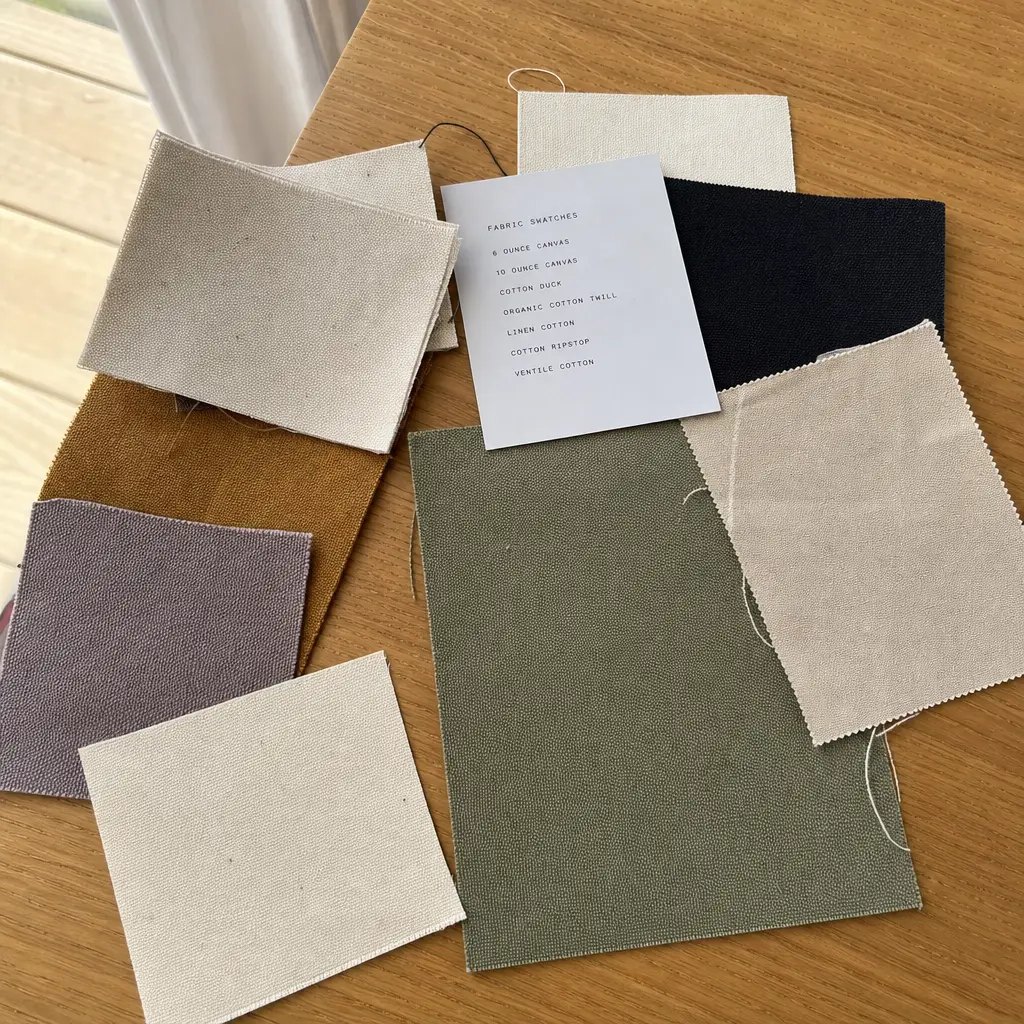
- Request fabric swatches, print strike-offs, and seam samples before bulk approval.
- Ask for carton dimensions, gross weight, and cubic efficiency if the bags ship by sea or air.
- Set an inspection standard for stitching, cord lock function, print registration, and odor control.
- Compare MOQ, unit price, sample fee, tooling fee, and freight terms on the same quote sheet.
Factory quote questions to send
- What fabric options do you offer at 120 GSM, 140 GSM, 160 GSM, and 180 GSM, and what changes in hand-feel and cost at each level?
- Which print method do you recommend for our artwork, and what is the setup cost, color limit, and curing requirement?
- What is your MOQ per color and per artwork version, and can you mix colors within one fabric spec?
- What sample can you send first: blank fabric, pre-production sample, or printed strike-off?
- How do you reinforce the cord channel, seam corners, and stress points near the opening?
- What carton pack count and carton size do you recommend for our retail and fulfillment flow?
- What lead time applies for sample, bulk production, and rework if artwork changes after approval?
- Can you state your QC standard for stitch count, print placement tolerance, and color variation?
- What packaging, labeling, and barcode options can you apply before export?
Quality-control points to confirm
- Fabric GSM must match the approved spec within a narrow factory tolerance; the buyer should reject unapproved downgrades.
- Seam strength at the cord channel and bottom corners must withstand repeated pull testing without puckering or seam opening.
- Print registration should stay within agreed placement tolerance, and ink should not crack, peel, or bleed after rubbing.
- Cord length, thickness, and stop/lock function must be consistent across the batch.
- Color variation between panels should be controlled so the front and back do not appear mismatched under daylight.
- Bag dimensions must match the approved cutting spec after sewing, not just the raw pattern size.
- Carton count, inner pack count, and barcode labeling should be audited against the packing list before dispatch.
- Smell, dust, loose threads, and needle damage should be checked on random cartons before release.