Start with the craft fair use case, not only the bag style
Cotton drawstring backpacks sold or distributed at craft fairs have a different job than a gym giveaway bag. They often carry small handmade products, postcards, art prints, class materials, packaged candles, yarn, notebooks, or local market purchases. The buyer problem is not just finding a cheap drawstring backpack. It is choosing a fabric, size, print, and packing format that looks acceptable on a retail table and survives normal visitor use without turning into a complaint item.
For procurement teams, the first RFQ line should describe the use. A bag intended as a paid merchandise item needs better fabric body, cleaner print, and more controlled packing than a free insert. A distributor supplying several craft fair organizers may need a neutral stock bag with low-risk decoration. A brand owner using the backpack as product packaging can accept a simpler drawcord but cannot accept stains, odor, or crushed presentation.
- For resale: prioritize 8 oz cotton canvas, consistent shade, retail-ready folding, and clean print edges.
- For event giveaway: 5 oz to 6 oz cotton can work if the load is light and the artwork is simple.
- For workshop kits: choose a size that fits A4 or letter-size materials without curling corners.
- For handmade product packaging: keep the print area moderate so the bag remains reusable after purchase.
Choose fabric weight by handfeel, print result, and freight impact
Fabric weight is usually the biggest specification gap in wholesale cotton drawstring backpacks. Suppliers may quote cotton, cotton canvas, calico, muslin, or drill fabric without the buyer realizing these are different in weight, weave, surface, and durability. A 4 oz natural cotton bag can be acceptable for lightweight packaging, but it will feel thin as a backpack. A 10 oz canvas bag feels substantial, yet it costs more, takes more carton space, and can make the drawstring closure less smooth.
For most craft fair wholesale programs, 6 oz to 8 oz cotton canvas is the practical middle range. In GSM terms, this is often around 200 to 270 GSM, depending on construction and finishing. If the supplier quotes only oz or only GSM, request both values and a swatch. The number alone is not enough because loose weave fabric can weigh correctly but still feel unstable under screen printing.
- 4 oz to 5 oz: suitable for promotional giveaway, light packaging, or very cost-sensitive projects.
- 6 oz: balanced for bulk event bags, simple prints, and moderate retail presentation.
- 8 oz: better for craft fair resale, maker merchandise, and repeated use.
- 10 oz and above: premium feel but higher unit cost, slower sewing, more freight volume, and stiffer closure.
- Natural cotton may show seed flecks; bleached white gives cleaner print contrast but can make dirt marks more visible.
Set the finished size and construction before comparing quotes
A common quoting mistake is comparing prices for cotton drawstring backpacks that are not the same size. One supplier may quote 30 x 40 cm, another 34 x 42 cm, and another 35 x 45 cm. The difference looks small on email but changes fabric consumption, carton quantity, and perceived value. For craft fair use, 34 x 42 cm is a common practical size because it holds small purchases and printed materials without feeling oversized.
Construction also affects both durability and cost. A basic drawstring backpack uses the cord as shoulder straps and closes through a top channel. The cord then anchors at the lower corners, often through stitched tabs, eyelets, or reinforced fabric patches. If the lower anchor is weak, the bag fails even when the fabric is acceptable. The RFQ should describe the lower cord point clearly instead of leaving the factory to choose the cheapest solution.
- State finished size after sewing, not cut panel size.
- Use a normal tolerance such as plus or minus 1 cm unless the bag fits a rigid insert.
- Specify whether corners are square, rounded, boxed, or simply folded.
- Require bar-tack reinforcement at load points for 6 oz and heavier backpacks.
- For metal eyelets, clarify color, rust resistance expectation, and whether they are acceptable for your market.
Match the print method to the artwork and fabric surface
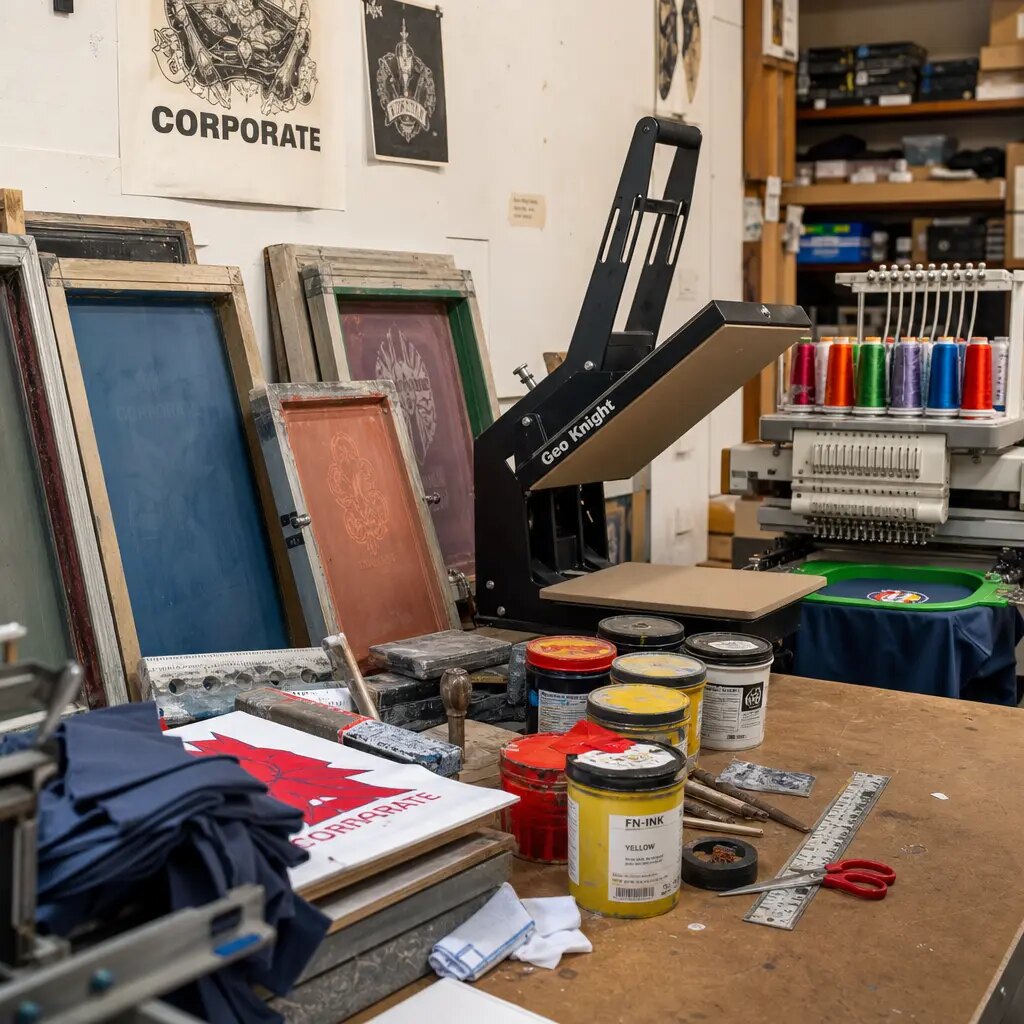
Screen printing is usually the best choice for wholesale cotton drawstring backpacks with solid craft fair logos, sponsor marks, slogans, or simple one to three color designs. It gives good cost control at volume, handles cotton canvas well, and allows durable decoration when ink and curing are managed properly. The buyer should supply vector artwork, Pantone references where required, and a maximum print area. Without this, factories may quote different assumptions and the unit prices will not be comparable.
Heat transfer can handle gradients, photo-like designs, and small runs with many colors, but it changes the handfeel and may look less natural on cotton canvas. Digital direct printing can work for some cotton bags, but result depends heavily on fabric smoothness and pretreatment. Embroidery is possible for a small logo or patch-style decoration, yet it is rarely economical for large craft fair graphics on drawstring backpacks because it adds time, puckering risk, and cost.
- Use screen print for solid logos, bold line art, and repeat fair graphics.
- Use heat transfer for short runs with many colors or detailed illustrations.
- Avoid very small reversed text on coarse canvas because ink gain can close the letters.
- Keep heavy ink coverage away from folded areas to reduce cracking and carton marking.
- Approve print placement from the top edge and side seam, not only by eye in a photo.
Understand MOQ logic before splitting colors and designs
MOQ for cotton drawstring backpacks is not one single number. It can apply to fabric purchasing, dyeing, cutting efficiency, printing setup, sewing line arrangement, and packing labels. A factory may accept a low total quantity if the buyer uses natural cotton, one size, one cord, and one print. The same factory may require a higher MOQ when the buyer requests three fabric colors, four artwork versions, retail barcode labels, and individual packing.
The most efficient wholesale buying plan for craft fairs is usually to consolidate the base bag and vary only the print if needed. If the artwork is seasonal but the bag color remains natural or black, the supplier can control fabric stock and cutting loss. If your sales team wants many colorways, ask for price breaks by total quantity and by SKU so the commercial impact is visible before the PO is issued.
- Lowest complexity: one fabric color, one size, one print, bulk packing.
- Moderate complexity: one fabric color, multiple prints, same print size and method.
- Higher complexity: multiple fabric colors with the same print.
- Highest complexity: custom-dyed fabric, multiple artworks, retail labels, and individual polybags.
- Negotiate MOQ around production batch logic, not only around a target unit price.
Compare supplier quotes using a real cost breakdown
A low unit price can be misleading when screen charges, sample cost, inland freight, packing upgrades, labels, and carton volume are excluded. For craft fair orders, the landed cost per usable bag matters more than the factory unit price. Two quotes that differ by a few cents at product level can reverse after carton size, inspection rework, or repacking is included.
A useful quote should separate product cost from setup and logistics assumptions. It should also state what has been included in the construction. If Supplier A includes 8 oz cotton, bar-tacks, one color screen print, and 50 pieces per carton, while Supplier B includes 5 oz cotton, no reinforcement, and no print setup charge, the cheaper quote is not really cheaper. Procurement should normalize the quote before presenting it to finance or sales.
- Unit price: bag body, cord, sewing, standard print, and normal export packing.
- Setup charges: screens, film, artwork handling, color matching, and print trial.
- Sample charges: blank sample, printed sample, courier, and revision cost.
- Packing charges: individual polybag, hangtag, barcode label, carton mark, or master carton changes.
- Logistics data: carton size, gross weight, quantity per carton, cargo ready date, and loading port.
- Commercial terms: Incoterm, payment term, quote validity, and currency.
Approve samples with measurable acceptance criteria
The approved sample is the buyer's strongest production control tool. A photo approval is not enough for cotton drawstring backpacks because the decision depends on handfeel, fabric weight, cord comfort, print thickness, odor, and closure movement. The sample should be made with the same fabric weight, cord type, thread color, print method, and packing style intended for bulk production. If substitutions are unavoidable at sample stage, the factory should list them in writing.
For a craft fair program, sample approval should include both appearance and function. Put a normal load into the backpack, close and open it several times, and pull the straps as a visitor would. Check whether the fabric distorts, whether the bottom anchor pulls, whether the print cracks when flexed, and whether the cords are comfortable enough for short use. These simple tests catch many issues before cutting bulk fabric.
- Measure finished width and height flat on a table.
- Weigh the sample or verify fabric GSM with a swatch if available.
- Compare print color under consistent lighting, not under warm office light only.
- Rub the print lightly with a dry white cloth after curing to detect loose ink.
- Open and close the drawstring several times to judge friction and channel stitching.
- Keep one signed sample at the buyer side and one sealed sample at the factory.
Define packing so bags arrive saleable, not only shippable
Cotton drawstring backpacks can be damaged by poor packing even when the sewing is correct. Natural cotton picks up moisture and odor. Printed panels can mark against each other if packed before proper curing or if the carton is compressed. For craft fair resale, presentation matters: deep creases, dirty corners, and mixed shades in the same carton create extra sorting work for distributors and retailers.
Bulk packing is cost efficient, but it must still protect the product. A common solution is flat folded bags in inner polybags of 25 or 50 pieces, then packed into export cartons with a carton liner if moisture risk is high. Individual polybags improve cleanliness and counting, but add material cost, labor, and sometimes sustainability concerns. If the buyer needs retail-ready bags, specify hangtag, barcode, fold size, and sticker position before the quote is finalized.
- State pieces per inner bag and pieces per export carton.
- Avoid over-compression that leaves permanent print or fabric creases.
- Use moisture protection for sea freight, especially for natural cotton and humid seasons.
- Require carton marks to include PO number, SKU, quantity, gross weight, net weight, and carton count.
- For retail distribution, define barcode label size, scan position, and whether each bag or only each carton is labeled.
Plan lead time around fabric, printing, and event deadlines
Craft fair orders are often tied to fixed dates, which makes schedule risk more expensive than a small unit price difference. Lead time should not be stated as one vague number. The factory timeline should show fabric availability, sample making, artwork confirmation, screen preparation, bulk cutting, printing, curing, sewing, inspection, packing, and cargo handover. When the order uses stock natural cotton and one screen print, the schedule is simpler. Custom dyeing, multiple artwork versions, or retail packing adds more risk.
Buyers should also separate production lead time from transportation lead time. Cargo ready does not mean delivered. Sea freight, customs clearance, inland trucking, appointment scheduling, and warehouse receiving can easily consume more time than expected. If the products must be on a craft fair booth by a certain weekend, build in inspection and contingency time instead of using the fair date as the delivery deadline.
- Fastest path: stock fabric, approved existing size, one color print, bulk packing.
- Longer path: custom fabric color, new cutting pattern, multiple print colors, or individual retail packing.
- Artwork delay often pushes the whole line because screens cannot be prepared without final files.
- Printed cotton bags need curing and cooling time before packing to reduce sticking and odor.
- Book inspection before the factory packs all cartons if print alignment and stains are key concerns.
Set QC thresholds that match wholesale distribution needs
Quality control for wholesale cotton drawstring backpacks should focus on defects that create returns, sorting labor, or brand damage. Minor loose threads can be trimmed, but oil stains on natural cotton, crooked front prints, weak cord anchors, and mixed fabric shades are more serious. The inspection plan should classify defects so the factory and buyer share the same standard before production starts.
For most B2B orders, a random inspection using an agreed AQL level can work, but the exact thresholds should be aligned with how the bags will be used. A paid retail item requires stricter visual appearance than a free giveaway. The buyer can also require 100 percent checking for specific high-risk points such as barcode label accuracy, because one wrong label can create warehouse chargebacks even when the bag itself is acceptable.
- Critical defects: wrong artwork, unsafe hardware, mildew odor, mixed SKU labels, or unusable closure.
- Major defects: visible stains, open seams, broken stitches, badly off-center print, missing cord, or wrong size beyond tolerance.
- Minor defects: small loose thread, slight fold mark, or small internal sewing irregularity not visible in use.
- Functional pull test: lower cord points should not tear or open under reasonable manual pulling.
- Packing audit: carton quantity and SKU mix must match the packing list before shipment release.
Specification comparison for buyers
| Spec decision | Recommended option | When it fits | Buyer risk to check |
|---|---|---|---|
| Fabric weight | 6 oz to 8 oz cotton canvas for most craft fair backpacks | Retail souvenir packs, maker kits, light merchandise, school or workshop giveaways | Below 5 oz can look limp after printing; above 10 oz increases freight and drawcord resistance |
| Bag size | Approx. 34 x 42 cm or 35 x 45 cm with tolerance stated | Fits flyers, small apparel, notebooks, packaged handmade goods, and event samples | Uncontrolled shrinkage can reduce usable size; approve finished size after washing or steaming if needed |
| Drawcord type | Cotton cord 5 mm to 7 mm or flat cotton tape for premium feel | Natural product positioning and craft fair resale where plastic cord feels cheap | Thin cord cuts into shoulders; dyed cord may bleed onto natural cotton if not tested |
| Print method | Screen print for 1 to 3 solid colors; heat transfer only for complex artwork | Logos, fair graphics, simple brand marks, repeat event programs | Heavy ink coverage on loose cotton can crack or feel stiff; small type may fill in on canvas texture |
| Bottom construction | Single compartment with reinforced lower cord channels or bar-tacks | Standard wholesale build with acceptable durability and controlled cost | Cord eyelets or stitched corners fail if reinforcement is skipped on heavier loads |
| MOQ approach | One fabric color and one print design per production batch when possible | Buyers consolidating SKUs for craft fair booths, distributor stock, or event bundles | Splitting colors and prints too early pushes unit cost up through setup and fabric loss |
| Packing method | Flat packed 25 or 50 pcs per polybag, export carton with inner moisture protection | Warehouse receiving, carton picking, and retail backroom handling | Over-compressed cartons crease prints; loose packing wastes carton cube and raises freight cost |
| Sample approval | Pre-production sample from production fabric, production cord, and final print artwork | Orders where color, handfeel, and print placement affect resale value | Generic showroom samples hide shrinkage, print registration, and cord channel issues |
Buyer checklist before sampling
- Define the selling use first: resale product, event giveaway, workshop kit bag, or packaging upgrade for handmade goods.
- State finished bag size in centimeters and include tolerance, usually plus or minus 1 cm for cut-and-sew cotton bags.
- Specify fabric composition and weight, such as 100 percent cotton canvas, 6 oz, 8 oz, or a GSM equivalent.
- Decide whether natural cotton, bleached white, dyed color, or custom-dyed fabric is required before requesting prices.
- Confirm drawcord material, cord diameter or tape width, cord color, knot style, and whether the cord must match the fabric.
- Choose the print method based on artwork, not habit: screen print for solid logos, heat transfer for gradients, embroidery only for small premium marks.
- Provide print size, position from top edge, number of colors, Pantone references, and whether front, back, or both sides are printed.
- Clarify if the bottom corners need reinforcement, bar-tacks, metal eyelets, or fabric patches for heavier craft fair use.
- List all packaging needs: individual polybag or bulk pack, carton quantity, carton marks, barcode label, suffocation warning, and hangtag.
- Request sample cost, sample lead time, sample revision policy, and whether the approved sample will be sealed as the production reference.
Factory quote questions to send
- What fabric weight are you quoting in oz and GSM, and is the weight measured before or after dyeing and finishing?
- Is the quoted fabric greige, natural, bleached, stock dyed, or custom dyed, and what shade tolerance will apply?
- What is the finished size tolerance for length, width, and cord length after sewing and pressing?
- Which print method is included in the unit price, how many colors are included, and what is the maximum print area?
- Are screen charges, film charges, digital proofing, sample printing, and color matching fees included or charged separately?
- What MOQ applies per fabric color, per print design, and per shipment, and what price break applies at the next quantity level?
- Will the sample be made from bulk production fabric and production cord, or from available sample room substitutes?
- What reinforcement is included at the lower cord exit points, and can you provide a photo of the inside construction?
- What is the standard packing quantity per inner bag and export carton, and what are estimated carton dimensions and weight?
- Can you provide a production timeline showing fabric procurement, cutting, printing, sewing, QC, packing, and cargo ready date?
Quality-control points to confirm
- Finished size within approved tolerance, normally plus or minus 1 cm unless a tighter retail requirement is agreed.
- Fabric weight verified against the approved sample and quoted GSM, allowing normal textile tolerance but rejecting obvious substitution.
- Cotton fabric free from oil marks, weaving defects, mildew odor, yellowing, and visible contamination on the front print panel.
- Print position aligned within the approved placement tolerance and centered relative to the bag body, not only to one cut panel.
- Print color visually matched to the approved proof or Pantone reference under consistent lighting.
- No ink cracking, pinholes, smearing, ghosting, dye migration, or heavy ink handfeel outside the approved sample condition.
- Drawcord length consistent across the lot and long enough for normal shoulder carrying after the bag is fully opened.
- Cord channels, bottom corners, and bar-tacks secure after pull testing by hand on random samples.
- Stitch density, seam allowance, and thread trimming match the approved sample; no open seams or skipped stitches.
- Packing quantity, carton marks, item labels, and barcode placement match the purchase order before shipment release.