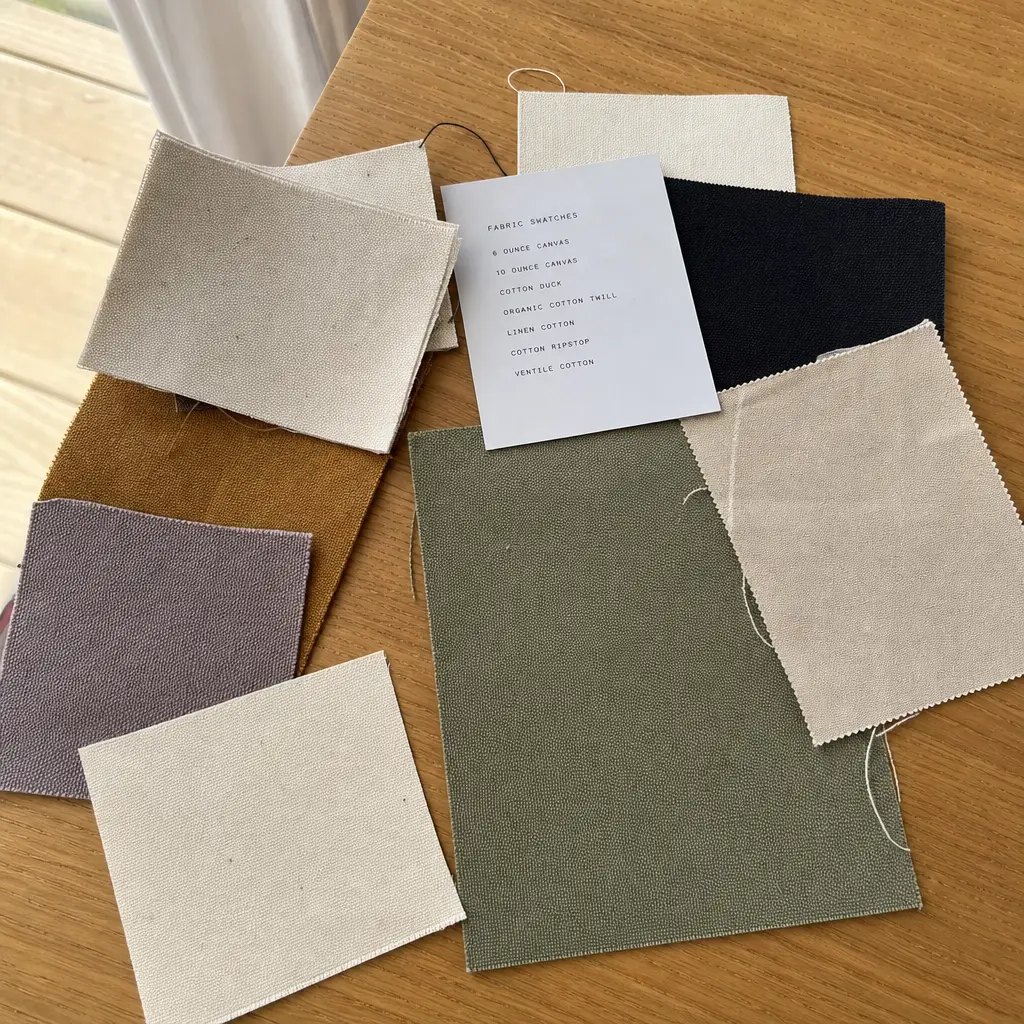
Why tech startup buyers need a tighter portfolio spec
Canvas zipper portfolios look simple until procurement starts comparing quotes. The same item may need to carry documents, a tablet, charging cables, pens, a notebook, and event materials while still looking polished in meetings, onboarding kits, demo-day packs, or investor handouts. If the spec is vague, each supplier fills in the blanks differently, and the buyer ends up comparing unrelated products instead of true alternatives.
For wholesale canvas zipper portfolios for tech startups bulk pricing plan work, the first decision is structure, not decoration. An RFQ should state the finished size, zipper opening length, body shape, and internal capacity. Those details determine fabric yield, sewing time, zipper length, stitch count, carton density, and freight cost. A precise brief makes it much easier to get clean pricing.
These portfolios also function as brand objects. They may be handed to employees, prospects, media, partners, or conference attendees, so the build should feel deliberate without becoming overdesigned. The best bulk order usually balances a clean appearance, repeatable construction, and a budget that still leaves room for packaging, transport, and inspection.
The fastest way to reduce quoting noise is to define the minimum acceptable use. If the portfolio only holds A4 or letter documents, the build can stay slim. If it needs to hold a tablet and accessories, the buyer may need a wider zipper opening, stronger seam reinforcement, or a light gusset. Those choices affect the whole cost stack, so they belong in the brief before quotes go out.
- Use one clear use case: document carrier, tablet portfolio, or meeting kit organizer.
- Lock the finished size in millimeters or inches, not only a paper format name.
- State whether the buyer wants a slim profile, light gusset, or extra storage pockets.
- Identify the end user: internal staff, conference guests, resale, or investor kits.
- Separate mandatory features from nice-to-have features before collecting quotes.
Fabric weight and construction choices that move the price
For most bulk programs, the practical canvas range is 12oz to 16oz. A 12oz body keeps the portfolio lighter and usually improves freight efficiency. Fourteen-ounce canvas sits in the middle and is often the easiest choice when a buyer wants decent structure without pushing the price too far. Sixteen-ounce canvas gives a firmer handfeel and better shape retention, which can help a portfolio look more premium on arrival.
Construction often changes the price more than buyers expect. A single-layer body with edge binding is simpler to produce than a fully lined portfolio. Once the build adds lining, card pockets, pen loops, a padded insert, or a divider, labor time rises and the line becomes more sensitive to alignment issues. For a slim document carrier, it is often smarter to keep the interior simple and invest in zipper quality and logo execution instead of hidden structure.
Color choice also affects sourcing discipline. Natural canvas is usually the most cost-stable option because it avoids dye matching, but it can show contamination, thread contrast, and print strike-through more easily. Dyed canvas can look more brand-aligned, yet it introduces shade-band risk and may require a minimum dye lot. Procurement should ask whether the factory is quoting stock canvas or dyed-to-order base fabric, because those are not the same commercial scenario.
Washed canvas has its own tradeoffs. It can soften the surface and reduce the raw feel that some startup buyers want to avoid, but it may also change shrinkage and shade consistency. If a team wants the portfolio to feel less stiff, the sample should prove that the finish still holds the right size, edge shape, and logo clarity after handling. That is a small test on paper and a big difference in the warehouse.
The safest budgeting approach is to keep the spec repeatable. If the portfolio may be reordered across multiple offices or campaign waves, avoid unnecessary custom parts unless they are essential to the brand or use case. Every nonstandard choice raises the chance that a later order will drift from the approved sample.
- 12oz canvas: better for price-sensitive programs and lighter cartons.
- 14oz canvas: a common balance of structure, cost, and repeatability.
- 16oz canvas: better if the buyer wants a firmer presentation piece.
- Washed finishes: attractive, but require shrinkage and shade control.
- Natural canvas: cost-efficient, but check for print visibility and contamination.
Zipper, sewing, and reinforcement details buyers should specify
The zipper is the part most likely to create a complaint, so it should be specified as clearly as the fabric. Buyers should ask for the zipper type, coil width, tape color, puller finish, and whether a zipper garage is included. A smooth-running nylon coil zipper is usually the safest starting point for wholesale canvas zipper portfolios because it balances cost, availability, and everyday usability.
Sewing details matter because a low-priced zipper can still fail if the stitch pattern is weak. Ask the factory to confirm stitch density, seam allowance, and reinforcement at the zipper ends. The buyer should also ask whether the top corners are bar-tacked or backtacked, because that small detail affects durability when the portfolio is opened repeatedly, stacked, or packed into bags. If there is a pocket or divider, the attachment point should also be reinforced so the section does not stretch out over time.
The practical rule is to quote what is actually being built. A zipper that is shorter than the body opening, a puller that sits too high, or a zipper garage that was assumed but never included can change the whole user experience. Procurement teams should not accept “standard zipper” without clarity on coil size, closing direction, and end finish. Standard for one factory may not be standard for another.
If the order will be used in offices, conferences, or field kits, ask how the zipper was tested internally. A factory can reasonably show that the zipper runs smoothly and does not catch at seam crossings. That is not a marketing claim; it is a practical QC request. For a buyer comparing three suppliers, this is often where the difference between a cheap quote and a workable one becomes obvious.
- Ask for zipper type, coil width, puller finish, and zipper garage status.
- Confirm seam allowance and reinforcement at zipper ends.
- Request stitch density and bartack or backtack details in writing.
- Do not accept the phrase “standard zipper” without a measurable description.
- Ask for a sample pull test or zipper cycle test on the approved sample.
Print method selection: where artwork and MOQ meet
The decoration method should follow the artwork, not the other way around. For one to three solid logo colors, screen print is often the most economical route at bulk volume and usually gives the best unit cost after setup. If the logo includes fine detail, small type, multiple tones, or a limited placement area, heat transfer or embroidery may fit better. Each method has different limits on texture, durability, setup cost, and lead time.
Procurement teams should think in measurable terms. Ask the supplier to show the logo size in centimeters, the print position measured from the seam, and the acceptable Pantone tolerance if color matters. A quote that omits those details is incomplete because a logo that looks fine on a render may be too close to the edge in production or too small to read after stitching. The goal is not simply attractive decoration; it is repeatable decoration across the full lot.
There is also a durability angle. If the portfolio will be folded, stacked, or handled constantly inside a kit, the decoration should survive that use. Screen print can hold up well when correctly cured, but a thin transfer may crack if it sits across a fold line. Embroidery can feel premium, but on lighter canvas it can pull the fabric or leave a rough backside unless the backing and stitch density are chosen carefully. Buyers should ask how the decoration will age, not just how it looks on the first sample.
A useful rule of thumb is to keep the logo simple if the order needs cost control. Every extra color or process step can add setup, inspection, or rework risk. That matters even more when the buyer expects the order to repeat later for another launch, another office, or another cohort.
- Screen print works best for simple, high-volume brand marks.
- Embroidery adds texture but can distort on light canvas if backing is weak.
- Heat transfer suits short-run or multicolor art, but durability must be tested.
- Logo placement should be fixed in the tech pack or approved sample photo.
- Ask for Pantone tolerance, print size, and seam clearance in writing.
How supplier route changes your landed cost
A direct factory route usually gives the best control over fabric source, stitch quality, and packing discipline. It also makes it easier to get a technical answer when a zipper gauge, fabric shrinkage, or stitch issue appears. The tradeoff is that the buyer must be more precise on the spec and must allow enough time for sample development and approval. For repeat orders or brand-sensitive kits, that tradeoff is often worth it.
Trading companies can help when the buyer wants one contact for several items or needs to reduce internal workload. The downside is that margin layers and communication gaps can make it harder to compare quotes accurately. If one quote looks much lower, check whether it hides a lighter canvas weight, a generic zipper, a simplified interior, or a packing change that shifts cost later to the warehouse. A cheap quote is only useful if it describes the same product.
Procurement teams should ask whether the quoted materials are stock-held or procurement-to-order. Stock-based quotes can be faster, but they may expose the buyer to substitutions if the factory changes fabric, zipper, or thread between sample and bulk. Procurement-to-order quotes can be more stable, but they need more lead time. The right route depends on whether the project is time-critical or repeat-critical.
The best comparison is a controlled one. Ask every supplier to quote the same size, same canvas weight, same zipper spec, same logo method, same packing count, and same inspection expectation. Once those variables are fixed, the remaining price difference is much easier to interpret.
- Direct factory: best for repeat orders and spec control.
- Trading layer: useful for consolidated sourcing, but request full spec disclosure.
- Higher MOQ can lower unit price, but only if the build stays stable.
- A low quote without packaging detail is not a usable quote.
- Ask whether quoted materials are stock-held or procurement-to-order.
Comparison of sourcing routes for portfolio programs
For startup buyers, the sourcing route affects more than price. It changes how quickly you can correct a sample, how much visibility you get into cloth substitution, and whether the supplier can repeat the same zipper, thread, and packing standard on reorder. The table below is most useful when everyone is comparing the same technical brief, not a vague sales description.
The key is to compare total risk, not just ex-works price. If the portfolio will go into onboarding kits, launch events, or investor packs, the cheapest route can become expensive the moment the logo shifts, the zipper sticks, or the cartons arrive in a format the warehouse cannot receive efficiently. A fair comparison includes sample speed, QC visibility, repeatability, and the cost of change after approval.
Ask each supplier to quote the same sample path, same inspection level, and same carton count. That makes the differences visible. If one vendor looks cheaper because they omitted zipper grade, pocketing, or packing inserts, you will catch the gap before procurement approves the PO.
| Route | Best use | Main advantage | Main risk | | --- | --- | --- | --- | | Direct factory | Repeat orders, brand-sensitive kits | Better technical control and easier revision handling | Requires tighter spec writing and more lead time | | Trading company | Multi-item buying, lighter admin load | One contact for several items | Margin layers and less visibility into material substitutions | | Stock-supported supplier | Faster launch timing | Shorter sample and bulk lead times | Lower flexibility and higher substitution risk | | Fully custom build | Special program or premium kit | Stronger brand differentiation | Higher MOQ, higher setup, and longer approval cycle |
- Compare routes using the same artwork, size, and packing spec.
- Ask each supplier to quote the same inspection level.
- Use landed cost, not unit price alone.
- Request photos of the exact canvas and zipper materials offered.
- Confirm whether the supplier can repeat the same spec on reorder.
Sample approval: the fastest way to prevent bulk mistakes
A sample is not just for visual approval. It is where buyers catch zipper length errors, seam distortion, poor logo scale, pocket misalignment, and fabric handfeel problems before the bulk line starts. For canvas zipper portfolios, the sample should be opened and closed repeatedly, checked flat and filled, and compared against the tech pack for size, placement, finish, and internal capacity. If the buyer approves a sample that is already too tight, bulk production will simply repeat the problem at scale.
Good sample approval also needs a practical tolerance list. State what can move slightly and what cannot. For example, a minor shade difference in natural canvas may be acceptable, but logo placement drift, zipper waviness, raw edge exposure, or untrimmed thread tails should not pass. This gives the factory a real target and protects the buyer from vague approvals that later become arguments about what is acceptable.
Procurement teams should request two approvals when possible: a prototype sample and a pre-production sample. The first confirms the concept, while the second confirms the exact bulk build after material sourcing is finalized. If the project is time-sensitive, ask for sealed sample photos with measurements and a sign-off record. That extra paperwork is usually far cheaper than a reorder or shipment delay.
When the order involves multiple colors or multiple offices, keep one approved reference sample on file for each colorway. That avoids confusion when a later batch is produced by a different line or at a later date. If the supplier changes a trim, zipper shade, or label position, the reference sample should make the difference visible immediately.
- Approve by measurement, not only by photos.
- Test zipper operation at sample stage with at least 20 open-close cycles.
- Compare sample color under daylight and warehouse light.
- Document every change after revision so bulk follows the latest version.
- Use a pre-production sample when the order has any custom trim or lining.
Packing, carton loading, and retail presentation
Packing affects damage rate, storage cost, and whether the product is ready for distribution. For bulk shipments to distributors or retail buyers, a portfolio can be polybagged individually or packed in bulk by carton count. Individual polybags give cleaner presentation and reduce scuffing, but they add labor, material cost, and plastic volume. Bulk packing lowers cost, yet it may require more warehouse sorting and can leave the outer surface more vulnerable in transit.
Carton density matters more than many buyers expect. If the portfolios are overpacked, the zipper line can crease and the canvas can show compression marks. If the cartons are too loose, the goods slide and rub during transit. Ask the factory for the recommended carton count by size and weight, then compare it with the freight plan. That is where small packing errors become shipment claims. For larger orders, the pallet or carton stack plan should be reviewed before the container is booked.
Retail presentation also matters even when the product is not sold at retail. A neat inner pack, consistent carton marking, and clean SKU labeling support better warehouse handling and fewer mix-ups during distribution. If the startup is using the portfolio for onboarding or investor gifting, the buyer can also ask whether simple inserts, barcode labels, or a presentation card are worth the added cost. The answer depends on channel, not habit.
Buyers should also confirm whether the carton needs moisture protection. For long transit or humid routes, a simple inner polybag, desiccant pack, or outer wrapping can reduce contamination risk. That should be agreed early because it affects packing time and carton cost.
- Match packing format to the destination channel: retail, office kits, or warehouse bulk.
- Request carton marks with SKU, color, quantity, and country of origin if needed.
- Confirm whether desiccant or inner protection is needed for long transit.
- Avoid mixed-SKU cartons unless the distribution center explicitly wants them.
- Check carton count against handling limits to avoid crushing the zipper line.
Lead time and schedule risk for startup launches
Lead time is usually more fragile than the quote. A portfolio order can look simple, but artwork revision, zipper sourcing, color matching, sample approval, packing confirmation, and inspection all add calendar time. A realistic schedule starts with the sample, then moves to pre-production approval, then bulk production, then final inspection and shipment booking. If the buyer skips one of those gates, the order may still move, but the risk of rework rises sharply.
For startup programs tied to launches or conferences, schedule risk often comes from late artwork and changing requirements. Buyers should freeze the spec before bulk, especially the fabric weight, logo location, zipper color, lining choice, and carton pack count. When those elements stay stable, the supplier can sequence cutting and sewing without stopping the line for corrections. Stability is one of the easiest ways to protect margin.
The best schedule plan includes internal deadlines, not just factory deadlines. Procurement should know when marketing will approve the logo, when operations need the goods, and when the freight forwarder needs carton dimensions. A supplier cannot protect the launch date if the buyer’s own approval chain shifts every few days. Clear ownership inside the startup is as important as production capacity at the factory.
It also helps to ask the supplier for the latest possible approval date before production starts. That date gives the buyer a visible cutoff and makes delay risk easier to manage. If the date slips, the team can see the impact immediately instead of discovering it after the cartons are already late.
- Build time for sample approval before asking for a hard bulk date.
- Treat artwork revisions after approval as schedule risk.
- Keep one internal owner responsible for final sign-off.
- Separate factory lead time from freight transit time in the plan.
- Freeze zipper color, size, and packing count before pre-production approval.
Buyer checklist for comparing quotes fairly
A fair quote comparison only works when every supplier answers the same technical question. If one supplier quotes 12oz washed canvas with a branded zipper and another quotes generic 10oz canvas with a standard nylon zipper, the lower price is not comparable. The checklist below helps procurement teams normalize quotes before they move to negotiation.
The better your RFQ, the fewer hidden corrections later. This is especially true for bulk programs where the buyer may reorder or split shipments across regions. A consistent quoting sheet makes it easier to choose a primary factory and a backup source without relaunching the entire spec process. It also gives finance a cleaner basis for budget approval because the same assumptions apply across all offers.
When buyers compare quotes, they should also note what each supplier did not include. Missing line items often matter more than visible ones. Examples include zipper puller type, label sewing, carton marking, dust protection, and inspection photos. If the vendor cannot answer these quickly, the quote likely needs more clarification before it becomes purchase-ready.
| Quote field | Why it matters | What to ask for | | --- | --- | --- | | Finished size | Affects fabric usage and zipper length | Exact measurements in mm or inches | | Fabric spec | Affects feel, price, and shrinkage | Weight, weave, finish, and color | | Zipper spec | Affects function and failure rate | Coil type, puller finish, and garage status | | Logo method | Affects cost and artwork limits | Print method, size, placement, and color tolerance | | Packing spec | Affects damage and freight | Units per carton, polybag use, and carton marks | | QC standard | Affects rejection risk | Inspection level, tolerance list, and photo proof |
- Use the same finished size and tolerance range across all suppliers.
- Use the same canvas weight, finish, and lining requirement.
- Use the same logo method, color count, and print placement.
- Use the same packing count, carton size, and label requirement.
- Use the same sample fee policy, revision policy, and inspection expectation.
Specification comparison for buyers
| Spec decision | Recommended option | When it fits | Buyer risk to check |
|---|---|---|---|
| Fabric weight | 12oz to 16oz canvas, with 14oz as a common middle ground | Corporate gifting, onboarding kits, investor packs, and event handouts | If the canvas is too light, the body can sag, wrinkle, or show print strike-through; if too heavy, freight and carton weight rise |
| Canvas finish | Plain canvas, washed canvas, or dyed canvas with approved shade band | When the buyer wants a natural look, softer handfeel, or brand-matched color | Washed and dyed finishes can change shrinkage, shade consistency, and lead time; confirm sample and bulk are aligned |
| Body structure | Single-layer body with binding or light lining | When the portfolio must stay slim for documents, tablets, and chargers | A full lining, divider, or padded build adds labor, alignment risk, and longer production time |
| Zipper spec | Nylon coil zipper with matched tape width, smooth puller, and zipper garage | When repeated opening and closing is expected in office or conference use | Weak zipper tape, sharp pullers, or poor end-stitch reinforcement can cause early failures |
| Logo method | Screen print for simple 1 to 3 color art; embroidery or heat transfer for detailed marks | When the artwork is already finalized and the decoration area is known | Thin type, gradients, or tight placement near seams can blur, crack, or misregister if the method is wrong |
| Finished size | A4 or letter size with 15 to 25 mm internal ease | When the portfolio needs to fit documents, notebooks, and a thin device without forcing the zipper | Too-tight sizing stresses the zipper; oversized sizing increases bulk and lowers perceived quality |
| MOQ route | Standard base spec with custom print and label | When the buyer wants workable pricing without custom tooling | Custom shape, custom lining, custom pocketing, or custom hardware usually raises MOQ and sample time |
| Supplier route | Direct factory with sample-room approval and in-line QC | When repeatability, speed of correction, and price control matter | Trading layers can hide fabric substitution and delay technical feedback |
| Packing method | Bulk packed in cartons or individually polybagged if retail-ready | When the shipment must balance warehouse handling and presentation | Over-packing adds cost; under-packing increases dust, scuffing, and compression damage |
Buyer checklist before sampling
- Confirm the exact finished size in millimeters or inches before requesting quotes, including the zipper opening length.
- Specify canvas weight in oz or GSM, plus whether the fabric is raw, washed, dyed, or coated.
- State the intended use case: document carrier, tablet portfolio, onboarding kit, sales kit, or event pack.
- Define logo method, artwork file format, print size, placement from seams, and acceptable color tolerance.
- Ask whether the portfolio must hold a tablet, charger, notebook, pens, cables, or only documents.
- Set the required carton pack count, whether individual polybags are needed, and whether barcode labels are required.
- Request sample, pre-production sample, and bulk inspection photos before approving mass production.
- Ask the supplier to confirm seam allowance, stitch density, and reinforcement at stress points.
- Require an approved-reference photo or signed sample card before bulk cutting begins.
- Verify carton dimensions, carton gross weight, pallet requirements, and destination handling limits before booking freight.
Factory quote questions to send
- What exact canvas weight, weave type, and finish are included in your quoted price?
- What zipper coil size, puller finish, zipper length, and zipper garage are included for this spec?
- What is your MOQ for this exact size, print method, and packing requirement?
- Which items are standard, and which items trigger tooling, setup, color-matching, or label charges?
- Can you share recent production photos or inspection records for a similar canvas zipper portfolio?
- What sample timeline do you need, and is the sample fee deductible from a bulk order?
- How many units per carton do you recommend for shipping efficiency without crushing the product?
- What lead time applies after sample approval, and what changes would extend it?
- Is the quoted price based on the approved sample, or can fabric, zipper, or lining sources change later?
- What inspection standard do you use before shipment, and can you share your AQL or checklist?
Quality-control points to confirm
- Canvas weight should stay within an agreed tolerance, commonly +/- 5% for bulk stability.
- Finished size should be checked flat and filled, because canvas can relax, shrink, or twist after washing or dyeing.
- Zipper travel should be smooth across repeated open-close cycles without catching at seam edges or misaligning at the ends.
- Logo placement should stay within the agreed print or embroidery tolerance so all units match across cartons and batches.
- Stitching density should be even, with reinforced backtacks or bartacks at zipper ends and any pocket or gusset joins.
- Loose threads, ink smudges, puckering, broken stitches, and needle marks should be classified before shipment approval.
- Zipper tape should not wave, split, fray, or ripple after repeated pull testing.
- If a lining is used, check that it is not over-long, twisted, visible at the seam, or pulled into the zipper path.
- Hardware and trims should match the approved color, finish, and placement across the lot.
- Cartons should arrive dry, clean, labeled, and packed to the agreed quantity per carton.