Define the Buying Problem Before the RFQ
Wholesale canvas wine carriers for wellness studios are usually not bought as simple wine bags. They are used as retail add-ons, retreat gifts, member welcome items, holiday bundles, winery collaboration packs, or premium packaging for products that happen to be bottle-shaped. That changes the RFQ. A studio buyer may need one bag to carry wine, kombucha, olive oil, bath soak, massage oil, or a glass water bottle. If the supplier quotes against a generic 750 ml bottle and your program uses wider wellness retail bottles, the finished bag can pass sample review and still fail in store.
The carton packing plan also needs to be decided early. Canvas wine carriers are soft goods, but they become bulky when handles, gussets, dividers, and stiff fabric are added. A cheap unit price can disappear when cartons are oversized, overloaded, or packed with folded logos that arrive creased. The practical buying problem is to specify a wine carrier that protects the bottle, presents the studio brand cleanly, and ships in cartons that a distributor or retail warehouse can count, stack, and forward without repacking.
- State the product use: wine gifting, wellness bottle retail, retreat kit, distributor resale, or seasonal promotion.
- Send bottle dimensions, filled weight, and a photo of the bottle shape beside a ruler.
- Tell the factory whether the bag must stand upright on a shelf or only function as a carry bag.
- Decide if cartons ship to one warehouse, multiple studio locations, or an Amazon-style prep center.
- Separate display requirements from transport requirements; they affect different parts of the specification.
Choose Canvas Weight and Construction
For canvas wine carriers, the most common commercial range is 10 oz to 12 oz cotton canvas, roughly 280-340 GSM depending on yarn and weave. This range gives enough body for a bottle carrier without making the bag stiff, expensive, or heavy in freight. A lighter 6 oz to 8 oz canvas can work for low-cost event giveaways, but it may collapse around the bottle and show stress at the handle seam. A heavier 14 oz canvas looks premium but increases material cost, needle wear, carton weight, and folding marks.
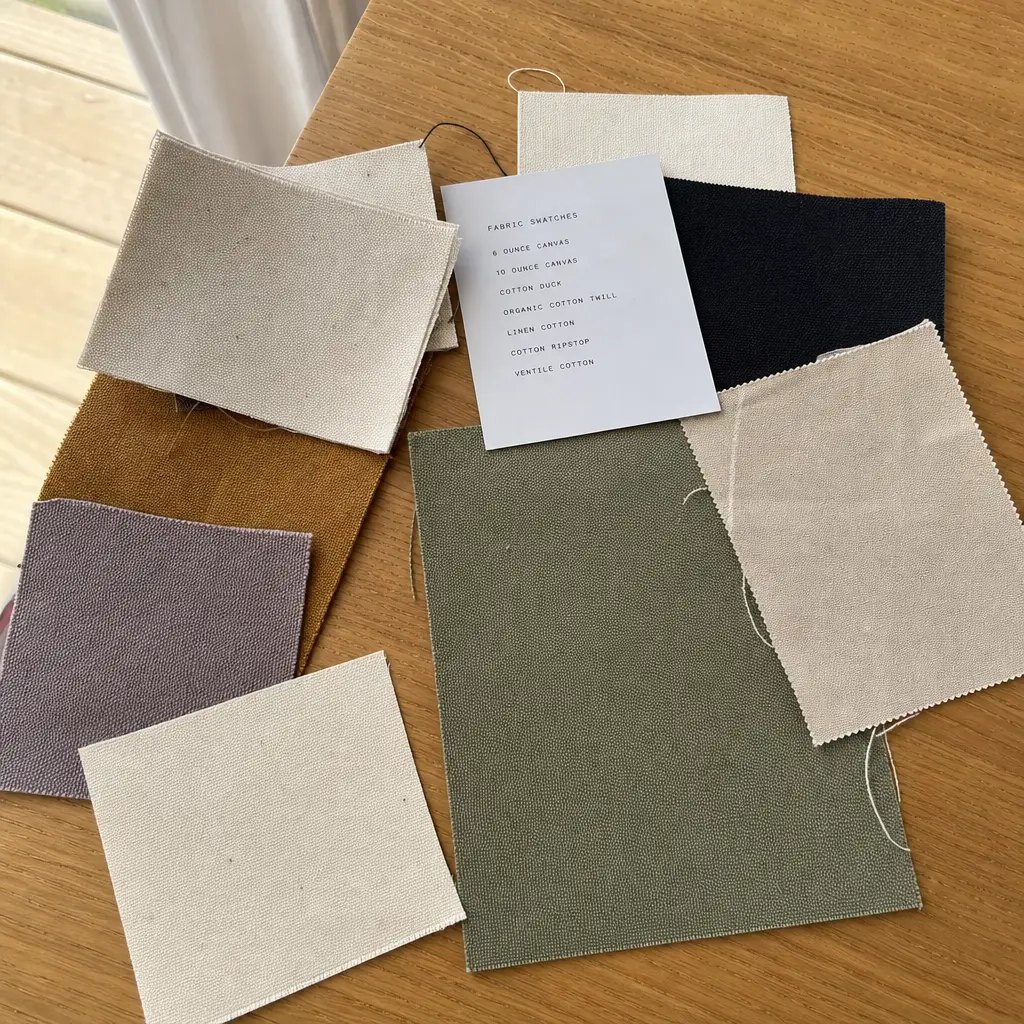
Natural cotton canvas is popular with wellness studios because it matches organic, spa, and retreat branding. However, natural canvas is not perfectly uniform. Specks, seed marks, and shade variation are normal unless the buyer specifies bleached or dyed canvas. If the brand requires a clean white studio look, quote bleached canvas separately. If the buyer wants earthy beige with minimal processing, approve a fabric swatch and define acceptable shade range, not just a marketing phrase like natural cotton.
- Budget tier: 8 oz canvas for light promotional use with a simple single-bottle design.
- Standard wholesale tier: 10 oz canvas for most studio retail and gift programs.
- Premium tier: 12 oz canvas for structured appearance, repeated use, and better shelf presence.
- High-weight caution: 14 oz canvas may need larger stitch needles and can increase carton gross weight.
- Fabric approval: require swatch approval before print sampling if color sensitivity matters.
Size the Carrier Around the Bottle
A wine carrier should be designed from the bottle outward. Standard 750 ml wine bottles are often about 75 mm in diameter and 300 mm tall, but champagne, sparkling water, olive oil, and wellness syrups can be wider or taller. A single-bottle canvas carrier commonly needs enough internal room for the bottle body plus seam allowance, gusset movement, and easy insertion. If the opening is too tight, store staff will force the bottle in and stress the side seam. If the bag is too loose, it looks sloppy and does not protect the bottle from movement.
Two-bottle carriers need more attention than a simple wider bag. A center divider should be tall and stable enough to stop glass-to-glass contact. Some low-cost versions use a shallow stitched strip that looks like a divider in a flat photo but does little when two bottles are carried. For wellness studio bundles that include wine plus bath oil or olive oil plus herbal tonic, the divider position may need to suit two different bottle shapes. This should be solved at sample stage, not during bulk packing.
- Single bottle: confirm internal width, depth, and top opening with the real bottle.
- Two bottle: specify divider height, divider attachment method, and whether it reaches the bottom seam.
- Tall bottles: increase body height or handle drop so the bottle neck does not interfere with carrying.
- Wide bottles: widen gusset rather than only increasing front panel width.
- Mixed bottles: test the largest and heaviest combination intended for the program.
Branding and Print Method Selection
Screen printing is usually the most practical method for wholesale canvas wine carriers when the artwork uses one to three solid colors. It gives good opacity on natural canvas, predictable cost at volume, and clean branding for studio logos. The buyer should provide vector artwork, Pantone references, print size, and placement from the top seam or bottom edge. A logo that looks centered on a flat dieline may shift visually when the bag is filled, so placement should be reviewed with a bottle inside the carrier.
Heat transfer can be useful for detailed artwork, gradients, small seasonal batches, or multicolor retreat graphics. The tradeoff is hand feel and long-term durability on textured canvas. Embroidery gives a premium handmade feel but may distort lighter canvas and adds cost, especially for large logos. Woven labels are efficient for small brand marks and can reduce print defects, but they do not replace a strong front-panel logo when the bag is sold or displayed as a branded retail item.
- Screen print: best for bold wellness studio marks, distributor logos, and repeat wholesale orders.
- Heat transfer: useful for complex art, but require wash and rub testing on actual canvas.
- Embroidery: suitable for small premium logos, not large filled graphics on light canvas.
- Woven side label: good for subtle private label branding and easier repeat production.
- Print placement: keep artwork away from gusset folds, bottom folds, and handle reinforcement seams.
MOQ Logic and Cost Drivers
MOQ is not only a factory rule; it comes from fabric purchasing, cutting efficiency, print setup, labor line planning, and packing time. A single natural canvas body with one logo and one print color is much easier to quote than several fabric colors, different handle colors, and separate studio logos. When buyers split a modest order into too many versions, the supplier may either raise the price, quote separate MOQs, or hide the cost in setup charges. For importers and distributors, the cleanest first order is often one size and one print method with carton labels separating destination accounts.
Cost drivers should be visible in the quote. Fabric weight affects material and freight. Gusset width and divider construction affect cutting consumption and stitching time. Handle reinforcement affects labor. Print color count affects screen charges and production speed. Individual polybags, barcode labels, hangtags, silica gel, and retail cartons all add packing labor. A low unit price without packing details is not comparable to a quote that includes export cartons, bundle packing, labels, and inspection-ready carton marks.
- Lower cost: one canvas color, one print color, single-bottle size, flat bundle packing.
- Higher perceived value: 12 oz canvas, two-bottle divider, reinforced handles, woven label.
- Hidden cost risk: multiple small logo versions with separate screen setup and production changeovers.
- Packing cost driver: individual polybags and retail labels increase labor more than many buyers expect.
- Freight cost driver: heavy canvas and oversized cartons can raise landed cost more than the FOB difference.
Sample Approval That Prevents Bulk Problems
A good sample approval is not just a photo approval. The sample should be made with the quoted canvas weight, the intended handle material, the correct print method, and the same divider construction planned for bulk production. If the factory uses substitute fabric for a quick sample, the buyer should treat it as a shape sample only. Before approving bulk, request a pre-production sample that represents the real material and printing process. This is especially important when natural canvas color and ink opacity are part of the brand look.
Load testing should be practical. Put the heaviest intended bottle combination inside the carrier, lift it by the handles, hold it, swing it lightly, and inspect the stitch points. The goal is not to create a laboratory report for every order; it is to catch weak handle insertion, shallow seam allowance, or divider failure before bulk cutting. For a wellness studio program, also check how the bag looks when filled. A bag that carries the bottle safely but twists, wrinkles, or hides the logo may still be a poor retail packaging choice.
- Approve sample weight by measuring fabric GSM or confirming the supplier's fabric test record.
- Test bottle fit with the exact bottle or a dimensionally accurate substitute.
- Review filled appearance from front, side, and top opening.
- Rub the print after curing to detect poor ink adhesion or under-curing.
- Keep one approved sample sealed for comparison during final inspection.
Carton Packing Plan for Importers
Carton planning should happen before the purchase order is locked. Canvas wine carriers can be packed flat, lightly folded, or bundled depending on shape and logo position. Flat packing usually gives better appearance and easier counting, but it increases carton footprint. Folding reduces carton size, but it can put a crease through the printed logo or handle reinforcement. For natural canvas, compression marks often relax after unpacking; for printed areas, deep fold lines may remain visible. The packing method should match how the buyer will receive and distribute the goods.
A practical export carton plan includes pieces per bundle, bundles per carton, carton dimensions, net weight, gross weight, and carton mark format. Cartons should be strong enough for stacking and international freight handling. A 5-ply corrugated carton is normally safer than a thin local carton, especially for sea freight or mixed consolidation. If cartons are too heavy, warehouse staff may drop them or complain during receiving. If cartons are too large, they crush more easily and waste container or courier volume.
- Bundle plan: 25 or 50 pieces per bundle helps fast warehouse counting.
- Carton plan: keep quantity consistent across cartons except the final short carton.
- Logo protection: avoid hard folds directly across printed artwork.
- Moisture control: use polybag liners or carton liners if shipping during wet season or long sea transit.
- Carton marks: include item code, color, quantity, carton number, gross weight, net weight, and destination if needed.
Lead Time and Schedule Risk
Lead time for canvas wine carriers depends on fabric availability, print complexity, sample approval speed, and factory capacity. Stock natural canvas with a simple screen print can move faster than dyed canvas or custom-woven fabric. If the buyer needs a specific canvas shade, heavy GSM, or branded woven label, material preparation can become the longest stage. The RFQ should ask for lead time by stage instead of accepting one total number. This makes schedule risk visible before the deposit is paid.
Wellness studio orders often have fixed launch dates: retreat season, holiday retail, wine club collaboration, or new studio opening. Missing the date can make the product much less valuable even if the goods are made correctly. Build time for artwork approval, sample courier transit, sample comments, pre-production correction, final inspection, and freight booking. If cartons need to go to several studio locations, add time for warehouse sorting and domestic forwarding.
- Material booking: confirm whether canvas is in stock, reserved, or produced after deposit.
- Sampling: allow time for one correction round if bottle fit, logo position, or handle drop changes.
- Printing: multi-color screen print requires artwork separation and screen setup.
- Stitching: two-bottle dividers and reinforced handles take longer than a basic flat bag.
- Packing: individual labels, carton sorting, and mixed destination marks add days near shipment.
Quote Data Needed for Landed Cost
A useful supplier quote should let the buyer compare landed cost, not just unit price. For canvas wine carriers, carton dimensions and gross weight can change freight cost significantly. A supplier quoting a slightly higher FOB price may be cheaper landed if the carton plan is tighter, the gross weight is lower, and the packing reduces damage. Importers and distributors should request CBM estimates at quotation stage, then update the figures after sample approval if the size or packing method changes.
Quote data also helps prevent disputes. If the purchase order says only canvas wine carrier, natural, printed logo, the factory has too much room to choose fabric weight, packing method, and stitch standard. A better quote sheet states item code, size, GSM, color, handle type, print method, number of print colors, MOQ, unit price, sample charge, setup charge, packing quantity, carton size, lead time, payment terms, and inspection standard. This gives procurement, merchandising, logistics, and warehouse teams the same reference point.
- Unit economics: compare FOB unit price together with screen charges and sample charges.
- Freight economics: compare carton CBM, gross weight, and pieces per carton.
- Operational cost: include labeling, polybags, carton sorting, and repacking if required.
- Risk cost: consider damage claims if cartons are weak or logos arrive creased.
- Repeat order value: keep specifications stable so reorders avoid new sampling and setup mistakes.
Final QC and Shipment Release
Final inspection should combine soft-goods checks and functional bottle-carrier checks. Inspectors should measure finished size, check fabric shade, review print position, inspect stitching, load test handles, and confirm carton packing. For a canvas wine carrier, defects at stress points matter more than tiny cosmetic variation inside the gusset. A buyer should define major defects clearly: handle seam failure, wrong size that does not fit the bottle, severe print misplacement, missing divider, mold odor, oil stains, mixed logo versions, and incorrect carton quantity.
Before shipment release, compare bulk goods with the approved pre-production sample. Confirm that carton marks match the packing list and that the final carton count fits the booking data. If the order goes to a distributor or retail warehouse, carton consistency is not a minor issue; wrong marks and mixed quantities slow receiving and create chargebacks. Shipment photos should include open carton view, bundle view, carton mark, filled bottle test, and close-up of logo and handle stitching.
- Measurement: check body width, height, gusset, handle drop, and divider height.
- Function: load the carrier with the intended bottle weight and inspect stitch stress.
- Appearance: review print color, print position, canvas shade, and visible creasing.
- Packing: verify bundle count, carton quantity, carton strength, and carton marks.
- Release evidence: keep inspection photos, approved sample record, packing list, and final carton data together.
Specification comparison for buyers
| Spec decision | Recommended option | When it fits | Buyer risk to check |
|---|---|---|---|
| Canvas body fabric | 10 oz to 12 oz cotton canvas, about 280-340 GSM, pre-shrunk if tight size tolerance is required | Wellness studio wine gifts, bottle-and-candle bundles, or premium retail add-ons where the bag must stand neatly when filled | Very light 6 oz canvas may collapse around the bottle; heavy 14 oz canvas raises freight weight and can crack ink on hard folds |
| Bottle capacity | Single-bottle carrier for gifting; two-bottle carrier with center divider for retail packs or retreat welcome kits | Single bottle is easier to pack and cheaper per unit; two-bottle version increases perceived value and average transaction size | Divider height must stop glass contact; low dividers save fabric but allow bottles to knock during handling |
| Handle construction | Self-fabric handles with box-x stitching or cotton webbing handles sewn into reinforced top hem | Needed when studios pack wine, kombucha, olive oil, bath salts, or glass aromatherapy bottles | Decorative narrow handles may look fine in photos but fail on load testing after repeated carrying |
| Print method | Screen print for 1-3 solid colors; heat transfer only for detailed gradients or small seasonal runs | Screen print gives better cost control on wholesale canvas wine carriers and handles natural cotton texture well | Thick ink on heavy canvas can crack at fold lines; always approve print on actual production fabric |
| Branding placement | Front panel print below handle seam, kept clear of side gusset fold and bottom fold | Best for wellness studio logos, retreat marks, wine club names, or distributor private label programs | Artwork too close to the gusset may distort after packing; carton compression can mark uncured ink |
| Inner packing | Flat pack in bundles of 25 or 50 pieces with handle alignment; polybag only when moisture protection is needed | Flat packing reduces carton volume for most natural canvas wine carriers and helps buyers count by bundle | Over-compressed bundles can create permanent creases across printed logos, especially on darker inks |
| Carton specification | Export carton with 5-ply corrugated board, dry liner, clear carton mark, and gross weight generally kept manageable for manual handling | Suitable for importers, distributors, and retail buyers receiving mixed SKUs or forwarding to studio locations | Weak cartons bulge during sea freight; overweight cartons increase damage risk and warehouse handling complaints |
| MOQ logic | One body size and one print color usually reaches a practical MOQ faster than multiple small colorways | Works for wellness studio chains, retreat organizers, and retail buyers testing a reusable wine gift line | Splitting one order into many fabric colors or logos can trigger separate screen, setup, and wastage costs |
Buyer checklist before sampling
- Define bottle type before quoting: standard 750 ml wine, champagne, slim water bottle, olive oil, or mixed wellness retail bottle.
- Specify canvas weight in oz or GSM and state whether natural, bleached, dyed, or recycled-content canvas is required.
- Lock finished size with tolerance, including gusset width, handle drop, divider height, and usable bottle opening.
- Require a loaded test using the heaviest intended product, not only an empty sample photo.
- Approve print on actual canvas fabric, with logo size, Pantone reference, placement distance from seams, and rub resistance expectation.
- State whether bags must be folded flat, bundled, individually polybagged, or packed retail-ready with barcode labels.
- Limit carton gross weight to a warehouse-friendly range and request carton dimensions with estimated CBM before order confirmation.
- Ask the factory to separate any odor-sensitive materials, such as dyed canvas or printed bags, from candles, cork items, or fragranced products.
- Confirm lead time by stages: material booking, sample approval, bulk cutting, printing, stitching, inspection, and packing.
- Request quote data in a comparable format: unit price, MOQ, setup cost, sample charge, carton quantity, carton size, gross weight, net weight, and HS code suggestion.
Factory quote questions to send
- What canvas weight are you quoting, in oz and GSM, and is the fabric stock available or woven to order?
- What is the finished size, gusset width, handle drop, and divider construction included in the quoted price?
- How many pieces fit per export carton, and what are the estimated carton dimensions, net weight, gross weight, and CBM?
- Is the quoted print screen printing, heat transfer, digital print, embroidery, woven label, or another method?
- Are screen charges, artwork setup, sample cost, and courier cost included or listed separately?
- What is the MOQ for one size and one logo, and what changes if we split the order across two colors or two studio logos?
- What loaded weight has the handle seam been tested to, and how many seconds or cycles does the factory use for the test?
- Will bulk fabric, print color, stitching thread, and packing method match the approved pre-production sample?
- What inspection standard do you accept before shipment, and can you provide carton drop test or load test photos if requested?
- What is the production lead time after sample approval and deposit, and what part of the schedule is most likely to slip?
Quality-control points to confirm
- Finished size tolerance should be agreed before cutting; for most sewn canvas wine carriers, plus or minus 5 mm is realistic on key dimensions.
- Bottle opening and gusset must accept the buyer's intended bottle without forcing the seams or scraping the print.
- Handle attachment should show even box-x stitching, back-tack reinforcement, and no skipped stitches at stress points.
- Divider panels in two-bottle carriers should be straight, tall enough to prevent glass contact, and secured into the bottom or side seam as specified.
- Print should match the approved sample for color, position, opacity, edge sharpness, and dry rub resistance.
- Natural canvas shade variation should be controlled by fabric lot; mixed lots inside one shipment should be declared before cutting.
- Loose threads, oil marks, needle holes, and heavy creases across the logo should be included in the defect classification.
- Carton quantity should match the packing list, with consistent bundle count and clear carton marks for warehouse receiving.
- Cartons should not exceed the agreed gross weight, and the carton board should resist bulging after compression.
- A final random inspection should include loading the carrier with the real bottle type, not only checking flat dimensions.