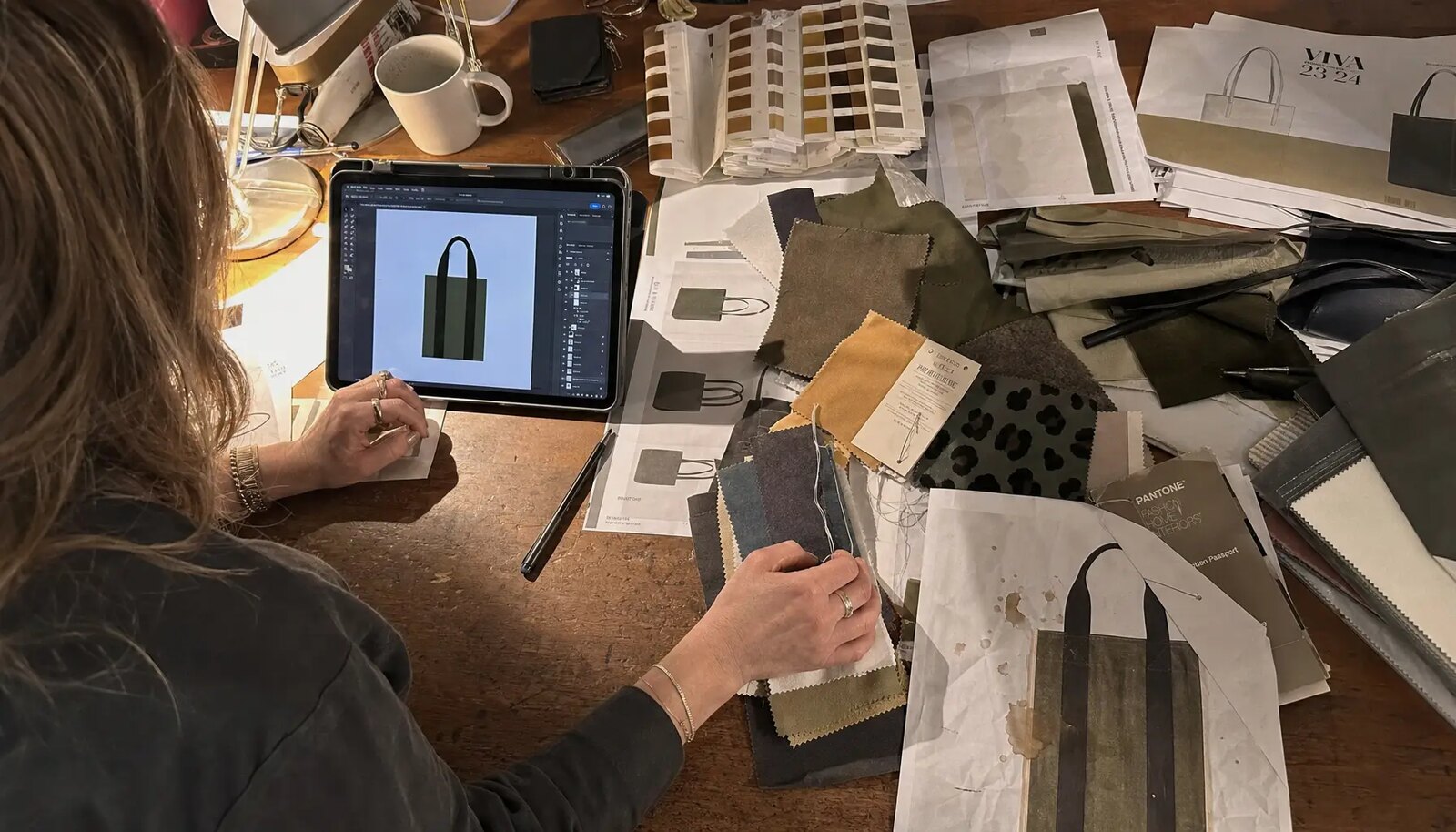
1. Start with the buying job, not the bag photo
Wholesale canvas wine carriers look simple in a line sheet. In production, they are not simple blanks. For an eco apparel brand, the same carrier might serve as a gift-with-purchase, a winery collaboration item, a tasting-room retail product, a corporate gift add-on, a PR mailer component, or a holiday bundle insert. Each use case changes the specification. A one-day event giveaway can be lighter and plainer than a reusable bottle carrier sold beside apparel at retail.
Before asking factories for price, decide what the carrier must do. Will it hold one standard 750 ml bottle, a heavier sparkling bottle, or a bottle plus a folded tee? Does it need to stand upright when empty? Will consumers carry it by hand for a short distance, or will it be used again and again? These answers affect the canvas weight, gusset, bottom construction, handle type, reinforcement, print method, and packing format.
This is where many MOQ negotiations are won or lost. If your RFQ says only natural canvas wine bag with logo, suppliers will fill in the missing details themselves. One quote may assume 10 oz canvas, another may assume 12 oz, another may include thin handles, and another may exclude packing or print setup. The buyer then appears to have four prices for the same product, but in reality those suppliers quoted four different products. A clean procurement brief makes the price conversation much more honest.
- Define the channel: apparel retail, winery partner, wholesale distributor, corporate gift, PR mailer, event giveaway, or replenishment program.
- Confirm the bottle type, approximate filled weight, and whether the carrier must stand upright when empty.
- State whether the order is a market test, seasonal launch, repeat program, or one-time promotional run.
- Separate structural requirements from visible branding requirements before negotiating MOQ.
2. Turn the design concept into measurable specifications
A supplier cannot quote accurately from mood-board language alone. Words such as sturdy, premium, natural, and reusable are useful for design direction, but they do not tell the factory how much fabric to buy or how long the bag will take to sew. A procurement-ready spec needs finished width, finished height, gusset depth, bottom construction, handle drop, handle width, canvas weight, stitch type, decoration method, packing method, and tolerances.
Use millimeters for finished size. Small differences matter on bottle packaging. A 10 mm reduction in width or gusset can make a carrier too tight for a broad-shoulder bottle. A handle drop that looks fine in a flat photo may feel cramped once a filled bottle is inside. If the carrier is part of an apparel bundle, confirm whether tissue, a hangtag, a gift card, a folded tee, or an insert card must share the space.
Tolerances should be practical, not decorative. Sewn canvas goods will not measure exactly the same on every unit, but undefined tolerance creates inspection disputes. Many buyers discuss small bag dimensions in millimeters, with tighter control for logo placement and key bottle-fit dimensions. The final tolerance should be agreed with the supplier before the purchase order is issued, then repeated in the inspection standard.
- Specify width, height, gusset, bottom shape, handle drop, handle width, and target finished appearance.
- Define whether dimensions are measured flat, filled, after pressing, or after packing.
- Add tolerances to the RFQ and purchase order, not only to the final inspection document.
- Use an actual bottle, bottle dummy, or technical drawing during sample review.
3. Choose canvas weight with structure, cost, and freight in mind
Canvas weight has a direct effect on product feel, sewing efficiency, carton weight, and landed cost. A 10 oz canvas can work for cost-sensitive promotions, event-driven orders, and simple one-bottle carriers where a softer body is acceptable. A 12 oz canvas is often the balanced option for eco apparel brands because it usually gives better structure without becoming too stiff or expensive to sew. A 14 oz canvas can create a more premium hand and stronger body, but it also raises material cost, needle resistance, carton weight, and sometimes carton volume.
Ask suppliers to state both ounces and GSM. In everyday sourcing, ounce references are common, but they are not precise enough on their own. Weave, washing, finishing, coating, and shrinkage all affect the final hand-feel and fabric weight. As a rough reference, 10 oz canvas may sit around 340 GSM, 12 oz around 400 GSM, and 14 oz around 475 GSM. Treat those numbers as guidance, not a substitute for an approved swatch and a written fabric record.
Natural canvas is also not one fixed shade. Unbleached cotton can range from cream to light beige depending on yarn lot and finishing. Bleached, dyed, washed, and coated canvas can each carry different MOQs and lead times. If the carrier will sit next to apparel, shade variation may be more noticeable than it would be on a basic giveaway. Ask for a swatch, clarify the bulk-lot standard, and write down the allowed shade range before production starts.
- Use 10 oz for cost-sensitive or event-driven orders where premium structure is not the main goal.
- Use 12 oz when the carrier needs to look credible beside apparel or retail gifting products.
- Use 14 oz for premium programs, while budgeting for higher material, sewing, and freight impact.
- Confirm whether the quoted canvas is greige, finished, washed, bleached, dyed, coated, or water-repellent.
4. Treat handles and seams as load-bearing details
The handle system is where many low-cost wine carriers fail. A filled 750 ml glass bottle often weighs roughly 1.2 to 1.6 kg, depending on the bottle and liquid. The handle attachment must survive repeated lifting, not just look acceptable in a sample-room photo. Procurement should define handle material, width, drop, attachment position, reinforcement method, and expected load check.
Cotton webbing handles are common because they are consistent, efficient to sew, and comfortable in hand. Self-fabric handles can look more integrated and natural, which may suit an apparel brand’s aesthetic, but they add cutting, folding, and sewing labor. Very narrow tape can reduce unit cost, yet it may twist or dig into the hand. For many retail-facing carriers, 25-35 mm handle width is a practical range, though the final choice depends on the design and price target.
Seams deserve the same attention. Ask for lockstitch seams, clean seam allowance, neat visible topstitching where required, and reinforced stress points. Stitch density is often discussed as stitches per inch; a range such as 7-10 SPI may suit many canvas bags, but the factory should confirm what it uses for the fabric weight and thread. Reinforcement can be bartack, box-X, dense lockstitch, or another approved construction. What matters is that the method is named, sampled, and inspected.
- Define handle material: self-fabric canvas, cotton webbing, recycled cotton webbing, or another approved trim.
- Specify handle width, handle drop, attachment position, and reinforcement pattern.
- Ask whether a simple load check or handle pull test can be performed during in-line or final inspection.
- Inspect twisting, puckering, skipped stitches, broken thread, open seams, and weak stress points before bulk approval.
5. Pick branding that protects margin and execution
Decoration choices influence MOQ, setup cost, reject rate, and lead time. Screen printing is usually efficient for a bold one-color logo or simple graphic on canvas. It becomes less forgiving when the artwork includes tiny type, hairline detail, tonal gradients, or large solid ink coverage over a rough weave. Heavy ink areas may feel stiff, show canvas texture unevenly, or crack if the ink system and curing are not suitable.
Eco apparel brands often get better results from restrained branding. A single-color front print, small side label, woven label, or hangtag can communicate the brand without forcing multiple print passes and higher rejection risk. Embroidery can look premium, but small lettering may distort on heavy canvas, and embroidery usually adds machine time compared with a simple screen print. If the brand wants a premium apparel-style finish, a side label or woven label may be cleaner than overcomplicating the front graphic.
Put the artwork details into the quote request. The supplier should know the logo dimensions, placement reference points, color target, ink type if specified, and whether the price includes screen charges or only production printing. For labels, ask about label MOQ, label lead time, fold type, attachment position, and approval process. A small trim can become the hidden MOQ blocker if it has its own minimum order.
- Use screen print for bold marks, simple text, and repeatable volume programs.
- Use woven labels or side labels when small detail, durability, and apparel-style branding matter.
- Use embroidery selectively, especially for compact marks rather than fine lettering or dense text.
- Approve a print strike-off or decorated pre-production sample before bulk printing.
6. Read MOQ as a cost structure, not a threat
MOQ is usually built from several factory realities: fabric purchase minimums, trim minimums, print setup, cutting yield, sewing-line changeover, packing material purchase, and carton efficiency. When a buyer requests three canvas colors, two logo versions, a custom woven label, and individual retail packing, the supplier may be managing multiple minimums inside one order. The total quantity may look large, while each version is still too small to run efficiently.
The cleanest way to negotiate MOQ is to reduce version complexity first. Keep one canvas color, one finished size, one handle type, and one decoration method for the opening order. If the brand needs channel variation, consider changing the hangtag, insert card, or barcode sticker rather than changing the body fabric or print. This keeps the sewing line stable while still giving sales or marketing some flexibility.
Ask for price breaks with the exact same specification held constant. A useful RFQ might request 500, 1,000, 2,500, and 5,000 units of the same carrier. That format shows where the unit cost moves because setup and labor are being spread over more units. If every price tier also changes the fabric, packing, or print method, the negotiation becomes muddy. For a pilot order, accept that unit cost may be higher, but define the reorder ladder before the first order is placed.
- Lower MOQ pressure by using standard natural canvas, one size, one print color, and bulk flat packing.
- Expect higher MOQ pressure with dyed canvas, multiple artwork versions, woven labels, custom cartons, and rushed production.
- Ask which part of the MOQ is driven by fabric, trim, print setup, sewing efficiency, or packing.
- Negotiate the first order and reorder price ladder together so successful pilots can scale more smoothly.
7. Build an RFQ that suppliers can quote cleanly
A strong RFQ removes guesswork. It tells suppliers what to quote, what to break out, what assumptions to state, and what alternatives they may offer. Procurement teams should ask for the base unit price and the cost of upgrades separately. That structure helps prevent a supplier from winning on a low unit price that excludes reinforcement, print setup, hangtags, acceptable packing, or carton labeling.
Include trade terms. A unit price without delivery terms can be misleading. EXW pricing may exclude inland transport, export handling, and port costs. FOB pricing may include delivery to port and export clearance depending on country and supplier practice. CIF and DDP include more logistics assumptions. For B2B buying, the quote should state currency, validity period, payment terms, trade term, sample lead time, production lead time, carton dimensions, gross weight, and estimated CBM.
Ask suppliers to declare substitutions in writing. If they quote 10 oz because 12 oz is unavailable, that should be visible. If they replace cotton webbing with blended webbing, change the label size, or use a different packing method, the quote should say so. Cost-saving alternatives can be useful, but they should be presented as options, not quietly built into the baseline price.
- Request line items for fabric, sewing, decoration, trims, labels, packing, cartons, setup, sample fee, and inland freight where applicable.
- Ask for MOQ and price by version, not only by total order quantity.
- Require quote validity and lead time assumptions because fabric, labor, and freight conditions can change.
- Keep one control specification so every supplier quotes the same baseline before alternatives are reviewed.
8. Control samples before bulk cutting begins
Sampling should move from concept validation to production control. A development sample can confirm size, structure, and general appearance, even if it uses substitute fabric or temporary trims. A pre-production sample should be stricter. It should use the approved canvas weight, approved color, approved handle, approved reinforcement, approved print, approved label, and intended packing method. Bulk cutting should not begin until that pre-production sample is signed off.
Review samples with measurements, not only photos. Insert the actual bottle or a bottle dummy. Lift the carrier several times. Check whether the bottom deforms. Look closely at the handle attachment, inside seams, thread trimming, and logo placement. If the carrier must stand on a retail table, test that. If it will ship folded, unpack it and check the crease pattern. Small functional problems are easier to fix before fabric is cut.
Keep a sealed reference sample. The buyer, supplier, and inspector should know which sample governs bulk production. If any change is made after approval, such as switching canvas lot, changing ink, moving label placement, adjusting handle length, or altering packing, document it in writing. Small changes can affect appearance, function, and cost. A clear approval trail prevents avoidable disputes.
- Approve a fabric swatch or fabric lot before approving the finished production sample.
- Measure the sample flat and filled, then record the accepted dimensions and tolerance.
- Check logo placement from agreed reference points such as top edge, side seam, bottom edge, or centerline.
- Keep retained samples for buyer, supplier, and third-party inspector when the order size justifies it.
9. Write QC standards an inspector can actually use
Quality control for canvas wine carriers should be practical, measurable, and tied to the purchase order. A vague instruction such as good quality is not enforceable. Define critical, major, and minor defects before production. Critical defects may include unsafe contamination, severe mold odor, wrong product, or failed handle attachment. Major defects may include open seams, incorrect size outside tolerance, print in the wrong position, wrong logo, broken stitches at stress points, or carton count errors. Minor defects may include small loose threads, slight non-visible stitch variation, or light removable marks within agreed limits.
Many importers use AQL inspection for consumer products, but the exact inspection level and acceptance limit should be agreed by the buyer. The important part is not the acronym; it is the clarity behind it. Sampling quantity, defect categories, and pass-fail rules must be written down. For a retail-facing order, inspection should cover workmanship, dimensions, printing, color, labeling, packing, carton marks, and basic function such as bottle fit and handle strength.
Photo documentation helps, but it should not replace measurement. Ask for production-line photos during cutting, printing, sewing, and packing when the supplier is new or the order is important. Final inspection photos should include the full product, close-up logo, handle reinforcement, inside seams, label placement, packed unit, open carton, carton marks, and measurement shots. That gives procurement a usable record without pretending photos can verify every unit.
- Define size tolerance, print placement tolerance, shade tolerance, stitch density expectation, and handle reinforcement method.
- Classify defects before production so inspection results are not debated after cartons are packed.
- Use the sealed pre-production sample as the visual standard for shade, hand-feel, logo placement, and workmanship.
- Inspect carton marks, SKU labels, barcode placement, and packing count because warehouse errors can cost more than small sewing defects.
10. Negotiate landed cost without weakening the carrier
Unit price is only one part of the buying decision. Landed cost includes unit price, setup fees, sample fees, packing labor, carton volume, freight weight, duties, inland transportation, inspection, rework, and markdown risk if the product disappoints. A cheaper canvas wine carrier may cost more after arrival if it has weak handles, poor print curing, oversized cartons, unclear carton marks, or packaging that does not match the sales channel.
The best negotiation tactic is to protect the structural requirements while adjusting optional features. Keep the bottle fit, fabric weight, handle reinforcement, and logo accuracy stable. Then test savings through print simplification, fewer artwork versions, bulk flat packing, standard carton sizes, or removal of nonessential trim. This keeps the product credible for eco apparel buyers while still giving procurement real levers to meet budget.
Calendar discipline is also cost control. Seasonal and gift programs can become expensive when approvals run late. Rushed production may limit fabric choices, compress sample review, or push the buyer toward air freight. Build the schedule backward from the in-warehouse date and include artwork approval, sampling, sample shipping, revision, bulk production, inspection, and freight. If the date is fixed and time is short, reduce variables instead of adding custom-dyed canvas, new labels, complex retail packing, and multiple artwork versions at once.
- Compare landed cost using carton CBM, gross weight, packing method, and trade term, not only unit price.
- Protect must-have specs such as bottle fit, canvas weight, handle reinforcement, seam quality, and logo accuracy.
- Use optional upgrades such as woven labels, hangtags, tissue wrap, individual polybags, and custom cartons as negotiation levers.
- Ask for a reorder price ladder so a successful pilot can scale without reopening every cost assumption.
Specification comparison for buyers
| Spec decision | Recommended option | When it fits | Buyer risk to check |
|---|---|---|---|
| Finished size | Build the carrier around the actual bottle diameter, shoulder profile, bottle height, and neck clearance; confirm flat size and gusset depth in millimeters. | Standard 750 ml wine bottles, slim bottles, cider bottles, tasting-room gifts, winery collaborations, and apparel-brand gift bundles. | A generic wine-bag size may be too tight for broad-shoulder bottles or too loose for slim bottles. Ask for tolerance on width, height, gusset, bottom shape, and handle drop. |
| Canvas weight | Use 10 oz for cost-sensitive promotions, 12 oz for balanced retail use, and 14 oz for a more structured premium feel; request GSM confirmation. | Eco apparel add-ons, reusable bottle packaging, corporate gifts, holiday bundles, and retail-ready wine carriers. | Nominal ounces can vary by weave and finishing. Confirm actual GSM, shrinkage allowance, hand-feel, and whether the quoted weight is greige, finished, washed, or coated. |
| Handle build | Specify 25-35 mm cotton webbing or self-fabric handles with bartack, box-X, or approved dense reinforcement at stress points. | Reusable carriers expected to hold a filled 750 ml bottle, often roughly 1.2-1.6 kg including glass and liquid. | Thin handles can stretch, twist, or tear at the seam. Define handle drop, fold width, stitch density, reinforcement layout, and load-check method. |
| Seam construction | Use lockstitch seams with 7-10 stitches per inch where appropriate, reinforced handle joints, clean seam allowance, and controlled thread trimming. | Retail-facing orders where the carrier must look clean after unpacking and survive repeat use. | Loose thread, skipped stitches, uneven seam allowance, weak bartacks, and needle damage are common hidden defects if the QC standard is vague. |
| Print method | Choose one-color screen print for simple logos; use woven labels, side labels, or embroidery when small detail or apparel-style branding matters. | Eco apparel brands with restrained visual identity, natural canvas bodies, repeat programs, and moderate decoration budgets. | Fine type, tonal gradients, and large ink coverage can crack, bleed, or look uneven on textured canvas. Require artwork size, Pantone target, ink notes, and placement tolerance. |
| MOQ route | For the first order, keep one body size, one canvas color, one handle type, and one decoration method whenever possible. | Pilot launches, seasonal gifting, cross-merchandise tests, and programs where procurement needs negotiation leverage. | Every added color, print version, label, hangtag, or packing format can create a separate MOQ, setup charge, or longer approval path. |
| Supplier type | Work with a sewn-goods factory or sourcing partner that can explain production capability, sample stages, QC standards, and cost drivers. | Programs needing repeatability, transparent specs, measurable inspection criteria, and cleaner reorder planning. | A trading route may bundle fabric, trim, print, packing, and margin in one number, making it harder to compare true cost drivers. |
| Packing method | Use bulk flat pack for freight efficiency; add individual polybag, barcode sticker, paper band, tissue wrap, or retail fold only when the channel requires it. | Wholesale cartons, warehouse replenishment, wine-club inserts, tasting-room retail, apparel gift sets, and corporate programs. | Overpacking increases carton CBM and labor. Underpacking can scuff prints, crease bodies, deform handles, or create warehouse handling issues. |
| Inspection standard | Use an AQL-based final inspection with critical, major, and minor defect definitions, plus a sealed pre-production sample. | Orders with multiple carton lots, retail distribution, strict brand presentation requirements, or new supplier relationships. | Without written acceptance criteria, buyers and suppliers may disagree on shade variation, print offset, loose threads, handle strength, or packing defects. |
Buyer checklist before sampling
- Confirm the bottle profile before quoting: standard 750 ml Bordeaux-style, Burgundy-style, sparkling bottle, slim bottle, cider bottle, or boxed gift set.
- State finished carrier measurements in millimeters, including width, height, gusset, bottom shape, handle drop, handle width, and acceptable tolerance for each dimension.
- Specify canvas by both ounce and GSM where possible, and ask whether the quoted weight is greige, finished, washed, bleached, dyed, coated, or water-repellent fabric.
- Define the structure: one-bottle carrier, two-bottle carrier, divider insert, reinforced bottom panel, self-fabric handle, cotton webbing handle, or folded retail body.
- Set the target order quantity by body color, artwork version, size, and packing format; do not state only a total order quantity if versions are mixed.
- Separate must-have specs from optional upgrades before negotiation, such as 12 oz canvas and bartacks as must-haves, woven label and tissue wrap as optional.
- Provide artwork files with exact logo size, print placement, Pantone or CMYK target, minimum line thickness, and whether the design is approved for screen printing on textured canvas.
- Ask for a quote that separates fabric, sewing labor, decoration, labels, hangtags, packing materials, cartons, sample fee, setup fee, and inland freight terms where applicable.
- Request a development sample if the structure is new, then a pre-production sample made with approved fabric, approved print, approved trims, and intended packing.
- Agree on QC tolerances before bulk production: size tolerance, stitch density, print placement tolerance, shade tolerance, handle strength, odor condition, and defect classification.
Factory quote questions to send
- What is the MOQ per finished size, per canvas color, per print version, per label version, and per packing format?
- Is the quoted canvas 10 oz, 12 oz, 14 oz, or another weight, and what is the corresponding GSM after finishing?
- Is the canvas natural, bleached, dyed, washed, enzyme treated, coated, or water-repellent finished, and does that affect MOQ or lead time?
- What exact finished dimensions, gusset construction, bottom construction, handle drop, seam allowance, and size tolerances are included in the quote?
- Are handles made from self-fabric or cotton webbing, what width are they, and what reinforcement is used at the attachment points?
- What stitch density is used on main seams and handle attachments, and can you provide a handle pull test, load check, or internal strength standard?
- Which decoration method is included in the unit price, and what are the separate screen, plate, embroidery, woven label, or setup charges?
- What is the maximum print area, expected placement tolerance, ink type, curing process, and color matching standard for the logo?
- Can you quote the same carrier at several MOQs, such as 500, 1,000, 2,500, and 5,000 units, with the exact same specification held constant?
- Which costs change if we reduce MOQ: fabric purchase, cutting yield, print setup, label MOQ, labor efficiency, packing materials, carton quantity, or inland transport?
Quality-control points to confirm
- Finished dimensions are checked against the approved spec in millimeters, including height, width, gusset depth, bottom shape, handle drop, and bottle clearance, with agreed tolerances recorded on the inspection sheet.
- Canvas weight is verified against the approved swatch or fabric test record, and bulk fabric has no obvious thin streaks, slubs beyond the approved character, heavy skew, mildew odor, oil stain, or contamination.
- Fabric shade is compared against the approved standard under consistent lighting, especially for natural, dyed, washed, or bleached canvas where lot variation can be visible across cartons.
- Main seams are straight, secure, and clean, with consistent stitch density, no skipped stitches, no broken thread, no open seams, and no sharp needle damage near stress points.
- Handle attachment is reinforced with the approved bartack, box stitch, box-X, or dense lockstitch pattern, and the handle does not twist, pull out, or distort under an agreed load check.
- Print placement is within the approved tolerance, commonly measured from the top edge, side seam, bottom edge, or centerline; ink coverage is even with no smearing, ghosting, heavy pinholes, or obvious cracking.
- Logo color is checked against the approved Pantone, lab dip, print strike-off, or sealed sample, with realistic allowance for printing on textured natural canvas.
- Labels, hangtags, barcode stickers, care information, and origin information match the purchase order and are attached in the approved position without crooked placement or loose threads.
- Loose thread trimming, edge finishing, seam allowance, bottom shape, folding quality, and pressing are inspected so the carrier looks retail-ready or warehouse-ready when unpacked.
- Packing count, carton marks, carton strength, inner packing method, carton sequence, and retained production samples match the PO, with inspection photos kept when required.