Why Lead Time Planning Matters for Hotel Retail Wine Carriers
Wholesale canvas wine carriers for hotel retail look simple, but they often sit inside a fixed launch calendar. The hotel shop may need stock before a wine festival, room package, opening event, holiday hamper program, or regional tasting campaign. If the sourcing team treats the bag as a last-minute accessory, the production risk moves into the final weeks, where every artwork correction, fabric shortage, or packing change costs more time than expected.
The practical buying problem is not only finding a supplier that can sew canvas bags. It is building a schedule where specification, sampling, approval, production, inspection, and freight are aligned before the retail date. A strong RFQ should let the factory calculate capacity and material timing clearly, while giving the buyer enough evidence to compare quotes beyond unit price.
- Start the sourcing calendar from the required in-store date, then work backward through freight, inspection, bulk sewing, printing, material booking, and sample approval.
- Separate factory production lead time from total landed lead time; a 30-day production quote does not include ocean transit, customs, delivery appointment, or hotel distribution.
- Treat artwork approval and sample courier time as real schedule items, not informal email activity.
- Freeze the carrier structure before decoration approval, because changing size or divider construction after print testing can restart sampling.
Define the Retail Use Before Choosing the Canvas Spec
Hotel retail wine carriers are used in different ways. A single-bottle carrier sold beside a concierge desk has different requirements from a two-bottle carrier used in a gift set with tissue paper and a room card. Some hotels want a premium reusable item that supports the property brand. Others need a functional carrier for a local wine partnership where cost and fast replenishment matter more than heavy canvas.
The first RFQ page should describe the bottle type, retail environment, and expected handling. Standard 750 ml wine bottles are easier to fit than champagne or wider sparkling bottles. If the carrier must stand upright on a counter, the fabric weight, bottom construction, and seam balance matter. If the carrier is folded flat in a gift box, heavy canvas can create bulk and carton inefficiency.
- For standard wine bottles, confirm diameter, height, and whether the neck must remain visible above the bag opening.
- For champagne or mixed bottles, request a fit test because wider bases can stress side seams and dividers.
- For shelf display, use a bottom gusset that supports the loaded bottle and reduces leaning.
- For room-gift programs, confirm whether the carrier is packed empty, loaded locally, or delivered with gift accessories.
- For premium hotel boutiques, consider 10 oz to 12 oz canvas rather than very light promotional cotton.
Fabric Weight, GSM, and Construction Choices That Affect Timing
The word canvas is not enough for a factory quote. Buyers should specify both ounce weight and approximate GSM because mills, suppliers, and countries may describe cloth differently. A typical hotel retail canvas wine carrier often works well at 10 oz to 12 oz, roughly 280-340 GSM. This gives better structure than light cotton while still sewing efficiently on normal bag production lines.
Heavier fabric can improve perceived value, but it also changes needle choice, seam bulk, packing cube, and freight weight. Dyed canvas can add material lead time compared with natural or bleached stock. Organic cotton canvas, special weave, water-repellent finishing, or custom color matching may be commercially useful, but the buyer should not expect the same schedule as stock natural canvas.
- 8 oz canvas may suit budget programs but can feel soft and collapse when empty on a shelf.
- 10 oz to 12 oz canvas is a balanced range for hotel retail carriers with screen print branding.
- 14 oz canvas feels substantial but increases sewing difficulty, carton weight, and sometimes MOQ.
- Natural canvas usually books faster than custom dyed canvas if mill stock is available.
- Preshrunk or washed canvas can help size consistency but may add processing time and cost.
Print Method Planning: Avoid Artwork Delays After the Order
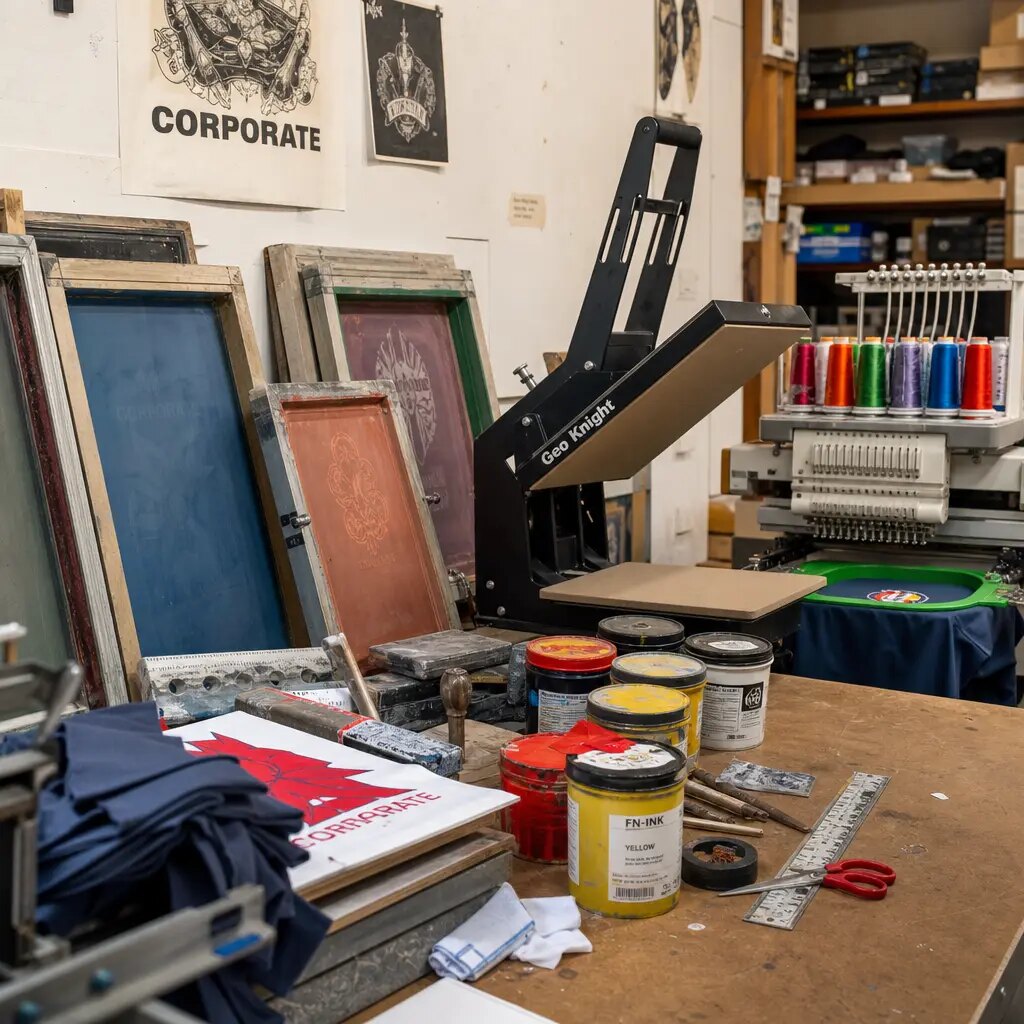
Logo decoration is one of the most common causes of schedule slippage. For canvas wine carriers, simple hotel logos usually suit screen printing, especially one to three spot colors on natural canvas. Water-based ink gives a softer handfeel and works well for many hospitality brands. Plastisol-style effects or heavy opaque inks may be needed for strong coverage, but they can change texture and drying requirements.
Heat transfer can handle complex gradients, small details, or photographic artwork, but it is not always the best choice for a premium canvas feel. Embroidery may look upscale, yet it adds stitch time, thread testing, backing material, and possible puckering on lighter fabric. The safest lead time plan is to make the print method decision before sampling, then approve a strike-off on the actual fabric or a close production fabric.
- Provide vector artwork, Pantone references, print size, print location, and whether the logo must align with the bottle centerline.
- Use a print strike-off to approve ink shade, edge sharpness, opacity, and handfeel before bulk printing.
- Allow extra time for metallic ink, large solid coverage, dark fabric printing, or multiple logo versions.
- Set print placement tolerance, such as plus or minus 5 mm to 10 mm depending on bag construction.
- Do not approve color only from a digital mockup; canvas texture changes how ink appears.
MOQ Logic: Why Small Hotel Programs Still Need Consolidation
MOQ is not only a sales rule. It is connected to fabric cutting efficiency, print setup, sewing line changeover, packing materials, and inspection handling. A factory may accept a small trial order, but the unit price will rise if each property wants a separate logo, separate hangtag, and separate carton mark. For hotel groups and distributors, consolidation is often the easiest way to protect price and lead time.
A buyer can reduce MOQ pressure by standardizing the base carrier and changing only the removable hangtag, barcode sticker, or paper band. If each location needs its own front print, the factory may need separate screens, separate print setup, and separate QC records. The RFQ should show the total program volume and the breakdown by SKU so the supplier can suggest the most efficient production route.
- Quote MOQ per style, per fabric color, per print design, and per packing version.
- Combine multiple hotel properties under one base canvas and one print color where brand rules allow.
- Use hangtags or carton labels for property-level differentiation when front logo changes are not essential.
- Expect higher unit prices for low-volume SKUs because setup labor is spread across fewer pieces.
- Confirm whether sample charges or screen charges are refundable after bulk order placement.
A Practical Lead Time Map From RFQ to Hotel Delivery
A realistic schedule starts before the purchase order. The RFQ stage may take several days if the buyer sends incomplete artwork, uncertain bottle dimensions, or unclear packing requirements. Once the factory receives a usable spec, a blank sample can usually be made faster than a fully printed and packed pre-production sample. For a new canvas wine carrier, separating sample stages often prevents expensive rework.
For ordinary stock natural canvas, standard screen print, and a normal MOQ, buyers often plan around 7-10 days for sample preparation, 25-35 days for bulk after approval, and additional time for inspection, export handling, freight, customs, and inland delivery. These numbers are planning examples, not a guaranteed promise. The factory quote should state whether lead time starts from deposit, artwork approval, material confirmation, or signed pre-production sample.
- RFQ clarification: 2-5 working days if specs, artwork, and quantities are not complete.
- Blank construction sample: useful for bottle fit, gusset, divider, handle length, and retail posture.
- Print strike-off: required for color, opacity, artwork size, and ink behavior on actual canvas.
- Pre-production sample: should include final fabric, print, label, packing, and carton marking if possible.
- Bulk production: should begin only after written approval and material booking are complete.
- Final inspection and export: leave time for inspection booking, rework if needed, documents, and vessel cutoff.
Sample Approval Criteria That Prevent Bulk Production Mistakes
Sample approval should not be a casual photo approval. A canvas wine carrier has functional requirements that are only visible when loaded. The buyer should test the approved sample with the exact bottle type and evaluate whether the carrier stands, the handles feel balanced, the divider prevents contact, and the logo remains visible when the bottle is inserted.
The pre-production sample should become the control sample for bulk production. It should be signed, dated, and matched with a written spec sheet. If the buyer approves a sample but later changes the label, hangtag, print size, or carton quantity, the factory needs to update cost and schedule. Small changes can affect sewing order, packing labor, and material purchasing.
- Measure finished height, width, gusset, handle length, and divider height against the spec sheet.
- Load the sample with the intended bottle weight and hang it for a reasonable stress period before approval.
- Check whether the print cracks, bleeds, transfers, or feels too heavy after drying.
- Review inside seams for fraying, loose threads, skipped stitches, and raw edge control.
- Approve packing with the same fold method and barcode placement planned for bulk delivery.
Packing and Carton Planning for Hotel Retail Distribution
Packing decisions affect both retail appearance and landed cost. A hotel boutique may want each wine carrier individually polybagged with a barcode label, while a sustainability-led property may prefer a paper band or no individual plastic. Polybagging protects light canvas from dust and moisture during export, but it adds material cost, labor, and sometimes brand compliance review.
Carton planning is especially important when the buyer distributes to multiple hotels. Cartons should be packed in a way that avoids heavy crease marks, dirty edges, and crushed handles. If carriers are shipped flat, the fold position must not run across the logo in a way that creates a visible retail crease. Carton dimensions and gross weight should be quoted early so importers can estimate freight and warehouse handling.
- Define individual packing: no bag, paper band, recyclable polybag, standard polybag, or retail-ready sleeve.
- Specify barcode label size, placement, SKU code, country-of-origin wording, and any hotel retail ticketing requirement.
- Request carton quantity, carton size, gross weight, net weight, and total CBM with the quote.
- Use carton liners or moisture protection when shipping natural canvas during humid seasons.
- Avoid overpacking cartons so handles and printed panels are not compressed into permanent creases.
Quote Data Buyers Need for Fair Supplier Comparison
Two quotes for wholesale canvas wine carriers can look similar but include very different assumptions. One supplier may quote 10 oz natural canvas with one-color screen print and master carton packing. Another may include 12 oz canvas, individual bags, hangtags, barcode labels, and a printed carton mark. Without a controlled quote sheet, the lowest unit price may be the least complete offer.
A serious quote should show fabric weight, construction, print method, print colors, MOQ, sample fees, setup charges, packing, carton data, Incoterm, production lead time, and payment terms. For importers and distributors, carton dimensions and gross weight are not minor details. They affect freight quote accuracy, warehouse receiving, and landed cost per unit.
- Compare all suppliers on the same Incoterm, such as EXW, FOB, CIF, DDP, or delivered warehouse terms.
- Separate unit price from tooling, screen, sample, courier, label, hangtag, and special packing charges.
- Require a lead time basis: after deposit, after artwork approval, after material arrival, or after sample approval.
- Record whether the quote includes final inspection support, export carton marks, and standard documentation.
- Ask suppliers to state validity period because cotton fabric and freight assumptions can change.
Schedule Risk Controls for Peak Season and Reorders
Hotel retail programs often collide with peak export periods, holiday packaging demand, and vessel capacity pressure. A supplier may have sewing capacity available but still wait on fabric, labels, or print room scheduling. The buyer should identify the longest dependency early and reserve capacity once the program is approved internally.
Reorders are easier if the first production file is built properly. Keep the approved sample, fabric reference, print strike-off, carton specification, and QC report together. If the reorder requires the same look, the factory needs the previous production standard, not only a photo of the finished bag. If the reorder changes bottle type or artwork, treat it as a new approval, not a repeat order.
- Reserve production slots after deposit and final approval rather than assuming capacity remains open.
- Add buffer for national holidays, cotton fabric booking, port congestion, and buyer-side artwork delays.
- Keep a reorder file with approved GSM, fabric color, print ink reference, label position, and carton data.
- For urgent replenishment, reduce variables by using the same fabric, same print method, and same packing.
- Plan safety stock for hotel groups where retail sell-through can vary by property and season.
Specification comparison for buyers
| Spec decision | Recommended option | When it fits | Buyer risk to check |
|---|---|---|---|
| Fabric weight for hotel retail shelf display | 10 oz to 12 oz cotton canvas, roughly 280-340 GSM, preshrunk if tight size tolerance matters | Best for upright bottle support, premium handfeel, and repeated guest handling in boutique shops | Below 8 oz can collapse on shelf; above 14 oz increases freight weight and may need longer sewing time |
| Carrier format for bottle count | Single-bottle for gifting, two-bottle with divider for higher basket value | Single-bottle suits room gifts and minibar upsell; two-bottle suits hotel shop wine pairings | Divider height and seam strength must prevent glass contact during carrying |
| Logo decoration method | Water-based screen print for simple hotel branding; heat transfer only for complex gradients | Screen print fits natural canvas, medium runs, and lower unit cost after setup | Dark ink on natural canvas can gain at edges; require strike-off approval before bulk |
| Handle construction | Self-fabric handles with box-X reinforcement or cotton webbing handles with bartack | Self-fabric looks premium; webbing improves repeat strength for heavier bottles | Short handles reduce guest usability; weak reinforcement causes returns after loaded testing |
| MOQ planning route | Consolidate color, size, and print method to reach factory MOQ per style | Useful when hotel group has multiple properties but one brand artwork system | Splitting small quantities by property logo can create extra screens, sample rounds, and higher unit cost |
| Packing method for retail presentation | Individual polybag or paper band, then export carton with upright stacking and carton liner | Paper band fits plastic-reduction retail; polybag protects white or light canvas during sea freight | Unprotected natural canvas can absorb carton odor, dust, and moisture marks |
| Sample approval path | Blank size sample first, then print strike-off, then pre-production sample with final label and packing | Best when launch date is fixed and the buyer must freeze specs before booking production | Skipping the blank fit sample can hide bottle fit, divider, and handle balance problems |
| Lead time buffer | Plan 7-10 days for sampling, 25-35 days for bulk after approval, plus freight and customs buffer | Works for regular canvas, standard print, and normal MOQ without complex accessories | Peak season, dyed canvas, woven labels, or many SKUs can push the approval-to-ship window longer |
Buyer checklist before sampling
- Define bottle type and diameter before size approval: standard 750 ml wine bottle, champagne bottle, or mixed bottle use.
- Lock fabric weight in oz and GSM, not only the word canvas, so quotes can be compared fairly.
- Specify whether the carrier must stand upright on a retail shelf when empty and when loaded.
- Confirm single-bottle, two-bottle, or divided format with internal divider height and stitching method.
- Send final logo artwork in vector format with Pantone references and acceptable print position tolerance.
- Request a blank construction sample before printed approval if the carrier shape or divider is new.
- Set measurable QC standards for seam strength, print registration, fabric defects, size tolerance, and carton marks.
- Clarify packing for hotel retail display: individual polybag, paper band, hangtag, barcode sticker, or master carton only.
- Build schedule buffer for artwork approval, sample courier transit, peak-season capacity, and customs inspection.
- Compare quotes using the same Incoterm, carton quantity, carton dimensions, gross weight, and lead time basis.
Factory quote questions to send
- What fabric weight in oz and GSM is included in the quote, and is it greige, bleached, dyed, or natural canvas?
- What is the MOQ per style, per color, and per print design, and what price change applies below standard MOQ?
- Which print method is quoted, how many colors are included, and what setup or screen charges apply?
- How many days are required for blank sample, print strike-off, pre-production sample, and bulk production after approval?
- Can the factory provide carton dimensions, gross weight, net weight, and units per carton before order confirmation?
- What reinforcement is used at the handles and divider seams, and has loaded carry testing been performed?
- What size tolerance, print tolerance, and fabric defect standard will be used during inspection?
- Are labels, hangtags, barcode stickers, paper bands, or individual bags included in the unit price?
- What payment milestone triggers material booking, and when is the production slot reserved?
- What happens if artwork approval or sample courier delivery is delayed by the buyer?
Quality-control points to confirm
- Fabric weight tolerance should be controlled against the approved sample, with GSM variation documented before cutting.
- Finished size tolerance should normally stay within plus or minus 1 cm unless the bottle fit requires tighter control.
- Handle attachment should pass loaded hanging and pull checks using the intended bottle weight, not an empty-bag visual check.
- Divider seams on two-bottle carriers should prevent bottle-to-bottle contact during normal carrying.
- Print color should be compared against approved strike-off under consistent light, with acceptable shade tolerance agreed in advance.
- Print placement should be measured from fixed bag edges, not judged only by eye after sewing variation.
- Open seams, skipped stitches, heavy oil marks, mildew smell, and sharp loose threads should be treated as rejectable defects.
- Cartons should be dry, clean, export-grade, and marked with SKU, quantity, gross weight, carton size, and destination reference.