Start With the Use Case, Not the Quote
A canvas wine carrier for a trade show is not the same item as a generic shopping tote with a divider dropped inside it. The buyer has to decide whether the carrier is being used as a giveaway, a retail accessory, or a protected bottle pack for booth sampling and client gifting. That use case drives the fabric weight, the handle build, the inside structure, and even the carton plan. If you skip that decision, supplier quotes will look comparable while the goods arrive with very different stiffness, print quality, and protection level.
For procurement teams, the fastest way to clean up the RFQ is to define the bottle count, bottle diameter range, and required presentation level first. A one-bottle carrier for a branded gift has different requirements from a two-bottle carrier used for event transport. Put the actual bottle dimensions in the brief, not just the nominal bottle size. That gives the factory a real basis for sleeve width, divider height, and seam placement.
- State whether the carrier must hold one, two, or multiple bottles.
- List the largest bottle diameter and height expected at the event.
- Define whether the item is promotional, retail-ready, or protective transport packaging.
- Specify if inserts, dividers, or bottom boards are required.
Choose the Fabric Weight That Matches the Price Point
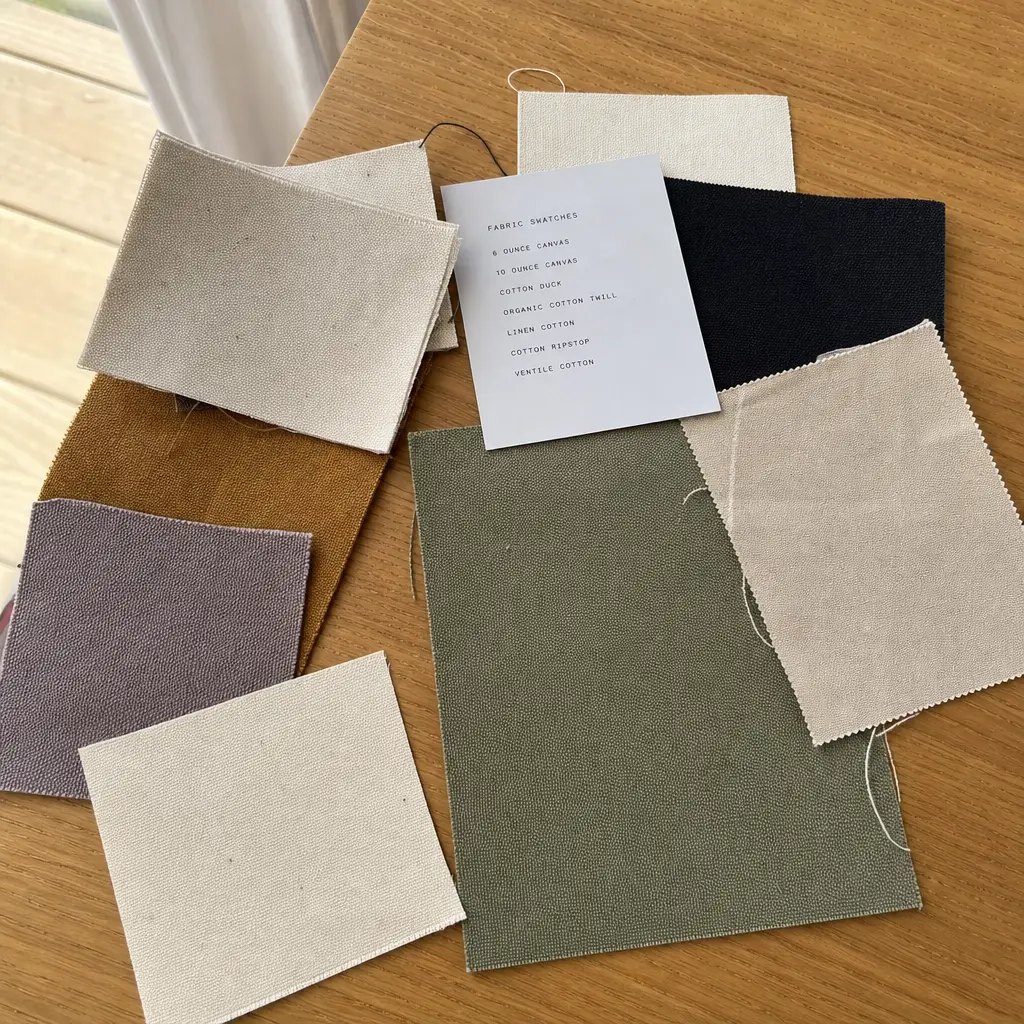
Canvas weight is one of the biggest quote drivers, and it is also one of the easiest places to get a misleading comparison. A 12 oz canvas wine carrier can work for a promotional program if the construction is reinforced. A 14 oz or 16 oz version usually gives a better hand feel, better standing shape, and less risk of seam distortion when bottles are loaded. The buyer should ask for the weight in both ounces and GSM if the supplier can provide it, because some factories quote a nominal fabric label without clarifying the finished cloth.
The right weight depends on whether the carrier is meant to hold shape during display or only serve as a temporary transfer bag. For trade show exhibitors, the bag often sits on counters, shelves, and giveaway tables, so a floppier fabric can hurt presentation even if it meets load requirements. If the supplier offers washed, dyed, or coated canvas, ask for the effect on shrinkage and print result. Heavier is not automatically better if it pushes the price past the target or makes the bag too rigid for easy packing.
- 12 oz canvas: lower cost, acceptable for light promotional use if seams are reinforced.
- 14 oz canvas: balanced option for a better retail feel and stable shape.
- 16 oz canvas: better for premium gifting, stronger structure, and longer service life.
- Ask whether the quote uses greige, dyed, washed, or coated canvas, because finish changes both hand feel and cost.
Compare Supplier Routes Before You Compare Price
A factory quote only means something when you know what kind of supplier is behind it. A direct factory with in-house sewing and printing can usually control stitch quality, lead time, and carton packing better than a trading company that outsources each step. A trading company may still be the right route if you need coordination across multiple materials or if your internal team lacks the bandwidth to manage production details, but the buyer should treat the extra layer as a service cost, not a free advantage.
For this product, compare suppliers on their ability to execute the entire build: fabric cutting, divider insertion, handle reinforcement, print registration, and packing discipline. If the supplier cannot show a similar wine carrier or bottle bag made on the same line, ask for process evidence instead of marketing claims. What matters is whether they can translate your spec into a repeatable build without changing seam allowances or print placement after sampling.
- Direct factory: best for control, lower risk on repeat orders, and clearer accountability.
- Trading company: useful when you need sourcing support, but verify the actual factory chain.
- Specialty bag maker: often better for structure and stitching than general tote suppliers.
- Local decorator: useful for short runs, but usually weaker on true wholesale cost and carton efficiency.
Make MOQ Work for the Order Structure
MOQ is not just a minimum quantity. It is a way the supplier protects fabric booking, print setup, sewing line allocation, and carton planning. For canvas wine carriers, the MOQ may be split by fabric color, print version, or handle material. If you need one bag style for multiple trade show accounts, the quote can turn expensive quickly when every logo change triggers a new setup charge. That is why a clean RFQ should separate product structure from branding variables.
The buyer should push the supplier to show MOQ logic line by line. If the base carrier is the same but the logo changes, ask which cost is fixed and which cost moves with the artwork. If the order includes both one-bottle and two-bottle versions, ask whether the factory can share cutting, binding, or packing steps between them. The goal is not simply to reduce MOQ, but to understand where the supplier is actually absorbing setup cost and where they are charging it back.
- Separate structure MOQ from print MOQ.
- Ask whether mixed colors count toward one style MOQ or each color needs its own minimum.
- Confirm if sample cost is deducted from bulk or billed separately.
- Request a quotation with breakout lines for fabric, sewing, print, packaging, and carton work.
Lock the Print Method and Artwork Rules Early
Print problems on canvas wine carriers usually come from vague artwork instructions, not from the sewing line. A simple one-color logo can be cost-effective with screen printing, but the buyer needs to know the print area, placement tolerance, and color standard before the sample is approved. If the artwork is large, detailed, or includes gradients, another method may be required, but that should be a deliberate choice rather than a last-minute substitution. The more the print method changes, the more the unit economics change.
For compliance, the quote should name the print method and identify any artwork limitations. Ask whether the factory will match Pantone, how they handle dark canvas with light ink, and whether they pre-treat the cloth to improve opacity. If the product includes a woven label, patch, or embossing element, request an approval sample with the actual placement and stitch method, not a loose mockup. A bag that looks clean in artwork can still fail if the logo lands too close to a seam or handle bar-tack.
- Screen print for simple logos and larger runs with limited colors.
- Embroidery or woven labels when the brand wants a more premium finish and the design is small enough to hold detail.
- Heat transfer only if the supplier can show durability on canvas and not just on smooth synthetics.
- Require print placement tolerance and color reference in writing.
Use the Sample to Test Build Quality, Not Just Appearance
A sample should answer the factory questions that the quote cannot. Measure the body, the sleeve spacing, the top opening, and the handle drop. Put the actual bottle or an accurate bottle dummy inside the sample and see whether the carrier stays upright, tips forward, or strains at the seams. If the structure is supposed to protect glass bottles during booth movement, the sample must show that behavior, not just look neat on a table.
This is also where buyers catch weak construction before bulk materials are committed. Pull on the handles, inspect the top edge, and check whether the divider ends are finished cleanly inside the body. If the supplier sends a sample that differs from the quote in fabric weight, print method, or seam detail, do not treat it as a production reference until they confirm the exact build. A sample can be attractive and still be wrong for the order.
- Compare sample measurements against the RFQ, not against memory or the sales sheet.
- Test the bag with real bottle weight and note seam stretch or tilt.
- Approve a signed reference sample before bulk production starts.
- Record any changes requested after sampling so the factory cannot later claim they were included.
Packing Details Affect Damage, Labor, and Freight
Packing is part of product quality on a wholesale order because it controls scuffing, deformation, and carton efficiency. For canvas wine carriers, the common mistake is to focus on the bag itself while ignoring how it ships. If the bags are folded too tightly, printed areas can crease; if they are packed too loosely, cartons waste volume and freight goes up. The right plan depends on whether the buyer wants bulk packing for distribution or retail-ready packaging for shelf sale.
Ask the factory to quote the bag in its final packed state. That means telling you how many units go in one inner polybag, whether desiccant or carton liners are included, and what the master carton dimension will be. If the bag has an insert board, divider, or stiffener, confirm whether it ships inside the bag or separately. Those details change labor time at the factory and receiving time at your warehouse.
- Define whether the order is bulk packed or retail packed.
- Set a target carton size that balances freight efficiency and crush protection.
- Ask for pack photos before shipment if the order is large or mixed by color.
- Confirm shipping marks, SKU labels, and carton count before release.
Build QC Around Real Failure Points
The right QC points for canvas wine carriers are not generic textile notes. The weak points are handle joins, divider stitching, print placement, top edge shape, and carton consistency. A bag can pass a casual visual check and still fail in use if a bottle shifts inside the sleeve or if the handle seam starts to open under weight. The acceptance criteria should therefore focus on measurable features: dimensions, stitch quality, print position, and load stability.
For supplier compliance, ask for the factory’s internal inspection standard and compare it with your own. If they are sampling ten pieces from a run, ask what defect level they will accept for seam skips, missing bartacks, or print blur. For larger programs, it is usually worth adding an external inspection or at least a third-party photo review before shipment. That is much cheaper than reworking a pallet of bags after they reach your warehouse.
- Inspect bartacks, top-edge reinforcement, and divider seam endings.
- Set an acceptable measurement tolerance for body width, height, and handle drop.
- Use a simple load test with actual bottle weight before approving shipment.
- Require carton-level consistency, not just a perfect top sample.
Compare Landed Cost Instead of Unit Price Alone
A low unit price can hide expensive decisions later. A lighter fabric may reduce the quote but increase claims, damage, or customer dissatisfaction. A cheaper supplier may quote without proper packaging, then charge extra for inserts, labeling, or carton changes after approval. The better comparison is landed cost, including sample charges, print setup, packing, inland handling, and the freight effect of carton size and weight.
For buyers managing multiple trade show programs, the most useful quote is one that shows the total cost drivers in a visible way. Ask the supplier to break out fabric, sewing, print, packaging, and carton charges. Then compare the quote against expected freight impact and internal handling cost. If one supplier offers a heavier 14 oz bag and another offers 12 oz, the right decision may still be the heavier bag if it reduces damage, improves appearance, and simplifies brand approval.
- Compare total landed cost, not only FOB or ex-works unit price.
- Ask for a side-by-side quote with and without packaging extras.
- Estimate the freight effect of carton size and gross weight.
- Use one final spec sheet so all suppliers price the same build.
Specification comparison for buyers
| Supplier option | What to verify | Commercial advantage | Buyer risk to control |
|---|---|---|---|
| Direct sewing factory | fit-test photos with reference bottle, bottom reinforcement close-up, handle load proof, and final carton photo set | Better sample-to-bulk control and faster production feedback | May be weaker on export paperwork or branded packing unless checked early |
| Trading company | Factory name, production photos, trim-source proof, and who owns QC decisions | Can coordinate small mixed orders and extra services | Markup can hide real factory capability and slow defect decisions |
| Specialized bag workshop | bottle fit, bottom reinforcement, handle or cord strength, divider option, seam allowance, and upright stability | More practical for detailed construction, trims, and repeat programs | Capacity may be limited during peak seasons |
| Low-price general supplier | cotton canvas, jute, felt, nonwoven, or laminated paper sized to bottle diameter, weight, and condensation risk | Useful for simple promotional runs with loose specs | Material downgrades, weak packing, and vague inspection scope can erase savings |
| Retail-ready supplier | upright or flat packing, bottle-protection insert, carton count, moisture control, and retail display orientation | Can handle labels, SKU separation, carton marks, and receiving rules | Higher unit cost must be compared against reduced warehouse work |
| Compliance-focused supplier | Fabric records, labeling review, test plan, and production traceability | Safer for retail programs and repeat brand orders | Documentation claims need evidence, not only sales language |
| Local sample room plus bulk factory | Signed sample, bulk factory handoff, first-piece photos, and deviation owner | Good for complex branding before large production | Sample room quality may not match bulk line unless handoff is controlled |
Buyer checklist before sampling
- Fabric weight stated in oz or GSM, with the exact finished fabric basis used for the quote
- Body dimensions, bottle sleeve size, handle drop, and seam allowance in a submitted spec sheet
- Print method, print size, color count, and artwork file format confirmed before sampling
- MOQ split by color, logo version, and carton configuration disclosed in writing
- Sample approval path defined: pre-production sample, signed reference sample, and bulk tolerance limits
- Carton pack count, master carton size, gross weight target, and palletization notes included
- Lead time separated into sample time, material booking time, and mass production time
- Inspection standard stated with pass/fail points for seams, print, measurements, and packaging
Factory quote questions to send
- What is the exact canvas weight, weave count, and finished fabric construction you are pricing?
- Is the quoted MOQ per style, per color, per print design, or per production run?
- Which print method is included, and what changes in cost if we add one extra color or a second logo location?
- Can you provide a pre-production sample with measurements and a photo approval sheet before bulk cutting?
- What stitch reinforcement do you use at handle joins, divider ends, and top stress points?
- How are the carriers packed, how many per carton, and what is the carton dimension and gross weight target?
- What tolerance do you hold on dimensions, print placement, and color variation between sample and bulk?
- What is the realistic lead time after sample approval, and what steps can delay shipment?
Quality-control points to confirm
- Measure finished body size, handle drop, and sleeve width against the approved spec, not against the sales sample alone
- Inspect handle attachment points for bartacks, skipped stitches, loose thread, and seam puckering
- Check print registration, edge sharpness, color density, and any cracking after a basic flex test
- Verify divider alignment and interior stitching so bottles sit upright without twisting the body
- Confirm carton pack count, polybag count, and shipping marks match the purchase order exactly
- Open cartons from multiple positions in the shipment and compare at least one piece from each carton for consistency