Start With the Campaign Use Case, Not the Carrier
Nonprofit buyers usually get better results when they start with the event format instead of the product name. A canvas wine carrier for a donor dinner, a silent auction, or a retail fundraising kit does not need the same structure as a sleeve handed out at a one-night tasting. The first decision is whether the carrier exists to protect a bottle, present a gift, or be reused often enough that the build quality becomes part of the brand impression.
That is why the brief should include the bottle type, the way the item will be handed out, and the expected life of the product after the event. A supplier can work from one clear use case. They cannot accurately quote a vague idea like "nice canvas wine bag" because that leaves too many choices open on size, stiffness, closure, and reinforcement. The more exact the use case, the fewer surprises in the sample.
- Tell the supplier the bottle size and shape, not just the number of bottles.
- State whether the carrier is a giveaway, a donor gift, or a resale item.
- Say if the bag must look clean in photos, mail safely, or survive repeated carry use.
Set the Fabric Weight and Body Construction
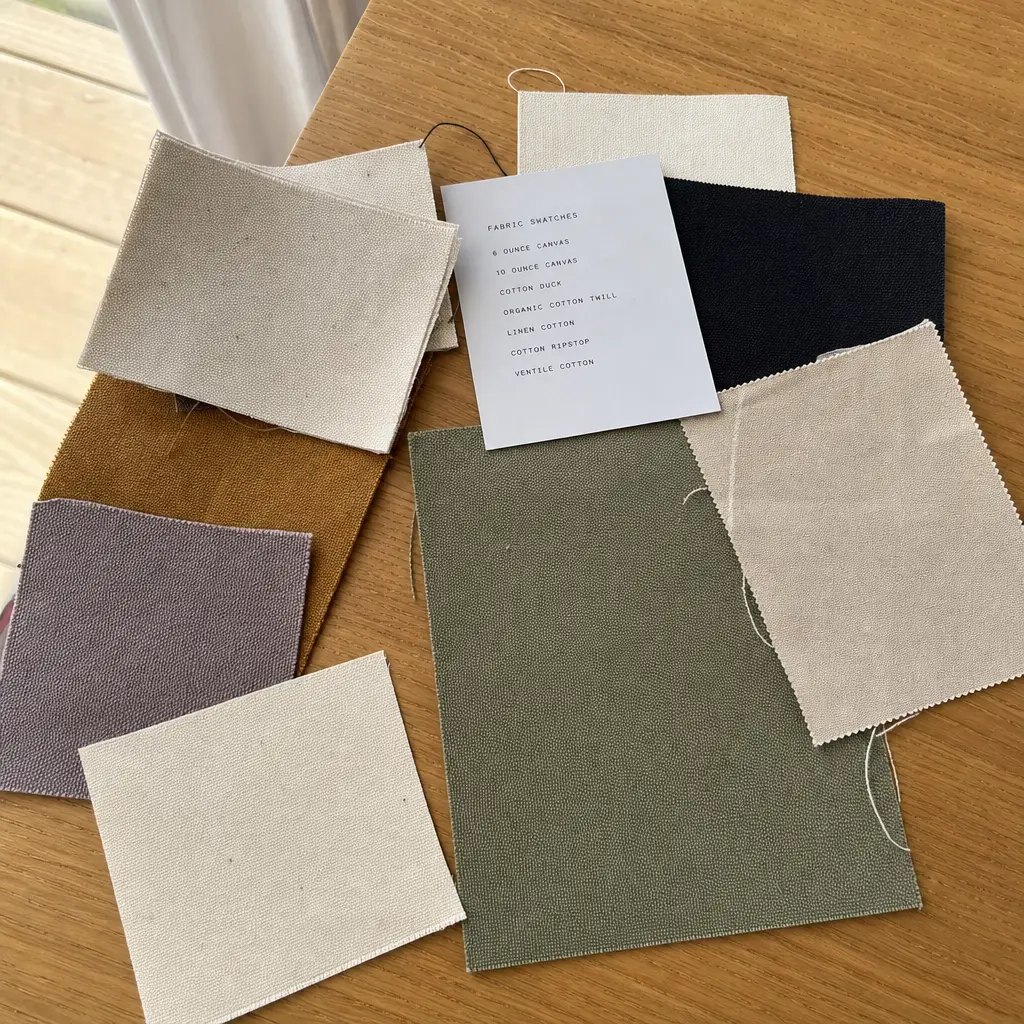
For most wholesale canvas wine carriers for nonprofit campaigns, 12 oz canvas in the 340-400 GSM range is the practical starting point. It gives enough body to hold a full bottle without the sides folding in, and it still prints cleanly when the logo is simple. If the order is only for one event and the bag will not be reused, 10 oz canvas can work, but it needs stronger sewing and a realistic expectation that the hand feel will be lighter.
Move up to 14 oz or 16 oz canvas when the carrier needs a more premium retail look or when the bottle is heavier than a standard 750 ml still wine. Ask whether the cloth is washed or pre-shrunk. Washed canvas usually feels softer and behaves more predictably after packing. Raw canvas can arrive stiffer, but it may change size and hand feel once it is handled, folded, or stored in a damp warehouse. Construction matters as much as cloth weight: check the base seam, the side seam, and whether the handles are sewn into reinforced points instead of just caught under a single line of stitching.
- Use GSM as the buying language, not only oz weight, so suppliers quote the same reference.
- Ask for a pre-shrunk or washed finish if the carrier will be reused or distributed in humid conditions.
- Require reinforcement at handle joins and the base if the bag will carry a full glass bottle.
Choose the Decoration Method That Matches the Message
The most common mistake in campaign buying is overcomplicating the decoration. For a canvas wine carrier, one- or two-color screen print is usually the safest option because it stays readable, holds ink well on textured fabric, and is easy to compare from sample to bulk. If the artwork has small text or a thin line mark, ask for a strike-off on the actual canvas color before you approve the order. Canvas texture can change how a logo reads more than the art file suggests.
Embroidery can add a premium feel, but it also introduces distortion on lighter canvas and can make small type harder to read. Heat transfer is useful for full-color art or short seasonal campaigns, yet it needs testing for cracking, edge lift, and wash durability. For nonprofit campaigns, the logo usually needs to be seen quickly in a room or on a gift table, so clarity is more valuable than decoration complexity. Keep the print area large enough that the mark does not disappear once the carrier is folded or filled.
- Approve logo size in millimeters, not only in pixels or artboard terms.
- Ask the factory to quote the print method and setup separately from the bag body.
- If the logo uses fine type, request a physical strike-off on the final fabric color.
Compare Sourcing Routes Before You Compare Unit Price
A direct factory usually gives the best visibility into sewing, printing, and packing. That matters when the order has a fixed campaign date and the buyer needs to know exactly who controls the materials and who signs off on the sample. A trading company can still be useful when your team wants one contact and does not want to manage production language directly, but the quote often includes hidden margin and the response on technical changes can be slower or less precise.
A domestic decorator may look easier for rush orders, but the shipping and labor model can push landed cost above an offshore factory on medium and large programs. The right route depends on the risk profile. If the nonprofit campaign is a one-off with a tight presentation standard, pay for better control. If it is a repeat annual program, use the route that can hold the same spec and packing method without a new round of surprises every year.
- Choose direct factory sourcing when traceability and production control matter more than convenience.
- Choose a trading company only if they can show the real factory, not just a sample room.
- Choose local production when speed matters more than unit cost and the volume is small enough to absorb it.
Write a Quote Request That Exposes Real Cost
A usable quote should break the carrier into components. You want the supplier to separate the body fabric, handles, print, reinforcement, lining or divider, packing, and carton charge if those items are part of the order. That way, you can see whether one supplier is cheaper because they used thinner canvas, simpler sewing, or stripped-out packaging. If every quote is presented as one blended number, the comparison is usually false precision.
The RFQ should also include data that affects the factory plan, not just the marketing brief. State the finished size, bottle count, artwork color count, destination terms, target ship date, and whether the order needs to be repeated later. For campaign buyers, the reorder question matters as much as the first run. A slightly higher quote with stable materials and a clear packing spec often beats a lower quote that changes every time you ask for the same item again.
- Ask for separate lines for material, print, sewing, packing, and export documents.
- State the incoterm so you can compare EXW, FOB, or delivered pricing on the same basis.
- Include reorder expectations if you need the same bag for a second fundraising cycle.
Use a Pre-Production Sample to Lock the Critical Details
Do not approve a canvas wine carrier from artwork alone. The physical sample tells you whether the bag stands upright, whether the bottle sits too deep or too shallow, and whether the handles feel balanced once the weight is inside. For a nonprofit campaign, the sample should use the final fabric, the final decoration method, and the final trim. A photo sample is useful for early review, but it is not enough to sign production off if the carrier has a structural role.
Test the sample with the real bottle, not a substitute. Check whether the neck clearance is correct, whether the top edge scratches the label, and whether the base stays square after the bottle is removed and reinserted. If there is a divider, closure, snap, or insert, test it several times in a row. The point is to catch the annoying small failure that only appears when someone uses the item the way your campaign actually will.
- Approve one signed sample and keep it tied to the production order.
- Record the exact fabric, print size, handle length, and closure position on the approval note.
- Reject any sample that needs a silent correction the factory has not documented.
Set Packing and Carton Specs Before Production Starts
Packing affects both cost and presentation. Individual polybags protect the print and keep the shipment clean, but they add labor and material cost. Bulk packing cuts cost and weight, yet it can leave fold marks, corner rub, or small print scuffs if the packing method is sloppy. If the carriers will be placed inside donor boxes or retail kits, the fold pattern matters because a bad fold can make a premium canvas bag look like a warehouse overstock item the moment it is opened.
Ask the supplier to give carton count, carton size, and gross weight before production begins. Those numbers tell you whether the order ships efficiently and whether the cartons will survive stacking. Add carton marks that clearly show style, quantity, color, and destination. If there are multiple campaign SKUs, use inner labels or carton IDs so the receiving team can sort the shipment without opening every box and counting by hand.
- Decide early whether the order needs individual polybags, tissue, or only bulk packing.
- Request carton dimensions and pack count so freight and warehouse space can be planned.
- Use clear carton marks when one campaign includes multiple sponsor versions or colorways.
Control Lead Time and Schedule Risk
The actual lead time is longer than the sewing time on the floor. You need time for artwork approval, material buy, sample approval, printing, sewing, packing, inspection, and export booking. A simple canvas wine carrier can move quickly if the fabric is in stock and the art is final, but custom trim, new fabric shade, or seasonal congestion can add days that do not show up in a basic factory promise. The biggest delays usually come from late buyer approvals, not from the sewing line.
The fix is to build a production calendar with sign-off points. Ask the supplier to show when fabric will be purchased, when printing will start, when sewing will finish, and when the pre-shipment check will happen. If the buyer misses an approval window, the schedule should move automatically. That sounds rigid, but it prevents the common situation where the factory is waiting on a logo decision while the event date stays fixed and everyone starts blaming transit for a planning problem.
- Put approval deadlines in writing so the schedule does not drift.
- Ask for a milestone calendar, not just a single delivery promise.
- Leave buffer time for print correction, carton rework, and booking delays.
Inspect the Carrier as a Functional Product
Inspection should start with function, not cosmetics. A canvas wine carrier can look clean on a table and still fail in use if the bottom twists, the handles pull unevenly, or the side seam leans after a bottle is inserted. Check how the carrier behaves when loaded and unloaded several times. If the bag is for a nonprofit campaign, the customer experience often happens in a crowded room, at a table, or while walking between venues, so the product has to hold its shape and carry comfortably.
Separate visual defects from functional defects in the inspection record. A small thread tail is a minor issue if the rest of the bag is solid, but a loose handle join, a crooked print that hurts brand readability, or a bag that cannot stand safely with a bottle inside is a major issue. Keep photos of the defect class and note how many units show the same problem. That gives the factory a clear correction path and keeps the discussion focused on process rather than opinions.
- Inspect sewing symmetry, logo alignment, and load stability on a real bottle.
- Document major and minor defects before the order ships.
- Use photos so the factory can see the pattern, not just the claim.
Choose the Offer That Holds Up After Freight and Rework
The lowest ex-factory quote is not automatically the best deal. Once you add freight, packing materials, export paperwork, rework time, and the cost of a failed inspection, a slightly higher quote can become the cheaper program. Compare all offers on the same basis: product spec, packing spec, shipping terms, and expected defect rate. If one supplier is quoting bare product and another is quoting a finished, packed unit, the comparison is not useful until you normalize it.
For nonprofit campaigns, I would favor the supplier that can keep the spec stable and answer technical questions clearly over the one that wins only on the first number. Canvas wine carriers are simple products, but the cost of a miss is not simple once a public event is involved. The right buying decision protects the schedule, keeps the branding readable, and reduces the chance that the carrier becomes the weak point in an otherwise well-planned campaign.
- Compare landed cost, not just factory price.
- Treat rework and replacement units as part of the real cost.
- Favor the offer that gives stable repeatability for future campaigns.
Specification comparison for buyers
| Spec decision | Recommended option | When it fits | Buyer risk to check |
|---|---|---|---|
| Fabric weight | 12 oz / 340-400 GSM canvas with pre-shrunk or washed finish | Reusable nonprofit gift runs that need body and a clean hand feel | Lightweight cloth can sag, print may show through, and the carrier can look cheap after packing |
| Supplier route | Direct factory with in-house sewing and print control | Repeat campaigns where you need clear QC ownership and stable reorders | Trading layers can hide margin, slow changes, and make defect tracing harder |
| Decoration method | 1-2 color screen print for flat logos or a woven side label for minimal branding | Simple campaign marks, donor gifts, and short lead-time orders | Fine text can fill in on canvas, and heat transfer can crack after handling |
| Carrier style | Single-bottle body with reinforced base and optional divider | Most campaign kits and auction giveaways using standard 750 ml bottles | Oversized bottles may not fit, and a weak divider lets glass shift in transit |
| Handle construction | Self-fabric handles or webbing handles with bar tacks at stress points | Orders that will be carried to events, tastings, or retail counters | Poor handle attachment leads to seam pull-out and returns |
| Top finish | Firm hemmed open top or simple snap closure | Fast handout programs and reusable event packs | Loose tops can tip the bottle, and closures can snag if placement is off |
| Packing method | Bulk packed with tissue or carton dividers when presentation is secondary | Large campaigns where freight cost matters more than shelf presentation | Rubbing can scuff print or corners, and carton count errors are easier to miss |
| MOQ logic | Standard size, one print position, limited color count | Pilot runs and first-time nonprofit campaigns | Custom trim, lining, or multiple SKUs can trigger hidden setup cost and longer lead time |
Buyer checklist before sampling
- Confirm the exact bottle type: standard 750 ml Bordeaux, Burgundy, sparkling, or a taller gift bottle.
- Lock finished carrier size, gusset depth, handle drop, and whether the top is open or snapped.
- State the target canvas weight and ask the supplier to quote finished GSM, not only fabric name.
- Approve logo artwork, print colors, print size, and placement on the actual canvas color.
- Decide whether the order needs a divider, base insert, lining, or extra reinforcement at the handle joins.
- Request a pre-production sample made with the final fabric, final print method, and final packing.
- Specify packaging requirements, including polybag use, tissue, carton count, and master carton dimensions.
- State the destination terms, target ship week, and whether the order must meet a donor event date.
- Ask the factory to define major and minor defects before production starts.
- Get a reorder plan in writing if you expect the same spec to repeat in the next campaign cycle.
Factory quote questions to send
- What is the finished fabric GSM, weave type, and whether the canvas is raw, washed, or pre-shrunk?
- What print method do you recommend for this artwork, and what are the setup costs per color or placement?
- What handle construction will you use, and how are the handle ends reinforced?
- Does your quoted price include divider inserts, lining, snaps, tissue, polybags, and carton packing?
- What is the MOQ by color and by artwork version, and what changes increase the minimum?
- Can you quote EXW, FOB, and DDP if needed, so we can compare landed cost correctly?
- What sample types can you provide before bulk production, and what is the sample lead time?
- What production lead time do you expect at current capacity, including print, sewing, and packing?
- What tolerances do you hold for size, print placement, and stitching consistency?
- What documents and carton marks will you provide for receiving and customs clearance?
Quality-control points to confirm
- Finished dimensions should stay within the agreed tolerance, with the body, gusset, and handle drop matching the approved sample.
- Canvas weight should match the approved spec closely enough that the bag has the same stiffness and drape as the signed sample.
- No visible stains, oil marks, broken yarns, holes, or thin spots should appear on the front panel or high-visibility sides.
- Stitching should be straight and even, with no skipped stitches, loose seams, or thread tails longer than a few millimeters.
- Load-bearing points should use bar tacks or equivalent reinforcement, especially at handle joins and base stress points.
- Print should be centered, opaque, and aligned to the approved artwork; simple logos should not show blur, cracking, or pinholes.
- Handle length and symmetry should be consistent across the batch so the carrier hangs evenly in hand and on display.
- The bag should stand and load correctly with a real bottle inserted, without twisting, collapsing, or opening at the base seam.
- Snaps, closures, or divider seams should function cleanly and not snag fabric, misalign, or loosen after repeated use.
- Carton count, style code, color code, and label information should match the packing list and purchase order exactly.