Define the use case before you compare prices
Farmers market vendors do not use wine carriers the same way a gift shop or winery tasting room does. The bag gets picked up from a table, carried across pavement, dropped into a tote, and loaded into a car trunk with other purchases. If you do not define that use pattern in the RFQ, suppliers will quote different structures and you will compare the wrong things.
Start with the bottle format, carrier count, and expected handling. A single-bottle carrier for a chilled retail bottle needs different seam strength than a two-bottle bag sold as a market convenience item. If the bag is meant for repeat resale, the buyer also needs to state whether the customer expects a premium look, wipeable surfaces, or gift-ready packaging.
- State bottle diameter and height, not only bottle volume.
- Confirm whether the bag is for one bottle, two bottles, or a mixed-format insert.
- Specify whether the carrier should stand upright on a table or only move by hand.
- Note if the product must survive weekly vendor use, not just a one-time gift purchase.
Choose the build that survives reuse, not just first inspection
For wholesale canvas wine carriers, the first failure point is usually the handle root, not the body panel. That is why fabric weight matters less than some buyers think if the stitch pattern is weak. A 10 oz or about 340 GSM canvas can work for light retail use, but 12 oz or about 400 GSM is usually the better default when the carrier will be handled repeatedly at markets and events.
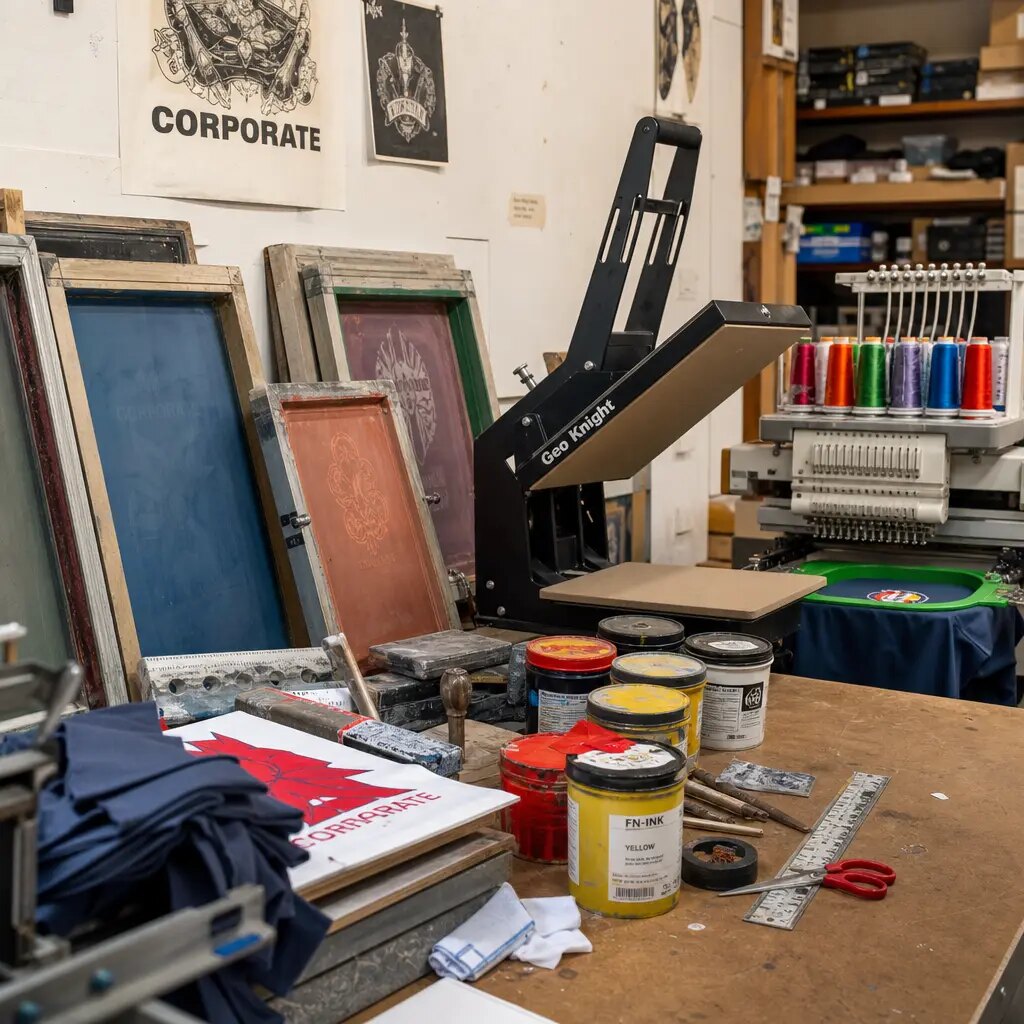
The handle should be long enough for a comfortable carry and anchored with a reinforcement pattern that spreads force across the seam. Screen print is usually the most practical branding method for a flat logo and controlled cost. If the carrier will be rubbed, folded, and restacked often, a woven side label or sewn patch gives more durable identity than a heavy ink laydown.
- Use 12 oz / about 400 GSM as the baseline unless the program is strictly light-use.
- Ask for box-X or reinforced bartack stitching at each stress point.
- Keep artwork simple if you want a cleaner print surface and fewer reject reasons.
- Avoid oversized ink coverage on fold lines if the bag will be stored flat.
Compare sourcing routes before you compare the quote number
A direct factory quote is usually the best reference point because it shows the real cost of sewing, print setup, and packaging. A trading company can still be useful if you need consolidated sourcing, but then you need to know whether they are adding inspection, repacking, or margin on top of a factory price. Domestic decorators can be fast for small launches, yet they often use different cloth weights or simpler construction than an import program would require.
The quote only becomes comparable when the sourcing route is clear. Ask who owns fabric buying, who owns print approval, who packs the cartons, and who signs off on final inspection. If a quote bundles all of that into one line, break it apart before approving anything. You want to know whether a lower unit cost is actually a thinner cloth, a cheaper print method, or just a different pack format.
- Prefer one supplier to own sewing, printing, and final packing when possible.
- If using a trading company, require the factory name or factory profile to verify capability.
- Compare quotes only after normalizing fabric weight, print coverage, and carton count.
- Treat unusually low pricing as a spec difference until proven otherwise.
Test the sample for the way a market buyer will use it
A durability test should mirror real handling, not just look formal on paper. Start with a static load test at a multiple of the declared bottle weight, then move to lift-and-carry cycles that simulate repeated pickup from a table and short-distance transport. If the carrier is padded or lined, inspect the edges after loading because interior bulk can push stress into the seam lines.
Do not rely on one good-looking sample. Approve the pre-production sample only if it uses final canvas, final trim, final print, and final packing. If the factory wants to show a sales sample first, treat it as a style reference only. The buyer should make it clear that production release depends on the sample surviving the agreed load and cycle checks.
- Static load: hold the carrier loaded beyond its declared use weight and inspect for seam creep.
- Carry cycle: lift, walk, set down, and relift the same sample several times.
- Drop check: verify the bottle does not shift enough to punch through the structure.
- Abrasion check: rub high-contact areas, especially print folds and bottom corners.
Set MOQ around setup cost, not wishful unit pricing
MOQ on a canvas wine carrier is usually driven by fabric utilization, print setup, and packaging labor. Buyers often look only at the total order minimum and miss the per-color or per-artwork minimum hidden inside the quote. If one colorway needs a separate screen setup or a separate label run, the factory will protect margin by pushing the minimum quantity up in the background.
For a custom wholesale program, a practical MOQ often lands in the 1,000 to 3,000 piece range per design or color group, depending on complexity. A simple one-color print on stock canvas is easier to scale than a multi-color image on custom-dyed cloth. If the vendor wants mixed assortments, ask whether the factory can group SKUs into one production run or whether each color will trigger a new setup charge.
- Separate MOQ by design, color, and packaging format.
- Ask whether blank stock is available to reduce fabric lead time.
- Clarify whether label changes trigger a new MOQ.
- Check if the quoted minimum includes the print screen or excludes it.
Approve the sample with measurable tolerances
The fastest way to avoid production disputes is to translate subjective comments into measured tolerances. Width, height, gusset depth, handle drop, and print placement should all be written down against the sample. If the carrier will be sold on retail hooks, the hang angle and label visibility matter too. A buyer who does not define those details usually ends up arguing over a bag that technically matches the drawing but fails in the display fixture.
Build your sample review around visible defects and use defects. Visible defects are print blur, crooked labels, stains, and poor stitching finish. Use defects are handle stretch, seam opening, and a bottle that shifts too much inside the bag. Both matter, but the use defects are the ones that create returns after the market weekend.
- Accept only one final sample made with production materials.
- Mark the target dimensions and allowed tolerance on the approval sheet.
- Record print placement from a fixed edge, not by eye.
- Reject samples with loose threads, uneven top edges, or obvious shade mismatch.
Plan packing so freight cost does not erase the margin
Packing changes the economics of a wine carrier faster than many buyers expect. Bulk packing saves material and carton volume, while retail-ready polybags, inserts, and hangtags increase handling time and can reduce units per carton. If the carrier is sold through a market vendor program, bulk pack is often the best choice because the end user values price and functional durability more than shelf theater.
Carton planning should be part of the quote, not an afterthought. Ask for the proposed unit count per inner pack, master carton dimensions, and gross weight. That data determines pallet efficiency and freight class. A slightly lower unit price can become more expensive if the cartons are oversized or the packing pattern is loose enough to waste cubic volume.
- Confirm whether polybags are required for protection or only for retail presentation.
- Ask for carton dimensions before approval if shipping by ocean or consolidated air.
- Use dividers or inserts only when the bottle or bag shape needs extra stability.
- Require carton marks that match the purchase order and packing list.
Read the lead time as a sequence, not a promise
Lead time for a custom carrier is usually a sequence of smaller steps: sample approval, fabric allocation, print setup, sewing, packing, and final inspection. The number on the quote often reflects only the factory floor time, not the time needed to lock artwork or wait for a revised sample. If the buyer ignores those steps, the shipment schedule will look shorter than it really is.
Ask the supplier to split the timeline into sample, production, inspection, and dispatch milestones. That makes it easier to spot schedule risk early. Stock canvas and simple branding shorten the path, while custom color cloth, multiple artwork placements, or retail packaging extend it. If the launch date is fixed, build a cushion for approval delays, not just transit time.
- Count lead time from final sample approval, not from first inquiry.
- Treat artwork revisions as schedule risk, not administrative noise.
- Ask for a production calendar with milestone dates.
- Build extra time if the order needs custom fabric, labels, or cartons.
Force apples-to-apples quotes with a landed-cost view
The right way to compare two quotes is to normalize the spec and then compare the landed cost. That means the same canvas weight, same handle construction, same print method, same packing format, and same carton count. Only after that does the unit price become useful. Otherwise you may be comparing a lighter cloth with better-looking artwork against a heavier cloth with simpler packing, which is not a real commercial comparison.
For procurement teams, the landed-cost view should include inland trucking, carton volume, freight mode, and any repacking labor. If one quote is lower because it ships in bulk while the other includes retail packs, the final economics may flip. Put the critical commercial facts in the RFQ and require the factory to respond in the same structure each time. That is the cleanest way to keep the quotes readable and defend the final award internally.
- Compare only after the spec sheet is frozen.
- Include print setup, packaging, and carton data in the quote request.
- Normalize freight by carton size and pack count, not only by unit price.
- Keep one quote template for all suppliers so the answers stay comparable.
Specification comparison for buyers
| Spec decision | Recommended option | When it fits | Buyer risk to check |
|---|---|---|---|
| Supplier route | Direct factory with sewing and print under one roof | Best when you need one spec owner, fewer handoff errors, and repeat orders | Confirm who controls fabric sourcing, print approval, and final QC; split ownership can create blame gaps |
| Fabric weight | 12 oz / about 400 GSM cotton canvas | Good default for reusable market carry and moderate bottle protection | A lighter 10 oz / about 340 GSM cloth can stretch or wrinkle sooner if the bag is used weekly |
| Handle construction | Continuous wrap or long strap with box-X reinforcement at stress points | Works when shoppers carry a full bottle by hand for short trips and parking-lot use | Weak bartacks or short stitch runs can fail at the handle root before the fabric body wears out |
| Branding method | One- or two-color screen print on the main panel, woven side label for identity | Fits simple logos, clean retail branding, and better abrasion resistance than cheap transfers | Heavy ink coverage can crack on folds; ask for rub testing and confirm print position after sewing |
| Closure style | Open top or simple snap-tab instead of a full zipper | Appropriate for low-cost vendor use and fast bottle access | Open tops need enough height to keep the neck stable; snap tabs add cost and require clean alignment |
| Packing route | Bulk pack with carton dividers or sleeve inserts only where needed | Best for wholesale replenishment and freight efficiency | Retail-ready polybags or hangtags add labor, carton volume, and plastic compliance work |
| Sample stage | Pre-production sample made with final fabric, trim, print, and packing | Needed before any scale order or color commitment | Do not approve a sales sample made from different cloth or non-final artwork |
| MOQ model | MOQ by fabric color and print setup, not just by order total | Useful when one artwork runs across several channels or distributors | A low total MOQ can hide high per-color minimums, screen fees, or packaging minimums |
| Lead time route | Stock canvas with final cut-and-sew schedule locked after sample approval | Helps when the launch date is fixed and the spec is stable | Custom-dyed fabric, special labels, or retail packs can add multiple weeks after PO approval |
Buyer checklist before sampling
- Define the bottle size, bottle count, and whether the carrier is for gift retail, vendor resale, or repeated market use.
- Choose the canvas weight in GSM and state whether you want single-layer cloth, lining, or padded protection.
- Set the handle length, handle attachment method, and any target load requirement in plain numbers.
- Specify the branding method, number of ink colors, logo placement, and whether the side label must be woven, printed, or sewn.
- State packaging needs clearly: bulk packed, polybagged, retail tagged, or barcode-ready cartons.
- Request a pre-production sample built from final materials, not a display sample assembled from substitutes.
- Ask for a photo set from inline production and final packing before shipment.
- Confirm MOQ by color, artwork, and packaging format so the quote is comparable across suppliers.
- Lock the lead time from sample approval and deposit, not from first inquiry.
- Compare landed cost on the same spec, including carton size, inner pack count, and freight volume.
Factory quote questions to send
- What exact canvas weight, weave, and shrinkage range are included in the quote?
- Is the MOQ per color, per print design, per size, or only for the total order?
- Which print method is quoted, how many colors are included, and what is the screen or plate setup cost?
- What handle construction, thread type, and reinforcement stitch pattern are included?
- Does the unit price include one sample round, and what is the charge for extra revisions?
- What packaging is included in the unit price: bulk pack, polybag, insert card, hangtag, or barcode label?
- What is the estimated production lead time after final sample approval and deposit?
- What carton size, units per carton, and gross weight are expected for shipment?
- What in-process and final QC checks are performed before goods leave the factory?
- Can you quote the same design with and without retail packaging so I can compare true landed cost?
Quality-control points to confirm
- Measure finished dimensions, gusset depth, and handle drop against the agreed spec with a clear tolerance before carton close.
- Inspect handle anchors, bartacks, and seam intersections for skipped stitches, loose thread ends, or needle damage.
- Run a static load test at a multiple of the declared bottle weight and hold it long enough to expose seam creep or handle stretch.
- Check print alignment, ink coverage, and rub resistance on fold points and high-contact areas.
- Inspect cloth for shade variation, stains, oil marks, broken yarns, and odor before packing.
- Confirm label placement, country-of-origin marking, and barcode readability if the carrier is retail ready.
- Verify carton count, inner pack count, and carton mark accuracy against the packing list.
- Review a sealed pre-ship sample against the approved sample before release.