1. Start with the actual use case, not the logo artwork
A canvas wine carrier can look simple on paper and still fail the buyer test if the spec does not match the bottle, channel, and trip distance. The first sourcing decision is not print or color; it is load profile. A single-bottle carrier for tasting-room retail needs a different build from a two-bottle gift carrier shipped in master cartons for distributor programs.
For boutique wineries, the most common mistake is buying a soft promotional tote and expecting it to behave like a retail wine bag. If the carrier will be used as a gift item, shelf display piece, and repeat-use bag, you need a firmer canvas, stronger handles, and cleaner edge finishing than a one-off event giveaway.
- Single bottle, two bottle, or mixed gift set?
- Retail shelf item or shipping accessory?
- Short carry from cellar door or repeated consumer use?
- One-color logo or premium branding treatment?
2. Choose canvas weight by bottle load and resale position
Canvas weight is the fastest way to narrow supplier quotes. For wholesale canvas wine carriers, 12 oz canvas is usually the workable middle ground for standard retail use, while 14 oz gives more body, better stand-up feel, and less distortion around the bottle base. Lighter fabric can still work for low-cost promotional programs, but buyers should treat it as a different product tier, not the same item with a lower price.
Ask whether the quoted weight is raw fabric or finished fabric after washing and cutting. That detail changes the real feel and can explain why one supplier's sample looks tighter than another's. If the bag includes a divider, base panel, or extra bottle sleeve, the overall structure may justify moving up one fabric step even if the outer panel looks visually similar.
- 12 oz: good starting point for standard retail and moderate cost control.
- 14 oz: better for premium positioning, more rigidity, and reduced bag sag.
- Heavier than 14 oz: only if the brand wants a rugged, reusable keepsake and can accept higher freight.
- Always compare finished sample feel, not only fabric spec on the quote.
3. Test the handle build like a buyer, not a designer
Handle failure is the most expensive cosmetic defect because it becomes a functional claim. The right handle spec depends on how the bag is carried. A wine carrier lifted by one handle while the bottle shifts inside needs far stronger reinforcement than a bag that only sits in a tasting room basket. For wholesale orders, a double-layer self-fabric handle with box-X or bar-tack reinforcement is usually the safer choice.
Do not rely on handle width alone. Wider handles can feel stronger, but if the attachment points are weak, the bag still fails. During sample review, load the carrier with the actual bottle type, lift it from both handles, then from one handle, and finally swing it lightly to see whether the stitch line opens or the gusset twists.
- Look for box-X stitching at the top anchor points.
- Reject samples with loose thread tails at stress points.
- Check handle drop length for shelf display and hand carry comfort.
- Ask for the exact stitch count per inch or equivalent factory standard.
4. Print method should match order volume and brand finish
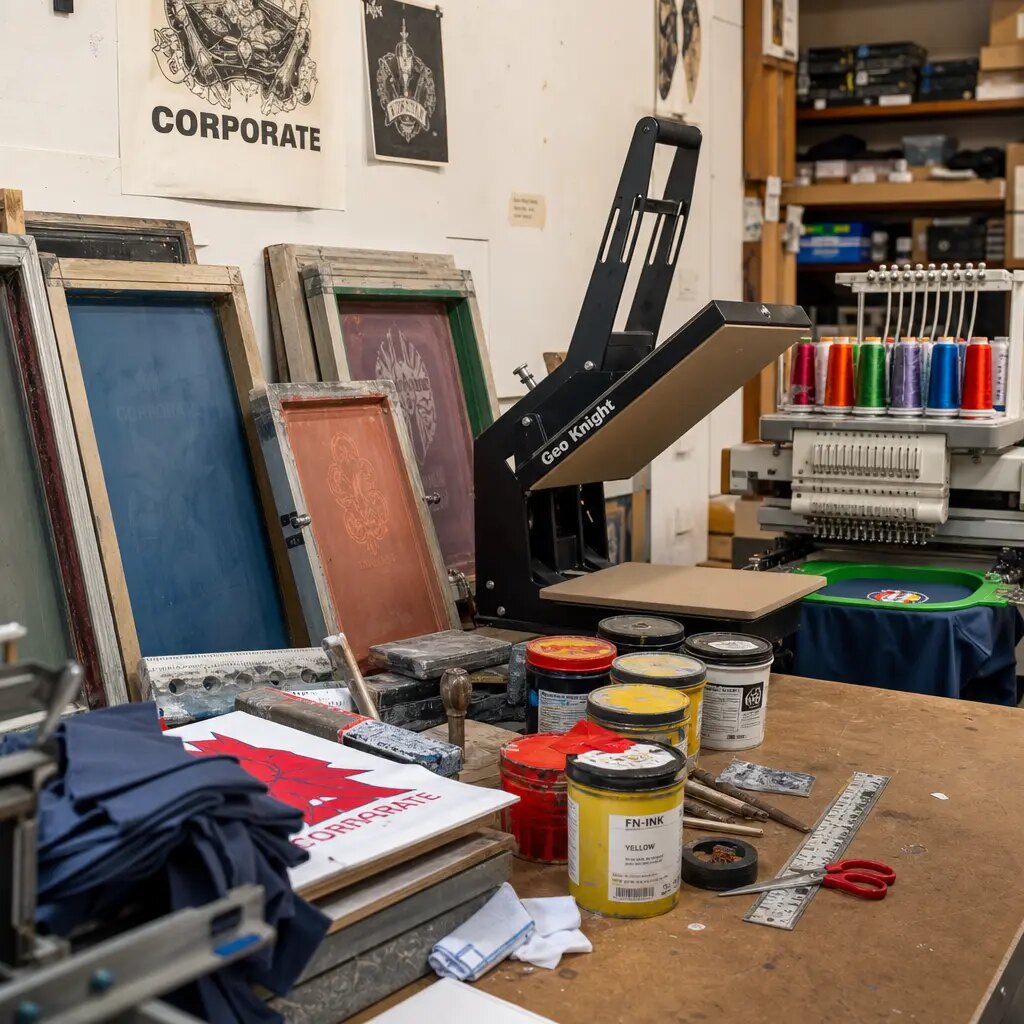
For boutique wineries, print method affects both price and perception. Screen print is usually the best value for simple logos, short text, or one- to two-color artwork. It is repeatable, practical, and easy to quote for bulk orders. Embroidery can look more premium, but on thinner canvas it may pucker the panel and add cost, especially when artwork has fine detail.
Woven labels and sewn side labels are useful when the bag needs a cleaner premium finish and the buyer wants a more durable brand mark than surface ink. They also help if the carrier will be reused frequently and the logo must remain visible after abrasion. For a first run, keep the decoration simple unless the business case supports a higher MOQ and more sample cycles.
- Screen print: best for simple, repeatable branding.
- Embroidery: premium look, but verify fabric stability.
- Woven or sewn label: durable and clean for reorders.
- Avoid over-decorating the first production run.
5. Use a durability checklist that exposes weak construction early
A real durability test for wholesale canvas wine carriers should recreate the load, movement, and storage the bag will see in the market. The sample should be filled with the actual bottle size, not a lightweight prop. The bag should then be lifted repeatedly, turned sideways, and rested on a hard surface to see whether the base keeps its shape or the seams start pulling apart. This simple approach catches more production problems than a visual inspection alone.
You do not need a laboratory to set a useful acceptance standard, but you do need one written threshold. For example, the sample should show no seam opening, no handle tearing, no visible divider collapse, and no print cracking after repeated handling. If the carrier is sold as a premium retail item, also judge whether the bag still stands upright and presents well after being loaded and unpacked several times.
- Load the carrier with the exact wine bottle weight.
- Perform lift, swing, set-down, and re-lift cycles.
- Inspect corner stress points, handle anchors, and divider seams.
- Treat print cracking and seam distortion as separate failures.
6. Compare supplier routes by control, not just unit price
Two quotes with the same unit price can produce very different outcomes if one supplier is a factory and the other is a trading layer. For a boutique winery program, direct factory sourcing usually gives better control over fabric, stitching, and production timing, especially when you need repeat orders with consistent color and label placement. A trading route can still work if the supplier controls the factory well, but the buyer should expect less visibility on process changes.
The right comparison is not only 'who is cheaper' but 'who can reproduce the same sample with the same materials at scale.' Ask where sampling happens, who owns the actual sewing lines, and whether the quoted lead time includes fabric reservation. If the supplier cannot show in-line QC records or batch traceability, the risk sits with the buyer when the first replenishment order lands.
- Compare quote visibility, not just FOB price.
- Ask who approves raw fabric and trim substitutions.
- Require sample-to-bulk consistency evidence.
- Check whether the supplier can support repeat orders without reworking tooling or artwork.
7. Build the quote around MOQ logic and price drivers
For wholesale canvas wine carriers, MOQ is usually driven by fabric color, print setup, and packaging version rather than by the bag shape alone. A natural canvas body with one color screen print often has a much cleaner MOQ than custom dyed fabric plus woven label plus special insert. Buyers should separate the first run into the cheapest version that proves the market, then add premium features after the sell-through data comes back.
When comparing quotes, break the price into fabric, labor, decoration, packing, and cartonization if the supplier will provide it. That makes it easier to see where the cost jumps happen. A small increase in fabric weight or reinforcement can be worth it if it reduces claims, but a hidden change in print setup or packing can wipe out the margin on a gift program.
- MOQ often changes by color, not only by style.
- Decoration setup can dominate small orders.
- Packing changes can increase labor and carton cost.
- Ask for ex-works and FOB pricing to compare properly.
8. Approve samples with the same build method you want in bulk
The sample is only useful if it matches the production route. Too many buyers approve a hand-finished sample and later receive a bulk order with thinner thread, weaker seam settings, or a different print feel. The approval sample should use the same canvas weight, stitching method, print technique, and internal reinforcement planned for the order. If the factory cannot produce that version at sample stage, the buyer should treat the sample as a concept sample only.
A strong approval process includes both visual and functional sign-off. Measure the finished dimensions, inspect the logo placement, confirm the handle symmetry, and load the carrier with the actual bottle. If the bag includes a divider or insert, verify that the bottle neck does not rub the seam and that the base sits flat enough for retail display. Keep one signed reference sample tied to the PO.
- Measure finished dimensions against the tech pack.
- Check print position after the bag is filled.
- Keep a sealed approval sample for reorders.
- Do not approve a different sample build than the one quoted.
9. Packing, cartons, and lead time can erase a good unit price
Packing is where many wine bag programs lose money. If the carrier is bulky or pre-shaped, freight cost rises fast and carton utilization drops. For most wholesale orders, flat packing is the safer route, provided the fold lines do not damage the print or crease the handles beyond recovery. The buyer should specify whether bags are individually polybagged, bundled by count, or packed loose inside the export carton.
Lead time also needs a realistic buffer. A workable plan for a standard canvas wine carrier is usually sample turnaround in about 7–10 days, then production in roughly 25–35 days after approval, but this depends on fabric availability, print color count, and order size. If the order includes special trims or a new woven label, the buyer should add schedule risk for pre-production correction and carton rework.
- Flat packing usually lowers freight and warehouse cost.
- Define whether a polybag is required for retail presentation.
- Confirm carton quantity and outer carton dimensions before PO release.
- Reserve extra time for first-time artwork or trim approval.
10. Use landed cost, not factory quote, to decide the supplier
The best quote is the one that survives shipping, packing, and QA. A low ex-works price can become a weak choice if the fabric is too light, the carton count is inefficient, or the supplier cannot provide clean pre-shipment evidence. For procurement teams and brand owners, landed cost should include the product price, decoration setup, packing, freight mode, inspection risk, and the probability of remake or delay.
A practical comparison is to line up two or three supplier options with the same canvas weight, same print method, same carton pack, and same target lead time. Then compare the total cost to shelf-ready or warehouse-ready units. That method exposes whether one supplier is genuinely lower cost or simply quoting a thinner spec that will cost more after claims, damage, or reorders.
- Compare like-for-like spec before judging price.
- Include packing and carton efficiency in landed cost.
- Treat remake risk as part of the cost model.
- Choose the supplier that can repeat the same build standard next season.
Specification comparison for buyers
| Spec decision | Recommended option | When it fits | Buyer risk to check |
|---|---|---|---|
| Fabric weight | 12 oz canvas for standard retail, 14 oz for heavier bottles or longer carry use | Boutique wineries selling premium gift packs or reusable shopper-style carriers | Too light fabric can distort after loading; too heavy can raise cost and make folding bulky |
| Handle construction | Double-layer self-fabric handles with box-X or bar-tack reinforcement | When the carrier will be used repeatedly or sold as a keepsake | Single-stitch handles often fail at the top opening under side load |
| Print method | Screen print for simple logos, woven label or embroidery for premium look | When brand consistency matters and artwork is limited to 1–2 colors | Fine text can fill in on screen print; embroidery can distort on thin canvas |
| Carrier structure | Gusseted body with base insert or divider for two bottles | When the bag must protect bottles and stand well on shelf | Weak dividers can collapse and allow bottle contact during transit |
| Supplier route | Factory-direct with sample room and in-house QC records | When the order needs controlled lead time and repeatability | Trading routes may hide the actual factory and weaken accountability on spec drift |
| MOQ strategy | One stock fabric and one print method, then scale color or logo variants later | When you are testing a new winery SKU or seasonal campaign | Over-customizing too early often inflates MOQ and delays approval |
| Packing method | Flat packed with size-controlled polybag and export carton test plan | When freight cost and warehouse space matter | Loose packing can crush handles, smear print, or create carton overfill disputes |
| Lead time plan | Sample in 7–10 days, production in 25–35 days after approval | When the launch window is fixed and artwork is stable | If artwork or stitching specs are not frozen, production slips usually start in pre-production |
| Compliance evidence | Material declaration, carton marks, and pre-shipment QC photos tied to PO | When the buyer needs traceability for multiple retail channels | Missing batch records make claims and reorders harder to resolve |
Buyer checklist before sampling
- Confirm bottle size, fill weight, and whether the carrier must hold one bottle, two bottles, or a gift set with insert.
- Lock fabric weight in GSM or oz, handle length, and reinforcement type before requesting final pricing.
- Approve one print method only for the first order; do not mix embroidery, foil, and multi-color screen print unless the margin supports it.
- Request a stitched sample with the actual bottle load, not only a flat print strike-off.
- Specify carton quantity, inner packing, and whether the bags must stay folded flat or pre-shaped for retail display.
- Ask the factory to quote both ex-works and FOB so you can compare landed cost cleanly.
- Require pre-production photos of stitching, print alignment, and seam finishing before bulk release.
- Set an acceptable tolerance for dimensions, color variation, and placement shift in writing.
- Include a repair or remake rule for failed handle pull tests, print misregistration, or seam breakout.
Factory quote questions to send
- What canvas weight are you quoting in oz or GSM, and is that finished fabric weight or raw fabric before washing?
- How many stitches per inch are used on the side seams, handles, and divider panel?
- Is the handle reinforcement a box-X, bar-tack, or simple top stitch, and which areas receive each method?
- Which print method is included in the price, and what setup charge applies for extra colors or repeat orders?
- What is the sample lead time, and will the sample use the same fabric, thread, and print process as mass production?
- How many units per carton, what is the carton size, and what is the expected gross weight per carton?
- What is the MOQ by color, by print design, and by packaging version?
- Can you provide a load test photo or video showing the carrier with actual bottle weight and seam behavior?
- What is your production lead time after sample approval, and what steps can delay it?
- Which quality records will you send before shipment: inline photos, final inspection report, or carton loading photos?
Quality-control points to confirm
- Fabric weight must match the approved sample within the agreed tolerance and should not feel limp under load.
- Handle anchoring must survive a practical pull test with the loaded carrier lifted from one handle and then both handles.
- Stitching must be even, with no skipped stitches, loose thread tails, or seam puckering at the gusset and divider.
- Print registration must stay centered and readable after the fabric is folded, loaded, and handled several times.
- Bottle divider or insert must not collapse against the bottle neck during movement or carton vibration.
- Edges must be neatly turned or bound so the carrier does not fray during warehouse handling.
- Carton quantity must match the packing list, with no mixed sizes, color leakage, or overpacked cartons that crush the bag shape.
- Each batch should retain a signed sample or approval reference so reorders can be matched to the same build standard.