The buying problem: low unit price can create expensive fair-season failures
Wholesale canvas wine carriers for craft fairs are usually ordered under time pressure: the fair calendar is fixed, the artwork is not always final, and buyers want a simple bulk pricing plan. The trap is that a wine carrier looks simple in a photo, but it has to hold a glass bottle safely, display a logo cleanly, arrive in usable cartons, and fit the buyer's booth or retail packing process.
For procurement teams, the best RFQ is not just a request for the lowest price per piece. It is a short production brief that makes every supplier quote the same product. If one quote uses 8 oz cotton, another uses 12 oz canvas, and a third omits print setup and carton labeling, the unit prices are not comparable. A good plan locks the structure first, then compares the cost levers.
- Treat bottle safety, print appearance, and packing usability as part of the product cost.
- Do not compare prices until fabric weight, size, handle, print, packing, and order split are aligned.
- Use craft fair selling conditions as the test: customers carry bottles while walking, not while standing in a photo studio.
- For resale programs, include retail presentation details such as folds, creasing, labels, and carton mix.
Choose the carrier structure before negotiating bulk price
The biggest pricing difference comes from the bag structure. A single-bottle sleeve with two handles is the leanest option. A two-bottle carrier needs a center divider, stronger bottom seams, more fabric, more sewing time, and usually more QC attention. Multi-bottle layouts look attractive for gift sets, but they can become bulky in cartons and more sensitive to bottle size variation.
Most craft fair buyers can work from three practical formats: a single 750 ml carrier for giveaways and checkout bags, a two-bottle divider carrier for wine club or gift buyers, and a taller bottle carrier for champagne, spirits, or olive oil. Mixing these in one purchase order is possible, but the factory should price each style separately because cutting markers, sewing operations, and packing counts are different.
- Single 750 ml carrier: best for simple logo programs and low landed cost.
- Two-bottle carrier: best for higher retail value, gift packs, and winery pairings.
- Tall bottle carrier: useful when the range includes champagne, craft spirits, or long-neck olive oil bottles.
- Custom compartments: only worth it when bottle dimensions are stable and repeat orders are expected.
Fabric weight and GSM: where craft fair buyers should start
For canvas wine carriers, 10 oz to 12 oz cotton canvas is a sensible starting point for most craft fair and retail programs. In GSM terms, that is roughly 340 to 410 GSM depending on mill construction and finishing. This weight feels reusable, accepts screen printing well, and has enough body to support a bottle without looking flimsy. Lighter 6 oz to 8 oz cotton can be used for budget events, but it often needs better seam control and may not deliver the same retail feel.
Heavier canvas, such as 14 oz or 16 oz, can look premium but is not always the better choice. It raises fabric cost, sewing difficulty, carton cube, and freight weight. It can also make small wine sleeves feel stiff. If the buyer wants a premium natural craft look, upgrading handle stitching, print quality, or adding a woven side label may give better perceived value than simply increasing fabric weight.
- Budget giveaway: 8 oz cotton canvas may work if the load test passes.
- Standard resale or winery event: 10 oz to 12 oz canvas is usually the safest range.
- Premium gift packaging: 12 oz to 14 oz can work when the bag shape and fold are tested.
- Very heavy canvas: review freight, carton compression, and sewing appearance before approving.
Print method decisions that affect both price and reject rate
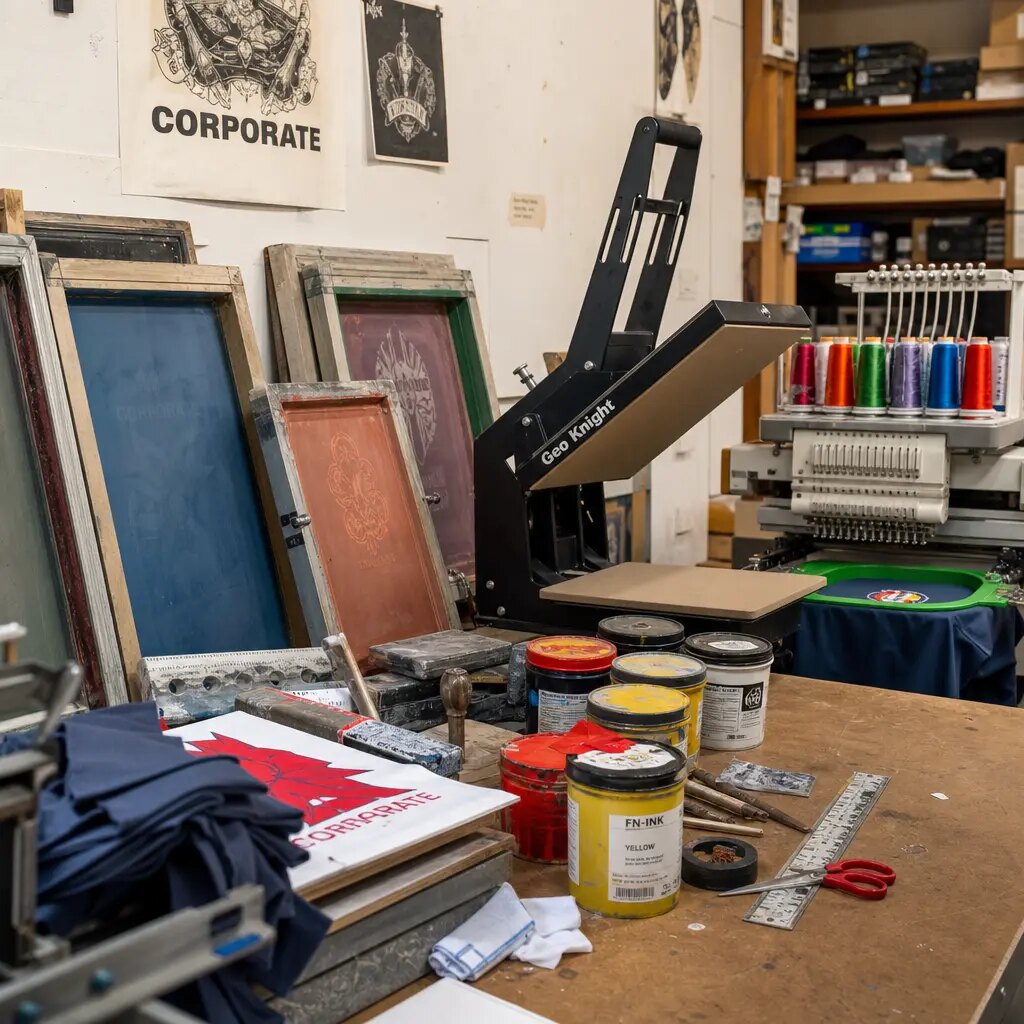
Screen printing is normally the best value for canvas wine carriers when the artwork is one to three solid colors. It handles logos, winery marks, craft fair branding, and simple slogans well. The buyer should provide vector artwork, Pantone direction, print size, print location, and whether the print appears on one side or both sides. A low price that excludes setup screens or uses a smaller print area can mislead the comparison.
Heat transfer and digital transfer are useful when artwork has gradients, many colors, or low order quantities. The tradeoff is feel, durability, and appearance on textured canvas. Embroidery can look premium but adds cost and may pucker lighter canvas if the stitch density is high. For natural canvas, print opacity matters because unbleached fabric can darken light ink colors.
- Screen print: economical for solid logos and medium to large runs.
- Heat transfer: better for complex art but needs wash and rub testing.
- Embroidery: premium look, but test on the exact GSM to avoid puckering.
- Woven side label: good for subtle branding when front artwork must stay clean.
- Print strike-off: approve on actual canvas, not only on paper or digital proof.
MOQ logic: build a bulk pricing plan by production line, not total quantity only
Factories do not only look at total order quantity. They look at how many separate production lines are created by style, fabric color, print artwork, and packing method. An order for 3,000 pieces can be efficient if it is one natural canvas single-bottle carrier with one print. The same 3,000 pieces can become inefficient if divided into six fabric colors, three artworks, and two packing styles.
A practical bulk pricing plan should show price breaks by clean quantity levels, such as 500, 1,000, 3,000, and 5,000 pieces per style. Buyers should also request the supplier's MOQ per color and per artwork. If multiple wineries, fair vendors, or retail locations need separate logos, consider using a common base bag with late-stage printing batches. This can reduce fabric purchasing risk while keeping brand flexibility.
- Quote by style first, then by artwork version.
- Separate plain bag cost from print cost when many logos are expected.
- Use standard fabric colors to avoid custom dye MOQ.
- For distributor programs, consider holding one base inventory and printing by release batch.
- Do not assume a mixed PO qualifies for the same price as one uninterrupted production run.
What belongs in the quote data if you want comparable supplier offers
A useful quotation should include more than unit price. At minimum, it should state fabric weight, bag dimensions, handle length, reinforcement, print method, number of print colors, packing count, carton size, lead time, Incoterm, sample cost, bulk payment terms, and quote validity. Without these fields, the buyer cannot calculate landed cost or identify why one supplier is cheaper.
For importers and distributors, carton data is especially important. A wine carrier may be lightweight but bulky when flat packed with handles and dividers. Carton dimensions affect ocean LCL charges, air freight estimates, pallet loading, and warehouse receiving. If a supplier cannot provide estimated carton cube at quote stage, the final freight cost may change after production packing is confirmed.
- Unit price should identify whether it includes print, setup, labels, and export cartons.
- Carton data should include pieces per carton, carton dimensions, gross weight, and net weight.
- Incoterm should be clear: EXW, FOB, CIF, DDP, or another agreed term.
- Lead time should separate sample time, material preparation, bulk production, and inspection.
- Quote validity matters when cotton fabric or freight rates are unstable.
Sample approval: treat it as a production contract, not a visual reference
The approved sample should lock the product. For canvas wine carriers, the buyer should inspect the real bottle fit, handle comfort, print placement, seam finish, bottom shape, divider position, and folding method. A photo approval is not enough if the bag will carry glass bottles. The procurement team should load the sample with the intended bottle and walk with it, not only check it on a desk.
If the first sample is made with substitute fabric or a different print method, it should be labeled as a development sample, not a pre-production sample. Bulk production should only start after a pre-production sample uses the same fabric GSM, color, thread, printing method, handle construction, label, and packing style. This reduces disputes when the mass production pieces look different from the first sample.
- Measure body width, height, gusset, and handle length against the spec sheet.
- Test with the actual bottle or a bottle of equal diameter, height, and filled weight.
- Review whether the bag stands, folds, and packs as expected.
- Approve print color under neutral light, especially on natural canvas.
- Keep one signed or photographed approval sample as the factory production standard.
QC thresholds for a product that carries glass
Canvas wine carriers need stricter functional QC than ordinary light shopping bags because failure can mean a broken bottle. Handle attachment, bottom seams, and divider seams should be treated as critical points. The factory should perform a loaded carry test during inline inspection, not only at final packing. If the handle stitching is weak, it is better to catch it before thousands of pieces are finished.
Visual QC also matters because craft fair buyers often display the bags at eye level or sell them as part of a gift purchase. Print smudges, crooked logos, uneven handles, dirty natural canvas, and long loose threads reduce retail value. A practical inspection standard should define critical, major, and minor defects before production. For example, broken handle seam is critical, wrong logo is major, and one short loose thread may be minor if it can be trimmed.
- Critical defect: handle detaches, bottom seam opens, divider tears, wrong artwork, or unsafe sharp contamination.
- Major defect: visible print error, dirty front panel, wrong size affecting bottle fit, or noticeably crooked handle.
- Minor defect: small removable thread end, slight crease, or small appearance issue outside the main logo area.
- Functional test: repeated lifting with filled bottle weight should not open seams or distort handles.
- Inspection sampling: use an agreed AQL plan or a clearly defined internal acceptance limit.
Packing choices that change warehouse labor and booth usability
Packing is often ignored until the shipment arrives. For craft fairs, flat packing is usually the best choice because it reduces carton cube and allows quick distribution to booths or retail counters. However, heavy creasing across a printed front panel can make the product look discounted before it reaches the customer. The fold direction should be reviewed during sample approval.
Retail buyers may need barcode labels, hang tags, individual polybags, inner cartons, or carton assortment marks. Each choice affects labor cost and lead time. Individual polybags protect the bag but may be unwanted for sustainability reasons and add unpacking work at a fair. Bulk packing without individual bags is cleaner operationally, but the carton interior must protect natural canvas from dirt and moisture.
- Flat bulk pack: lowest packing cost and easiest for wholesale distribution.
- Individual polybag: better protection, more plastic, more unpacking labor.
- Hang tag or belly band: useful for resale, requires artwork and attachment approval.
- Carton marks: include PO number, SKU, artwork version, color, quantity, and destination if needed.
- Palletization: provide pallet height limits and warehouse requirements before shipment.
Lead time risks around craft fair season
Craft fair programs have hard deadlines. If bags miss the event, the savings from a lower quote disappear. The production schedule should include artwork finalization, sample making, sample shipping, sample approval, fabric preparation, printing, sewing, inspection, packing, and export dispatch. A typical buyer mistake is to count only sewing time and forget the days lost to artwork revision and sample transit.
Risk increases when the order includes custom dyed canvas, multiple print versions, special labels, or retailer packing. For seasonal fairs, the safest planning method is to approve the base bag early and leave only variable artwork for later confirmation when possible. If air freight is being considered as a backup, carton dimensions and gross weight should be requested early because wine carriers can occupy more space than expected.
- Freeze bag construction before final artwork if schedule is tight.
- Use standard fabric colors when the event date cannot move.
- Reserve time for print strike-off review, not only finished sample review.
- Plan inspection before the last possible ship date.
- Keep a realistic contingency for customs, inland delivery, and warehouse receiving.
Specification comparison for buyers
| Spec decision | Recommended option | When it fits | Buyer risk to check |
|---|---|---|---|
| Fabric weight for craft fair resale | 10 oz to 12 oz cotton canvas, about 340-410 GSM | Best balance for reusable wine carriers sold or gifted at fairs, winery pop-ups, and gift shops | Below 8 oz may collapse around a bottle; above 14 oz increases freight cube and can feel too stiff for casual retail |
| Single bottle versus two-bottle layout | Single bottle for lowest unit cost; two-bottle with divider for gift sets | Single bottle suits high-volume giveaways; two-bottle suits premium wine, olive oil, or holiday packs | Two-bottle bags need divider attachment strength and bottom support tested with full glass bottles |
| Handle construction | Self-fabric canvas handles with box stitch or bartack reinforcement | Appropriate for 750 ml wine bottles and repeated carrying at crowded fair booths | Thin webbing without reinforcement can tear at the seam when customers carry multiple purchases |
| Printing method | Screen print for solid logos; heat transfer only for complex artwork or small runs | Screen print is economical for 1-3 spot colors and gives a natural craft retail look | Fine text can fill in on textured canvas; approve a strike-off on the real fabric, not paper |
| MOQ planning | Start from 500-1,000 pcs per style/color for bulk efficiency | Works for distributor stock, seasonal craft fair programs, or winery merchandising | Splitting one order across too many colors, sizes, and prints can push each line below factory efficiency |
| Color choice | Natural, black, navy, or dark green canvas as standard colors | Standard fabric colors shorten lead time and reduce dye lot risk | Custom dyed canvas needs higher MOQ, lab dip approval, and more time for shade control |
| Packing format | Flat packed in export cartons, with 50-100 pcs per carton depending on bag size | Good for warehouse receiving, fair booth distribution, and lower packing labor cost | Over-compressed cartons can crease heavy prints or distort divider panels |
| Supplier route | Direct manufacturer for custom specs; wholesaler for plain urgent stock | Use manufacturer route when logo, fabric weight, divider, and handle details matter | Wholesaler pricing may look cheaper but often excludes customization control, carton labeling, and production QC documentation |
Buyer checklist before sampling
- Define the bottle format: 750 ml wine, champagne, spirits, olive oil, or mixed bottle sizes, and provide bottle dimensions if fit is critical.
- Choose single-bottle, two-bottle, or multi-bottle layout before requesting pricing; each structure uses different cutting, stitching, and packing labor.
- Specify canvas weight in oz or GSM, not only the word canvas; for most craft fair wine carriers, 10 oz to 12 oz is a practical starting point.
- State whether the bag must stand upright when empty or only when loaded; this affects fabric weight, bottom gusset, and seam construction.
- Send artwork with Pantone references, printable size, number of colors, and whether the logo can tolerate fabric texture.
- Set an order plan by style, fabric color, and print version; avoid requesting one blended price if the factory must produce several separate small batches.
- Confirm handle length, handle width, and reinforcement method because these details affect customer comfort and load safety.
- Request a pre-production sample using the same fabric, print method, thread color, and packing style planned for bulk.
- Define acceptable dimensional tolerance, print placement tolerance, and visible defect limits before production starts.
- Include carton marking, polybag preference, barcode labels, and pallet requirements in the RFQ if your warehouse or retailer requires them.
Factory quote questions to send
- What canvas weight, GSM, and yarn construction are included in your quoted price?
- Is the quoted fabric greige, natural washed, dyed, or bleached, and will shrinkage affect final dimensions?
- What is the MOQ per style, per fabric color, and per print artwork?
- Which print method are you quoting, and how many colors or screens are included?
- Are screen setup charges, sample charges, artwork adjustment, and color matching included or listed separately?
- What handle reinforcement is used: bartack, box stitch, cross stitch, or plain seam capture?
- How will the divider, gusset, and bottom seam be constructed for two-bottle or multi-bottle carriers?
- What are the sample lead time, bulk production lead time, and cut-off date for artwork approval?
- How many pieces per export carton, what carton dimensions, and estimated gross weight per carton?
- Can you provide inline inspection photos, final AQL inspection support, and shipment carton photos before dispatch?
Quality-control points to confirm
- Finished dimensions should match the approved sample within a practical tolerance, commonly ±1 cm for body size and ±0.5 cm for handle width unless otherwise agreed.
- Loaded carry test should use the target bottle weight, normally at least one filled 750 ml glass bottle for single carriers and two filled bottles for double carriers.
- Handle attachment must show no popped stitches, seam opening, or visible fabric tearing after repeated lift testing.
- Print position should remain within the approved placement tolerance, commonly ±0.5 cm to ±1 cm depending on panel size.
- Screen print should be checked for pinholes, smudges, ink bleeding, poor opacity, cracking, and incorrect Pantone direction on the actual canvas.
- Divider panels in two-bottle carriers should be centered, securely caught in seams, and tall enough to prevent bottle knocking during normal carrying.
- Bottom gusset corners should be symmetrical and strong enough to keep the bottle base stable.
- Loose threads should be trimmed; long thread tails around handles and mouth seams create a cheap retail impression.
- Cartons should be clean, dry, correctly marked, and not overloaded beyond safe handling weight.
- Random carton pull should confirm correct artwork mix, color mix, packing count, and retail label application before shipment release.