The buying problem: liquor stores need grocery totes that carry bottle weight without becoming custom packaging projects
For liquor retail, a canvas grocery tote sounds simple until the first quote comes back with a low price based on underweight fabric, flat construction, and weak handles. The result is a bag that looks fine on a sample table but folds awkwardly at the register, tips over when loaded with bottles, or starts seam distortion after a few reuse cycles. Buyers often treat this product like a standard promotional tote, when the real use case is heavier and more repetitive.
The commercial problem is not only product failure. It is quote comparison failure. One supplier may price a 280 GSM flat bag with one-color print, while another prices a 380 GSM gusseted bag with bartack reinforcement. Both are called 'canvas grocery tote.' Unless the RFQ fixes the load case and core construction points, purchasing teams will compare non-equivalent offers and either overpay for unnecessary customization or underbuy on the structure that actually matters.
- A liquor tote usually needs to carry dense contents, not light apparel or brochures.
- Bag stability at checkout matters because bottle loading is awkward in narrow flat totes.
- Reorder consistency matters because retailers often run the same bag across multiple store seasons.
- The lowest quote often hides lighter fabric, smaller gusset, reduced handle reinforcement, or compressed packing.
Start with the real load case before you write the RFQ
The cleanest way to source this item is to define what the bag must carry. For many liquor retailers, that means two 750 ml glass bottles at minimum, with some stores expecting three or four mixed bottles. A single bottle may weigh around 1.2 to 1.6 kg depending on glass thickness and product type. Once you move beyond two bottles, the stress shifts quickly from fabric panel strength to handle attachment and bottom seam geometry. This is why a nice-looking light canvas bag can still fail in retail use.
The RFQ should describe the intended load and buying scenario, not only bag dimensions. For example: 'Reusable grocery tote for 2 to 4 wine/spirit bottles, carried from checkout to car, repeated use expected, no internal divider required.' That one line helps the factory propose fabric weight, gusset depth, and reinforcement properly. Without it, they may assume a standard promotional tote spec to stay price-competitive.
- Useful load note in RFQ: target 4 to 6 kg practical carry range.
- Clarify whether the tote must stand upright when empty or only when loaded.
- State if the bag will be sold at retail, given as a promotion, or used for loyalty programs; this affects print quality expectations and target cost.
- Mention whether stores want one universal size for mixed bottle purchases or a compact format for 2-bottle average transactions.
Choose fabric weight and construction for bottle carry, not generic tote pricing
For liquor retail grocery totes, 12 oz to 14 oz canvas, roughly 340 to 400 GSM, is a practical starting range. Below that, especially around 8 oz to 10 oz, the bag may still be usable for light grocery carry but often loses shape under bottle weight and shows seam strain sooner. Higher GSM also supports cleaner body structure for larger screen prints because the panel distorts less when loaded. If the bag is intended as a premium reusable retail item, 14 oz gives a more substantial hand feel and better shelf presence, but freight and sewing costs move upward.
Construction matters as much as fabric weight. A bottom gusset around 12 to 15 cm and side gussets create a stable loading cavity and reduce point strain on seams. Flat bags can look acceptable in concept art but become inefficient at checkout because bottles cluster in the center and push the seam line outward. If the retailer wants a broad, grocery-style opening, specify both side and bottom gussets rather than only a bottom panel.
- Practical spec range: 340 to 400 GSM for repeat bottle carry.
- Common retail size example: around 35 to 40 cm width x 35 to 38 cm height x 12 to 15 cm gusset.
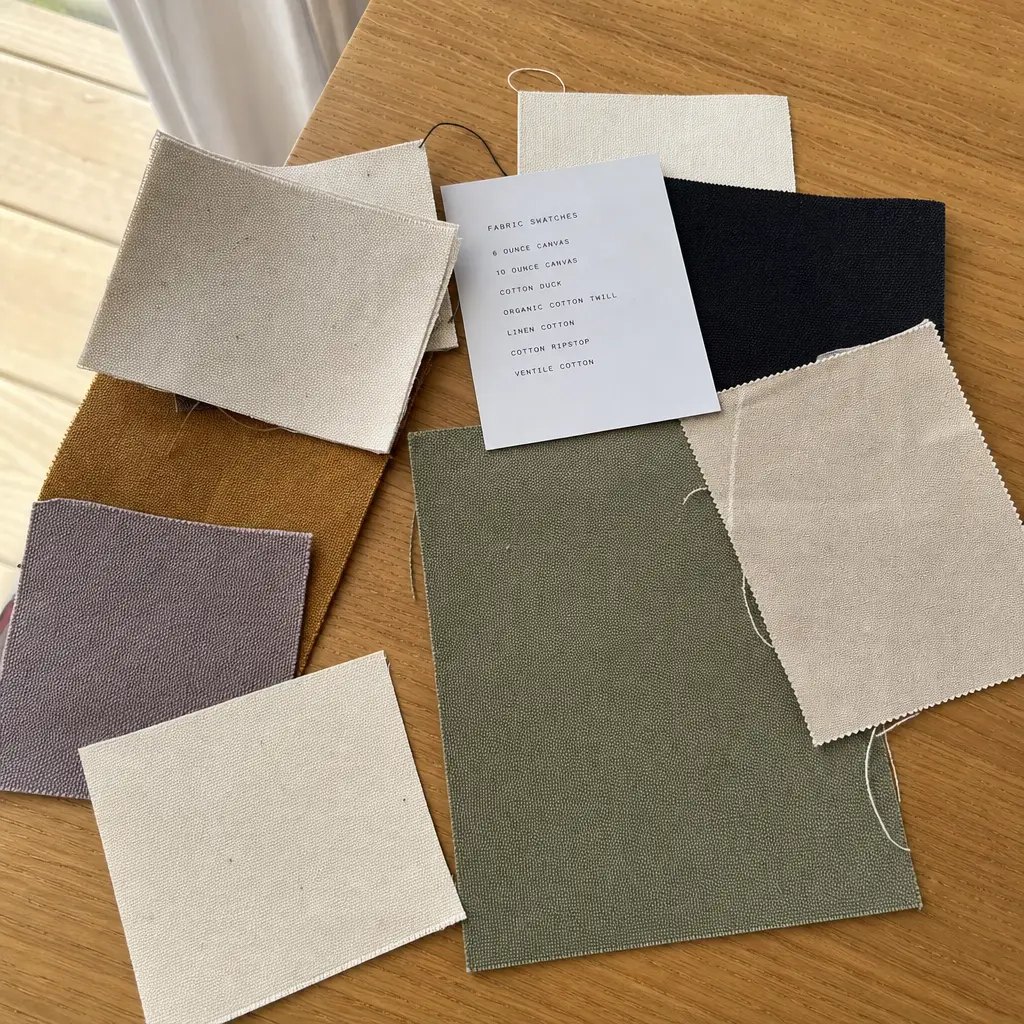
- Natural canvas gives a more sustainable and raw retail look but can show shade variation.
- Bleached canvas gives cleaner print contrast but usually costs more than stock natural fabric.
- If custom dyed fabric is requested, expect higher MOQ, longer lead time, and color approval steps.
Handle design is where many low quotes quietly cut performance
A tote that carries bottles safely depends heavily on handle attachment. Buyers often focus on fabric weight because it is easy to compare, but weak handle construction is the more common field issue. Self-fabric handles can work well if they are wide enough, folded consistently, and sewn with proper reinforcement. Cotton webbing handles may offer better strength consistency and cleaner edge appearance, though they slightly change the product look and can require a separate dye or color match step.
For liquor carry, the RFQ should not stop at 'long handles.' Specify handle width, total length or drop, and reinforcement. A handle drop around 25 to 30 cm usually fits shoulder and hand carry for grocery-style use. Reinforcement should include box-cross stitch or multiple bartacks at each handle root. If the bag body is heavy but the handle is narrow and attached with a single seam line, the failure point moves to the stitch zone quickly.
- Useful handle width range: 2.5 to 3.8 cm depending on bag size and target cost.
- Preferred reinforcement: bartack plus box stitch, or an equivalent approved sewing pattern.
- If webbing is used, ask whether it is cotton, polyester, or blended; hand feel and branding perception differ.
- Confirm if handles are sewn into side seams or patch-attached to body panels; load distribution changes.
- Request close-up sample photos of the handle root from the inside and outside.
Print method should match canvas texture, reorder volume, and retail expectations
Most liquor retailer tote programs fit 1-color or 2-color screen printing on natural or bleached canvas. Screen print is usually the best cost-to-appearance choice in wholesale because setup is manageable, ink deposit can be durable, and reorders are straightforward if art remains unchanged. On textured canvas, however, large solid areas may show slight variation because the weave is not perfectly smooth. This is a normal physical limit, not always a production defect, so the approved standard should be realistic.
Heat transfer, digital printing, and embroidery are possible but should be selected for a reason. Digital can help with complex artwork or low-volume color-rich graphics, but unit cost tends to rise and color consistency across large runs can become a negotiation point. Embroidery on a grocery tote is usually decorative rather than cost-efficient and can distort lighter fabrics. For most retail buyers, the better decision is to simplify artwork and spend the budget on stronger bag construction rather than overcomplicated decoration.
- Screen print suits medium and large runs with simple logos.
- Pantone matching should be requested only when brand standards require it; exact matching can add approval time and reject risk.
- Print placement tolerance should be stated, for example within 0.8 to 1.2 cm from approved position depending on bag size.
- If printing near seams or gussets, specify the print area carefully because sewing distortion can affect alignment.
- Ask whether print is done before or after sewing; flat-panel printing often gives cleaner placement.
MOQ logic: reduce cost without forcing a fully custom bag on the first order
MOQ is not one number. It changes with fabric route, bag size, print colors, dyeing, and packing format. For a first liquor retail tote program, many buyers get better value from a semi-custom route: stock natural canvas, standard grocery tote pattern, and custom screen print. This usually keeps MOQ lower and sample timing shorter while still giving enough brand identity for retail use. A full custom route, such as custom dyed body fabric, special lining, inside pocket, or woven trim, can quickly make the order less economical than the selling program justifies.
The key commercial decision is whether the bag is a repeat private-label SKU or a seasonal promotional vehicle. If it is a repeat item across store chains or distributor channels, investing in a more stable specification and slightly higher MOQ may make sense because reorder consistency matters. If it is a limited campaign, buyers should remove any custom detail that does not improve in-store utility or shelf value. Most avoidable overspend in this category comes from decorative changes that do not help the tote carry bottles better.
- Lower MOQ route: stock fabric + standard shape + one or two print colors.
- Higher MOQ triggers: custom dyed fabric, unusual dimensions, all-over print, custom webbing color, woven inside labels by design variation.
- If multiple store groups need the same bag, use one base construction and vary only print artwork where possible.
- Request quote breaks by volume tiers to see where screen setup and labor are being absorbed.
Samples should prove function, not only approve artwork
Sample approval often fails because buyers approve a presentation sample that is not built with actual production methods. For this product, a useful pre-production sample should use the real canvas weight, actual handle construction, intended print method, and true gusset dimensions. Handmade prototypes can help early visualization, but they are not enough for final approval when bottle load performance matters. If possible, ask for a simple load demonstration photo or video using equivalent bottle weight during sample review.
What should be approved on the sample is specific and measurable: body shape when standing, logo size and placement, handle drop, seam cleanliness, and overall hand feel. If the tote is intended for store sale rather than giveaway, the buyer should also review fold presentation and how the bag looks after unpacking from carton. Some bags pass visual review individually but recover poorly after compressed shipping, making the first store display look tired.
- Approve finished dimensions with tolerance, not nominal size only.
- Review logo position from top edge and side seam, not by eye only.
- Test at least a practical load equivalent to intended bottle count.
- Inspect inside seam finish because loose overlock and raw edges reduce retail perception.
- If dyed fabric is used, approve shade against standard under normal retail lighting, not only factory light.
Quote comparison should separate true cost drivers from cosmetic extras
When comparing supplier quotes, split the price into meaningful parts: fabric grade, cutting and sewing, handle type, print setup and print run cost, labels, packing, and trade term. Without that structure, one quote may look cheaper simply because details were omitted. For example, a supplier may exclude individual polybags, carton marking, or sample cost. Another may include reinforced handles and larger gusset dimensions that materially improve use. Buyers should normalize these differences before ranking options.
Landed cost also changes with packing density and carton weight. A heavier canvas tote can still be the better buy if it reduces complaints and supports repeat retail sale, but the freight impact should be modeled. Flat packed totes compress well, yet over-compression can leave deep creasing on printed panels. There is usually a middle ground where carton efficiency remains acceptable without damaging first impression. Buyers managing multi-store distribution should also consider receiving labor: clearly labeled cartons with exact counts reduce internal handling cost.
- Request line-item breakout for bag body, print, labels, inner packing, export carton, and sample charges.
- Compare EXW and FOB on the same spec before adding freight assumptions.
- Do not compare a flat bag price with a gusseted bag price as if they are interchangeable.
- Estimate freight effect of higher GSM and lower carton pack count before cutting fabric weight to chase pennies.
- If stores receive split quantities, ask whether factory can pre-pack by store ratio or color assortment.
Packing details affect store rollout more than many buyers expect
Packing is often treated as an afterthought on tote orders, but for liquor retailers it affects both landed cost and launch execution. If cartons are too heavy, store teams and warehouse handlers dislike them, and damage risk rises. If cartons are underfilled, freight cost per unit climbs. The buyer should specify target carton count, target gross weight, and whether the bags must be folded a certain way for direct shelf display or back-room allocation. A reusable tote sold near checkout benefits from neat fold consistency because customers notice presentation.
For chain or distributor supply, carton labeling should include PO, SKU, color, quantity, country of origin if required on outer mark, and sometimes store route labeling. If the same order supplies mixed regions, barcode and carton mark requirements should be settled before production packing starts. Repacking after inspection adds cost and delay. It is more efficient to capture this in the original RFQ than to issue late warehouse instructions.
- Set carton gross weight target that warehouse teams can handle comfortably.
- State whether individual polybag packing is needed; many retail buyers skip it for sustainability and easier display.
- If no polybag, require cartons to be clean and dry because canvas picks up dust and moisture smell easily.
- Request fold method photos during pre-shipment inspection if presentation is important.
- Confirm carton dimensions early if container loading or palletization matters in your distribution flow.
Lead time risk usually comes from approvals and material choices, not sewing capacity alone
A realistic tote lead time is tied to approval sequence. Artwork confirmation, fabric booking, sample review, print screen preparation, bulk cutting, sewing, inspection, and vessel booking all sit on the critical path. Buyers sometimes receive optimistic lead times that count only factory floor sewing days. That is not enough for planning a retail program tied to seasonal promotions, holiday gifting, or new store openings. The safest quote is the one that clearly states what event starts the clock.
Custom dyed fabric, Pantone-critical print, and multiple artwork versions slow the process more than buyers expect. If schedule is sensitive, simplify early. Use stock natural or bleached canvas, keep the logo to one or two colors, and avoid last-minute dimension revisions after pre-production sample approval. Every change after sample sign-off can reset print screens, recalculate carton counts, or waste pre-booked fabric. Schedule risk is rarely dramatic in one step; it accumulates through small late decisions.
- Define lead time start point: after deposit and final artwork approval.
- Ask whether canvas is in stock or woven against order.
- Clarify if print screens are included in standard lead time or treated as a separate pre-production task.
- Leave buffer for inspection, rework, and booking delays during peak shipping months.
- If launch date is fixed, request a backward plan with approval deadlines.
Specification comparison for buyers
| Spec decision | Recommended option | When it fits | Buyer risk to check |
|---|---|---|---|
| Canvas weight for liquor carry | 12 oz to 14 oz canvas, about 340 to 400 GSM | Best for stores selling 2 to 4 wine or spirit bottles per bag | 8 oz to 10 oz fabric can quote lower but may sag, distort print, or fail at handle stress points |
| Bag construction | Bottom gusset 12 to 15 cm plus side gussets | Needed when the tote must stand, load square cartons, or carry mixed bottle sizes | Flat bags look cheaper on quote but pack bottles poorly and increase seam strain |
| Handle build | Self-fabric handles with cross stitch and bartack or cotton webbing handles | Suitable for repeated carry from store to car and reuse cycles | Handles sewn into single line only can twist or tear under bottle weight |
| Print method | 1 to 2 color screen print on natural canvas | Best landed-cost balance for bulk promotional and retail reuse programs | Large solid coverage can crack or look uneven if ink deposit and curing are not controlled |
| Bottle protection expectation | Tote for carry only, not a padded bottle protector | Works when retailer wants reusable bag rather than divider bag | If buyer expects clink reduction, add internal divider or heavier gusset spec early or claims will follow |
| MOQ route | Stock fabric plus standard size and print customization | Best for mid-volume launches needing lower MOQ and faster sampling | Full custom dyed fabric and bespoke hardware can push MOQ above practical store trial volume |
| Packing method | Flat packed by piece count in export carton with size sticker by colorway | Best for distribution to multiple stores and easier receiving counts | Compressed packing lowers freight but can crease print and distort folded handles |
| Sampling sequence | Digital artwork proof, pre-production sample, then bulk color strike if dyed fabric | Reduces approval mistakes on logo position and handle drop | Skipping PPS often causes wrong gusset width or off-center logo in mass production |
| Lead time planning | Allow sample approval plus 30 to 45 days bulk production after deposit and final art sign-off | Realistic for common canvas bags in peak and non-peak booking windows | Quotes without fabric booking and print queue detail may look faster than the factory can really deliver |
Buyer checklist before sampling
- Define real load case: number of bottles, average combined weight, and whether the bag must stand upright at checkout.
- Specify canvas weight in GSM or oz, not only 'canvas' or 'heavy canvas'.
- State finished bag size with bottom and side gusset dimensions in centimeters.
- Set handle width, handle drop, and reinforcement method including bartack or box-cross stitch.
- Decide whether the bag is for carry only or requires internal bottle separation.
- Name print method, print size, number of colors, and whether Pantone matching is required.
- Clarify if natural canvas shade variation is acceptable or if bleached/dyed fabric is required.
- Request pre-production sample approval before bulk cutting.
- Define acceptable tolerance for size, logo placement, and seam defects in the QC standard.
- Specify export carton count, carton weight target, barcode labeling, and inner packing if stores receive split quantities.
Factory quote questions to send
- What canvas weight are you quoting in GSM and oz, and what is the fabric composition tolerance?
- Is the quoted fabric stock natural canvas, bleached canvas, or custom dyed canvas?
- What finished bag dimensions are included, and are tolerances measured before or after sewing?
- How are handles constructed: self-fabric, webbing, inserted seam, or patch reinforcement?
- How many bartacks or reinforcement stitches are included at each handle joint?
- What is the print method, color count, maximum print area, and Pantone matching method?
- If the logo is large solid coverage, what print quality limits should we expect on textured canvas?
- What MOQ applies to this exact size and print setup, and what changes would raise MOQ?
- Can you provide a pre-production sample using production fabric and print process rather than a handmade mock sample?
- What AQL level or in-house inspection standard do you use for logo placement, stitching, and measurement tolerances?
Quality-control points to confirm
- Fabric weight should match approved spec within agreed tolerance; random rolls should be tested before cutting.
- Finished size and gusset dimensions should stay within agreed sewing tolerance, especially bottom width that affects bottle fit.
- Handle attachment must show full reinforcement stitch count with no skipped stitches or loose thread ends.
- Bartack position and density must be consistent across the lot because liquor loads concentrate stress at the handle root.
- Screen print color, opacity, curing, and placement should match approved sample; no major pinholes or smear marks on front-facing panels.
- Side seams and bottom seams must be straight and fully caught; no raw edge exposure on load-bearing joins.
- Canvas surface should be free from major slubs, oil marks, mildew smell, and obvious shade lot mixing unless natural variation is pre-approved.
- Carton count accuracy matters for store allocations; verify packed quantity by carton and carton labeling before shipment.