The Buying Problem
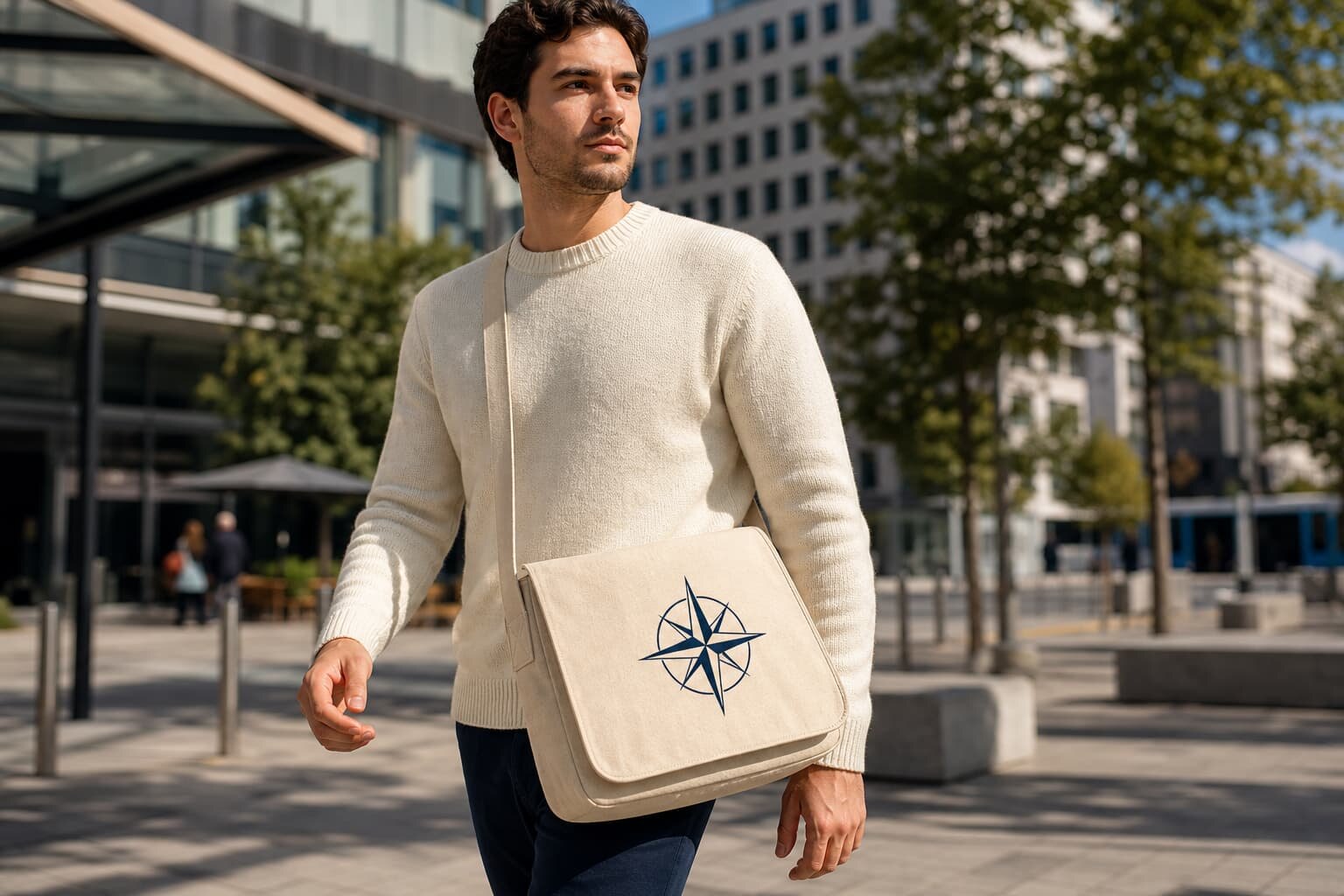
Canvas messenger bags look simple on a product sheet, but they are not simple to buy well. The main risk is that different suppliers quote different constructions while using the same loose description: canvas messenger bag, shoulder bag, crossbody bag, book bag, or laptop messenger. One quote may use 10oz canvas with plastic hardware and a printed logo. Another may use 16oz canvas, cotton webbing, metal sliders, zipper pocket, lining, and reinforcement patches. If the RFQ is not precise, the lowest quote often wins the spreadsheet and loses the production floor.
A good wholesale canvas messenger bags supplier checklist should help your team separate real cost drivers from decorative details. For this product, the big cost and quality drivers are fabric weight, bag size, hardware, strap construction, pocket layout, logo method, dyeing method, packing, and inspection standard. When those details are written into the RFQ, supplier answers become comparable. When they are missing, the buyer is forced to compare assumptions.
- Use finished dimensions, not a photo alone.
- Ask for fabric weight in both oz and GSM.
- Separate standard materials from custom materials.
- Define hardware material and finish, not only color.
- Approve a physical sample before bulk cutting.
Start With Use Case
The correct messenger bag specification depends on how the bag will be used after delivery. A school bookstore, museum shop, conference program, corporate gift campaign, retail brand, and distributor stock order do not need the same construction. If the bag needs to hold books or a laptop, the strap and bottom panel need more attention than the logo. If it is used as a low-cost promotional gift, the buyer may accept lighter fabric but should still protect the brand from crooked printing and weak strap stitching.
Write the use case in the RFQ before listing materials. This gives the factory a reason to recommend a practical construction instead of quoting the cheapest pattern in its sample room. A factory sales engineer can also warn you if your target size, fabric, and budget do not match. That conversation is much cheaper before sampling than after 5,000 bags are cut.
- For retail display: choose a fabric that keeps shape when hanging empty.
- For laptop or book use: reinforce strap joins and bottom corners.
- For event giveaways: control unit cost with simpler pockets and standard fabric.
- For ecommerce: request individual packing and barcode labeling early.
- For distributors: ask whether the supplier can repeat the same fabric shade across replenishment orders.
Fabric Weight And Finish
Canvas weight is one of the first numbers buyers should control. Many importers use oz because canvas is traditionally sold that way, while many factories also quote GSM. As a practical guide, 10oz canvas is about 340 GSM, 12oz is about 410 GSM, 14oz is about 475 GSM, and 16oz is about 545 GSM. These are approximate conversions. Real production values depend on weave, yarn, finishing, washing, and measurement method.
For messenger bags, 10oz to 12oz can work for lightweight promotional orders, but larger bags may feel soft and collapse. 14oz to 16oz is more suitable for retail-quality canvas messenger bags, especially when the bag has a flap, gusset, and adjustable shoulder strap. Very heavy canvas can improve structure, but it also increases cutting difficulty, sewing time, shipping weight, and logo printing risk on a rougher surface. Ask the supplier to show a real swatch or previous sample instead of choosing weight from a chart only.
- Natural canvas: lower dye risk, common for eco-style branding, but shade may vary by lot.
- Dyed canvas: better brand color control, but requires lab dip and color tolerance approval.
- Washed canvas: softer hand feel and casual look, but size shrinkage and shade variation must be managed.
- Coated canvas: improved stiffness or water resistance, but printing and needle marks need testing.
- Recycled cotton blend: useful for sustainability positioning, but confirm strength, color consistency, and documentation before quoting.
Size And Pattern Details
A messenger bag RFQ should always state width, height, and gusset as finished measurements. Do not rely on capacity words like medium, large, laptop size, or A4 size. A small change in gusset can affect fabric consumption and carton volume. A longer flap changes visible logo position and cutting layout. A wider strap changes both cost and comfort. If your buyer team needs the bag to fit a laptop, book, bottle, folder, or retail package, provide that item size and required clearance.
Pattern details also affect how the bag sits on the body. A flat bag without gusset is cheaper and packs well, but it holds less and may look tight when filled. A box gusset gives better capacity and shape, but increases sewing operations at corners. Rounded flap corners look softer and can reduce corner wear, while square flaps may be easier to align with a printed logo. These small choices are not only design details; they are production details.
- State finished size with tolerance, for example plus or minus 1 cm for body measurements.
- Confirm whether the flap covers the full width or stops before side seams.
- Ask if the gusset is one continuous panel or joined at the bottom.
- Define seam allowance and whether inner seams are bound, overlocked, or lined.
- Request a photo of the bag filled with a common item if shape is important.
Straps And Hardware
The shoulder strap is one of the highest complaint areas on canvas messenger bags. A bag can look acceptable on a table and still fail in use if the strap webbing is too thin, the slider slips, or the stitching at the side seam is weak. For most adult messenger bags, 38 mm to 50 mm cotton webbing is a practical range. Narrower straps can cut into the shoulder when the bag carries books or samples. Wider straps improve comfort but increase material cost and require matching sliders.
Hardware should be specified by material, finish, and function. Antique brass color does not tell you whether the part is zinc alloy, iron, brass-plated steel, plastic, or aluminum. For export bags, plating quality matters because poor hardware can scratch, rust, or stain light canvas during sea freight. If the bag uses magnetic snaps, ask about magnet strength and reinforcement. If it uses buckles, ask whether they are functional or decorative. Decorative buckles with hidden snaps can improve user convenience, but the construction must be clear in the quote.
- Request box stitching or bartacks at strap attachment points.
- Use reinforcement patches between fabric layers for heavier bags.
- Check slider grip so the strap does not loosen under load.
- Confirm metal finish with a physical hardware card, not only a catalog photo.
- Ask whether spare hardware pieces are included for inspection or repairs.
Logo Method Choices
The best logo method depends on fabric texture, logo detail, order quantity, brand positioning, and washing or abrasion expectations. Screen printing is common for canvas messenger bags because it is cost-efficient and works well on flat flap panels. It needs proper ink selection, curing, and print pressure. On rough 16oz canvas, very fine lines may break, and large solid ink areas may show texture. For sharp small branding, a woven label or sewn patch may be more stable.
Embroidery can look premium, but it adds needle holes, thread tension risk, and backing material. It is better for smaller logos than for large filled designs. Heat transfer is possible on some canvas finishes, but it should be tested for adhesion and hand feel. Leather-look patches, cotton labels, and side labels can make the bag more retail-ready, but they add sewing steps and placement tolerance issues. The RFQ should include artwork size, color reference, exact placement, and acceptable tolerance.
- For large front logos: test screen print on the exact canvas weight and color.
- For small brand marks: consider woven label, cotton label, or patch.
- For premium retail: test embroidery or patch, but check backing and stitch density.
- For dark canvas: confirm ink opacity and whether underbase printing is needed.
- For repeat orders: keep approved ink, thread, and label references on file.
MOQ And Cost Logic
MOQ is not just a supplier policy. It comes from material sourcing, dyeing, cutting efficiency, logo setup, hardware purchasing, and production line changeover. A standard natural canvas messenger bag with stock webbing and common hardware may have a lower MOQ than the same bag in a custom dyed color with custom buckle, custom woven label, printed lining, and retail hangtag. When a quote looks high, ask which component is driving the MOQ before assuming the supplier is inflexible.
For fair quote comparison, request price breaks using the same spec at several quantities. A useful RFQ might ask for 500, 1,000, 3,000, and 5,000 pieces. The price curve will show whether cost is mainly setup-driven or material-driven. If the price drops sharply after a certain quantity, the supplier may be reaching a fabric roll, dye vat, or hardware carton efficiency point. This helps buyers choose a practical launch quantity instead of negotiating blindly.
- Standard fabric usually reduces MOQ and sample time.
- Custom dyed canvas raises MOQ because of dye lot requirements.
- Custom metal hardware can raise MOQ more than the bag body itself.
- Multiple logo positions increase setup cost and inspection time.
- Complex pocket layouts raise labor cost even when material cost looks small.
Sampling Workflow
A canvas messenger bag sample should answer production questions, not only design questions. The first sample can confirm shape, size, pocket layout, strap comfort, logo size, and material direction. After corrections, the pre-production sample should represent the exact bulk construction: fabric weight, color, hardware, thread, label, printing, packing, and workmanship standard. Bulk cutting should not start until the pre-production sample is approved in writing.
Buyers should check the sample as if it were a small inspection lot. Fill it with realistic weight. Wear it crossbody and on one shoulder. Open and close the flap repeatedly. Pull the strap and inspect the side seams. Check whether the flap sits flat, whether the logo remains visible, and whether the bag twists when loaded. A sample that only looks good empty may create complaints when used.
- Measure finished dimensions and compare them to the RFQ.
- Check canvas shade under neutral light and daylight if color matters.
- Rub the printed logo lightly after curing to check adhesion.
- Load the bag with target weight and inspect strap stitching.
- Keep one approved sample sealed for final inspection reference.
Lead Time And Packing
Lead time should be broken into stages: artwork confirmation, material sourcing, lab dip if needed, sample making, sample shipping, sample approval, bulk production, inspection, packing, and export handover. A supplier may quote a production lead time of 25 to 35 days, but that usually starts after sample approval and material readiness. If your launch date is fixed, ask for a timeline with dependencies instead of one simple date.
Packing is another area where vague RFQs create cost surprises. A messenger bag can be folded flat, folded with flap protected, individually polybagged, packed by dozen, or packed for direct ecommerce handling. Each method affects labor, carton size, crease marks, barcode labeling, and freight cost. For canvas, moisture control is important, especially for long sea shipments and natural cotton fabric. Ask about carton strength, gross weight, desiccant use, and whether metal hardware is protected from rubbing against the fabric.
- Confirm whether lead time begins after deposit, sample approval, or material arrival.
- Ask for carton quantity, carton dimensions, and estimated gross weight.
- Define whether individual polybag, tissue paper, hangtag, barcode, or carton mark is included.
- Avoid overpacking that creates unnecessary labor and freight cost.
- Request photos of packed goods before shipment if a third-party inspection is not arranged.
Quote Comparison Method
To compare supplier quotes, build a quote sheet that separates the base bag from options. Put fabric weight, size, strap, hardware, logo, pockets, lining, packing, MOQ, lead time, sample cost, and trade term into separate fields. This prevents a low unit price from hiding missing features. A supplier quoting without lining, without inner zipper pocket, or with lighter canvas is not quoting the same product.
Ask each supplier to state assumptions clearly. If a factory cannot confirm fabric weight, hardware material, packing details, or sample timeline, the buyer should treat the quote as preliminary. A reliable supplier does not need to know every final detail on day one, but they should be able to explain what is included, what is optional, and what must be tested before bulk production.
- Compare unit price only after construction is aligned.
- Ask for option costs for fabric upgrade, lining, zipper pocket, and custom label.
- Check whether printing setup, sample freight, and export cartons are included.
- Review payment term, trade term, and shipment port before internal approval.
- Keep all supplier revisions in one version-controlled RFQ sheet.
Specification comparison for buyers
| Spec decision | Recommended option | When it fits | Buyer risk to check |
|---|---|---|---|
| Main canvas fabric | 14oz to 16oz cotton canvas, approximately 475-545 GSM | Retail, brand merchandise, laptop-style messenger bags, and higher perceived value programs | Confirm actual GSM after dyeing or washing, because finished weight can differ from greige fabric weight |
| Budget fabric option | 10oz to 12oz cotton canvas, approximately 340-410 GSM | Promotional orders, lightweight events, and lower freight weight targets | Bag may collapse when displayed empty; reinforce stress points and avoid oversized panels |
| Flap closure | Magnetic snap or antique brass buckle with reinforced patch | Retail use where the bag needs a cleaner look and repeated opening | Check magnet pull strength, buckle plating, and whether reinforcement is hidden between fabric layers |
| Shoulder strap | 38-50 mm cotton webbing with adjustable slider | Most wholesale messenger bag programs for adults and commuter use | Ask for strap length range, webbing thickness, and load test after stitching |
| Logo method | Screen print on front flap, woven label, or leather-look patch | Most brand orders where logo placement must stay visible when worn | Check print cracking on heavy texture canvas and label placement tolerance after flap sewing |
| Inner organization | One zipper pocket plus one open pocket | Retail buyers, subscription brands, bookstores, schools, and corporate gift programs | More pockets increase labor cost and inspection points; request pocket dimensions in the quote |
| Packing method | Individual polybag plus master carton with moisture control | Export orders, distributor inventory, and ecommerce fulfillment preparation | Confirm carton weight, bag folding method, and whether flap creases affect display appearance |
Buyer checklist before sampling
- Define finished bag size in width x height x gusset, not only approximate capacity.
- State canvas weight in oz and GSM, and clarify whether the value is before or after dyeing, washing, or coating.
- Specify natural, dyed, washed, or pigment dyed canvas because each affects shrinkage, hand feel, and logo result.
- Confirm strap width, strap length range, slider material, buckle type, and reinforcement method at stress points.
- Send artwork as vector file and state print size, print color reference, placement tolerance, and approval method.
- List every pocket, zipper, lining, flap, snap, buckle, label, and hangtag requirement in the RFQ.
- Ask the supplier to quote sample cost, sample lead time, bulk lead time, and production lead time after sample approval.
- Require pre-production sample approval before bulk cutting, especially for dyed canvas or custom hardware orders.
- Confirm packing method, carton dimensions, carton gross weight limit, barcode label needs, and pallet requirements if applicable.
- Ask which quote items are included and excluded, including inland transport, export carton, testing, spare parts, and document fees.
Factory quote questions to send
- What is the exact fabric weight in oz and GSM, and is it measured before or after dyeing or finishing?
- Can you provide available stock canvas colors, dye-to-order MOQ, and lab dip lead time?
- Which hardware is standard for this messenger bag: zinc alloy, iron, brass-plated, plastic, or aluminum?
- What reinforcement will be used at strap joins, flap corners, bottom gusset, and pocket openings?
- Which logo methods do you recommend for this canvas texture and order quantity, and what are the setup charges?
- What is your MOQ for this bag shape with standard fabric, and what MOQ changes if we request custom dyed fabric or custom hardware?
- How many days are needed for counter sample, pre-production sample, bulk production, inspection, and packing?
- What packing is included in the unit price, and what is the carton quantity, carton size, and estimated gross weight?
- Can you quote separately for 10oz, 12oz, 14oz, and 16oz canvas so our team can compare cost against hand feel?
- What quality tolerance do you apply for finished size, print placement, shade variation, stitching, and minor fabric slubs?
Quality-control points to confirm
- Measure finished size against approved sample, including flap length, gusset width, and strap length adjustment range.
- Check fabric GSM, hand feel, shade, shrinkage, and visible slubs against the approved pre-production sample.
- Inspect strap attachment, box stitching, bartacks, and reinforcement patches with a basic pull test.
- Open and close all snaps, buckles, sliders, zippers, and magnetic closures repeatedly during inline inspection.
- Check print adhesion, color matching, logo placement, edge sharpness, and cracking on folded canvas areas.
- Review pocket dimensions, lining attachment, seam allowance, loose threads, and inside cleanliness.
- Confirm carton packing quantity, folding method, moisture control, shipping marks, barcode labels, and carton strength.
- Approve a sealed pre-production sample and keep it available for final inspection comparison.