Start With a Hotel Retail Compliance Scope, Not a Generic Bag Brief
A hotel retail messenger bag has to do more than look good in a catalog photo. It may sit in a resort shop, spa boutique, lobby store, conference retail counter, loyalty redemption program, or guest amenity package. In those channels, the buyer needs a bag that displays well, carries the intended contents, scans correctly, survives transport, and can be reordered without rebuilding the whole specification from memory.
Most sourcing problems begin when several suppliers quote different bags under the same product name. One price may cover a 10 oz unlined cotton canvas bag with a basic flap and one-color screen print. Another may include 12 oz dyed canvas, lining, zipper under the flap, metal adjuster, inner pocket, woven label, hangtag, barcode, and individual packing. A third may be a stock promotional style with loose tolerances. None of those offers are truly comparable until the construction, material, decoration, packing, Incoterm, and inspection standard are aligned.
For procurement teams, compliance works best as a system. Product compliance covers fabric, construction, decoration, labeling, safety, and performance. Supplier compliance covers factory capability, subcontracting disclosure, sampling discipline, inspection cooperation, corrective action, export documents, and traceability. Retail compliance covers barcode accuracy, country-of-origin labeling, hangtag placement, carton marks, SKU separation, receiving rules, and shelf-ready presentation. A clear RFQ makes each layer visible before price negotiation starts.
- Create a compliance pack containing the signed specification sheet, approved sample, artwork proof, trim card, packing instruction, carton mark layout, and inspection checklist.
- Do not compare unit prices until all suppliers quote the same fabric weight, finished size, pocket structure, closure, strap, hardware, logo method, packing method, Incoterm, and inspection scope.
- Ask each supplier to mark which requirements affect cost, MOQ, or lead time so procurement can separate required compliance from optional upgrades.
- Share hotel brand, retail partner, or warehouse receiving rules early; barcode, hangtag, and carton corrections after packing usually require opening cartons and adding labor.
- Define the order purpose clearly: souvenir retail, premium boutique sale, conference merchandise, loyalty gift, or in-room amenity, because each use case has different durability and presentation requirements.
Build a Factory-Ready Product Specification With Tolerances
A useful messenger bag specification describes the finished product in measurable language. Photos help explain the style, but factories also need dimensions, tolerances, material standards, stitch instructions, placement references, and packing rules. The RFQ should list finished width, height, gusset, flap coverage, opening width, strap width, strap length range, closure type, pocket structure, lining, hardware finish, stitch color, label placement, and decoration details.
Finished dimensions matter more than pattern dimensions. Canvas can change during cutting, sewing, washing, pressing, and folding. If the bag must hold a tablet, folded apparel, welcome booklet, resort towel, or conference folder, include the item size and approximate loaded weight. Ask the supplier to measure the finished bag after sewing and pressing, not only the cut panels. For many canvas messenger bags, buyers use starting tolerances such as +/-10 mm on body width and height, +/-5 mm on pockets or flap details, and +/-3 mm to +/-5 mm on logo placement. The final tolerance should still fit the bag size, fabric weight, and decoration method.
Small construction choices can create large inspection issues. A deeper gusset improves capacity but can make bottom corners uneven. A longer flap adds coverage but may curl if the fabric is too light or lacks support. Zippers add function, yet zipper ends and sliders become failure points. Magnetic snaps look clean, but they must be aligned, backed, and protected from tearing through the fabric. Replace vague words such as durable, premium, or heavy duty with named materials, stitch patterns, and measurable checkpoints.
- Specify finished body width, body height, gusset depth, flap length, flap overlap, strap width, minimum and maximum strap length, and usable opening width.
- Define expected contents and approximate loaded weight so the factory can choose reinforcement and stitch method correctly.
- List pockets separately: front slip pocket, inner zipper pocket, phone pocket, pen slot, tablet sleeve, back pocket, or hidden security pocket.
- State closure details: open flap, hook-and-loop, magnetic snap, zipper under flap, buckle strap, button loop, snap fastener, or press stud.
- Require reinforcement at strap joints, flap corners, zipper ends, pocket openings, and gusset bottom corners using a named method such as bar tack, box stitch, X-box stitch, or binding.
- Include a measurement table in the spec sheet with target dimension, tolerance, measuring location, sample quantity, and pass or fail rule for each critical point.
Choose Canvas Material by Weight, Finish, and Repeatability
Canvas is often quoted in ounces per square yard or GSM. That number matters, but it does not define quality by itself. Fiber content, yarn density, weave tightness, dyeing, washing, coating, and finishing all affect hand feel, structure, shrinkage, print sharpness, and bulk consistency. A 12 oz canvas from one mill can feel different from another 12 oz fabric because the weave and finish are different. For hotel retail, approve physical swatches and confirm the bulk fabric lot before cutting whenever the program depends on consistent color or hand feel.
As a practical sourcing range, 8-10 oz canvas can work for light souvenir bags or simple promotional merchandise. 10-12 oz cotton canvas is often a sensible starting point for general hotel retail because it balances structure, printability, sewing control, and freight weight. 12-16 oz canvas can support a more substantial boutique messenger bag, but it also increases seam bulk, needle wear, sewing difficulty, carton weight, and cost. Heavier fabric is not automatically better if the factory cannot sew clean corners or if freight cost becomes disproportionate.
Finish should match the retail promise. Natural canvas gives a casual, authentic look, but it may show seed flecks, slubs, and shade variation. Dyed canvas gives stronger color direction but requires dye-lot control and shade approval. Washed canvas has a softer vintage hand, though it can create more size and shade variation. If the buyer plans to promote recycled, organic, or other sustainability claims on hangtags, product pages, or retail signage, the supplier must provide documentation that supports the exact claim.
- For 8-10 oz canvas, confirm the bag is for light use and reinforce strap joints because the body can otherwise feel promotional.
- For 10-12 oz canvas, check flap lay-flat quality, print edge sharpness, pocket structure, and folding efficiency for cartons.
- For 12-16 oz canvas, confirm machine capability, seam bulk, needle selection, corner cleanliness, and carton gross weight before approval.
- For natural canvas, define acceptable seed flecks, slubs, shade range, and panel mismatch against a physical approved swatch.
- For dyed or washed canvas, require lab dip or shade approval, shrinkage expectation, bulk-lot approval, and shade-band controls before cutting.
- For organic, recycled, or other sustainability claims, request documentation that supports the exact claim and avoid unsupported retail wording.
Control Trims, Hardware, and Load-Bearing Details
Trims are a common source of hidden cost and quality drift. Strap webbing, adjusters, D-rings, buckles, zipper tape, sliders, snaps, hook-and-loop tape, lining, labels, binding, and hangtags can each have their own MOQ and lead time. If the RFQ does not specify size, material, finish, color, and performance expectation, the supplier may quote whatever standard components are easiest to source. For hotel retail, mismatched antique brass tones, scratched black hardware, weak plastic adjusters, or rough metal edges can make the finished bag feel lower value even when the canvas is acceptable.
The strap system deserves extra attention because it carries the load and shapes the customer’s first impression. Define strap width, material, color, weave, adjustability range, attachment method, and reinforcement. Cotton webbing gives a natural look but may shrink or twist depending on construction. Polyester webbing is often more color consistent and abrasion resistant, but it may not suit every canvas aesthetic. Metal adjusters can look more premium, while plastic adjusters may reduce cost and weight. Neither option should be approved without checking function, finish, and comfort.
Load expectations should be written into the specification. If the intended contents weigh 3 kg, the buyer may require the strap assembly to withstand a higher static load as a safety margin, such as 2x the intended load or a defined 7-10 kg hanging test for a set period. The exact test should be agreed with the supplier and matched to the product. The point is simple: strap joints, D-rings, sliders, and seams should not be judged by appearance alone.
- Request a trim card showing approved webbing, thread, zipper, slider, D-ring, buckle, snap, hook-and-loop, lining, label, hangtag, and packaging materials.
- Check all metal hardware for burrs, sharp edges, rust marks, plating scratches, weak weld points, inconsistent finish, and staining risk against light canvas.
- Specify strap attachment with a defined stitch pattern, reinforcement area, thread type, and practical pull or static load test.
- Define zipper size, tape color, slider finish, and smoothness requirements if zipper failure would create return risk.
- State lining material, color, pocket seam finish, and whether raw edges are bound, overlocked, or enclosed.
- Ask which trims are stock and which are custom ordered, because webbing color, zipper tape, hardware finish, or woven labels may drive MOQ more than sewing.
Lock Branding, Decoration, and Artwork Approval
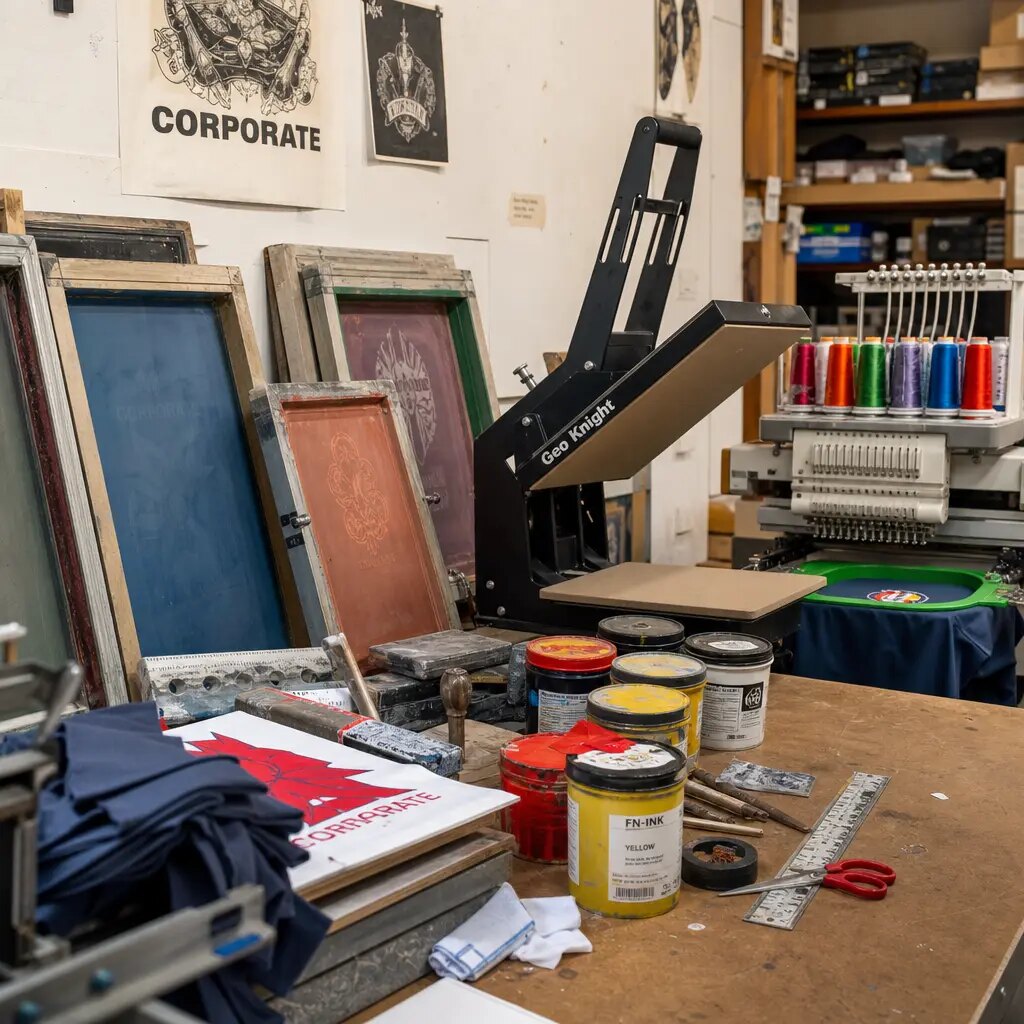
Brand presentation is central to hotel retail. A canvas messenger bag may carry a resort logo, destination mark, boutique identity, conference emblem, or co-branded artwork. Decoration should be chosen for appearance, durability, and repeatability. Screen printing is efficient for solid graphics on flat canvas panels. Embroidery adds texture, but it can pucker lighter fabrics or distort small lettering. Woven labels, side labels, and sewn patches are useful when the buyer wants subtle branding or repeatable color across fabric lots.
Artwork approval should happen in production terms, not only as a digital mockup. Natural canvas absorbs ink differently from coated paper, and seed flecks or weave texture can affect edge sharpness. Dyed and washed canvas may change perceived print brightness. Embroidery thread can look different under store lighting than it does in supplier photos. For strict brand colors, approve a strike-off, embroidery swatch, label proof, or patch sample on the actual production canvas before bulk decoration starts.
Placement control is another frequent defect area. A logo centered by eye on a soft flap can shift after sewing, pressing, or folding. Use fixed reference points such as distance from the top flap edge, bottom edge, side seam, pocket opening, or center line. Define the acceptable placement tolerance and require first-piece production photos before the supplier prints or embroiders every panel. If decoration sits near a fold or closure, check rubbing, cracking, thread abrasion, and scuffing before approval.
- Use screen print for clean one-to-four-color logos on flat panels where cost and repeatability are important.
- Use embroidery for premium texture only after checking backing, stitch density, puckering, thread trimming, and readability of small letters.
- Use woven labels, side labels, or sewn patches when subtle branding or repeat color consistency is preferred.
- Provide vector artwork, Pantone or brand color references, finished decoration size, placement guide, and tolerance from fixed points.
- Approve a strike-off or decoration sample on actual canvas, especially for natural, washed, dark, or heavily textured fabric.
- Inspect decoration for color match, size, position, registration, edge sharpness, ink coverage, adhesion, rubbing, folding, puckering, and loose threads.
Decode MOQ, Unit Price, and Quote Assumptions
MOQ for wholesale canvas messenger bags is rarely one clean number. It may be driven by fabric purchase minimums, dye lots, webbing color, zipper tape, metal finish, woven label production, hangtag printing, screen setup, cutting efficiency, and packing labor. A supplier may accept 300 bags, but if custom dyed canvas requires a larger fabric minimum, the price may include surplus material or a surcharge. Another quote may be lower because it uses stock fabric, standard hardware, no lining, and bulk packing.
Procurement teams should normalize all quotes before choosing a supplier. Ask each supplier to break out unit price, sample cost, setup charges, decoration charges, packing cost, testing cost, inland freight, export carton cost, and Incoterm. Clarify whether labels, hangtags, barcode stickers, individual packing, master cartons, desiccants, and inspection support are included. A quote that excludes these items may look attractive at first and then create higher landed cost or extra warehouse work.
Negotiation becomes easier when the buyer separates essential custom elements from optional upgrades. A hotel retail program may keep natural canvas, standard webbing, standard antique brass hardware, and a simple screen print while customizing the woven side label, front logo, hangtag, and barcode. That approach can reduce MOQ pressure while preserving brand identity. A premium boutique line may justify custom fabric color, lining, patch, or hardware, but procurement should expect higher setup cost and longer lead time.
- Ask for MOQ by component: main fabric, dye color, lining, webbing, zipper tape, hardware finish, labels, hangtags, printing, embroidery, patches, and packaging.
- Compare prices using the same Incoterm, carton plan, decoration method, payment terms, inspection responsibility, and delivery point.
- Separate one-time costs such as screens, embroidery digitizing, molds, pattern development, sample courier, and artwork fees from recurring unit cost.
- Request carton dimensions, units per carton, net weight, and gross weight with the quote so freight estimates are based on real packing assumptions.
- Clarify whether the supplier price includes rework after failed inspection or only the initial production before QC.
- For repeat orders, confirm whether the supplier retains patterns, screens, approved trim references, fabric records, and label files.
Verify Supplier Compliance With Product-Specific Evidence
A supplier profile is not enough evidence for a hotel retail messenger bag order. Buyers need proof that the supplier can make this product with the specified canvas, decoration, trims, packing, and documentation. Useful evidence includes recent messenger bag photos, close-ups of strap reinforcement, trim cards, fabric swatches, printing or embroidery samples, production line photos, inspection records, and packed-carton examples. The goal is not paperwork for its own sake. It is to confirm that the supplier controls the actual risks in the order.
Subcontracting should be transparent. Many bag factories outsource screen printing, embroidery, fabric washing, hardware sourcing, hangtag printing, or barcode label production. Outsourcing is not automatically a problem, but the buyer must know who controls approvals and rework. If the print shop misplaces a logo or the packing team applies the wrong barcode, the supplier should still be responsible for correction under the purchase agreement.
Documentation should match the destination market, customer requirements, and product claims. For many B2B retail orders, buyers may need commercial invoice, packing list, country-of-origin support, material declaration, restricted-substance documentation when required, and inspection report. If a hangtag claims recycled cotton, organic cotton, or a specific environmental attribute, documentation expectations are higher than for a plain cotton canvas bag with no claim.
- Request recent photos of similar canvas messenger bags with construction close-ups, not only showroom or catalog images.
- Confirm whether cutting, sewing, printing, embroidery, washing, labeling, barcode application, and packing are in-house or subcontracted.
- Ask how approved samples, trim cards, measurement tables, and spec sheets are stored and communicated to line workers.
- Check whether the supplier can support barcode placement, carton mark format, SKU separation, destination sorting, and warehouse receiving rules.
- Require a written corrective-action process for failed inspection, including rework timing, reinspection responsibility, and cost owner.
- Request documents that match actual claims and destination requirements instead of relying on broad sales claims or generic certificates.
Use Sampling as a Risk-Control Process
Sampling should be treated as procurement risk control, not a design formality. A photo approval cannot confirm fabric weight, strap comfort, zipper smoothness, odor, seam strength, or logo durability. The buyer should physically review the sample, measure it, load it, open and close it, inspect stitching, compare decoration against artwork, and check how it folds into retail packing. If substitute fabric, substitute hardware, or temporary labels are used, the supplier must state that clearly in writing.
For new patterns or custom retail programs, two sample stages are usually safer. The development sample confirms shape, size, pocket layout, flap proportion, strap comfort, and visual direction. The pre-production sample confirms bulk fabric, final trims, final logo method, final labels, final hangtag, barcode placement, and intended folding or packing method. Bulk cutting should not begin until the pre-production sample is approved because changes after cutting create waste, delay, and disputes.
Sample approval should create a signed production standard. Keep one approved sample with the buyer and one with the factory. Attach the dated specification sheet, measurement table, artwork proof, trim card, and packing instruction. If the buyer approves a deviation, such as a slightly different lining shade or alternate hardware finish, record it clearly. During inspection, the approved sample should be the reference for appearance, workmanship, and acceptable natural fabric variation.
- Measure finished width, height, gusset, flap length, pocket depth, strap length range, logo placement, and folded packing dimensions.
- Load the sample with expected contents and check strap comfort, flap coverage, seam strain, closure security, and hardware movement.
- Inspect stitch density, seam allowance, skipped stitches, thread color, thread trimming, bar tacks, and reinforcement quality.
- Test the logo for rubbing, folding, cracking, bleeding, ghosting, puckering, poor edge definition, and color mismatch on the chosen fabric.
- Review a packing sample with hangtag, barcode, warning text where required, country-of-origin label, carton mark, and folding method.
- Approve samples in writing with version number, date, known deviations, and a clear instruction that bulk production must match the approved standard.
Set Inspection Criteria Before Cutting Begins
Quality control should be agreed before production starts, not negotiated after cartons are packed. Canvas messenger bag inspection should focus on retail saleability, functional durability, and packing accuracy. Natural slubs or seed flecks may be acceptable if they match the approved sample. Oil stains, mold, strong odor, heavy shade mismatch, open seams, weak strap attachment, sharp hardware, incorrect barcode, and misplaced logos should not be accepted for hotel retail stock.
Define defect categories in advance. Critical defects may include broken needle fragments, unsafe sharp metal, mold, strong chemical odor, contamination, or missing safety information where required. Major defects may include wrong size, wrong material, severe shade mismatch, open seam, broken zipper, weak strap joint, poor print registration, missing label, incorrect barcode, dirty visible fabric, or carton assortment error. Minor defects may include small thread ends, slight natural fabric irregularity within the approved standard, or small removable chalk marks that do not affect saleability.
If a third-party inspection is planned, share the checklist with the factory before production. Many buyers use ANSI/ASQ Z1.4 or ISO 2859-1 sampling logic with typical consumer-goods AQL levels such as 0 critical, 2.5 major, and 4.0 minor, but the exact plan should be agreed in the PO. Use measurable checkpoints wherever possible: stitch range, logo tolerance, dimension tolerance, carton gross weight, and accepted trim finish. Leave time for rework; an inspection one day before shipment may identify defects but leave no practical recovery window.
- Set size tolerance by finished measurement and inspect across multiple cartons to catch production drift.
- Check strap attachment with an agreed load or pull test based on intended use, bag capacity, and approved construction.
- Inspect decoration from fixed reference points and compare color, placement, sharpness, and registration to the approved strike-off.
- Review hardware for function, plating consistency, scratches, rust, burrs, weak welds, loose snaps, and mismatched finishes.
- Verify labels, hangtags, barcodes, warning text where required, country-of-origin wording, SKU count, carton marks, and packing assortment.
- Document inspection results with sample size, defect count, defect photos, accepted quantity, rejected quantity, rework decision, and reinspection requirement.
Plan Retail Packing, Cartons, and Receiving Rules
Packing is part of compliance because it determines how the product arrives, scans, stores, and sells. A loose-packed messenger bag may reduce material cost, but it can arrive wrinkled, dusty, or hard for store receiving teams to process. Individual polybags protect the item and barcode but may conflict with plastic-reduction goals. Paper bands, tissue wrap, belly bands, or recycled bags may support a more premium or sustainability-oriented presentation, but they require sourcing, sampling, and approval just like the bag itself.
Carton planning should account for bag weight, strap hardware, folding shape, and warehouse handling. Heavy canvas bags can exceed comfortable carton weight if packed too densely. Metal adjusters can scratch fabric or print if they are not positioned or covered. Overly tight cartons can crease flaps and distort retail presentation. A good packing instruction defines folding method, hardware placement, units per inner carton, units per master carton, desiccant use if needed, carton strength, carton dimensions, and maximum gross weight. Many buyers set a carton gross weight limit around 15-18 kg for manual handling, but the correct limit should match the receiving location.
Retail receiving accuracy matters as much as product appearance. The buyer should provide barcode label size, barcode type, SKU code, color code, country-of-origin wording, hangtag placement, and carton mark layout. If an order includes multiple colors, hotel properties, logos, or distribution destinations, require SKU separation and carton-level identification. Incorrect labels can create chargebacks, manual relabeling, shipment delays, or inventory errors.
- Define individual packing format: polybag, recycled bag, paper band, tissue wrap, hangtag only, or no individual package.
- Specify folding method so the front flap, logo, strap, and hardware are protected and consistent for retail display.
- Set units per inner carton and master carton, carton material strength, maximum gross weight, and carton dimensions.
- Provide barcode artwork, label size, label placement, SKU, color name, country-of-origin wording, and warning text before packing begins.
- Require carton marks to show PO number, SKU, item description, quantity, carton number, gross weight, net weight, carton dimensions, and destination if needed.
- Ask for packed-carton photos and the final packing list before shipment to confirm receiving accuracy and freight planning.
Specification comparison for buyers
| Supplier option | What to verify | Commercial advantage | Buyer risk to control |
|---|---|---|---|
| Direct sewing factory | hardware trim card, strap-load photo, lining close-up, approved flap sample, and first-piece production photos | Better sample-to-bulk control and faster production feedback | May be weaker on export paperwork or branded packing unless checked early |
| Trading company | Factory name, production photos, trim-source proof, and who owns QC decisions | Can coordinate small mixed orders and extra services | Markup can hide real factory capability and slow defect decisions |
| Specialized bag workshop | flap shape, strap webbing, buckle, D-ring, inner pocket, zipper pocket, seam allowance, and load path | More practical for detailed construction, trims, and repeat programs | Capacity may be limited during peak seasons |
| Low-price general supplier | 10-16 oz canvas, washed canvas, rPET canvas, lining fabric, interfacing, and hardware finish | Useful for simple promotional runs with loose specs | Material downgrades, weak packing, and vague inspection scope can erase savings |
| Retail-ready supplier | shape support, strap folding, hardware protection, individual bag, carton drop expectation, and retailer hangtag placement | Can handle labels, SKU separation, carton marks, and receiving rules | Higher unit cost must be compared against reduced warehouse work |
| Compliance-focused supplier | Fabric records, labeling review, test plan, and production traceability | Safer for retail programs and repeat brand orders | Documentation claims need evidence, not only sales language |
| Local sample room plus bulk factory | Signed sample, bulk factory handoff, first-piece photos, and deviation owner | Good for complex branding before large production | Sample room quality may not match bulk line unless handoff is controlled |
Buyer checklist before sampling
- Define the bag by finished usable dimensions: body width, body height, gusset depth, flap length, opening width, pocket sizes, strap width, and adjustable strap length range. State whether measurements are taken flat, filled, or after pressing.
- State canvas specification in GSM or ounces per square yard, fiber content, weave, finish, color standard, shrinkage expectation, and whether the material is natural, dyed, washed, organic, recycled, blended, coated, or stock fabric.
- Require realistic tolerances in the RFQ: common starting points are fabric weight within about +/-5%, finished dimensions within +/-5 mm for small details and +/-10 mm for body dimensions, and logo placement within +/-3 mm to +/-5 mm depending on method and location.
- Specify construction details: lining fabric, pocket count, zipper size and tape color, closure type, strap webbing material, adjuster type, D-ring or buckle finish, seam allowance, stitch density, thread type, and reinforcement at every load-bearing point.
- Provide logo artwork as vector files with Pantone or brand color references, finished decoration size, placement from fixed reference points, tolerance, method, color count, and required approval for print strike-off, embroidery swatch, woven label proof, or patch sample.
- Separate MOQ by cost driver: main canvas, custom dye color, lining color, strap webbing, zipper tape, hardware finish, woven labels, hangtags, print colors, embroidery, retail packaging, and carton labeling.
- Require a development sample for new patterns and a pre-production sample made with bulk fabric, final trims, final logo, final labels, and intended retail packing before mass cutting or decoration begins.
- Set quality thresholds for size, stitch density, seam allowance, seam slippage, strap strength, thread trimming, color variance, logo registration, odor, stains, hardware defects, barcode accuracy, carton condition, and permitted natural canvas irregularities.
- Confirm retail packing format: individual bag, recycled polybag, paper band, tissue, hangtag, barcode sticker, country-of-origin label, warning text where applicable, carton marks, SKU separation, carton quantity, and maximum carton gross weight.
- Normalize each quote by MOQ, unit price, sample fee, tooling or screen charges, digitizing fee, courier fee, test cost, individual packing cost, export carton cost, inland freight, Incoterm, payment terms, lead-time split, and quote validity.
Factory quote questions to send
- What exact canvas weight, fiber content, yarn or weave description, finish, color standard, and shrinkage range are included in this quote? Please state whether weight is before or after washing or finishing.
- Is the quoted fabric greige, natural, dyed, washed, coated, recycled, organic, blended, or stock fabric, and can the same fabric lot or equivalent approved standard be repeated for reorder programs?
- What MOQ applies separately to the bag body fabric, custom fabric color, lining, zipper tape, strap webbing, hardware finish, woven label, hangtag, barcode label, print color count, and individual packaging?
- Which logo method is quoted, what maximum decoration area is included, how many colors are included, and what setup charge applies for screens, embroidery digitizing, woven label artwork, or artwork revisions?
- Will you provide a print strike-off, embroidery swatch, woven label proof, or patch sample on actual production canvas before bulk decoration starts?
- Are development sample charges, pre-production sample charges, screen charges, mold charges, artwork setup, test fees, courier costs, and re-sample costs included or listed separately?
- What finished-size tolerance, stitch density, seam allowance, thread type, and reinforcement method will be used for flap corners, strap joints, gusset seams, pocket openings, zipper ends, and stress points?
- Which production steps are in-house and which are subcontracted: fabric sourcing, dyeing, washing, cutting, screen printing, embroidery, sewing, labeling, packing, barcode application, or final inspection?
- Will the pre-production sample be made with bulk fabric, final hardware, final labels, final logo, final hangtag, barcode label, and intended retail packing before mass cutting starts?
- What packing method is included: individual polybag or recycled bag, paper band, tissue, hangtag, barcode label, inner carton, master carton, desiccant, hardware protection, carton marks, and carton drop or compression expectation?
Quality-control points to confirm
- Fabric weight should match the approved standard within the agreed tolerance, commonly around +/-5% unless the buyer specifies otherwise, checked by GSM report, retained swatches, incoming fabric inspection, or mill documentation.
- Fabric appearance should be reviewed against the approved swatch for shade, slubs, seed flecks, weaving defects, stains, oil marks, odor, mold, coating inconsistency, and panel-to-panel mismatch. Natural canvas variation must be defined before production.
- Finished dimensions should be measured after sewing and pressing for width, height, gusset, flap length, pocket size, strap length range, opening width, and logo position. Record measurement method so suppliers do not measure a different point.
- Stitching should be straight, secure, and consistent. For canvas messenger bags, a practical starting point is 7-9 stitches per inch or an agreed metric equivalent, with no skipped stitches, open seams, or broken threads in visible or load-bearing areas.
- Seam allowance should be agreed, commonly around 8-12 mm depending on construction. Stress points such as strap attachments, pocket openings, zipper ends, flap corners, and gusset bottom corners should use bar tacks, box stitches, or another approved reinforcement pattern.
- Strap and hardware performance should be checked for slider function, sharp edges, rust marks, plating scratches, weak D-rings, mismatched finish, webbing twist, poor stitching, and load-bearing stability using an agreed static load or pull test based on the intended contents.
- Logo decoration should match approved color, size, placement, registration, edge sharpness, ink coverage, thread density, heat-transfer adhesion, and rubbing or folding durability for the selected canvas surface.
- Labels, hangtags, barcode stickers, country-of-origin wording, warning text where required, SKU references, price-ticket areas, and carton marks should match buyer retail and warehouse requirements exactly.
- Thread ends, loose fibers, chalk marks, needle damage, loose lining, poor binding, zipper waves, crooked flaps, distorted gussets, and hardware scratches should be corrected before individual packing.
- Inspection records should include inspection date, PO, SKU, sample size, accepted and rejected quantities, defect photos, AQL level or inspection method, rework notes, and confirmation that the retained approved sample and trim card were used as the standard.