1. Start with the actual winery use case, not the catalog photo
Wholesale canvas messenger bags for boutique wineries fail most often when the buyer starts with style instead of load. A tasting-room bag used for brochures and a bottle sleeve is not the same as a staff bag carrying a tablet, POS device, tasting notes, and samples. If the bag is meant to sell at retail, it also has to feel substantial in hand after a customer compares it with cheaper souvenir bags. That means the first sourcing decision is the use case, not the artwork.
For boutique wineries, the common mistake is under-specifying the body fabric and strap construction because the bag looks simple. A messenger bag that carries real weight needs a canvas that keeps its shape, a strap that does not twist, and seams that can survive repeated opening, closing, and shoulder carry. If those are not defined early, the quote may look attractive but the landed product will fail in the field.
- Define whether the bag is for retail sale, tasting-room staff, wine club gifting, or event giveaway.
- State what the bag must carry: brochure pack, tablet, notebook, corkscrew kit, bottle, or mixed items.
- Clarify whether the bag should feel premium enough for shelf display or simply durable enough for utility.
2. Fabric weight and GSM set the whole durability ceiling
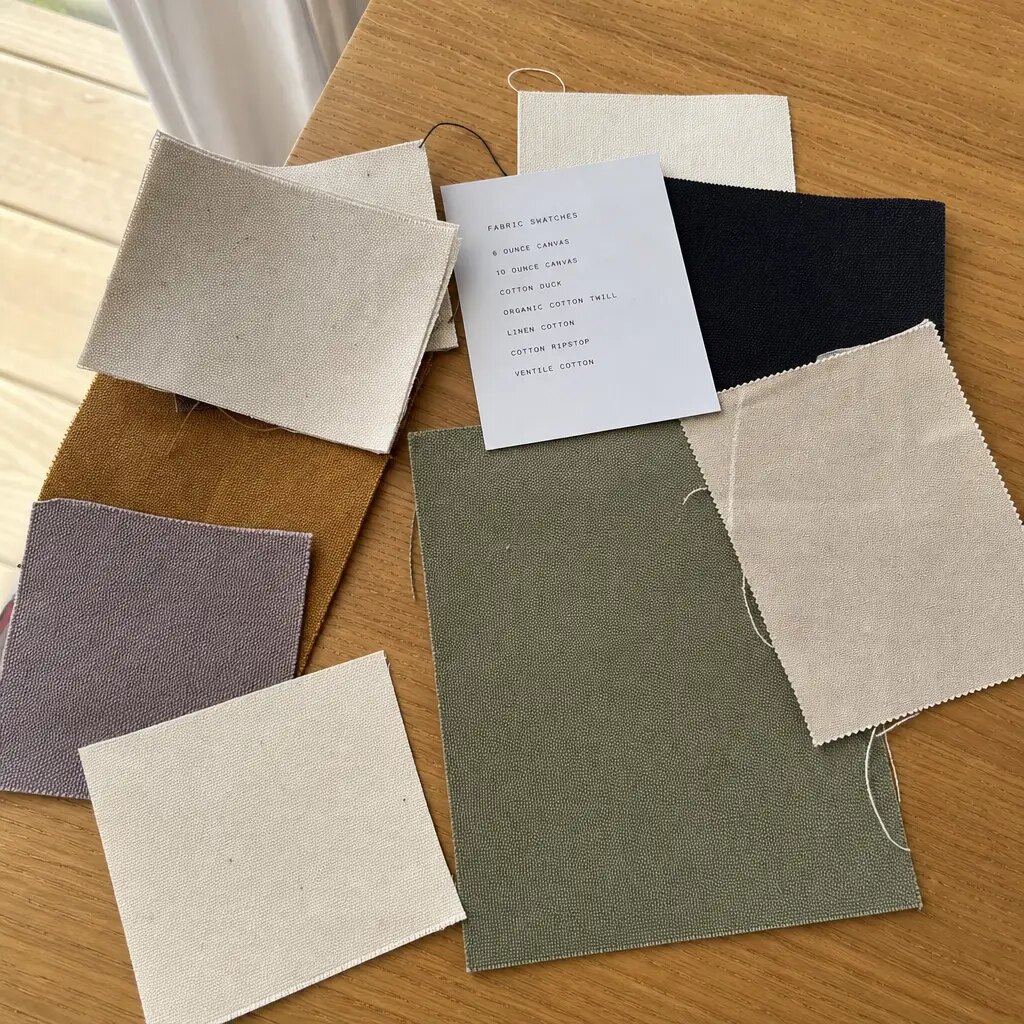
For this category, canvas weight is the most important spec in the quote. A practical buying range is usually 12 oz to 14 oz cotton canvas, which gives enough body for a messenger profile without turning the bag into a stiff work satchel. In GSM terms, buyers often see roughly 340 to 475 GSM depending on weave and finishing. The exact number matters less than the supplier's consistent lot control and whether the sample feels dense enough to resist early crease wear.
If you want a lower-cost piece for lightweight giveaways, a thinner canvas may pass a visual check, but it will usually distort faster at the bottom gusset and strap points. A boutique winery buyer should be careful with sub-10 oz fabric unless the bag is strictly decorative. Once customers start loading bottles, menus, and devices into the bag, the edge of the fabric at the strap can elongate and the silhouette collapses. That creates a cheap impression even if the print is clean.
- 12 oz canvas: workable floor for everyday use and controlled cost.
- 14 oz canvas: better shape retention and abrasion resistance for premium retail or repeated staff use.
- Ask the supplier to name the weave and finishing, not only the weight, because two 12 oz fabrics can feel very different.
3. Build the bag for strain points, not just for the center panel
Most failures happen where the bag is pulled, not where it is viewed. Strap attachment points, gusset corners, zipper ends, and flap fold lines are the areas to inspect first. The quote should tell you strap width, stitch pattern, reinforcement method, and whether the factory uses bartacks, box-X stitching, or an added patch at the stress point. A messenger bag for a winery should not rely on a decorative seam alone.
Construction choices also affect perceived value. A boxed base helps the bag sit better on a counter or shelf. A flap with a secure closure looks more polished, while a top zipper improves utility for staff carry and event travel. Internal pockets can be useful, but if the factory adds them without adjusting the body pattern, you may end up with poor alignment or wasted labor. Buyers should reward clean construction, not just extra features.
- Prefer bartack reinforcement where the strap meets the body.
- Look for clean seam allowance and no exposed raw edges inside the bag.
- If there is a zipper, inspect the end stops and the stitch path around the top opening.
4. Compare sourcing routes by how much control you need over the bag
The cheapest quote is rarely the best sourcing route. For wholesale canvas messenger bags for boutique wineries, a factory-direct order with a clear sample approval process usually gives the best balance of cost, consistency, and correction speed. Trading layers can help if you need a small assortment or broad sourcing support, but they often reduce visibility into fabric source, reinforcement details, and actual QC responsibility. If the bag is part of a brand program, that lack of visibility becomes expensive later.
The right route depends on how often you will reorder and how strict the retail presentation must be. If the bag will become a recurring SKU, the supplier must be able to hold the same canvas feel, print color, and trim package across repeats. If the order is a one-time event item, a more flexible sourcing route may be acceptable, but the buyer still needs enough technical control to avoid a flimsy result.
- Factory-direct: strongest control over spec and QC, best for repeat programs.
- Trading company: useful for mixed sourcing, but verify who owns the production floor and sample approval.
- Local decorator plus imported blank: faster for small runs, but more variables in finish and consistency.
5. Use this supplier comparison to avoid spec drift
Below is the practical comparison buyers should use when reviewing quotes. The point is not only price; it is whether the sourcing route can actually deliver a messenger bag that survives retail handling and winery use. The wrong route often hides weak reinforcement or a vague decoration method behind a nice sample photo.
When suppliers quote different package levels, normalize the comparison before discussing unit price. Some will include lining, others will not. Some will quote a woven label, others a one-color screen print. Some will quote bulk packed cartons with no individual polybag. Those differences change landed cost and the likelihood of receiving a saleable product.
- Write decisions in measurable language, not only descriptive wording.
- Ask for sample photos plus one physical approval sample for important orders.
- Keep quotation, sample approval, and inspection notes tied to the same spec version.
Comparison table: sourcing route for boutique winery messenger bags
Define the measurable checks around strap pull, buckle function, flap alignment, pocket zipper cycle, lining seam check, hardware corrosion, and carton rub review. Add tolerance ranges only where the buyer truly cares, and ask for photos that show the measurement point, not just a finished product overview.
For procurement decisions, the inspection note should say who checks, when they check, and what evidence is required. Photos without measurements are often not enough for remote approval.
- Write decisions in measurable language, not only descriptive wording.
- Ask for sample photos plus one physical approval sample for important orders.
- Keep quotation, sample approval, and inspection notes tied to the same spec version.
6. Sample approval should test function, not just appearance
A sample that photographs well can still fail in use. For this bag category, the sample approval step should include a load check, strap comfort check, closure test, and a quick abrasion look at the print zone. If the bag is supposed to hold a bottle or a tablet, place the actual object inside the sample and inspect the shape retention. The goal is to catch distortion, strap twist, and weak closure behavior before production starts.
A good sample process also locks the finishing standard. The buyer should review thread color, logo placement, label position, zipper pull style, and any lining or pocket dimensions. If the supplier revises one component without documenting it, the production batch can drift from the approved sample. That is why the approval sample should be signed off against a short spec sheet, not only a picture.
- Load the sample with expected contents and leave it suspended for a short period to observe strap stretch.
- Inspect the inside for loose threads, raw seams, and label placement accuracy.
- Compare the logo color and registration against a physical reference, not only a screen image.
7. Print method affects both durability and repeat order economics
For boutique winery branding, simple artwork usually wins. One-color screen print is still the most practical choice when the logo has clear lines and you want a durable result with manageable setup cost. If the bag is meant for recurring replenishment, a woven label or a sewn side label can hold up better in rubbing areas than a print on a high-friction surface. Heat transfer can work for short runs, but it is less forgiving when the bag is handled often or packed tightly in cartons.
The best print method depends on where the logo sits. A central panel print is easier to control than a logo placed near a fold, seam, or zipper edge. Buyers should ask where the decoration will sit on the finished bag in relation to strain zones. A good quote will identify the exact print location, size, color count, and any limitations if the artwork is too fine for the fabric texture.
- Screen print: good for simple logos, repeat orders, and stronger cost control.
- Woven or sewn label: good for abrasion resistance and premium feel.
- Heat transfer: acceptable for short-term programs, but review cracking risk on high-contact areas.
8. Quote logic: compare the real cost, not just the headline unit price
A useful quote for wholesale canvas messenger bags should break out the cost drivers that matter: fabric weight, strap material, closure type, logo method, inner pocket count, sample cost, and packing format. If those items are hidden inside one number, the buyer cannot tell whether the supplier is offering a lower spec or simply a lower margin. For a boutique winery program, unit price matters, but consistency and re-order stability matter more over time.
A clean way to compare quotes is to normalize by spec package. For example, compare 12 oz canvas with one-color screen print, cotton webbing strap, individual polybag, and export carton. Then compare 14 oz canvas with woven label, heavier zipper, and reinforced bartacks. That gives a true apples-to-apples view. If one supplier is missing lining, hardware, or a compliance step, the number may look better but the landed cost will rise later.
- Ask whether the sample charge is deductible from bulk order value.
- Confirm whether the quote includes print setup, packaging, and inner polybag.
- Request carton dimensions because freight cost can change materially with bulky messenger shapes.
9. Packing and lead time can ruin a good spec if they are vague
Messenger bags are easy to damage in transit if they are packed loosely. A reasonable export package usually includes a clean fold, individual polybag where needed, size or SKU sticker, and master carton with accurate counts. If the bag has a structured flap or hardware, the packing method should prevent crushing and surface scuffing. Buyers who sell into retail need cartons that are easy to receive, count, and cross-check against the packing list.
Lead time risk is often tied to decoration complexity and material sourcing. Stock canvas with a simple print can move faster than custom-dyed fabric or special hardware. The buyer should separate sample approval lead time from production lead time, because a supplier may quote total calendar days without clarifying where delays can happen. That makes schedule control impossible during peak season or promotional windows.
- Require a packing format that protects the print face and keeps straps from tangling.
- Confirm carton count and gross weight before booking freight.
- Ask where lead time is most likely to slip: fabric purchase, print queue, or final inspection.
Specification comparison for buyers
| Spec decision | Recommended option | When it fits | Buyer risk to check |
|---|---|---|---|
| Canvas weight | 12 oz to 14 oz cotton canvas for daily winery use | Staff bags, tasting-room retail, and promotional carry with moderate load | Below 10 oz can sag, crease badly, and show strap pull-out sooner |
| Bag structure | Reinforced gusset with boxed base and top zipper or flap closure | When bottles, brochures, tablet, and POS items ride together | Flat construction looks cheaper and loses shape after repeated loading |
| Print method | 1-color screen print or woven label for best abrasion value | Small logos, wine club branding, and recurring reorders | Heat transfer can crack on high-friction zones and complex art raises rejection risk |
| Strap build | Cotton webbing strap with bar-tack reinforcement at stress points | For crossbody carry, retail staff use, and heavier sample kits | Thin webbing or weak stitching causes strap twist and seam failure |
| Hardware | Nickel-free metal zipper pulls and tested snap or buckle hardware | Premium positioning and frequent opening/closing | Low-grade hardware can rust, loosen, or make the bag feel cheap |
| Lining | Unlined or light lining only when the bag is for dry, light carry | Simple merch packs and lower-cost giveaways | Unlined seams may fray internally; lining adds cost but improves finish and cleanliness |
| MOQ route | Standard blank body with logo decoration on existing pattern | When you need workable quantities and controlled cost | Full custom pattern or nonstandard hardware can push MOQ higher than the buyer expects |
| Packing method | Individual polybag with size sticker, then export carton with drop-tested count | Retail distribution and warehouse receiving | Loose packing or mixed sizes create count errors, dust issues, and label confusion |
| Supplier route | Factory-direct with sample approval and documented QC | When you need control over spec, schedule, and landed cost | Trading layers can hide the actual construction method and slow corrective action |
Buyer checklist before sampling
- Lock the bag use case first: wine club kit, tasting room retail, staff carry bag, or event giveaway, because the load requirement changes the fabric weight and reinforcement spec.
- Specify canvas weight in oz and GSM, not just "heavy canvas"; for example, 12 oz is roughly the practical floor for an everyday messenger bag, while 14 oz gives better body and abrasion resistance.
- State the maximum intended load, such as a tablet, notebook, brochure pack, and one or two small bottles, so the factory can size strap reinforcement and seam allowance correctly.
- Choose the print method based on abrasion: screen print for simple art, woven label for recurring durability, and avoid fragile decoration on rubbing zones.
- Request a pre-production sample with the exact fabric lot, strap width, zipper or buckle, stitch density, and print method intended for mass production.
- Confirm packing format, carton count, inner bagging, and outer carton marks before PO release to avoid warehouse receiving disputes and damage claims.
- Ask for factory QC photos of seam stress points, strap bartacks, zipper ends, and label placement before bulk shipment approval.
- Compare quotes on the same basis: fabric weight, hardware type, decoration method, packing, sample charge, and lead time, not only unit price.
Factory quote questions to send
- What is the exact canvas specification in oz and GSM, and is the fabric dyed or natural with post-printing treatment?
- What strap width, strap length, and reinforcement pattern do you quote, and can you show a photo of the bartack location?
- Which print method is included in the quote, and what is the setup charge, color limit, and reprint tolerance for the logo?
- Does the quoted price include lining, zipper, inner pocket, metal snap, or cardboard insert, or are these extra?
- What is the MOQ for the quoted spec, and what changes if we move from stock fabric to custom dyed fabric or a custom label?
- How many pre-production samples are included, and what is the turnaround time for sample revision after comments?
- What carton size, carton quantity, and packing unit are included, and can you provide the packing list format you use?
- What is the standard production lead time after sample approval, and what schedule risk should we expect during peak season?
- Which QC checkpoints do you include before shipment, and do you provide inline photos or final inspection photos?
- Can you quote the same bag in two options, one for economy retail and one for premium winery use, so we can compare landed cost properly?
Quality-control points to confirm
- Fabric weight tolerance should stay within an agreed range, ideally with a physical swatch reference attached to the approval sample.
- Stitch density must be consistent at high-stress areas such as strap attachments, gusset corners, and zipper ends.
- Bartacks or box-X reinforcement should be clean, dense, and placed symmetrically on both straps.
- Logo print edges should stay sharp without bleed, pinholes, or cracking after a light rub test on the sample.
- Hardware must open and close smoothly; zippers should not snag on seam allowance or lining folds.
- Bag dimensions should stay within agreed tolerance so retail shelving and carton pack counts remain predictable.
- Inner seams should not show loose threads, skipped stitches, or raw edges that can fray in transit.
- Cartons should arrive dry, clean, and correctly labeled, with no mixed SKUs or mismatched quantity counts.