Start With The Retail Use Case
Wholesale canvas grocery totes for hotel retail are not the same product as a low-cost conference giveaway. A hotel gift shop tote may be handled by guests, displayed near food items, folded on shelves, sold as a branded keepsake, and reused for beach, spa, or local market visits. That use case requires a better structure, cleaner stitching, and more controlled packing than a basic flat cotton bag.
Lead time planning improves when the buyer defines the selling environment first. A resort boutique may need a tote that stands upright and carries towels or wine bottles. An urban hotel market may need a slimmer grocery tote for snacks and packaged goods. A distributor serving multiple hotel properties may need one base construction with several logo versions. Each scenario changes the fabric weight, handle strength, print approval route, MOQ logic, and packing method.
- For retail resale, prioritize fabric handfeel, shape, print accuracy, and clean folding.
- For guest amenity use, prioritize budget control, fast packing, and consistent delivery dates.
- For grocery use, add gusset width, handle drop, and load testing to the RFQ.
- For multi-property programs, separate base tote MOQ from logo-version MOQ.
Choose Canvas Weight Before Requesting Prices
Canvas weight is one of the first cost and lead time drivers. Many buyers write only "canvas tote" in an RFQ and then receive quotes that cannot be compared. A 6 oz promotional cotton bag, an 8 oz light canvas tote, and a 12 oz structured grocery tote may all be described as canvas by different suppliers. For hotel retail, a practical range is often 10 oz to 12 oz cotton canvas, roughly 340 to 410 GSM depending on weave and finishing.
The heavier option does not automatically mean better value. A 14 oz canvas grocery tote can look premium but may raise material cost, sewing time, carton volume, and freight weight. A 10 oz canvas with a firm weave and boxed bottom may sell better than a loose 12 oz fabric that collapses on the shelf. When comparing quotes, request the finished bag weight and sample fabric swatch, not only the ounce rating.
- 6-8 oz cotton: suitable for light promotional use, usually too soft for premium hotel retail grocery totes.
- 10 oz canvas: good balance for reusable hotel shop totes with moderate load needs.
- 12 oz canvas: stronger retail feel, better structure, higher material and freight impact.
- Dyed canvas: longer material preparation time and higher shade-control risk than natural canvas.
- Washed canvas: softer handfeel but adds shrinkage control, color variation, and extra processing time.
Define The Construction That Affects Shelf Value
The construction choice has a direct effect on both retail appearance and production time. A flat tote is cheaper, faster, and easier to pack, but it may not look like a grocery tote when displayed empty. A boxed bottom or side gusset gives capacity and shape, especially for hotel markets selling packaged snacks, towels, sunscreen, spa items, or local products. If the buyer wants a tote to stand on a shelf, that requirement belongs in the RFQ.
Handle details also need to be written clearly. Handle drop determines whether guests can carry the bag by hand or over the shoulder. For grocery-style hotel totes, many buyers prefer a handle drop around 25-30 cm, but the right dimension depends on bag height and target use. Reinforcement should be visible and consistent: cross-stitch, bar tack, or double row stitching should be agreed before sample approval.
- Specify finished width, height, gusset, handle width, handle length, and handle drop.
- Confirm whether the tote needs to stand upright when empty or only hold shape when filled.
- Use reinforced handle stitching for retail grocery use, not single-line attachment only.
- Avoid oversized gussets if cartons, shelves, or guest-room storage are limited.
- State whether seams are inside bound, overlocked, folded, or finished to match the approved sample.
Match Print Method To Hotel Branding
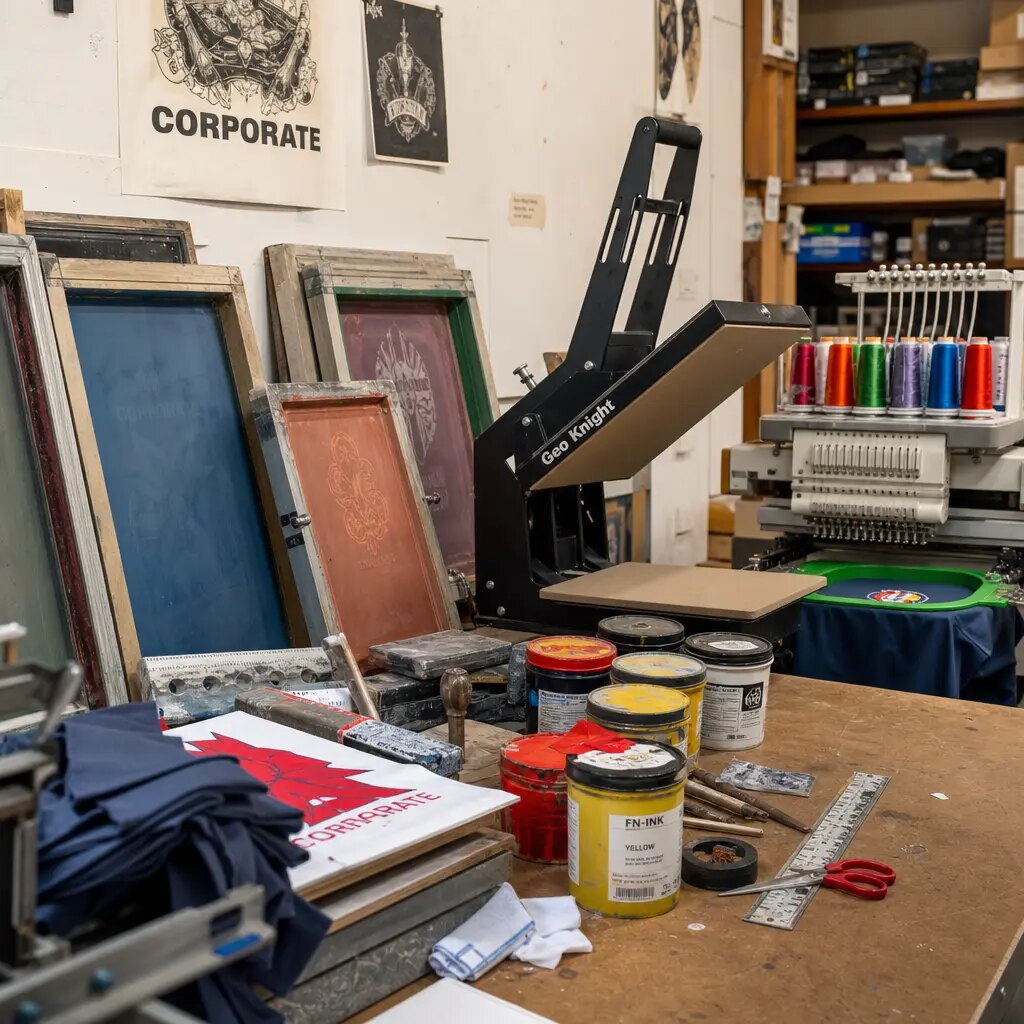
Most hotel retail tote artwork works well with screen printing when the logo uses solid colors, clear lines, and limited color count. Screen print is cost-effective for wholesale orders, but lead time depends on screen setup, strike-off approval, ink curing, and print position control. Large prints on heavy canvas need enough ink deposit without making the panel stiff or causing cracking after folding.
Heat transfer, digital print, or embroidery may be useful for certain artwork, but each has tradeoffs. Heat transfer can handle gradients but may not match the natural handfeel of canvas. Digital print can support complex graphics but may require pre-treatment and careful color approval. Embroidery gives a premium look but can distort lighter canvas panels and adds time for stitch program approval. The RFQ should not leave print method open unless the supplier is being asked to recommend the best route with reasons.
- For 1-3 spot colors, screen print is usually the most practical wholesale option.
- For gradients or photographic artwork, request digital or transfer samples before confirming cost.
- For small premium marks, consider woven label, embroidery, or a side label instead of a large print.
- Include Pantone references and artwork size in millimeters, not only a logo file.
- Set print placement tolerance, commonly within a few millimeters from approved position depending on size.
Plan MOQ Around Fabric, Logo Versions, And Setup
MOQ is not only a sales number. It comes from fabric purchasing, cutting efficiency, printing setup, sewing line arrangement, and packing labor. Natural canvas may allow a lower MOQ if the factory keeps suitable fabric in stock. Custom dyed canvas, washed canvas, special handle webbing, or multiple property logos can raise the practical minimum because each variation interrupts production flow.
Hotel retail buyers often want one tote style for several properties. That can work well if the base fabric, size, handles, and packing remain the same while only the logo changes. The buyer should ask for MOQ by base construction and MOQ by logo version. A quote for 3,000 pieces under one logo will not behave like 3,000 pieces split across six hotel names, especially when each logo needs separate screens, approvals, carton labels, and packing lists.
- One base tote with one logo gives the best setup efficiency.
- One base tote with multiple logos can be efficient if logo versions are scheduled together.
- Different fabric colors by property increase material MOQ and shade approval work.
- Different packing by property adds sorting and carton-label risk.
- Very small logo splits may cost more per unit even when total quantity looks attractive.
Build A Lead Time Calendar, Not A Guess
A realistic lead time plan separates buyer approvals from factory production. For a standard wholesale canvas grocery tote, the factory may need time for artwork review, material confirmation, sampling, print strike-off, bulk fabric preparation, cutting, printing, sewing, trimming, packing, inspection, and export handover. The buyer also needs time for internal brand review, hotel stakeholder approval, legal or barcode review, and payment processing.
The most common schedule mistake is treating sample approval as automatic. A printed sample can be delayed by artwork changes, Pantone mismatch, fabric substitution, handle adjustment, or packing redesign. If the hotel retail launch date is fixed, the buyer should set approval deadlines backward from the required delivery date. A practical plan includes a buffer for comments and one revision cycle rather than assuming the first sample will be perfect.
- Artwork and RFQ clarification: usually the first schedule risk if files are incomplete.
- Material preparation: faster for stock natural canvas, slower for dyed or washed canvas.
- Sampling: allow time for print strike-off before full sample approval.
- Bulk production: depends on order volume, print complexity, and sewing line capacity.
- Packing and inspection: do not compress this stage because retail presentation defects are easy to create here.
- Shipping handover: vessel cutoff, customs documents, and carton data can affect the real delivery date.
Use Samples To Lock Acceptance Criteria
A sample is not only a sales demonstration. It should become the physical reference for production. For hotel retail canvas grocery totes, the approved sample should show the exact or confirmed equivalent canvas weight, handle construction, gusset shape, print method, print size, label placement, folding style, and retail packing. If any part of the sample is a substitute, the supplier should state that clearly in writing.
The strongest approval route is a fabric swatch or roll photo, print strike-off, then full pre-production sample. This prevents the buyer from approving a nice-looking bag while the real production fabric or ink behaves differently. If the order is urgent, the buyer may combine steps, but should not skip written acceptance criteria. Photos alone are not enough for judging fabric stiffness, handle comfort, odor, or print cure.
- Approve fabric handfeel and weight before bulk cutting.
- Approve print color on the same or equivalent canvas, not only on paper.
- Measure sample dimensions after the bag is finished and folded.
- Test handle comfort with realistic load, not an empty display sample.
- Record any approved deviation so QC does not reject what the buyer already accepted.
Control Packing Before It Controls Your Cost
Packing can change both lead time and landed cost. A bulk-packed canvas grocery tote may be simple: folded, stacked, and carton packed. A hotel retail tote may require hangtag, barcode sticker, belly band, individual recycled polybag, tissue, size label, property allocation, or inner carton separation. Those details add labor and carton volume, and they should appear as separate quote lines when possible.
Carton planning matters because canvas is heavy and bulky compared with thin cotton bags. If too many totes are packed in one carton, the gross weight may exceed warehouse handling limits or cause crushed folding lines. If too few are packed, freight volume increases. For distributors and importers, carton marks should support receiving and allocation: SKU, property name, color, quantity, PO number, carton count, and country of origin where required.
- Set maximum carton gross weight before production, often based on warehouse handling rules.
- Confirm units per carton after the final folding and retail packing method is approved.
- Use moisture protection for sea freight, but avoid unnecessary individual plastic if not required.
- Provide barcode data and label artwork early because retail stickers can delay final packing.
- For multi-property orders, require a packing list that matches carton marks exactly.
Compare Quotes By Landed-Cost Drivers
The lowest unit price is not always the lowest landed cost. A quote based on lighter fabric, flat construction, bulk packing, and a small print area may look attractive but fail the retail requirement. Another quote may include better fabric, retail labels, stronger cartons, and clearer inspection support. Procurement teams should normalize the quote before comparing suppliers.
Useful quote data includes fabric weight, finished size, print method, number of colors, print area, handle construction, packing method, carton dimensions, units per carton, gross weight, sample cost, setup fees, production lead time, payment terms, Incoterms, and validity period. Without this data, the buyer may award based on incomplete information and then face price revisions after sampling.
- Separate bag base cost from print setup and retail packing.
- Compare carton CBM and gross weight because freight may offset a low unit price.
- Check whether sample cost is refundable, included, or separate.
- Clarify whether quote includes export carton, carton marks, and document support.
- Use the same Incoterms and destination assumptions for every supplier quote.
Reduce Schedule Risk With Supplier Evidence
A supplier does not need to make exaggerated promises to be credible. Strong evidence is practical: fabric availability, similar product photos, print workshop capability, sewing line capacity, packing area readiness, and a clear timeline by production stage. For a direct factory, the buyer should know which steps are in-house and which steps are outsourced. Printing or washing subcontracted to another facility can still work, but it needs more schedule buffer.
For hotel retail programs, communication structure also affects lead time. One merchandiser should own the order file, artwork version, sample comments, packing requirements, and shipment plan. When a buyer sends comments through several channels without revision control, factories can produce from the wrong artwork or old packing list. A clean approval record prevents expensive rework.
- Request photos of actual canvas tote production, not only catalog images.
- Confirm in-house versus subcontracted printing, dyeing, washing, and packing.
- Require a written production schedule after deposit and sample approval.
- Use one approved artwork file name and revision date across all parties.
- Keep property allocation and carton marking instructions in one controlled document.
Specification comparison for buyers
| Spec decision | Recommended option | When it fits | Buyer risk to check |
|---|---|---|---|
| Canvas fabric weight | 10 oz to 12 oz cotton canvas, about 340-410 GSM depending on weave | Hotel retail grocery totes that need structure, reusable feel, and a price still acceptable for gift shop resale | Do not compare quotes only by ounce; request GSM, yarn count if available, and finished bag weight because loose weave can feel thin |
| Bag construction | Boxed bottom with side gusset and reinforced handle cross-stitch | Retail totes used for snacks, bottled drinks, towels, spa products, or local grocery partnerships | Flat totes look cheaper and pack tighter but reduce shelf value and load capacity; define gusset width before sampling |
| Print method | Screen print for solid hotel logos; heat transfer or digital print only for gradients and photographic artwork | Most hotel retail branding with 1-3 spot colors and repeat seasonal orders | Large prints on heavy canvas can crack or look uneven if ink deposit, curing, and artwork line thickness are not controlled |
| MOQ planning | MOQ by fabric lot, print setup, and packing style, not only bag count | Programs with several hotel properties sharing one tote base but different logos | Small split orders may create multiple screen charges, longer print setup time, and carton label complexity |
| Sample route | Pre-production sample using bulk fabric or confirmed substitute, with print strike-off before full sewing | Orders where brand color, handle strength, and retail finishing must be approved before deposit balance | A photo sample made from stock fabric may hide shrinkage, color, stiffness, or print absorption differences |
| Packing format | Individually folded with belly band or recycled polybag only when retail display needs it; otherwise bulk pack with divider control | Hotel boutiques, resort grocery corners, and gift shop backrooms with limited shelf space | Retail packing can add labor, carton volume, and lead time; quote it separately from the bag unit price |
| Supplier route | Direct factory for repeat wholesale canvas tote programs; trader only when consolidating many unrelated SKUs | Importers, distributors, and hotel retail buyers needing consistent spec control across reorders | A trading quote may be easier at the beginning but can hide fabric substitutions, print subcontracting, and slower corrective action |
| Lead time buffer | Approve artwork, sample, and packing before releasing bulk cutting; reserve 7-14 days for buyer-side approval delay | Launches tied to resort openings, seasonal retail resets, or local grocery campaigns | Factory production days are not the same as calendar lead time; buyer feedback, holidays, inspection, and vessel cutoff create real risk |
| Quote data package | One RFQ sheet with dimensions, GSM, handle length, gusset, print size, packing, carton limits, destination, and compliance needs | Competitive quote comparison across two or more canvas tote suppliers | Missing print size or packing method can make the cheapest quote unusable after sample approval |
Buyer checklist before sampling
- Define finished tote size with tolerance, including width, height, gusset, handle drop, and whether dimensions are measured flat or standing.
- State canvas fabric weight in both ounce and approximate GSM, and require the supplier to confirm whether weight is before or after washing, dyeing, or finishing.
- Specify print method, artwork size, number of colors, Pantone references, print position, and acceptable registration tolerance.
- Decide whether the tote is for retail sale, guest amenity, grocery partnership, or promotional giveaway because each use changes fabric, packing, and QC priorities.
- Request a pre-production sample and print strike-off before bulk production, not only a digital proof.
- Separate unit bag cost, printing setup, sample fee, retail packing, carton labeling, inspection support, and inland freight in the quote.
- Confirm MOQ logic for natural canvas, dyed canvas, multiple logo versions, and split shipments to hotel properties or distribution centers.
- Set carton weight and carton size limits before production so packing does not create warehouse or freight problems.
- Lock the approval calendar with named owners for artwork, sample, color comments, and final shipping documents.
- Require production photos of fabric roll, cutting, printing, sewing, packed cartons, and carton marks before final inspection or balance payment.
Factory quote questions to send
- What exact canvas weight are you quoting in oz and GSM, and is it measured before or after finishing?
- Is the fabric stock greige/natural canvas, custom dyed canvas, or purchased after order confirmation?
- What is the MOQ for one logo, and how does MOQ change for multiple hotel property logos using the same tote construction?
- Which print method are you using for this artwork, and what is the maximum print area you recommend on the selected canvas?
- Can you provide a printed strike-off on the nominated fabric before making the full pre-production sample?
- What handle reinforcement is included in the quote: cross-stitch, bar tack, double row stitching, or another method?
- What packing is included in the unit price, and what is the extra cost for retail belly band, hangtag, barcode sticker, or individual bag?
- What is the estimated timeline for artwork proof, material preparation, sampling, bulk production, packing, inspection, and vessel delivery?
- What carton dimensions, gross weight, and units per carton are planned for the quoted packing method?
- Which production steps are done in-house and which are subcontracted, especially printing, dyeing, washing, and retail packing?
Quality-control points to confirm
- Finished dimensions should normally stay within agreed tolerance, often plus or minus 0.5 cm for small panels and plus or minus 1 cm for larger tote dimensions unless the construction requires otherwise.
- Fabric weight should be verified against the approved sample and quote; visible looseness, excessive slubs, or uneven stiffness should trigger review before cutting continues.
- Handle attachment must show consistent reinforcement, no skipped stitches, no loose threads at stress points, and no tearing when load tested to the agreed retail-use level.
- Print color should match the approved strike-off under consistent lighting, with no obvious pinholes, bleeding, ghosting, under-cure tackiness, or crooked placement.
- Bag shape should stand consistently if a boxed bottom is specified; twisted panels or uneven gussets reduce retail shelf appearance.
- Retail labels, hangtags, barcode stickers, and carton marks must match the buyer packing list and property allocation plan.
- Needle holes, oil marks, dirty canvas, mildew smell, and folding stains should be treated as major defects for hotel retail goods.
- Cartons should be export strength, dry, correctly sealed, and within the buyer's maximum weight limit for warehouse handling.