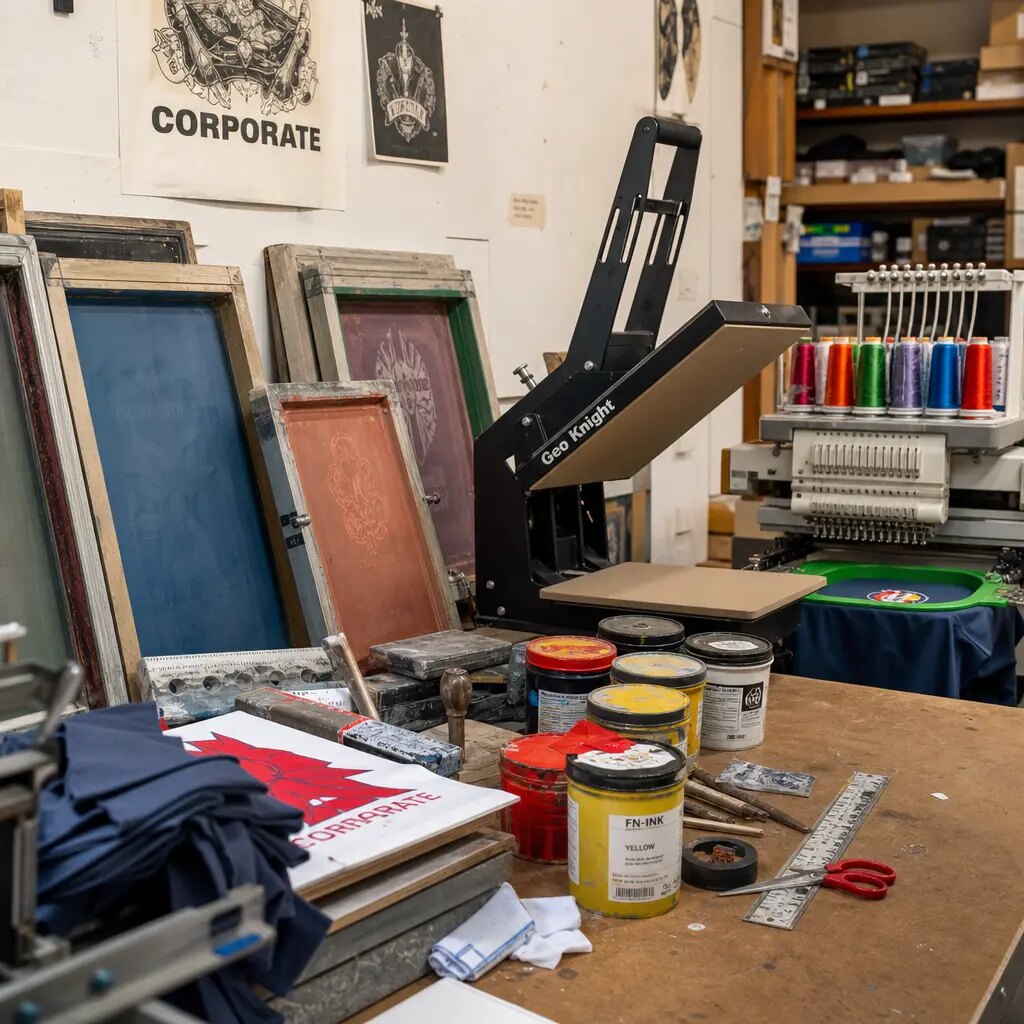
Why Hotel Retail Pouch Proofing Needs Discipline
Cotton drawstring pouches look simple until they sit on a hotel boutique shelf, arrive at a spa counter, or get packed into a welcome gift. Then small production differences become visible. The same pouch may be used for soaps, slippers, spa minis, jewelry, teas, candle tins, minibar gifts, amenity upgrades, or seasonal property promotions. In each case, it is not just a bag. It is part of the retail presentation.
Most problems begin before sampling. One supplier may quote a 120 GSM natural cotton pouch with a one-color screen print and loose bulk packing. Another may price 180 GSM bleached cotton, heat transfer decoration, woven side label, paper band, and SKU-separated cartons. Both lines might be described as printed cotton drawstring pouches, yet the buyer is comparing two different products. A clear cotton drawstring pouches print proofing checklist for hotel retail turns preferences into measurable buying terms.
Proofing also keeps internal teams aligned. Procurement looks at cost and lead time. Brand teams focus on logo color and placement. Retail teams care about shelf appearance. Operations needs fast filling and predictable replenishment. Logistics needs clean carton separation. When everyone says premium feel, centered logo, natural look, or clean packing, those phrases need to become samples, tolerances, defect limits, and carton instructions.
- Treat the approved pouch as a production control sample, not a mood-board reference or sales sample.
- Lock fabric GSM, fabric finish, print method, cord type, and packing method before comparing unit prices.
- Approve print on the same cotton quality planned for bulk because absorption, opacity, and edge sharpness change by fabric.
- Review the pouch filled with the real product load before confirming size, print position, and drawstring length.
- Attach approval notes to the purchase order so the factory and inspector know which details are mandatory.
Define the Product Load Before Finalizing Size
Start with the item going inside the pouch, not with the artwork mockup. A 10 x 15 cm pouch may suit jewelry, key cards, sample soaps, tea sachets, or amenity cards. Spa kits, slippers, candle tins, bath salts, minibar gifts, and multi-item welcome sets may need 15 x 20 cm, 20 x 30 cm, or a custom size. If size is chosen from a flat visual only, the drawstring channel may crowd the logo, the product may curve the print, or staff may have to force items through the opening.
Finished dimensions and usable space are not the same. Specify finished flat width and height after sewing, plus channel depth, opening width, seam allowance assumption, and any bottom style such as flat bottom, gusset, rounded corner, or simple two-panel seam. For many small and medium cotton pouches, +/-5 mm finished size tolerance is realistic. Still, ask the factory to confirm capability by size and construction. Very small pouches, heavy cotton, dyed fabric, or manual cutting may need wider tolerance unless the supplier has tighter process controls.
Loading tests should use the real product or a close dummy. A flat soap bar behaves differently from a round candle tin, a glass jar, or a set of mini bottles. Round items push the front panel outward and reduce the visible print area. Heavy items stress the bottom seam. Sharp corners can mark light cotton. If the pouch is part of a gift set, test every element, including tissue, insert cards, barcode labels, and primary packaging.
- Measure product width, height, depth, weight, and loading orientation before confirming pouch dimensions.
- Check that staff can insert and remove the product without forcing seams or stretching the opening.
- Confirm the print remains visible after the product is inside and the drawstring is closed.
- State whether the pouch must stand, hang, lie flat, or fit into another retail box, basket, or display bin.
- Photograph the filled pouch from front, side, top, and retail display angles before approving the size.
Specify Cotton Fabric in Sourcing Terms
Fabric weight is one of the biggest cost and quality drivers. For hotel retail pouches, 140-180 GSM cotton is often the balanced range: it gives better opacity, handfeel, and print surface than very light cotton without adding too much sewing or freight cost. A 100-120 GSM cotton can work for low-cost amenity packaging or very light contents, but it may show outlines, wrinkle more easily, and feel less substantial. A 200-220 GSM cotton gives more body and a stronger retail feel, but it can raise material cost, carton weight, sewing resistance, and MOQ.
GSM is only the start. Cotton can be natural unbleached, bleached white, dyed, brushed, washed, recycled, organic-certified, or blended depending on the supplier route. Natural cotton may include seed flecks, slubs, and shade variation. That can support an eco-positioned hotel story, but it may not suit a clean luxury range. Bleached cotton gives a brighter background for print, although dirt and off-register printing are easier to see. Dyed cotton needs shade tolerance, rub checks, and often more time for dyeing and approval.
The print proof should use the actual bulk fabric. A mark approved on smooth bleached cotton may look softer on natural cotton with slubs. Fine lines can break on a coarse weave. White ink on dyed cotton may need an underbase or extra pass to reach acceptable opacity. Dark ink on natural cotton can feather if the fabric is absorbent. If the supplier changes fabric after sample approval, require written buyer approval before production printing continues.
- State target GSM and tolerance, commonly +/-5% unless another agreed standard applies.
- Define fabric finish: natural, bleached, dyed, brushed, washed, recycled, organic-certified, or conventional cotton.
- Clarify whether seed flecks and slubs are acceptable in the print area or counted as defects.
- Request a swatch large enough to judge shade, opacity, handfeel, weave, and print surface.
- Do not compare quotes unless suppliers are pricing the same fabric weight, finish, and color route.
Choose the Print Method by Artwork and Risk
Screen printing is usually the most predictable route for hotel logos, property names, simple spa icons, and solid spot-color branding. It suits one to three clean colors and repeat programs. The RFQ should confirm the number of screens, setup charges, ink type, curing method, maximum print area, and whether repeat orders can reuse screens or require new setup.
Heat transfer can help with gradients, detailed illustrations, small multicolor artwork, and seasonal graphics. The tradeoff is handfeel and durability. A transfer may feel heavier on soft cotton, show a film edge, or crack if the wrong material or application setting is used. It may also crease if pouches are folded tightly across the decoration. Test transfers on the final GSM and final packing method, not only on a flat presentation sample.
Digital print can be useful for short runs, multiple artwork versions, or complex graphics, but color control depends on fabric pretreatment, cotton shade, curing, and artwork setup. Embroidery can add a premium feel for simplified marks, monograms, or spa icons, yet stitch density can pucker light cotton and small text may lose clarity. Woven or printed labels can be cleaner when the same brand mark is used across sizes or when the front panel should remain minimal.
- Use screen print for solid hotel logos, Pantone-style spot colors, simple text, and repeat programs.
- Use heat transfer only after checking handfeel, film edge, cracking, creasing, and rub expectations if relevant.
- Use digital print for complex or short-run artwork, with extra attention to fabric shade and curing consistency.
- Use embroidery only after stitch testing the actual fabric weight to check puckering and small-detail clarity.
- Ask for separate prices by print method when artwork is not final instead of accepting one vague decorated price.
Build a Proofing Sequence That Prevents Surprises
A digital proof confirms layout intent. It does not prove cotton shade, ink absorption, print opacity, seam construction, drawstring function, odor, or packing appearance. For hotel retail, use a staged route: fabric swatch, print strike-off, filled fit sample, pre-production sample, and packed reference. The swatch confirms material. The strike-off confirms print behavior on the actual cotton. The filled sample confirms size and presentation. The pre-production sample confirms construction. The packed reference shows how goods should arrive.
The pre-production sample should use the materials and process intended for bulk. Include the correct fabric GSM, print technique, cord, label, hangtag, barcode sticker, inner packing, and carton label if they are part of the order. If the sample is hand-cut, hand-positioned, printed on another line, or decorated outside normal production, the factory should say so. A polished sample is not enough if it cannot be repeated at bulk speed.
Approval notes need version control. A useful comment is specific: fabric shade approved; logo color approved against strike-off CTM-SO-02; move logo 8 mm lower; reduce knot tail to 25-30 mm; change inner pack to 50 pcs per bundle; barcode sticker approved on back lower right only. This avoids disputes where the supplier assumes everything on the sample is approved while the buyer intended partial approval only.
- Approve fabric before print because shade and weave affect color, opacity, and edge sharpness.
- Approve strike-off before bulk cutting or printing when logo color, fine lines, or opacity matter.
- Approve a filled fit sample before locking final print position and safe area below the channel.
- Keep one sealed approved sample at the factory and one with the buyer, inspector, or distributor.
- Record sample version, date, artwork file name, fabric reference, correction notes, and final approval status.
Set Print Tolerances and Defect Limits
Print proofing works only when it is measurable. The purchase order should state final print size, distance from the finished top edge, distance from side edges, centerline, and safe clearance from the drawstring channel. For many small and medium cotton pouches, +/-3 mm print placement tolerance is a practical target when the factory confirms it can control the line. For very small pouches, manual screen printing, coarse fabric, or thick seams, +/-5 mm may be more realistic. Agree before bulk production, not during inspection.
Color approval should rely on the physical strike-off on actual cotton. Pantone references are useful targets, but cotton does not behave like coated paper. Natural cotton can warm the color. Dyed cotton can reduce contrast. Ink thickness can affect handfeel and edge clarity. If brand color is critical, ask whether the supplier can adjust ink, add an underbase, or provide a second strike-off before final approval. Phone photos are fine for quick communication, not final color approval.
Classify defects before inspection. Critical issues may include wrong artwork, wrong logo, unsafe contamination, unacceptable odor, or severe ink transfer. Major issues may include print outside tolerance, heavy pinholes, visible ghosting, cracking, smudging, off-registration, open seams, wrong cord, or mixed SKUs. Minor issues may include very small thread ends, slight natural slubs within approved limits, or shade variation that matches the agreed standard. Clear categories help buyers, factories, and inspectors make consistent release decisions.
- Measure print position from finished sewn edges, not from cut panels or unsewn fabric.
- Define whether tolerance applies to every piece, sample average, or inspection lot acceptance criteria.
- Reject visible double images, heavy bleeding, filled-in small text, cracking, smudging, and severe uneven opacity.
- Check dark prints for dry rubbing and light wet rubbing when they contact tissue, paper bands, or light products.
- Confirm whether natural cotton flecks inside the print area are acceptable or require sorting.
Control Sewing, Cord, and Label Construction
A pouch can print well and still fail at retail if the construction feels weak. The top channel should be folded cleanly and wide enough for the cord to move without twisting or puckering. Side seams should be straight and secure. The bottom seam should withstand the intended product load. Internal threads should be trimmed, especially when the pouch holds light textiles, jewelry, cosmetics, or food-adjacent items in primary packaging.
Stitch density should be agreed in practical terms. Many cotton pouch constructions use a factory-standard range around 8-12 stitches per inch, but the buyer should approve the actual result on the pre-production sample rather than specifying a number in isolation. Too few stitches can weaken seams. Too many stitches can pucker lighter cotton or slow production. Reinforcement may be needed near channel openings or stress points if guests or retail staff will open and close the pouch repeatedly.
Drawstrings are both functional and visible. Cotton cord supports a natural look but can fray, flatten, shrink, or vary in shade. Polyester cord gives stronger color consistency and smoother pull, though it may feel less natural. Flat tape, braided cord, twisted cord, and round cord all change the appearance. The RFQ should specify material, diameter or width, color, length, knot style, end finish, and one-side or two-side pull. Labels and hangtags should be checked on the filled pouch because they can rotate, fold, or cover the main print.
- Specify cord material, diameter or width, color, length, pull style, knot tail length, and end finish.
- Confirm channel depth and opening so the cord pulls smoothly without bunching or broken stitches.
- Require trimmed internal threads when pouches hold cosmetics, jewelry, textiles, or light-colored retail goods.
- Check side labels, care labels, hangtags, and barcodes on the filled pouch, not only on the empty sample.
- Test repeated opening and closing if the pouch is intended for reusable guest or spa retail use.
Separate MOQ, Setup, and Landed-Cost Drivers
MOQ for cotton drawstring pouches is not only a sewing quantity. It can be driven by stock fabric availability, dyeing minimums, cutting efficiency, screen-print setup, transfer film minimums, cord color, label production, barcode labels, hangtags, paper bands, inner packing, or carton configuration. A stock natural cotton pouch with a one-color screen print may be available at a lower quantity than a dyed pouch with custom cord, woven side label, multiple artwork versions, and retail-ready packing.
Ask suppliers to separate the cost lines. Unit pouch cost, print charge, screen or setup fee, strike-off fee, sample fee, label cost, hangtag cost, barcode application, inner packing, carton data, and inland freight should not disappear inside one blended price. This matters when comparing suppliers and planning reorders. The lowest unit price may become more expensive once screens, sample remakes, mixed-carton handling, freight cube, and repacking labor are included.
First orders and repeat orders may not carry the same cost. Screen charges or artwork setup may not repeat if the same artwork is used again, but custom fabric, custom cord, and labels may still have minimums. Hotel groups rolling out by property or season should ask whether unused labels, cord, or fabric can be stored for future orders, who owns the material, how long it can be held, and whether shade matching is guaranteed for later batches.
- Break MOQ down by fabric color, pouch size, artwork version, cord color, label, hangtag, and packing SKU.
- Request one price for first order and one for exact repeat order where screens or artwork setup can be reused.
- Compare carton cube and gross weight because heavier GSM and individual packing can change freight cost.
- Avoid too many colorways unless the forecast supports MOQ, inspection complexity, and replenishment risk.
- Confirm which materials are stock and which start only after deposit, artwork approval, or sample approval.
Design Packing Around Retail Arrival Condition
Packing can protect the print or damage it. Loose bulk packing is low cost, but it can create heavy creases across the logo, especially on soft cotton, thick ink, raised transfer film, or dark solid prints. Flat packing in controlled inner quantities protects presentation and speeds receiving, although it adds labor and material. Paper bands can support a natural retail look, while polybags help protect against moisture and dirt. Test either option so it does not stain, crush, trap odor, or mark the print.
Carton planning should follow the receiving process. A distributor warehouse may want separate cartons by SKU, size, color, and artwork version. A hotel property may prefer smaller replenishment units that fit boutique or spa storage space. Mixed cartons can reduce carton count, but they increase counting errors and receiving time unless the packing list defines exact inner quantities, layer sequence, and carton labels. For multi-property programs, confirm destination marks before packing starts.
Retail-ready components are part of the pouch system. Hangtags, barcodes, country-of-origin labels, paper bands, belly bands, and care labels can change the appearance or cover part of the print. The pre-production sample should show exact placement. Carton marks should include purchase order, SKU, pouch size, fabric color, artwork version, quantity, carton number, destination, and any distributor routing requirement. Confirm carton dimensions and gross weight before freight booking rather than estimating after loading.
- Use controlled inner packs when pouches go directly to hotel boutiques, spa counters, or gift set assembly.
- Avoid tight folds directly across screen prints, transfer films, thick ink areas, or recently cured decorations.
- Keep sizes, colors, artwork versions, and destinations separated unless mixed cartons are approved in writing.
- Confirm inner quantity, master carton quantity, carton dimensions, gross weight, and carton numbering before booking freight.
- Include barcode, hangtag, paper band, polybag, and carton label placement in the final sample approval.
Plan QC and Lead Time by Approval Stage
A realistic schedule includes artwork review, fabric sourcing or preparation, strike-off, sample making, sample shipping, approval comments, possible remake, bulk printing, curing, sewing, trimming, QC, packing, final inspection, and export handover. Sewing may be quick. Approval loops often create the real delay. Hotel openings, spa launches, seasonal retail windows, and property rollouts should not be planned on best-case production timing.
The highest-risk delay points are artwork changes, brand color disputes, unavailable fabric shade, custom dyeing, custom cord color, label production, late barcode files, changed packing instructions, and sample remakes. The RFQ should ask for lead time by stage and identify which steps begin only after deposit, artwork approval, fabric approval, or pre-production sample approval. This lets procurement compare execution risk, not only quoted production days.
Final inspection should happen when a meaningful quantity is finished and packed, but before shipment release. If inspection happens while sewing is still underway, late-batch color variation, packing mistakes, or mixed SKUs may be missed. If inspection happens after shipment booking with no rework time, the buyer has less room to correct defects. A practical inspection plan checks fabric, dimensions, print, construction, labels, packing, carton marks, and count against the approved sample and purchase order.
- Reserve time for at least one strike-off adjustment or sample remake when brand presentation is important.
- Ask for first-production photos before the full batch is printed or sewn to catch obvious placement or color issues.
- Schedule inspection after packed cartons are ready and before final shipment release.
- Ensure the inspector has the approved sample, artwork file, purchase order, packing list, and defect classifications.
- Leave time for sorting, rework, replacement, or repacking if major defects are found.
Specification comparison for buyers
| Spec decision | Recommended option | When it fits | Buyer risk to check |
|---|---|---|---|
| Fabric weight | 140-180 GSM cotton for most hotel retail pouches; 200-220 GSM when the pouch needs more body; 100-120 GSM only for very light amenity use | Fits soaps, slippers, spa minis, teas, jewelry, welcome gifts, candle tins, boutique souvenirs, and small gift sets | Light fabric may look fine when empty but become translucent, wrinkled, or distorted once filled |
| Finished size tolerance | Set finished flat size tolerance at +/-5 mm for common small and medium pouches; ask the factory to confirm tighter limits by size and construction | Useful when pouches must fit fixed retail products, gift boxes, display hooks, storage bins, or replenishment cartons | Cut-panel measurements are not enough; shrinkage, seam allowance, pressing, and channel depth affect usable space |
| Print method | Screen print for solid spot-color logos; heat transfer for detailed multi-color artwork; digital print for short runs and complex graphics; embroidery only after stitch testing | Matches hotel logos, retail marks, property crests, spa icons, seasonal graphics, and promotional artwork | Quotes are not comparable if suppliers price different print methods, setup routes, curing processes, or color counts |
| Print placement tolerance | Define print centerline and distance from top finished edge with a +/-3 mm target where the factory confirms capability; use +/-5 mm for very small pouches or manual lines | Important for front-facing boutique display, amenity kits, gifting, and any pouch photographed or sold as branded packaging | Uncontrolled placement makes logos look uneven across carton lots, sizes, and filled pouches |
| Print color control | Approve a strike-off on the actual bulk fabric; use Pantone references as targets rather than the only approval standard | Best for hotel brand marks, spa retail ranges, property-level merchandising, and premium gift packaging | Cotton shade, weave, absorbency, and underbase decisions can shift the color away from the digital proof |
| Drawstring specification | Cotton cord for a natural look; polyester cord for stronger shade consistency and smoother pull; specify diameter, length, knot, end finish, and one-side or two-side pull | Fits reusable guest pouches, spa kits, boutique bags, amenity packs, and retail packaging | Cord fraying, uneven pull length, shade variation, and tight channels reduce perceived quality even when the print is acceptable |
| Seam and channel construction | Double-fold top channel, secure side seams, clean bottom seam, and 8-12 stitches per inch unless the approved factory standard differs | Needed for pouches opened by guests, retail staff, warehouse teams, housekeeping, or gift-set assemblers | Skipped stitches, raw edges, loose thread clusters, and narrow channels can fail during filling or guest use |
| MOQ breakdown | Separate MOQ by fabric color, pouch size, artwork version, print setup, cord color, label, hangtag, barcode, and packing SKU | Best for hotel groups ordering multiple properties, sizes, seasons, languages, or retail sets | A low headline MOQ may hide higher unit cost, repeated screen charges, mixed cartons, limited fabric choice, or forced packing compromises |
| Sample approval route | Approve fabric swatch, print strike-off, filled fit sample, pre-production sample, and final packed reference before bulk release | Needed when brand color, shelf presentation, gift-set fit, or guest experience is controlled | Digital proof approval alone leaves ink absorption, handfeel, seam strength, cord function, and packed appearance unverified |
Buyer checklist before sampling
- Define the real product load first: dimensions, weight, shape, sharp edges, primary packaging, and whether staff need fast hand-loading during daily operations.
- Specify finished pouch dimensions, not only cutting dimensions: width, height, channel depth, seam allowance assumption, usable opening, bottom style if any, and target tolerance.
- State cotton GSM, fabric finish, color route, acceptable shade variation, shrinkage expectation, and whether organic, recycled, or other certification documentation is required.
- Provide editable vector artwork, Pantone or brand color references, final print size, print position from finished edges, safe area below the drawstring channel, and allowed placement tolerance.
- Request separate pricing for screen print, heat transfer, digital print, embroidery, woven label, printed label, hangtag, barcode application, and any retail-ready packing.
- Approve a fabric swatch, print strike-off on actual cotton, filled fit sample, pre-production sample, and packed reference before authorizing bulk cutting, printing, or sewing.
- Set acceptance criteria for print color, opacity, registration, edge sharpness, pinholes, cracking, rub transfer, odor, contamination, seam strength, cord pull, loose threads, and packing condition.
- Ask suppliers to separate unit pouch cost, print setup, screen or film charges, sample fee, label cost, hangtag cost, barcode cost, packing cost, carton data, and inland freight.
- Confirm MOQ drivers by fabric color, pouch size, artwork version, cord color, label type, print method, packing SKU, and any custom-dyed or custom-made component.
- Align inner quantity, carton quantity, carton marks, SKU separation, barcode labels, polybag or paper banding, replenishment unit, and destination routing before production packing.
Factory quote questions to send
- What cotton qualities can you offer for this pouch size, including GSM, weave, natural or bleached shade, dyed color options, and finished weight tolerance?
- Is the quoted decoration screen print, heat transfer, digital print, embroidery, woven label, printed label, hangtag, barcode sticker, or another method?
- How many print colors are included, and what are the separate setup charges for screens, films, plates, artwork versions, strike-offs, and repeat orders?
- Can you produce the print strike-off on the actual bulk cotton, and will production use the same ink system, curing process, fabric shade, and print position?
- What is the MOQ by fabric color, pouch size, print design, cord color, label type, hangtag, barcode requirement, and packing configuration?
- What finished size tolerance and print placement tolerance can your normal line hold for this pouch size, measured from finished sewn edges?
- What drawstring construction is included: channel fold, cord material, cord diameter or width, cord length, pull direction, knot style, end finish, and color tolerance?
- What sample stages are included, and how many working days are needed for fabric swatch, strike-off, filled fit sample, pre-production sample, packed sample, and remake?
- What packing method, inner quantity, carton quantity, carton size, gross weight, carton marks, SKU separation, and mixed-carton rules are included in the quote?
- Which QC checks do you run for GSM, finished size, print color, dry and wet rub transfer, print adhesion, seam strength, cord pull, loose threads, odor, contamination, and carton condition?
Quality-control points to confirm
- Fabric GSM should match the approved swatch within the agreed tolerance, commonly +/-5% unless the purchase order or approved standard sets another limit.
- Finished dimensions should be checked flat after sewing and pressing, with width, height, opening width, channel depth, bottom shape if any, and drawstring length recorded.
- Pouch capacity should be checked with the actual retail product or a dimensionally accurate dummy load, not only with an empty flat measurement.
- Print color should be compared with the approved strike-off under consistent lighting, using the same fabric shade and not a phone photo or monitor image as the control.
- Print placement should remain within the agreed tolerance from finished centerline, top edge, side edges, and drawstring channel, with measurement points written in the inspection plan.
- Logo edges should be clean, with no unacceptable pinholes, bleeding, ghosting, smudges, off-registration, cracking, uneven opacity, or filled-in small text.
- Dry rub and light wet rub checks should confirm that ink does not transfer onto hands, paper bands, retail products, tissue, inner polybags, or neighboring pouches.
- Drawstrings should pull smoothly without channel puckering, broken stitching, twisted cord, frayed ends, uneven knot tails, or large differences in left-right cord length.
- Side seams, bottom seams, and channel stitching should show no open seams, skipped stitches, raw edges outside the approved construction, or loose thread clusters.
- Labels, hangtags, barcode stickers, and care or material markings should match the approved artwork version and should not cover, distort, or visually conflict with the main print.