Start With The Bakery Use Case
A tote for an artisan bakery is not just a bag. It may work as paid merchandise, reusable packaging, a farmers market carrier, a subscription insert, or a walking brand sign. That is why a vague RFQ for “organic cotton tote bags” often produces quotes that look comparable on a spreadsheet but describe very different products. One supplier may quote a thin flat event tote. Another may assume a heavier canvas retail bag. A third may include a gusset, reinforced handles, hangtagging, and carton allocation. The unit prices will not mean much until the job of the tote is clear.
Start by writing down what the customer will actually carry. Bakery products are bulky, uneven, and sometimes fragile: round sourdough loaves, baguette sleeves, square pastry boxes, coffee bags, jam jars, cookie tins, gift cards, and holiday bundles all behave differently inside a bag. A tote that looks fine empty can twist, sag, or crease the logo once loaded. If the supplier understands the load, they can recommend a more useful fabric weight, gusset depth, seam allowance, and handle reinforcement instead of quoting a generic catalogue style.
The sales channel matters too. A counter-sold retail tote needs a clean fold, attractive handfeel, consistent print, and a visible hangtag or barcode. A market giveaway may accept simpler sewing and bulk packing if the budget is tight. A distributor resale program needs repeatable item codes, carton marks, and store-ready packing. A subscription bag has a different problem: it must fit the fulfillment carton and pass through packing stations without slowing the team down.
- Market giveaway: prioritize standard size, flat construction, one-color print, efficient carton packing, and controlled unit cost.
- Paid retail tote: specify stronger fabric, neat visible stitching, approved strike-off, retail fold, hangtag, and stricter cosmetic rules.
- Subscription bag: test folded size, carton fit, loading speed, repeated handling, and the final product mix before bulk approval.
- Distributor resale pack: define item code, barcode, carton marks, inner packing, store allocation, and replenishment specs at RFQ stage.
- Holiday or corporate gift: allow extra time for premium fabric, labeling, gift presentation, inspection, and freight buffer.
Separate Organic Claims From Natural Appearance
A cream-colored cotton tote with seed flecks may look organic, but appearance is not proof. If the bakery, distributor, importer, or corporate buyer will use the words “organic cotton” on a hangtag, product page, invoice, store display, gifting proposal, or sustainability report, the sourcing file needs documentation that supports the claim. The exact document depends on the certification route and supply chain, but it should connect to the material, transaction, or finished goods used for the order. A generic supplier certificate may show capability; it may not prove that the fabric in your purchase order is the certified material.
Decide the claim level before comparing prices. Some bakeries only want the natural cotton look because it suits flour-dusted packaging, craft bread, and farm-to-table branding. In that situation, say so plainly: natural cotton appearance required, no organic claim to be made. That RFQ can focus on shade, GSM, print quality, and cost. If the program does require certified organic cotton, ask what evidence is available, when it is issued, whose name appears on it, and how it will be linked to the PO or shipment.
Natural fabrics also need visual standards. Seed flecks, yarn slubs, and a beige cast can be part of the approved look. Oil marks, dirty handling, water stains, mildew, and grey storage marks are not “natural character.” Approve a physical swatch or pre-production sample, then use that sample to separate acceptable cotton variation from real defects. Photos are useful for quick discussion, but they are a weak approval tool for shade and surface character.
- Use “certified organic cotton required” only when the finished tote will carry an organic claim and documentation is needed.
- Use “natural cotton appearance” when the look matters but no organic wording will appear in sales, packaging, or reporting.
- Ask whether the evidence applies to yarn, fabric, finished goods, supplier scope, or a specific transaction.
- Approve shade and seed-fleck tolerance with a physical swatch or sealed sample rather than only a digital image.
- Reject stains, mildew, dirty handling, oil marks, and water marks even when natural flecks are approved.
Specify Fabric Weight, Weave, And Handfeel
GSM is one of the biggest cost and performance levers in organic cotton totes wholesale buying. It affects raw material cost, sewing speed, opacity, print absorption, carton weight, and freight. A 180 GSM cotton bag and a 280 GSM canvas tote may look close in a mockup, but they do not feel the same in a customer’s hand. For many artisan bakery retail programs, 220-280 GSM organic cotton canvas is a practical range: substantial enough for reuse and counter display, without moving straight into heavy premium-tote cost and bulk.
Do not buy by GSM alone. Weave and finish change the result. Plain weave canvas usually gives a more structured body and a stable print surface for bakery logos. Twill can feel softer and drape more, which may be attractive, but it can make line art appear differently. A washed finish may improve handfeel yet alter dimensions and shade. Pre-shrunk fabric can help control movement, but buyers should still ask how shrinkage is measured and whether heat curing, pressing, or washing happens after printing.
Set a GSM target and a tolerance. Cotton fabric is not produced at one exact weight across every roll, so the order should state what range is acceptable and how it will be checked. Bulk fabric should be compared with the purchase order and approved sample, using a mill test report or cut-and-weigh method where appropriate. A small downgrade in fabric weight can change opacity, handle feel, load confidence, and perceived retail value, especially when the tote is sold next to premium baked goods.
- 180-200 GSM: light promotional totes, simple event giveaways, and limited-load programs.
- 220-240 GSM: balanced reusable bakery tote for counter sales, farmers markets, and small retail programs.
- 260-280 GSM: stronger handfeel for paid merchandise, heavier bakery bundles, and better shelf presence.
- 300-340 GSM: premium tote territory; confirm sewing capacity, fold bulk, carton weight, and freight impact.
- Quote requirement: list fiber content, weave, GSM target, GSM tolerance, fabric color, finish, and pre-shrunk status.
Choose Construction Around Real Loads
Construction decides whether the tote is pleasant to use or merely inexpensive. A flat tote is easy to print, quick to sew, and efficient to pack. It can work for events, receipts, a light loaf purchase, or simple merchandise. It becomes less useful when the bakery load is bulky or boxy. Pastry boxes push against the front panel. Jars and tins create point pressure. A round loaf can make the bag sag and pull the handles inward.
A bottom-gusset tote adds usable volume without becoming a complex premium product. It helps loaves, coffee bags, jars, and pastry boxes sit more naturally, and it reduces some pressure on the printed front panel. A boxed-bottom tote takes more fabric and sewing time, but it gives a cleaner upright shape for gift sets and paid retail merchandise. The right choice is not always the heaviest or most expensive version; it is the construction that matches the load, retail price, packing plan, and customer expectation.
Handles deserve a written specification, not a casual note. For shoulder-carry bakery totes, 60-70 cm handle length and 2.5-3.5 cm width are common starting points, but the finished bag height and customer use decide the final comfort. Define handle material, handle drop, attachment position, and reinforcement. Single straight stitching may be enough for a light giveaway. Retail bags and gift bundles should use stronger attachment such as box stitching, cross stitching, or bar tacks. Ask the factory to recommend a simple load test, then write that method into the QC file.
- Flat tote: lowest complexity and efficient carton packing, but weaker presentation for bulky bakery purchases.
- Bottom-gusset tote: better for loaves, coffee bags, jars, and pastry boxes without moving to a high-cost construction.
- Boxed-bottom tote: strongest visual presentation for upright display, gift sets, and paid retail merchandise.
- Handle spec: define length, drop, width, fabric type, attachment stitch, placement, and tolerance for both sides.
- Load check: test the approved sample with the buyer’s real bakery product mix before releasing bulk production.
Control Finished Size And Tolerances
Many tote disputes begin with one simple problem: both sides used the same size words but meant different things. A factory may quote a catalogue size, cutting size, or nominal style size. The buyer may expect finished measurements after sewing, pressing, printing, curing, and folding. Cotton also moves during production. For B2B procurement, the specification should list finished width, height, gusset depth, handle length, handle drop, handle width, seam allowance, folded size, and measurement method.
For basic cotton totes, about ±1 cm for finished width and height is a practical tolerance. Gusset and handle tolerances should be agreed separately, especially when the bag must fit a shipping carton, shelf bin, or retail band. Tighter tolerances are possible, but they can require more careful cutting, more inspection time, and higher rejection risk. Only demand tight control where it protects a real commercial need, such as subscription carton fit or counter display stacking.
Test the dimensions with actual bakery items before approving the pattern. A standard document tote may bend a 25 x 25 cm pastry box. A bag that fits one round loaf may not fit two loaves plus a coffee bag. A baguette program may need a taller or narrower shape instead of a standard tote. If the tote is shipped inside a subscription carton, measure the folded sample with the hangtag, barcode, paper band, or polybag already applied. Open size and packed size are both procurement specifications.
- Compact counter tote: about 34-38 cm wide and 38-42 cm high for light shopping or simple merchandise.
- Bread and grocery tote: add an 8-12 cm bottom gusset for better loading and lower seam stress.
- Shoulder-carry tote: start with 60-70 cm handle length, then confirm handle drop on the finished sample.
- Retail display: confirm folded size, fold direction, label visibility, stack height, and whether the logo panel creases.
- Inspection rule: state whether measurements are taken flat, opened at the gusset, including seams, or excluding handles.
Match Print Method To Bakery Artwork
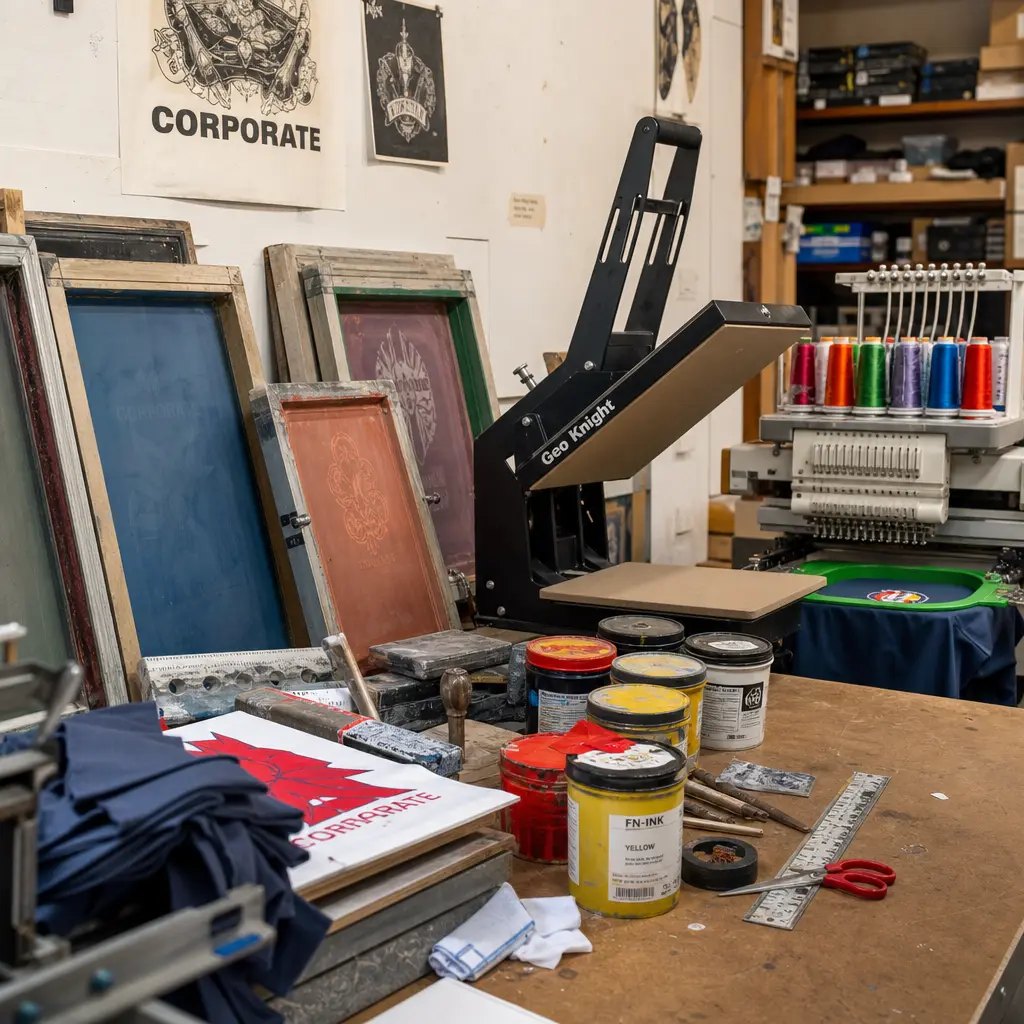
Bakery artwork often looks simple until it reaches fabric. Hand-drawn wheat, script lettering, oven icons, flour-dust textures, fine location names, and short brand messages can all lose sharpness on textured canvas. Water-based screen printing is a strong default for natural organic cotton totes because it gives a soft handfeel and works well for one to three solid colors. It also suits the low-plastic, craft-positioned look that many artisan bakeries want.
Give the supplier production-ready artwork, not just a mockup. Send vector files, Pantone or approved color references, print size, print position from the edges, number of colors, and the smallest text height that must remain readable. Ask for the safe print area before placing art near a seam, handle base, gusset fold, or fold line. Fine serif fonts, QR codes, gradients, and distressed effects should be tested with a strike-off on final or approved-equivalent fabric. A design that looks charming on screen can fill in or break up once ink meets coarse cotton.
Branding does not have to live only on the front panel. A woven side label can carry a small repeatable mark or location code. A hangtag can handle barcode data, care language, organic claim wording, or bakery story copy. Embroidery may look premium for limited runs, but dense stitching can pucker canvas and usually changes the cost structure. Choose the method that supports the artwork, order quantity, fabric, retail price, and reorder plan together.
- Water-based screen print: best for soft handfeel, natural cotton positioning, and simple one-color or two-color bakery logos.
- Pigment print: useful when stronger opacity is needed on dyed fabric or bold graphic areas.
- Woven label: effective for small marks, location coding, or consistent branding across reorders.
- Embroidery: suitable for premium limited runs; confirm puckering, backing, stitch density, and cost before approval.
- Strike-off focus: tiny text, QR codes, gradients, distressed textures, registration, edge sharpness, and ink transfer.
Understand MOQ And Cost Drivers
MOQ is not just a supplier preference. It reflects fabric availability, cutting efficiency, print setup, sewing line planning, label production, packing labor, documentation, and carton preparation. A standard natural organic cotton canvas tote in a common GSM may be available at a lower MOQ than a custom-dyed tote with private webbing, woven labels, multiple branch artworks, individual barcodes, and retail packaging. Ask which parts of the proposed bag are standard and which parts create a new minimum.
Compare quotes by component, not only by unit price. Fabric may be the largest driver, but screens, setup charges, print strike-offs, labels, hangtags, inner packing, export cartons, organic documentation handling, inspection support, and freight volume all affect landed cost. A cheaper quote may simply exclude items that another supplier included. Procurement teams should request a clear inclusion and exclusion list so each offer describes the same construction, packing, and service level.
Multi-location bakery groups should manage artwork versioning early. Full-front artwork for every branch can add screens, setup time, sample rounds, and sorting risk. A shared brand print with a small location label, hangtag sticker, or carton allocation may be cleaner. Reorders are easier when the buyer keeps one stable sourcing file: PO specification, approved sample, print file, carton data, and organic claim documents.
- Lower MOQ path: natural color, standard GSM, standard size, regular handles, one-color print, and bulk packing.
- Higher MOQ triggers: custom dye, uncommon GSM, special webbing, private labels, multiple artwork versions, and store-specific packing.
- Quote inclusions: fabric, sewing, print setup, screens, labels, hangtags, packing, cartons, documentation support, and sample cost.
- Version control: separate shared brand graphics from variable location data to reduce setup and sorting complexity.
- Reorder control: keep PO specs, artwork, approved sample, carton data, and claim documents in one sourcing file.
Use Samples Before Bulk Approval
A digital mockup is useful for alignment, but it is not a sample. It cannot show cotton stiffness, seed flecks, ink absorption, handle comfort, seam bulk, odor, shrinkage, folding marks, or carton presentation. Before bulk production, approve a physical pre-production sample made as close as possible to the final order. If final fabric, final ink, final labels, or final packing are not available at first sample stage, the supplier should list every difference and confirm when it will be corrected.
Sample approval should be practical, not only visual. Load the tote with the real products it will carry: bread, pastry box, coffee bag, jar, tin, or gift bundle. Carry it by hand and over the shoulder. Watch the gusset open. Check whether the bag collapses, whether handles twist, whether seams strain, and whether the logo still sits well after loading. Measure all finished dimensions and compare fabric shade, handfeel, print coverage, and stitching to the RFQ.
Run the sample through packing as well. Fold it exactly as bulk goods will be folded. Add the hangtag, barcode, paper band, polybag, or master carton liner if used. Check whether the print panel creases or the label hides the artwork. If the tote goes inside a subscription box, test it in that box. If it will sit on a bakery counter, stack several samples or folded units and judge presentation. Keep one sealed approved sample with the buyer and one with the factory so final inspection has a physical standard.
- Approve fabric handfeel, GSM, shade, seed flecks, weave, and visible texture against a physical sample.
- Measure width, height, gusset, handle length, handle drop, handle width, folded size, and tolerance before bulk release.
- Review print opacity, edge sharpness, color, ink handfeel, curing, fold resistance, and rub resistance.
- Check label, hangtag, barcode, paper band, polybag, master liner, and carton presentation if retail packing is required.
- Keep a sealed approved sample for final inspection, reorder matching, and supplier accountability.
Define QC Standards And Defect Classes
Quality control belongs in the order before production starts. Bakery-branded totes often reach consumers directly at the counter, in subscription boxes, or at farmers markets, so defects are noticed quickly. Stains, odor, crooked print, weak handles, loose seams, and wrong labels do not feel like small factory issues to the end customer; they affect the perceived quality of the bakery. The factory can inspect, but the buyer must define what is acceptable, repairable, or rejectable.
Inspection should cover material, sewing, printing, labeling, packing, and carton condition. Organic cotton may show seed flecks and yarn character, but mold, oil stains, water marks, dirt, and strong odor should fail. Print defects should be judged by visibility and location. A tiny speck near a bottom seam may be minor. A missing stroke in the bakery logo is major. Handle strength should be reviewed through construction and practical loading, not just a quick visual glance.
Use a simple defect classification so final inspection is not an argument. Critical defects include mold, unsafe contamination, severe odor, or mixed product identity. Major defects include wrong fabric, wrong GSM, wrong size outside tolerance, wrong logo, missing label, broken stitching, severe stains, or unusable packing. Minor defects include a small loose thread, slight approved shade variation, or a tiny print speck away from the main branding. Attach the sealed sample, artwork, strike-off, packing file, and organic document requirement to the QC file.
- Critical defects: mold, unsafe contamination, severe odor, mixed product identity, or transit packing that can damage goods.
- Major defects: broken handle stitching, wrong GSM, size outside tolerance, missing logo area, visible stains, wrong label, or wrong packing.
- Minor defects: small loose thread, approved shade variation, tiny print speck away from main branding, or light fold mark.
- Functional checks: load test, seam pull observation, handle alignment, print fold test, rub check, and carton count verification.
- Inspection references: sealed sample, PO specification, artwork file, strike-off, organic document requirement, and packing file.
Plan Packing, Freight, And Lead Time
Packing has a direct effect on landed cost, product condition, warehouse efficiency, and retail presentation. Organic cotton totes are flexible, but they should not be packed casually. Over-compressed cartons can crease printed panels, distort folds, and bulge during transit. Loose cartons raise CBM and freight cost while allowing bags to shift. For wholesale bakery programs, the packing plan should balance piece count, carton strength, worker handling weight, moisture protection, and display needs.
Choose the packing format early. Bulk packing is efficient for back-of-house use or events where the totes are unpacked before display. Individual polybags protect each tote from dust and moisture, but they add plastic, labor, unpacking time, and waste-management concerns. Paper bands look cleaner on a counter but offer less moisture protection. A master poly liner can be a practical middle option when the buyer wants carton-level protection without individually sleeving every bag.
Lead time should be broken into real stages. The factory’s production clock may not start until deposit, artwork, sample approval, fabric booking, labels, claim documentation, and packing files are complete. Custom dyed organic cotton adds lab dip approval and shade risk. Multi-color printing adds screen setup and registration checks. International orders also need final inspection, export documents, vessel or air booking, customs clearance, and inland delivery. Bakery launches tied to holidays, store openings, or farmers market season need buffer time rather than a last-minute freight plan.
- Bulk packing: efficient for back-of-house use, events, and programs where bags are unpacked before display.
- Individual polybag: protects each tote but adds plastic, cost, unpacking labor, and waste-management issues.
- Master poly liner: protects carton contents while reducing the number of individual plastic sleeves.
- Carton data: request pieces per carton, carton size, net weight, gross weight, total CBM, and carton mark layout.
- Schedule control: approve sample, artwork, labels, packing, and claim documentation before bulk cutting begins.
Specification comparison for buyers
| Spec decision | Recommended option | When it fits | Buyer risk to check |
|---|---|---|---|
| Organic claim | Require transaction certificate, scope certificate, or chain-of-custody evidence linked to the order when the bag is sold or described as organic cotton | Retail merchandise, corporate gifting, distributor resale, sustainability campaigns, and product pages using organic language | A supplier profile or generic certificate may not prove the specific fabric lot used in your PO |
| Fabric weight | 220-280 GSM organic cotton canvas for most reusable bakery retail totes; 300-340 GSM for premium paid merchandise | Bread, pastry boxes, coffee packs, preserves, market shopping, gift bundles, and counter merchandise | Below 200 GSM may feel promotional, show product corners, absorb ink unevenly, and reduce perceived retail value |
| Fabric construction | Plain weave canvas for a structured tote; twill only if the buyer accepts a softer drape and different print surface | Canvas suits bakery logos, shelf display, and general retail use | Comparing GSM without weave type can mislead buyers because fabric handfeel and opacity change |
| Bag construction | Flat tote for low-cost programs; bottom-gusset or boxed-bottom tote for bakery retail loads | Flat bags fit events; gusseted bags fit loaves, jars, pastry boxes, and upright gift presentation | Poor gusset sewing can twist, reduce usable volume, and place stress on bottom corners |
| Finished size | Specify finished width, height, gusset depth, handle length, handle drop, seam allowance, and tolerance | Prevents confusion between cutting size, catalogue size, and finished size after sewing or pressing | Unclear sizing can fail subscription cartons, counter displays, bread boxes, and shoulder-carry expectations |
| Size tolerance | Use about ±1 cm for width and height, ±0.5 cm for gusset on simple totes, and tighter tolerance only when packaging requires it | Suitable for most wholesale tote programs where cotton movement is expected | No tolerance stated means inspectors and suppliers may judge the same bag differently |
| Handle build | 60-70 cm self-fabric or cotton webbing handles, 2.5-3.5 cm wide, with box stitch, cross stitch, or bar tack reinforcement | Comfortable shoulder carry for farmers markets and retail customers carrying multiple bakery items | Short handles, narrow webbing, or single-line attachment can feel cheap and fail at stress points |
| Print method | Water-based screen print for 1-3 solid colors on natural cotton; test pigment or discharge alternatives for dyed fabric | Best for bakery logos, simple line art, organic positioning, and soft handfeel | Tiny text, QR codes, flour-dust textures, gradients, and distressed artwork can fill in on coarse canvas |
| Color approach | Natural or unbleached cotton with approved shade and seed-fleck tolerance; dyed fabric only with lab dip approval | Natural cotton supports artisan bakery positioning and can avoid dye MOQ | Natural fabric is not paper-white; buyers must approve realistic shade variation and reject actual stains separately |
Buyer checklist before sampling
- Define the commercial use first: giveaway, paid retail tote, bakery subscription bag, farmers market bag, corporate gift, wholesale resale pack, or multi-location launch.
- State the claim requirement clearly: certified organic cotton documentation required, organic appearance only with no claim, or conventional cotton not acceptable.
- Specify fabric details: fiber content, organic standard required if applicable, weave, GSM target, fabric color, pre-shrunk or non-pre-shrunk status, and approved shade range.
- Select construction type: flat tote, bottom-gusset tote, side-gusset tote, boxed-bottom tote, or reinforced merchandise tote with heavier seams.
- List finished dimensions with tolerances: width, height, bottom or side gusset depth, handle length, handle drop, handle width, seam allowance, folded size, and measurement method.
- Provide expected load examples: two sourdough loaves, one 25 x 25 cm pastry box, 250 g coffee bag, 250 ml jam jar, gift card envelope, or holiday gift bundle.
- Choose handle reinforcement: single line only for light use, double line for basic retail, or box stitch, cross stitch, and bar tack for higher load confidence.
- Provide final vector artwork with Pantone references, print size, print position from edges, number of colors, minimum readable text size, and any location-specific versions.
- Request a print strike-off on final or approved-equivalent fabric before the full pre-production sample, especially for fine lines, small lettering, QR codes, or multi-color registration.
- Approve one sealed pre-production sample with final fabric, stitching, handles, print ink, label, hangtag, barcode, folding method, carton packing, and any organic documentation reference.
Factory quote questions to send
- Which organic cotton document can be supplied for this order, and will it reference the actual yarn, fabric lot, transaction, or finished goods rather than only your company certification?
- Is the quoted fabric organic cotton canvas, organic cotton twill, or another weave, and what GSM tolerance will apply in bulk production?
- Which GSM, natural color, and standard tote sizes are in regular production, and which options require weaving, dyeing, special cutting, or higher MOQ?
- Is the quoted bag size a finished size after sewing and pressing or a cutting size, and what measurement tolerance will be used for inspection?
- Can you quote flat, bottom-gusset, and boxed-bottom versions using the same fabric and print so we can compare cost, carton volume, and load usefulness?
- What handle construction is included in the base price: handle width, handle length, handle drop, fabric type, box stitch, cross stitch, bar tack, or only straight stitching?
- What practical load test do you recommend for this construction, and can the factory perform it on the pre-production sample and randomly during final QC?
- What is the maximum safe print area for our artwork without distortion near seams, handle attachments, gusset folds, or folded packing creases?
- Which print method is included, how many colors are included, what ink type is used, and what are the screen, setup, strike-off, and artwork-version charges?
- Can you provide a strike-off on final fabric and one pre-production sample with final fabric, print, handle length, label, hangtag, barcode, fold, and packing before bulk cutting starts?
Quality-control points to confirm
- Finished size tolerance should be agreed before production; for basic cotton totes, about ±1 cm for width and height and ±0.5-1 cm for gusset depth is common unless carton fit or retail folding requires tighter control.
- Fabric GSM should be checked against the purchase order and approved sample using a cut-and-weigh method or mill test report; lighter fabric changes opacity, handfeel, load performance, print absorption, carton weight, and landed value.
- Organic cotton documentation should be reviewed before shipment when the tote is marketed as organic; the document should match the required claim level and should not be only a generic supplier statement.
- Handle attachment must be inspected for skipped stitches, loose threads, uneven reinforcement, weak bar tacks, incorrect handle drop, twisted handles, and misalignment between the two sides.
- A practical load test should reflect the bakery use case, such as carrying the agreed sample load for a defined time or checking stress points after repeated lifting, with the method written into the QC file.
- Print inspection should include registration, ink coverage, edge sharpness, Pantone or approved-sample match under standard light, cracking after folding, curing quality, rubbing resistance, and no ink transfer between packed bags.
- Natural cotton seed flecks should be judged against the approved sample so normal cotton character is not confused with stains, contamination, oil marks, water marks, mildew, or dirty handling.
- Seams should be checked at bottom corners, gusset joins, side seams, folded edges, and handle stress points because bread, glass jars, tins, and pastry boxes create point pressure when carried.
- Odor, moisture, mold risk, and carton dryness must be inspected before shipment, especially for natural cotton packed tightly in humid seasons or shipped by ocean freight.
- Packing count, barcode placement, hangtag attachment, carton marks, store allocation, folded direction, and retail labels should match the approved packing file, not only the commercial invoice.