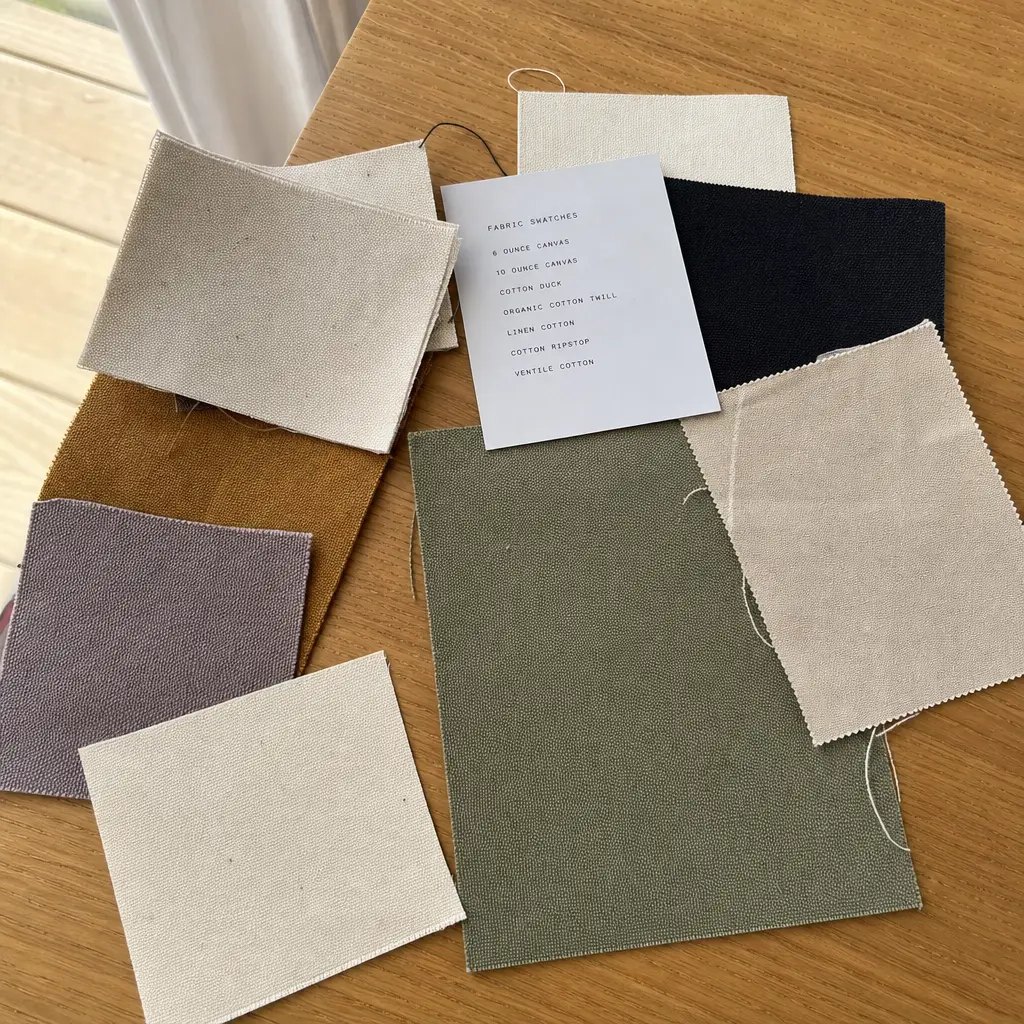
Why subscription box totes need a tighter inspection plan
An organic cotton tote for a subscription box is not inspected the same way as a tote sold loose in a retail store. The bag is folded, compressed, packed with other items, transported to a fulfillment center, and finally presented during an unboxing moment. A small print rub mark, strong fabric odor, uneven fold, or dusty surface can create a quality complaint even when the bag itself is structurally usable.
The buying problem is simple: the tote must look giftable at first touch and still be strong enough for repeat use. That means procurement teams need to define acceptance criteria before production starts, not after cartons arrive. A useful organic cotton totes quality inspection checklist for subscription boxes should cover material, print cure, sewing, folding thickness, carton packing, and data needed for the quote.
- Subscription packing magnifies print scuffing because the bag sits against cards, boxes, jars, and inserts.
- Natural organic cotton shade variation is more visible when multiple boxes are opened side by side.
- Incorrect fold size can slow the co-packer and increase fulfillment labor.
- Weak handles may not fail during unboxing, but they create brand complaints when customers reuse the tote.
Start the RFQ with a controlled tote specification
A vague request such as “organic cotton tote, natural, printed logo, for subscription box” will produce quotes that are not comparable. One supplier may price 140 GSM, another 220 GSM. One may include individual packing, another may quote bulk folded in cartons. One may use water-based ink, while another assumes a cheaper pigment print with different hand feel. The RFQ should force every supplier to price the same construction.
The first page of the RFQ should include the target finished size, handle length, fabric GSM, color, print method, artwork size, label requirement, packing method, and carton limit. If the tote must fit inside a fixed box, include the internal box size and the maximum folded tote dimensions. This lets the factory calculate whether the bag should be folded in half, thirds, or rolled with a band.
- Finished bag size: for example, 38 x 42 cm, measured flat from edge to edge.
- Handle size: state both width and total loop length, not only “long handle.”
- Fabric: specify organic cotton, plain weave, natural or dyed, target GSM, and accepted tolerance.
- Print: include artwork file, print size, color reference, print position, and whether soft hand feel is required.
- Packing: define flat folded bulk pack, paper belly band, individual polybag, barcode sticker, or subscription box insertion pack.
Choose fabric GSM based on box weight and perceived value
Fabric weight is one of the largest cost and quality drivers. For subscription boxes, 180-220 GSM organic cotton is often a practical range because it feels more substantial than a thin promo tote but does not become too bulky. A 140-160 GSM tote may reduce unit cost and shipping weight, but it can appear transparent, wrinkle easily, and feel like a disposable giveaway. A 240-280 GSM tote feels premium but may increase carton volume and parcel freight.
Organic cotton also has shade and texture variation. Natural unbleached cotton may show seed flecks, small slubs, and off-white tone differences. These are not always defects, but they should be defined. If the brand expects a clean white appearance, bleached or dyed fabric must be quoted separately, and the buyer should understand that bleaching, dyeing, and color control add cost and lead time.
- 140-160 GSM: lower cost and lighter weight, but weaker perceived value and higher transparency risk.
- 180-220 GSM: balanced option for most subscription gifts and repeat-use tote programs.
- 240-280 GSM: premium hand feel, better structure, higher carton volume, and higher freight impact.
- Natural cotton: more sustainable visual character but less shade uniformity.
- Dyed cotton: better brand color control, but requires lab dip approval and colorfastness checks.
Print method decisions that affect returns and complaints
For organic cotton totes, water-based screen printing is usually the cleanest choice for simple subscription box branding. It gives a softer hand feel than heavy plastisol and works well for one to three solid colors. The key inspection issue is curing. If ink is not properly cured, it can rub onto the opposite fabric panel, tissue paper, printed inserts, or the subscription box interior.
Heat transfers can reproduce detailed artwork, gradients, or small text, but they can feel like a film on cotton and may crack or lift if the wrong material is used. Embroidery is durable and premium, but it adds cost, increases lead time, and may create backing or thread-tail issues inside the bag. The print decision should be made according to artwork complexity, touch requirement, production quantity, and how the folded tote contacts other items inside the box.
- Use screen print for solid logos, simple icons, slogans, and repeatable brand colors.
- Use heat transfer only when artwork detail cannot be achieved cleanly with screen print.
- Use embroidery when the tote is positioned as a premium reusable item, not a low-cost insert.
- Require a print strike-off on actual fabric before approving bulk production.
- Include dry rub and fold-contact checks in final inspection, especially for dark inks on natural cotton.
MOQ logic: why the cheapest quote may not be the best landed cost
MOQ for organic cotton totes is driven by fabric sourcing, cutting efficiency, printing setup, and packing labor. A factory may accept a low MOQ, but the unit price may rise sharply because fabric is purchased from available stock, printing setup is spread across fewer units, and custom packing is handled manually. For subscription boxes, the purchase quantity often needs to match the box campaign quantity plus replacements, samples, and inspection reserves.
Buyers should compare total landed cost, not only factory unit price. A heavier tote may look better but reduce pieces per carton. Individual polybags protect the bag but add material, packing labor, and sometimes plastic-reduction concerns. A lower MOQ supplier may ship later if fabric stock is not secured. The practical comparison is unit price plus packing cost plus carton volume plus risk of missed fulfillment date.
- Calculate order quantity as campaign quantity plus 1-3% spare units for fulfillment damage, QC rejects, or influencer seeding.
- Request carton dimensions and gross weight at quote stage so freight is not estimated blindly.
- Separate base tote price, print charge, label charge, packing charge, and carton cost in the quote.
- Clarify whether the MOQ applies per artwork, per fabric color, per print color, or per shipment.
- For multiple subscription SKUs, review whether shared fabric can reduce MOQ pressure.
Sample approval should test the real production risks
A nice photo sample is not enough. The approved sample should be made with the intended GSM, handle stitch, print ink, logo size, label, and folding method. If the first sample uses substitute fabric or a digital print while the bulk order will use screen print, the buyer has not approved the real product. A pre-production sample is the bridge between quotation and mass cutting.
The sample review should include measurements, weight, print quality, handle pull, fold fit, and packing presentation. Put the folded sample into the actual subscription box with the other items. If the tote pushes against a bottle cap, candle tin, corrugated edge, or printed card, it may arrive with dents, stains, or rub marks. These issues are cheaper to correct at sample stage than after 20,000 units are packed.
- Measure finished width, height, gusset if any, handle width, and handle loop length.
- Weigh the sample and compare to the GSM expectation; a big difference may signal fabric substitution.
- Rub the printed area with dry white cloth and again after light moisture exposure if the box may face humidity.
- Fold the tote exactly as the factory proposes and test the fit in the box or mailer.
- Photograph the approved sample from front, back, inside seam, handle attachment, label, and packed fold.
Sewing and construction acceptance criteria
The tote may look simple, but sewing quality controls both strength and appearance. The most common failures are uneven top hems, twisted handles, skipped stitches, loose thread tails, and weak handle attachment. For reusable subscription gifts, handle reinforcement should be specified, not assumed. A box stitch or cross-stitch at each handle end usually gives better strength than a single straight stitch.
Inspection should use measurable standards where possible. Stitch density can be stated as an expected range, such as 8-10 stitches per inch depending on fabric and machine setting. Size tolerance should be realistic for cotton sewing, often ±1 cm for width and height unless a more precise construction is required. Loose threads should be trimmed before packing because they look careless during unboxing.
- Reject open seams, broken stitches, severe seam puckering, and handle ends not fully secured.
- Set maximum loose thread length, for example no visible thread tail longer than 1 cm after trimming.
- Require handles to be aligned within a reasonable tolerance so the bag does not hang crooked.
- Check top hem width consistency because it affects the front panel print position.
- Perform practical load testing on finished bags, not only on fabric strips.
Packing design for fulfillment centers and clean unboxing
Packing is often treated as an afterthought, but it affects labor cost, cleanliness, and brand presentation. Bulk folded totes are cheaper and reduce plastic, but they can pick up dust, crease unevenly, or shift during carton handling. Individual polybags protect white and natural bags, but they add plastic and may conflict with the brand’s sustainability message. Paper belly bands can create a better presentation but require accurate band size and careful manual packing.
For subscription programs, the factory should know the desired fold direction and final folded size. If a fulfillment center needs the logo facing up when the box is opened, this must be shown in a packing diagram or photo. Carton packing should avoid over-compression, especially for heavier GSM totes or dark prints. Too much compression can create hard creases and print pressure marks.
- Use paper bands when plastic reduction and visible presentation are more important than dust protection.
- Use individual polybags when the tote is white, printed heavily, shipped long distance, or stored before fulfillment.
- Use bulk folded cartons when the co-packer will insert quickly and minor wrinkles are acceptable.
- Define pieces per inner bundle so fulfillment teams can count faster.
- Include carton drop and compression considerations when the shipment will move through multiple warehouses.
Final inspection plan before shipment release
A final inspection should not be limited to counting cartons and taking front-view photos. The inspector should open cartons from different positions in the shipment, compare product against the approved sample, measure bags, test handles, inspect print cure, and verify packing. For normal mass production, many buyers use AQL sampling, but subscription box totes need extra functional checks because defects may not be visible in a single flat photo.
The inspection report should separate critical, major, and minor defects. Critical defects include contamination, mold odor, unsafe packing, incorrect product, or severe print transfer. Major defects include wrong size beyond tolerance, weak handles, open seams, wrong logo color, serious stains, or incorrect packing. Minor defects may include small thread tails, slight wrinkles, or minor shade variation within the approved range.
- Open top, middle, and bottom cartons from the packed lot to detect packing variation.
- Measure at least several pieces per selected carton, not only one showroom sample.
- Compare fabric shade with the approved swatch under neutral light.
- Conduct dry rub testing on printed areas after the bags have been folded.
- Verify actual carton count, carton marks, PO number, SKU, destination, and barcode data.
Lead time risks that affect subscription launch dates
Subscription boxes have hard launch windows. A tote that arrives late may miss the packing slot even if the product itself is acceptable. Lead time should be built backward from the fulfillment date, not from the desired vessel date. Include time for sampling, artwork revision, fabric booking, printing, sewing, inspection, carton correction, export booking, customs clearance, and domestic delivery to the co-packer.
Organic cotton fabric can add schedule risk when the buyer requires a specific certification claim, custom dye, or non-standard GSM. Print approval can also delay production if the artwork uses very fine lines, low-contrast ink, or multiple color registrations. The factory’s quoted production time should start after sample approval and deposit, not after the first inquiry.
- Reserve time for fabric swatch approval before final sample approval.
- Do not release bulk fabric cutting until logo size, placement, and print color are signed off.
- Add buffer for inspection rework if the tote is a first-time supplier order.
- Confirm the fulfillment center receiving deadline and appointment rules before shipment.
- For seasonal boxes, avoid last-minute fabric color changes because dyeing and lab dip approval can push the schedule.
Specification comparison for buyers
| Spec decision | Recommended option | When it fits | Buyer risk to check |
|---|---|---|---|
| Fabric weight | 180-220 GSM organic cotton for light-to-mid subscription inserts | Good balance when the tote is a usable gift but must not increase box freight too much | Below 160 GSM may feel promotional; above 240 GSM may force larger cartons and higher parcel weight |
| Fabric construction | Plain weave cotton with consistent yarn count and pre-shrunk finishing if possible | Best for flat folding, screen printing, and predictable sizing across cartons | Loose weave can distort logos and show slubs more clearly on natural fabric |
| Bag size | Size tolerance of ±1 cm for width and height after sewing | Useful when the tote must fit inside a mailer, sleeve, or subscription box cavity | Oversized handles or bulky seams can stop the box from closing cleanly |
| Handle attachment | Cross-stitch or box-stitch with minimum 2 secure bartack areas per handle end | Needed when the buyer expects customers to reuse the bag beyond the unboxing moment | Single-line stitching can pass a visual check but fail under moderate load |
| Print method | Water-based screen print for 1-3 solid colors on natural or white organic cotton | Cost-effective for repeatable brand artwork and softer hand feel | Ink migration, poor curing, or fabric moisture can cause rubbing inside the subscription box |
| Artwork placement | Center logo with placement tolerance of ±5 mm from approved sample | Works when the bag is photographed during unboxing and brand alignment matters | Folding before full curing or uneven panel cutting can create off-center appearance |
| Individual packing | Flat folded with paper band or recyclable polybag depending on box packing process | Paper band fits plastic-reduction programs; polybag helps protect white bags from dust | Unprotected natural cotton can pick up carton dust, fiber lint, or warehouse odor |
| Inspection level | Final random inspection using AQL with added functional seam and rub tests | Appropriate for container or carton-level shipments to fulfillment centers | Standard visual AQL alone may miss handle strength, print cure, and folding-size problems |
Buyer checklist before sampling
- Define the exact tote dimensions, handle length, fabric GSM, fabric color, print size, print color, and folding method before requesting prices.
- State whether the tote must fit inside a fixed subscription box size and provide the internal box dimensions to the factory.
- Request fabric swatches by GSM and shade, not only photos, because natural organic cotton color varies by lot.
- Approve a pre-production sample made with the correct fabric, handle stitch, print method, label, and packing fold.
- Set size tolerance, print placement tolerance, stitch density, and acceptable shade range in the purchase order.
- Require a simple load test for handles and seam strength, with the test weight matched to expected consumer use.
- Run dry and wet rub checks on printed areas before authorizing bulk packing.
- Confirm whether each tote needs a hangtag, paper band, barcode sticker, carton label, or polybag warning text.
- Lock the master carton size and carton weight limit according to the fulfillment center or subscription box co-packer requirements.
- Keep approved samples, fabric swatches, print strike-offs, and packing photos as reference documents for final inspection.
Factory quote questions to send
- What exact organic cotton fabric weight and weave are included in the quote, and what is the normal GSM tolerance?
- Is the quoted fabric dyed, bleached, or natural unbleached cotton, and will the shade vary between production lots?
- Which print method is included: water-based screen print, pigment print, discharge print, heat transfer, or embroidery?
- What is the minimum order quantity for this fabric and print combination, and does the MOQ change by colorway or artwork?
- Can the factory make a pre-production sample using actual bulk fabric and actual bulk ink before mass cutting?
- What size tolerance, print placement tolerance, and stitch density does the factory normally control for this tote style?
- What packing is included in the unit price: folded bulk pack, individual polybag, paper band, barcode label, or carton inner divider?
- How many pieces fit per export carton under the proposed fold, and what are the estimated carton dimensions and gross weight?
- What is the production lead time after sample approval and deposit, and which steps are on the critical path?
- Will the factory provide inline inspection photos, final inspection report, carton marks, and loading photos before shipment?
Quality-control points to confirm
- Fabric GSM should match the approved swatch within the agreed tolerance, commonly ±5% unless otherwise specified.
- Finished tote width and height should remain within ±1 cm for standard subscription box packing unless a tighter tolerance is purchased.
- Handle length should remain consistent across cartons so the folded bag thickness and appearance do not vary.
- Seams should have no skipped stitches, broken threads, open seams, or loose thread tails longer than the agreed trim standard.
- Handle attachment should pass a practical load test without seam cracking, handle tearing, or visible stitch failure.
- Print color should match the approved strike-off under neutral light and show no obvious pinholes, smears, ghosting, or heavy ink build-up.
- Printed logos should pass dry rub testing and should not transfer onto the opposite fabric panel after folding.
- Unit packing should protect the tote from dust, moisture, print scuffing, and compression marks during export and fulfillment handling.
- Carton labels should match the buyer SKU, quantity, color, purchase order, destination, and any fulfillment center routing requirement.
- Random cartons should be opened during final inspection to verify mixed packing, fold direction, barcode placement, and actual count.