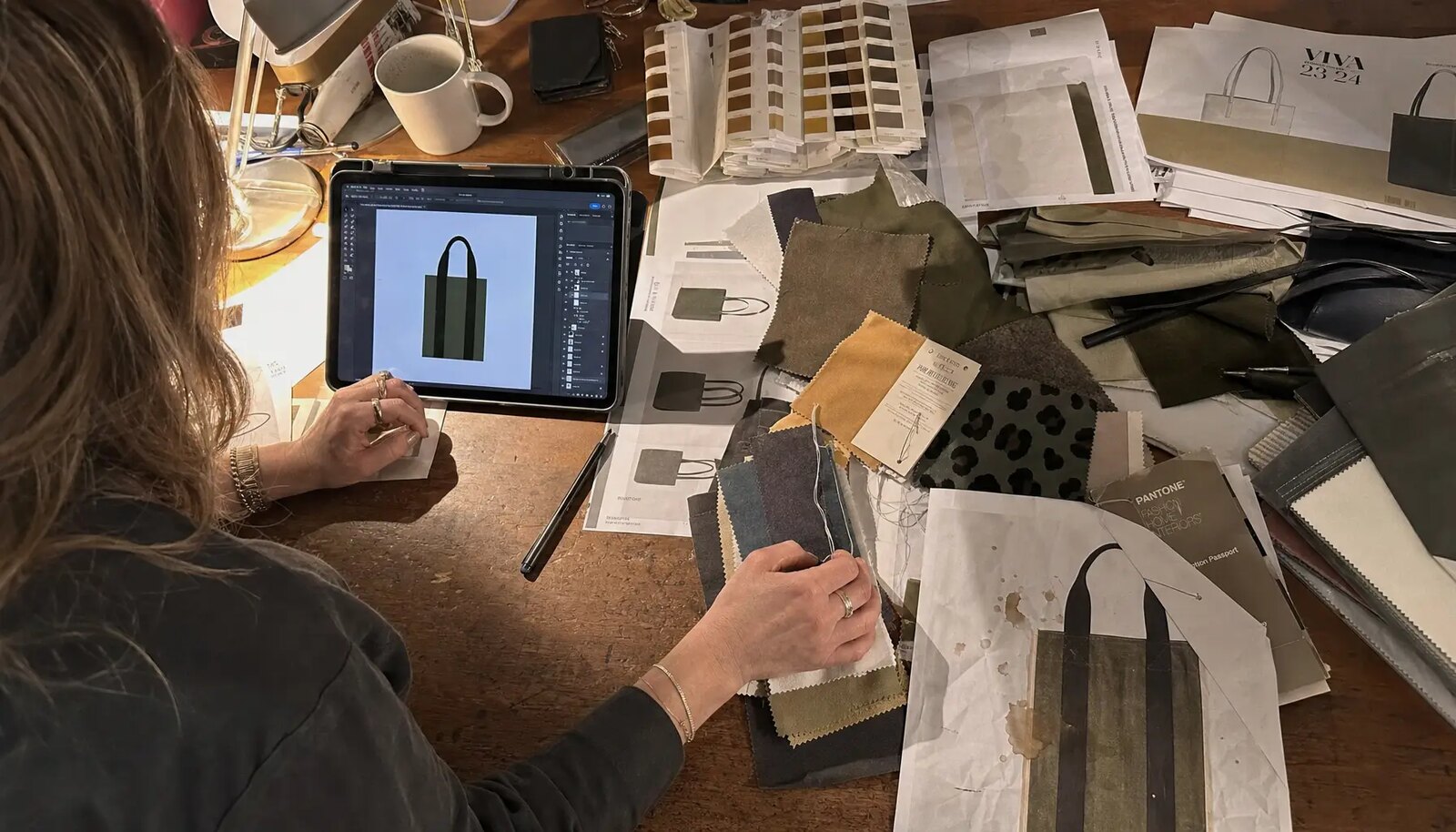
Why MOQ Negotiation Works Differently for Hotel Retail Totes
Negotiating MOQ for organic cotton totes is not just asking a bag factory to “do fewer pieces.” Hotel retail has a higher bar than a generic promotional tote. The bag may sit beside spa products, apparel, candles, books, minibar bundles, or destination merchandise, so it has to satisfy guest expectations, brand standards, and procurement controls at the same time.
The factory is balancing more than the sewing line. Organic cotton fabric availability, cutting yield, print setup, handle reinforcement, certification handling, packing labor, carton segregation, and inspection all affect the real minimum. One order may be limited by fabric rolls. Another may be limited by five different property logos, barcode labels, or printed paper bands. A low total MOQ can still hide small-run charges inside every version.
That is why the better negotiation question is not simply, “Can you make 300 pieces?” A stronger buyer asks, “Which part of this specification creates the minimum?” Once the constraint is visible, the commercial options become practical: use one base tote across properties, simplify body color, pay a transparent setup fee, combine releases, standardize packing, or reserve fabric for replenishment.
For hotel retail, the lowest MOQ is not always the safest purchase. Very small runs can carry high unit prices, limited fabric choices, weak documentation, and little room for replacement if final inspection finds defects. A better target is the lowest responsible MOQ: enough quantity to support stable material, repeatable sewing, approved printing, clean packing, and a realistic reorder path without forcing excess stock onto the property.
- Separate MOQ into fabric, dyeing, cutting, printing, sewing, packing, documentation, and delivery-release minimums.
- Ask suppliers to identify the limiting minimum instead of giving one blended number.
- Use total hotel group volume when several properties can share the same base tote.
- Keep body fabric, size, construction, and packing common when logos or barcodes vary.
- Negotiate setup fees openly when they protect quality better than downgrading fabric or stitching.
Define the Retail Use Before Setting Quantity
A gift shop tote, spa boutique tote, beach retail tote, event merchandise bag, and welcome amenity bag may look similar in a sample photo. They do not need the same specification. A paid gift shop SKU must feel credible beside other retail products. A spa tote may carry glass bottles, robes, or towels. A beach tote needs capacity and stronger bottom construction. A welcome amenity tote may care more about clean folding, low waste, and easy replenishment.
Write the use case into the RFQ before negotiating MOQ. If the tote is a standalone retail item with a target selling price, the buyer may justify heavier canvas, a better hangtag, and more polished shelf presentation. If the tote is used as packaging for an amenity bundle, durability and fold consistency may matter more than a premium tag. If the order is a demand test, use the same core specification planned for reorders so the pilot does not become an unreproducible one-off.
Hotel operations should also shape the spec. A tote sold on a shelf needs flat packing and a scannable barcode. A tote hung on a peg needs a hangtag hole position that will not tear. A bag placed in guest rooms must arrive clean, folded consistently, and free of loose threads. A multi-property order needs carton segregation so receiving teams are not sorting mixed logos by hand.
This early definition prevents a common procurement mistake: winning a low MOQ for the wrong product. A thin 6-8 oz bag may meet a quantity target but feel promotional in a luxury boutique. An oversized gusset may look useful but increase carton volume and back-of-house storage. A beautiful custom belly band may create a paper supplier minimum larger than the tote order itself.
- Gift shop retail: prioritize handfeel, print finish, hangtag quality, shelf presentation, and POS barcode reliability.
- Spa retail: prioritize handle comfort, gusset capacity, seam strength, and resistance to visible creasing.
- Beach or resort retail: prioritize capacity, reinforced handles, bottom seam durability, and carton-volume planning.
- Room amenity: prioritize clean folding, controlled cost, simple branding, and consistent replenishment.
- Seasonal launch or event: prioritize approval speed, deadline security, and limited SKU variation.
Write Specifications Suppliers Can Quote Without Guesswork
A request for an “organic cotton tote with logo” invites mismatched quotes. One supplier may price 8 oz cotton. Another may quote 10 oz canvas. A third may use recycled cotton or uncertified natural cotton. Someone else may omit retail packing, certification support, or barcode labeling. The cheapest quote may only be cheaper because it leaves out the requirements the hotel actually needs.
Start with finished measurements. A common hotel retail tote is about 38 x 42 cm with an 8-10 cm gusset, but the right size depends on merchandise, display space, and carrying use. State body width, body height, gusset depth, handle width, handle drop, seam type, and reinforcement method. Clarify whether measurements apply to the finished unwashed bag. Then set tolerances, such as ±1 cm or ±1.5 cm for body dimensions and a tighter range for handle drop when shoulder carry and visual consistency matter.
Fabric needs measurable language. Ounce descriptions vary by market and mill, so include measured GSM where possible. A 10 oz canvas may fall roughly around 270-340 GSM depending on construction; the approved swatch should control the final order. Ask for weave type, natural or dyed shade, surface expectations, shrinkage, and fabric-weight tolerance. If the body fabric is dyed, request the lab dip process, bulk shade tolerance, and dye-lot minimum before using the quoted MOQ for decision-making.
Branding and retail materials belong in the first quote, not after price approval. Provide vector artwork, Pantone or brand color targets, print dimensions, placement from seams or centerline, color count, and ink preference. List sewn labels, hangtags, paper belly bands, barcode stickers, carton marks, inner cartons, and polybag-free requirements. Late additions often create new costs, longer lead times, and separate minimums.
- State finished body size, gusset, handle drop, handle width, seam construction, and reinforcement stitch.
- Define fabric weight by ounce and measured GSM, weave, color, shrinkage, shade limits, and approval swatch.
- Provide artwork files, Pantone targets, print size, print position, color count, and strike-off requirement.
- List labels, hangtags, barcodes, paper bands, carton marks, and packaging restrictions at RFQ stage.
- Request written tolerances so the quote reflects the quality level the hotel needs.
Fabric Weight, GSM, Shrinkage, and Organic Claim Scope
Fabric is usually the largest cost driver in an organic cotton tote and often the first MOQ constraint. For hotel retail, practical canvas choices commonly sit around 8 oz, 10 oz, and 12 oz. An 8 oz canvas can work for light amenity use or lower-price retail, but it may feel too thin for a premium paid tote. A 10 oz canvas is a balanced starting point for many hotel programs because it supports handfeel, printing, folding, and cost control. A 12 oz canvas creates a firmer product, with higher material cost, more sewing effort, increased carton weight, and more freight impact.
Because ounce weight is not perfectly standardized, procurement should require a physical swatch and measured GSM. A useful RFQ line is: “10 oz organic cotton canvas, measured GSM to be confirmed by approved swatch, tolerance agreed before PO.” If the hotel needs tighter control, ask for a fabric weight tolerance such as ±5% or the supplier’s standard mill tolerance, but put the number in writing. Without it, inspection disputes become subjective.
Shrinkage matters when the tote may be washed by guests or sold with care instructions. Confirm the test method, wash temperature, and acceptable dimensional change before approving bulk claims. Cotton canvas can shrink if it is not pre-shrunk. The buyer should decide whether finished-size tolerance applies before washing only or after a defined wash test. If tight final sizing is required, pre-shrunk or sanforized fabric may add cost or narrow the available MOQ options.
Organic claims need the same discipline. Natural-colored cotton is not proof of organic status, and a casual fabric statement may not support a consumer-facing claim. If “organic” appears on the tote, hangtag, sewn label, shelf sign, invoice, sales page, or marketplace listing, the quote must state what documentation is included. Depending on the supplier and buyer policy, that may mean a supplier declaration, OCS-related documentation, GOTS-related documentation, or transaction certificate support. The purchase order should match claim wording to documentation scope before production starts.
- 8 oz canvas: lower cost and easier folding, usually better for amenities or light retail than premium paid retail.
- 10 oz canvas: balanced option for many hotel retail programs when verified by measured GSM and swatch approval.
- 12 oz canvas: firmer premium feel with higher material use, sewing effort, carton weight, and freight impact.
- Natural undyed cotton: useful for MOQ control but needs shade, slub, seed speck, and stain tolerance.
- Organic claim: define declaration, OCS, GOTS, transaction certificate support, and exact wording before pricing.
Where MOQ Is Created Inside the Factory Quote
A factory MOQ is usually driven by the least flexible input in the order. For organic cotton totes, that input may be fabric rolls, dyeing batch, cutting marker, screen setup, embroidery digitizing, label supplier minimum, carton printing, or certification administration. Buyers who understand the constraint can negotiate cleanly. Buyers who only push for a lower number may get hidden fees, weaker construction, or an order that is hard to repeat.
Fabric MOQ comes first. If the supplier has suitable organic cotton canvas in stock or on a regular weaving schedule, a smaller first run may be possible. If the fabric must be custom woven, pre-shrunk, or dyed, the order may need to meet a mill or dye-house minimum even when the finished tote quantity is small. Ask whether the supplier can use stock fabric, book a shared fabric lot, reserve leftover fabric for reorders, or quote a fabric surcharge separately.
Print MOQ is often the next pressure point. A one-color screen print has a straightforward flow, but every artwork version still needs screen preparation, ink setup, registration, cleaning, and QC segregation. Five hotels ordering 100 pieces each can be harder to run than one hotel ordering 500 pieces. To reduce friction, keep print size, ink color, print position, and approval process consistent across properties.
Packing and labeling create many hidden minimums. Printed belly bands, hangtags, barcode stickers, woven labels, care labels, and property-specific cartons may involve outside suppliers or manual sorting. A low tote MOQ is not helpful if the paper band supplier has a higher print minimum or each property barcode triggers separate setup. Ask suppliers to itemize these costs so procurement can decide what is essential for launch and what can be standardized.
- Fabric MOQ: minimum roll, mill batch, dye lot, or fabric booking for tote bodies and handles.
- Color MOQ: minimum caused by custom dyeing, strict shade matching, or multiple body colors.
- Print MOQ: efficient quantity for screens, ink mixing, press setup, registration, and artwork version control.
- Sewing MOQ: quantity needed for cutting efficiency, line setup, operator productivity, and inline QC.
- Packing MOQ: minimum for bands, tags, labels, barcode stickers, cartons, or property-level segregation.
Negotiation Levers That Lower MOQ Without Weakening Quality
The safest MOQ negotiation removes complexity before it removes quality. Do not start by accepting thinner fabric, weak handles, fewer reinforcement stitches, or an untested print method. Those choices may lower the unit price, but they can damage the hotel’s retail presentation and increase guest complaints. Better levers include shared fabric, common sizing, limited print variables, transparent setup fees, and planned replenishment.
A common base tote is the strongest lever for hotel groups. Several properties can use the same natural organic cotton body, size, handle construction, and packing method while changing only the logo, hangtag, barcode sticker, or carton mark. The factory can buy fabric, cut panels, and sew more efficiently, while each property still receives its own branding. This works especially well when each hotel’s first order is modest but total group demand is meaningful.
Release planning is another useful lever. Instead of forcing annual volume into one shipment, procurement can negotiate a first release with a defined reorder window. The supplier may not hold fabric indefinitely without deposit or commitment, so the terms need to be practical. Include price validity, artwork version rules, fabric reservation terms, and reorder lead time. A credible plan can produce better pricing than a completely isolated small order.
Buyers can also separate fixed costs from unit price. If the supplier must prepare screens, make a pre-production sample, or handle certification documentation, a visible setup charge may be better than burying the cost in a high unit price or quietly downgrading the product. It also helps with repeat orders because some setup costs may not recur.
- Use one tote size and construction across properties, then vary print, hangtag, barcode, or carton mark.
- Choose natural undyed fabric when brand standards allow it to avoid custom dye-lot minimums.
- Combine property orders into one fabric booking and separate them later at print or packing stage.
- Negotiate a pilot release with planned reorder terms instead of demanding annual volume in one shipment.
- Use standard cartons or shared paper bands for the first run if custom packing is not essential.
- Pay visible setup charges when they preserve fabric weight, handle strength, and inspection standards.
Print Method Selection and Version Control
Printing is where many low-MOQ hotel tote programs become unexpectedly expensive. Water-based screen print is often suitable for organic cotton totes because it gives a soft handfeel and fits the natural cotton aesthetic. It works well for simple one- or two-color hotel marks, monograms, property names, and resort graphics. The tradeoff is setup: each print color and artwork version can require screens, ink mixing, registration, curing, and cleaning.
For multi-property programs, print standardization matters. If every logo uses the same print size, same ink color, and same position, the factory can change artwork with less disruption and inspection can compare versions more easily. If each property changes scale, placement, color, and packing, the order becomes several small jobs. Ask the quote to show setup cost and minimum efficient run by version instead of treating total quantity as one simple number.
Digital print may help when artwork is complex or the quantity per version is too low for multiple screens. It still needs physical approval on the actual organic cotton canvas. Natural cotton shade, slub, and ink absorption can change color depth and edge sharpness. Buyers should check handfeel, rubbing resistance, wash or abrasion expectations if relevant, and how the print looks after folding.
Embroidery can be attractive for boutique retail, but stitch count drives cost and dense areas can pucker cotton canvas. Small lettering may not reproduce cleanly. Heat transfer can offer sharp detail and flexible quantities, yet the handfeel may not suit an organic cotton positioning. Do not approve any print method from a digital mockup alone; request a strike-off or production-representative sample.
- One-color screen print: strongest cost control for simple hotel logos and repeatable organic cotton tote programs.
- Two- or three-color screen print: workable when screens, registration, strike-offs, and approval time are included.
- Digital print: useful for complex artwork or low per-version quantity, but approve on production fabric.
- Embroidery: premium option with stitch count, puckering, thread color, and small-text limits to review.
- Heat transfer: sharp detail and flexible quantity, but handfeel, edge durability, and brand perception must be approved.
Sample Approval Must Prove the Final Bulk Specification
A sample should prove the negotiated product, not just the general look. For organic cotton totes, buyers should confirm whether the sample uses the actual fabric weight, final handle construction, final seam method, agreed print process, final label placement, and proposed fold. If the supplier uses substitute fabric or a temporary print method, call it a development sample and do not treat it as the production standard.
A controlled sample path usually includes a fabric swatch, prototype, print strike-off, pre-production sample, and packing sample. The swatch confirms fabric weight, shade, texture, and surface character. The prototype checks body proportions, gusset, handle drop, seam construction, and reinforcement. The strike-off confirms ink color, opacity, edge quality, handfeel, and placement on the actual fabric. The pre-production sample combines final materials and workmanship before bulk cutting. The packing sample confirms how the tote will arrive, scan, and display.
Approval comments must be written and measurable. “Looks good” is not enough if the buyer also wants a longer handle drop, darker ink, cleaner label, or different fold. Record measurements, tolerances, swatch reference, print color reference, label artwork version, barcode location, packing method, and accepted deviations. If the supplier may proceed with a correction without another sample, state that exception clearly.
For hotel retail, top-of-production approval can reduce risk. This is a sample taken from the first bulk output after materials, printing, and sewing are underway. It helps confirm that the approved standard is being followed before the full lot is completed. This is useful when MOQ is low because replacement pieces may be limited and rework can cost more per unit.
- Material swatch: verify fabric GSM, shade, texture, surface limits, shrinkage path, and documentation scope.
- Prototype sample: verify body size, gusset, handle drop, stitching, reinforcement, and label location.
- Print strike-off: approve color, opacity, registration, edge quality, handfeel, and position on actual fabric.
- Pre-production sample: confirm final fabric, construction, print, labels, and packing before bulk cutting.
- Packing sample: verify fold direction, band, hangtag, barcode, carton method, and shelf presentation.
Packing, Carton Data, and Hotel Receiving Requirements
Packing is not an afterthought for hotel retail. It affects shelf display, barcode scanning, property labor, carton volume, freight cost, and guest perception. A boutique tote may need clean flat packing. A guest-room tote may need consistent folds. A spa retail tote may need a hangtag with material and care details. A third-party retail operator may specify barcode position, case pack, and carton label format.
Flat packing usually protects the print and creates the cleanest shelf presentation, but it uses more carton space. Half-fold packing can reduce volume, as long as the crease avoids the main logo, barcode, and hangtag. Rolling can look giftable and compact, yet it adds labor and may distort the print panel. Individual polybags protect against moisture and handling, but many hotel buyers avoid them because of waste and brand positioning. If there is no polybag, the carton liner and moisture-control plan become more important.
Paper belly bands can make natural organic cotton totes look retail-ready without wrapping each unit in plastic. They also create decisions: paper stock, band width, print version, barcode placement, and supplier MOQ. A shared band with property-specific barcode stickers may be easier to negotiate than separate printed bands for every hotel. Hangtags need similar control, including tag stock, string type, hole strength, claim wording, and barcode scan performance after folding.
Carton data should be part of landed-cost comparison. Request units per carton, carton dimensions, gross weight, net weight, carton marks, inner segregation, pallet needs, and whether cartons are mixed or property-specific. A lower unit price can be offset by inefficient carton volume or staff time spent sorting mixed property logos. For multi-property orders, carton marking can be as operationally important as the tote itself.
- Flat packed: best for print appearance and shelf handling, usually with higher carton volume.
- Half-folded: useful freight compromise, but crease position must avoid logo, barcode, and hangtag pressure.
- Rolled with band: compact and giftable, with added labor and possible print distortion.
- No individual polybag: supports waste reduction goals but requires clean carton lining and moisture protection.
- Paper belly band: strong retail presentation but band MOQ, barcode placement, and artwork control must be quoted.
- Property-specific cartons: reduce hotel sorting labor but require carton mark approval and segregation checks.
QC Tolerances and Inspection Plan for Bulk Orders
Quality control should be negotiated before the purchase order, not after defects appear. Organic cotton totes contain many variables that can look subjective unless tolerances are written: fabric weight, shade, dimensions, handle drop, print color, print position, stitch quality, labels, folds, and barcodes. The supplier may see small differences as normal production variation. The hotel may see them as retail defects. A written inspection plan gives both sides the same standard.
Use separate tolerances for separate features. Body width and height may allow ±1 cm or ±1.5 cm depending on construction, while handle drop may need ±0.5-1 cm for consistent shoulder carry and shelf appearance. Gusset depth should be measured after the bag is opened into shape, not flattened ambiguously. Print position should be measured from a defined point such as top edge, side seam, centerline, or bottom seam. Label and barcode placement should match the approved packing sample.
For fabric, inspect measured GSM against the approved swatch and tolerance. Check shade under consistent lighting. Natural undyed cotton may show lot variation, slubs, and seed specks, but these should be accepted only within agreed limits. Stains, oil marks, mildew odor, and obvious contamination should not be treated as natural character. If shrinkage matters, test by the agreed wash method and compare results against the approved size and care claim.
Use an AQL-based inspection plan when appropriate for the order size and buyer policy. Define critical, major, and minor defects in advance. Critical defects may include wrong certification claim, mold, unsafe foreign objects, or an unusable barcode required for sale. Major defects may include wrong fabric, wrong print color, open seams, broken handles, severe stains, incorrect logo, or unreadable barcode. Minor defects may include small thread tails or slight cosmetic variation within tolerance. The AQL level should match the buyer’s risk policy, but the defect list should be settled before production.
- Fabric checks: measured GSM, composition claim, shade, stains, odor, slub limits, and shrinkage if applicable.
- Measurement checks: body width, height, gusset, handle width, handle drop, print position, and label position.
- Print checks: color, opacity, registration, smears, pinholes, cracking, curing, edge sharpness, and placement.
- Sewing checks: open seams, skipped stitches, thread tension, reinforcement size, loose threads, twisting, and puckering.
- Retail checks: hangtag wording, barcode scan after folding, paper band fit, carton mark, property segregation, and case count.
Specification comparison for buyers
| Procurement decision | Recommended option | Best fit for hotel retail | Buyer risk to verify before PO |
|---|---|---|---|
| MOQ negotiation basis | Negotiate by fabric lot, cutting run, print version, packing version, and shipment release instead of only total pieces | Hotel groups, resort collections, spa boutiques, gift shops, and multi-property replenishment | A supplier may quote a low total MOQ but apply separate minimums for each logo, body color, label, barcode, carton mark, or delivery split |
| Base fabric specification | 10 oz canvas, roughly 270-340 GSM depending on weave and mill standard; use 12 oz, roughly 360-410 GSM, for a firmer premium tote | Paid hotel retail, spa boutiques, branded resort merchandise, and welcome amenity upgrades | Ounce weight is not perfectly standardized across mills; require measured GSM, swatch approval, and agreed tolerance instead of relying on handfeel |
| Finished size and tolerance | Retail tote around 38 x 42 cm with 8-10 cm gusset; typical finished-size tolerance ±1 cm and handle-drop tolerance ±0.5-1 cm if agreed | Gift shops selling towels, books, local products, spa items, or compact apparel | Loose tolerances can create uneven shelf presentation, uncomfortable shoulder carry, or inconsistent barcode and hangtag placement |
| Organic claim support | State whether the order needs supplier declaration, OCS scope, GOTS scope, transaction certificate support, or no consumer-facing claim | Any hotel selling the tote as organic cotton on hangtags, sewn labels, product pages, shelf signs, invoices, or marketplace listings | Natural color is not proof of organic status; unsupported claim wording can cause re-labeling, invoice corrections, or retail compliance issues |
| Body color strategy | Use natural undyed organic cotton as the common base when brand standards allow; reserve custom dyeing for confirmed volume programs | Low-MOQ launches, multi-property tests, and replenishment programs with several logos | Custom dyeing may add dye-lot minimums, lab dip approvals, shade tolerance disputes, and longer critical path lead time |
| Handle construction | Self-fabric or cotton webbing handles with box-stitch or cross-stitch reinforcement; define handle width, drop, and load expectation | Spa, beach, boutique, and room retail bags expected to carry bottles, towels, books, or amenity bundles | Thin handles and weak reinforcement can pass visual inspection but fail guest use; require stitch density and pull-test method in QC plan |
| Print method | Water-based screen print for simple 1-2 color marks; digital print only when artwork complexity or low per-version quantity justifies it | Natural organic cotton positioning where soft handfeel and fabric texture support retail value | Approve a strike-off on actual bulk fabric because natural cotton shade, slub, and ink absorption affect color, opacity, and edge sharpness |
| Packing format | Flat pack or controlled half-fold with hangtag, paper band, or barcode label as needed; avoid tight rolling unless tested | Gift shop shelves, reception retail, spa displays, room placement, and retail operator POS workflows | Aggressive folding can crease the logo, hide the barcode, distort hangtags, increase labor, and create staff re-packing at property level |
| Quote comparison method | Compare unit price, tooling/setup, sampling, certification documents, packing materials, carton data, incoterm, lead time, and payment terms at the same spec | Procurement teams collecting quotes from factories, importers, or trading partners | Lowest unit price may exclude screens, strike-offs, transaction certificate support, custom bands, inspection allowance, or freight-impacting carton volume |
Buyer checklist before sampling
- Define MOQ target by fabric lot, body color, tote size, artwork version, print color, packing style, delivery release, and property-level allocation.
- Write the commercial use: paid gift shop item, spa retail bag, beach tote, welcome amenity, minibar bundle, event merchandise, or staff-assisted upsell.
- Specify fabric as organic cotton canvas by ounce weight and measured GSM, weave type, color, shrinkage expectation, shade tolerance, and documentation requirement.
- Confirm whether organic wording appears on the tote label, hangtag, product page, shelf signage, invoice, carton mark, or only internal procurement files.
- State finished body width, body height, gusset depth, handle width, handle drop, seam type, reinforcement stitch, label position, and measurement tolerance.
- Provide vector artwork, Pantone or brand color targets, print size, print position from seams, color count, ink type, and strike-off approval requirement.
- Decide whether several hotel properties can share one base tote and vary only the printed logo, barcode sticker, hangtag, belly band, or carton mark.
- Ask suppliers to separate unit price, sample fee, screen or plate fee, artwork adjustment, certification documentation, packing material, inspection, and freight estimates.
- Request price breaks at the same specification and incoterm, such as 300, 500, 1,000, 2,000, and 5,000 pieces, including per-artwork charges.
- Confirm carton quantity, carton dimensions, gross weight, net weight, fold method, moisture protection, carton marking, palletization needs, and property segregation.
Factory quote questions to send
- What is your MOQ by fabric batch, body color, tote size, print artwork, print color count, packing style, certification scope, and shipment release?
- Can several hotel properties share one organic cotton fabric lot, cutting run, and sewing run while using different printed logos, hangtags, barcode stickers, or carton marks?
- Which organic cotton documentation can you provide for this finished goods shipment, and does the quote include supplier declaration, OCS, GOTS, or transaction certificate support?
- Are there extra costs, lead time, or minimums when the organic claim appears on a hangtag, sewn label, product packaging, commercial invoice, or retail listing?
- Which organic cotton canvas weights are in stock, on regular weaving schedule, or custom only, and what measured GSM tolerance applies to each option?
- What are the minimum efficient print quantities for water-based screen print, pigment print, digital print, embroidery, and heat transfer for our artwork size?
- Can you quote one base tote with property-specific prints and show the setup charge, screen charge, and incremental unit cost for each additional logo version?
- How does price change at 300, 500, 1,000, 2,000, and 5,000 pieces for the same fabric, size, print, packing, documentation, incoterm, and payment terms?
- Can you quote flat packing, half-fold packing, paper belly band, hangtag, barcode label, and no individual polybag as separate line items for landed-cost comparison?
- What tolerances do you apply for finished size, handle drop, fabric GSM, fabric shade, print position, print color, label placement, carton count, and barcode placement?
Quality-control points to confirm
- Measure fabric weight using a GSM cutter or agreed lab method and compare against approved swatch; do not accept only ounce wording or supplier handfeel description.
- Check fabric composition and organic documentation against the claim scope written on the PO, hangtag, label, invoice, and retail materials.
- Compare bulk fabric shade to approved swatch under consistent lighting; for natural undyed cotton, define acceptable lot variation, slub, seed speck, and stain limits.
- Measure finished body width, height, gusset depth, handle width, and handle drop; apply the written tolerance separately to each dimension, not as a general visual judgment.
- Confirm shrinkage if the tote may be washed or if the hotel sells it with care instructions; test according to the agreed wash method before approving bulk claims.
- Approve print color and opacity against a physical strike-off on the actual production fabric because natural cotton texture can mute ink and soften edges.
- Inspect print registration, line sharpness, opacity, cracking, smears, pinholes, color contamination, curing, and position from seams or bag centerline.
- Check handle attachment for box or cross-stitch consistency, stitch density, skipped stitches, loose threads, needle holes, reinforcement size, and left-right symmetry.
- Inspect side seams, bottom seams, gusset corners, turn-in edges, labels, and reinforcements for open seams, puckering, broken threads, twisting, and distortion after folding.
- Test practical loading or handle pull according to agreed method, especially for spa, beach, or amenity bundles carrying bottles, robes, towels, or books.