Start With the Buying Problem, Not the Artwork
For tech startups, an organic cotton tote is often ordered under pressure: an event date is fixed, the brand team wants a clean logo, and procurement needs a supplier quote fast. The common mistake is sending only a logo file and a quantity. That leaves the factory to guess the bag size, fabric weight, print size, logo position, handle length, packing, and inspection standard. The quote may look competitive, but it is not comparable with another supplier’s offer.
A useful RFQ treats logo placement as a production decision. The location of the mark affects print method, screen size, defect visibility, cutting waste, sewing tolerance, and how the tote looks when filled. A centered logo on a flat empty bag may shift visually when the bag carries a laptop box, hoodie, brochure set, or welcome-kit contents. Before comparing prices, define the carry use, the presentation expectation, and the acceptable logo visibility.
- For event giveaways, prioritize clear front visibility, fast production, and bulk packing efficiency.
- For retail merchandise, prioritize fabric body, print durability, neat folding, barcode control, and presentation packing.
- For employee onboarding kits, consider load capacity, handle comfort, and whether the logo remains visible after the bag is filled.
- For distributor programs, lock a repeatable spec so different logo versions can be quoted and inspected against the same standard.
Choose the Tote Body Before Fixing Logo Placement
Logo placement should be decided after the bag body is specified. A flat 380 x 420 mm tote has a different printable area from a 350 x 400 x 100 mm gusseted tote. A gusset changes how the front panel curves when filled, and the bottom fold can pull a low logo out of alignment. If the tote will carry books, devices, or boxed accessories, the logo should sit high enough to remain visible but not so high that it competes with the handle attachment.
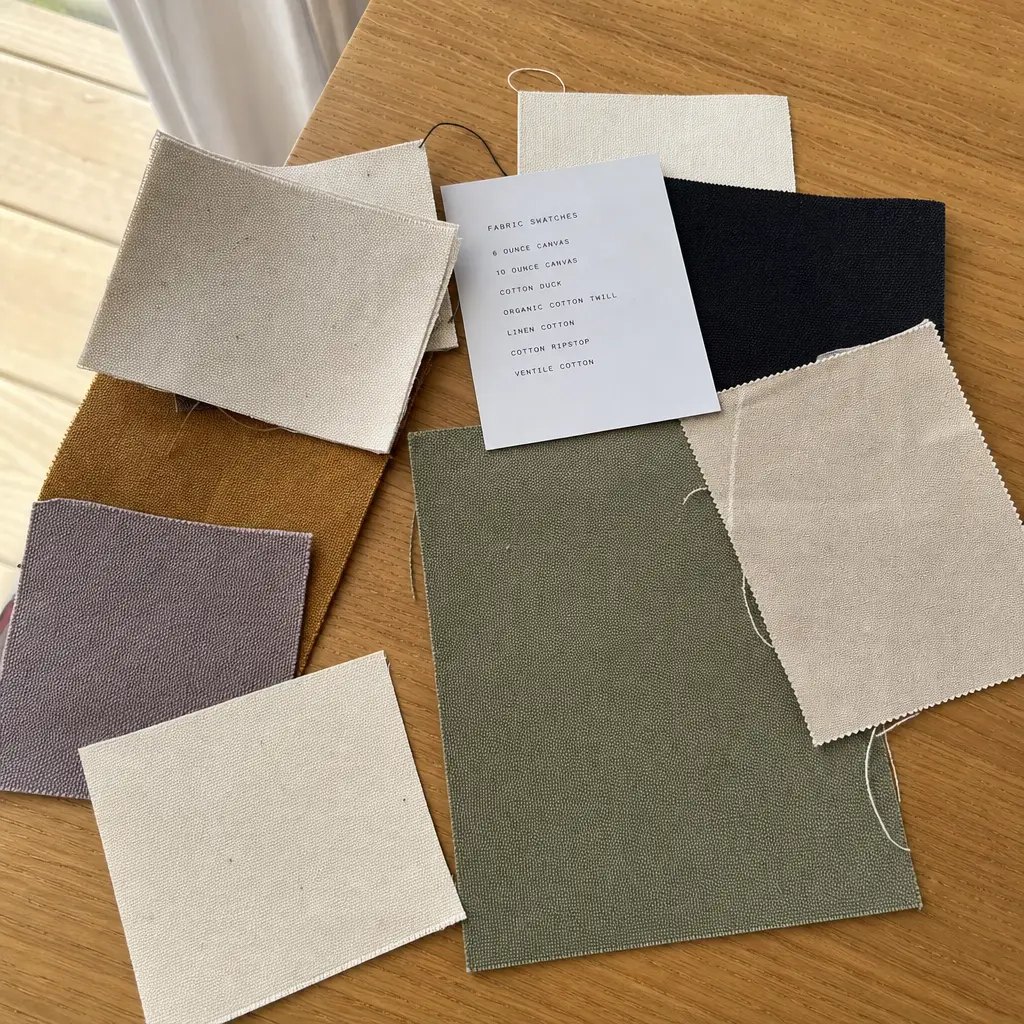
Fabric weight also changes the look of the logo. A 5 oz lightweight cotton tote may be low cost, but organic cotton in that weight can look limp and may show ink strike-through. For most tech startup merch, 8 oz / about 270 gsm is a practical entry point. A 10 oz / about 340 gsm tote feels more structured for paid merchandise or partner gifts. A 12 oz / about 400 gsm tote is stronger and more premium, but it increases cost, sewing difficulty, carton weight, and freight.
- Common flat tote size: about 380 x 420 mm, suitable for front-center logo placement.
- Common gusseted tote size: about 350 x 400 x 100 mm, better for boxed kits and retail use.
- Typical handle drop: 250-300 mm for shoulder carry; shorter handles may cover or crowd a high logo.
- Practical fabric range: 8 oz to 12 oz for startup merch where the bag should not feel disposable.
Front Center, Corner, Side Label, or Inside Mark
Front-center placement is the safest choice when the tote must work as walking brand visibility at conferences, hiring fairs, launch events, or retail pop-ups. On a standard flat tote, many buyers use a logo width around 180-240 mm, placed roughly 90-120 mm below the top opening. The exact number depends on handle stitching, bag height, and whether there is a gusset. The goal is simple: the logo should read clearly when the bag is held, hung, or lightly filled.
Corner placement and side labels serve a different brand taste. Many tech brands prefer a minimal mark, but small placement demands tighter control. A 70 mm logo in the bottom corner can look premium if it is aligned well, but a 5 mm shift may be obvious. A woven side label is clean and durable, yet it requires label production, sewing allowance, and a confirmed orientation. Inside neck labels or care labels are useful for retail information, but they do not replace the external brand mark if visibility matters.
- Use front center when visibility is the commercial goal.
- Use bottom corner when the brand wants a quieter premium look and accepts tighter inspection.
- Use side seam labels when the bag may carry campaign artwork or co-branding on the front.
- Use inside labels for material claims, care instructions, SKU references, or importer information.
Match Print Method to Logo Detail and Order Size
For organic cotton totes, water-based screen printing is usually the most stable choice for startup logos with one to three solid colors. It gives clean coverage, reasonable setup cost, and repeatable production if the same logo runs again. It also works well on natural cotton where a slightly softer handfeel is preferred. Plastisol can give stronger opacity, but many organic-positioned buyers prefer water-based or pigment systems for handfeel and brand consistency.
Digital printing can be useful for small runs, gradients, or many artwork versions, but buyers should not assume it will look like a digital mockup. Cotton texture, natural fabric shade, ink absorption, and curing all affect sharpness. Heat transfer may suit very small MOQ programs or complex color logos, but the handfeel and wash behavior need approval. Embroidery is less common for flat organic totes because it can pucker lighter fabrics and increase cost, though it can work on heavier canvas.
- Screen print: best for repeatable bulk orders, solid logos, and predictable spot colors.
- Digital print: useful for low quantity or gradient artwork, but sample approval is important.
- Heat transfer: practical for complex logos at small MOQ, but test edge adhesion and handfeel.
- Embroidery: consider only on heavier fabric and small logos where puckering is acceptable.
Control Logo Size, Color, and Tolerance in the RFQ
A factory cannot control what is not specified. Instead of writing “print logo on front,” give placement dimensions. For example: front center, logo width 220 mm, top of logo 115 mm below bag opening, horizontally centered to finished bag width. For a corner mark: logo width 75 mm, left edge 75 mm from left side seam, bottom of logo 85 mm above bottom fold. These measurements create a sample reference and an inspection rule.
Color needs the same discipline. Pantone references help, but the approved result should be judged on the actual organic cotton fabric, not on a screen or coated paper book alone. Natural organic cotton may have cream, grey, or seed-speck variation. Dark ink usually prints more reliably than pale colors on natural fabric. If the startup brand color is light blue, yellow, or pale green, a strike-off is not optional because low contrast can make the logo look weak.
- Include vector artwork in AI, EPS, SVG, or print-ready PDF format.
- State maximum logo width and minimum clear space if brand guidelines are strict.
- Define acceptable placement tolerance before bulk production, not after inspection.
- Approve a fabric print strike-off for pale colors, fine lines, gradients, or natural cotton base fabric.
Understand MOQ Logic Before Comparing Quotes
MOQ is not only about total pieces. For printed organic cotton totes, MOQ can apply to fabric procurement, dyeing, cutting, sewing, print setup, label production, and packing configuration. A supplier may accept 500 pieces total, but that does not mean 100 pieces each across five logos with different placements and individual barcodes. Every artwork version can create a separate screen, setup, sample, and inspection reference.
For tech startup buyers and distributors, the best cost control often comes from standardizing the bag body and varying only the logo. If several startup clients need the same natural 10 oz tote, the factory can run cutting and sewing more efficiently, then separate print runs by artwork. If each client changes size, handle length, fabric color, GSM, label, and packing, the order becomes several small productions instead of one consolidated program.
- Lowest complexity: one tote body, one logo, one print color, one packing method.
- Medium complexity: one tote body, several logo versions, same placement and packing.
- High complexity: multiple fabric colors, multiple logo placements, labels, and retail SKU packing.
- Cost risk: small split quantities may carry setup charges that look hidden if only unit price is compared.
Sample Approval Should Reproduce Bulk Conditions
A useful sample is not a visual mockup. It should use the same fabric weight, same handle length, same sewing construction, same print method, and same logo placement intended for bulk production. If the supplier samples on 8 oz fabric but quotes 10 oz bulk, the handfeel, print absorption, and structure are not fully proven. If the logo is printed on a loose fabric panel instead of a finished tote, it does not confirm final position after sewing.
For time-sensitive tech events, buyers sometimes approve by photo to save courier time. That can be workable for repeat orders, but it is risky for a new bag spec or new logo method. At minimum, request high-resolution photos with a ruler showing logo placement, bag size, handle drop, inside seams, label position, folded packing, and carton marking sample. For a first production run, physical sample approval is still the stronger control.
- Approve fabric handfeel, GSM, shade, and shrinkage expectation.
- Approve actual logo dimensions and position using ruler photos or physical measurement.
- Approve print edge quality, opacity, curing, rub resistance, and color on the actual tote.
- Approve packing fold because fold lines can cross the logo if not planned.
Set QC Thresholds That Match the Use Case
The same defect can matter differently depending on the order. A tiny slub on natural organic cotton may be acceptable for a casual event tote but not for retail merchandise sold in a museum shop or startup flagship store. Procurement should define the defect standard in commercial language: what will be rejected, what will be accepted, and what requires sorting. This prevents arguments when inspection finds normal cotton variation.
Logo defects deserve special attention because they are immediately visible. Common issues include off-center printing, smudged edges, pinholes, ink stains, weak opacity, wrong color, cracking, and print panels pressed while not fully cured. For cut-and-sewn cotton totes, a realistic placement tolerance is necessary because fabric cutting and sewing are not metal machining. Still, a tolerance should be written, measured, and linked to the approved sample.
- Reject obvious oil stains, dirty handling marks, needle holes outside seams, and major weaving defects.
- Reject logos with unreadable text, heavy smudging, wrong orientation, or major color deviation.
- Sort or discount minor natural slubs only if they affect the visible front panel beyond agreed limits.
- Measure handle attachment strength against the expected contents, not only against a generic promotional-bag standard.
Packing Choices Affect Cost, Waste, and Arrival Condition
Packing is often treated as an afterthought, but it changes both landed cost and buyer experience. Bulk packing, such as 50 or 100 pieces per export carton, is efficient for conference giveaways where bags will be unpacked and distributed quickly. It reduces packing labor and material cost, but the bags may need steaming or hand flattening if compressed too tightly. Natural cotton also picks up dirt easily, so inner liner protection matters.
Retail or kitting orders need more control. Individual recycled polybags, paper bands, barcode stickers, size labels, or carton-level SKU separation all add labor and material cost. They may be necessary if the tote enters a warehouse system or a subscription box assembly line. For organic-positioned products, avoid asking for premium sustainable messaging while also requiring unnecessary plastic layers. The RFQ should state the packing goal instead of leaving the factory to choose.
- Bulk event packing: lower cost, faster packing, less waste, but less presentation control.
- Individual packing: better for retail and kitting, but increases labor, material, and carton volume.
- Paper band packing: cleaner sustainability story, but less protection against moisture and dirt.
- Carton labels: include PO number, SKU, logo version, quantity, gross weight, carton size, and destination marks.
Lead Time Risks Usually Come From Late Decisions
The production calendar for organic cotton totes includes more than sewing time. Fabric availability, dyeing if required, label production, print screen setup, sample making, approval courier time, bulk cutting, printing, curing, sewing, trimming, inspection, packing, and export booking all affect the schedule. A supplier may quote a short sewing lead time, but that does not mean the whole order can ship quickly if artwork, labels, or fabric are not ready.
Tech startup orders often connect to fixed event dates, so late logo changes are expensive. Moving a logo from front center to bottom corner after sample approval may require new screen setup and new placement jig. Changing a one-color mark to two colors affects registration and print cost. Adding individual barcode packing after bulk production planning can change labor allocation and carton volume. The best schedule protection is to freeze the technical spec before the factory buys materials.
- Freeze tote size, GSM, color, handle length, logo position, print method, label, and packing before sample approval.
- Build calendar space for sample making, sample shipping, buyer review, and one correction round.
- Treat artwork changes after approval as schedule changes, not simple email updates.
- Request a production milestone plan showing fabric readiness, print start, sewing start, inspection, and packing.
Specification comparison for buyers
| Spec decision | Recommended option | When it fits | Buyer risk to check |
|---|---|---|---|
| Front center logo placement | Logo centered 90-120 mm below bag opening, sized 180-240 mm wide on standard 380 x 420 mm tote | Best for startup event giveaways, onboarding kits, retail merch, and distributor stock because the mark is visible when carried | If the logo sits too high, handle folds can hide it; if too large, print distortion increases near side seams and bottom fold |
| Side seam label placement | Small woven or printed organic cotton side label, 25-35 mm wide, sewn into left side seam | Useful when the buyer wants a quieter brand treatment or must keep the front panel clean for campaign artwork | Labels need seam allowance and wash-tested colorfastness; late label artwork changes can delay cutting and sewing |
| Bottom corner logo placement | Logo 60-90 mm from side seam and 70-100 mm above bottom fold, usually 60-100 mm wide | Good for premium SaaS gift bags, retail collaborations, and minimalist brand owners | Corner placement is less forgiving; bag shrinkage or sewing tolerance makes small alignment errors more visible |
| Fabric GSM choice | 8 oz / 270 gsm for general merch, 10 oz / 340 gsm for retail-grade structure, 12 oz / 400 gsm for heavier tech kits | Use 8 oz for broad event distribution, 10 oz for paid merchandise, 12 oz when carrying laptops, notebooks, or welcome-kit boxes | Low GSM can show ink strike-through and weak body; high GSM increases unit cost, carton weight, and import freight |
| Print method | Water-based screen print for 1-3 spot colors; DTG or pigment digital only for small runs or gradient artwork | Screen print is stable for repeat bulk orders and gives predictable color on natural cotton | Digital print on textured organic cotton may look less sharp; metallic, neon, or very fine lines need pre-production testing |
| Logo color on natural cotton | Dark single-color print, or Pantone-matched spot colors with fabric strike-off approval | Works for tech startups that want clean brand control without high setup cost | Unbleached organic cotton has shade variation; a Pantone value viewed on screen will not equal final ink appearance |
| MOQ and artwork grouping | Consolidate same bag spec and split logo colors only if setup cost is acceptable | Fits distributors buying for several startup clients or brands ordering multiple team/event versions | Every logo size, position, or colorway may create a new screen, sample, and QC reference |
| Packing format | Bulk packed 100 pcs/carton for events; individual recycled polybag or paper band only for retail or kitting | Bulk packing reduces waste and cost; retail packing protects presentation and barcode control | Overpacking can add labor and freight; underpacking can cause wrinkled bags, dirty natural fabric, or mixed SKUs |
| Approval sample | Pre-production sample with actual fabric GSM, actual logo size, handle length, seam finish, and packing method | Needed before bulk cutting when the tote is used for launch merch, investor events, or retail resale | A photo-only approval can miss fabric handfeel, print cracking, handle comfort, and carton presentation issues |
Buyer checklist before sampling
- Define the finished tote size, gusset, handle length, fabric GSM, organic cotton claim wording, and target use before requesting logo placement options.
- Provide vector artwork with Pantone references, minimum line thickness, logo clear space, and whether the logo may be scaled to fit print limitations.
- State the exact logo position using measurements from the bag opening, side seam, or bottom fold, not only words such as center or lower corner.
- Request a pre-production sample using actual fabric, print method, handle construction, label, and packing so approval matches bulk production.
- Set inspection tolerances for logo centering, print color, print adhesion, seam strength, stain allowance, size tolerance, and carton marking.
- Separate quote lines for bag cost, print setup, label cost, sampling, packing, carton dimensions, lead time, and freight-ready gross weight.
- Confirm whether MOQ applies per bag style, per fabric color, per print color, per logo placement, or per SKU packing configuration.
- Approve carton packing quantity, moisture protection, barcode or SKU labels, and mixed-carton rules before production starts.
Factory quote questions to send
- What organic cotton fabric options can you quote for this tote in GSM or oz, and what are the width, shrinkage, and available greige or dyed colors?
- For our logo size and placement, which print method do you recommend, and what line thickness, color count, and print area limits apply?
- Does MOQ apply to the total order, each logo version, each fabric color, or each packing SKU?
- Can you quote separate costs for blank tote, logo printing, woven side label, inside care label, individual packing, carton packing, and sample fees?
- What is the lead time for blank fabric preparation, sample making, print screen setup, bulk sewing, inspection, and export packing?
- What tolerance do you use for logo position, finished bag size, handle length, fabric GSM, and print color variation?
- Can you provide a pre-production sample with actual fabric and print, not a mockup, before bulk cutting?
- What carton dimensions, quantity per carton, gross weight, and volume should we use for freight estimation?
- What inspection standard will you support for stains, loose threads, skipped stitches, print defects, and mixed SKU packing errors?
- If the artwork changes after sample approval, which parts of cost and schedule will be affected?
Quality-control points to confirm
- Logo placement tolerance should normally be within ±5 mm for front-center prints and ±3-5 mm for small corner logos, depending on bag size and sewing variance.
- Finished bag size tolerance should be agreed in advance, often ±10 mm for height and width on cut-and-sewn cotton totes.
- Fabric GSM should be checked against the approved sample and order spec, allowing realistic mill tolerance rather than relying only on supplier description.
- Screen print must pass basic rub and tape checks after curing, with no obvious cracking, pinholes, smudging, or ink build-up at logo edges.
- Handle attachment should use reinforced stitching or box stitching suitable for the intended load; promotional totes and retail totes should not use the same strength assumption.
- Natural organic cotton fabric should be inspected for oil marks, dirty handling, dark slubs, weaving defects, and shade variation before packing.
- Cartons should be dry, clearly marked, and packed to avoid excessive compression that permanently creases the printed panel.
- Mixed logo versions or event SKUs need carton-level identification so warehouse teams do not discover sorting errors after arrival.