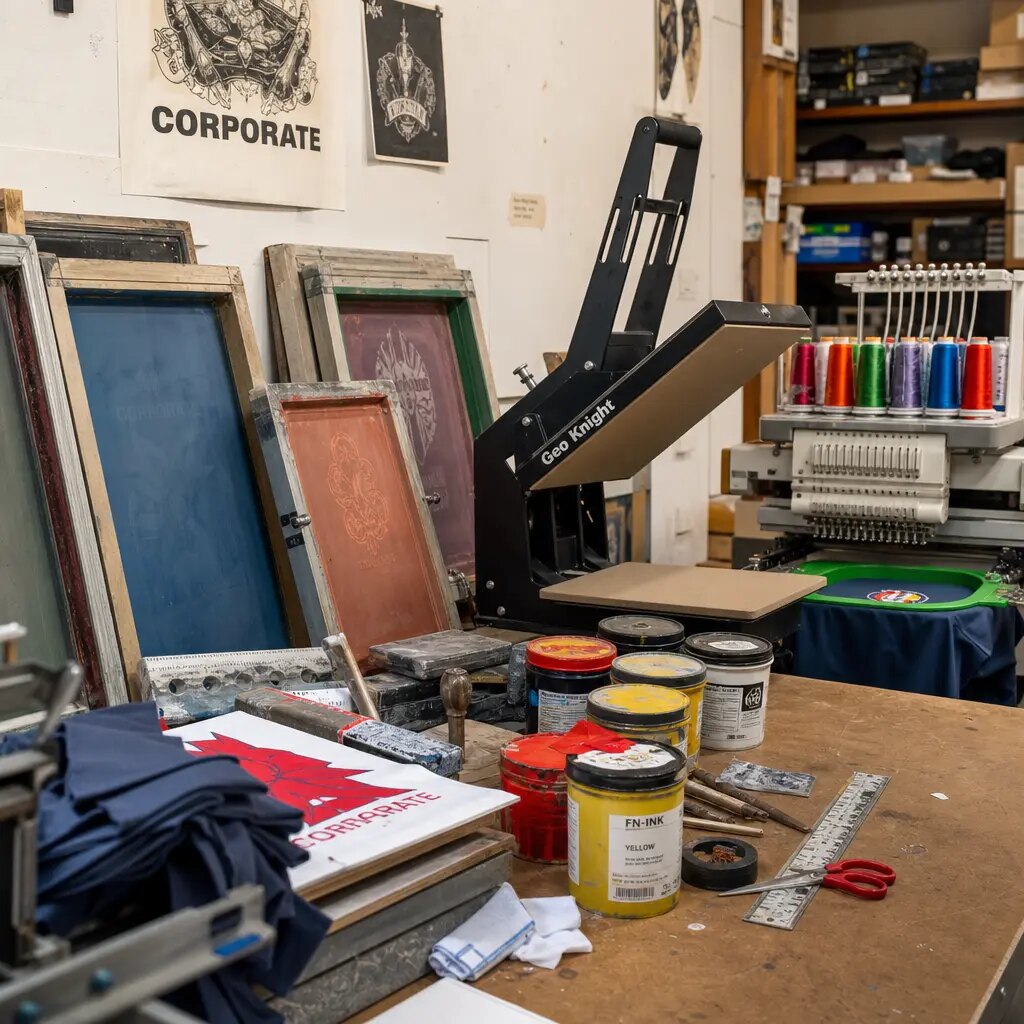
1. Start With the Failure Mode, Not the Tote
For farmers market vendors, the bag usually fails in the same places: the handle stretches, the bottom seam opens, the print cracks at the fold line, or the tote loses shape after a few rounds of use. That is why a buyer checklist has to start with the failure mode, not with a generic eco-friendly story. A tote that works for a light promotional handout can still fail when it carries tomatoes, jars, bread, and damp produce in one trip. If you do not define the failure you are trying to prevent, the supplier will optimize the wrong part of the bag.
Write that failure mode into the specification before you request pricing. If the tote is for daily market use, the supplier should know the expected load, how often the bag will be reused, whether it will be carried by hand or on the shoulder, and what kind of wear is acceptable after repeated folding. If the program is for resale, the durability target should include visual presentation after shipping, storage, and customer handling. That framing gives you a better quote and a more meaningful sample review because the factory knows what kind of failure it must design against. It also gives procurement a cleaner decision rule when one supplier offers a lower price but weaker construction.
- Define the real carry load instead of calling every tote heavy duty.
- Separate promo use, retail use, and market resale use because each needs a different spec.
- Treat shape retention, handle comfort, and print life as part of durability, not as optional extras.
- Set a visible failure threshold in the spec, such as torn bartack, broken seam, or print transfer, so acceptance is not subjective.
- If the tote will be reused weekly, say so explicitly; reuse frequency changes both fabric choice and seam design.
2. Translate the Use Case Into a Written Spec
The three spec decisions that move cost and durability the most are fabric weight, handle construction, and print method. For most reusable organic cotton totes, 200 to 240 GSM is a practical baseline because it balances structure, hand feel, and foldability. If the bag must carry heavier produce or needs a firmer retail look, move into the 240 to 280 GSM range and make sure the buyer side accepts the extra fabric cost, carton weight, and shipping cube. A higher GSM can improve perceived quality, but it should be chosen because the use case needs it, not because it sounds stronger on paper.
Handles deserve more attention than many RFQs give them. Self-fabric handles are usually economical, but they need clean folding and reinforcement at the attachment point. Cotton webbing handles usually feel stronger and can improve shoulder comfort, but the quote must show the webbing width, finished length, and reinforcement method. For branding, one-color screen print is still the cleanest cost-to-durability option for volume orders, while stitched labels or woven side labels reduce ink wear when the brand wants a softer look. The point is to choose the construction route before quote comparison starts, because different factories will otherwise optimize for different assumptions and you will be comparing mismatched numbers.
- Ask whether the quoted GSM is raw cloth or finished fabric after processing.
- State the desired tote shape: flat, gusseted, boxed bottom, or soft foldable market bag.
- Specify whether the tote must stand upright on a table or only hang from the shoulder.
- Ask for finished dimensions, seam allowance, and tolerance so the sample is not judged against guesswork.
- If the tote must fold into a smaller footprint for store display, tell the supplier before sampling starts.
- State whether the bag needs a soft hand or a structured feel, because those two targets often push the factory toward different fabric and seam choices.
3. Know the Sourcing Route Before You Compare Price
Direct factory sourcing gives the best control when the tote needs a specific fabric weight, branded print, and repeat production consistency. It is usually the cleanest route if the same factory cuts, sews, prints, and packs the order. The buyer gets better visibility into where quality can drift, and the factory can usually explain how a minor spec change affects MOQ and lead time. That matters on tote programs because a small handle change or a new print color can alter the whole production plan. It also matters when you need a reorder later in the season and cannot afford a new round of interpretation.
Trading companies and domestic decorators still have a place, but the buyer should understand the tradeoff. A trading company can simplify communication and combine multiple bag types into one program, which is useful for distributors and retail buyers running mixed assortments. A domestic printer can also be practical for small runs and speed, especially when the buyer needs a local sample turn. The risk is usually cost opacity: the quote may hide the true fabric source, the print line, or the sewing subcontractor, which makes repeat orders harder to control. For procurement teams, the right question is not which route is cheapest on a single PO. It is which route can reproduce the approved spec on the next reorder without forcing a new qualification cycle.
- Direct factory fits repeat orders and tighter spec control.
- Trading company fits mixed programs, but the buyer must demand the actual factory path.
- Domestic conversion fits short lead time needs, but unit cost can rise quickly on heavier canvas.
- Ask who owns corrective action if one part of the chain causes a defect, because responsibility is often unclear when the order is split across vendors.
- If the program is seasonal, ask the supplier how they will protect your delivery date when raw fabric or print capacity tightens.
4. Use a Durability Testing Checklist on the Sample
A useful sample test starts with the stress points. Load the tote with a realistic mix of items, not only paper or lightweight filler. Look for seam noise, handle creep, edge curling, and distortion at the bottom corners. If the bag will be reused through a full market season, repeat the load test several times and let the fabric relax between cycles. Some bags look fine immediately after sewing and then fail once the cotton settles, so a single lift is not a meaningful test. The buyer should care about what happens after repeated use, not just what the bag looks like on the sample table.
Print durability is part of the same test. Rub the logo with a dry cloth, fold the bag along the same line a few times, and inspect the print at the fold and edge zones. If the tote will be used around produce or damp surfaces, add a moisture exposure check so you can see whether the ink, thread, or label bleeds. The goal is not laboratory theater. The goal is to catch weak production choices before the bulk order locks them in. If the tote is being sourced for a chain, distributor, or multi-store group, have a second reviewer inspect the same sample against the same checklist so one person is not making the final call alone.
- Run repeated load tests, not one single lift, so stitch creep becomes visible.
- Inspect handle ends, corners, and fold lines because those are the first failure points.
- Check the sample after rest time because cotton often changes shape after sewing and loading.
- Evaluate both the open bag and the folded bag, because the packed shape can affect logo placement and customer perception.
- If a sample passes only when handled carefully, treat that as a warning, not a pass.
- Photograph the sample before and after testing so you can compare wear, distortion, and print change against the approved reference.
5. Ask Quote Questions That Expose the Real Cost
A useful quote for organic cotton totes should break the product into cost drivers, not just show a single unit price. Ask for fabric cost, cutting, sewing, print setup, print run, label cost, packing, carton cost, and any test or sample charges. Once those elements are visible, the buyer can see whether the quote is expensive because of real material choices or because the supplier is blending multiple risks into one number. That distinction matters when you compare two factories that both claim to be competitive. It also helps you avoid accepting a low quote that leaves out a hidden step you will have to pay for later.
MOQ logic is another place where buyers get surprised. A low MOQ on paper can still be expensive if the supplier must open a new print screen, source a special organic fabric, or add a woven label with its own minimum. For a tote program, the cheapest quote is not necessarily the safest quote. The best quote is the one that explains which changes increase cost and which changes reduce the chance of rework, rejects, or delay. It should also make clear whether the quoted price assumes standard packaging, standard carton strength, and a specific overrun tolerance. Without that detail, the buyer is making an apples-to-oranges comparison.
- Request separate lines for fabric, sewing, print, packing, and sample charges.
- Ask which item triggers the MOQ: fabric color, print colors, label type, or carton spec.
- Make the supplier state whether overrun or underrun tolerances are allowed.
- Ask whether the price includes testing, certification paperwork, or document handling fees if organic claims must be supported.
- Request the exchange rate assumption and validity period if the quote is in another currency.
- Ask whether the quoted lead time starts at deposit, art approval, or fabric booking, because those dates are not interchangeable.
6. Choose Construction and Branding That Survive Reuse
For farmers market totes, branding should survive folding, abrasion, and casual washing. One-color screen print is usually the most practical option for volume orders because it gives the factory a stable process and keeps the logo clear. Water-based or low-impact inks can work well on cotton, but the buyer still needs a cure test and a rub test. If the artwork is too detailed, it may look good in the proof and still break down on a bag that is folded in the same place every week. A logo that survives the season is more valuable than a design that only photographs well in pre-production.
Woven labels, sewn side tags, and small stitched logos are useful when the brand wants a more premium hand feel or when the print area is too small for a clean screen result. These options move the durability risk away from ink but create new checks around thread tension, label placement, and edge finishing. The right choice depends on how the tote will be sold. A market vendor giveaway can usually tolerate a simpler logo build. A retail tote or gift-with-purchase program often justifies a cleaner branded finish. If the tote is going into a multi-SKU program, standardize logo position and print size across colors so the merchandising team is not re-approving every variant separately.
- Use print areas that avoid the main fold line if you want longer visual life.
- Check logo placement on both the approved sample and the folded pack sample.
- Avoid overcomplicated multi-color artwork unless the business value clearly pays for the added setup.
- Ask for dry rub and wet rub expectations in writing if the tote may be handled in damp produce settings.
- If a stitched logo is used, verify thread color, density, and edge locking so it does not unravel after repeated folding.
- Ask the supplier to confirm whether ink curing is done in-house or by a subcontractor, because the control point affects consistency.
7. Lock Packing, Labeling, and Traceability
Packing is not a minor detail on soft goods. A tote that is sewn correctly can still arrive wrinkled, distorted, or contaminated if the pack method is careless. For this product, flat folding with a fixed bundle count is usually the most practical route because it reduces cube and makes warehouse receiving easier. If the bags are going to retail distribution, ask for a packing sketch that shows how the tote is folded, bundled, and boxed. That avoids surprises when the carton arrives and the bags do not fit the display plan. It also reduces disputes later when the warehouse receives a carton that was packed differently from the approved sample.
Moisture control matters more than many first-time buyers expect. Cotton can pick up odor and humidity in transit, and organic cotton programs often sit in storage before resale. Ask the factory to state whether each bag is polybagged, whether a desiccant is used, and what carton strength they recommend for export. If the packing spec is vague, the buyer may save a little on unit cost and lose it later in rework, damaged cartons, or store-ready repacking. Include carton marks, barcode location, and carton count on the purchase order so the receiving team can match the shipment without opening every box.
- Lock the fold method so the logo lands in the same position in every carton.
- Confirm carton count, inner bundle count, and label format before bulk production starts.
- Ask whether the supplier can protect the goods from humidity without overpacking the cartons.
- State palletization requirements if the shipment will move through a DC or warehouse.
- Require carton drop or compression guidance if the bags will be shipped in long transit lanes.
- Confirm whether carton labeling includes color, PO number, and item code in a format your warehouse can scan or read quickly.
8. Approve Samples With Clear QC Thresholds
Sample approval should end with a clear golden sample, not just an email note. Keep one sealed reference sample that shows the agreed fabric, print, handle, and packing method. That sample becomes the standard for bulk inspection and helps prevent disputes when the factory changes a thread shade or switches to a different label edge finish. A good approval process also separates proto sample feedback from pre-production sample approval, because the first sample often proves shape and the second sample proves repeatability. If the vendor asks you to approve bulk directly from a rough sample, the program is not ready for production.
Your QC thresholds should be specific enough that a warehouse or third-party inspector can use them without interpretation. State acceptable dimension tolerance, allowed stain level, stitch appearance, print alignment, and handle symmetry. Also state what is not acceptable: open seams, weak bartacks, visible needle holes, uneven cutting, misaligned labels, or print smearing. If the factory pushes back on too much detail, that is a sign the program has not been fully engineered yet. For a procurement buyer, this is where the durability checklist becomes a commercial tool, because the acceptance criteria should match the price you are paying for the bag.
- Use one sealed golden sample for all future inspections.
- Write pass/fail language for stitching, print, dimensions, and packing.
- Do not approve production based only on photos if color, hand feel, or seam tension matters.
- Set a rework threshold in advance so minor cosmetic issues are not debated shipment by shipment.
- Use the same checklist for first article, in-process, and final inspection so standards stay consistent.
- Document the approved sample date and revision so the supplier does not work from an outdated reference.
9. Compare Landed Cost, Lead Time, and Reorder Risk
A tote order that looks cheap at the factory can become expensive after freight, duty, warehousing, and repacking. Heavier GSM raises material cost and also increases carton weight, which affects shipping and storage. Larger gussets or long handles can also increase cube, especially if the bags are packed loosely. When buyers compare suppliers, they should ask for a landed-cost view that includes the bag, the carton spec, the shipping mode, and any destination handling that the program requires. That makes the comparison honest. It also prevents a false win where the lowest unit price turns into the highest received cost.
The most reliable way to manage schedule risk is to ask for a production timeline by milestone rather than a single lead-time number. A factory that can name the sample stage, material booking stage, bulk sewing stage, print curing stage, and packing stage is usually easier to manage than one that only gives a total estimate. This is especially important for seasonal market programs, because a delay at the sample or fabric stage can move the whole launch past the selling window. If the program has a hard date, protect it with buffer time before the market season starts. If possible, ask the supplier to show the longest path in the schedule, not just the ideal path, so risk is visible before the PO is issued.
- Compare total landed cost, not just EXW or FOB unit price.
- Ask for milestone timing so one delayed step does not hide the real schedule risk.
- Plan buffer time for sample approval, especially when the tote has custom print or a special label.
- Factor carton cube into the comparison because small increases in fabric weight can change logistics materially.
- If the vendor will replenish mid-season, ask whether the factory can repeat the approved spec without retooling.
- Ask for a reorder plan in writing so the supplier states what can stay fixed and what may need to be revalidated.
10. Turn the Checklist Into an RFQ Workflow
The best buyer checklist is short enough to use and specific enough to enforce. It should tell the supplier exactly what will be measured, what must be documented, and what will happen if the sample or bulk order misses spec. For organic cotton totes, the checklist should cover material, construction, decoration, packing, and inspection in one place. That prevents the common failure where the merchandising team approves a visual sample while operations later discovers that the carton, label, or handle build was never locked. A complete RFQ keeps the conversation on the same page from first quote through final inspection.
A practical procurement workflow is: define the use case, issue the RFQ with full dimensions and branding, review the proto sample, approve the pre-production sample, then compare the first bulk carton against the golden sample. At each step, keep the same core metrics: GSM, handle construction, stitch quality, print durability, dimensions, packing, and document support. This is the easiest way to reduce surprises on reorder programs. It also creates a cleaner vendor record because the decision trail is visible when another buyer, warehouse lead, or quality inspector needs to review the order later. For teams buying organic cotton totes for farmers market vendors, that discipline is what separates a one-off purchase from a repeatable supply program.
- Keep one source of truth for the spec, approved sample, and inspection checklist.
- Require the supplier to confirm any deviation before bulk production proceeds.
- Record test results by sample stage so the next reorder starts from real data, not memory.
- Ask for product and carton photos before shipment so packing errors are caught before the freight leaves.
- If the tote is part of a multi-item seasonal program, align all bag specs before packaging design is finalized.
- Require a clear escalation path if the bulk lot fails a checkpoint, including rework, replacement, or credit handling.
Specification comparison for buyers
| Spec decision | Recommended default | When it fits | Buyer risk to check |
|---|---|---|---|
| Sourcing route | Direct factory with sewing, printing, and packing under one roof | Repeat programs that need tighter control over fabric, stitch quality, and reorders | Confirm who owns cutting, printing, packing, final inspection, and carton labeling so the quote does not hide subcontracted steps |
| Sourcing route | Trading company with a verified factory chain | Smaller programs, mixed product baskets, or buyers that need one contact for multiple SKUs | Ask for the actual factory name, machine list, and inspection owner so sample quality can be reproduced on reorder |
| Organic claim | GOTS or OCS documentation with lot traceability | When the buyer needs support for an organic content claim or retail compliance file | Check whether the supplier can provide a scope certificate, transaction certificate, or equivalent paper trail for the actual production lot |
| Fabric weight | 200 to 240 GSM organic cotton canvas | General farmers market use where the tote must balance structure, foldability, and cost | Confirm whether the quoted GSM is finished fabric, not raw cloth, and whether shrinkage was already included |
| Fabric weight | 240 to 280 GSM organic cotton canvas | Heavier loads, premium retail presentation, or bags that must keep a firmer shape | Watch carton weight, cube, and higher freight cost, and make sure the tote still folds cleanly |
| Handle build | Self-fabric handles with folded reinforcement or cotton webbing handles | When the bag must carry produce, jars, or repeated shoulder loads | Verify handle width, finished length, top-edge reinforcement, and bartack placement at both ends |
| Seam construction | Turned seams or clean overlock plus topstitch with bartacks at stress points | When seam life matters more than the lowest sewing cost | Ask for seam allowance, stitch density, and whether the bottom corners are reinforced to prevent pop-out |
| Print method | 1-color or 2-color screen print with written cure requirements | Logo-driven programs, giveaways, and reorder-friendly artwork | Ask for dry rub and wet rub expectations, cure method, and whether ink can crack at fold lines |
| Packing route | Flat-folded, bulk packed by carton with moisture control | DC replenishment, retail storage, and export shipments | Confirm fold pattern, inner bundle count, carton dimensions, carton gross weight target, and humidity protection |
Buyer checklist before sampling
- Lock the end use first: hand-carry market shopping, produce-heavy loads, gift-with-purchase, or retail resale.
- Write the failure mode into the spec sheet so the supplier knows whether you are preventing handle stretch, seam pop, print cracking, bag collapse, or packing damage.
- Set the target load as a multiple of expected daily use, not as a vague heavy-duty label; a buyer target of 1.25x to 1.5x expected carry load is easier to test and communicate.
- Specify finished fabric weight in GSM and state whether the quote must be based on finished fabric, post-wash fabric, or raw cloth.
- Define tote size, gusset depth, handle length, handle width, and whether the bag must stand open on a table or only hang from the shoulder.
- Set practical dimensional tolerances in the RFQ, such as body dimensions within plus or minus 1 cm, handle length within plus or minus 1 cm, and print placement within plus or minus 5 mm.
- Choose the print or label route before requesting pricing so suppliers do not quote different production methods under one line item.
- Ask for a proto sample and a pre-production sample, then keep a sealed golden sample with date, PO number, and approved sign-off attached.
- Require stitch details in writing, including seam type, seam allowance, stitch density, bartack count, and thread type or count.
- Confirm whether the tote must be supported by an organic certification paper trail, such as scope and transaction documentation, or only by a supplier declaration of organic cotton content.
Factory quote questions to send
- What is the exact finished GSM, fabric width, weave, and shrinkage allowance you are quoting, and is the cotton supported by a certification file or only described as organic cotton?
- What is the finished tote size, gusset depth, handle length, and dimensional tolerance you will hold in bulk production?
- What seam construction do you use at the side seams, bottom corners, and handle attachment points, and what is the seam allowance in millimeters?
- How many stitches per inch are you targeting on the main seams, and how many bartacks or reinforcement passes are used at the handle ends?
- Are the handles self-fabric or webbing, what is the finished width, and how are the ends anchored to resist tear-out?
- What print process will you use, how many colors are included, and what cure or wash test do you recommend for this ink on this fabric?
- Can you provide dry rub and wet rub expectations in writing, and what result should I expect after repeated folding at the logo area?
- What sample charges apply for proto sample, pre-production sample, and courier delivery, and are those charges credited back on order?
- What MOQ applies by fabric color, print version, label type, and carton configuration?
- What packing method will you use, how many pieces per inner bundle and per carton, and what carton gross weight target are you working to?
Quality-control points to confirm
- Fabric weight matches the approved GSM tolerance, and the weave does not show thin spots, weak selvedge, or critical slub variation beyond the agreed spec.
- Finished dimensions stay within tolerance after a rest period of at least 24 hours so fabric relaxation is captured before final approval.
- Handle length, handle width, and handle symmetry match the approved sample within the agreed tolerance, typically plus or minus 5 to 10 mm for buyer-side control.
- Handle attachment points are reinforced and pass a buyer-defined static load test, such as 10 kg or 1.5x expected carry load for 30 seconds, without stitch break or visible tear.
- Main seams, bottom corners, and gusset joins remain closed after repeated load cycles using the agreed test weight.
- Stitch density is consistent, seams are straight, bartacks are present at the stress points, and no skipped stitches appear in the stress zones.
- Printed logos register correctly, cure fully, and do not crack, flake, smear, or transfer after 10 dry rubs and 10 wet rubs with a white cotton cloth.
- Color matches the approved sample within the agreed shade band, with no unexpected dye streaks, patchiness, or shade migration between cartons.
- No oil stains, loose threads, needle damage, odor issues, foreign fibers, or contamination appear on the finished bag surface.
- Cartons are packed to the agreed count, labels match the PO, carton marks are readable, and the approved fold position is consistent across the shipment.