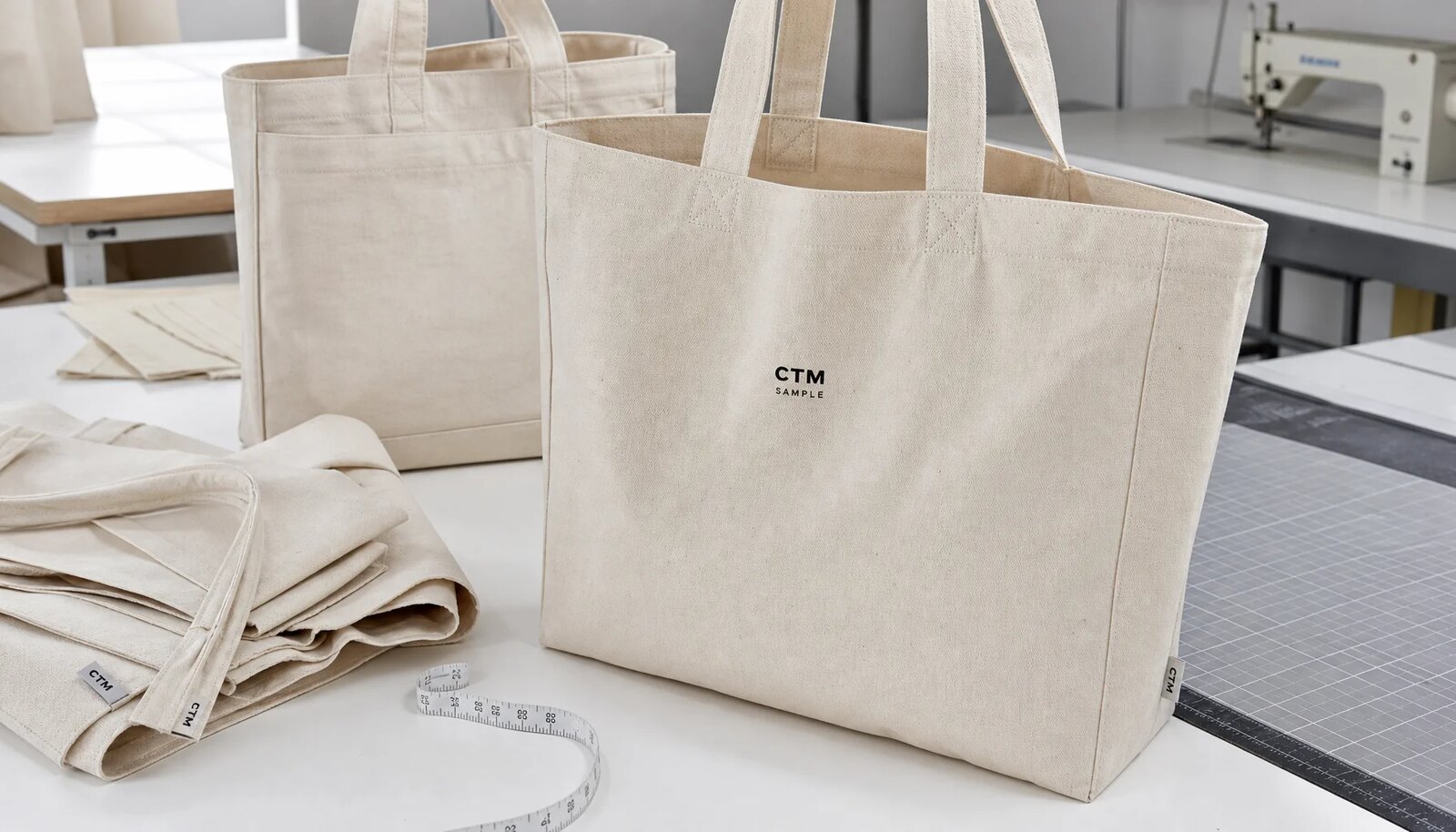
Start With the Compliance Claim, Not the Tote Price
For wholesale organic cotton totes for craft fairs, the first buying problem is usually not whether a supplier can sew a simple tote. The problem is whether the product claim, certification evidence, artwork, and shipment documents all tell the same story. A tote described as organic in a retail booth, sponsor kit, online listing, or distributor catalog creates a higher documentation burden than a plain natural cotton tote used internally.
Before comparing quotes, decide exactly where the organic claim will appear. If it is printed on the tote, sewn into a side label, used on a hangtag, shown on a carton mark, or written on an invoice, the supplier must support that claim with traceable material evidence. If the claim is only a purchasing preference and not used in sales copy, the document requirement may still matter, but the commercial risk is different.
- High-risk claim: organic wording printed directly on the tote or retail hangtag.
- Medium-risk claim: organic wording used in product listing, catalog, or distributor sell sheet.
- Lower-risk internal claim: buyer specifies organic fabric but does not market the finished tote as certified.
- Important rule: never approve artwork with certification wording until the supplier evidence and label wording are cleared.
Choose Fabric GSM for Real Craft Fair Use
Craft fair totes often carry candles, ceramics, books, packaged food, small apparel, and sponsor inserts. The fabric should be selected for actual load and perceived retail value, not only for the lowest quote. For organic cotton totes, common commercial weights include about 120 to 140 GSM for light giveaway bags, 160 to 180 GSM for better reusable totes, and 220 to 280 GSM for heavier canvas-style merchandise bags.
A lighter organic cotton tote may be acceptable for a free event bag, but it can look weak if sold as branded merchandise. A heavier tote improves handfeel and durability, but increases fabric consumption, carton weight, freight cost, and sometimes sewing time. Procurement teams should state the fabric GSM, construction, and tolerance in the RFQ so suppliers are not quoting different products under the same description.
- 120 to 140 GSM: economical, foldable, suitable for light giveaways and inserts.
- 160 to 180 GSM: stronger handfeel, better for sponsor bags and reusable shopping totes.
- 220 to 280 GSM: premium canvas feel, suitable for paid merchandise or retail shelves.
- Useful tolerance: agree GSM tolerance in writing, often plus or minus 5 percent for bulk production.
- Do not compare a 140 GSM quote against a 220 GSM quote as if they are the same tote.
Define the Tote Construction Before Asking for MOQ
MOQ depends on whether the supplier can use standard fabric, standard cutting dies, normal sewing lines, and existing print setup. A standard 38 x 42 cm flat tote with long handles usually has a much easier MOQ than a custom gusseted tote with special handle width, dyed fabric, woven side label, and multiple print locations. The more the buyer customizes, the more the supplier must control material waste and setup cost.
For craft fair programs, the construction should be written in practical terms: finished size, handle drop, handle width, gusset style, seam type, reinforcement, and whether the tote folds cleanly for packing. A small detail such as handle drop can affect user comfort and carton efficiency. If buyers leave this vague, suppliers may quote the cheapest available sewing method and the tote may fail during event use.
- Flat tote: easiest MOQ, lower sewing cost, compact carton packing.
- Bottom gusset tote: better capacity, slightly higher sewing cost, clearer retail value.
- Side and bottom gusset tote: stronger shelf presence, higher material use and bulkier packing.
- Long handle drop around 28 to 32 cm: usually better for shoulder carrying.
- Reinforced handle stitching: important for merchandise totes carrying heavier craft items.
Match Print Method to Artwork and Compliance Needs
The most common decoration method for organic cotton totes is screen printing. It works well for solid logos, sponsor marks, event names, and simple one to three color graphics. For small quantities with many artwork versions, heat transfer or digital print may be more flexible, but the buyer should pay attention to handfeel, edge finish, wash resistance, and restricted-substance documents.
Ink selection matters because craft fair totes may touch food packaging, children’s items, cosmetics, or handmade goods. The supplier should state whether the quote includes water-based ink, pigment ink, plastisol-style ink where used, or transfer film. The buyer should also define acceptable print position tolerance, color tolerance, and whether a printed strike-off is required before bulk printing.
- Screen print: best for bulk logos, clean solid colors, and lower unit cost at volume.
- Heat transfer: useful for detailed artwork or late sponsor logos, but check cracking and edge feel.
- Digital print: flexible for small runs, but confirm color depth and fabric pretreatment marks.
- Embroidery: durable premium option, but raises cost and may pucker lighter fabric.
- Buyer control point: approve print size and position on the actual tote panel, not only on a PDF layout.
Read MOQ Quotes as a Cost Structure
A supplier’s MOQ is not just a sales rule. It reflects fabric booking, cutting efficiency, print setup, labor scheduling, inspection time, and carton packing. Organic cotton fabric can have a higher minimum purchase requirement than conventional cotton, especially when the buyer requests specific shade, certification paperwork, or heavier GSM. A very low MOQ may be possible only if the supplier uses stock greige or natural fabric.
When comparing wholesale quotes, ask for price breaks at realistic volumes such as 500, 1,000, 3,000, and 5,000 pieces if those quantities match your sales plan. The quote should separate sample charges, screen fees, label costs, hangtag costs, and packing upgrades. Without this breakdown, a lower unit price may hide expensive setup fees or a carton plan that increases freight cost.
- Low MOQ usually fits standard size, natural color, one print position, and one-color artwork.
- Higher MOQ is likely for custom dyeing, custom woven labels, heavy canvas, and multi-location printing.
- Screen setup fees should be listed by color and artwork version.
- Packing upgrades such as individual polybags or retail hangtags should not be buried in the unit price.
- Quote validity matters because organic cotton fabric cost and vessel schedules can change.
Verify Supplier Evidence Before Sample Approval
A nice tote sample does not prove supplier compliance. Procurement teams should collect evidence before or during sample approval so the commercial team does not approve artwork that the factory cannot legally or practically support. The supplier should identify the manufacturing site, printing site if different, fabric source, certification scope, and whether subcontracting is used.
For buyers using distributors or trading companies, the evidence chain should be especially clear. It is acceptable to buy through an exporter, but the buyer should know who cuts, sews, prints, and packs the goods. If the supplier changes the factory after sample approval, the approved tote may no longer represent the bulk production process.
- Request certification scope showing the relevant company name and material category.
- Match fabric lot references to the purchase order and bulk production batch where available.
- Keep signed or sealed approval samples at both buyer and factory sides.
- Require written notice before any change of fabric mill, sewing factory, print workshop, or packing method.
- Do not rely only on catalog photos or generic certificate screenshots.
Use Samples to Freeze the Commercial Specification
Sample approval should do more than confirm that the bag looks acceptable. It should freeze the buyer’s commercial specification for fabric handfeel, finished dimensions, handle comfort, stitch density, logo placement, print color, label wording, and packing appearance. A sample approved only by marketing may miss details that matter to logistics, compliance, and store operations.
For craft fair programs, a practical sample route is fabric swatch, printed strike-off, fit or size sample, and pre-production sample. Not every order needs every sample stage, but higher-volume or retail-facing programs should not skip the pre-production sample. This is the point where the factory confirms that the actual fabric, trims, print process, sewing method, and packing materials can be produced together.
- Fabric swatch: confirms GSM, shade, handfeel, and weave before cutting.
- Printed strike-off: confirms ink color, opacity, edge sharpness, and curing quality.
- Fit sample: confirms size, gusset, handle drop, seam type, and folding behavior.
- Pre-production sample: confirms final approved product before bulk material cutting or mass sewing.
- Sealed sample: becomes the comparison standard during inline and final inspection.
Set QC Thresholds That Inspectors Can Measure
Quality control should be written as measurable acceptance criteria. General wording such as good stitching or nice printing is not enough for an inspector or factory line leader. A useful inspection plan defines measurement points, defect categories, sampling level if used, and what happens when the tote fails critical checks such as wrong material, incorrect label claim, poor print adhesion, or unsafe contamination.
For organic cotton totes, common defect areas include uneven fabric shade, low GSM, skewed panels, weak handle attachment, stains, loose threads, print misregistration, odor, and mixed carton quantities. Buyers should decide which defects are critical, major, or minor before inspection. For example, a missing organic label claim may be critical for retail sale, while a loose thread may be minor if it can be trimmed before packing.
- Dimension tolerance: define acceptable variance for width, height, gusset, and handle drop.
- Stitching: require no broken seams, skipped stitches at stress points, or loose handle ends.
- Print: set acceptable color, placement, registration, adhesion, and visible smudge criteria.
- Cleanliness: reject oil stains, mildew smell, sharp objects, insect contamination, and heavy dust.
- Carton audit: verify units per carton, carton marks, barcode labels, and packing list accuracy.
Design Packing for Event Handling and Freight Cost
Packing is often treated as an afterthought, but craft fair totes may pass through several hands before they reach the booth, retail shelf, or distributor warehouse. A weak carton plan can create crushed bags, dirty fabric, mixed SKUs, and count disputes. A good packing specification states folding method, inner bundle quantity, polybag policy, carton quantity, carton dimensions, gross weight, and carton mark format.
Organic positioning also affects packing choices. Some buyers avoid individual polybags to reduce plastic, while others need each tote protected for retail presentation. The practical compromise may be bundle packing in recyclable master polybags or paper bands, depending on moisture risk and warehouse handling. Whatever the choice, it should be priced and tested before bulk packing starts.
- Bulk folded packing: lowest material cost, good for giveaways, but more handling marks possible.
- Inner bundles: useful for event teams counting booth allocations quickly.
- Individual polybags: better retail cleanliness, but conflicts with plastic-reduction goals unless specified carefully.
- Carton gross weight: keep within the buyer’s warehouse handling limit, often under 15 to 18 kg if required.
- Carton marks: include PO number, SKU, color, quantity, destination, and carton sequence.
Control Lead Time Around Fabric and Print Bottlenecks
Lead time for organic cotton totes should be separated into sample time, material booking, fabric arrival, cutting, sewing, printing, packing, inspection, and export handover. A supplier quoting one total lead time without milestones may still be workable, but the buyer has less visibility when artwork approval, certificate confirmation, or fabric booking slips. Craft fair dates are fixed, so schedule risk must be managed early.
The two common bottlenecks are organic fabric availability and print approval. If the buyer changes artwork after screens are prepared, or if the approved organic fabric lot is not available, the schedule can move quickly. Procurement teams should build a backward calendar from the required delivery date, including inspection booking and buffer time for corrective actions.
- Fastest route: stock organic blank totes plus approved standard print method.
- Moderate route: standard organic fabric, custom size, one print position.
- Slowest route: custom dyed organic fabric, multiple artwork versions, retail labels, and split shipments.
- Schedule buffer: allow time for reprint, repacking, or replacement if inspection fails.
- Cutoff rule: define the last date for artwork changes before the supplier charges delay or setup cost.
Specification comparison for buyers
| Supplier option | What to verify | Commercial advantage | Buyer risk to control |
|---|---|---|---|
| Direct sewing factory | fabric batch documents, dye-lot photos, approved sample archive, and final QC record | Better sample-to-bulk control and faster production feedback | May be weaker on export paperwork or branded packing unless checked early |
| Trading company | Factory name, production photos, trim-source proof, and who owns QC decisions | Can coordinate small mixed orders and extra services | Markup can hide real factory capability and slow defect decisions |
| Specialized bag workshop | seam allowance, handle reinforcement, label attachment, fabric pre-shrink note, and batch shade control | More practical for detailed construction, trims, and repeat programs | Capacity may be limited during peak seasons |
| Low-price general supplier | organic cotton canvas, batch documentation where available, undyed or low-impact dyed fabric, and shrinkage control | Useful for simple promotional runs with loose specs | Material downgrades, weak packing, and vague inspection scope can erase savings |
| Retail-ready supplier | plastic-reduction request, recycled carton note, bundle count, carton mark, and moisture protection without overpacking | Can handle labels, SKU separation, carton marks, and receiving rules | Higher unit cost must be compared against reduced warehouse work |
| Compliance-focused supplier | Fabric records, labeling review, test plan, and production traceability | Safer for retail programs and repeat brand orders | Documentation claims need evidence, not only sales language |
| Local sample room plus bulk factory | Signed sample, bulk factory handoff, first-piece photos, and deviation owner | Good for complex branding before large production | Sample room quality may not match bulk line unless handoff is controlled |
Buyer checklist before sampling
- Define the exact tote use: giveaway, paid merchandise, retail pack, sponsor kit, or reusable shopping bag for craft fair visitors.
- State whether the organic claim appears on the product, label, carton, invoice, website listing, or only in internal purchasing notes.
- Specify fabric construction, GSM tolerance, color shade, shrinkage expectation, and whether the tote must stand up to retail display handling.
- Lock tote size, handle length, handle width, seam type, bottom gusset requirement, and reinforcement method before requesting prices.
- Provide artwork files with print size, position, Pantone reference, number of colors, and acceptable registration tolerance.
- Request supplier evidence: business license, factory profile, certification scope, fabric lot traceability, recent audit status if available, and production process photos.
- Require a physical sample or pre-production sample approved for fabric handfeel, sewing, print color, logo placement, label position, and packing method.
- Set carton packing rules including units per polybag if any, master carton quantity, carton marks, barcode labels, and maximum carton weight.
- Add QC acceptance points for dimensions, GSM, stitch strength, print adhesion, stains, odor, metal contamination risk, and carton count accuracy.
- Compare quotes using the same Incoterm, port, payment term, sample charge rule, tooling fee, lead time, and validity date.
Factory quote questions to send
- Is your quoted tote made from certified organic cotton fabric, and whose certificate name appears on the scope document?
- Can you provide fabric lot traceability from yarn or fabric purchase through cutting, sewing, printing, and packing?
- What fabric GSM, construction, and tolerance are included in the quote, and is the weight tested before or after washing or finishing?
- What are the MOQ breaks for blank totes, one-color printed totes, multi-color printed totes, and custom size production?
- Which print method do you recommend for our artwork size and quantity, and what ink or transfer compliance documents can you provide?
- What sample types are available: blank fabric swatch, printed strike-off, fit sample, pre-production sample, and sealed approval sample?
- What is the standard lead time for sample making, material booking, bulk sewing, printing, packing, and final inspection booking?
- How many totes are packed per carton, what is the carton size and gross weight, and can the carton plan be adjusted for retail DC limits?
- Which costs are excluded from the unit price, including plate charges, screen setup, labels, hangtags, polybags, inspection, local trucking, or export documents?
- What corrective action process applies if inspection finds wrong GSM, poor stitching, print failure, stains, odor, or mixed carton quantities?
Quality-control points to confirm
- Fabric GSM should match the approved sample within the agreed tolerance, commonly plus or minus 5 percent unless the buyer specifies tighter control.
- Finished tote size should be measured flat at multiple points, with length, width, gusset, and handle drop recorded against the approved spec sheet.
- Handle attachment should use consistent bar tack or reinforced cross stitching, with no skipped stitches, loose threads, or weak seam ends.
- Print position should stay within the approved tolerance, often plus or minus 3 mm for standard logo placement on a flat tote panel.
- Print adhesion should pass a reasonable rub, tape, or wash-related check depending on whether the tote is sold as merchandise or used as giveaway packaging.
- Fabric and finished bags should be free from oil marks, mildew odor, needle stains, insect contamination, sharp debris, and visible weaving defects.
- Labels, hangtags, and organic wording should match the approved compliance copy and should not overclaim certification beyond available documents.
- Carton count, inner packing, carton marks, barcode labels, and shipping marks should match the packing list before cargo leaves the factory.