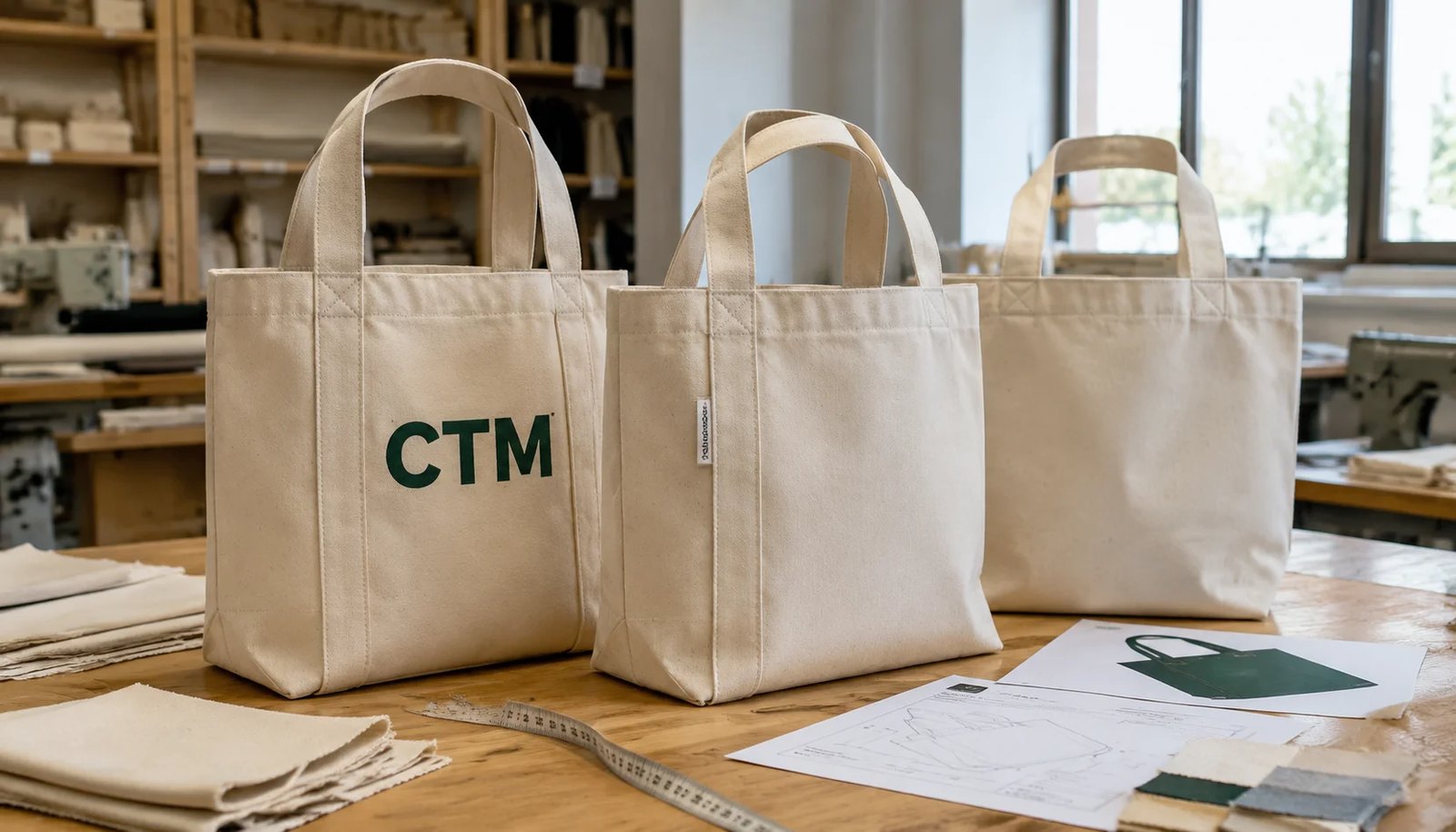
Why compliance is the main buying problem on organic totes for natural grocers
The hard part in buying wholesale organic cotton totes is usually not the tote itself. It is making sure the product claim, construction, print, and retail packing all match what a natural grocery buyer, importer, or distributor can actually accept. Many supplier quotes look close on price, but they are not quoting the same compliance burden. One factory may be pricing natural cotton canvas with no traceable organic support, another may be pricing certified fabric but not including records, and a third may be offering a compliant sample while planning to substitute bulk fabric later. If your RFQ does not separate these points, the cheapest quote is often only the least complete quote.
Natural grocer programs also expose weak spots quickly because the bag is often tied to brand values. Buyers are not only purchasing a carry bag. They are purchasing a product that may sit at checkout, be used in refill or produce programs, or carry a private-label message about organic and low-waste lifestyles. That means material claims, print chemistry, packing materials, and product finish all come under more scrutiny than a generic promotional tote. A good compliance checklist should therefore tighten the buying problem to one question: can this supplier deliver the exact claim-backed tote, in the exact retail-ready format, on schedule, without substitutions or avoidable rework?
- Separate marketing language from document-backed material claims
- Compare quotes on the same finished specification, not only on bag dimensions
- Treat retail packing and carton limits as part of compliance, not an afterthought
- Approve claim wording on labels and packaging before bulk production
Set the base specification before you compare a single quote
A usable RFQ for organic cotton totes starts with finished-use details, not broad terms like eco bag or grocery tote. For natural grocers, the most practical baseline is usually a medium to heavy fabric in the 270-340 GSM range, equivalent to roughly 8-10 oz in many market references. Below that range, the bag may still look acceptable for events or light promotional use, but it is more likely to distort under bottles, jars, or boxed items. Above that range, the tote feels premium and durable, but freight, printing, and sewing costs rise quickly, and some grocers do not want a bulky bag at checkout.
Construction details matter just as much as GSM. A flat tote is cheaper and easier to stack, but a bottom gusset or side-and-bottom gusset usually performs better for real grocery use because it opens, stands better, and gives more usable volume. Handle length should also match use case. Short handles can work for market basket style carry, while 25-30 cm drop handles are more common for shoulder carry. If a quote only gives width and height without handle width, handle drop, gusset depth, seam allowance, and top hem construction, it is not ready for buyer comparison.
- Common grocery-use fabric target: 270-340 GSM finished weight
- Plain weave canvas usually gives better structure; softer fabrics may print well but carry less cleanly
- Useful RFQ fields: width, height, gusset, handle length, handle width, top hem, seam finish, inside label, and finished weight
- State tolerance expectations, for example dimension tolerance and print position tolerance, in the RFQ
Organic cotton claim control: what evidence matters and what does not
The word organic causes the most confusion in tote bag sourcing because factories and traders often use it in different ways. Some use it to describe the look of undyed cotton. Others use it for any cotton sourced through a mill that also handles certified material. For a natural grocer program, that is not enough if the product or packaging will carry an organic material claim. Procurement teams should distinguish between a product made from cotton that looks natural and a product supported by chain-of-custody style transaction records or equivalent documentation required by the brand's compliance framework.
What matters in practice is whether the supplier can connect your purchase order quantity to the actual fabric used in bulk. A certificate image by itself is not proof that your bags were produced from that certified lot. Request the support package early, before sample approval is locked, because the answer can change your sourcing route. If your program does not need an organic claim printed anywhere, you may decide a natural cotton tote is commercially sufficient. That choice can lower documentation burden and widen supplier options, but it should be a conscious decision made before artwork and packaging are approved.
- Request current factory and material documentation tied to production scope
- Match claim wording on hangtags, side labels, and master carton markings to what documents support
- Avoid mixing certified claim language with generic natural cotton packaging text
- If using a distributor or trader, confirm who holds and transfers the compliance documents
Print method and artwork choices that hold up in grocery use
For most natural grocer tote programs, water-based screen printing is the practical default. It gives a softer hand than thick plastisol-like deposits, works well on organic cotton canvas, and is easier to repeat across reorders when the logo is simple. It also aligns better with the look most natural retailers want: matte, textile-like, and not overly synthetic. The main buying point is not style but control. Screen print is usually the most predictable route for logo placement, color consistency within tolerance, and unit cost at volume.
Heat transfer or digital methods can be useful for low-MOQ pilots, multi-color artwork, or short regional runs, but they come with tradeoffs. On textured canvas, fine details may not look as clean, and film transfers can crack or edge-lift over time if curing and pressure are inconsistent. Embroidery is durable but usually too expensive for large grocery promotions and can distort lighter fabric panels. Whatever print route you use, specify maximum artwork size, Pantone reference when relevant, acceptable color variance, and print curing expectations. A print strike-off on actual production fabric is often more valuable than a polished prototype on substitute fabric.
- Best fit for simple brand marks: 1-2 color water-based screen print
- For dark dyed fabric, confirm whether an underbase is required and how it affects handfeel
- Specify line thickness limits so artwork does not fill in on textured cotton
- Review dry-rub and light wash behavior if the tote may be reused frequently
MOQ logic: why unit price alone hides the real order cost
Organic cotton tote pricing is heavily shaped by MOQ structure. Many buyers compare based on total bag quantity, but factories price against a mix of fabric purchase minimums, cutting efficiency, print screen setup, and packing complexity. A supplier that quotes a low MOQ may still become expensive once you split the order into multiple logos, multiple stores, or mixed sizes. This is common in natural grocery distribution, where one program may need the same bag body with different private-label artwork for regional banners or seasonal campaigns.
A cleaner comparison is to request pricing by cost driver: blank bag cost, print setup cost, print running cost by color count, label or hangtag cost, and packing surcharge if mixed SKUs are packed to retailer-specific counts. This exposes where a supplier is efficient and where they are compensating for small runs. It also helps procurement decide whether to standardize one body size across several designs. In many cases, standardizing the bag and varying only the print can save more than negotiating unit price on several fragmented SKUs.
- Ask for pricing breaks by total quantity and by quantity per artwork
- Separate blank tote body cost from decoration cost
- Watch for hidden add-ons: export carton upgrade, barcode labeling, and inner pack sorting
- If ordering natural and dyed versions, quote them separately because material and wastage differ
Sample approvals that prevent expensive bulk surprises
A single sample is not enough for a compliance-sensitive grocery program. Buyers get better results when they break approvals into stages. First approve the blank construction sample for shape, handle drop, gusset opening, and fabric handfeel. Then approve print strike-off or mini panel test on the actual fabric. Then review a full pre-production sample with labels and packing method. Each stage solves a different risk. If you collapse all of them into one final sample, the factory may improvise around unresolved details and the buyer will not know which variable caused the final mismatch.
Sample review should be practical, not cosmetic. Measure the finished bag, weigh the fabric if possible, load the bag with a realistic grocery weight, inspect seam alignment, and fold it as it will be packed. For printed totes, rub the print with a clean dry cloth to catch under-cured ink before bulk approval. If the bag will be sold folded with a paper band or inserted into a retail shipper, sample that exact pack-out too. A lot of natural grocer packaging issues are discovered too late because only the bag body was approved.
- Approve separately: blank proto, print strike-off, full PPS, and packed sample
- Use real load simulation such as jars or boxed goods, not only handfeel review
- Record measurement method and points of measure on the approval sheet
- Do not approve print color from digital photo alone; use physical swatch or mailed sample where possible
Quality thresholds for seams, print, fabric shade, and retailer presentation
Most tote bag disputes do not come from dramatic failures. They come from medium-level inconsistencies that make a retail program look unprofessional: one handle sewn higher than the other, one carton with darker natural fabric than the rest, logos drifting too close to the top seam, or visible loose threads that store staff must trim by hand. For this reason, your QC standard should define what the supplier is controlling, not simply state that goods must be good quality. AQL or final inspection method can be added later, but the product-level acceptance criteria must be clear from the start.
For natural cotton, shade control deserves special attention. Even undyed fabric can vary from creamy off-white to slightly warmer beige depending on yarn source and finishing. If your brand presentation expects a tight natural look, approve a physical shade standard and define acceptable variation. On print, focus on edge cleanliness, registration, cure, and placement. On construction, specify no skipped stitches, secure handle reinforcement, no broken needle risk, and trimmed threads to a clean retail finish. For grocery channels, inner cleanliness also matters because the bag may carry unpackaged produce or be inspected closely by consumers.
- Define acceptable dimension tolerance and apply it to finished pressed bags
- Set handle alignment and print placement tolerance in millimeters or centimeters
- Require secure reinforcement on handles for the intended load range
- Approve natural fabric shade standard and whether lot variation is acceptable within one PO
Packing, labeling, and carton planning for wholesale grocery distribution
Packing is often treated as routine, but for grocer programs it affects labor cost, retail presentation, and freight claims. The right pack-out depends on where the tote goes next. If it ships to a distribution center, fixed inner quantities and clear carton marks matter more than individual retail presentation. If it goes directly to stores or is sold as an item near checkout, folded presentation, paper bands, barcode labels, and shelf-ready count become more important. This is why the RFQ should define not only units per carton but also whether folding direction, inner bundles, and barcode application are required.
Master carton limits also deserve early planning. Heavy cotton totes can push carton gross weight higher than expected, especially with gusseted constructions in dense canvas. Overweight cartons create handling issues and can trigger repacking at the warehouse. Moisture protection is another practical point for sea freight. Organic cotton picks up moisture and carton compression marks easily. If the goods will be on water for several weeks, ask what inner protection is standard and whether desiccant, inner liner, or carton board grade should be upgraded.
- State units per inner and units per master carton
- Set master carton gross weight limit to fit warehouse handling rules
- Specify carton marks: PO, SKU, quantity, country of origin, and barcode if needed
- Confirm whether polybags are allowed, restricted, or must carry warning text
- For retail folds, approve folding direction and front logo visibility in pack-out sample
Lead time planning: where natural grocer programs usually slip
Lead time on organic cotton totes is not only sewing time. The schedule usually stretches at four points: material confirmation, print approval, compliance paperwork, and booking. Organic or claim-sensitive fabric may not be available in the exact required weight and natural shade when the PO lands, especially for smaller orders. If dyeing is involved, color approval can add another cycle. Artwork revisions also tend to slow grocery programs because private-label teams, brand owners, and compliance staff may all review the same bag.
A realistic sourcing calendar separates approval gates instead of using one vague ex-factory date. For example, you may need several days for material confirmation and swatch signoff, several more for pre-production sample review, then bulk cutting, sewing, and printing, followed by final inspection and booking. Importers should also leave time for corrected carton marks or claim wording if the first packed sample reveals a mismatch. The practical benefit of doing this is not longer lead time; it is fewer forced air shipments or rushed substitutions later.
- Build schedule from approval gates, not only factory production days
- Allow extra time if fabric needs claim documentation validation
- Treat print strike-off approval as a separate date from PPS approval
- Leave buffer for carton mark corrections and warehouse booking windows
How to compare landed cost instead of chasing the lowest factory quote
The cheapest ex-factory quote can become the most expensive landed program if it causes rework, repacking, claim disputes, or excess freight. Landed cost comparison should include more than bag unit price. Add sample freight, print screen setup, compliance documentation effort, packaging upgrades, inspection cost, and realistic freight based on packed carton volume and weight. A denser 10 oz tote may cost more per unit but pack more efficiently and create fewer damage issues than a loose, lower-grade bag that needs overpacking. The right comparison is total usable cost per accepted unit at destination.
One practical sourcing method is to compare two or three compliant routes only: for example, a direct factory with certified fabric support, a direct factory using natural cotton with no organic retail claim, and a trader bundling multiple compliance services. Then map which route fits your commercial goal. If the program is a checkout reusable sold under a natural grocery brand message, document-backed material may justify the higher cost. If it is an internal event tote for store operations, a simpler route may be enough. The point is to make the compliance scope explicit so cost and risk are judged together.
- Compare ex-factory, freight cube, and acceptance risk together
- Include setup charges, label costs, and inspection fees in quote analysis
- Estimate usable cost per accepted unit, not only invoice unit cost
- Standardize specification before negotiating price to avoid false savings
Specification comparison for buyers
| Supplier option | What to verify | Commercial advantage | Buyer risk to control |
|---|---|---|---|
| Direct sewing factory | fabric batch documents, dye-lot photos, approved sample archive, and final QC record | Better sample-to-bulk control and faster production feedback | May be weaker on export paperwork or branded packing unless checked early |
| Trading company | Factory name, production photos, trim-source proof, and who owns QC decisions | Can coordinate small mixed orders and extra services | Markup can hide real factory capability and slow defect decisions |
| Specialized bag workshop | seam allowance, handle reinforcement, label attachment, fabric pre-shrink note, and batch shade control | More practical for detailed construction, trims, and repeat programs | Capacity may be limited during peak seasons |
| Low-price general supplier | organic cotton canvas, batch documentation where available, undyed or low-impact dyed fabric, and shrinkage control | Useful for simple promotional runs with loose specs | Material downgrades, weak packing, and vague inspection scope can erase savings |
| Retail-ready supplier | plastic-reduction request, recycled carton note, bundle count, carton mark, and moisture protection without overpacking | Can handle labels, SKU separation, carton marks, and receiving rules | Higher unit cost must be compared against reduced warehouse work |
| Compliance-focused supplier | Fabric records, labeling review, test plan, and production traceability | Safer for retail programs and repeat brand orders | Documentation claims need evidence, not only sales language |
| Local sample room plus bulk factory | Signed sample, bulk factory handoff, first-piece photos, and deviation owner | Good for complex branding before large production | Sample room quality may not match bulk line unless handoff is controlled |
Buyer checklist before sampling
- Define whether your program requires certified organic cotton claim support or only a natural fiber product with no marketing claim on hangtags or packaging
- State finished bag size, gusset type, handle length, and fabric weight target in GSM or oz equivalent so quotes are comparable
- Specify fabric color as natural, optic white, or dyed shade, because each option changes cost, print appearance, and lead time
- List intended load use such as produce, jars, boxed groceries, or promotional giveaway, so handle reinforcement and seam margin are correctly quoted
- Decide if the bag needs machine-wash tolerance, colorfastness, or dry-rub performance thresholds before sampling begins
- Include print method preference, artwork size, number of print colors, and whether inside care label or side label is required
- Confirm if retailer or distributor has restrictions on azo dyes, heavy metals, packaging materials, carton weight, or polybag warning labels
- Set acceptable tolerance for dimensions, print placement, fabric shade variation, and loose thread level in writing
- Request pre-production sample, print strike-off, and packed carton photos as separate approval points rather than one combined sample step
- Clarify shipping term, destination, pallet rules, carton markings, and whether mixed-SKU carton packing is allowed
Factory quote questions to send
- Is the quoted fabric certified organic, and can you provide transaction-level support tied to the production fabric lot if required by our compliance team?
- What is the finished fabric weight in GSM after washing or finishing, and what tolerance do you control batch to batch?
- Is the tote made from canvas, plain weave, or twill, and how does that choice affect print sharpness, shrinkage, and seam strength?
- Which production steps are in-house: fabric inspection, cutting, sewing, printing, ironing, packing, and final inspection?
- What is your MOQ by fabric color, print color count, and size, and what surcharge applies for split designs under one PO?
- What handle attachment method do you use, and what reinforcement is standard for grocery-weight loads?
- What sample stages are chargeable: blank proto, printed pre-production sample, bulk color swatch, and shipping sample?
- What are your standard carton dimensions, units per carton, gross weight, and moisture protection method for sea shipment?
- What quality defects are classified as critical, major, and minor during final inspection for tote bag orders?
- How many days are needed for lab dips or fabric approval, pre-production sample, bulk production, and booking after deposit and artwork confirmation?
Quality-control points to confirm
- Finished fabric GSM should be within the agreed tolerance and should match the approved handfeel sample, especially on natural color organic cotton where weave variation is more visible
- Bag dimensions, including gusset depth and handle drop, should be measured after sewing and pressing using the approved measurement method
- Handle box stitch, cross stitch, or reinforcement patch must match approved construction and show no skipped stitches, loose ends, or uneven bartack position
- Print placement should stay within the approved tolerance from top hem and side seam, with clean edges and no ghosting, pinholes, or under-cured ink
- Natural cotton shade variation must be reviewed lot to lot; if using dyed organic cotton, compare bulk against approved swatch under consistent lighting
- Inside cleanliness matters for grocery programs: no oil marks, metal fragments, broken needle residue, or excessive lint inside the bag
- Carton count accuracy, carton gross weight, and outer carton marking must match the packing list and retailer handling requirements
- If side labels, care labels, or hangtags are required, verify content, position, barcode readability, and claim wording before mass packing