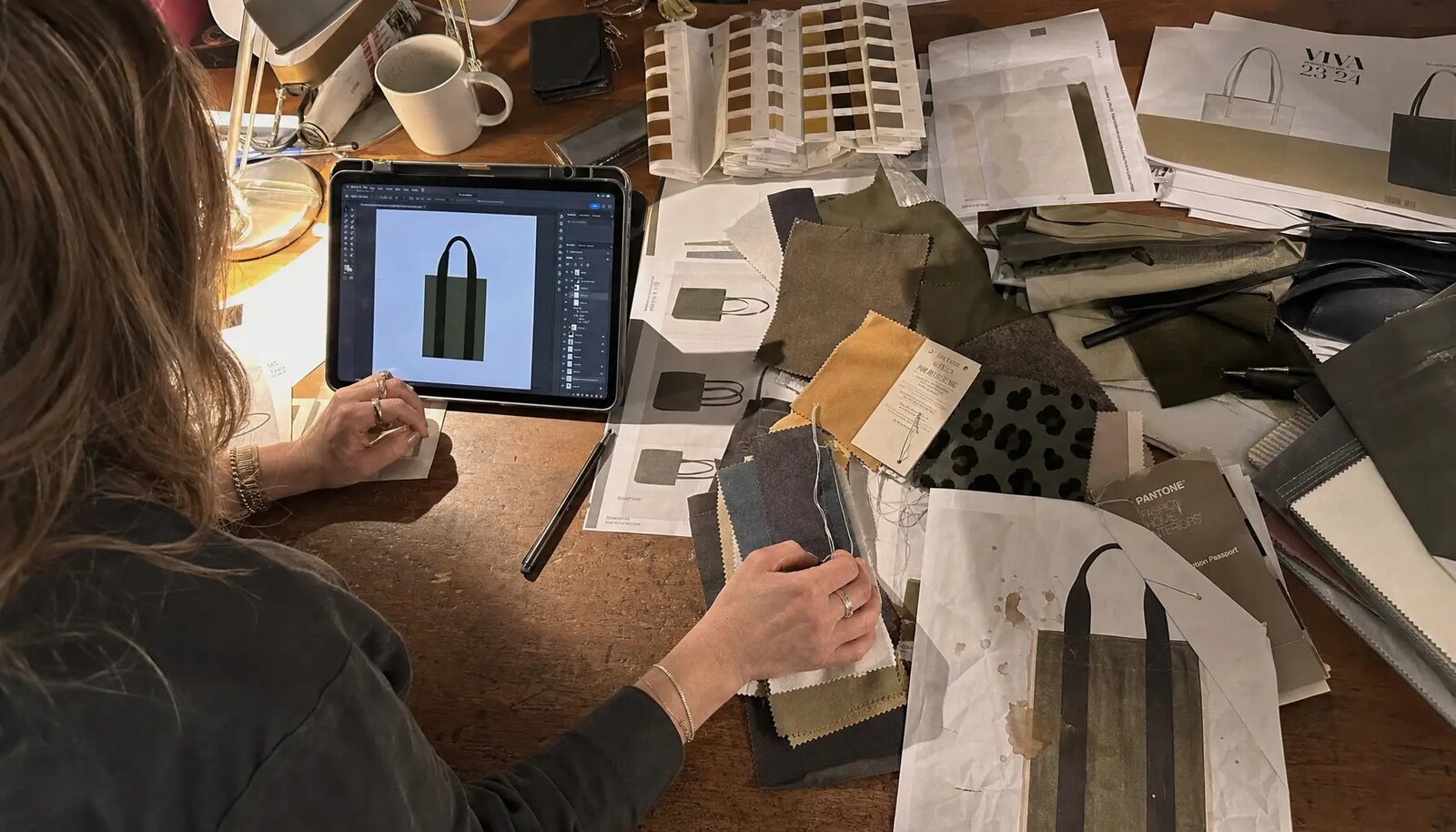
Why compliance is the real buying problem on organic cotton totes
For eco apparel brands, the hard part is rarely finding a supplier willing to sew a tote bag. The hard part is proving that the bag material, print process, and shipment paperwork match what your brand claims in retail, online listings, or sustainability reporting. A low quote from a general cotton bag supplier can become expensive if the fabric cannot be traced back at shipment stage, if the print ink documentation is vague, or if the factory outsources key steps without visibility.
That is why a useful compliance checklist must go beyond a generic request for 'organic cotton certification.' Buyers need to map compliance to actual production steps: fabric purchase, dyeing or finishing, printing, cutting, sewing, labeling, packing, and shipment release. When those steps are not connected in your RFQ and PO, you end up comparing incomplete supplier offers that look similar on price but are not equal in evidence, risk, or usable quality.
- Separate company-level certification from shipment-level fabric traceability.
- Tie compliance review to the exact SKU, color, print method, and ship date.
- Treat subcontract printing and packing as compliance points, not only sewing quality points.
- Do not approve a supplier only on sample quality if the bulk material source is still open.
Build the tote spec before you compare suppliers
Organic cotton totes are often quoted from a photo and one outside dimension, which is why quote gaps are common. A 38 x 42 cm tote in 8 oz sheeting with basic self handles is not comparable to a 38 x 42 x 10 cm tote in 12 oz canvas with reinforced handles and bottom gusset, even if both look similar online. Procurement teams should freeze the use case first: promotional bag, retail merchandise, shopping bag, event bag, or packaging accessory. That decision drives fabric weight, handle construction, and print choice.
For most eco apparel brands, 10 oz to 12 oz canvas is the practical center point for a retail-quality tote. It has enough body to carry folded garments without feeling disposable, and it presents screen print better than lighter sheeting. If the tote is intended only as a lightweight giveaway, 8 oz to 10 oz may be enough. The key is not just nominal ounces but actual tested GSM and fabric feel. Two mills can supply '10 oz' fabric that behaves quite differently in thickness, surface smoothness, and shrinkage.
- Typical conversion range: 8 oz around 270 GSM, 10 oz around 340 GSM, 12 oz around 400 GSM; treat this as approximate and verify supplier test data.
- Common retail tote dimensions: 35 x 40 cm flat, 38 x 42 cm flat, or 38 x 42 x 10 cm with gusset.
- Common handle lengths: 55 to 65 cm end-to-end for shoulder carry; confirm handle drop on sealed sample.
- Specify if inside overlock, binding, or turned seams are required for a cleaner retail finish.
What compliance evidence should be in the supplier file
A buyer-ready supplier file should include more than marketing claims about sustainability. At minimum, you want visibility on who supplies the fabric, whether the fabric for your order is traceable, where printing happens, and whether any subcontractors touch the product before packing. If the factory cannot name these steps early, the compliance trail usually becomes weaker after deposit, not stronger.
For organic cotton programs, request the exact evidence that links to your bulk material and shipment timing. Some suppliers can show a valid company certification but cannot connect it to the actual batch being cut for your order. Others can provide stronger lot-based or transaction-based records but only if the request is made before fabric booking. Procurement teams should build this into the RFQ rather than treating it as a last-minute document chase.
- Factory business details and production address for sewing and packing.
- Fabric mill identity and whether the quoted organic cotton is stocked or booked after PO.
- Document trail available for the bulk fabric lot used on your order.
- Print source, ink type, and whether printing is in-house or subcontracted.
- Needle policy, metal contamination control if applicable, and final inspection format.
- Social or chemical compliance documents if your vendor onboarding process requires them.
Print method, logo durability, and the compliance-cost tradeoff
Most eco apparel buyers default to one-color screen print for good reason. It is usually the most stable combination of cost, visual impact, and production repeatability on cotton canvas. Water-based printing is often favored for a softer hand and lower-plastic positioning, but what matters in purchasing terms is whether the artwork can hold on the chosen fabric. Rougher canvas surfaces can break fine details, and dark dyed fabrics may need a different print build than natural ecru cloth.
Digital printing can look attractive for multicolor artwork and smaller MOQs, but it needs tighter review of color consistency and rub performance. Embroidery or woven brand labels can improve premium feel, yet they add trim sourcing, sewing time, and MOQ complications. A compliant quote should therefore split print and trim costs rather than burying them in one unit rate. That gives you a cleaner basis for comparing suppliers and for value engineering if the target price is missed.
- One-color screen print is usually the lowest-risk retail branding method on organic cotton totes.
- Minimum line thickness and gap spacing should be approved on a print strike-off, not only in digital artwork.
- Print placement should be measured from finished seam lines, not from raw cut panels.
- If using woven labels, define fold type, seam insertion point, ground color, and logo weave clarity.
- Request separate quote lines for print screens, per-color print cost, and label application cost.
MOQ logic: why the cheapest quote often hides the wrong minimum
MOQ on tote bags is not one number. It may include a style MOQ, a fabric color MOQ, a print-color MOQ, and sometimes a trim MOQ for custom labels or packaging. When buyers ask ten suppliers for 'minimum order quantity,' many receive a single vague answer that cannot actually support the requested assortment. This is where quote comparison breaks down. A supplier quoting 500 pieces may still require 1,000 meters of one fabric quality or a full print setup per colorway, making small runs uneconomical.
For organic cotton, MOQ complexity can increase because the mill source may not support very small custom bookings. Stock natural-color fabric can reduce risk and allow lower entry quantity, while dyed custom shades or heavier premium canvas may push minimums higher. The right sourcing move is to ask for MOQ by decision point, then align your assortment plan around what actually drives the minimum cost.
- Style MOQ: based on one bag construction and size.
- Fabric MOQ: based on material width, color, and mill booking rules.
- Print MOQ: based on artwork, screen setup, and color count.
- Trim MOQ: woven labels, hangtags, custom headers, or recycled paper wraps.
- Packing MOQ impact: individual retail inserts or barcode labels can add labor even on small runs.
Sample approval that prevents bulk mistakes
A sample is useful only if it proves the right things. Many first samples are made from whatever fabric is available, with approximate print size and temporary labels. That may be enough to review shape and handle drop, but it is not enough to release production. Buyers should separate development sample, print strike-off, and pre-production sample. The PPS should reflect bulk-like fabric, bulk print method, real label placement, and approved packing format. Otherwise the sample approval process becomes a formality that does not prevent defects.
For organic cotton totes, the most common preventable sample mistake is approving construction before verifying fabric hand-feel and print behavior. The second is ignoring the packed state. A tote that looks good hanging in a sample room may arrive with print set-off, distorted creases, or wrinkled handles if folding and carton compression were not reviewed. Make sure your final approval includes one packed sample prepared as shipment-ready product.
- Development sample: confirms size, proportions, and basic construction only.
- Print strike-off: confirms artwork readability, color, and ink behavior on the actual fabric type.
- PPS: must use approved fabric weight, thread, print method, label, and packing details.
- Shipment-ready packed sample: confirms folding direction, barcode placement, and carton protection.
- Retain one sealed approval sample with dated sign-off reference for final inspection.
QC thresholds buyers should write into the PO
Tote bags are simple products, but they still need objective acceptance criteria. If your PO says only 'good quality,' the factory and inspector will apply their own judgment. For retail organic cotton totes, define measurable tolerances for size, fabric weight, print placement, stitching, and appearance. Cotton fabric naturally has some slub and texture variation, so the standard must distinguish acceptable natural character from unacceptable dirt, weaving flaws, or visible sewing defects.
A practical QC approach is to focus on what the end customer will notice first: crooked print, uneven handles, open seams, oil marks, wrong size, and inconsistent shade. Then add the compliance-sensitive checks that operations teams care about: correct label content, carton quantity, barcode accuracy, and no forbidden packing materials. This keeps the inspection commercially relevant rather than overloading the factory with low-value cosmetic comments.
- Size tolerance example for flat totes: confirm acceptable variance on width and height before production.
- Handle matching: left and right handle lengths should be visually even and within stated tolerance.
- Stitch density and reinforcement pattern should match approved sample at handle joins and side seams.
- Print alignment must follow approved centerline and top-edge distance standard.
- No major stains, oil marks, or obvious fabric holes on visible panels.
- Carton count must match purchase order assortment and master packing list exactly.
Packing details that affect damage rate and freight cost
Packing on tote bags is often treated as an afterthought, but it directly affects freight efficiency, warehouse handling, and damage claims. Organic cotton totes are usually foldable and low-cube, which creates a temptation to over-compress cartons. That can save CBM but create print offset, deep creases, and misshaped handles, especially on heavier canvas or fresh prints. Procurement teams should compare not just unit price but pieces per carton, carton dimensions, gross weight, and whether the supplier uses liners, tissue, belly bands, or no inner packing at all.
For eco apparel brands, reducing plastic is often a goal, but plastic-free packing still needs definition. If individual polybags are banned, specify what replaces them: carton liners, recycled paper separators, or no inner protection. Also define carton weight limits that work for your warehouse. A carton that is cheap to ship but too heavy for manual handling can create downstream cost and receiving friction.
- Common export approach: folded flat, stacked by count, packed in master carton with liner.
- Set a maximum carton gross weight suitable for your warehouse handling rules.
- Require print-facing direction consistency if bags are counted visually during receiving.
- If barcode labels are needed, define whether they go on product, bundle, or outer carton only.
- Ask suppliers to quote at least two carton pack-out options for freight comparison.
Lead time planning: where organic tote orders usually slip
Lead time on tote bags is not just sewing time. The most common delays happen before the line starts: fabric booking, lab dips or shade approval if dyed, print screen preparation, PPS revision, and booking vessel space. Buyers who place a late PO on an undefined spec often discover that the '25 to 35 day production time' quoted by suppliers did not include fabric confirmation or revision cycles. For organic cotton, fabric availability can be the main variable, especially on non-stock weights or colors.
A more reliable schedule is to break the timeline into stages and tie each stage to a buyer action. If artwork approval is late, if the woven label file changes, or if the packing barcode is issued after cartons are made, the factory absorbs disruption and your shipment date moves. Good suppliers can explain where the critical path sits on your particular bag program rather than giving one blended lead-time number.
- Indicative sample path: 3 to 7 days for blank sample, 5 to 10 days for printed sample or PPS depending on artwork and material availability.
- Indicative bulk path: fabric readiness, cutting, printing queue, sewing, finishing, packing, final inspection, and booking window should be shown separately.
- Natural stock fabric usually moves faster than custom-dyed or specially finished organic canvas.
- Multi-component orders with custom labels and paper packaging need earlier artwork freeze.
How to read quote data and compare landed cost, not just FOB price
A buyer-focused quote should let you compare options by construction and logistics, not only by headline unit price. For example, a lighter 8 oz tote may save fabric cost but increase print show-through and reduce perceived value at retail. A 12 oz canvas tote may cost more per piece but pack fewer units per carton and raise freight cost. The right decision depends on your sales channel and customer expectation, so you need quote data that exposes each cost driver.
At minimum, ask suppliers to break out material, print, label, and packing assumptions, plus pieces per carton and carton CBM. If possible, compare two or three spec levels with the same dimensions. This turns sourcing into a commercial choice rather than a guess. It also helps internal teams understand why a compliant, retail-ready organic tote cannot be benchmarked against the cheapest promotional cotton bag on the market.
- Compare cost per usable retail bag, not only ex-factory piece price.
- Review freight impact from carton density and total CBM per 1,000 units.
- Separate one-time screen or setup fees from repeat-order unit cost.
- Note whether sampling, testing, or documentation charges are included or extra.
- If the tote will be sold at retail, include the cost effect of premium finishing and cleaner packing.
Specification comparison for buyers
| Supplier option | What to verify | Commercial advantage | Buyer risk to control |
|---|---|---|---|
| Direct sewing factory | fabric batch documents, dye-lot photos, approved sample archive, and final QC record | Better sample-to-bulk control and faster production feedback | May be weaker on export paperwork or branded packing unless checked early |
| Trading company | Factory name, production photos, trim-source proof, and who owns QC decisions | Can coordinate small mixed orders and extra services | Markup can hide real factory capability and slow defect decisions |
| Specialized bag workshop | seam allowance, handle reinforcement, label attachment, fabric pre-shrink note, and batch shade control | More practical for detailed construction, trims, and repeat programs | Capacity may be limited during peak seasons |
| Low-price general supplier | organic cotton canvas, batch documentation where available, undyed or low-impact dyed fabric, and shrinkage control | Useful for simple promotional runs with loose specs | Material downgrades, weak packing, and vague inspection scope can erase savings |
| Retail-ready supplier | plastic-reduction request, recycled carton note, bundle count, carton mark, and moisture protection without overpacking | Can handle labels, SKU separation, carton marks, and receiving rules | Higher unit cost must be compared against reduced warehouse work |
| Compliance-focused supplier | Fabric records, labeling review, test plan, and production traceability | Safer for retail programs and repeat brand orders | Documentation claims need evidence, not only sales language |
| Local sample room plus bulk factory | Signed sample, bulk factory handoff, first-piece photos, and deviation owner | Good for complex branding before large production | Sample room quality may not match bulk line unless handoff is controlled |
Buyer checklist before sampling
- State whether the tote must be made from certified organic cotton fabric and whether transaction-level traceability documents are required for each shipment.
- Define fabric type as sheeting or canvas, target GSM, GSM tolerance, fabric color, and whether pre-wash or shrink control is required.
- Write exact bag dimensions including width, height, gusset, handle length, handle width, and seam allowance expectations.
- Specify end use: retail resale, gift-with-purchase, trade show giveaway, ecommerce packaging accessory, or in-store shopping tote.
- Match print method to artwork: one-color screen print, multi-color screen print, digital print, or embroidery label application.
- Include artwork size, print placement from seams, color reference standard, and minimum acceptable line thickness for logos.
- State handle construction: self-fabric handles, cross stitch box reinforcement, X-stitch, webbing handle, or inside folded reinforcement.
- Require a pre-production sample or PPS using bulk-like fabric, thread color, print method, and label placement before mass production.
- Define acceptable tolerances for size, stitching defects, print registration, GSM variation, shade variation, and carton quantity accuracy.
- Confirm packing format, carton dimensions, carton weight limit, shipping marks, barcode labeling, and whether polybags are banned.
Factory quote questions to send
- What organic cotton evidence can you provide for the actual bulk fabric lot: scope certificate, transaction certificate, or other shipment-linked documentation?
- Is the quoted fabric open-width canvas or tubular sheeting, and what is the tested GSM range after finishing?
- What is included in the unit price: fabric, cutting, stitching, print, label, inner packing, export carton, and final inspection?
- What MOQ applies separately to fabric color, bag style, print color count, and private label trim such as woven labels or hangtags?
- Which print method are you quoting, and what artwork limits apply for line thickness, halftones, registration, and color matching?
- Can you quote two or three GSM options, for example 8 oz, 10 oz, and 12 oz, with the same bag size for landed-cost comparison?
- What sample stages do you offer: blank fit sample, print strike-off, pre-production sample, and shipment sample from bulk line?
- What seam construction and handle reinforcement are standard, and what load-bearing issues have you seen on similar tote sizes?
- How do you control fabric shade and print consistency across reorders if future POs are split over multiple months?
- What is the normal production lead time after PPS approval and deposit, and what delays typically come from fabric, print queue, or booking space?
Quality-control points to confirm
- Fabric GSM should be tested against approved spec with an agreed tolerance, for example plus or minus 5 percent where practical for woven cotton fabric.
- Bag body dimensions should be measured flat with defined tolerances for width, height, gusset, and handle drop.
- Handles must be securely attached with approved reinforcement pattern and no skipped stitches, loose thread tails, or seam grin at stress points.
- Print position must match approved placement from top edge and side seams, with acceptable registration and no major smudging or pinholes beyond sample standard.
- Fabric shade should match approved standard under consistent lighting, especially for dyed organic cotton or ecru shade-critical programs.
- Needle damage, oil marks, weaving slubs beyond natural cotton allowance, and visible stains should be classified clearly in inspection criteria.
- Carton count accuracy, folding direction, barcode label placement, and assortment ratio must match packing list and shipping mark instructions.
- Random load test or practical carry test should be performed on sealed production samples for heavier retail totes.
- If no individual polybags are used, inspect for dust, carton rub, and print set-off inside packed cartons before final sealing.