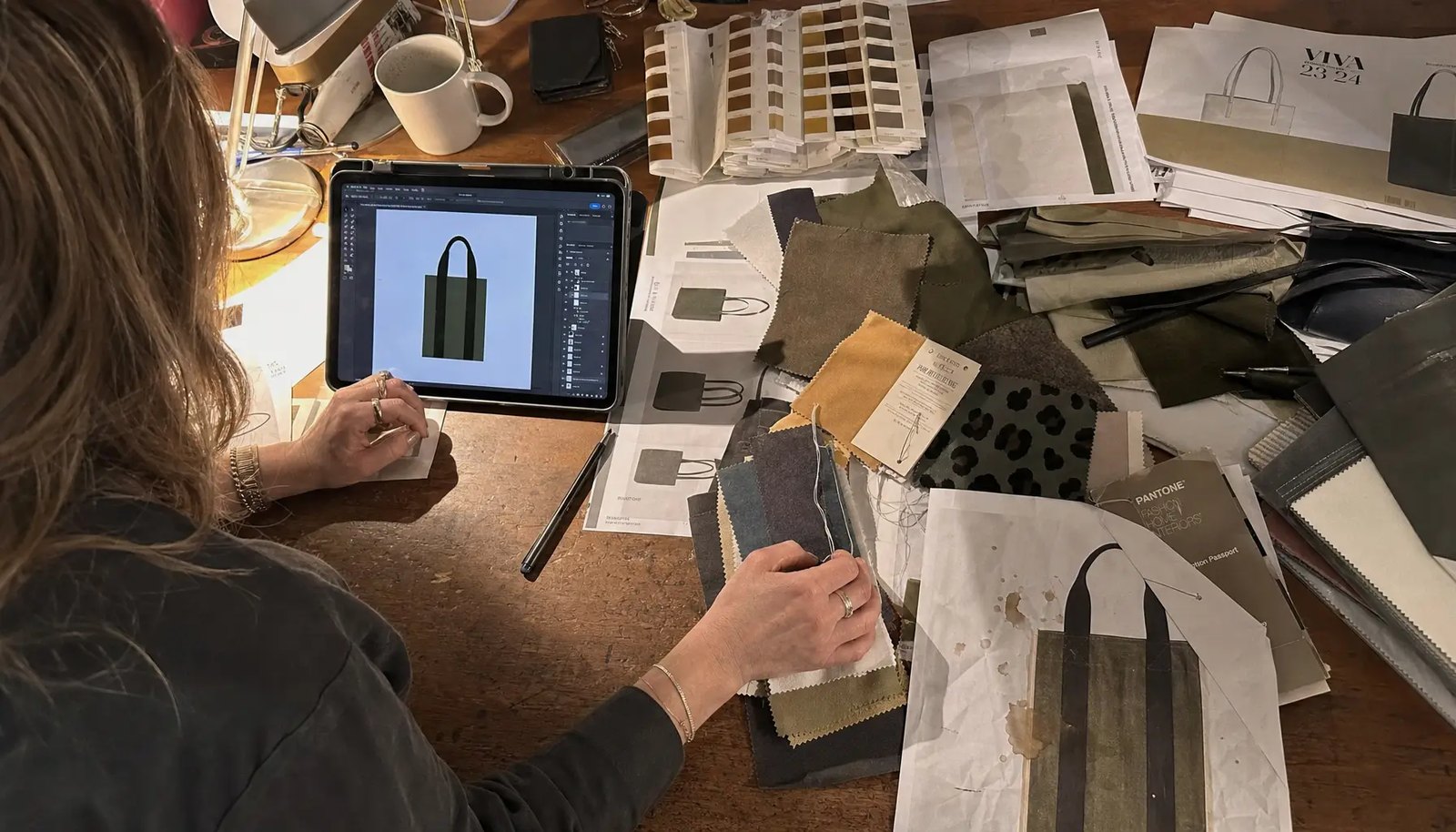
Why print proofing matters more for natural grocer totes
Organic cotton totes for natural grocers are usually judged twice: first by the buying team before shipment, then by shoppers at store level. A tote can use the right fiber and still fail commercially if the print is dull, off-center, sticky, cracked, or placed where the bag folds when loaded. Print proofing is the control point that connects brand approval, production reality, and store presentation.
The common mistake is treating the artwork proof as a marketing sign-off only. For a factory, proofing must also answer production questions: Can this ink cover natural cotton evenly? Will small text remain readable after stitching and packing? Does the print land in the same position on every bag? Can the artwork survive normal handling before the shopper even uses it? A useful proofing checklist prevents rework, air freight, chargebacks, and awkward conversations with retail buyers.
- Use physical proofing for final approval when the order is retail-facing or distributed across multiple stores.
- Separate artwork approval from production approval; both are needed.
- Never approve final color from a screen image when printing on unbleached organic cotton.
- Record the final proof details in the purchase order so production cannot drift from the approved sample.
Start with the tote specification before judging the print
Print results depend heavily on the fabric base. For natural grocer tote bags, the most common practical range is about 8 oz to 12 oz cotton canvas, roughly 220 to 340 GSM depending on weave and finishing. An 8 oz tote may work for short promotions and light packaged goods. A 10 oz tote is often the safer middle ground for reusable grocery programs. A 12 oz tote feels more premium but increases material cost, carton weight, and shipping volume.
Organic cotton is not automatically smoother or cleaner than conventional cotton. Natural unbleached fabric often includes seed flecks, slubs, and shade variation. These features may support the natural look, but they can also disturb fine line printing or make light ink colors look uneven. The buyer should approve the acceptable level of fabric character before the logo proof is judged. Otherwise, the factory may consider the fabric normal while the retailer sees defects.
- For basic giveaways: 6 oz to 8 oz cotton may be accepted, but print opacity and durability are limited.
- For grocery reuse: 10 oz organic cotton canvas is a strong starting point for cost and performance.
- For paid retail bags: 12 oz canvas or heavier may be justified if the buyer accepts higher freight and MOQ.
- For fine logo detail: tighter weave and smoother fabric matter more than simply increasing GSM.
Choose the print method according to artwork and order logic
Water-based screen printing is usually the most suitable method for organic cotton totes used by natural grocers. It gives a softer hand feel than heavy plastisol-style prints and supports the sustainability message better when the artwork is simple. For one to three spot colors, screen printing normally offers the best balance of cost, consistency, and production speed. The limitation is that very fine reversed text, halftones, and complex gradients need careful testing.
Digital printing and transfer printing can solve multicolor artwork problems, but they bring different risks. Digital print on canvas may look softer and less saturated than the buyer expects from a PDF. Heat transfer can show a film edge or a different hand feel from the cotton body. Embroidery is not common for large grocery artwork because it adds cost, puckering risk, and longer production time, but it can work for small premium marks or side labels.
- Use screen print for solid logos, store marks, slogans, and simple campaign graphics.
- Use transfer or digital print only after approving edge quality, ink hand feel, and folding resistance.
- Avoid very small text below practical readability; it may fill in on canvas even if it looks sharp in the file.
- For natural fabric, dark green, black, navy, and warm brown often print more reliably than pale pastel colors.
Build the print proof around real acceptance criteria
A print proof is useful only when it has measurable approval points. The buyer should define color tolerance, logo size, placement tolerance, ink coverage, hand feel, and acceptable fabric variation. For example, saying the logo must be centered is weaker than specifying that the print centerline must stay within an agreed tolerance from the bag center and that the top of print must be a fixed distance from the bag opening. This prevents subjective disputes during inspection.
Pantone matching also needs a realistic note. Printing on natural cotton cannot look exactly like ink on coated paper. The same green that looks bright in a brand book may turn warmer or duller on unbleached cotton. A physical strike-off becomes the real production standard. Once the buyer signs that sample, the inspection team should compare bulk output to that physical proof rather than to a digital artwork file.
- Set logo width and height in millimeters, not only percentage scale.
- Measure placement from top edge, left seam, right seam, and bottom fold where relevant.
- Approve color against a physical strike-off under consistent lighting.
- Define whether minor cotton seed flecks inside the printed area are acceptable.
- Keep one signed proof at the factory and one with the buyer or inspection agent.
Control MOQ and cost drivers before the proof stage
MOQ for organic cotton totes is driven by fabric sourcing, cutting efficiency, print setup, and artwork split. A supplier may accept a low quantity if fabric is in stock and the artwork uses one color on one side. The same supplier may raise MOQ sharply for custom-dyed organic cotton, multiple store versions, oversized print areas, or separate packing by location. Buyers often compare unit prices without noticing that one quote assumes stock natural fabric while another assumes made-to-order certified fabric.
Print proofing also has cost implications. Screen printing requires screens, setup time, ink mixing, and machine cleaning. If a program has twenty local store logos, each version may create separate screens and smaller production batches. That increases waste and inspection complexity. A better sourcing plan may use one shared front logo with a small variable side label, hangtag, or carton allocation label instead of changing the main print for every location.
- Unit cost rises when fabric is custom woven, custom dyed, or split into many small artwork versions.
- Large print coverage uses more ink, slows drying, and may require extra handling space.
- Two-sided printing increases setup and rejection exposure because both sides must pass appearance checks.
- Separate inner packing by store can add labor time even when the tote itself is unchanged.
- Low MOQ offers should be checked for fabric availability, certification scope, and repeat-order continuity.
Use the sample approval process to catch production mistakes early
A good sample process has stages. First is a material swatch or fabric reference to approve weight, shade, and surface. Next is the print strike-off to approve ink color and artwork behavior on the fabric. Then comes the pre-production sample, made with final fabric, final print, final handle, final stitching, and intended packing. Skipping directly from digital artwork to bulk production saves a few days but increases the risk of a full shipment problem.
For natural grocer programs, the pre-production sample should be handled like a store sample, not a photography prop. Load it with typical grocery weight, fold it the way warehouse staff will pack it, and inspect the printed area after compression. If the ink blocks, transfers, cracks at fold lines, or shows hard creases, the packing or ink curing process needs adjustment before mass production.
- Approve fabric swatch before artwork color is finalized.
- Approve print strike-off before cutting bulk fabric for stitched samples.
- Approve one complete pre-production sample before authorizing mass production.
- Test the sample with realistic load weight, not only flat on a table.
- Keep approval comments specific: for example, increase logo 8 mm upward or reduce ink thickness.
Set construction details that protect the printed tote in use
The print may be the buyer’s focus, but construction failures create the fastest complaints. Grocery totes need secure handle attachment, clean seams, and a bottom/gusset structure suitable for boxy goods. A natural grocer tote that carries jars, packaged snacks, wellness products, or produce should not rely on weak single stitching at the handle base. Cross stitch, box stitch, or strong reinforced bartack methods should be specified according to the factory’s equipment and the tote design.
Construction also affects print appearance. If the front panel is printed before sewing, the print must be positioned with enough distance from seams and gusset folds. If the tote is printed after sewing, the print platen may not sit perfectly flat near seams, creating uneven pressure. Most factories prefer panel printing before sewing for cleaner results, but this requires accurate cutting and sewing control so the logo lands correctly on the finished bag.
- Specify handle length for hand carry or shoulder carry; do not leave it to factory default.
- Keep artwork away from side seams, bottom folds, and heavy gusset transitions.
- Use stitch density that balances strength and appearance; very loose stitching looks cheap.
- Inspect loose threads around print areas because trimming after printing can scratch ink.
- Define acceptable panel skew so the print does not look tilted on the finished tote.
Packing choices can damage an otherwise approved print
Packing is part of print proofing because pressure, moisture, and abrasion during shipment can change the final appearance. Organic cotton totes are often packed flat in export cartons, commonly 50 to 100 pieces per carton depending on fabric weight, tote size, and buyer handling preference. Heavier 10 oz or 12 oz totes may need lower carton quantity to control gross weight and prevent deep creasing. If printed faces rub directly against each other before full curing, ink transfer can occur.
Natural grocers may also have packaging rules that reduce or prohibit individual polybags. That is workable, but the carton plan must protect the goods. Tissue separation, controlled stacking direction, moisture barrier lining, desiccants where appropriate, and careful carton strength can be used depending on shipping route. Buyers should confirm carton dimensions and gross weight before booking freight because tote programs can become bulky even when the unit price looks low.
- Define whether bags are bulk packed, bundle tied, paper banded, or individually packed.
- Avoid over-compressing freshly printed bags to reduce carton count.
- Confirm ink curing time before final packing, especially for large water-based print areas.
- Use export cartons strong enough for stacking during sea freight and DC handling.
- Include carton marks for SKU, quantity, PO number, color, artwork version, and destination if needed.
Lead time risks hidden inside print approval
Lead time for organic cotton totes is not only sewing time. It includes fabric reservation or weaving, fabric finishing, artwork preparation, screen making, strike-off, sample sewing, buyer review, bulk cutting, printing, curing, sewing, trimming, inspection, packing, and inland transport. If the buyer takes a week to approve a proof, the production calendar moves. If artwork changes after screens are made, the clock resets for that part of the process.
A realistic schedule separates sample lead time from bulk lead time. For example, a supplier may need several working days to make a print strike-off after final artwork, then additional time for a pre-production sample. Bulk production should start only after written approval. Seasonal natural grocery campaigns, Earth Month promotions, store openings, and loyalty launches should include buffer time for proof revisions and freight delays rather than assuming the first sample will be perfect.
- Freeze artwork before screen making to avoid setup waste and delay.
- Approve fabric and print before requesting final production dates.
- Schedule third-party inspection after goods are packed but before shipment release.
- Build extra time for multi-SKU orders with different logos or store allocations.
- For urgent orders, reduce complexity: stock natural fabric, one print color, one packing method.
Compare quotes with landed-cost and risk in mind
The lowest unit price is not always the lowest landed cost. A quote for thin fabric may look attractive until the retailer rejects the hand feel. A quote without carton dimensions may hide high freight volume. A quote that excludes screen charges, sample charges, certification documents, or special packing can become expensive after approval. Procurement teams should compare quotes by total program cost, not only by FOB unit price.
A clean quote for organic cotton totes should include fabric weight and composition, organic documentation basis, finished dimensions, print method, number of colors and positions, handle construction, label or tag details, packing method, carton size, gross weight, sample terms, production lead time, payment terms, and Incoterms. If these details are missing, the buyer is not comparing the same product across suppliers. The print proofing checklist should become part of the RFQ so each factory prices the same acceptance standard.
- Compare cost per usable approved bag, not only cost per produced bag.
- Calculate freight using quoted carton CBM and gross weight.
- Include setup charges and sample charges in the program budget.
- Evaluate supplier evidence: sample quality, response accuracy, production photos, QC process, and document readiness.
- Flag quotes that use vague terms such as standard canvas, eco ink, or regular packing without measurable details.
Specification comparison for buyers
| Spec decision | Recommended option | When it fits | Buyer risk to check |
|---|---|---|---|
| Fabric weight for grocery promotions | 10 oz / about 270-280 GSM organic cotton canvas | Good balance for reusable natural grocer totes, brand campaigns, produce sections, and paid retail bags | Too light may feel disposable; too heavy increases carton weight, freight cost, and shelf handling |
| Fabric finish and color | Natural unbleached organic cotton with controlled slubs and seed flecks | Fits natural grocery positioning and avoids heavy dyeing cost | Artwork colors shift on beige fabric; proof on actual bulk fabric, not white paper |
| Print method for front logo | Water-based screen print for 1-3 solid colors | Best for clean store logos, slogans, line art, and moderate to large volume orders | Fine reversed text can fill in; require strike-off approval and wash/rub test |
| Print method for multicolor artwork | CMYK transfer or digital print only after testing adhesion and hand feel | Useful for seasonal graphics, illustrations, and smaller runs with many colors | May feel less natural than ink; edge marks, cracking, and color dullness must be approved |
| Handle construction | Self-fabric or cotton webbing handles with reinforced cross stitch | Suitable for grocery loads and repeated shopper use | Weak handle attachment causes complaints faster than fabric failure; set pull-test expectations |
| Size and gusset | Approx. 38 x 42 cm with 10-12 cm gusset, adjusted to carton plan | Works for packaged groceries, wellness products, and produce add-ons | Oversized totes look good in photos but sag when filled and raise fabric consumption |
| Logo placement proof | Center artwork within live print area, away from seams and gusset fold lines | Keeps branding visible when tote is flat and when carried | Artwork too low disappears under product weight; artwork near seams distorts during stitching |
| Packing method | Flat pack 50-100 pcs per export carton with moisture control and carton marks | Efficient for importers and distributors shipping to stores or DCs | Over-compression can crease prints; loose packing raises CBM and freight cost |
| Approval sample type | Pre-production sample using bulk fabric, bulk ink, final stitch, and final packing style | Needed before mass production for retail or distributor programs | A photo-only proof cannot show hand feel, ink thickness, odor, or handle strength |
Buyer checklist before sampling
- Define the tote use case: free giveaway, paid retail bag, loyalty program, produce bag replacement, or event merchandise.
- Lock fabric weight in oz and GSM, not only the word canvas; request tolerance for weight and shrinkage.
- State organic cotton requirement clearly, including which certification evidence must accompany shipment if required by your compliance team.
- Approve artwork on actual fabric color, not only on a white digital mockup.
- Set finished size tolerance, handle length tolerance, and gusset width before sample approval.
- Require a print strike-off for each artwork color and each fabric color used in the order.
- Measure logo position from bag top, side seams, and bottom fold; do not approve by visual center only.
- Specify whether ink hand feel should be soft, medium, or high-coverage opaque.
- Confirm whether the tote will be washed by consumers and set reasonable wash or rub test expectations.
- Review seam type, stitch density, back-tack length, and handle reinforcement before production.
Factory quote questions to send
- What organic cotton fabric weight in oz and GSM are you quoting, and what is the normal production tolerance?
- Is the quoted fabric ready stock, greige stock to be finished, or made-to-order weaving?
- Which print method is included in the quote, and how many colors, print positions, and print sizes are included?
- Will the print proof be made on the same fabric lot planned for bulk production?
- What is your MOQ for this fabric weight and print method, and what changes if the order is split across multiple store logos?
- What sample fees, screen charges, setup charges, or color-matching charges are excluded from the unit price?
- What are the finished tote dimensions, handle dimensions, seam type, and reinforcement method in your quotation?
- What packing quantity per carton, carton size, and estimated gross weight are included for freight calculation?
- What is the sample lead time, bulk production lead time, and earliest inspection date after artwork approval?
- What QC reports, material documents, and shipment photos can you provide before balance payment or release?
Quality-control points to confirm
- Fabric weight should be verified by GSM cutting test or supplier mill report, with buyer-agreed tolerance.
- Finished size should be measured after stitching and pressing, not on cut panels only.
- Print color should be compared under consistent light against approved Pantone or physical strike-off.
- Print adhesion should pass a dry rub check and reasonable hand flexing without visible cracking or powdering.
- Logo position should remain within agreed tolerance from top edge and side seams across random samples.
- Handle attachment should have secure back-tack or cross stitch with no skipped stitches at stress points.
- Seams should be straight enough for retail presentation and free from open seams, broken threads, and loose trimming.
- Natural fabric variation should be categorized before shipment so heavy stains, oil marks, or weaving holes are rejected.
- Cartons should protect print surfaces from moisture, crushing, and heavy creasing during sea freight.
- Final inspection should include appearance, measurement, print, stitching, packing count, carton marks, and metal contamination control where required.