Build the worksheet around the real wine club use case
An organic cotton tote for a wine club is not one standard product. The same buyer may need a low-cost insert for a seasonal shipment, a premium member welcome gift, a two-bottle pickup tote, or a tasting room retail bag. Pricing only makes sense after the use case is fixed. If the RFQ says only “organic cotton tote with logo,” suppliers will quote different weights, handles, packing, and certification levels, then the cheapest number will not be comparable.
Start the worksheet with the commercial job of the bag. A giveaway tote can accept lighter fabric and simple bulk packing. A member gift should have better hand feel, stronger handles, and more controlled print color. A two-bottle tote needs gusset and reinforcement because the load is concentrated and customers may carry it outdoors. These choices change the unit price more than small artwork adjustments.
- Shipment insert: prioritize flat packing, low cube, and clean printing; 5 oz to 8 oz fabric may be enough if it is not used for heavy carry.
- Welcome gift: prioritize hand feel, neat stitching, better fabric consistency, and a print method that holds the winery brand color well.
- Tasting room retail: prioritize display appearance, hangability, swing tag options, and consistent carton packing for store replenishment.
- Two-bottle carry: prioritize gusset, reinforced handles, heavier canvas (8 oz to 10 oz), and a physical load check using the buyer's bottle size.
Fabric weight is the first price lever, not a small detail
Organic cotton pricing is sensitive to yarn, fabric construction, GSM, dyeing, and certification handling. For tote bags, buyers often compare ounces and GSM. As a working reference, 5 oz cotton is roughly light promotional weight, 8 oz is a stronger everyday tote, and 10 oz to 12 oz canvas starts to feel more retail-grade. Exact conversion varies by construction, so the RFQ should state both the trade description and target GSM when possible.
For wine clubs, 8 oz to 10 oz organic cotton canvas is usually the practical middle ground. It can carry brochures, tasting notes, boxed accessories, and one or two bottles if the construction is suitable. Moving down to lighter fabric saves cost and carton weight, but it may look limp and may show bottle corners. Moving up to 12 oz improves structure, but increases fabric cost, sewing effort, carton weight, and sometimes needle marking risk.
- Low-cost event tote: organic cotton 5 oz to 6 oz, simple flat shape, not recommended for heavy bottles.
- Balanced member tote: organic cotton canvas 8 oz to 10 oz, natural or dyed, with reinforced handle stitching.
- Premium retail tote: organic cotton canvas 12 oz or heavier, higher sewing cost, better shelf presence, higher freight impact.
- RFQ wording: target GSM, allowed tolerance (±5%), natural or dyed fabric, fabric construction (plain weave or canvas), and whether shrinkage or washing is relevant.
Size, gusset, and handle details decide whether the bag actually works
Many tote quotes look cheaper because the supplier reduces dimensions, handle width, or gusset depth. A flat tote around 38 × 42 cm can be suitable for general merchandise, but it does not automatically fit boxed wine accessories or two bottles comfortably. If the tote is intended for club pickup, measure the actual product load: bottle diameter, bottle height, sleeve or tissue wrap, printed folder, and any inserts.
Handles should be treated as a performance specification. Shoulder carry usually needs a handle length around 60 to 70 cm, depending on market preference and bag height. Hand-carry bags can use shorter handles, but that may reduce perceived value. For wine use, handle width around 2.5 to 3.0 cm is more comfortable than narrow budget tape, and stress points should be bartacked or stitched in a box-cross pattern.
- Flat tote: lower cost, lower carton cube, suitable for papers, apparel, and light retail items.
- Bottom or side gusset: better for bottles and boxed items, but more sewing and fabric consumption.
- Internal divider: useful for two bottles but adds material, labor, and sample approval complexity.
- Reinforcement: specify bartack count (e.g., 4 bartacks per handle), box-cross stitching, or equivalent method instead of writing “strong handles” only.
Organic claim level can change cost and supplier eligibility
Organic cotton is not only a fabric description; it can also be a claim that needs documentation. Some buyers only want organic material for internal sustainability goals. Others print “organic cotton” on a hang tag, website, or retail label. Those two situations do not require the same document package. A worksheet that does not define the claim level will produce quotes with very different compliance value.
At minimum, separate material availability from claim support. A supplier may have access to organic cotton fabric and a mill certificate, but that does not always mean lot-level transaction documentation is included. If your brand, distributor, or retailer needs traceability documents, write it into the RFQ and ask whether the document cost and timing are included. This avoids the common situation where the unit price is approved, then the documentation request appears after production has started.
- Internal use only: supplier declaration and fabric source information may be enough for some buyers, depending on policy.
- Consumer-facing organic claim: clarify certificate scope, transaction document availability, label wording, and approval responsibility.
- Retail compliance: confirm whether the factory, trader, or fabric mill is the certificate holder and who can issue documents.
- Worksheet line item: organic documentation included, excluded, or quoted separately.
Print method: screen print is usually the cost anchor
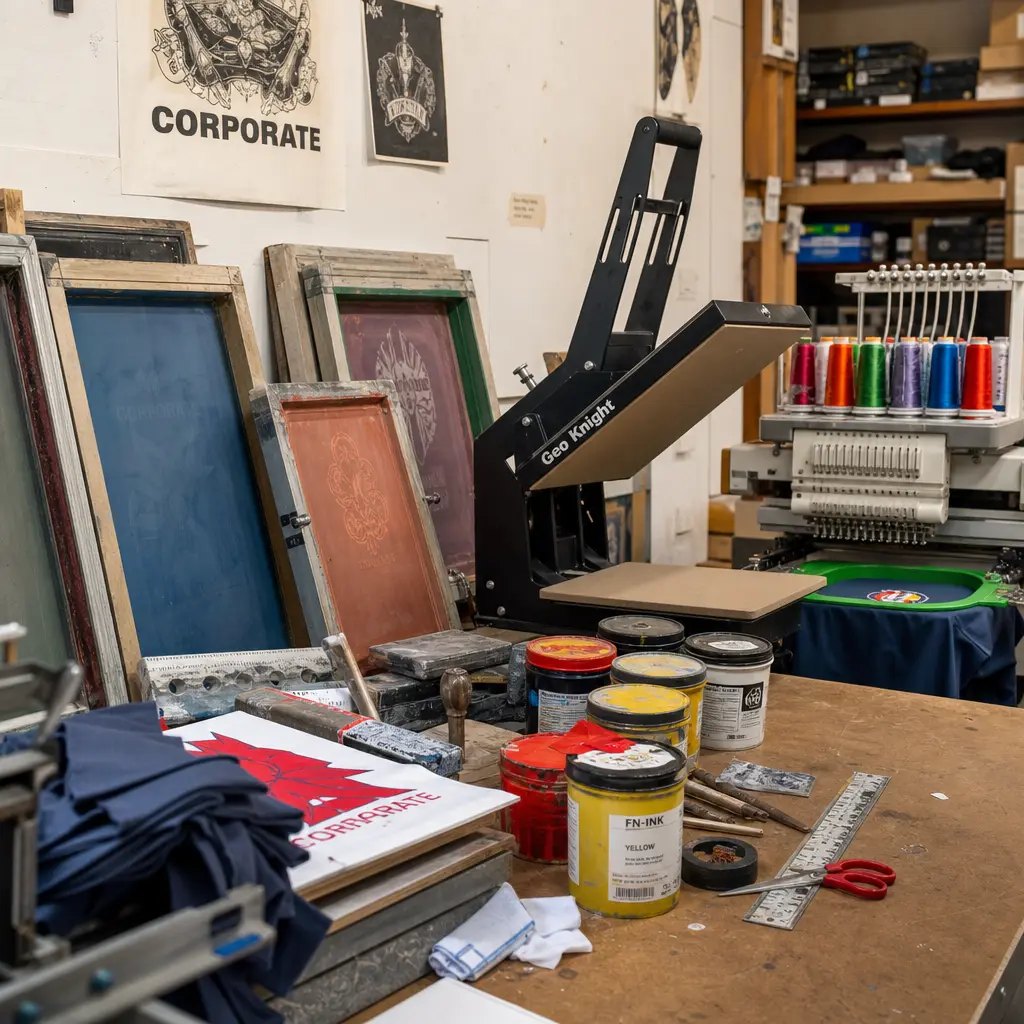
Most wine club tote programs use a winery logo, club mark, vintage campaign, or event graphic. For simple one to three color artwork on natural organic cotton, water-based screen printing is usually the most efficient method. It gives a soft hand feel and a clean branded look. The cost depends on color count, print size, ink coverage, setup screens, and whether the print is one side or two sides.
Natural cotton is not a bright white print base. Fine cream, beige, and slub texture can shift the perceived color. Dark green, burgundy, black, and navy usually print well, but very light colors may need underbase or adjusted artwork. If brand color accuracy matters, the worksheet should require a print strike-off on the actual fabric, not just a digital proof. For photographic art or short runs with many colors, digital printing can be discussed, but it may not match the hand feel or cost of screen printing at bulk quantities.
- One-color logo: lowest setup complexity and easiest QC for registration.
- Two to three colors: still suitable for screen print, but registration and ink curing need closer approval.
- Large solid print area: higher ink consumption and greater risk of hand-feel complaints or cracking if poorly cured.
- Fine line artwork: require minimum line width review (e.g., 0.5 mm) before sampling to avoid broken print edges on textured canvas.
MOQ logic: compare price breaks, not only the minimum
MOQ for organic cotton totes is driven by fabric purchasing, cutting efficiency, printing setup, sewing line allocation, and packing labor. A factory may accept 300 pieces if fabric is in stock, but the unit price can be high because setup costs are spread across a small run. At 1,000 or 2,500 pieces, the price may improve because fabric and printing are used more efficiently. Custom dye, special woven labels, or complex packing can push the practical MOQ higher.
For wine clubs, the cleanest worksheet asks for several price breaks using the same specification. This allows procurement to see where the cost curve changes. If a 500-piece order is only slightly cheaper than 1,000 pieces, the club may buy extra for tasting room retail. If 5,000 pieces creates a large saving but exceeds storage capacity, the landed cost may still be unattractive. MOQ should be evaluated with forecast, warehouse space, event calendar, and cash flow.
- Request price breaks at 500, 1,000, 2,500, and 5,000 pcs for the same bag and artwork.
- Separate repeat-order pricing from first-order pricing if screen, label, or sample costs are one-time charges.
- Ask whether leftover fabric can be reserved for a reorder and for how long.
- Do not compare a 500-piece stock-fabric quote against a 2,500-piece custom organic fabric quote as if they are equal.
Use line-item costing to catch hidden quote differences
A useful pricing worksheet does not need the factory's full internal cost sheet, but it should force a clear commercial breakdown. The unit price alone hides important differences. One quote may include a pre-production sample, screen charge, export carton, and organic document support. Another may include only the sewn bag with print, leaving all extras outside the unit price. Both can look valid until the purchase order is written.
Create a worksheet with cost lines that match your buying process. For importers and distributors, Incoterm and packing details are especially important because warehouse handling, carton cube, and compliance documents affect landed cost. For brand owners and wine clubs buying through a distributor, the same worksheet helps identify which items are bundled into the distributor margin and which remain buyer responsibilities.
- Product unit: fabric, cutting, sewing, handles, print, trimming, and standard finishing.
- Setup: print screens, artwork adjustment, color matching, label setup, and sample making.
- Packing: folding, individual bag, paper band, hang tag, inner carton, export carton, and carton marks.
- Compliance and documents: organic certificate support, test reports if required, country of origin marking, and commercial documents.
- Logistics: FOB port, EXW pickup point, local charges, inland freight, and sample courier fee.
Sample approval should lock production, not just show a pretty bag
The approved sample is the physical contract for the factory floor. For an organic cotton wine club tote, the sample should confirm fabric hand feel, actual shade, finished size, handle drop, stitch style, print color, logo position, and folding method. A photo approval is useful for speed, but it cannot confirm fabric weight, odor, stiffness, or handle comfort. If the tote will carry bottles, the buyer should physically test the approved sample with real product load.
Use different sample stages when risk is high. A blank size sample can confirm construction before print screens are made. A print strike-off can confirm color and ink coverage on actual fabric. A pre-production sample should combine all approved elements, including labels and packing if those are part of the order. Once this sample is approved, changes should be treated as commercial changes because they may affect price and lead time.
- Measure the sample flat and record width, height, gusset, handle length, and handle width. Compare to specification.
- Weigh the sample or request fabric GSM evidence so the bulk fabric does not drift downward.
- Approve print size and position using a measured layout, not only visual judgment.
- Load test with the expected bottle quantity and carry method for at least a short handling simulation.
- Keep one signed or sealed sample at the factory and one with the buyer or inspection agent.
QC thresholds prevent arguments at shipment time
Cotton is a natural material, so buyers should expect minor texture variation, small slubs, and shade character, especially on unbleached organic cotton. However, natural character is not a reason to accept oil stains, mildew odor, broken stitching, missing reinforcement, crooked handles, or weak print. The RFQ should define acceptance criteria before production so QC does not become a negotiation after cartons are packed.
For a wine club program, the most important QC risks are handle strength, visible stains, print defects, and carton contamination. A tote may look acceptable in a flat photo but fail when loaded with bottles. Print defects are also highly visible because the bag often becomes a walking advertisement for the winery. Sampling inspection should classify defects as critical, major, or minor and should include carton opening across different cartons, not only top-layer pieces.
- Critical defects: mold, strong odor, unsafe needle fragments, wrong material claim, missing required label, or severe handle failure.
- Major defects: wrong size beyond tolerance (±1 cm), crooked print, heavy stain, skipped handle reinforcement, open seam, or wrong carton quantity.
- Minor defects: loose thread, small acceptable slub, slight fold mark, or minor shade variation within approved range.
- Practical test: lift loaded samples by the handles and inspect stress points after handling, not only before.
Packing and freight can erase a low unit price
Organic cotton totes are not fragile like glass, but poor packing still creates cost. Over-compressed cartons can cause hard creases that make the bags look cheap. Loose packing can increase carton cube and freight. Individual polybags add material cost and labor, and they may conflict with sustainability positioning. For many wine clubs, bulk folded packing into clean export cartons is the most cost-efficient option, unless the tote is sold as retail merchandise.
Packing should be specified in the pricing worksheet because it affects both factory labor and warehouse handling. A fulfillment center may require scannable carton labels, fixed carton quantities, or pallet height limits. A tasting room may prefer smaller cartons that staff can lift safely. If the supplier quotes without carton size and gross weight, the importer cannot estimate landed cost accurately.
- Bulk folded packing: lowest material use, efficient for warehouse receiving, suitable for giveaways and inserts.
- Individual paper band: better presentation than loose bulk, lower plastic use, extra labor and material cost.
- Individual polybag: protects retail pieces but adds plastic, labor, and disposal concerns.
- Carton planning: define pieces per carton, carton dimensions, gross weight limit, carton marks, and pallet rules if required.
Specification comparison for buyers
| Spec decision | Recommended option | Typical cost range (FOB, per piece) | When it fits | Buyer risk to check |
|---|---|---|---|---|
| Fabric weight | 8 oz to 10 oz organic cotton canvas (270–340 GSM) | $1.20–$2.00 | Wine club welcome gifts, tasting room retail, and reusable bottle carry without making the bag feel too heavy | Quotes may mix plain weave cotton, canvas, and recycled cotton. Require the fabric construction, GSM tolerance (±5%), and organic certificate scope. Confirm whether fabric is greige, bleached, dyed, or natural unbleached. |
| Bag size | 38 × 42 cm flat tote, with 8–12 cm gusset if used for two bottles | $0.80–$1.50 (flat); $1.00–$1.80 (gusset) | General wine club merchandise, event handouts, and club pickup packaging | A non-gusset tote may look cheaper but performs poorly with boxed wine accessories or two bottles. Confirm finished size tolerance (±1 cm after finishing). Measure actual product load: bottle diameter, height, sleeve, folder, and inserts. |
| Handle construction | Self-fabric handles 2.5–3.0 cm wide, 60–70 cm long, cross-stitched or bartacked at stress points | $0.30–$0.60 | Shoulder carry for tasting room visitors and retail customers | Narrow handles reduce cost but cut into the shoulder when carrying bottles. Require bartack or box-cross reinforcement photos. Specify bartack count and stitch density. |
| Printing method | Water-based screen print for one to three solid colors on natural cotton | $0.40–$1.00 per color | Most winery logos, club marks, and seasonal campaigns on natural cotton | Low-opacity ink on natural fabric can look dull. Approve strike-off on actual fabric for ink coverage, edge sharpness, and wash/rub resistance before bulk. For fine line artwork, require minimum line width review before sampling. |
| Organic claim handling | Transaction certificate or supplier certificate support depending on buyer claim level | $0.05–$0.20 (supplier cert); $0.15–$0.50 (transaction cert) | Brands using organic cotton as a sustainability selling point but not making medical or regulated claims | A supplier certificate alone may not trace your lot. Define what document is included in the quoted price and what costs extra. Separate material availability from claim support. |
| MOQ structure | 500–1,000 pcs for standard fabric and one-color print; higher for custom dye or special labels | Price break at 500: $2.50–$3.50; 1,000: $2.00–$2.80; 2,500: $1.80–$2.40; 5,000: $1.60–$2.20 | Wine clubs planning quarterly drops, tasting kits, or member renewal gifts | A low MOQ quote may use stock fabric with limited certification evidence. Check whether unit price changes sharply at 500, 1,000, 2,500, and 5,000 pcs. Separate repeat-order pricing from first-order pricing. |
| Packing method | Individual folded packing only when needed; otherwise bulk fold into export cartons with carton marks | $0.00–$0.15 (bulk); $0.20–$0.50 (individual polybag) | Bulk distribution to winery, fulfillment center, or club warehouse | Individual polybags add labor, material, and sustainability objections. Confirm carton quantity, carton dimensions, gross weight, and carton marks. Define pieces per carton and pallet rules if required. |
| Lead time basis | 7–10 days for pre-production sample after artwork approval; 25–40 days for bulk depending on fabric and print | Sample: $50–$150; Bulk: included in unit price | Normal seasonal merchandise planning with ocean or air consolidation | Lead time often starts after deposit, artwork, and sample approval, not from first inquiry. Put the start trigger in the PO. Identify critical path steps: fabric weaving, dyeing, printing, sewing, packing. |
| Quote format | Line-item quote showing fabric, print, labels, packing, testing, export carton, and freight term | N/A | Comparing multiple factories or distributors on total cost instead of unit price only | A cheap FOB unit price may exclude sample freight, organic documentation, testing, or inner packing. Require inclusions and exclusions in writing. Create cost lines: product unit, setup, packing, compliance, logistics. |
Buyer checklist before sampling
- Define the bag use first: tasting room retail, wine club welcome kit, event giveaway, shipment insert, or two-bottle carry. This determines fabric weight, gusset, handle reinforcement, and packing.
- Specify fabric as organic cotton canvas or organic cotton plain weave, with target GSM or ounce weight and allowed tolerance (±5% GSM). State whether fabric is greige, bleached, dyed, or natural unbleached.
- State finished bag dimensions, gusset requirement, handle length, handle width, and reinforcement method (bartack count, box-cross stitching, or equivalent).
- Provide final vector artwork with Pantone or ink references, print size, print position, and whether the same art prints on both sides. For fine line artwork, confirm minimum line width.
- Choose the claim level required for organic cotton: supplier certificate, transaction certificate, product labeling support, or no consumer-facing claim. Write it into the RFQ.
- Request price breaks at realistic quantities such as 500, 1,000, 2,500, and 5,000 pcs instead of asking only for the minimum. Separate one-time setup costs from unit price.
- Clarify sample type: blank size sample, print strike-off, pre-production sample, or full approval sample with packing. Approve sample with physical load test if bottles are carried.
- Define packing: bulk folded, individual paper band, individual polybag, master carton quantity, carton marks, and palletization if needed. Specify carton dimensions and gross weight.
- Set QC acceptance points for size tolerance (±1 cm), print position tolerance (±5 mm), seam strength, handle pull test, stains, odor, and needle damage. Classify defects as critical, major, or minor.
- Ask for quote validity, lead time trigger, payment term, Incoterm, sample cost, mold or screen cost, and what documents are included. Confirm what triggers rework before shipment.
Factory quote questions to send
- What organic cotton fabric construction, GSM, and tolerance (±5%?) are you quoting, and is the fabric greige, bleached, dyed, or natural unbleached?
- Is the quoted organic certificate support at supplier level only, or can you provide lot-level transaction documentation for this order? What is the cost and timing for each?
- What are the exact finished dimensions, gusset size, handle size, seam allowance, and handle reinforcement method (bartack count, box-cross stitching) included in the price?
- Which print method is included, how many colors, what maximum print area, and are screens or digital setup charges separate? Is a strike-off on actual fabric included?
- Can you quote the same specification at 500, 1,000, 2,500, and 5,000 pcs so we can see MOQ and fabric purchase efficiency? What is the repeat-order pricing?
- What sample stages do you recommend for this artwork and fabric, what is the sample cost, and how many days are needed after artwork confirmation? Is a physical load test recommended?
- How many pieces per export carton, what is the estimated carton size and gross weight, and will individual packing add cost or change lead time?
- What bulk lead time applies after deposit and sample approval, and what production steps are on the critical path (fabric, dye, print, sew, pack)?
- What tests or in-line checks are included before shipment, and can you share photos of fabric inspection, print inspection, sewing, and final packing? What defect classification system is used?
- Which Incoterm is quoted, what local export costs are included, and what costs are excluded from the unit price? What is the quote validity period?
Quality-control points to confirm
- Fabric GSM should be verified against the approved sample, normally with an agreed tolerance of ±5% unless the buyer specifies otherwise. Record actual GSM from bulk fabric roll.
- Finished size should be measured flat after normal finishing, with typical tolerances agreed for width (±1 cm), height (±1 cm), gusset (±0.5 cm), and handle drop (±1 cm).
- Handle attachment should use bartack or box-cross reinforcement, with no skipped stitches, loose threads, or needle cuts at stress points. Perform a handle pull test with loaded sample.
- Print placement should follow the approved layout, commonly within a small agreed tolerance such as ±5 mm for simple front logos. Measure from bag edge or seam.
- Ink coverage should be even on natural cotton, with no heavy bleeding, pinholes beyond the approved limit, or visible registration shift on multi-color artwork. Check after curing.
- Bags should be free from oil marks, mildew odor, weaving defects, major slubs outside the approved fabric character, and mixed shade panels. Inspect under natural light.
- Cartons should protect folded bags from moisture, crushing, and contamination, with buyer item number, quantity, PO number, and country of origin marking where required. Check carton condition.
- Random final inspection should separate critical, major, and minor defects so the factory and buyer agree what triggers rework before shipment. AQL 2.5 normal level is common for general merchandise.